In the dynamic world of live events, entertainment venues, and corporate presentations, LED displays have become a cornerstone of visual communication. Among the various installation methods, bar rigging stands out as a versatile and efficient solution for mounting LED screens. This article delves into the intricacies of bar rigging for LED displays, exploring its benefits, technical considerations, and practical applications.
Understanding Bar Rigging in LED Display Installations
Bar rigging refers to the method of suspending LED panels or screens using horizontal or vertical bars, typically made of steel or aluminum. This technique allows for flexible configurations, enabling event organizers and venue designers to create visually striking displays that can be easily assembled, adjusted, or dismantled.
Unlike traditional floor-standing or wall-mounted LED installations, bar rigging offers enhanced mobility and scalability. It is especially popular in temporary setups such as concerts, trade shows, and theatrical productions where quick installation and teardown are paramount. The versatility of bar rigging systems means they can be adapted to various environments, from intimate venues to large arenas, ensuring that the visual experience is tailored to the audience’s needs.
Moreover, the ability to adjust the height and angle of the LED displays through bar rigging allows for dynamic presentations that can capture the audience’s attention from multiple vantage points. This adaptability is crucial in environments where sightlines can vary significantly, such as in stadiums or outdoor festivals. By utilizing bar rigging, event planners can ensure that every attendee has a clear view of the content being displayed, enhancing overall engagement and satisfaction.
Key Components of Bar Rigging Systems
A typical bar rigging system includes several essential components:
- Rigging Bars: These are the structural elements that support the LED panels. They come in various lengths and load capacities to accommodate different screen sizes and weights.
- Clamps and Connectors: These secure the LED panels to the rigging bars and allow for precise alignment and stability.
- Suspension Hardware: Chains, cables, or trusses are used to suspend the rigging bars from overhead structures such as trusses or ceiling grids.
- Safety Equipment: Safety cables, shackles, and secondary locking mechanisms ensure that the rigging system complies with safety standards and protects both the equipment and the audience.
In addition to these components, it is important to consider the integration of power and data connections within the rigging system. Properly managing these connections ensures that the LED panels receive the necessary signals and power without compromising the aesthetic appeal of the installation. Many modern systems incorporate cable management solutions that keep wires organized and out of sight, contributing to a clean and professional appearance. Furthermore, advancements in technology have led to the development of lightweight, high-strength materials for rigging components, which not only reduce the overall weight of the installation but also enhance safety and ease of transport.
Another critical aspect of bar rigging is the planning and execution of load calculations. Understanding the weight distribution and ensuring that the rigging system can safely support the LED panels is vital for preventing accidents and ensuring the longevity of the equipment. Professionals in the field often use specialized software to simulate load scenarios and optimize the rigging design before installation. This meticulous approach not only enhances safety but also contributes to the overall success of the event by minimizing downtime and technical issues during the show.
Advantages of Bar Rigging for LED Displays
Bar rigging offers several distinct advantages that make it a preferred choice for many event professionals and venue operators.
Flexibility and Customization
One of the primary benefits of bar rigging is its adaptability. LED panels can be arranged in various shapes and sizes, from simple rectangular screens to complex curved or angled configurations. This flexibility allows designers to tailor the display to the specific spatial and aesthetic requirements of the event or venue.
Speed and Efficiency in Setup
Bar rigging systems are designed for rapid deployment. The modular nature of the bars and clamps means that LED panels can be quickly attached or detached, reducing labor time and costs. This efficiency is critical in live event environments where time constraints are often tight.
Improved Safety and Stability
When properly engineered and installed, bar rigging provides a secure mounting solution that minimizes the risk of screen movement or failure. The use of certified rigging hardware and adherence to industry safety standards ensures that the LED display remains stable throughout the event.
Enhanced Viewing Experience
By suspending LED panels at optimal heights and angles, bar rigging can improve sightlines for the audience. This positioning helps maximize the visual impact of the content displayed, whether it’s a live video feed, dynamic graphics, or interactive elements.
Technical Considerations in Bar Rigging LED Displays
Successful bar rigging requires careful planning and technical expertise. Several factors must be considered to ensure the installation is both effective and safe.
Load Capacity and Weight Distribution
LED panels vary in weight depending on their size, pixel pitch, and construction. It is crucial to calculate the total load that the rigging bars and suspension hardware will bear. Overloading can lead to structural failure, posing serious safety hazards.
Engineers typically use load charts and safety factors when selecting rigging components. For example, a rigging bar rated for 500 kilograms should not be loaded beyond 80% of its capacity to maintain a safety margin.
Rigging Points and Structural Integrity
The points from which the rigging bars are suspended must be capable of supporting the combined weight of the bars and LED panels. This often involves coordination with venue engineers to assess ceiling trusses, beams, or other overhead structures.
In some cases, additional reinforcement or temporary support structures may be necessary to accommodate the rigged display.
Alignment and Calibration
Precise alignment of LED panels is essential for a seamless visual experience. Bar rigging systems often include adjustable clamps and brackets that allow technicians to fine-tune the position of each panel.
After physical installation, calibration tools and software are used to ensure color uniformity, brightness consistency, and pixel alignment across the entire display.
Compliance with Safety Standards
Regulatory compliance is a critical aspect of bar rigging. In many regions, rigging installations must adhere to standards such as those set by the Occupational Safety and Health Administration (OSHA) in the United States or the European Norms (EN) for rigging equipment.
Regular inspections and certifications are necessary to maintain safety throughout the lifespan of the installation.
Applications of Bar Rigging in Various Industries
Bar rigging for LED displays finds applications across a broad spectrum of industries, each with unique requirements and challenges.
Live Music and Entertainment
Concerts and music festivals often rely on large, high-resolution LED screens to enhance the audience’s experience. Bar rigging allows for the creation of massive video walls that can be quickly assembled and disassembled as artists move between venues.
For example, major tours by artists such as Beyoncé and Coldplay utilize bar-rigged LED displays to deliver immersive visual storytelling that complements their performances.
Corporate Events and Trade Shows
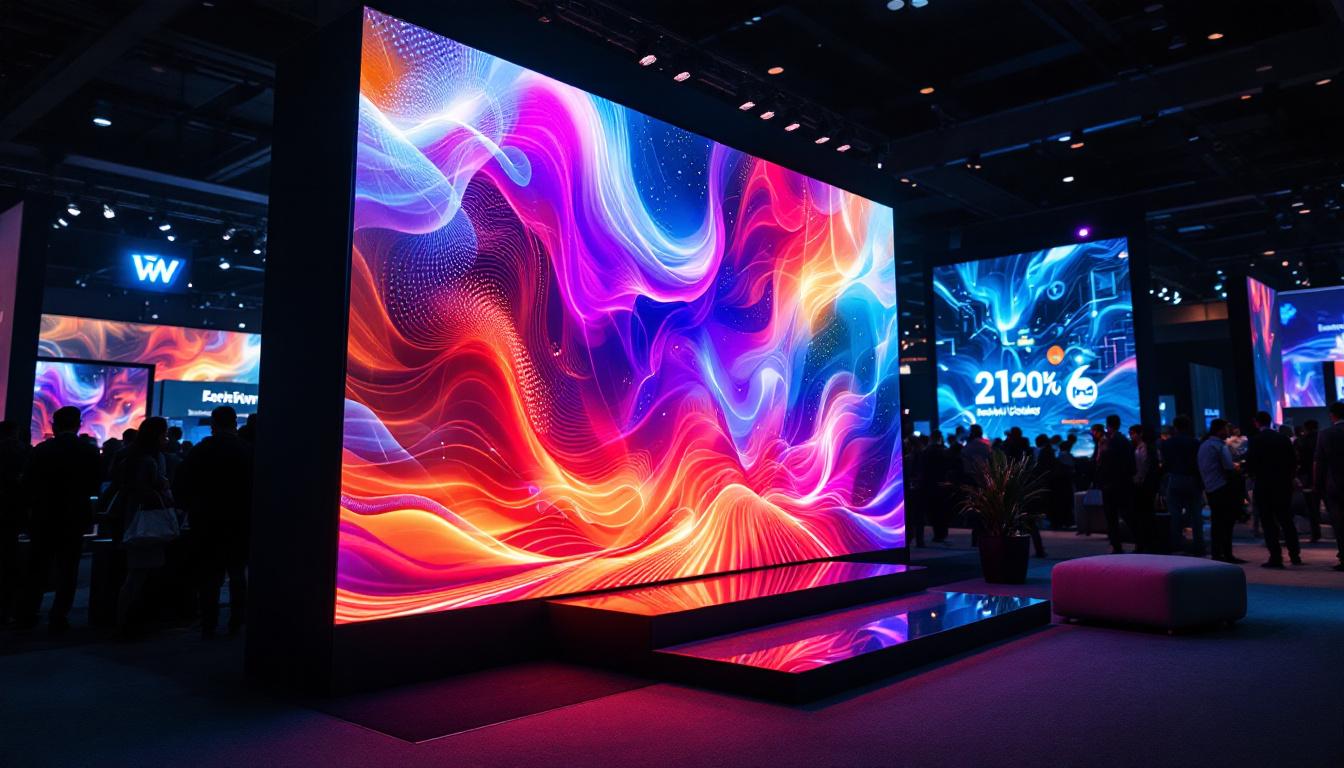
In the corporate world, LED displays serve as powerful tools for branding, presentations, and product launches. Bar rigging enables companies to customize booth designs with dynamic screens that attract attention and convey information effectively.
Trade shows benefit from the modularity of bar rigging, allowing exhibitors to adapt their displays to different booth sizes and layouts.
Theater and Performing Arts
Theater productions increasingly incorporate LED screens into their set designs to create versatile backdrops and interactive environments. Bar rigging facilitates the integration of these screens into complex stage setups without obstructing performers or audience sightlines.
Sports Venues and Arenas
Sports arenas use bar-rigged LED displays to provide fans with live scores, replays, and engaging content. The ability to suspend screens above the playing field or court ensures visibility from all seating areas.
Modern stadiums, such as those used in the NFL and NBA, feature extensive bar-rigged LED installations that enhance the game-day experience.
Best Practices for Successful Bar Rigging Installations
To maximize the benefits of bar rigging for LED displays, adherence to best practices is essential.
Engage Experienced Professionals
Working with certified riggers and LED installation specialists ensures that the rigging system is designed and executed to the highest standards. Experienced teams can anticipate challenges and implement solutions that safeguard both equipment and people.
Perform Thorough Site Assessments
Before installation, conduct detailed assessments of the venue’s structural capabilities, ceiling heights, and available rigging points. This information guides the selection of appropriate rigging hardware and informs the overall design.
Implement Rigorous Safety Protocols
Safety should be the top priority throughout the installation process. This includes using proper personal protective equipment (PPE), conducting load tests, and establishing clear communication among team members during setup and teardown.
Plan for Maintenance and Inspection
Regular inspection and maintenance of rigging components prevent wear-related failures. Establishing a maintenance schedule and documentation process helps maintain compliance and prolongs the lifespan of the installation.
The Future of Bar Rigging and LED Displays
As LED technology advances, bar rigging methods continue to evolve. Innovations in lightweight materials, wireless control systems, and automated rigging solutions are shaping the future of LED display installations.
Emerging trends include the integration of AI-driven calibration tools that optimize screen performance in real time and the development of modular, snap-together rigging bars that reduce setup time even further.
With the global LED display market projected to grow at a compound annual growth rate (CAGR) of over 13% through 2027, bar rigging will remain a critical technique for delivering impactful visual experiences across industries.
Conclusion
Bar rigging is a vital method for mounting LED displays that combines flexibility, efficiency, and safety. Its ability to support large-scale, customizable screens makes it indispensable in live events, corporate settings, theaters, and sports venues. By understanding the technical requirements and adhering to best practices, professionals can leverage bar rigging to create visually stunning and reliable LED installations that captivate audiences and elevate experiences.
Discover LumenMatrix’s Innovative LED Solutions
Ready to elevate your visual experience with the flexibility and efficiency of bar rigging LED displays? LumenMatrix is at the forefront of LED display technology, offering a wide array of solutions that transform any space into a dynamic visual spectacle. From Indoor and Outdoor LED Walls to Custom and All-in-One LED Displays, our products are designed to captivate your audience and amplify your message. Don’t miss the opportunity to revolutionize your visual communication. Check out LumenMatrix LED Display Solutions today and see the difference innovation can make.