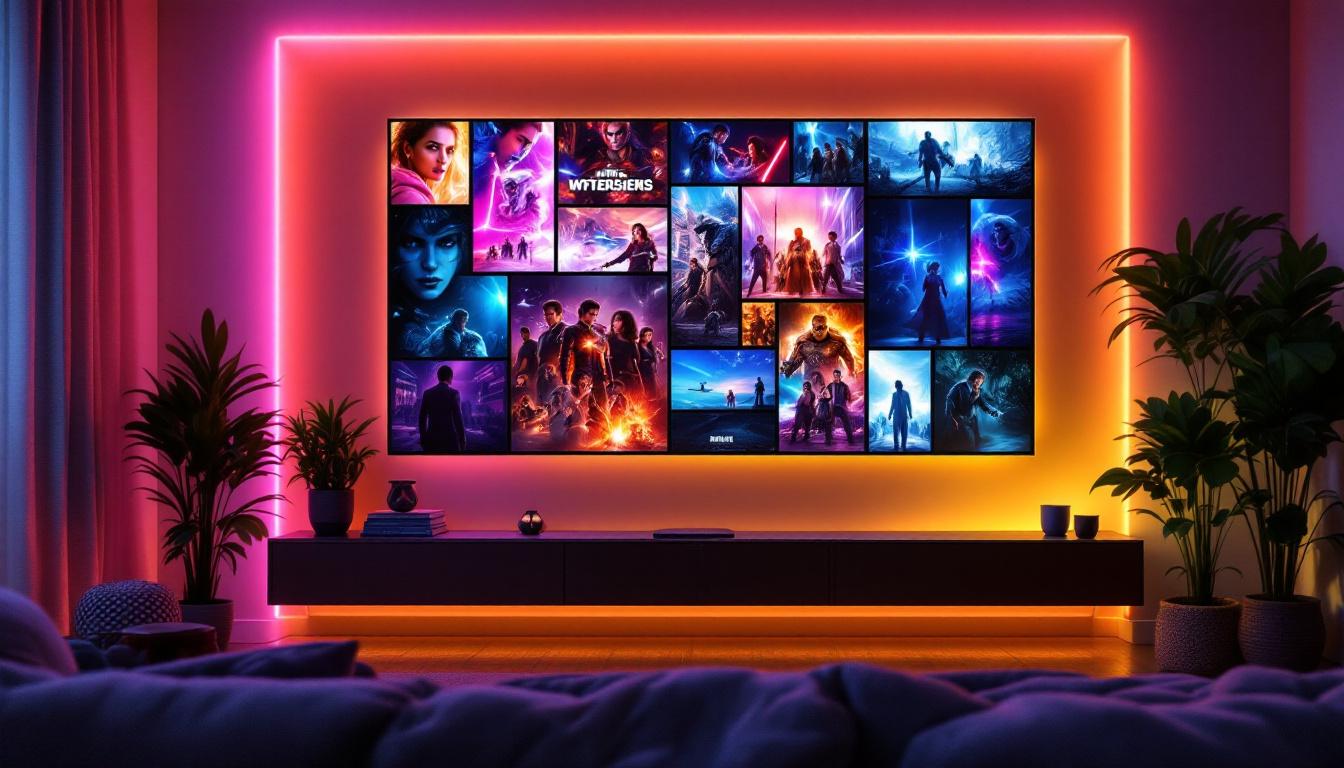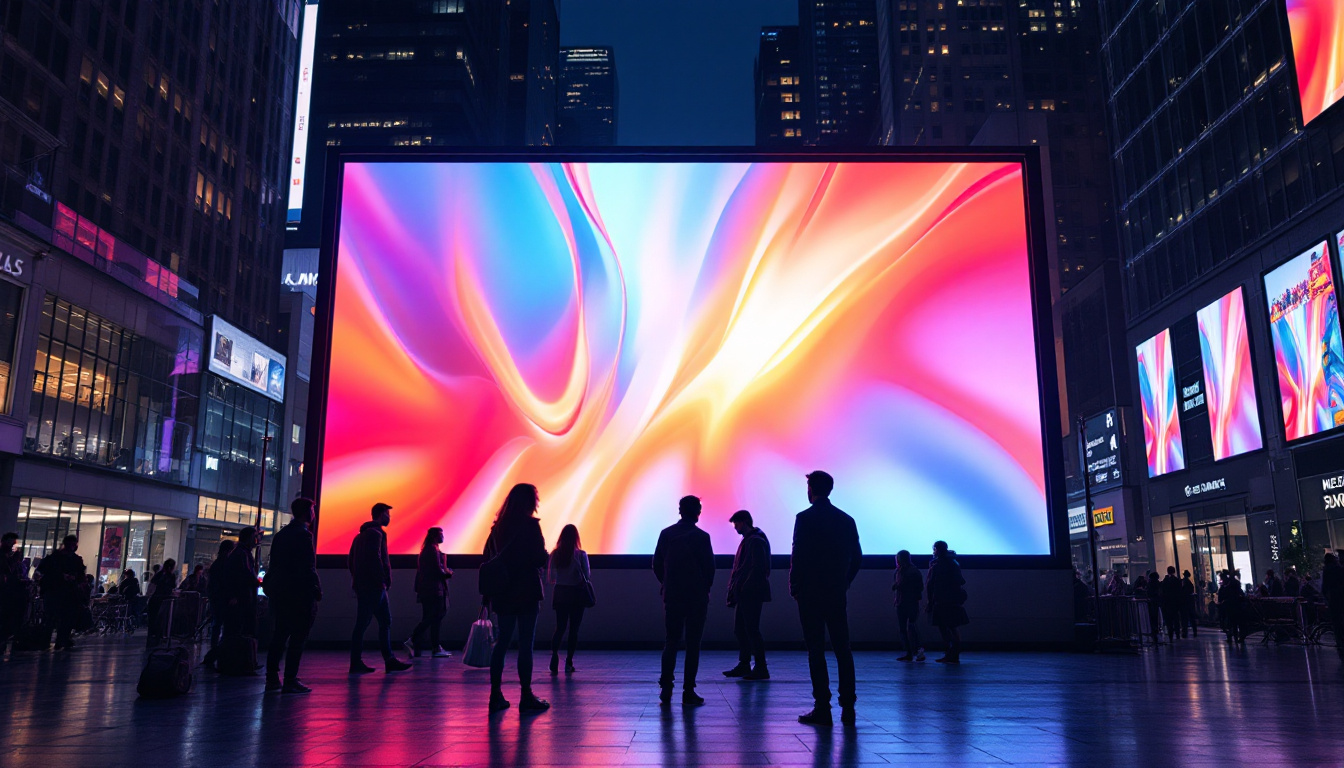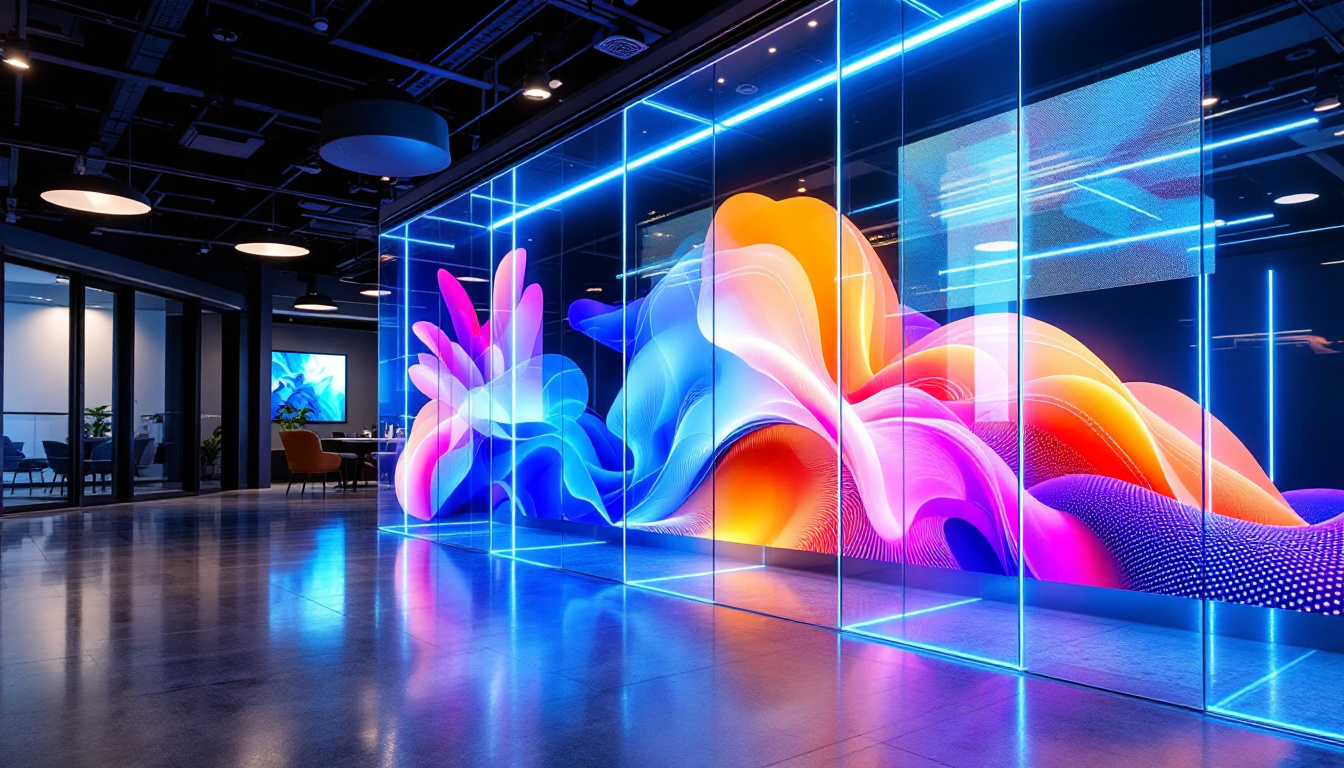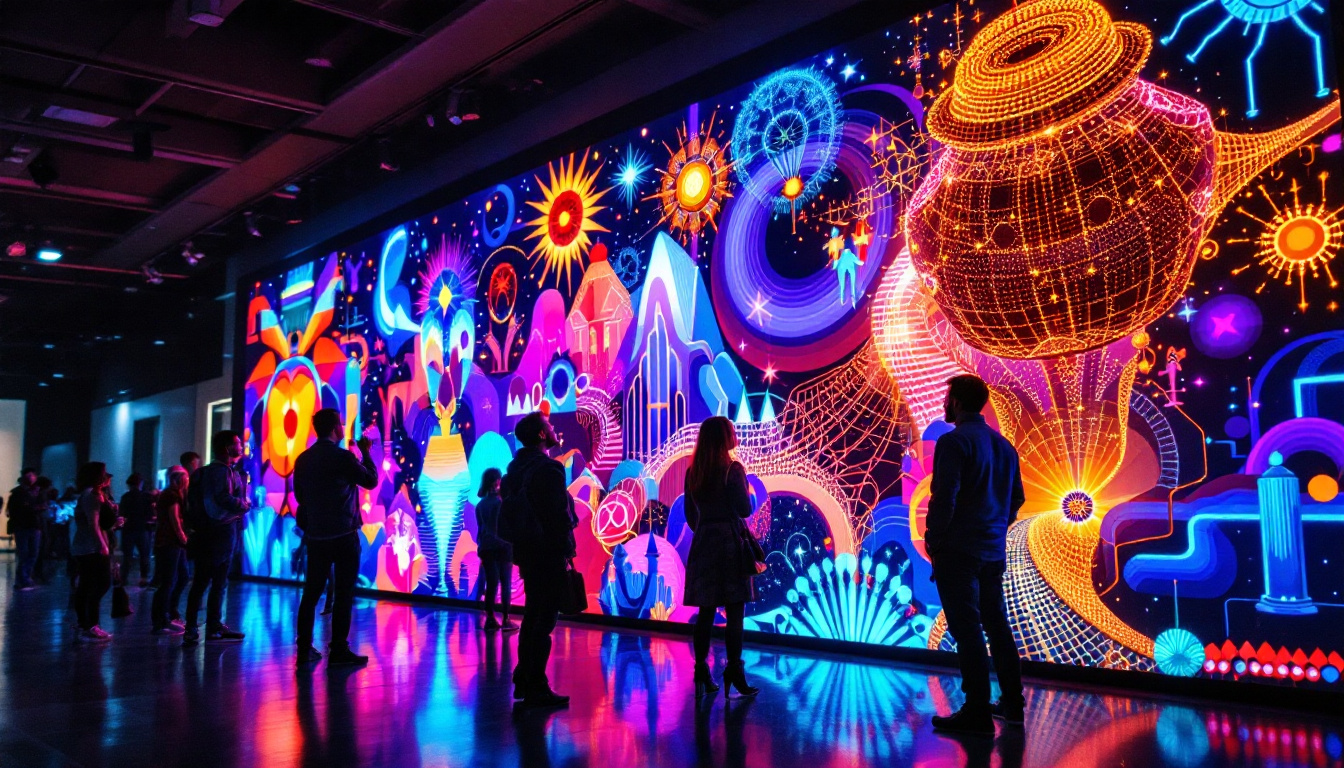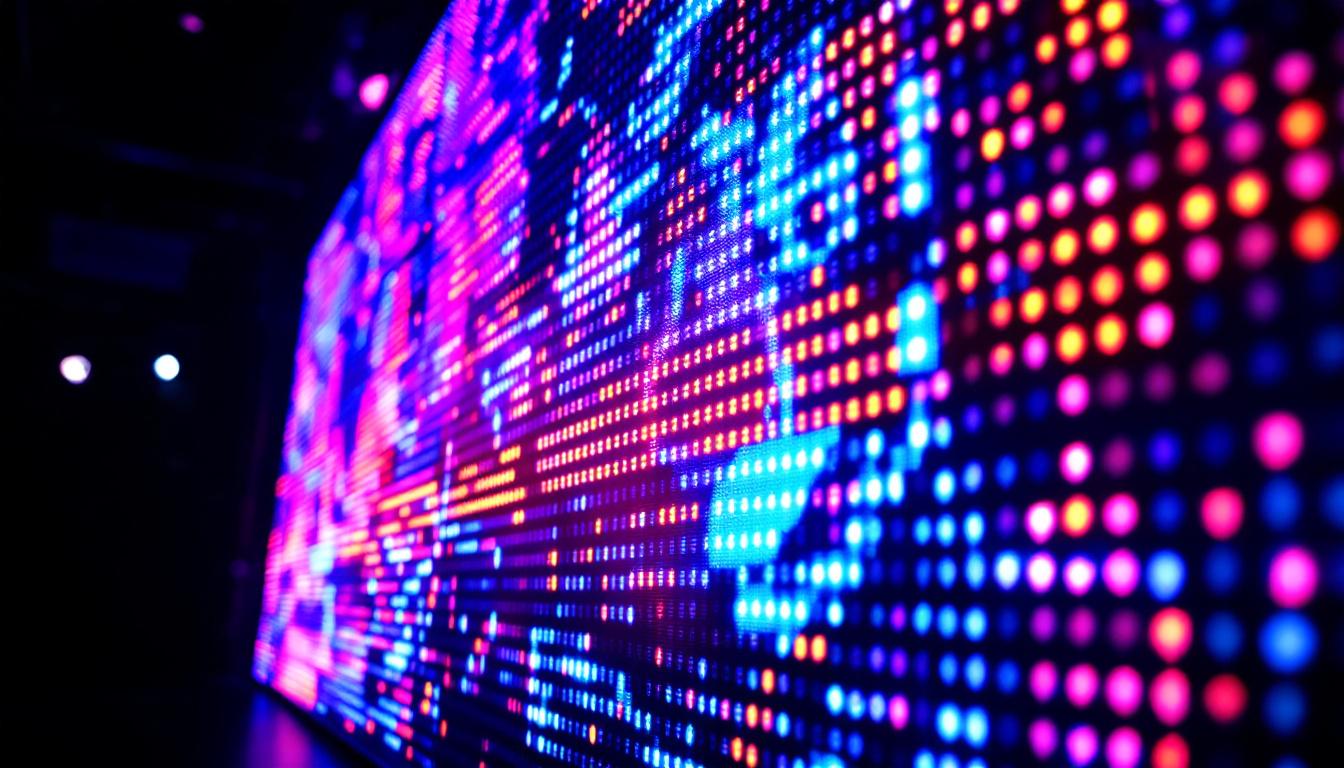
In the rapidly evolving world of visual technology, LED panels have become a cornerstone for delivering vibrant, high-quality video content. From massive outdoor billboards to sleek indoor video walls, LED displays are transforming how audiences engage with digital media. This article delves into the fundamentals of LED panels for video, exploring their technology, applications, benefits, and key considerations for selecting the right display solution.
Understanding LED Panel Technology
LED, or Light Emitting Diode, technology has revolutionized display systems by offering bright, energy-efficient, and versatile screens. Unlike traditional LCD or projection-based displays, LED panels consist of numerous tiny diodes that emit light individually, enabling superior brightness and contrast.
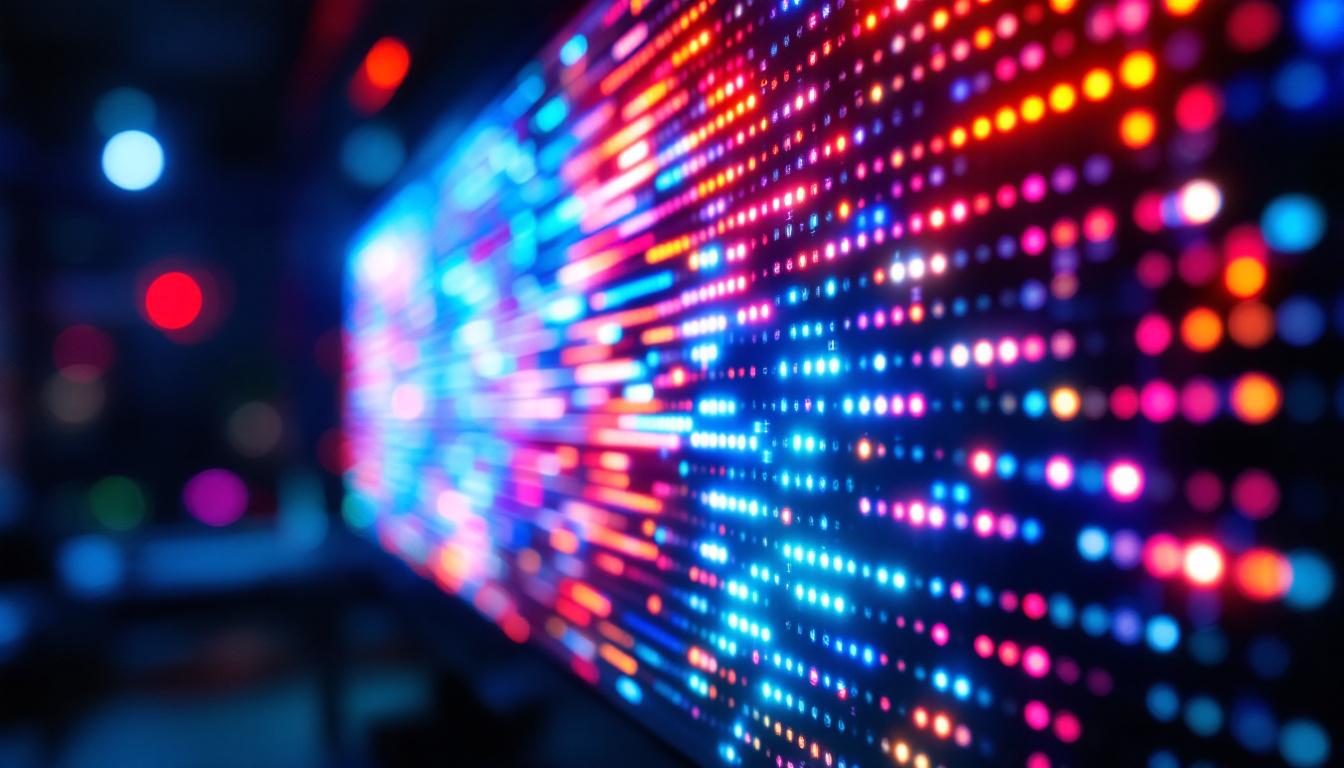
At the core of every LED panel are thousands, sometimes millions, of these diodes arranged in a grid. Each diode can be controlled independently to produce a specific color and intensity, which collectively forms the images and videos seen on the screen. This pixel-level control allows LED displays to achieve exceptional color accuracy and dynamic range. The ability to adjust brightness and color on a per-pixel basis not only enhances the viewing experience but also allows for more creative and engaging content, making LED panels a popular choice in various applications, from advertising to entertainment.
Types of LED Panels
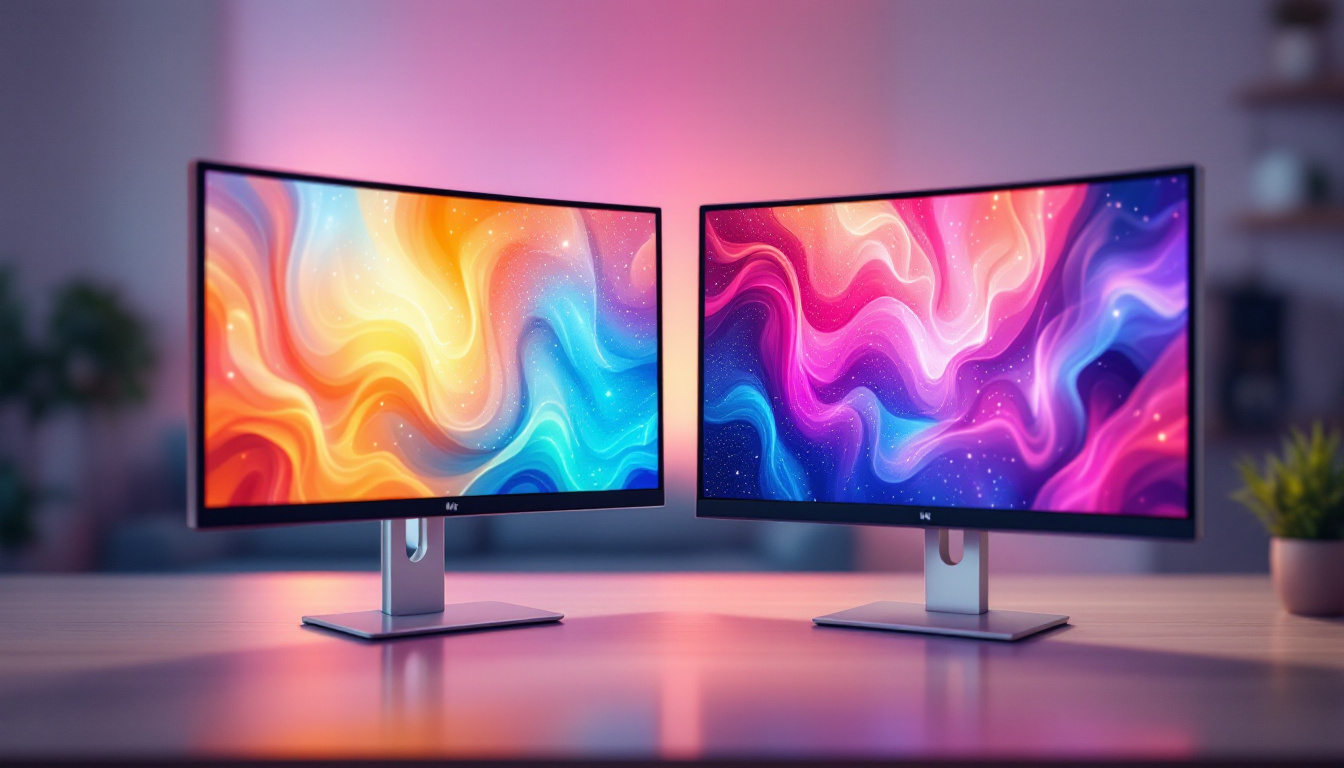
There are mainly two types of LED panels used for video displays: direct view LED panels and LED-backlit LCD panels. Direct view LED panels are composed entirely of LEDs that emit light directly to the viewer, making them ideal for large-scale video walls and outdoor signage. In contrast, LED-backlit LCD panels use LEDs as a backlight source behind an LCD screen, common in consumer televisions and monitors.
For video applications, direct view LED panels are typically preferred due to their superior brightness, viewing angles, and scalability. These panels come in various pixel pitches, which refer to the distance between individual LEDs. Smaller pixel pitches (e.g., 1.2mm to 2.5mm) provide higher resolution and are suited for close viewing distances, while larger pitches (e.g., 4mm and above) are better for outdoor or large venue displays where viewers are farther away. Additionally, advancements in LED technology have led to the development of flexible LED panels, which can be curved or shaped to fit unique display environments, further expanding the possibilities for creative installations.
Moreover, the integration of smart technology into LED panels has opened up new avenues for interactivity and connectivity. Many modern LED displays now come equipped with built-in sensors and software that allow for real-time data integration, enabling dynamic content that can respond to audience engagement or environmental changes. This capability is particularly valuable in retail settings, where targeted advertising can be displayed based on customer demographics or behaviors. As the technology continues to evolve, the potential applications for LED panels are virtually limitless, making them a cornerstone of contemporary visual communication.
Applications of LED Panels in Video Displays
LED panels have become ubiquitous across diverse industries, driven by their adaptability and visual impact. Their applications span from entertainment and advertising to corporate communications and public information systems.
Entertainment and Events
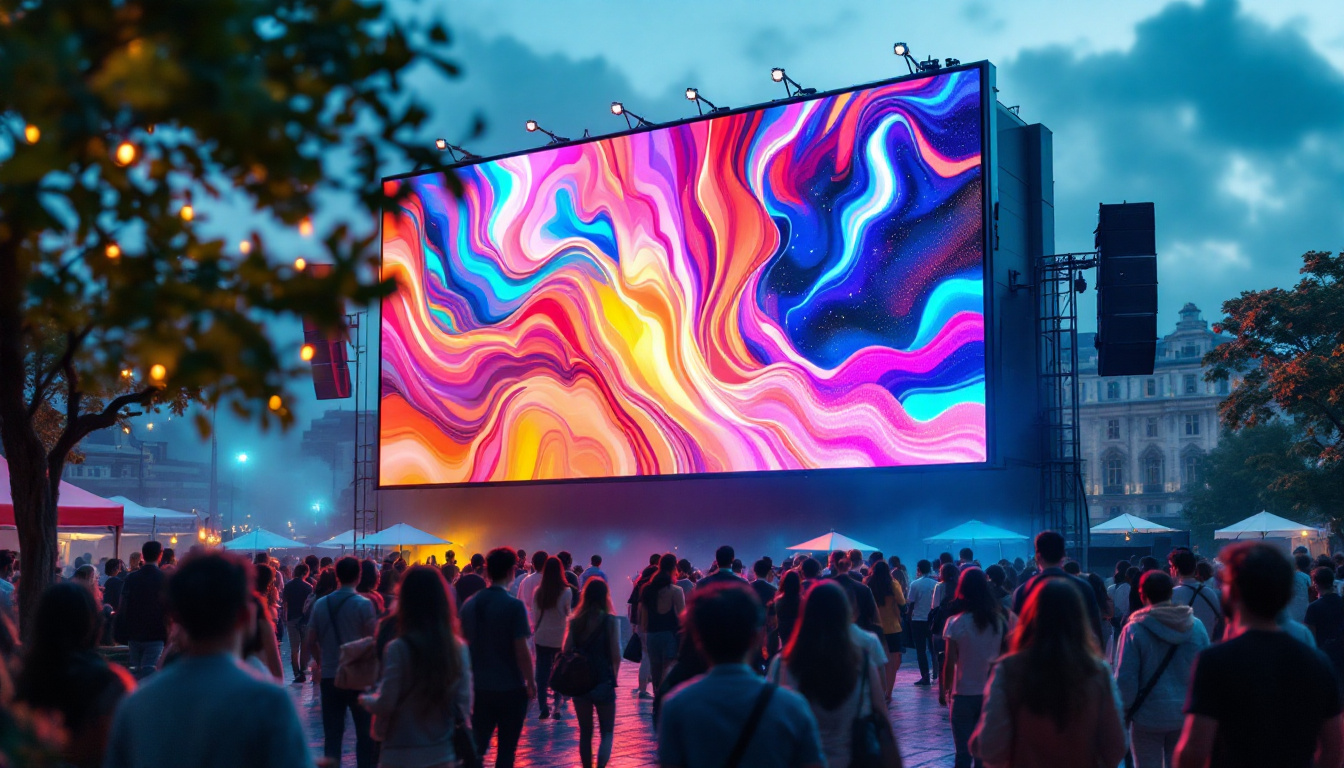
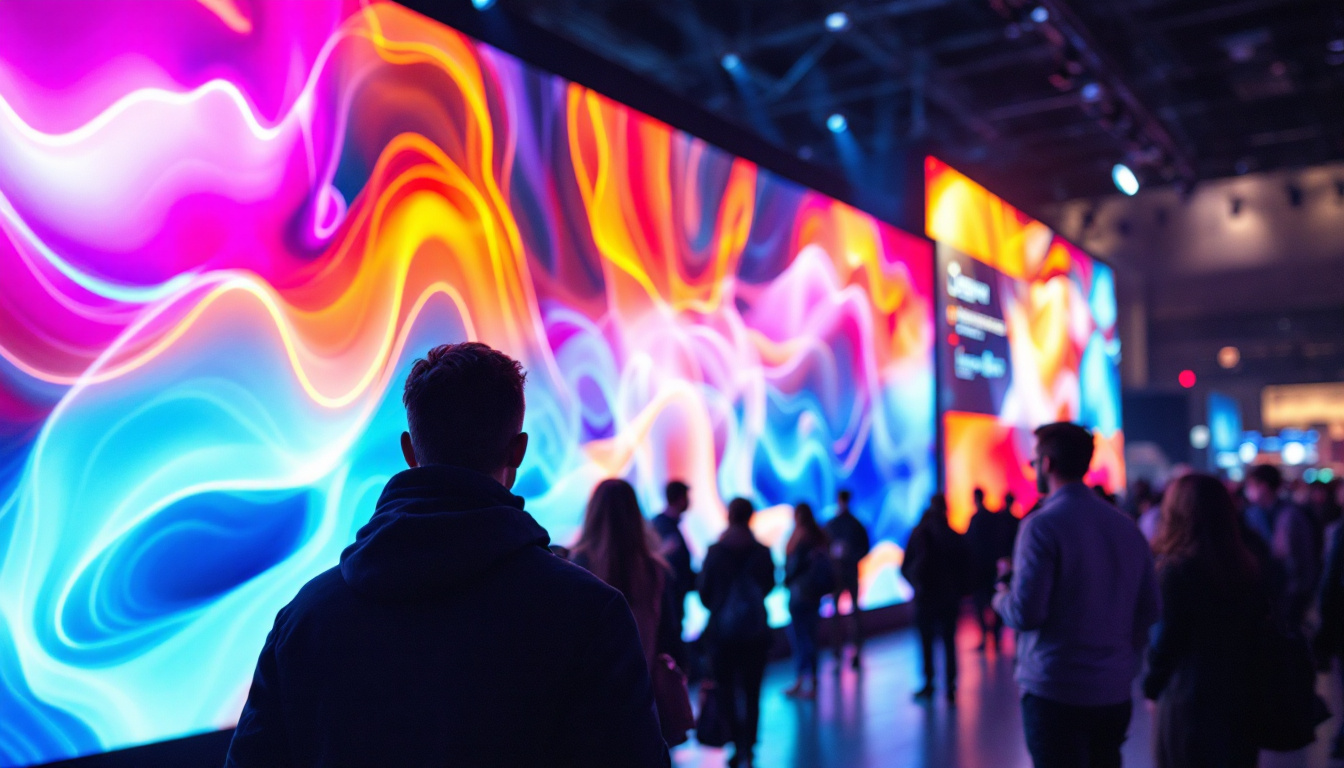
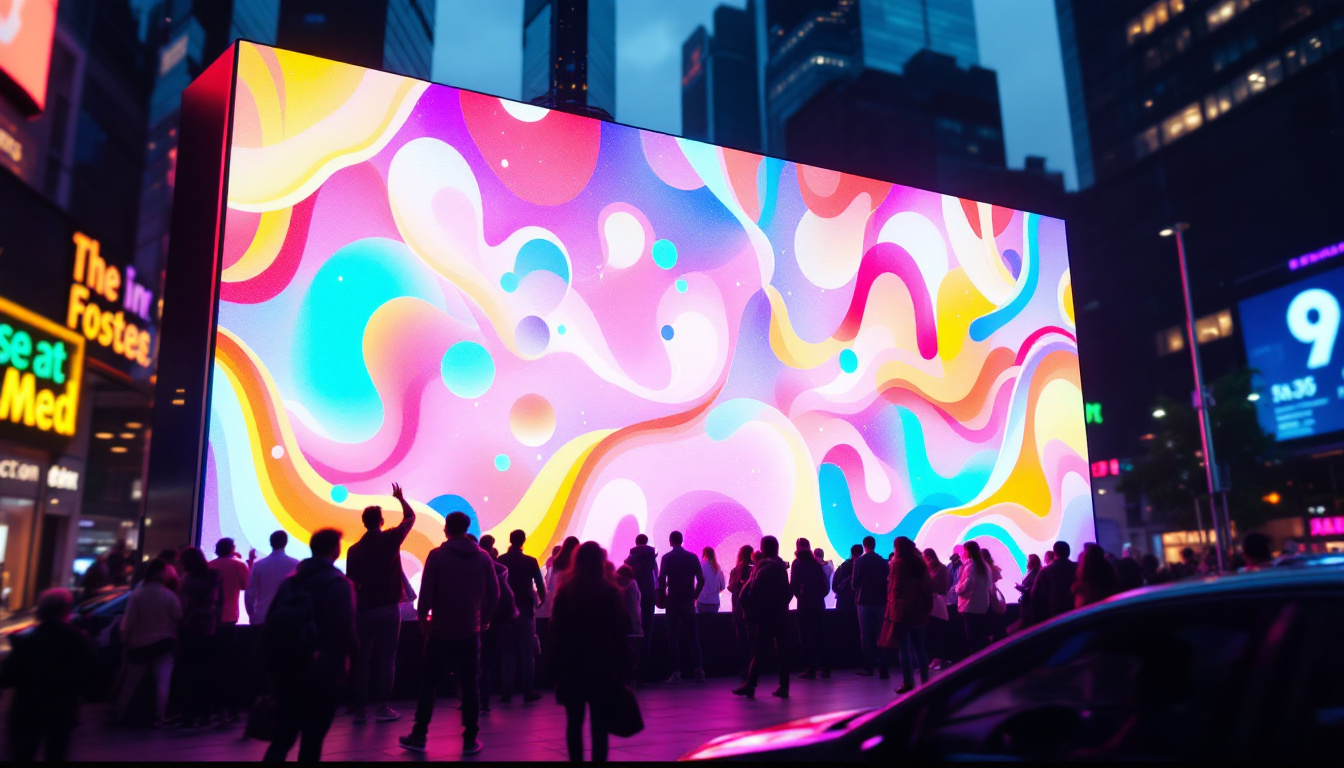
Concerts, festivals, and sporting events frequently employ LED video walls to enhance audience experience. These panels deliver crisp visuals that can be seen clearly even under bright daylight or from long distances. For example, the Super Bowl halftime shows often feature massive LED setups that synchronize video content with live performances, creating immersive environments.
Additionally, LED panels are used in theaters and studios for dynamic backdrops and virtual sets, enabling real-time content changes and interactive storytelling. The ability to customize size and shape makes LED panels ideal for creative stage designs.
Advertising and Digital Signage
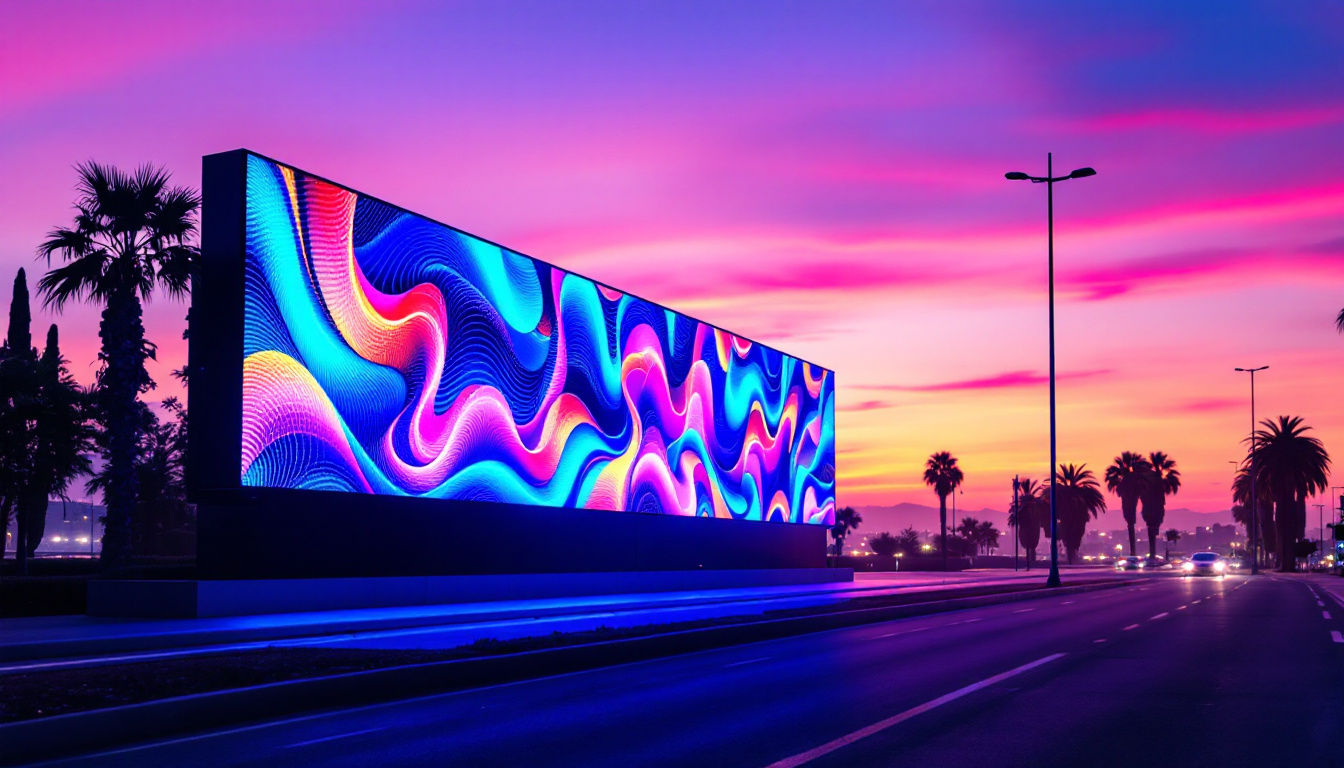
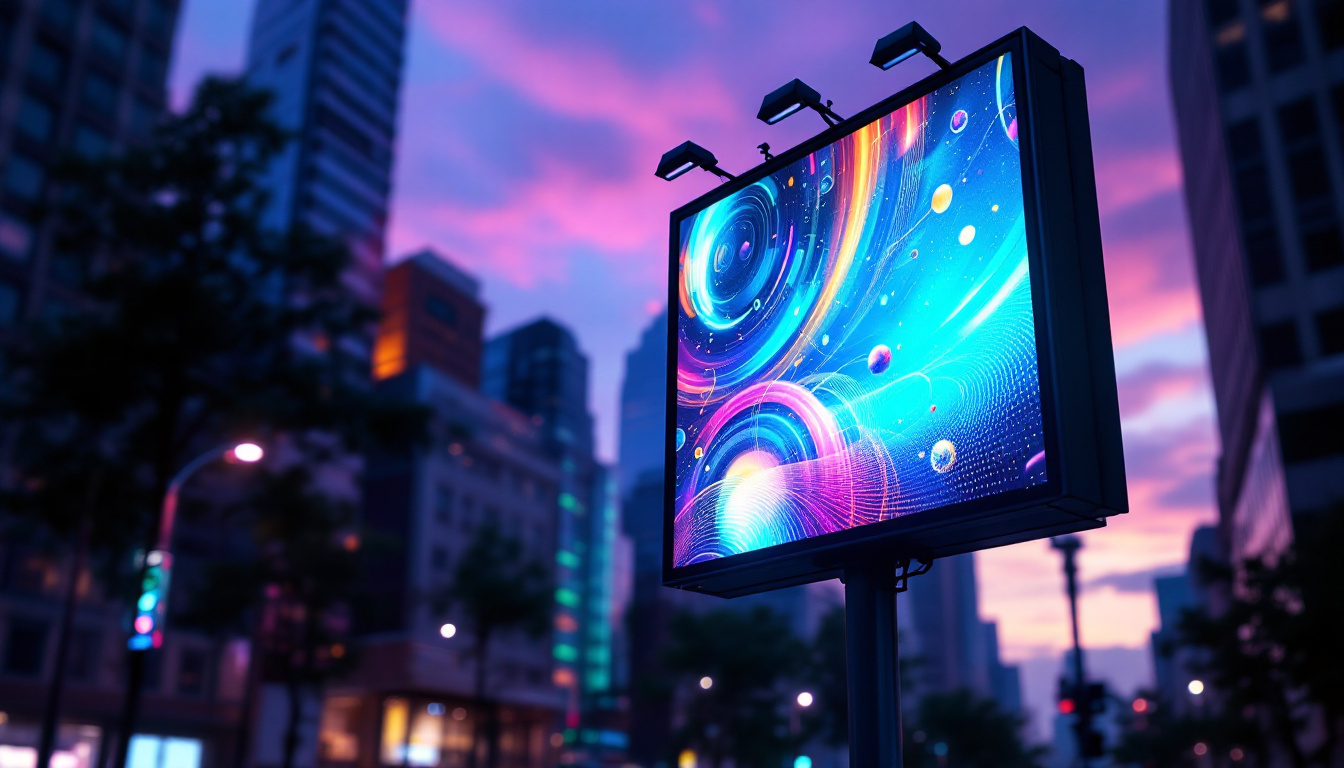
Outdoor advertising has been transformed by LED billboards and digital signage. These displays offer advertisers the flexibility to update content instantly and schedule multiple ads throughout the day. According to a recent market report, the global digital signage market is expected to grow at a CAGR of over 8% through 2028, with LED technology leading the charge due to its durability and brightness.
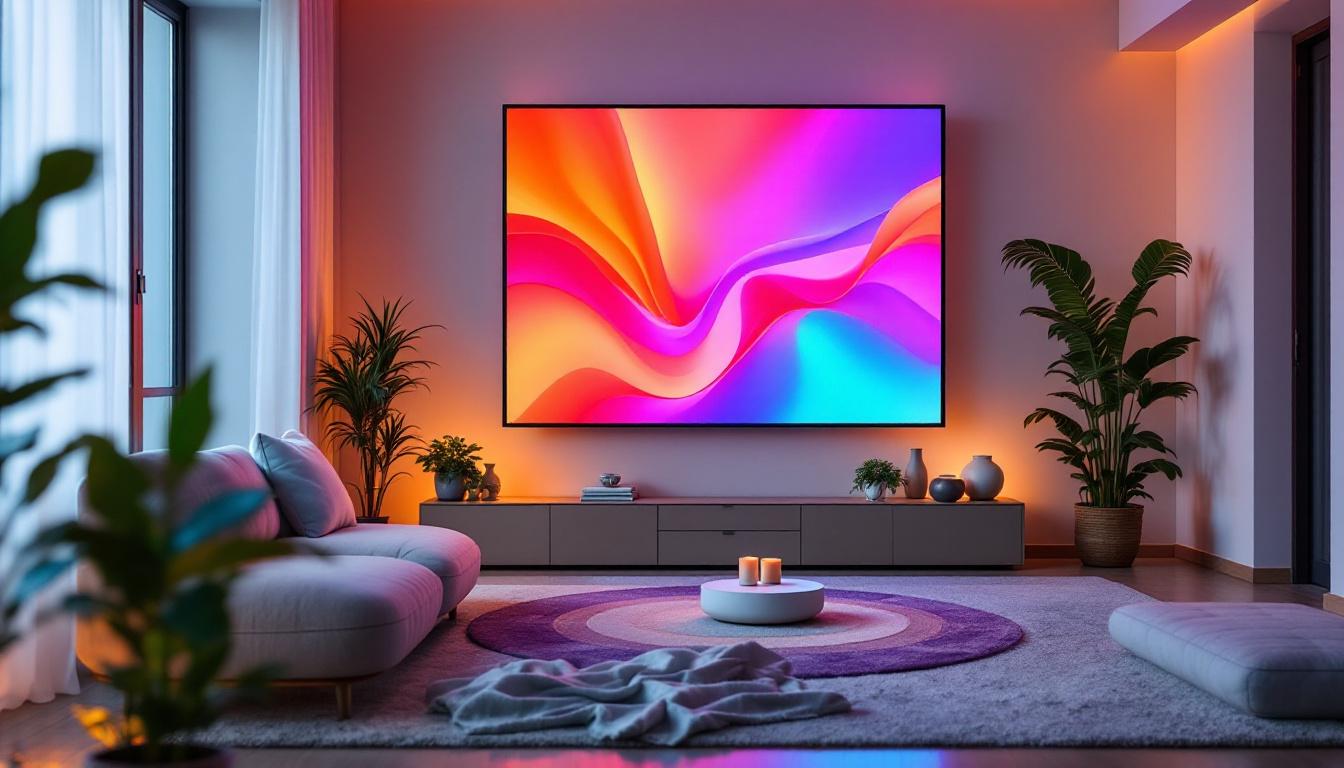
Retail stores and shopping malls also utilize indoor LED panels to attract customers with vibrant promotions and interactive content. The high refresh rates and vivid colors of LED displays make advertisements more engaging and effective.
Corporate and Control Room Environments
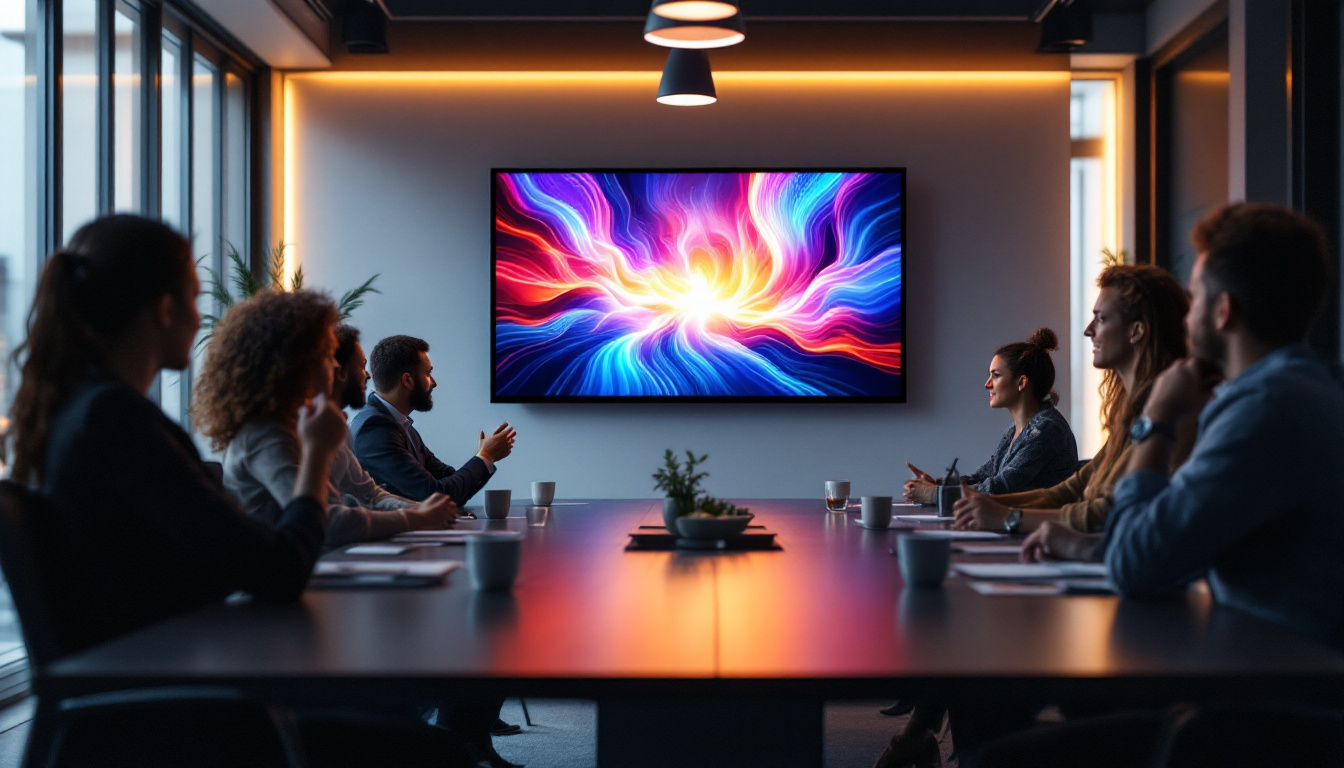
In corporate settings, LED video walls facilitate presentations, video conferencing, and collaborative workspaces. Their large size and high resolution enable detailed data visualization, which is crucial for decision-making processes.
Control rooms in industries such as transportation, utilities, and emergency services rely on LED panels to monitor real-time data feeds. The clarity and reliability of LED displays ensure operators can quickly interpret information and respond appropriately.
Key Benefits of Using LED Panels for Video
LED panels offer several advantages over other display technologies, making them a preferred choice for video applications across various sectors.
Brightness and Visibility
One of the most significant benefits of LED panels is their exceptional brightness. They can achieve luminance levels exceeding 1,000 nits, which is substantially higher than typical LCD displays. This brightness ensures visibility even in direct sunlight, a critical factor for outdoor installations.
Moreover, LED panels maintain consistent brightness across the entire screen, eliminating issues like backlight bleeding or uneven illumination common in other technologies.
Energy Efficiency and Longevity
LED technology is inherently energy-efficient, consuming less power than traditional display systems. This efficiency translates into lower operational costs, especially important for large-scale or 24/7 displays.
Additionally, LED panels boast long lifespans, often rated at 50,000 to 100,000 hours of operation before significant brightness degradation occurs. This durability reduces maintenance frequency and total cost of ownership.
Flexibility and Scalability
LED panels are modular, meaning they can be assembled in various sizes and shapes to fit specific spatial requirements. This scalability allows for seamless video walls that can stretch across entire building facades or fit into compact indoor environments.
Furthermore, advancements in flexible LED technology enable curved or even foldable displays, opening new creative possibilities for video presentation.
Superior Color and Contrast
Thanks to individual LED control, these panels deliver vibrant colors with deep blacks and high contrast ratios. This capability enhances the viewing experience, making images appear more lifelike and engaging.
High refresh rates, often exceeding 3,000 Hz, ensure smooth video playback without flicker, which is particularly important for live broadcasts and fast-moving content.
Choosing the Right LED Panel for Video Applications
Selecting an LED panel that best fits the intended use requires careful consideration of several technical and environmental factors.
Pixel Pitch and Resolution
Pixel pitch directly impacts image clarity and viewing distance. For indoor applications where viewers are close, a pixel pitch of 1.2mm to 2.5mm is ideal to avoid visible pixelation. For outdoor or large venue displays, pitches of 4mm or greater are sufficient, balancing resolution with cost.
It’s important to calculate the optimal viewing distance to ensure the chosen pixel pitch delivers the desired image quality. For instance, a 2mm pitch is suitable for viewing distances of approximately 2 meters or more.
Brightness and Environmental Conditions
Outdoor LED panels must withstand varying weather conditions and maintain high brightness to combat sunlight glare. Look for displays with IP65 or higher ratings for water and dust resistance.
Indoor panels can operate at lower brightness levels, typically between 600 to 1,000 nits, which reduces power consumption and eye strain in controlled lighting environments.
Refresh Rate and Color Accuracy
High refresh rates prevent flickering and ensure smooth video playback, especially important for camera recording or live broadcasts. A refresh rate of at least 1,920 Hz is recommended for professional video applications.
Color calibration tools and technologies such as HDR (High Dynamic Range) support enhance color fidelity, making content more visually appealing.
Installation and Maintenance
Consider the ease of installation and servicing. Front-access panels simplify maintenance in tight spaces, while rear-access designs may be suitable for open areas. Modular designs allow for quick replacement of faulty sections without disrupting the entire display.
Additionally, ensure the LED panel system includes robust control software for content management, diagnostics, and remote monitoring.
Future Trends in LED Video Display Technology
The LED display industry continues to innovate, driven by demand for higher resolution, greater flexibility, and smarter integration.
MicroLED and MiniLED Advancements
MicroLED technology, featuring even smaller diodes than traditional LEDs, promises ultra-high resolution and improved energy efficiency. Although still emerging, MicroLED displays are expected to compete with OLEDs in the premium video display market.
MiniLED backlighting enhances LCD displays by increasing local dimming zones, improving contrast and HDR performance without the cost of full direct view LED panels.
Interactive and Smart Displays
Integration of touch and gesture controls into LED video walls is becoming more common, enabling interactive presentations and user engagement. Smart LED panels equipped with AI-driven content adaptation can tailor visuals based on audience demographics or environmental factors.
Environmental Sustainability
Manufacturers are focusing on eco-friendly materials and energy-saving designs to reduce the environmental impact of LED displays. Recycling programs and longer-lasting components contribute to sustainability goals.
Conclusion
LED panels for video have established themselves as a versatile and powerful medium for delivering captivating visual content. Their superior brightness, color accuracy, and scalability make them suitable for a wide range of applications, from high-profile entertainment events to critical control room operations.
Understanding the technology behind LED displays and carefully evaluating factors such as pixel pitch, brightness, and environmental suitability are essential for selecting the right panel. As innovations like MicroLED and interactive features continue to emerge, LED video panels will only become more integral to the future of digital communication and visual storytelling.
Discover LumenMatrix LED Display Solutions
Ready to elevate your visual storytelling with cutting-edge LED technology? LumenMatrix offers a comprehensive range of LED display solutions tailored to meet your needs. Whether you’re looking for Indoor LED Wall Displays, Outdoor LED Wall Displays, or specialized options like Vehicle LED Displays, LED Sports Displays, and even Custom LED Displays, we have you covered. Experience the future of digital communication with our All-in-One and Transparent LED Displays, designed to captivate your audience and amplify your message. Check out LumenMatrix LED Display Solutions today and transform your visual engagement strategy.