In today’s digital world, screens are everywhere—from smartphones and laptops to televisions and public information displays. Among the most common types of screens are LCDs and LED displays, terms often used interchangeably but representing distinct technologies. Understanding how these displays work is essential not only for tech enthusiasts but also for consumers aiming to make informed decisions when purchasing devices. This article dives deep into the workings of LCD and LED displays, clarifying their differences, advantages, and applications.
Understanding LCD Technology: The Foundation of Modern Displays
What is an LCD?
LCD stands for Liquid Crystal Display. It’s a flat-panel display technology that uses liquid crystals combined with polarizers to produce images. Unlike older cathode ray tube (CRT) screens, LCDs are thinner, lighter, and more energy-efficient, making them the preferred choice for most modern devices.
The core principle behind LCDs is the manipulation of light. Liquid crystals themselves do not emit light; instead, they control the passage of light through them. This means an external light source is necessary for the display to be visible.
How Does an LCD Work?
At the heart of an LCD is a layer of liquid crystals sandwiched between two glass panels. These crystals have properties that allow them to twist and align when subjected to an electric current. This alignment controls how light passes through the crystals.
Here’s a simplified breakdown of the process:
- Backlight: A light source, typically fluorescent or LED-based, shines light through the display.
- Polarizing Filters: The light passes through polarizing filters that only allow light waves of certain orientations to pass.
- Liquid Crystals: The liquid crystals adjust their orientation based on electrical signals, controlling the amount of light that passes through each pixel.
- Color Filters: Each pixel is divided into red, green, and blue subpixels, which combine to create the full spectrum of colors.
By precisely controlling the voltage applied to each pixel, the display can show images with varying brightness and color. This technology allows for high-resolution images with sharp detail and vibrant colors.
Types of LCD Panels
LCDs come in several panel types, each with unique characteristics affecting image quality, viewing angles, and response times:
- Twisted Nematic (TN): Known for fast response times and affordability but limited viewing angles and color accuracy.
- In-Plane Switching (IPS): Offers better color reproduction and wider viewing angles, making it popular for professional monitors and smartphones.
- Vertical Alignment (VA): Provides high contrast ratios and deeper blacks but slower response times compared to IPS and TN.
Choosing the right panel depends on the intended use, whether for gaming, professional design, or general consumption.
LED Displays: Illuminating the LCD Revolution
What Does LED Mean in Displays?
LED stands for Light Emitting Diode. In the context of displays, LED technology is primarily used as a backlighting source for LCD panels. This means that the liquid crystal layer still controls the image formation, but the light illuminating it comes from LEDs instead of older fluorescent lamps.
It’s important to clarify that when people refer to “LED TVs” or “LED displays,” they are usually talking about LCD screens that use LED backlighting. True LED displays, where each pixel is an individual LED, are a different technology called OLED or microLED.
How LED Backlighting Works
Traditional LCDs used Cold Cathode Fluorescent Lamps (CCFLs) for backlighting. These lamps were bulkier, consumed more power, and had limited lifespan. LED backlighting replaced CCFLs, offering several advantages:
- Energy Efficiency: LEDs consume less power, making devices more energy-efficient and extending battery life in portable devices.
- Thinner Panels: LEDs are smaller, allowing for thinner and lighter displays.
- Improved Brightness and Contrast: LED backlights can be controlled more precisely, enhancing image quality.
- Longer Lifespan: LEDs typically last longer than CCFLs, reducing maintenance and replacement costs.
LED backlighting can be implemented in two main ways:
- Edge-Lit LED: LEDs are placed along the edges of the screen, and light is distributed across the panel using light guides. This method allows for ultra-thin designs but may suffer from uneven brightness.
- Direct-Lit or Full-Array LED: LEDs are placed directly behind the LCD panel, often with local dimming capabilities that enhance contrast by dimming or brightening specific screen areas.
Mini-LED and Micro-LED: The Next Generation
Recent advancements have introduced Mini-LED and Micro-LED technologies, pushing the boundaries of LED display performance.
- Mini-LED: Uses thousands of tiny LEDs as backlights, enabling finer local dimming zones and dramatically improving contrast and HDR performance. Mini-LED displays are becoming popular in high-end monitors and TVs.
- Micro-LED: Represents a leap forward where each pixel is an individual microscopic LED that emits its own light, similar to OLED but with higher brightness and longer lifespan. Micro-LED displays promise exceptional color accuracy and energy efficiency but are still emerging commercially.
Comparing LCD and LED Displays: What You Need to Know
Common Misconceptions
Many consumers confuse LCD and LED displays, often believing they are completely separate technologies. In reality, LED displays are a subset of LCD technology that uses LED backlighting instead of fluorescent lamps. Understanding this distinction helps clarify marketing terms and product specifications.
Additionally, OLED (Organic Light Emitting Diode) displays are often confused with LED displays. OLEDs emit light directly from organic compounds, eliminating the need for backlights, which results in deeper blacks and better contrast but at a higher cost.
Advantages and Disadvantages
| Feature | LCD with CCFL Backlight | LCD with LED Backlight | OLED |
|---|---|---|---|
| Thickness | Thicker | Thinner | Thinnest |
| Energy Efficiency | Lower | Higher | Highest |
| Brightness | Good | Better | Excellent |
| Contrast Ratio | Moderate | Improved with local dimming | Superior (true blacks) |
| Viewing Angles | Limited | Improved (especially with IPS panels) | Excellent |
| Lifespan | Good | Better | Variable (organic materials degrade) |
| Cost | Lower | Moderate | Higher |
Choosing the Right Display for Your Needs
When selecting a display, consider your primary use cases. For general computing and office work, an LCD with LED backlighting offers a great balance of cost, image quality, and energy efficiency. Gamers and content creators may prefer IPS panels with LED backlighting for better color accuracy and viewing angles.
For those seeking the best possible picture quality, especially in dark environments, OLED displays provide unparalleled contrast and color vibrancy. However, they come at a premium price and may have concerns about burn-in over time.
Applications of LCD and LED Displays in Everyday Life
Consumer Electronics
LCDs with LED backlighting dominate the consumer electronics market. Smartphones, tablets, laptops, monitors, and televisions predominantly use this technology due to its versatility and cost-effectiveness. The transition from CCFL to LED backlighting has enabled slimmer devices with longer battery life.
High-end televisions now often feature Mini-LED backlighting to deliver better HDR performance, providing viewers with richer colors and deeper blacks.
Commercial and Industrial Uses
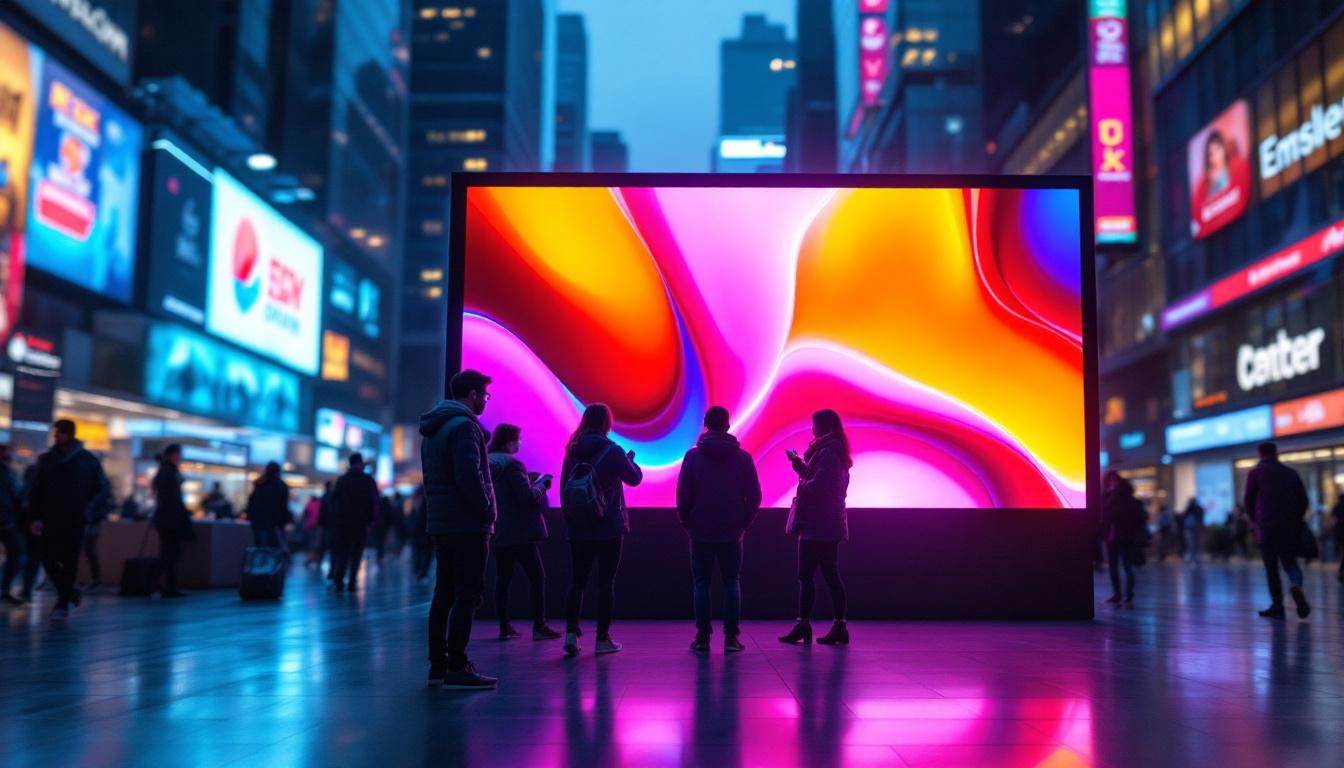
In commercial settings, LCD and LED displays are used for digital signage, advertising billboards, and information kiosks. Large-scale LED video walls, composed of numerous LED modules, provide bright, durable, and scalable solutions for outdoor and indoor use.
Industrial applications rely on ruggedized LCD panels with LED backlighting for control rooms, medical imaging, and aviation displays, where reliability and clarity are critical.
Emerging Technologies and Future Trends
As display technology evolves, the lines between LCD, LED, and emerging technologies continue to blur. Micro-LED and OLED are gaining traction for their superior image quality and energy efficiency. Additionally, flexible and transparent displays are becoming more feasible, opening new possibilities for wearable devices and innovative user interfaces.
Research into quantum dot technology, which enhances color accuracy and brightness in LCDs, is also shaping the future of LED-backlit displays. These quantum dot-enhanced LCDs offer a middle ground between traditional LCDs and OLEDs in terms of performance and cost.
Conclusion: Illuminating the Screen Technology Landscape
LCD and LED display technologies form the backbone of modern visual experiences. While LCD refers to the liquid crystal technology controlling the image, LED primarily describes the light source illuminating the display. Together, they create vibrant, energy-efficient screens that power everything from smartphones to massive digital billboards.
Understanding how these technologies work empowers consumers and professionals alike to make better choices and appreciate the complexity behind the screens they interact with daily. As innovations like Mini-LED, Micro-LED, and OLED continue to develop, the future promises even more stunning and immersive visual experiences.
Discover Cutting-Edge LED Displays with LumenMatrix
As you’ve explored the intricacies of LCD and LED technologies, you’re now equipped with the knowledge to choose the perfect display for your needs. Take the next step with LumenMatrix, a leader in LED display innovation. From captivating Indoor and Outdoor LED Wall Displays to versatile solutions like Vehicle LED Displays and LED Sports Displays, LumenMatrix offers a wide array of products to revolutionize your visual communication. Experience the future of digital signage with our Custom LED Displays, All-in-One LED Displays, and LED Transparent Displays. Elevate your brand’s visibility and engage your audience like never before. Check out LumenMatrix LED Display Solutions today and be a part of the visual revolution.