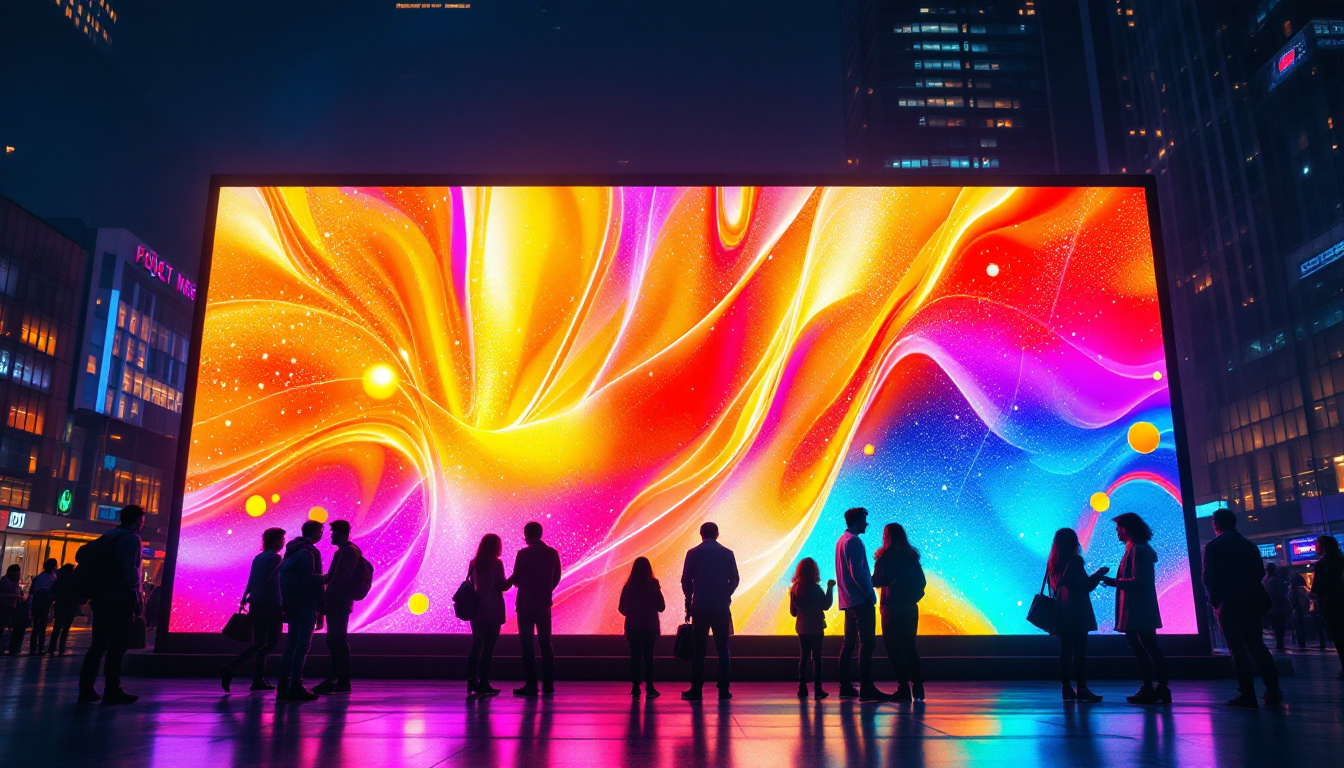
In recent years, LED display technology has evolved dramatically, shaping the way we experience visual content across various industries. Among the most captivating innovations is the big curved LED display, a technology that combines scale, design, and immersive viewing experiences. From advertising billboards to control rooms and entertainment venues, big curved LED displays are transforming visual communication.
This article delves into the fundamentals of big curved LED displays, exploring their technology, applications, benefits, and considerations. Whether you’re a business owner, event organizer, or tech enthusiast, understanding these displays can help you make informed decisions about integrating them into your projects.
Understanding Big Curved LED Displays
What Defines a Big Curved LED Display?
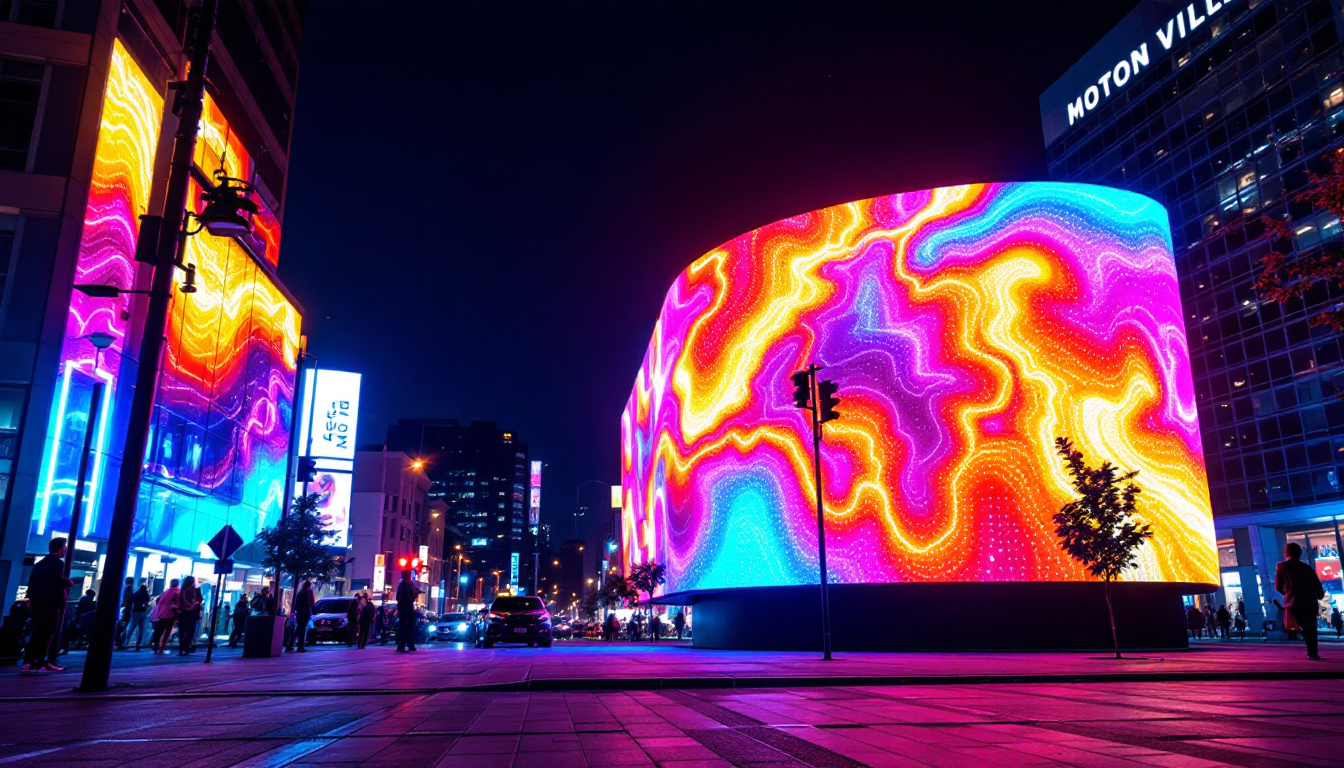
At its core, an LED display consists of numerous light-emitting diodes (LEDs) arranged in a matrix to produce images and videos. When these displays are designed on a large scale and curved to follow a specific radius, they are classified as big curved LED displays. The curvature adds a three-dimensional aspect to the screen, enhancing viewing angles and creating a more immersive experience.
The size of these displays can vary widely, from several meters wide for indoor applications to massive outdoor installations spanning hundreds of square meters. The curvature radius is carefully engineered to match the intended viewing distance and environment, ensuring optimal visibility and minimal distortion. This design is particularly beneficial in venues such as stadiums, concert halls, and shopping malls, where engaging the audience is paramount. The dynamic visuals provided by these displays can captivate viewers, drawing them into the experience and enhancing the overall atmosphere of the event or space.
Technical Components and Structure
Big curved LED displays are composed of several key components:
- LED Modules: These are the building blocks of the display, containing arrays of LEDs arranged in pixels. Modules are designed to fit together seamlessly, maintaining image continuity even on curved surfaces.
- Cabinet Frames: The structural framework that holds the LED modules. For curved displays, these frames are engineered to support the curvature without compromising stability or alignment.
- Driving Electronics: Controllers and processors manage the input signals, synchronize the modules, and adjust brightness and color calibration to ensure uniformity across the curved surface.
- Protective Layers: Depending on the installation environment, displays may include weatherproof coatings, anti-glare surfaces, or impact-resistant covers.
Advanced manufacturing techniques and precision engineering enable the seamless integration of these components into large, curved LED displays. The technology behind these displays continues to evolve, with innovations such as pixel pitch reduction allowing for higher resolution images and improved color accuracy. Additionally, the use of lightweight materials in the construction of cabinet frames not only enhances portability but also simplifies installation processes, making it easier to set up these impressive displays in various locations. As the demand for high-quality visual experiences grows, so does the potential for curved LED technology to transform how we interact with digital content in public and private spaces.
Advantages of Big Curved LED Displays
Enhanced Viewing Experience
The curvature of these displays is not merely aesthetic; it significantly improves the viewer’s experience. By wrapping the screen around the audience’s field of vision, curved LED displays reduce distortion and maintain consistent brightness and color accuracy across the entire surface.
This is particularly valuable in environments such as control rooms, stadiums, and immersive exhibitions where viewers may be positioned at various angles relative to the screen. The curvature helps maintain uniform image quality, ensuring that every viewer receives an optimal visual experience.
Increased Engagement and Impact
Big curved LED displays create a sense of depth and immersion that flat screens cannot replicate. This makes them highly effective for advertising and branding, where capturing and holding attention is critical. Studies have shown that dynamic, large-format displays can increase viewer engagement by up to 60% compared to traditional signage.
For example, retail stores and shopping malls use curved LED walls to showcase products and promotions in a visually striking manner, driving foot traffic and sales. Similarly, entertainment venues employ these displays to enhance live performances and create memorable experiences.
Versatility Across Applications
Curved LED displays are versatile and adaptable to a wide range of settings:
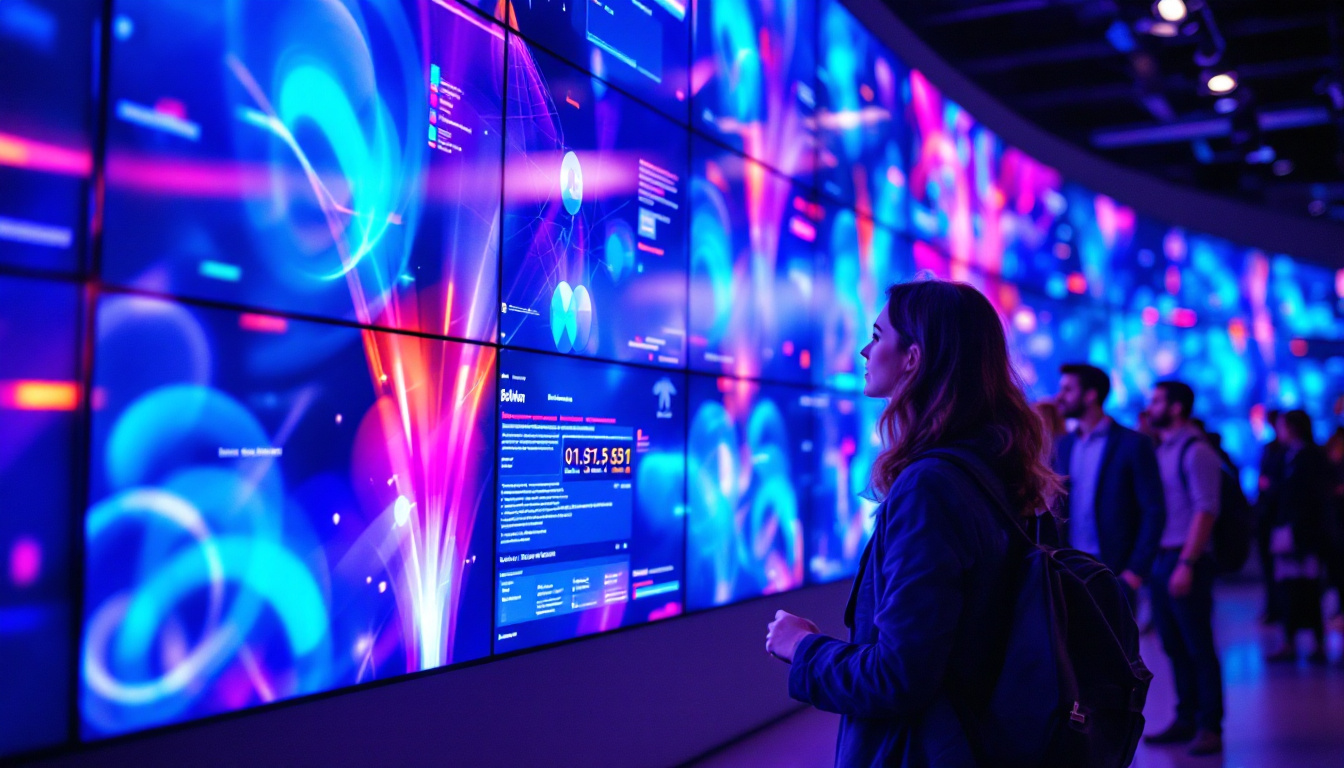
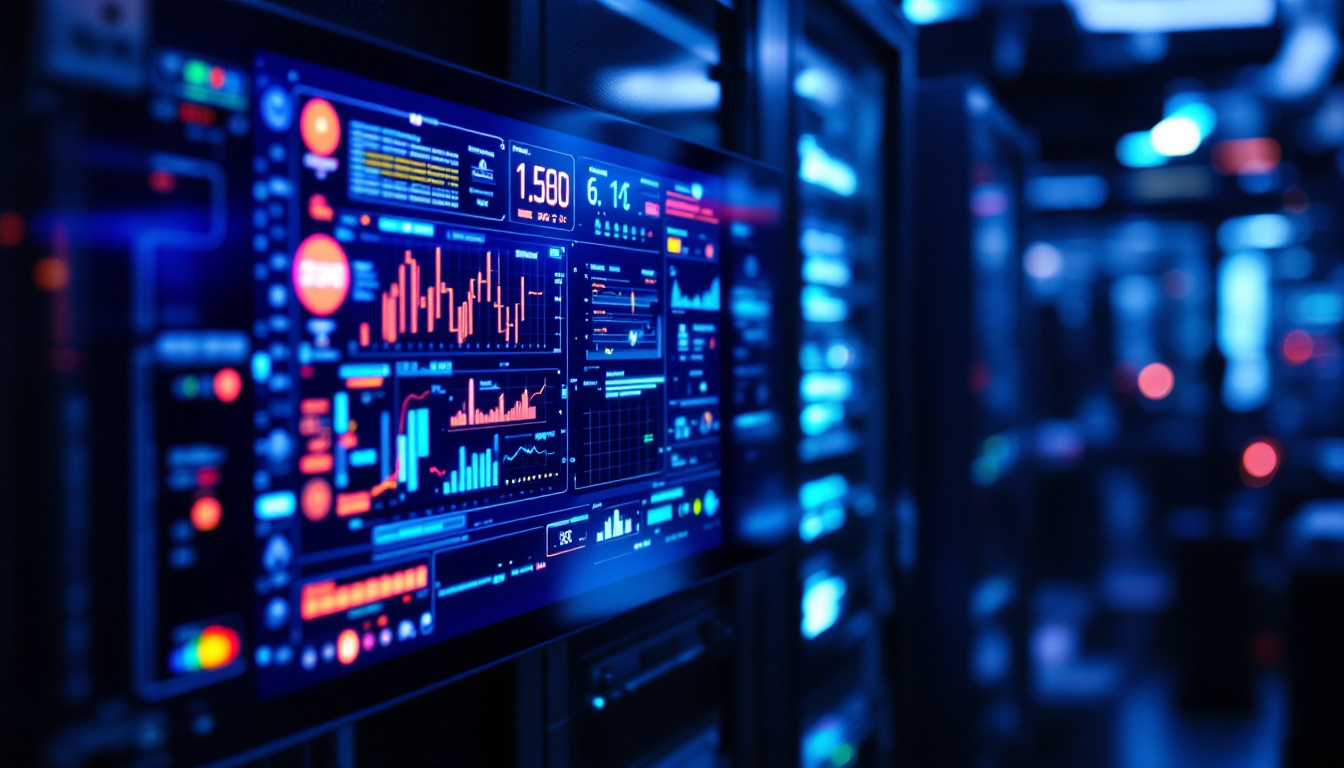
- Corporate and Control Rooms: Large curved screens help operators monitor multiple data streams simultaneously with clear visibility.
- Sports Arenas and Stadiums: Curved LED boards provide spectators with better sightlines and immersive replays.
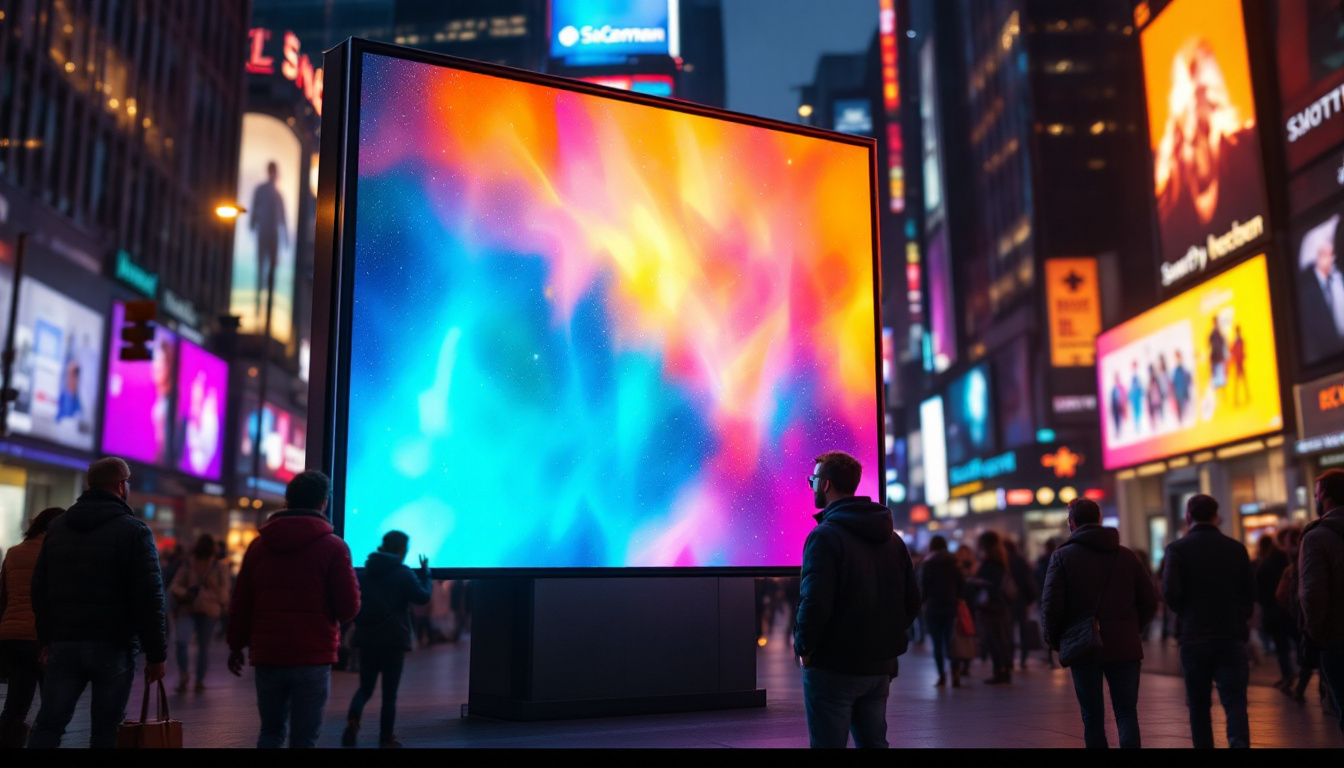
- Retail and Advertising: Eye-catching curved billboards and digital signage attract attention in busy urban environments.
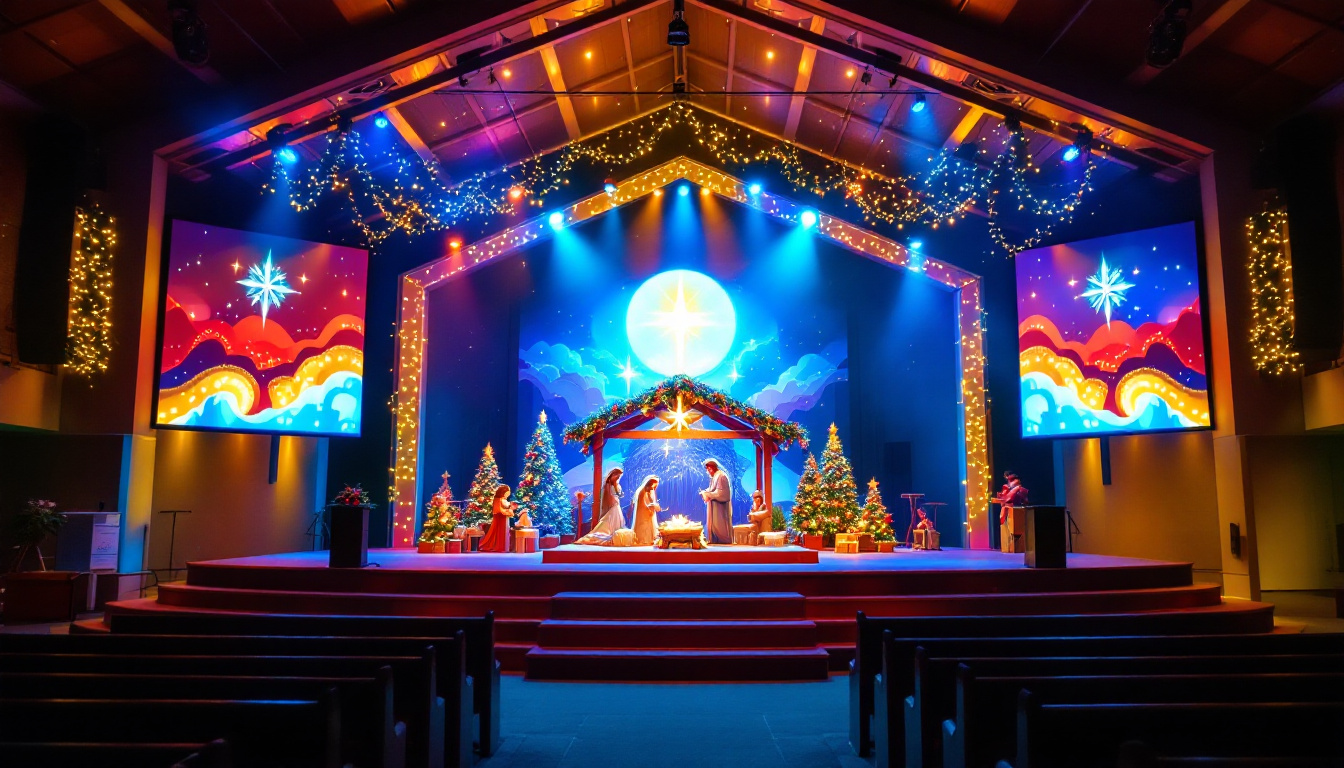
- Entertainment and Exhibitions: Museums, galleries, and concerts use curved displays for interactive and immersive content.
Technical Considerations When Choosing a Big Curved LED Display
Pixel Pitch and Resolution
Pixel pitch—the distance between individual LED pixels—is a critical factor influencing image clarity and viewing distance. Smaller pixel pitches (e.g., 1.2mm to 2.5mm) offer higher resolution and are suitable for close viewing environments such as indoor corporate settings or broadcast studios.
Conversely, larger pixel pitches (e.g., 4mm to 10mm) are typically used for outdoor displays where viewers are farther away. Selecting the appropriate pixel pitch ensures that images remain sharp and legible without unnecessarily increasing costs.
Curvature Radius and Viewing Distance
The curvature radius must be carefully matched to the intended viewing distance and audience layout. A tighter curve can create a more immersive effect but may introduce distortion if viewers are too close or positioned off-center. Conversely, a gentler curve offers a subtler wrap-around effect suitable for larger audiences or longer viewing distances.
Manufacturers often provide guidelines or simulation tools to help designers select the optimal curvature radius based on the installation environment.
Brightness and Contrast Ratios
Brightness levels are measured in nits and vary depending on whether the display is intended for indoor or outdoor use. Outdoor curved LED displays typically require brightness levels exceeding 5,000 nits to remain visible under direct sunlight, while indoor displays may operate effectively at 800 to 1,500 nits.
High contrast ratios enhance image depth and color richness, which is especially important for content with dark scenes or fine detail. Advanced LED technologies such as HDR (High Dynamic Range) support can further improve visual quality.
Installation and Maintenance Challenges
Installing a big curved LED display involves precise mechanical engineering to ensure that modules align perfectly along the curve. Structural supports must accommodate the weight and shape of the display, and electrical connections must be secure and weatherproof if installed outdoors.
Maintenance considerations include easy access to modules for repairs or replacements and the ability to recalibrate color and brightness over time. Many modern displays feature modular designs that simplify maintenance and reduce downtime.
Real-World Applications and Case Studies
Advertising and Retail: Times Square, New York
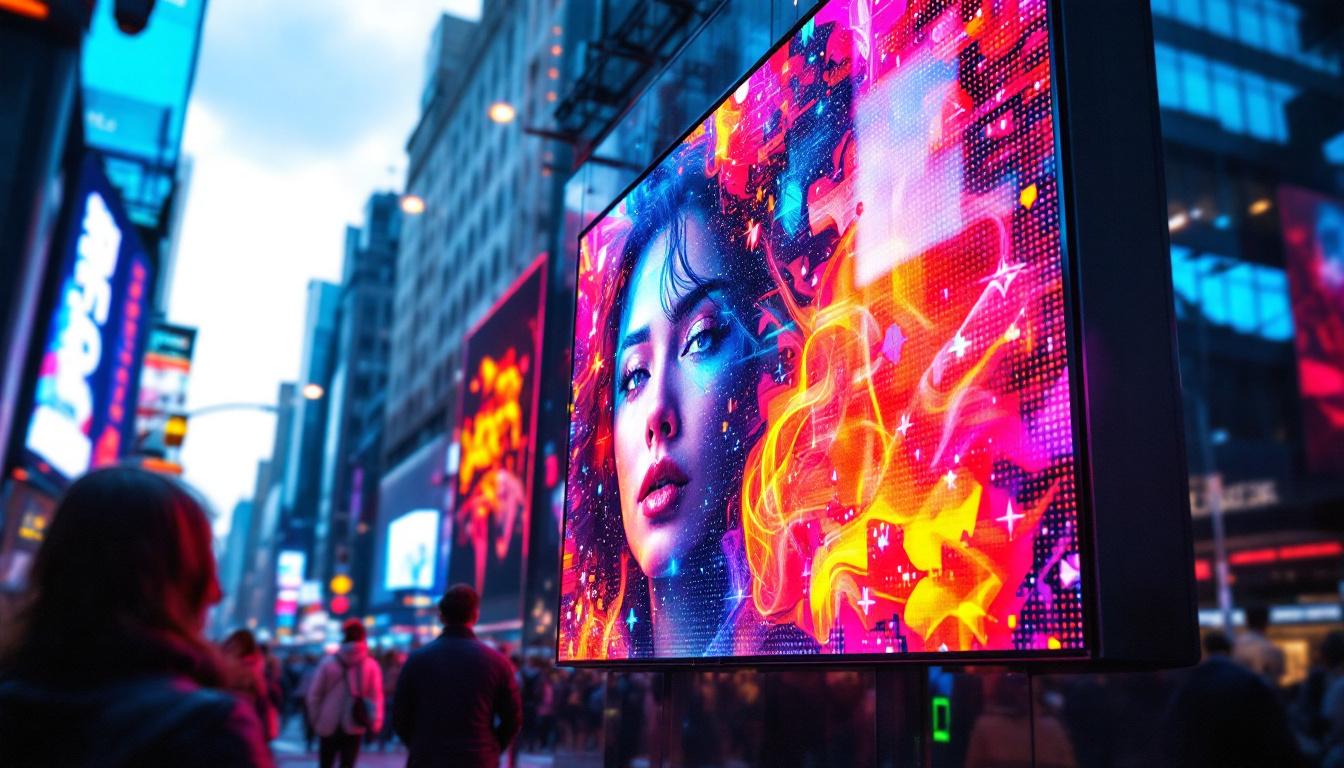
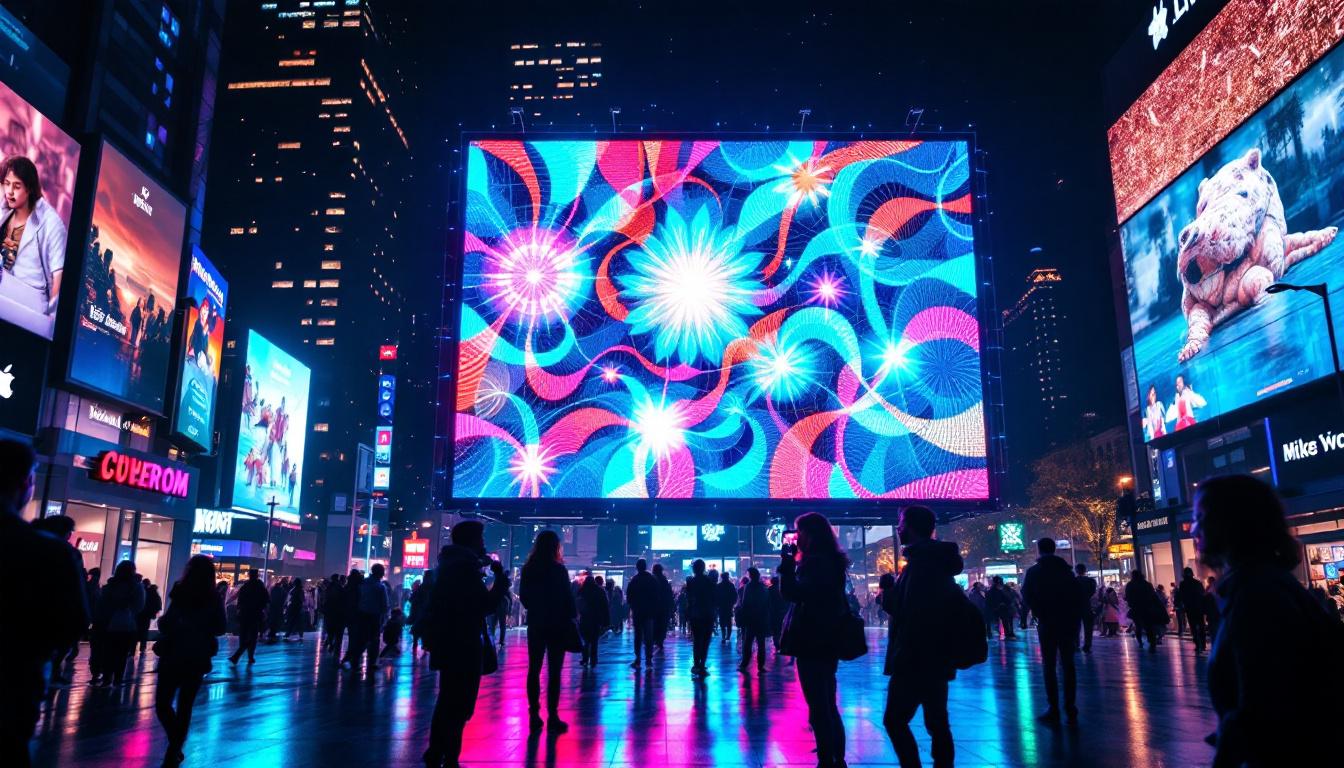
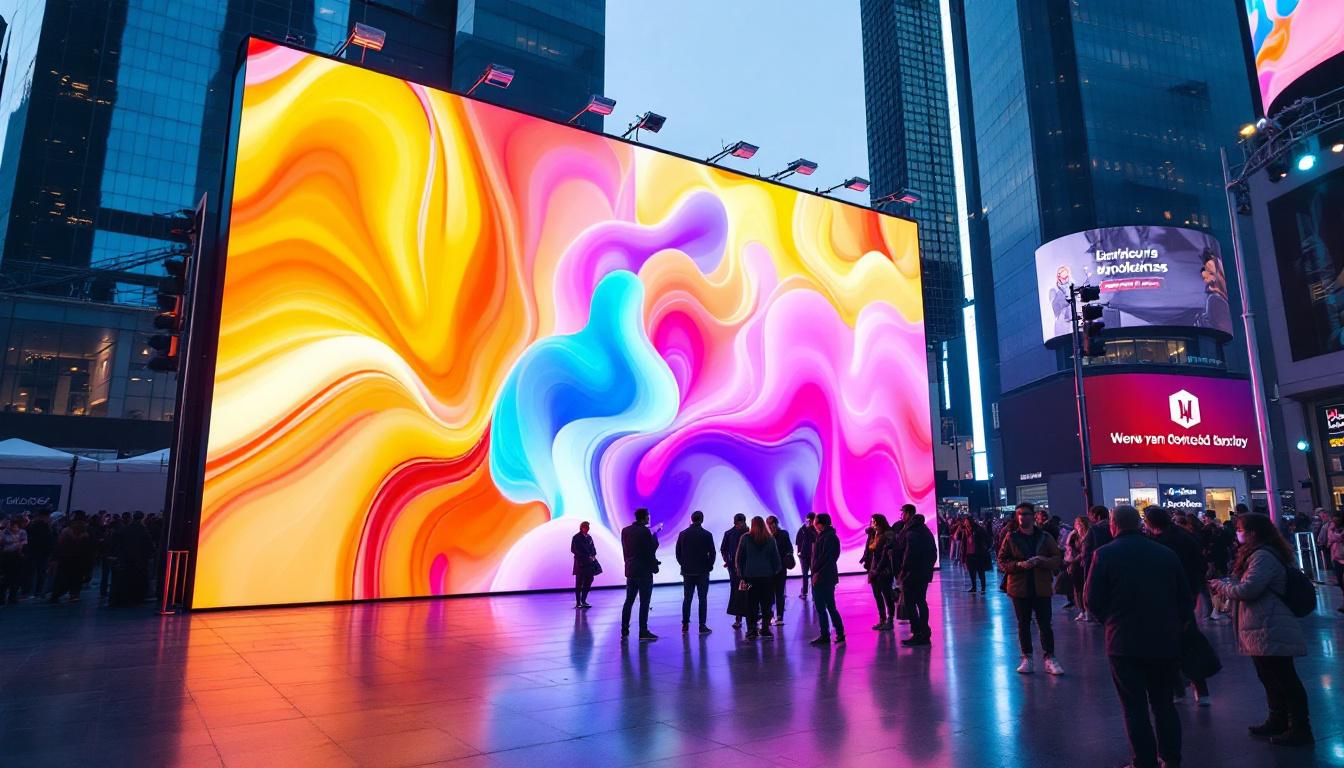
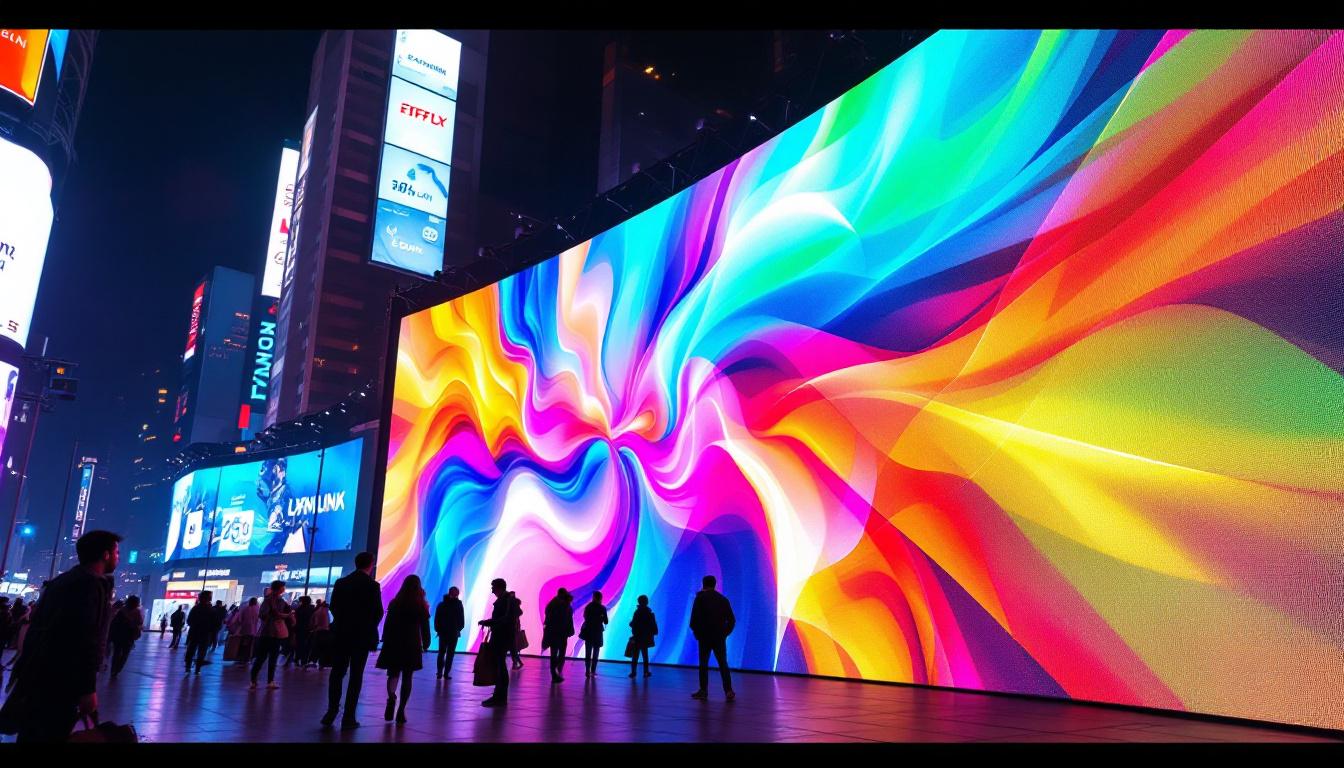
One of the most iconic examples of big curved LED displays is found in Times Square, New York City. The curved LED billboards lining the facades of buildings create a dynamic and immersive advertising environment that captivates millions of visitors annually.
These displays leverage high brightness and vivid colors to stand out amidst the bustling urban landscape. Brands use the curved surfaces to create eye-catching campaigns that wrap around corners, enhancing visibility from multiple angles.
Sports and Entertainment: Mercedes-Benz Stadium, Atlanta
The Mercedes-Benz Stadium in Atlanta features one of the largest and most advanced curved LED displays in the world. The stadium’s circular “halo board” wraps around the interior, providing fans with real-time scores, replays, and interactive content.
This curved LED installation enhances the spectator experience by ensuring that information is visible from virtually every seat. The display’s high resolution and brightness also support vibrant visuals during concerts and other events.
Corporate and Control Rooms: NASA Mission Control
NASA’s Mission Control Center uses large curved LED video walls to monitor spacecraft telemetry and mission data. The curvature allows operators to view multiple data streams simultaneously without excessive head movement, improving situational awareness and decision-making.
These displays are engineered for precision and reliability, with redundant systems and high color accuracy to support critical operations.
Future Trends in Big Curved LED Displays
Flexible and Transparent LED Technology
Emerging technologies are pushing the boundaries of what curved LED displays can achieve. Flexible LED panels that can bend without damage are enabling more complex shapes and installations, including fully cylindrical or spherical displays.
Transparent LED displays are also gaining traction, allowing for curved screens that do not obstruct views behind them. This is particularly useful in retail windows and architectural applications.
Integration with Augmented Reality (AR) and AI
Big curved LED displays are increasingly being integrated with augmented reality and artificial intelligence to create interactive environments. For instance, AI-driven content can adapt in real time based on audience behavior, while AR overlays can add layers of information on the curved screen.
This fusion of technologies promises to make curved LED displays even more engaging and versatile in the near future.
Conclusion
Big curved LED displays represent a significant advancement in visual technology, combining scale, design, and functionality to deliver immersive and impactful viewing experiences. Their applications span advertising, entertainment, corporate environments, and beyond, offering enhanced engagement and versatility.
Understanding the technical aspects such as pixel pitch, curvature radius, brightness, and installation requirements is essential for selecting the right display for any project. As technology continues to evolve, big curved LED displays will likely become even more dynamic, flexible, and integrated with emerging digital innovations.
For businesses and organizations looking to make a bold visual statement or improve operational visibility, investing in big curved LED display technology is a forward-thinking choice that promises lasting impact.
Discover the Future of Visual Engagement with LumenMatrix
Ready to elevate your visual communication and create unforgettable experiences? LumenMatrix is at the forefront of LED display innovation, offering a wide array of solutions tailored to your needs. From immersive Indoor and Outdoor LED Wall Displays to dynamic Vehicle and Sports LED Displays, our technology is designed to captivate and engage. Explore our versatile range, including LED Poster Displays, Floor LED Displays, and the revolutionary All-in-One and Transparent LED Displays. Embrace the future of digital signage with LumenMatrix and Check out LumenMatrix LED Display Solutions today to see how our cutting-edge products can transform your space and message into a visual masterpiece.