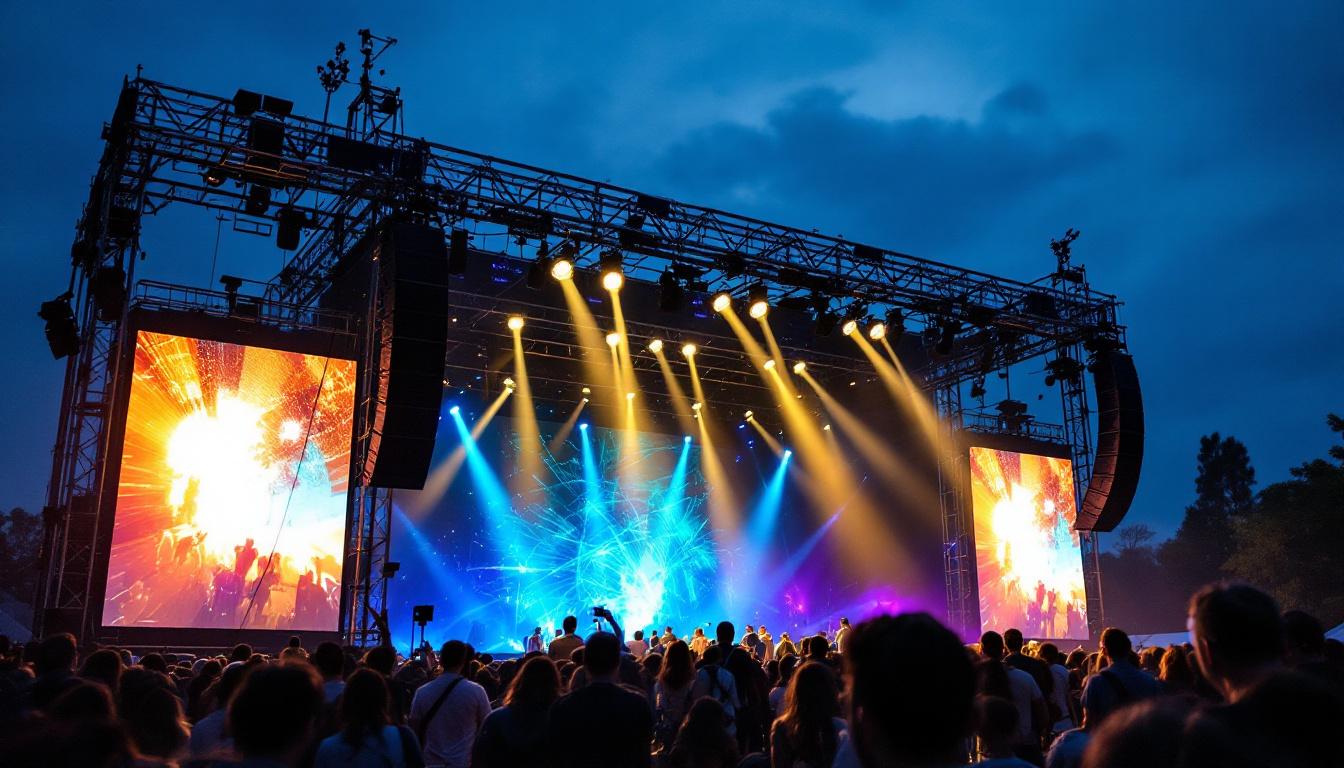
In the world of event production, live performances, and large-scale advertising, the combination of sturdy truss systems and vibrant LED displays has become indispensable. Among the most popular structural elements is the 20 ft truss, often used to support LED screens that captivate audiences with high-definition visuals. This article delves into the specifics of the 20 ft truss, its role in LED display setups, and why it remains a preferred choice for event professionals and designers.
Understanding the 20 Ft Truss: Structure and Specifications
What is a 20 Ft Truss?
A 20 ft truss is a modular, triangular or square-shaped framework made from aluminum or steel, measuring approximately 20 feet (6.1 meters) in length. It is designed to provide a robust yet lightweight support structure for various applications, including lighting rigs, audio equipment, and most notably, LED displays.
Trusses are engineered to distribute weight evenly while maintaining stability, which is crucial when mounting heavy LED panels. The 20 ft truss is particularly favored because its length strikes a balance between portability and coverage, making it suitable for medium to large-scale events. This versatility allows event planners to configure spaces efficiently, adapting to different layouts and audience sizes while ensuring that all equipment is securely supported.
Materials and Design Features
Typically constructed from high-grade aluminum alloy, the 20 ft truss offers an excellent strength-to-weight ratio. Aluminum is corrosion-resistant, which extends the lifespan of the truss, especially in outdoor environments where weather conditions can be unpredictable. Additionally, some manufacturers may offer trusses with powder-coated finishes, enhancing their aesthetic appeal and providing an extra layer of protection against the elements.
The design often features a triangular cross-section, which provides superior rigidity compared to square or rectangular designs. This shape helps resist bending and twisting forces, ensuring the LED display remains securely mounted and aligned throughout the event duration. Furthermore, many 20 ft trusses come equipped with integrated connection points, allowing for easy assembly and disassembly, which is a significant advantage for traveling productions that require quick setups and takedowns.
Load Capacity and Safety Considerations
Load capacity is a critical factor when selecting a truss for LED displays. A standard 20 ft truss can support loads ranging from 500 to 1,000 kilograms (1,100 to 2,200 pounds), depending on its design and manufacturer specifications. This capacity is sufficient for most LED panels, lighting fixtures, and associated hardware. It is essential for event organizers to carefully calculate the total weight of all mounted equipment to ensure they remain within the truss’s safe operating limits.
Safety is paramount in event production. Trusses must comply with industry standards such as those set by the Entertainment Services and Technology Association (ESTA) and the European Norm (EN) 1090 for structural steel and aluminum components. Proper rigging techniques, regular inspections, and professional installation are essential to prevent accidents and equipment damage. Additionally, utilizing safety cables and secondary support systems can provide an extra layer of security, particularly in high-traffic areas where audience interaction is expected. Event professionals often emphasize the importance of training staff on safe rigging practices to mitigate risks associated with heavy equipment overhead.
The Role of the 20 Ft Truss in LED Display Setups
Supporting Large-Scale LED Screens
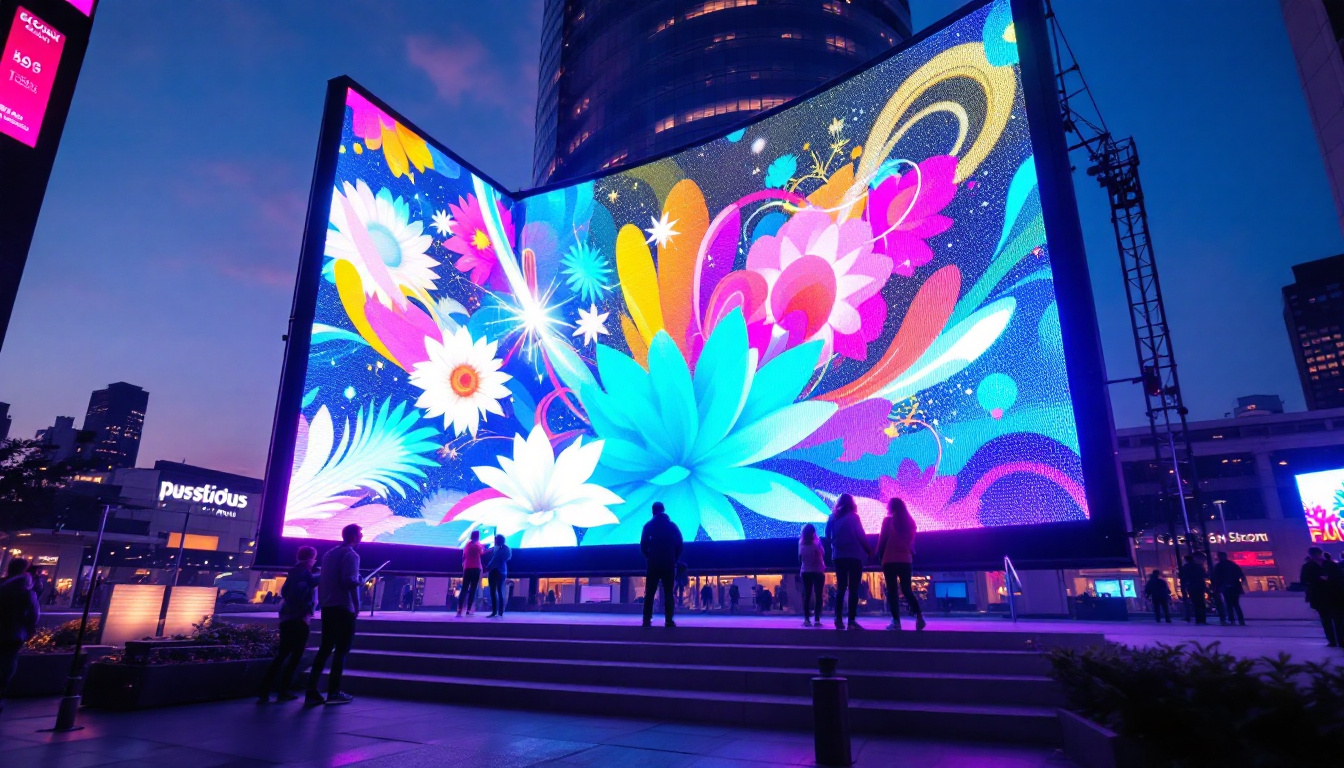
LED displays have revolutionized visual communication by offering bright, high-resolution images that remain visible even in direct sunlight. For outdoor concerts, trade shows, and sports events, large LED screens often exceed 10 feet in width, requiring sturdy support systems.
The 20 ft truss serves as a backbone for these displays, providing a stable frame to mount LED panels securely. Its length allows for seamless integration of multiple LED modules, creating expansive video walls that deliver immersive viewing experiences. Additionally, the truss is engineered to withstand various environmental factors, such as wind and rain, ensuring that the displays remain safe and functional throughout the duration of the event. This durability is crucial for outdoor settings where unpredictable weather can pose a significant risk to both equipment and audience safety.
Flexibility and Modular Design
One of the key advantages of using a 20 ft truss is its modularity. Event professionals can connect multiple trusses end-to-end or combine them with vertical towers to create custom-sized frames tailored to specific venue requirements.
This flexibility is particularly valuable for touring productions that need to adapt quickly to different stage sizes and configurations. The standardized dimensions of 20 ft trusses simplify logistics, as components can be easily transported, assembled, and disassembled. Furthermore, the ability to reconfigure the truss system allows for creative staging solutions, enabling designers to craft unique visual experiences that align with the artistic vision of each event. This adaptability not only enhances the aesthetic appeal but also maximizes the use of available space, making it possible to create engaging environments in both large arenas and intimate venues.
Integration with Lighting and Audio Systems
Beyond supporting LED displays, 20 ft trusses often serve as mounting points for lighting fixtures, speakers, and cameras. This integrated approach reduces the need for separate rigging structures, streamlining setup and enhancing the overall aesthetic of the event.
For example, a concert stage might feature a 20 ft truss overhead, holding LED screens at its center while flanking it with moving lights and line array speakers. This cohesive setup ensures that visual and audio elements complement each other, elevating the audience’s experience. Moreover, the strategic placement of lighting on the truss can create dynamic effects that enhance the visual storytelling of a performance, allowing for synchronized light shows that captivate the audience. The versatility of the truss system also means that it can accommodate various types of equipment, from traditional stage lights to advanced LED fixtures, making it an essential component for modern production design.
Choosing the Right LED Display for a 20 Ft Truss
Pixel Pitch and Resolution
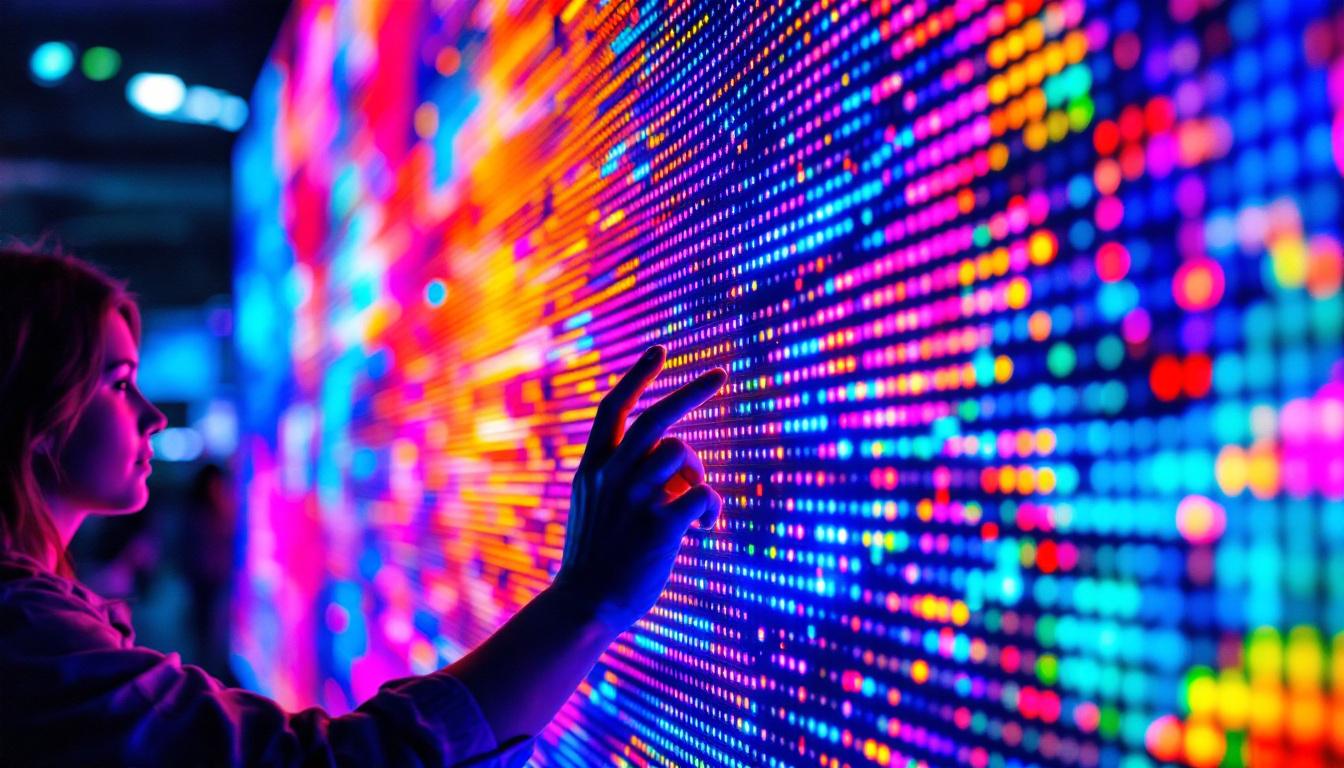
When pairing an LED display with a 20 ft truss, understanding pixel pitch is essential. Pixel pitch refers to the distance between individual LED pixels, measured in millimeters. Smaller pixel pitches (e.g., 2.5mm) offer higher resolution and finer image quality, ideal for close viewing distances.
For large outdoor displays mounted on a 20 ft truss, pixel pitches between 4mm and 10mm are common. These provide a balance between image clarity and cost-effectiveness, ensuring the visuals remain sharp when viewed from a distance of 10 meters or more.
Brightness and Weather Resistance
LED displays used outdoors must deliver high brightness levels to combat ambient light. Typical brightness ratings range from 5,000 to 8,000 nits, allowing the screen to remain visible even under direct sunlight.
Additionally, weatherproofing is critical. Displays should have an IP65 or higher rating, indicating protection against dust and water ingress. This ensures reliable performance when mounted on a 20 ft truss exposed to rain, wind, or dust.
Weight Considerations
The weight of the LED panels directly impacts the choice of truss and rigging hardware. Each LED module can weigh between 10 to 20 kilograms (22 to 44 pounds), and a large video wall can quickly add up to several hundred kilograms.
Ensuring the 20 ft truss and its supporting structures can safely handle the total load is vital. Consulting with manufacturers’ load charts and employing professional riggers helps prevent structural failures.
Installation and Rigging Best Practices
Site Assessment and Planning
Before installation, a thorough site assessment must be conducted to evaluate ground conditions, available space, and environmental factors such as wind speed and direction. These elements influence the choice of truss configuration and anchoring methods.
Planning also involves coordinating with other event departments to ensure the LED display and truss do not obstruct sightlines or interfere with other equipment.
Assembly and Mounting
Assembling a 20 ft truss requires skilled technicians familiar with the specific truss system. Components are typically bolted or pinned together, and the entire structure is lifted using cranes or chain hoists.
LED panels are then mounted onto the truss using specialized brackets or clamps. Careful alignment ensures the video wall appears seamless, with minimal gaps between modules.
Safety Checks and Testing
Once assembled, the entire rig undergoes rigorous safety inspections. Load tests verify that the truss can bear the weight without excessive deflection. Electrical systems are tested to confirm that the LED display functions correctly and safely.
Regular monitoring during the event is also recommended to detect any signs of structural stress or equipment malfunction.
Advantages of Using a 20 Ft Truss for LED Displays
Enhanced Stability and Durability
The 20 ft truss offers a robust framework that enhances the stability of LED displays, reducing the risk of equipment damage due to movement or environmental factors. Its durable construction ensures longevity, making it a cost-effective investment for recurring events.
Improved Visual Impact
By enabling the installation of large, high-quality LED screens, the 20 ft truss helps create visually stunning presentations. This can significantly boost audience engagement, brand visibility, and overall event success.
Streamlined Logistics and Setup
Standardized lengths and modular design simplify transportation, storage, and assembly. Event crews can set up and dismantle the rig efficiently, saving time and labor costs.
Common Applications of 20 Ft Truss LED Displays
Concerts and Music Festivals
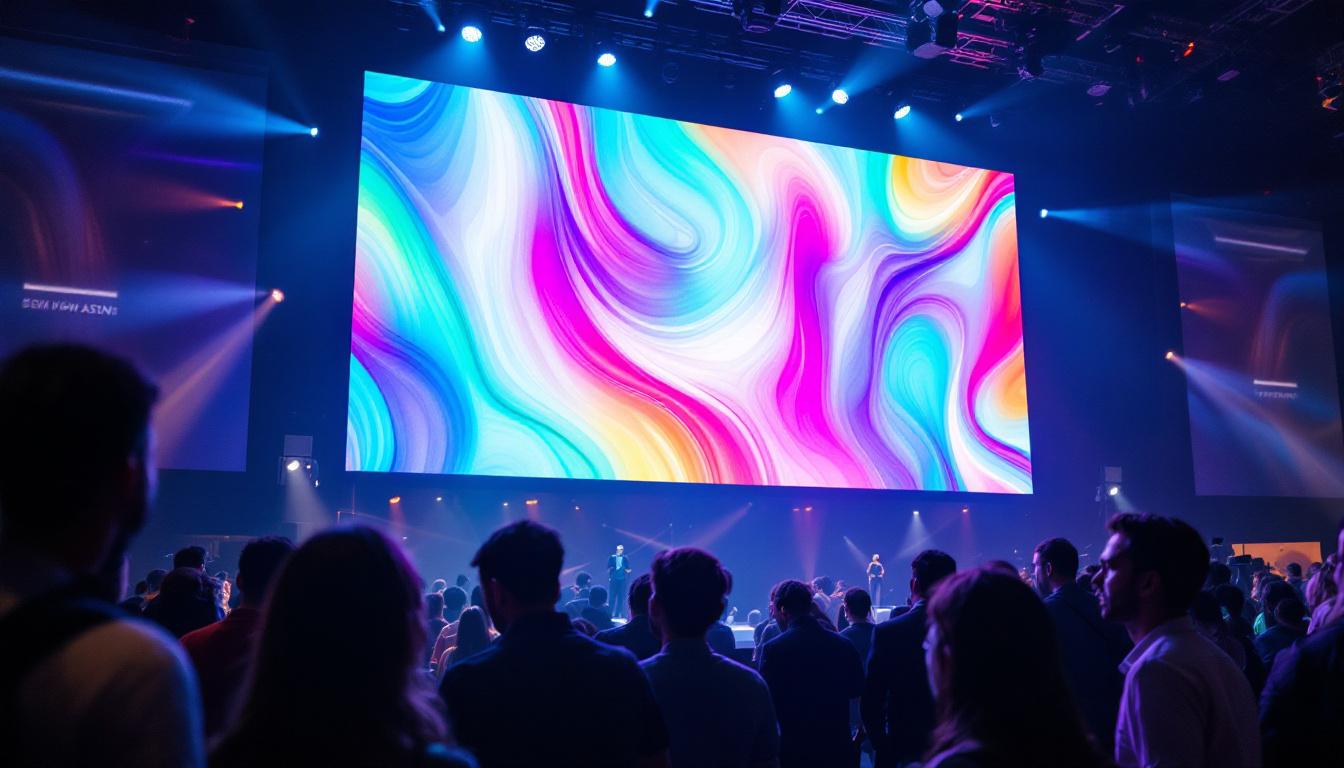
Large outdoor concerts often rely on 20 ft trusses to support massive LED screens that display live footage, graphics, and visual effects. These screens enhance the audience’s experience, especially for those far from the stage.
Trade Shows and Exhibitions
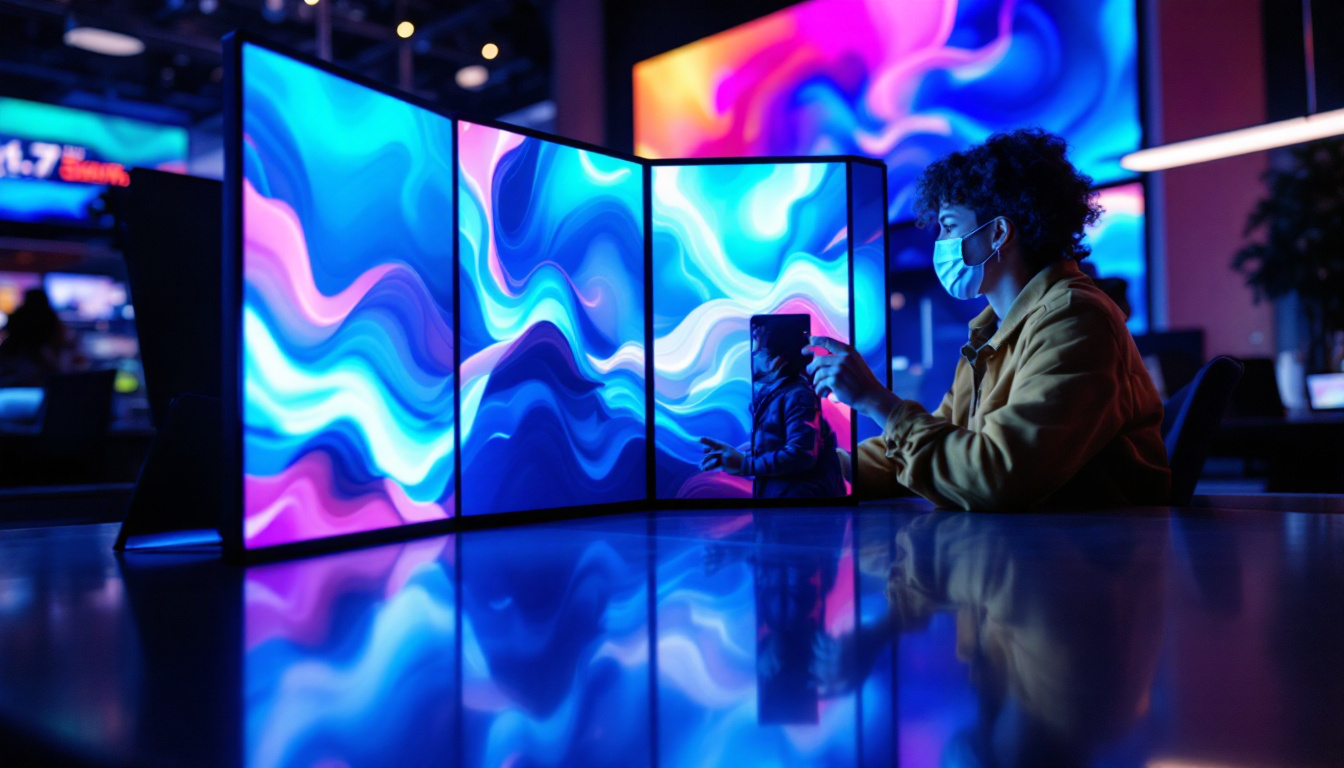
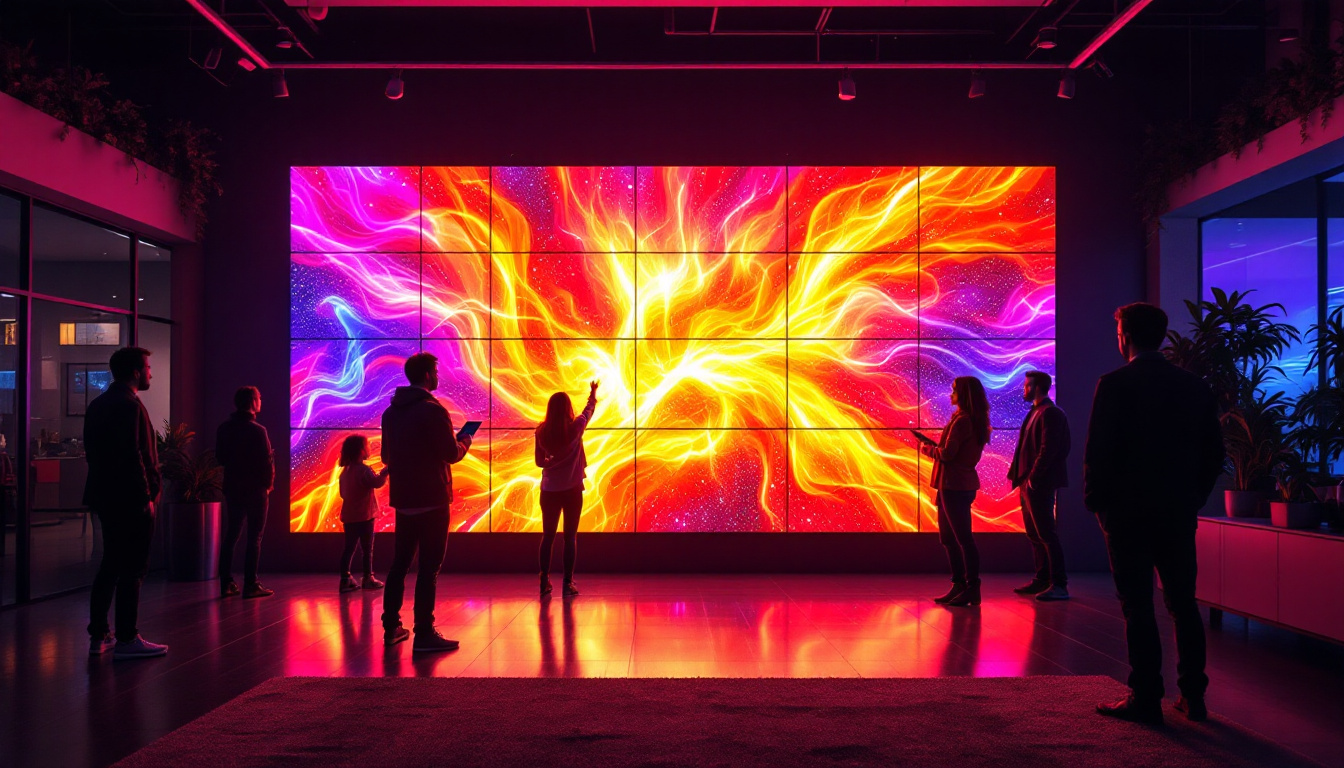
Exhibition booths use 20 ft trusses to create eye-catching video walls that attract visitors and showcase products dynamically. The truss also supports lighting and signage, contributing to a professional presentation.
Sports Events and Arenas
In stadiums and arenas, 20 ft trusses are used to mount LED scoreboards and advertising panels. Their strength and size accommodate the substantial weight and dimensions of these displays.
Conclusion
The 20 ft truss is a cornerstone in the setup of large LED displays, offering the perfect combination of strength, flexibility, and ease of use. Whether for concerts, exhibitions, or sporting events, it provides a reliable foundation that enhances visual impact and ensures safety. Understanding the specifications, load capacities, and best practices for installation empowers event professionals to deliver seamless, captivating experiences that resonate with audiences.
As LED technology continues to evolve, the demand for adaptable and durable support structures like the 20 ft truss will only grow. Investing in quality trussing systems and adhering to rigorous safety standards remains essential for successful event production.
Discover LumenMatrix LED Display Solutions
Ready to elevate your event with a visually stunning LED display? Look no further than LumenMatrix, a leader in innovative LED display technology. Our extensive range of solutions, including Indoor and Outdoor LED Wall Displays, Vehicle LED Displays, and more, are designed to captivate your audience and amplify your message. Experience the revolution in visual communication with our cutting-edge digital signage. Check out LumenMatrix LED Display Solutions today and transform your event into an unforgettable spectacle.