In today’s digital age, LED displays have become ubiquitous, transforming the way information is presented in public spaces, retail environments, transportation hubs, and entertainment venues. The term “98 Display” often refers to a specific size or model of LED display, but understanding the broader technology behind LED displays is essential for anyone interested in digital signage, advertising, or display technology. This article provides a comprehensive explanation of LED displays, their technology, applications, and why they are increasingly preferred over other display types.
What Is an LED Display?
LED stands for Light Emitting Diode, a semiconductor device that emits light when an electric current passes through it. An LED display is a flat panel display that uses an array of LEDs as pixels to create images, videos, or text. These displays are widely used for both indoor and outdoor applications due to their brightness, energy efficiency, and versatility. The technology behind LED displays has evolved significantly over the years, leading to advancements such as organic LEDs (OLEDs) and microLEDs, which offer even greater color accuracy and flexibility in design.
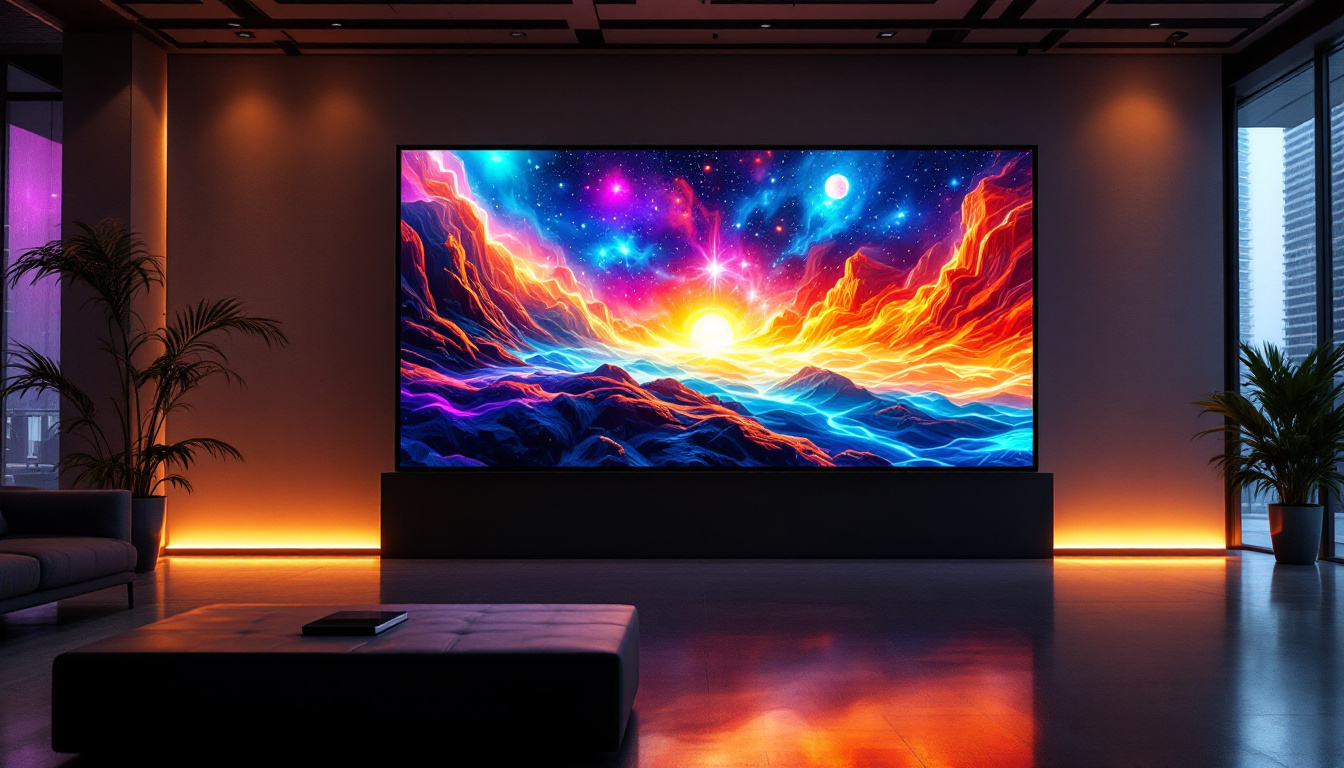
The “98 Display” designation often refers to a 98-inch LED screen, which is a popular size for large-format digital signage. Such displays offer a balance between visibility and space efficiency, making them ideal for conference rooms, retail stores, airports, and public information boards. The large size allows for clear visibility from a distance, ensuring that the content is easily readable even in crowded or noisy environments. This has made 98-inch displays a favorite choice for businesses looking to capture attention and convey information effectively.
How LED Displays Work
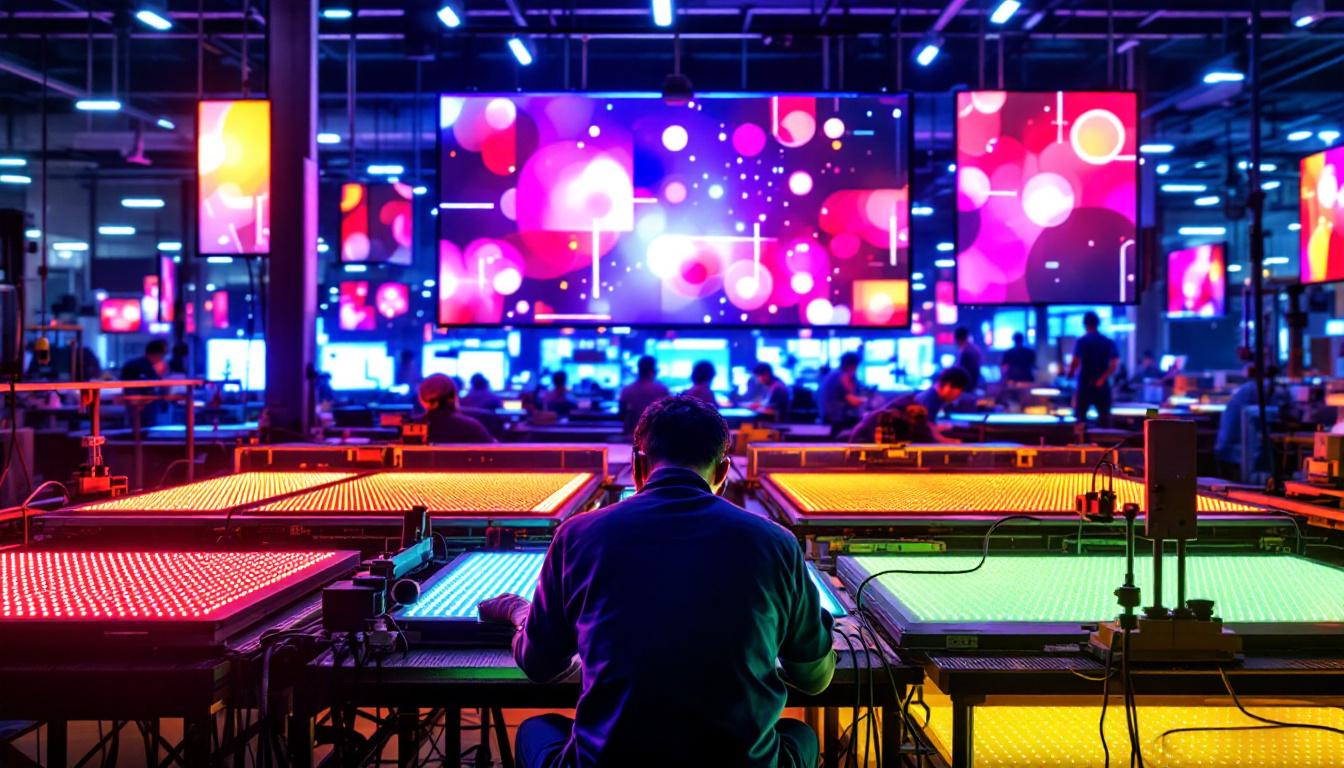
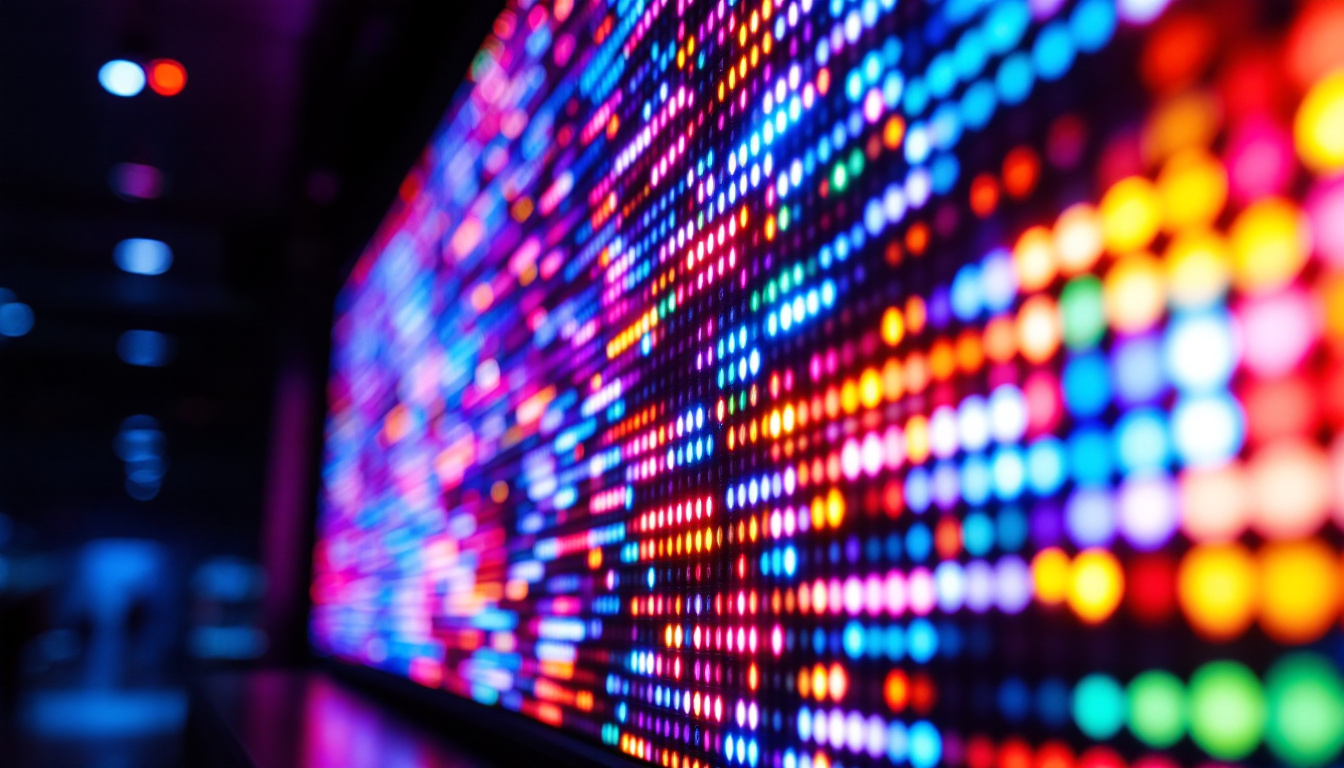
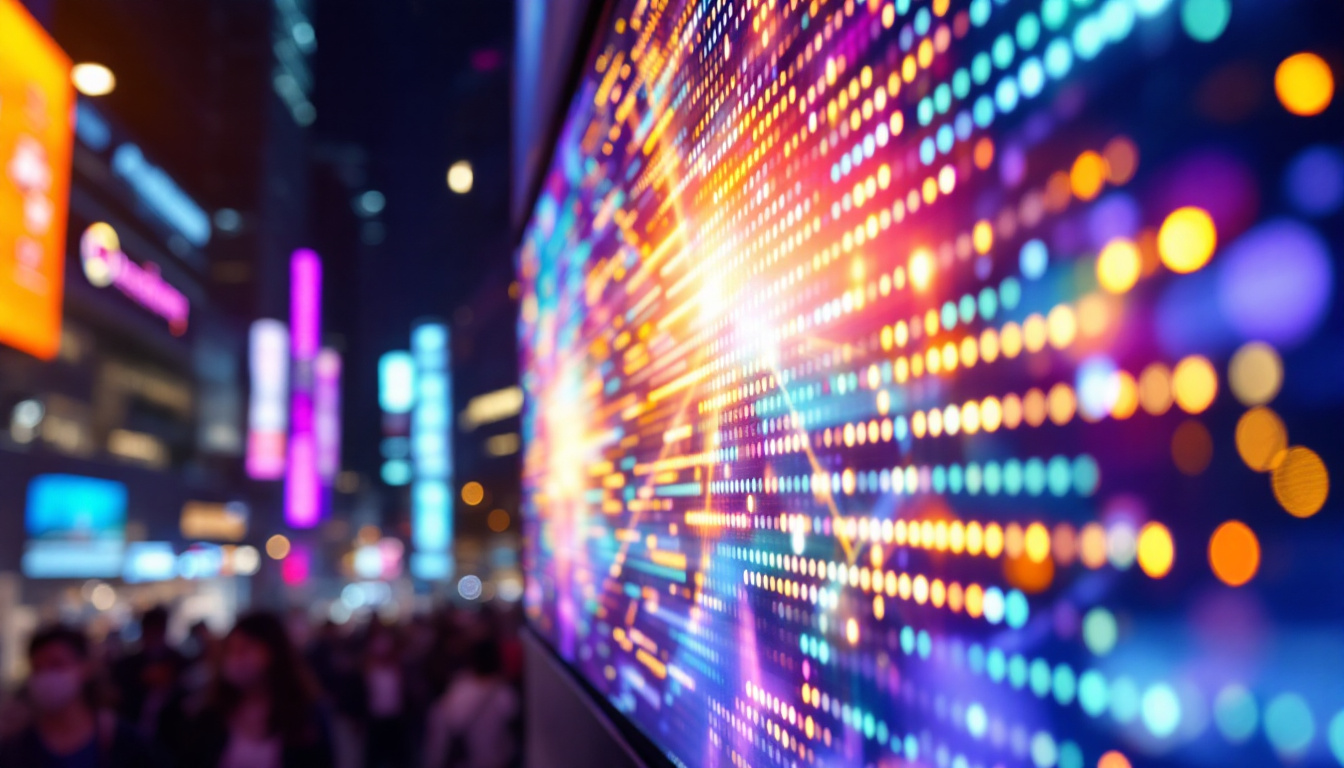
Each pixel in an LED display consists of one or more tiny LEDs. These LEDs can be red, green, and blue (RGB), and by varying the intensity of each color, the display can produce a wide spectrum of colors. The LEDs are controlled by a driver circuit that adjusts the brightness and color of each pixel to form the desired image. This precise control allows for dynamic content to be displayed, from vibrant advertisements to detailed graphics, making LED displays a versatile tool for communication.
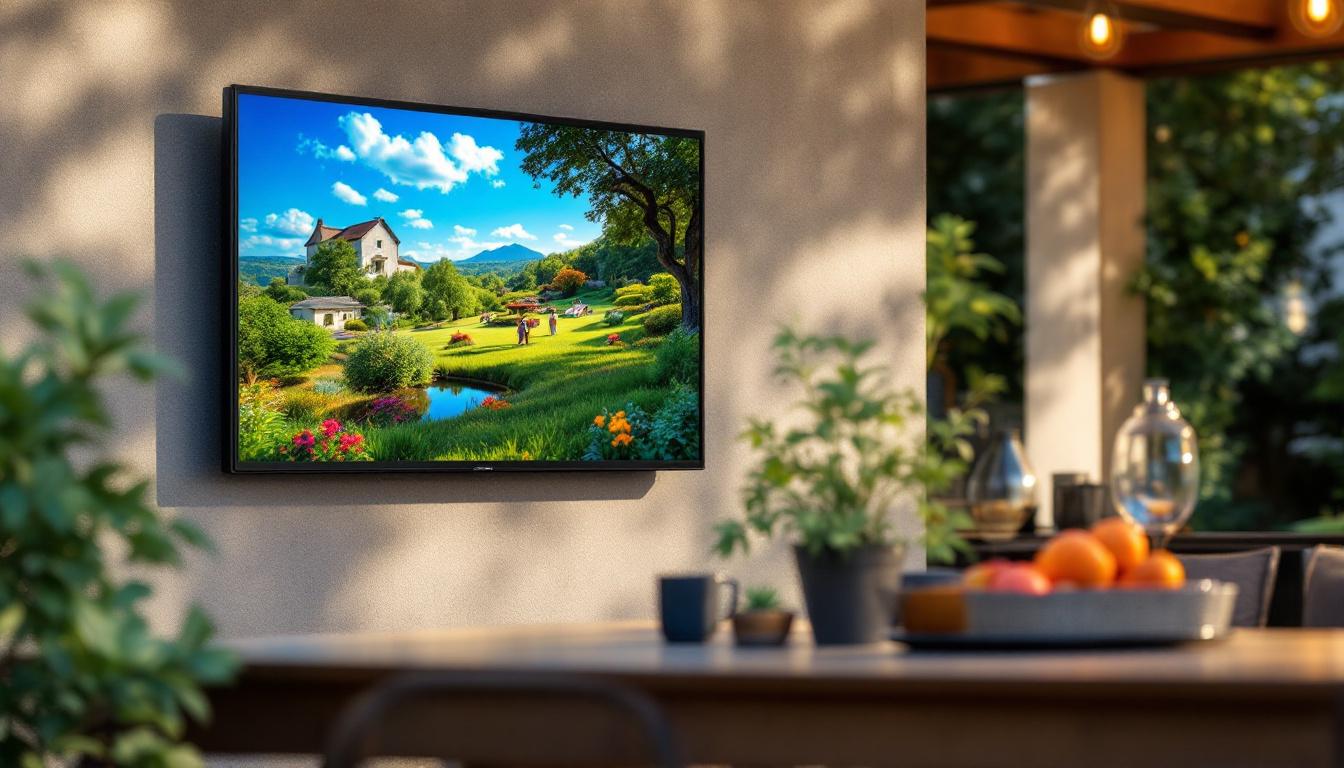
Unlike LCDs, which rely on backlighting, LED displays emit their own light, resulting in higher contrast ratios and better visibility in bright environments. This self-illumination is a key advantage, especially for outdoor displays exposed to sunlight. Additionally, LED technology has a longer lifespan compared to traditional display technologies, which means lower maintenance costs and less frequent replacements. The durability of LED displays also makes them suitable for various applications, including sports arenas, concerts, and public events, where they can withstand the rigors of outdoor conditions while delivering stunning visual experiences.
Types of LED Displays
LED displays come in various forms, each suited for different applications. Understanding these types helps in selecting the right display for specific needs.
1. Direct View LED Displays
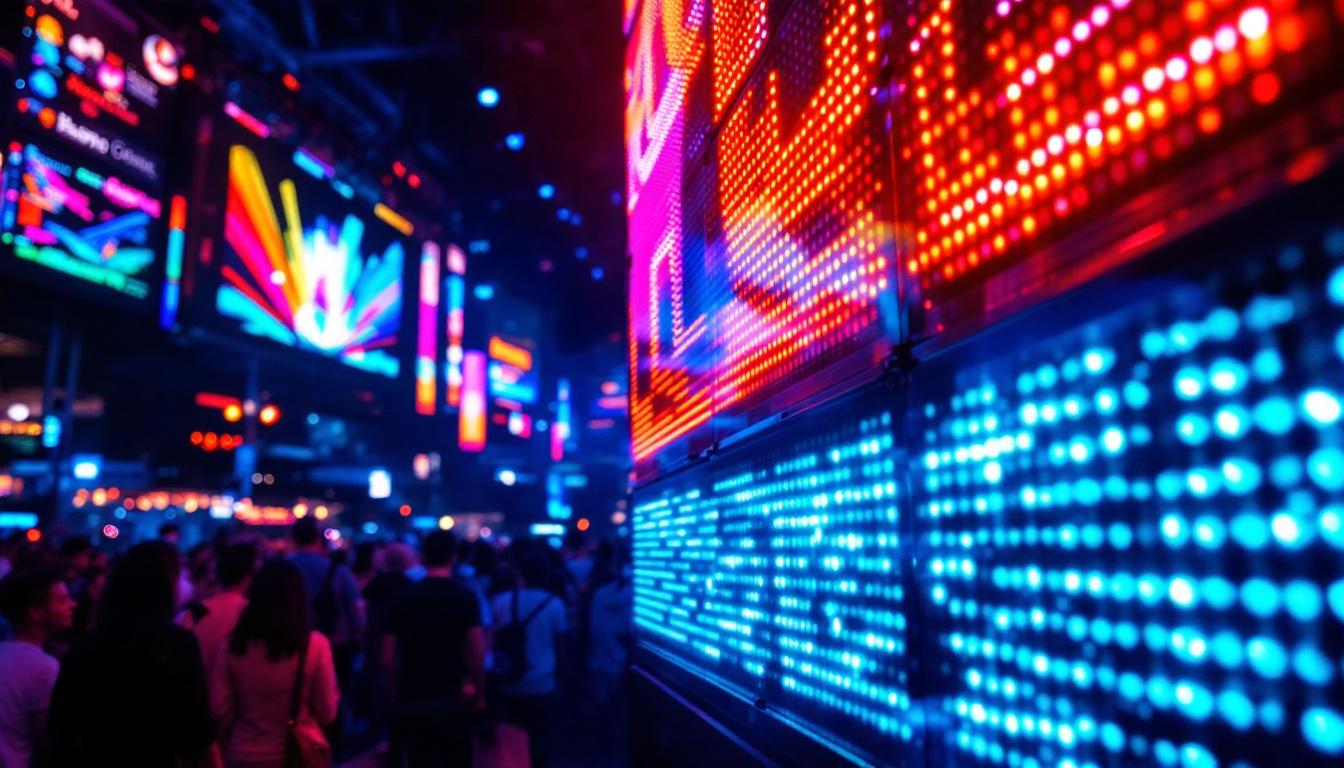
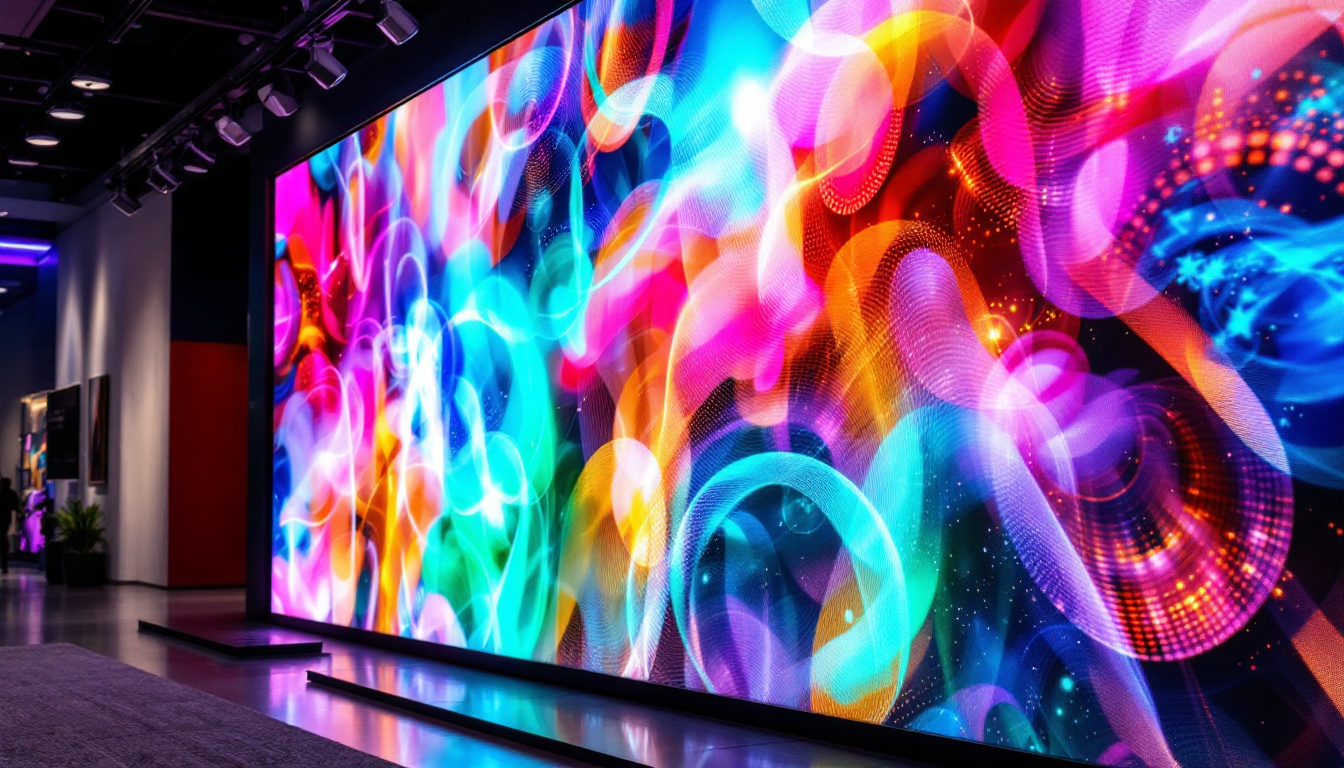
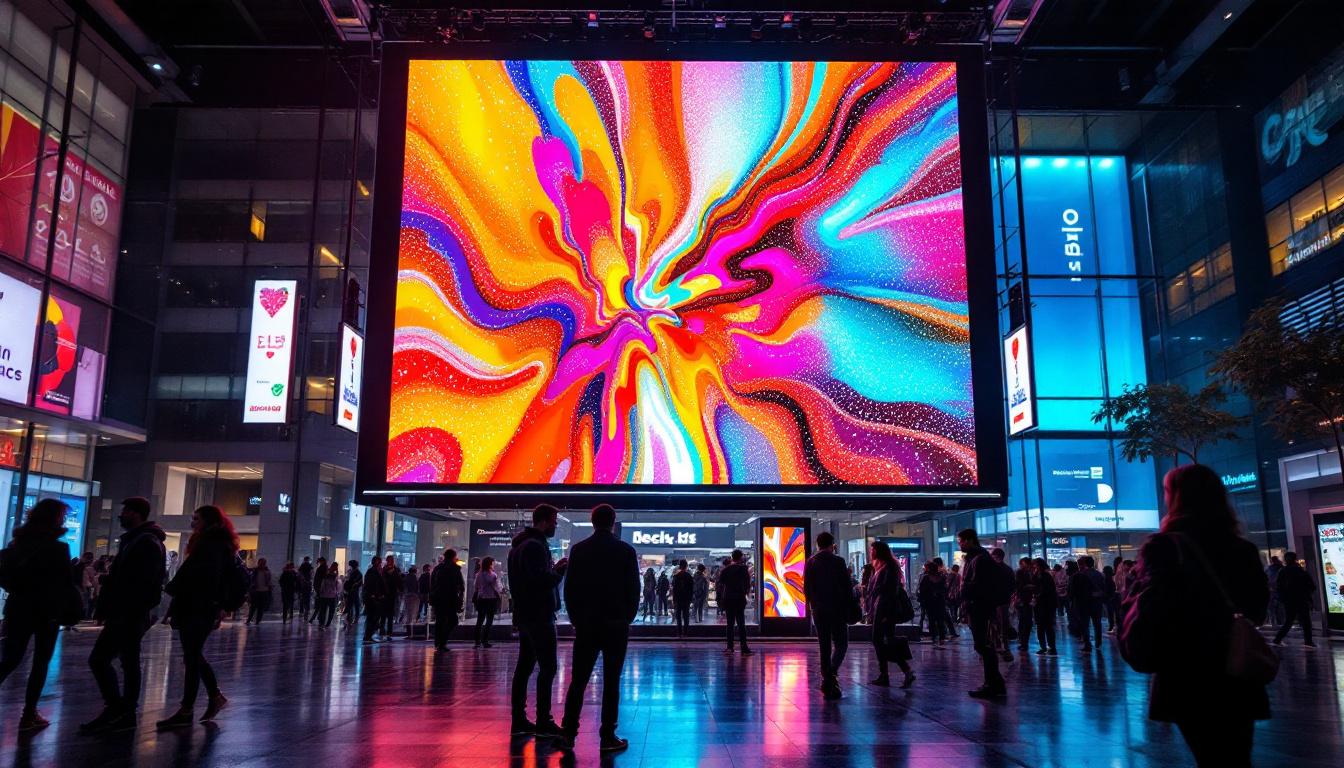
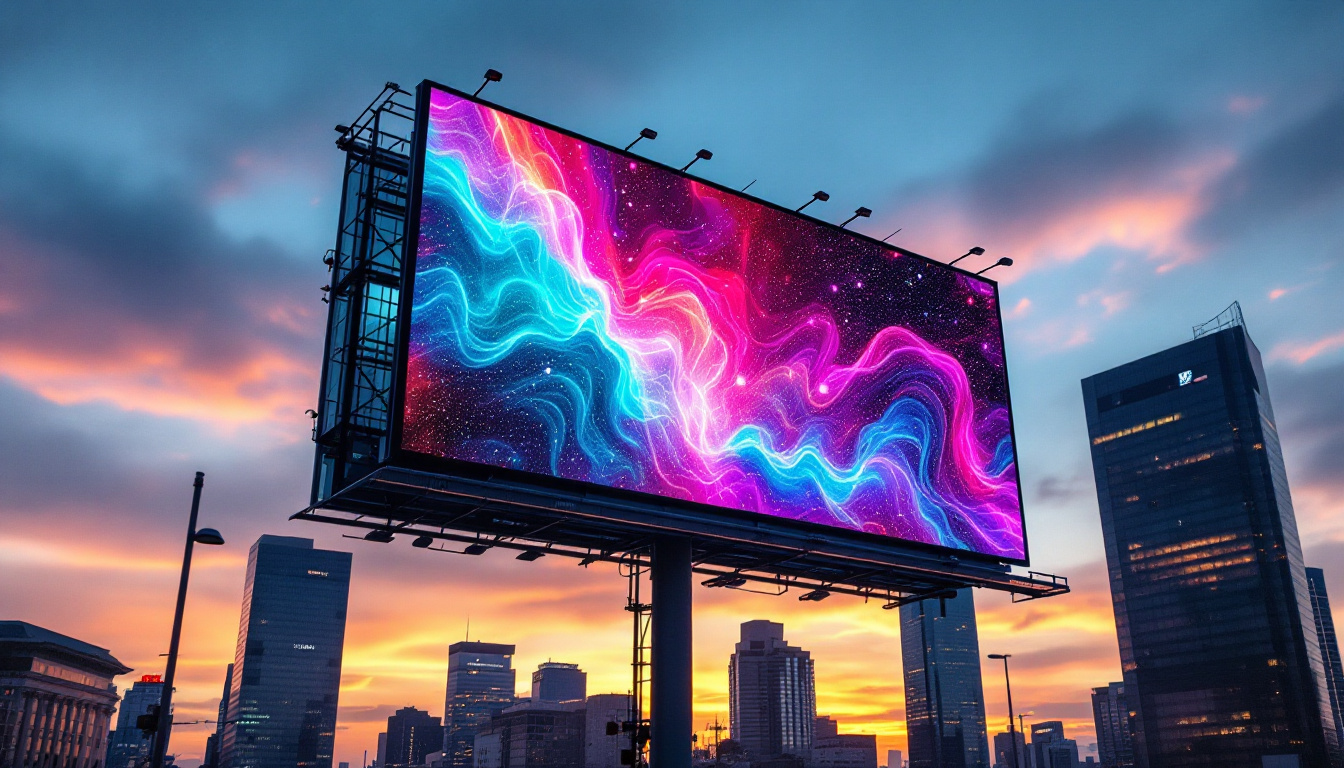
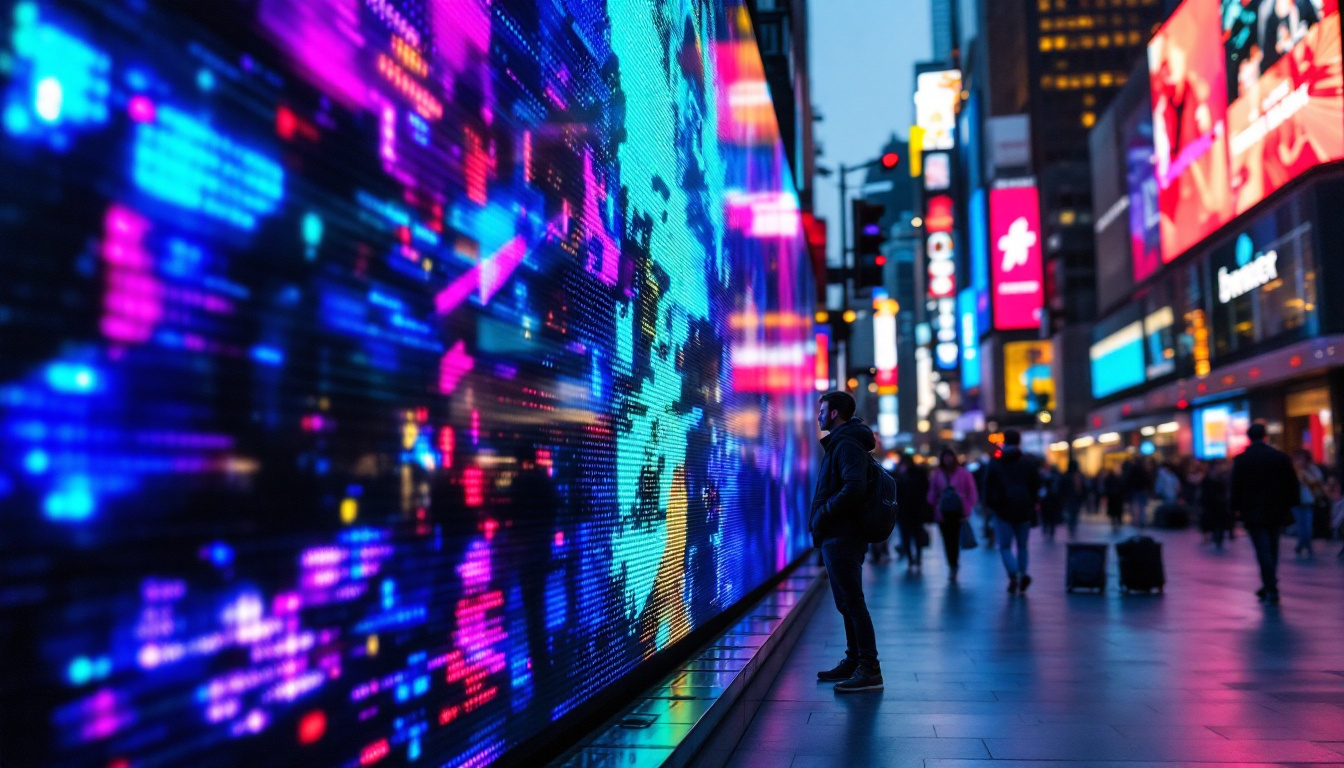
Direct View LED (DVLED) displays are composed of individual LEDs arranged directly on the display surface. These are often used for large outdoor billboards, stadium screens, and stage backdrops. DVLEDs offer exceptional brightness, wide viewing angles, and scalable sizes, which can range from a few inches to hundreds of feet.
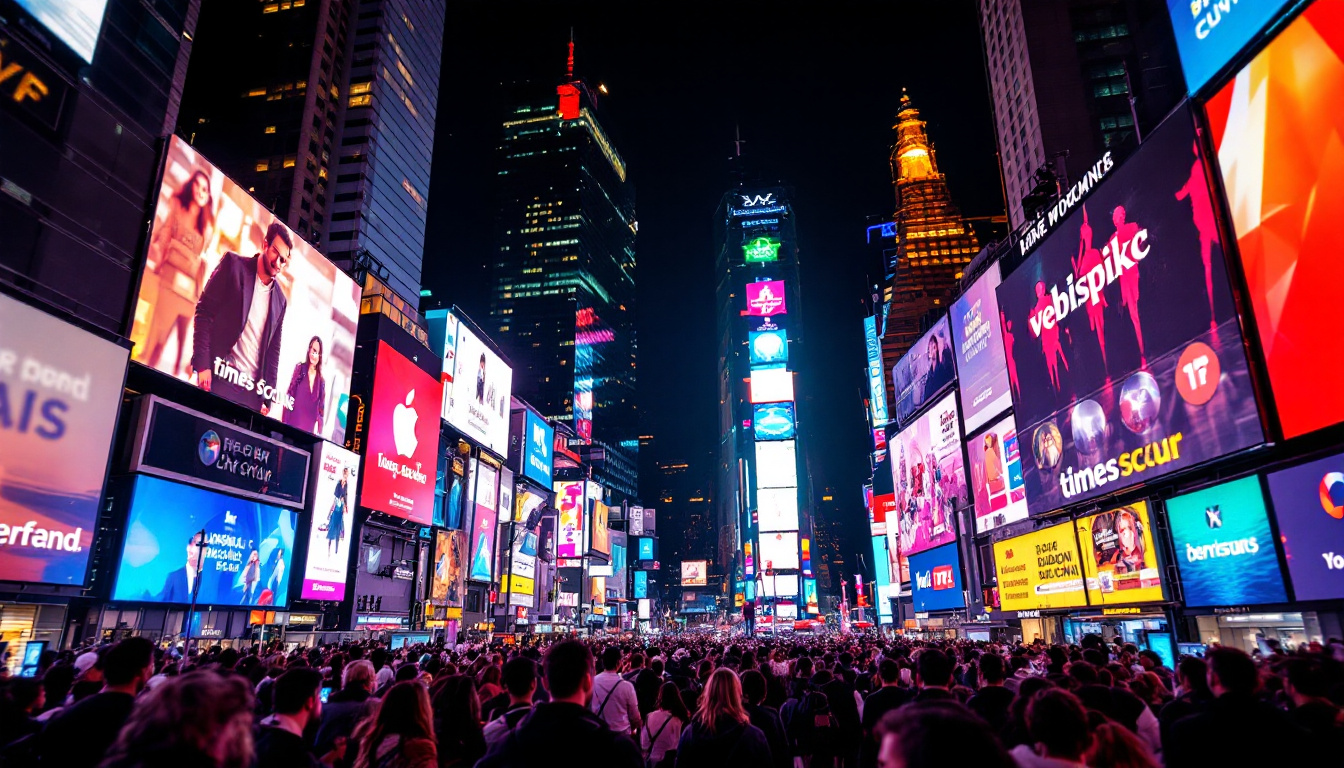
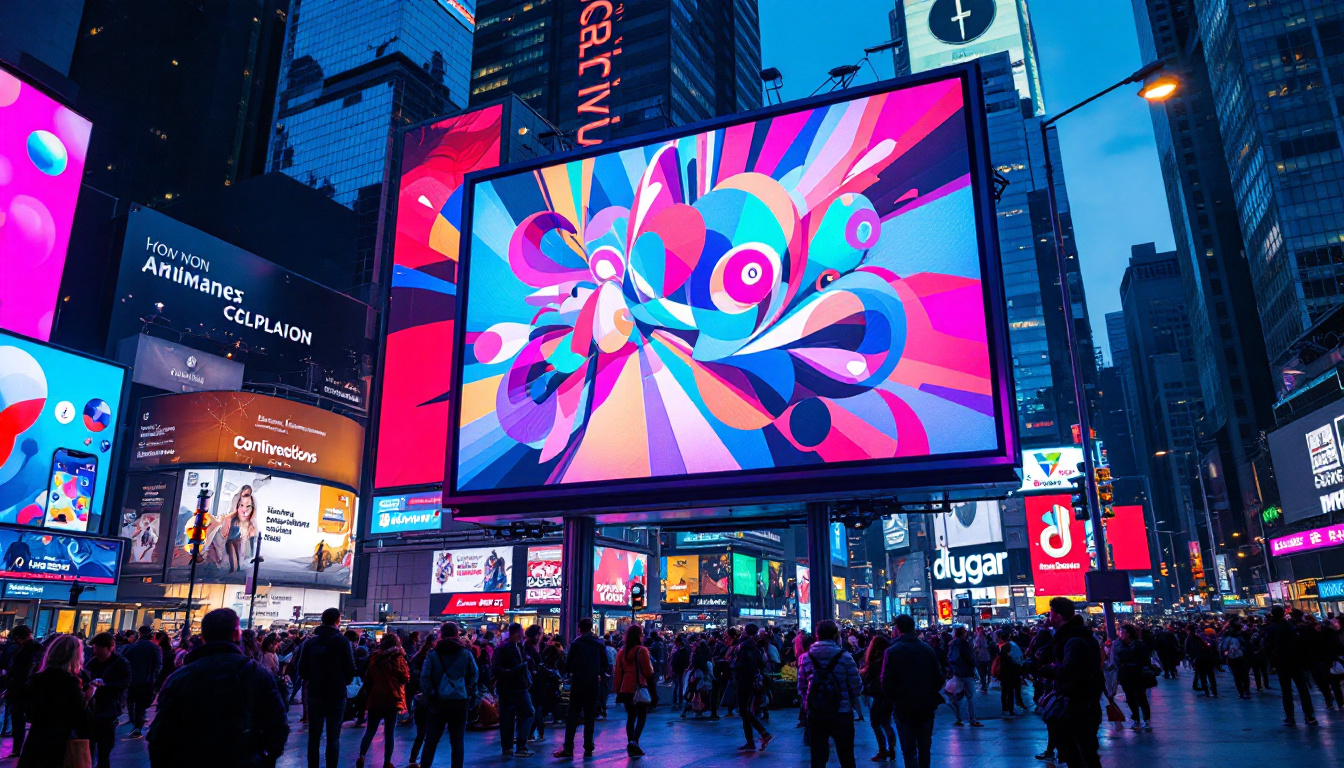
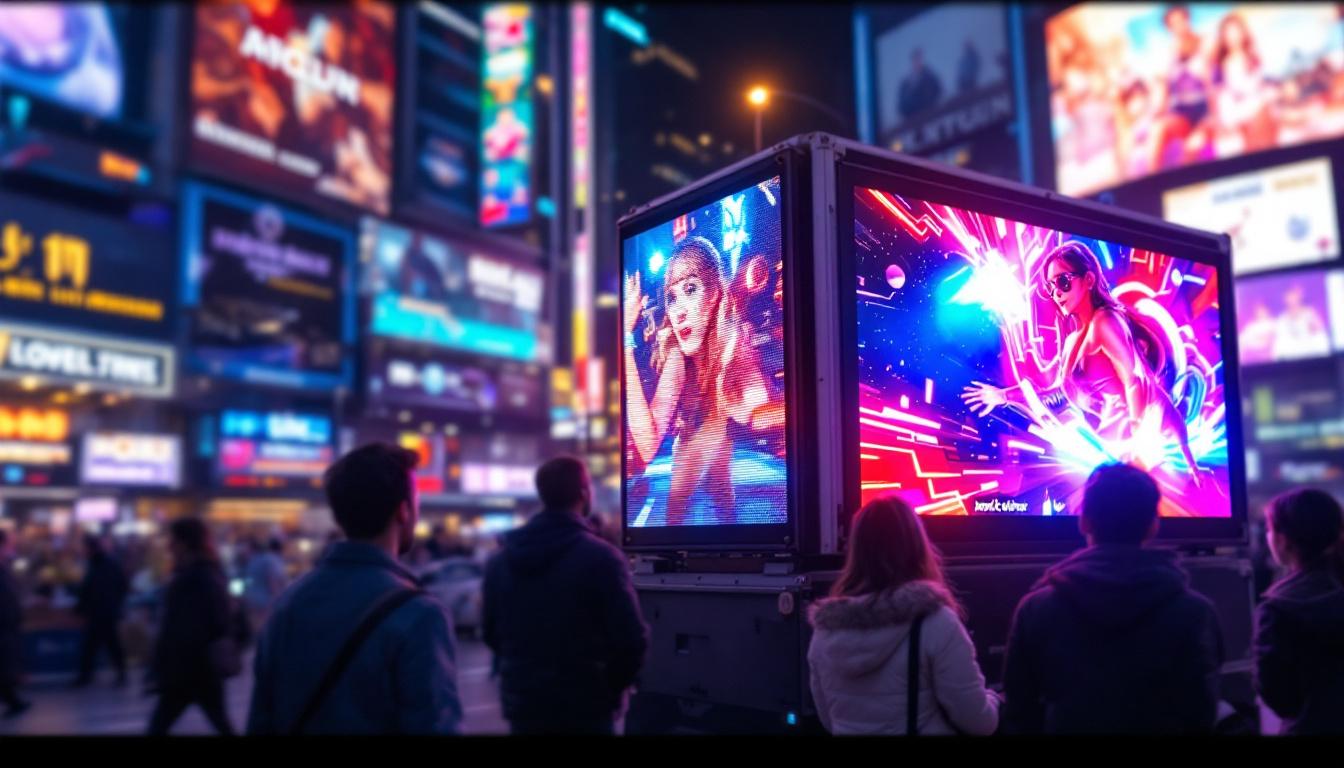
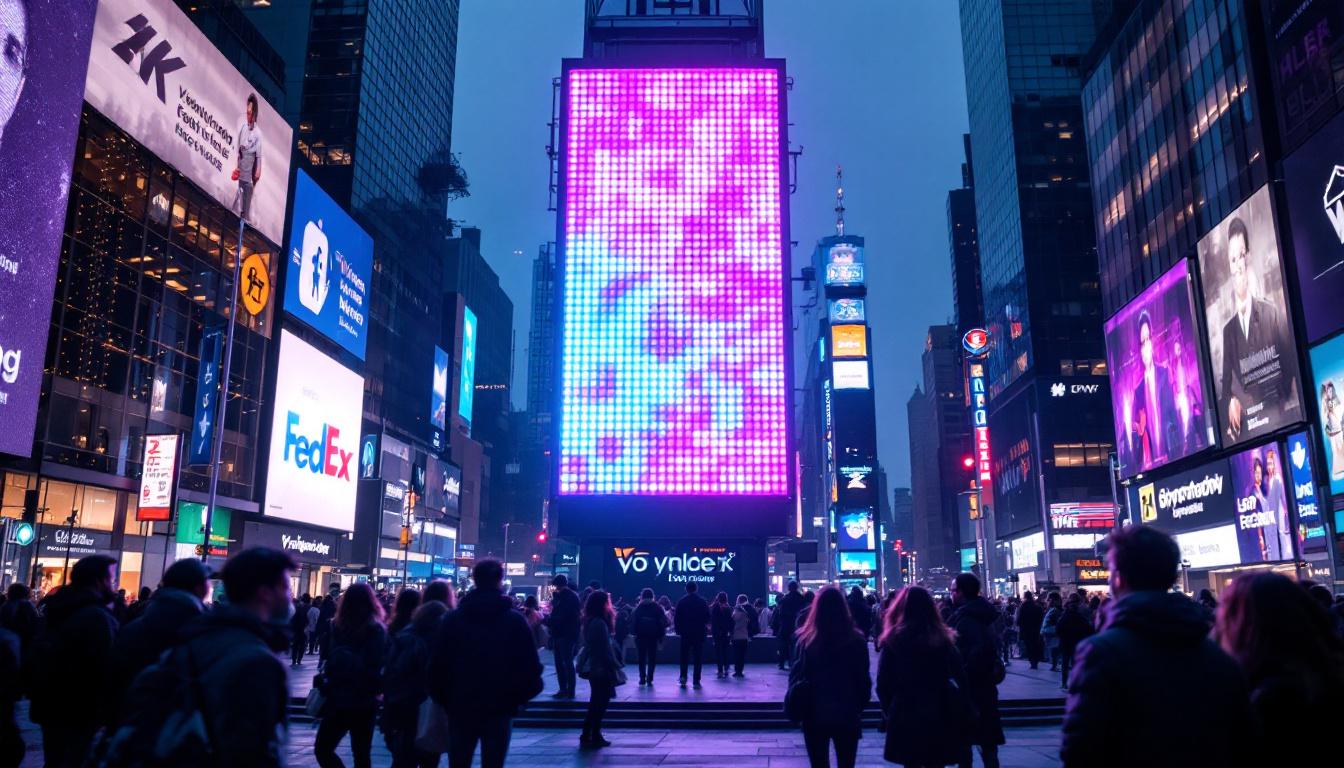
For example, the Times Square billboards in New York City use massive DVLED displays to deliver vibrant advertisements visible from great distances, even in daylight. Additionally, DVLED technology is increasingly being utilized in corporate settings for video walls that enhance presentations and engage audiences with dynamic content. These displays can be customized to fit various shapes and sizes, allowing for creative installations that capture attention in ways traditional displays cannot.
2. LED-Backlit LCD Displays
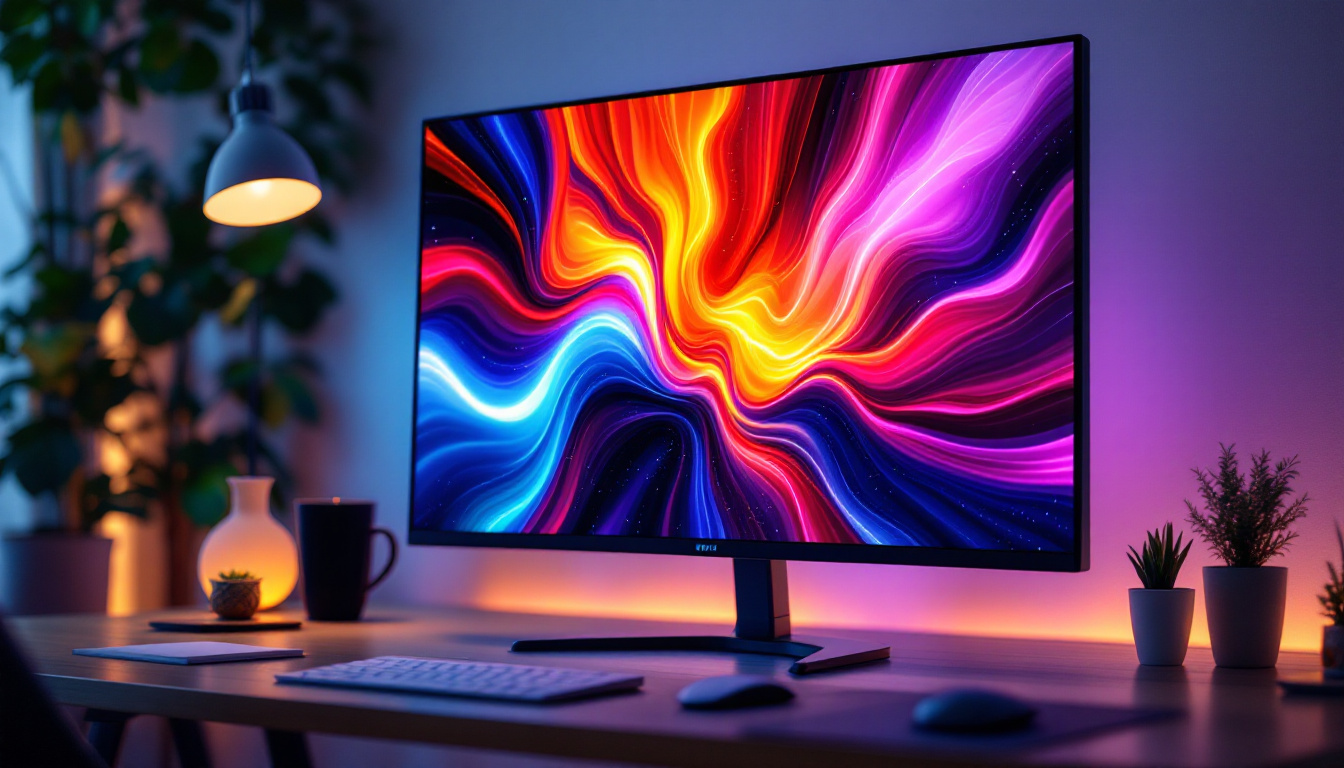
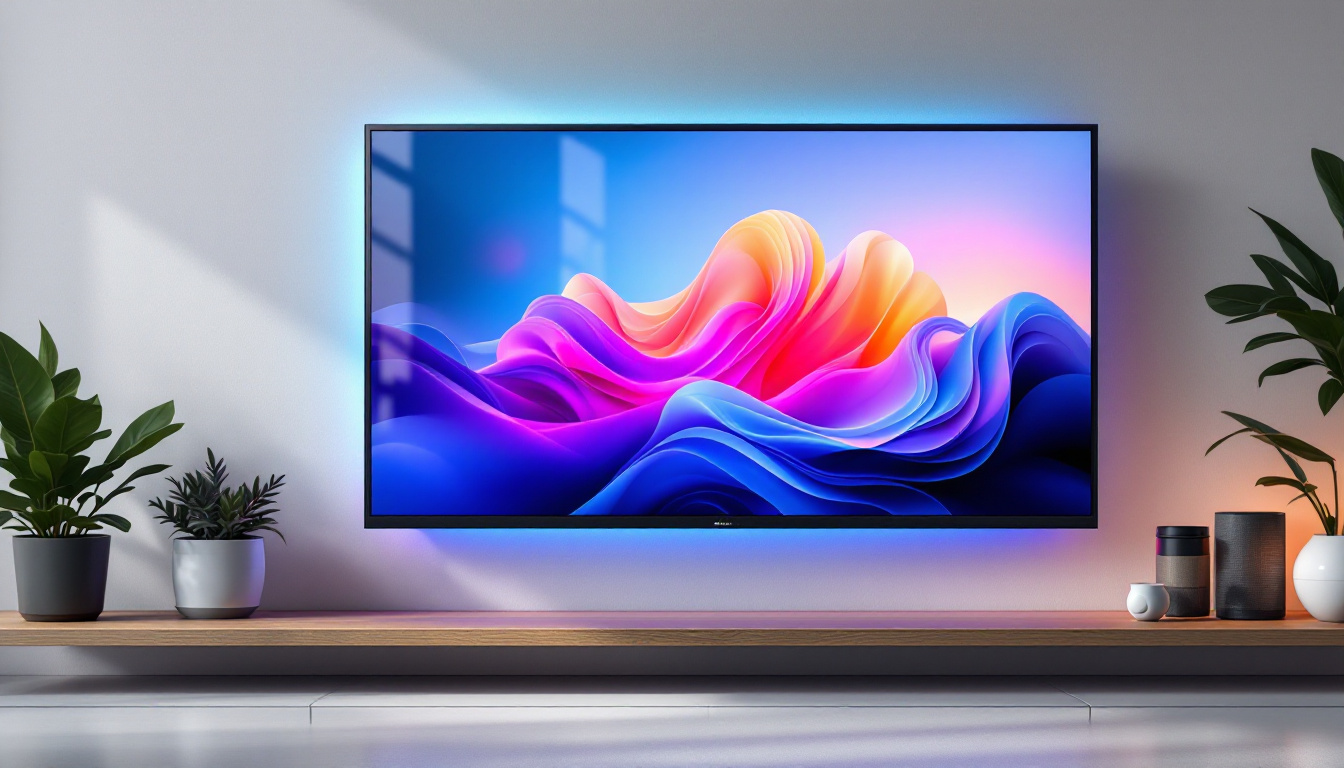
Many consumer TVs and monitors use LED backlighting behind an LCD panel. While technically not LED displays in the purest sense, these displays combine LED technology with liquid crystal displays to improve brightness and energy efficiency compared to older CCFL-backlit LCDs.
This type of display is common in homes and offices but lacks the extreme brightness and scalability of direct view LED displays. However, advancements in LED-backlit technology have led to features such as local dimming, which enhances contrast ratios and improves the overall viewing experience. Furthermore, with the rise of 4K and 8K resolutions, LED-backlit LCD displays are becoming increasingly popular for gamers and movie enthusiasts who seek high-definition visuals without breaking the bank.
3. MicroLED Displays
MicroLED technology represents the next generation of LED displays. MicroLEDs are tiny LEDs, often less than 100 micrometers in size, that can be used to create ultra-high-resolution displays with superior brightness and energy efficiency. This technology is still emerging but promises significant improvements over OLED and traditional LED displays.
MicroLED displays offer the potential for self-emissive pixels, which means each pixel can turn on and off independently, resulting in deeper blacks and more vibrant colors. This capability not only enhances picture quality but also reduces power consumption, making MicroLED a sustainable choice for future display technologies. As manufacturers continue to refine this technology, we can expect to see MicroLEDs in a variety of applications, from high-end televisions to portable devices, revolutionizing how we interact with digital content.
Key Advantages of LED Displays
LED displays have rapidly gained popularity due to their numerous advantages over other display technologies such as LCD, plasma, and projection systems. These benefits include:
Brightness and Visibility
LED displays can achieve brightness levels exceeding 5,000 nits, making them easily viewable even in direct sunlight. This high luminance is critical for outdoor advertising and public information displays where ambient light conditions vary widely.
Energy Efficiency
Compared to traditional lighting and display technologies, LEDs consume significantly less power. This efficiency translates into lower operating costs, especially important for large-scale installations that run continuously.
Durability and Longevity
LEDs have a long operational lifespan, often exceeding 50,000 hours. They are also more resistant to shock and vibration, making LED displays suitable for outdoor and high-traffic environments.
Color Accuracy and Contrast
Because LEDs emit light directly, they provide better contrast ratios and more vibrant colors than LCDs, which rely on backlighting. This results in sharper images and more engaging visual content.
Applications of LED Displays
The versatility of LED displays means they are used across a wide range of industries and scenarios. Here are some of the most common applications:
Advertising and Digital Signage
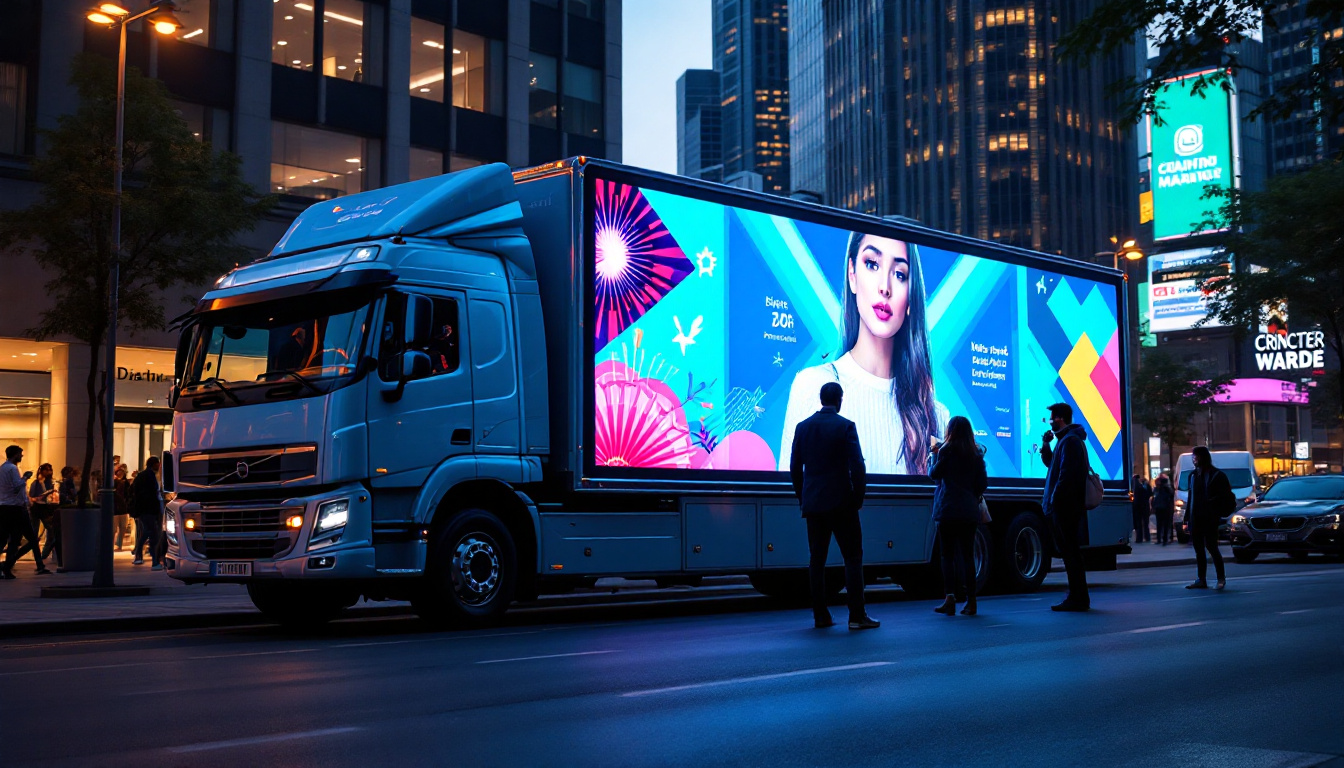
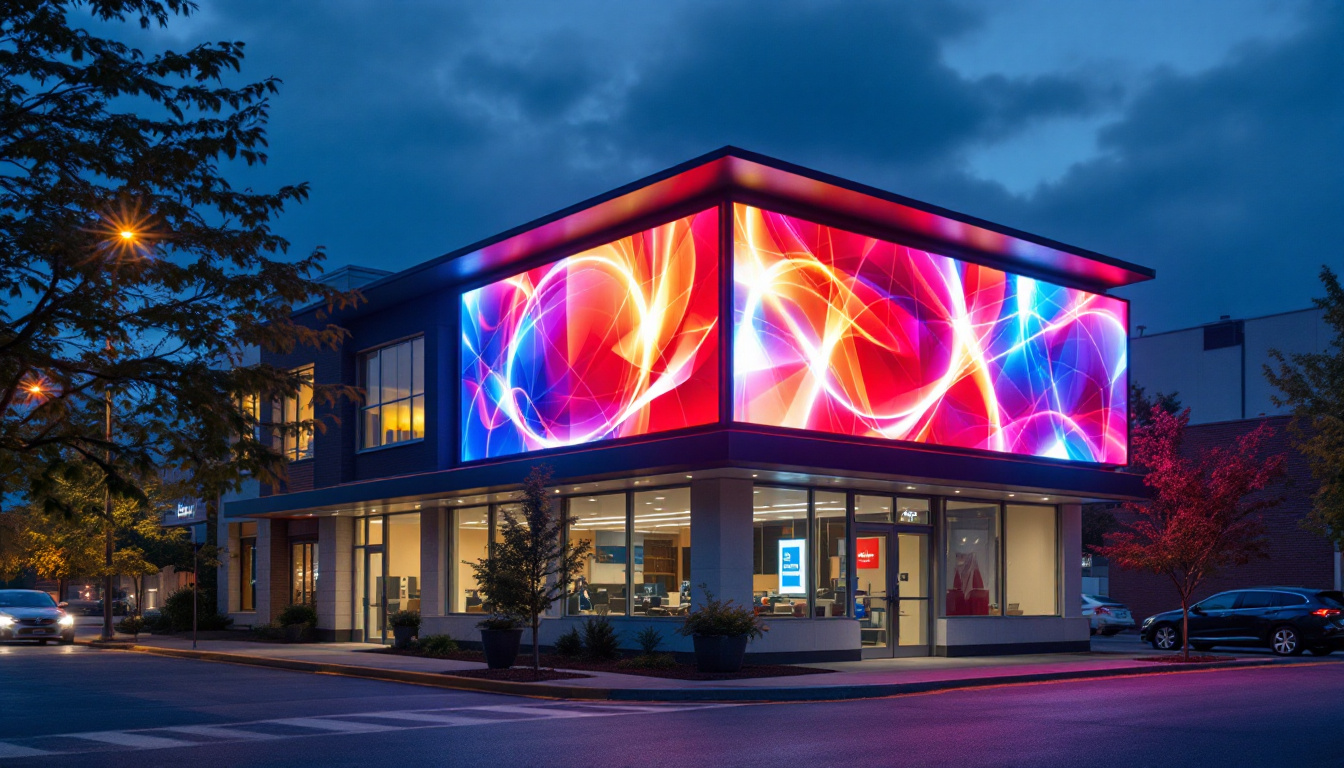
One of the most visible uses of LED displays is in advertising. From roadside billboards to retail window displays, LED screens attract attention with dynamic, colorful content. The ability to update content remotely and in real-time allows advertisers to tailor messages to specific audiences and times of day.
Transportation and Public Information
Airports, train stations, and bus terminals use LED displays to provide travelers with real-time information such as schedules, delays, and gate changes. The clarity and brightness of LED displays ensure that information is accessible even in crowded or brightly lit environments.
Sports and Entertainment
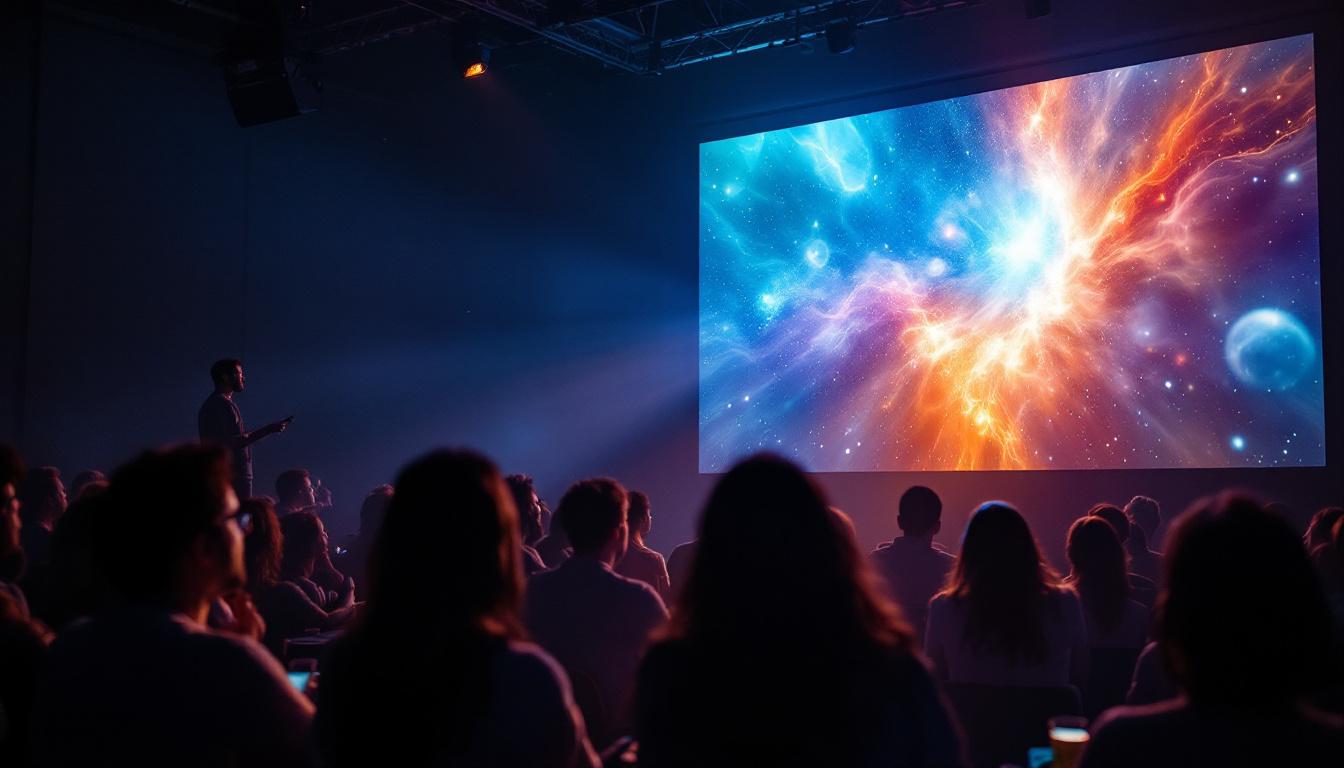
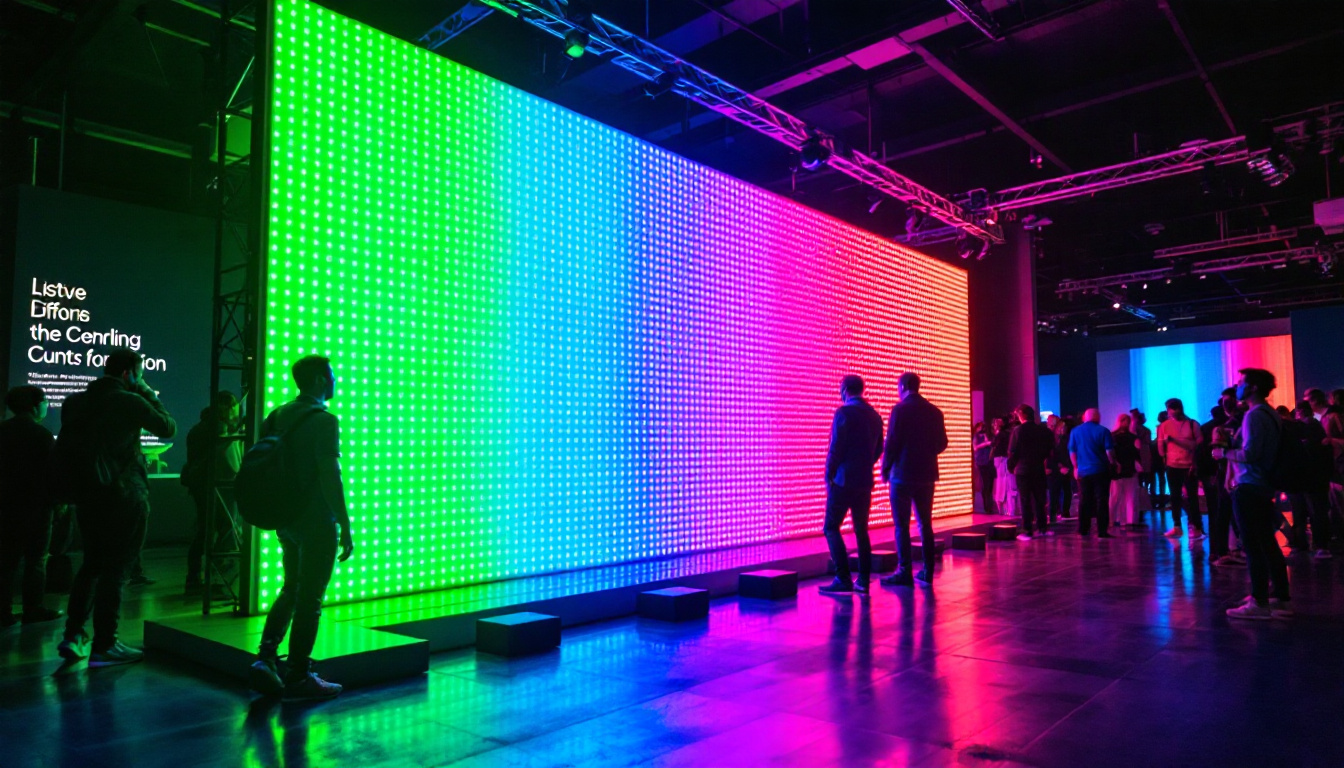
Stadiums and arenas use large-format LED displays to enhance the spectator experience. These screens display live action, replays, scores, and advertisements. Concerts and theatrical productions also use LED walls as dynamic backdrops to create immersive environments.
Corporate and Educational Settings
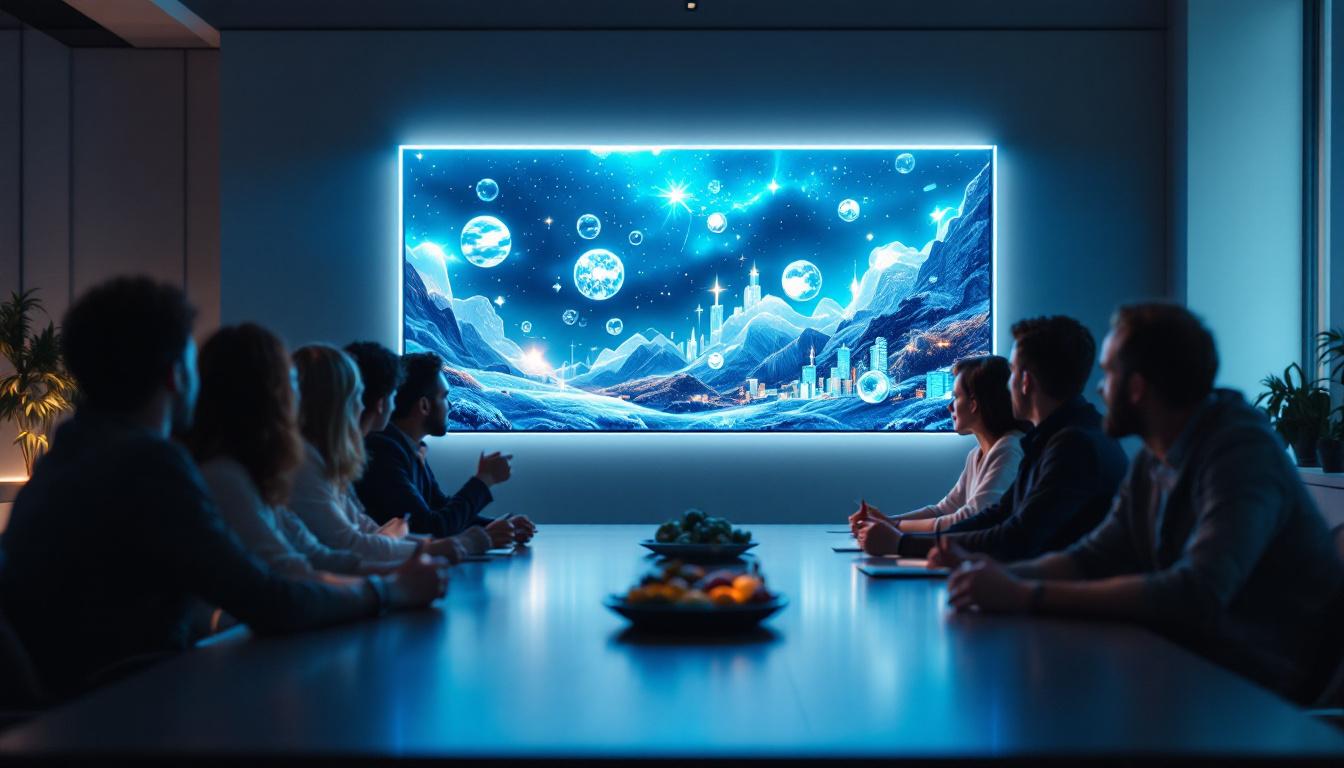
In conference rooms, lecture halls, and classrooms, LED displays serve as presentation tools that facilitate communication and engagement. The 98-inch LED display size is particularly popular in these settings, offering a large, clear viewing area without overwhelming the room.
Choosing the Right LED Display
Selecting the appropriate LED display involves considering several factors to ensure the display meets the intended purpose and environment.
Resolution and Pixel Pitch
Resolution refers to the number of pixels on the display, while pixel pitch is the distance between the centers of adjacent pixels. A smaller pixel pitch means higher resolution and sharper images, which is crucial for close viewing distances, such as indoor displays.
For outdoor displays viewed from a distance, a larger pixel pitch is acceptable and more cost-effective.
Brightness and Viewing Environment
Consider the ambient lighting conditions where the display will be installed. Outdoor displays require higher brightness levels to combat sunlight, whereas indoor displays can operate at lower brightness, reducing power consumption.
Size and Installation Constraints
The physical size of the display should match the viewing distance and space available. A 98-inch LED display offers a large, immersive viewing experience without the logistical challenges of ultra-large screens.
Durability and Maintenance
For outdoor or high-traffic environments, choose displays with weatherproofing and robust construction. Maintenance accessibility is also important to minimize downtime and service costs.
Future Trends in LED Display Technology
The LED display industry continues to evolve rapidly, driven by advances in materials, manufacturing, and integration with digital technologies.
Higher Resolution and MicroLED Adoption
As MicroLED technology matures, expect to see displays with unprecedented resolution, color accuracy, and energy efficiency. This will open new possibilities for applications such as wearable displays, augmented reality, and ultra-large video walls.
Flexible and Transparent LED Displays
Innovations in flexible LED panels allow for curved or bendable displays that can conform to architectural features. Transparent LED displays enable windows and glass surfaces to become dynamic screens without obstructing views.
Integration with AI and IoT
Smart LED displays integrated with artificial intelligence and Internet of Things (IoT) technologies will enable personalized content delivery, interactive experiences, and real-time analytics for advertisers and facility managers.
Conclusion
LED displays, including the popular 98-inch models, represent a cornerstone of modern digital communication. Their superior brightness, energy efficiency, and versatility make them ideal for a wide range of applications, from advertising to corporate presentations. Understanding the technology behind LED displays and the factors influencing their selection ensures that businesses and organizations can maximize the impact of their visual communications.
As LED technology continues to advance, embracing innovations like MicroLED and smart integration will unlock even greater potential, making LED displays an indispensable tool in the digital era.
Discover LumenMatrix’s Advanced LED Solutions
Ready to elevate your visual communication with the latest in LED technology? Explore LumenMatrix’s comprehensive range of LED display solutions, designed to captivate your audience and amplify your message. From vibrant Indoor and Outdoor LED Wall Displays to innovative options like Vehicle LED Displays, LED Posters, and even Custom LED solutions tailored to your unique needs, LumenMatrix is at the forefront of digital signage innovation. Experience the future of display technology and check out LumenMatrix LED Display Solutions today to see how we can transform your space into a dynamic visual experience.