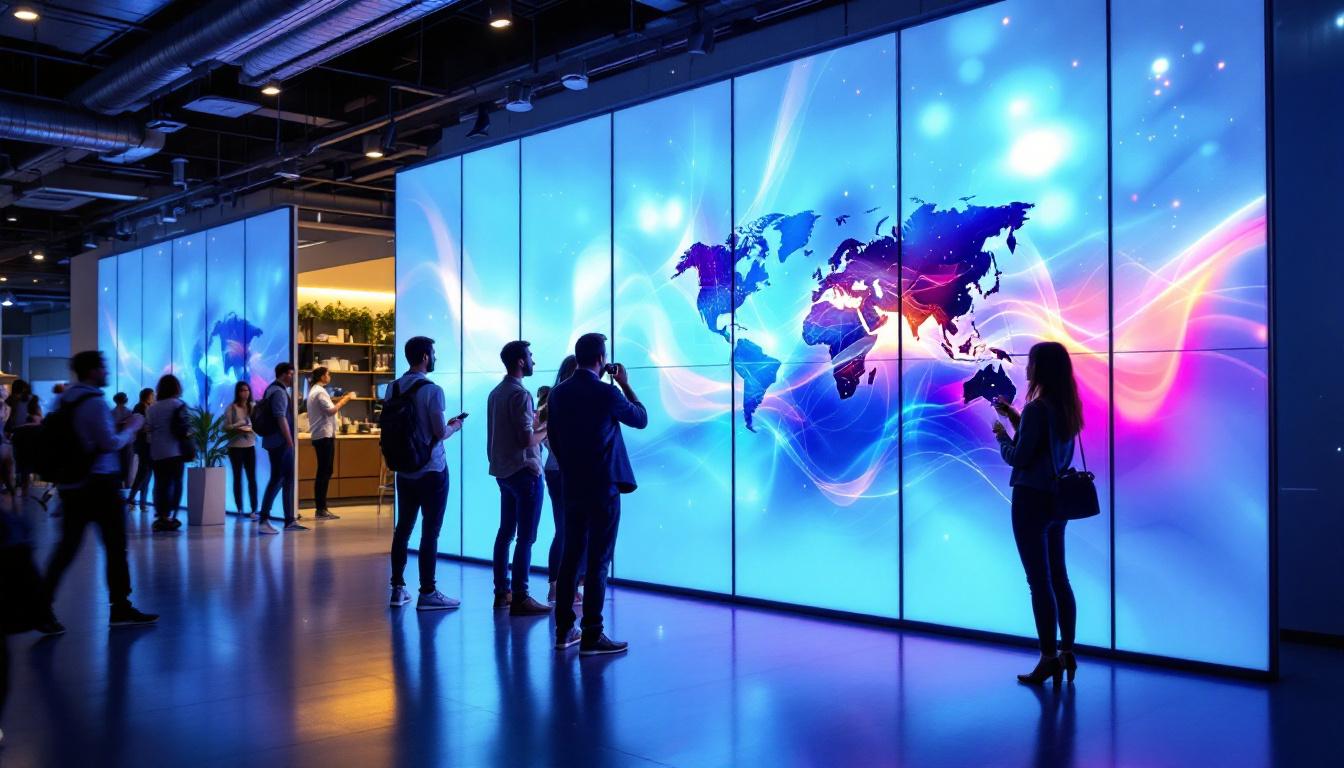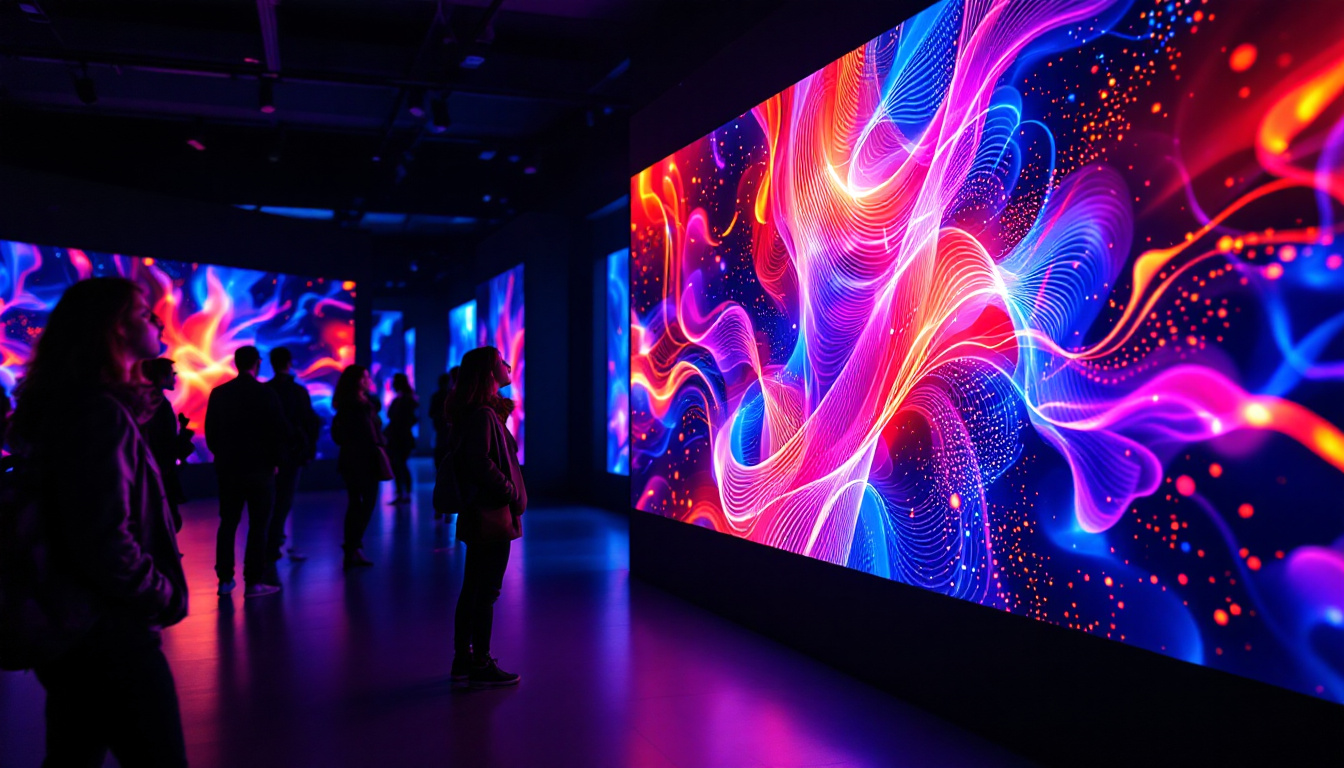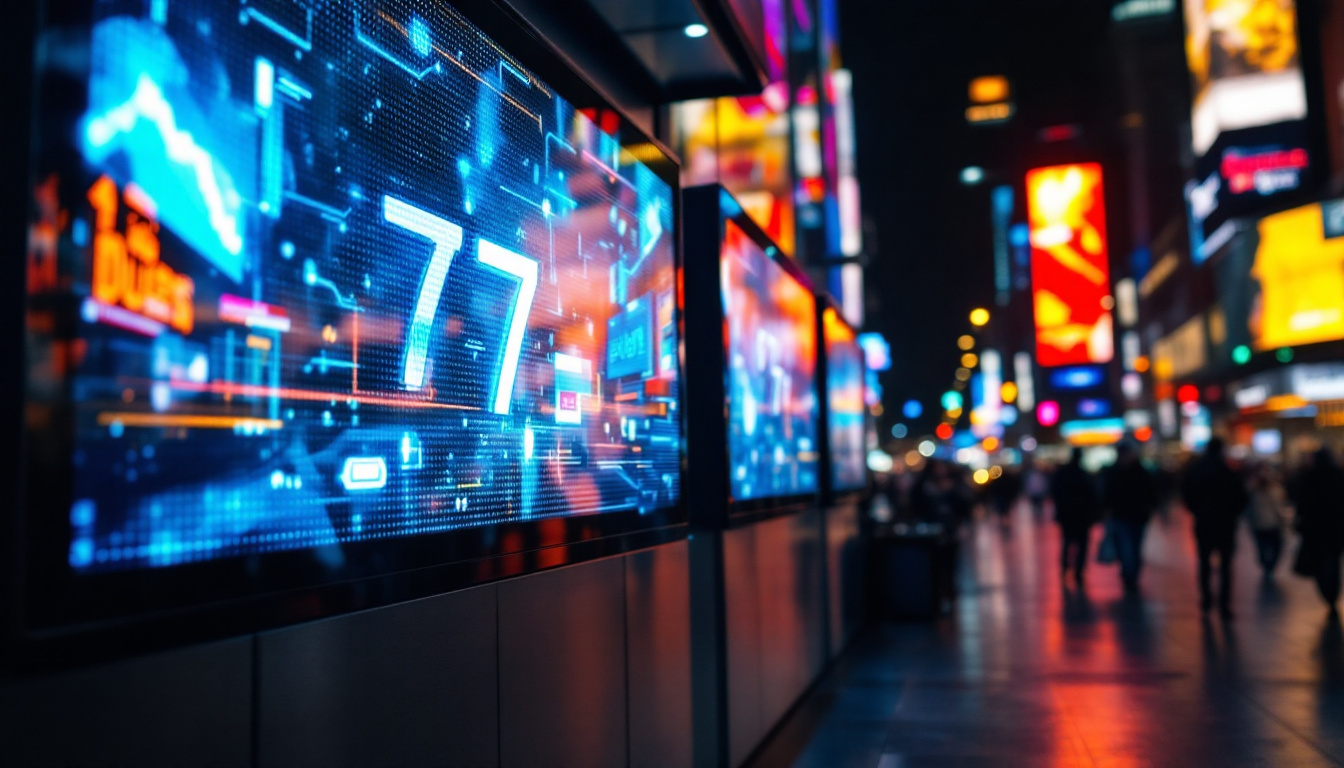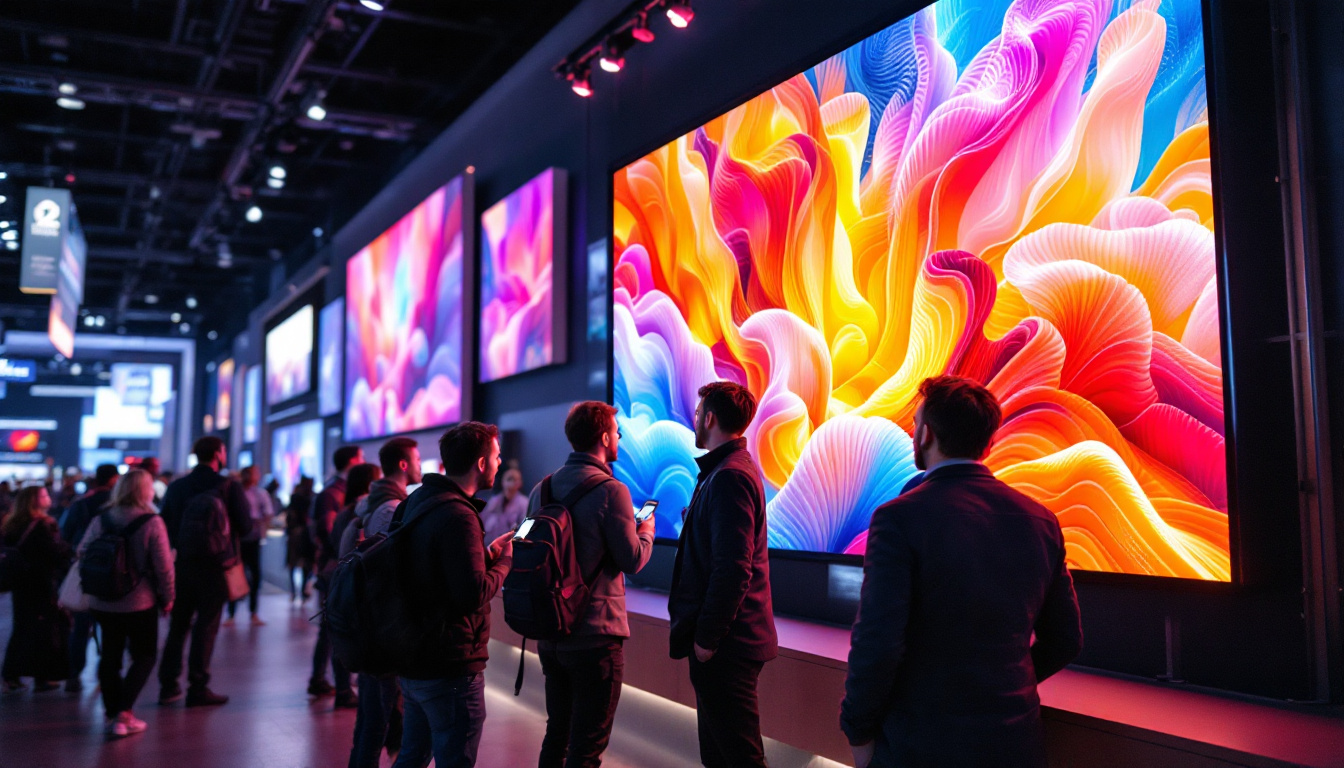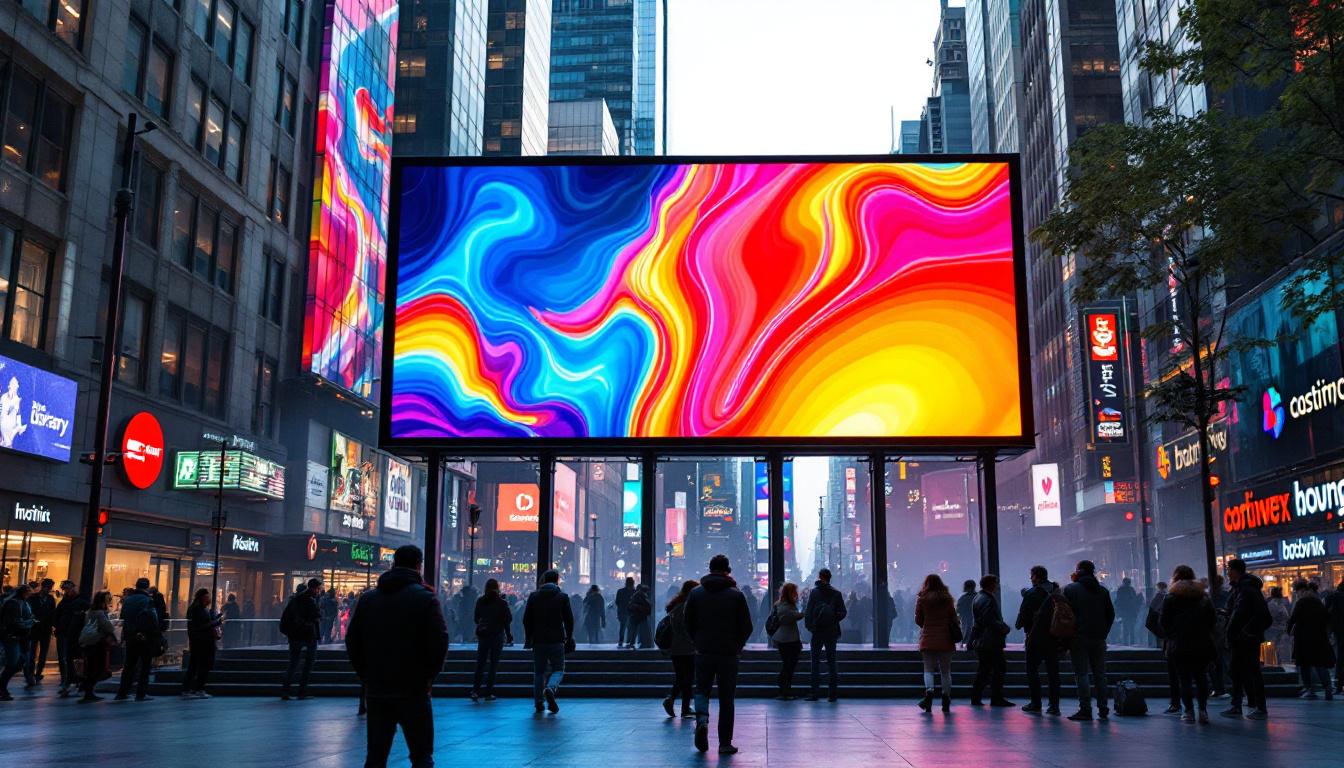
In today’s fast-paced world, grabbing attention quickly and effectively is essential for businesses, event organizers, and public information providers. Large LED signs have become a dominant medium for visual communication, offering vibrant, dynamic displays that can be seen from great distances. But what exactly makes these LED displays so popular, and how do they work? This article delves into the technology, applications, and advantages of large LED signs, providing a comprehensive understanding of this powerful communication tool.
Understanding Large LED Signs: The Basics
Large LED signs are digital display boards that use light-emitting diodes (LEDs) to present images, text, and video content. Unlike traditional static signs, LED signs are dynamic and programmable, allowing for real-time updates and eye-catching animations. This versatility makes them an ideal choice for various applications, including advertising, public announcements, and event promotions, where timely information delivery is crucial.
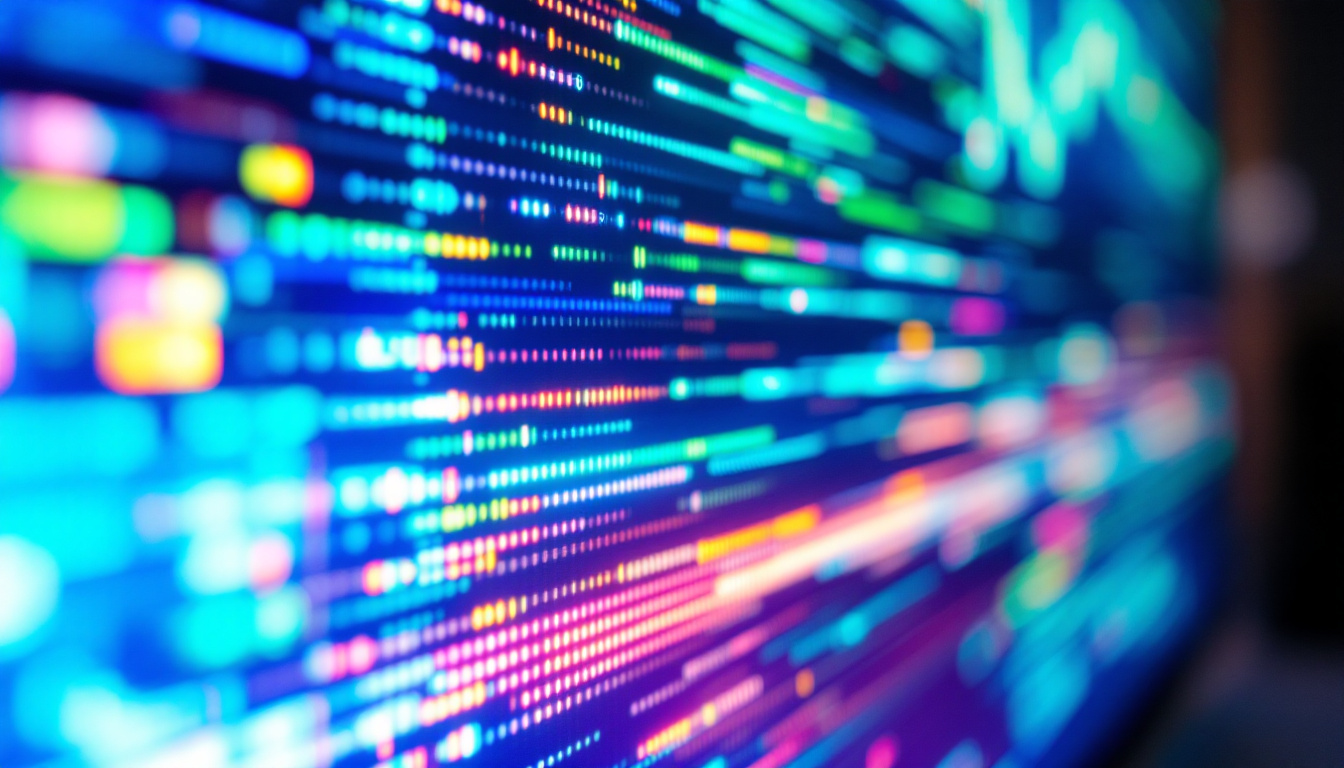
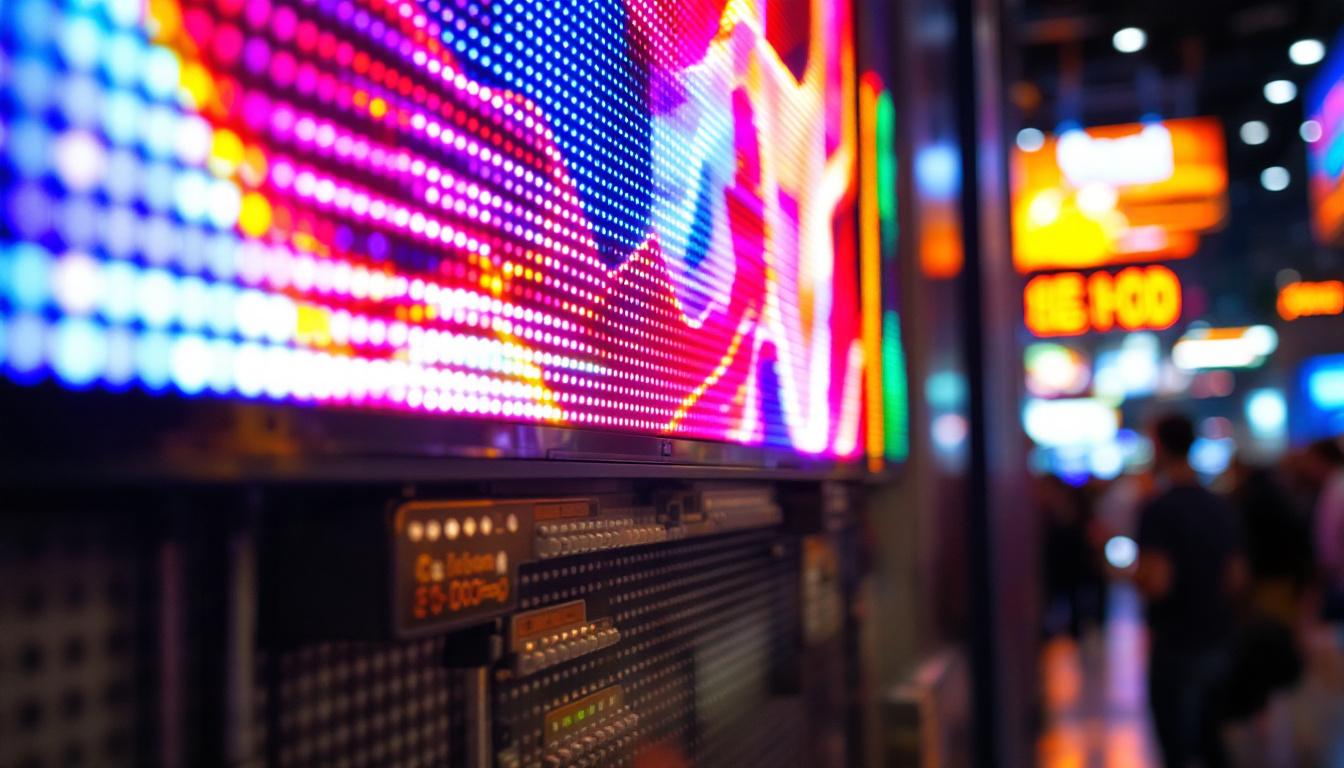
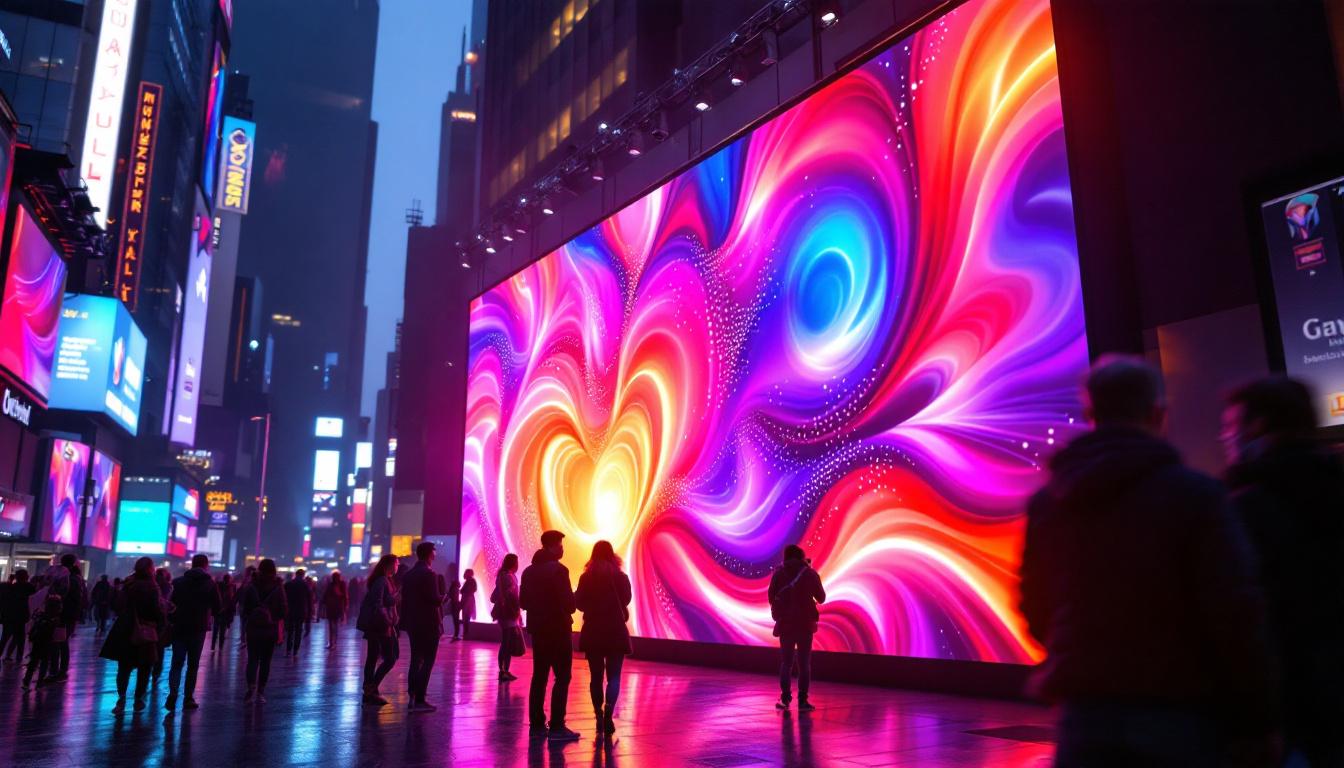
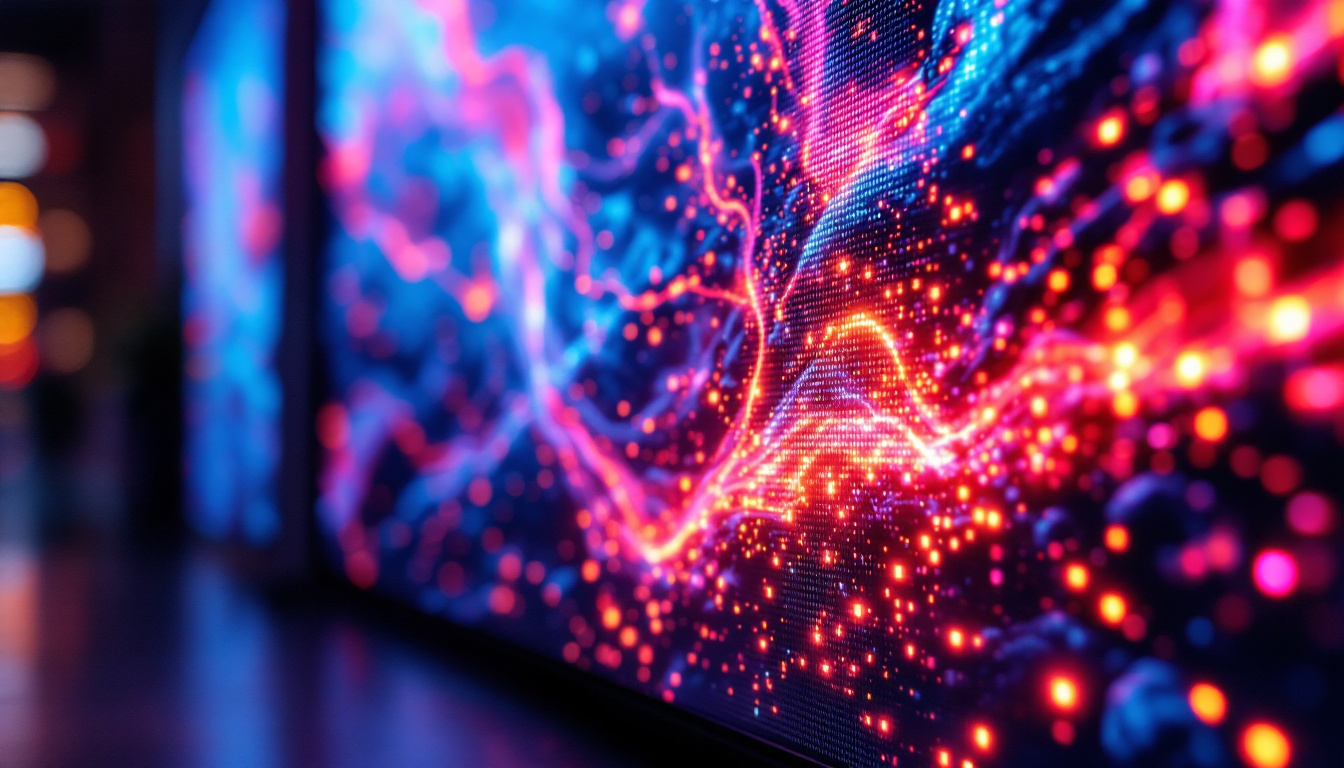
At their core, these signs consist of thousands to millions of tiny LEDs arranged in a grid, known as pixels. Each pixel can emit different colors and intensities of light, enabling the display of full-color images and videos. The resolution and size of the sign depend on the density of these pixels and the overall dimensions of the board. As technology has advanced, the size of LED signs has increased, allowing for larger displays that can be seen from greater distances, making them a popular choice for stadiums, shopping malls, and busy urban areas.
How LED Technology Works
LEDs are semiconductor devices that emit light when an electric current passes through them. They are highly energy-efficient, durable, and capable of producing bright, vivid colors. In large LED signs, clusters of red, green, and blue LEDs combine to create a full spectrum of colors through a process called additive color mixing. This capability not only enhances the visual appeal of the signs but also allows for a wide range of creative possibilities, from simple text displays to complex animations that can captivate an audience.
The control system behind the sign directs each pixel’s brightness and color, allowing for complex visual content. Modern LED displays use sophisticated software to manage content scheduling, brightness adjustment based on ambient light, and even remote control via the internet. This means that businesses can update their advertisements or announcements in real time, responding quickly to changing conditions or promotional needs, which is a significant advantage over traditional signage methods.
Pixel Pitch and Resolution
One of the most important technical specifications of a large LED sign is its pixel pitch — the distance between the centers of two adjacent pixels, usually measured in millimeters. A smaller pixel pitch means higher resolution and sharper images because the pixels are packed more closely together. For example, a 4mm pixel pitch sign will have clearer images than a 10mm pixel pitch sign when viewed from the same distance. This is particularly important in environments where viewers are likely to be close to the display, such as at trade shows or in retail settings.
Choosing the right pixel pitch depends largely on the viewing distance. Signs intended to be seen from hundreds of feet away can use larger pixel pitches without sacrificing clarity, while signs viewed up close require finer pixel pitches for detailed images. Additionally, factors such as the intended use of the sign and the surrounding lighting conditions play a crucial role in determining the optimal pixel pitch. For instance, outdoor signs may need to be designed with higher brightness levels and specific pixel configurations to ensure visibility in bright sunlight, further emphasizing the importance of understanding the technical specifications when selecting an LED sign.
Applications of Large LED Signs
The versatility of large LED signs has made them indispensable across many industries. Their ability to display vibrant, changeable content makes them ideal for advertising, public information, entertainment, and more.
Advertising and Marketing
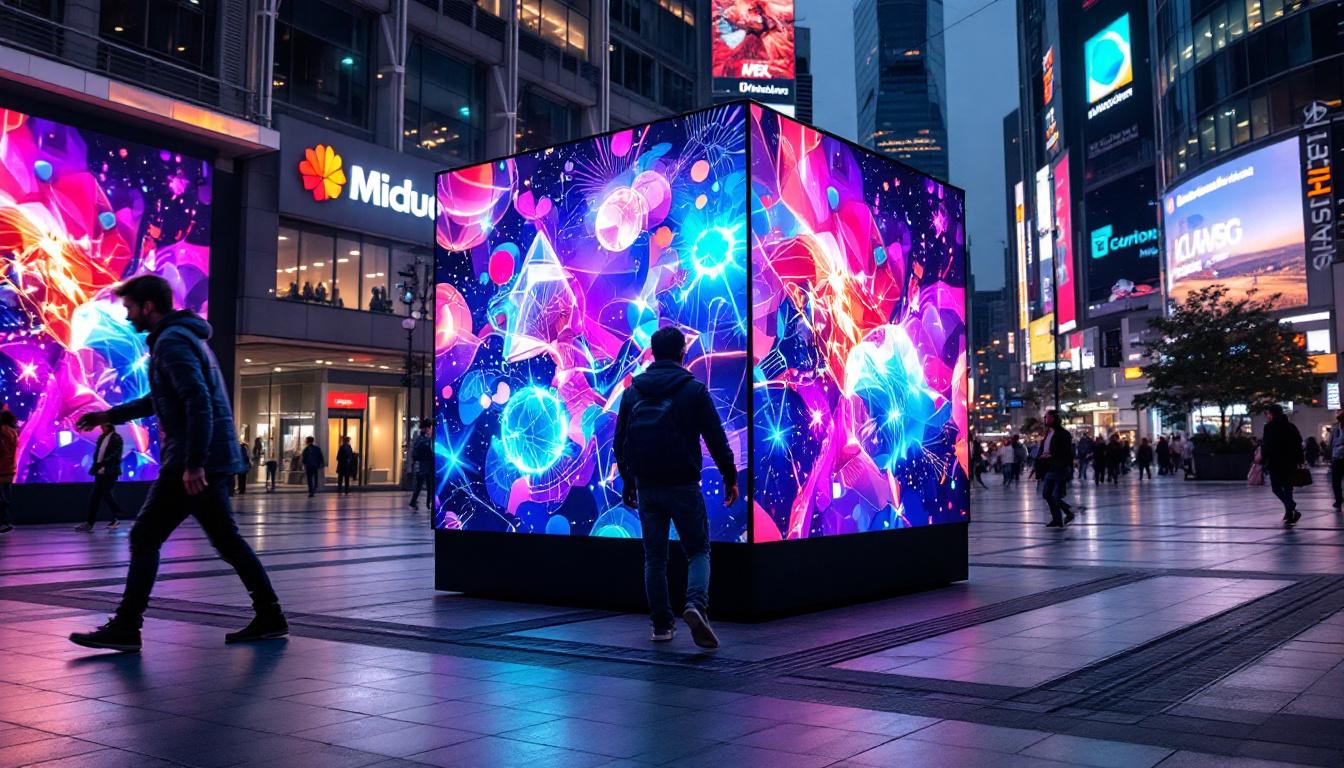
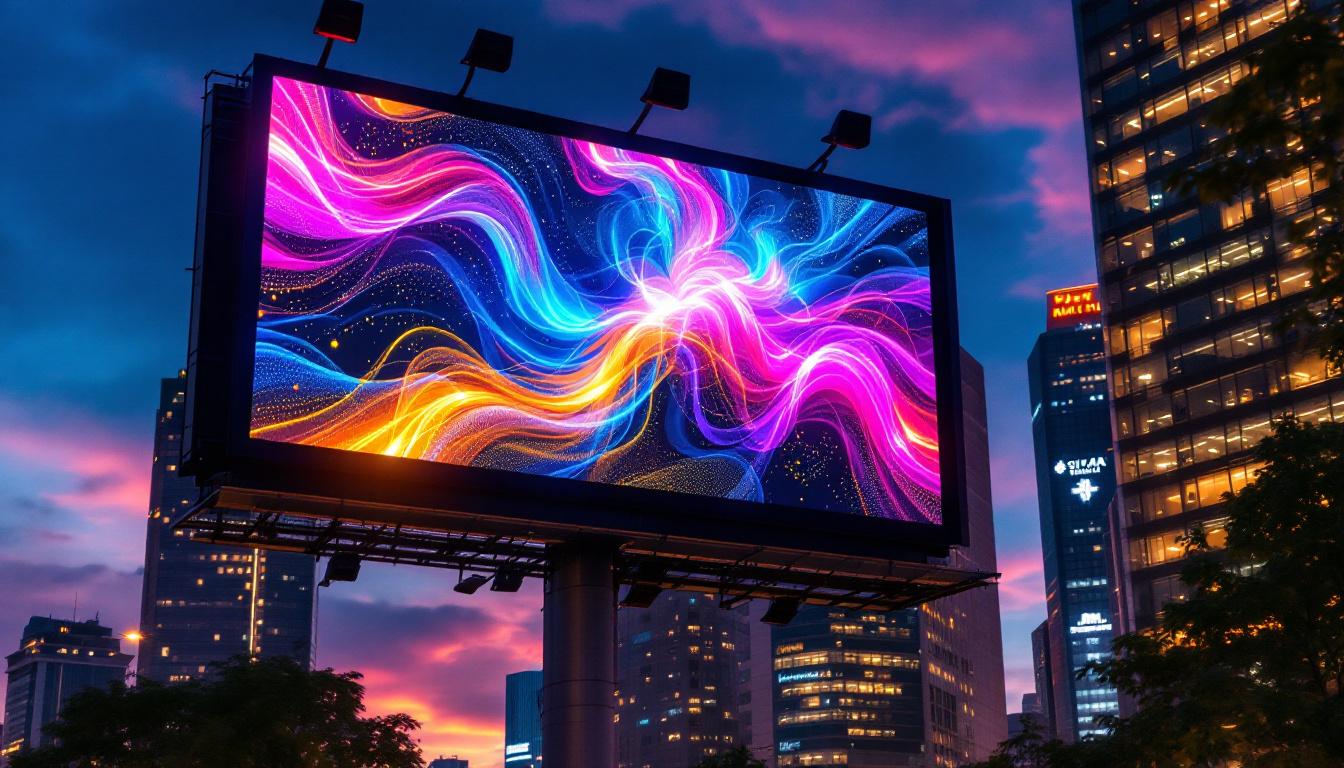
One of the most common uses of large LED signs is outdoor advertising. Billboards equipped with LED technology can display multiple advertisements in rotation, increasing revenue potential for advertisers and sign owners. According to recent industry reports, digital out-of-home advertising, which includes LED billboards, is expected to grow at a compound annual growth rate (CAGR) of over 10% through 2026.
The dynamic nature of LED signs allows advertisers to tailor messages based on time of day, weather conditions, or special events, enhancing engagement and effectiveness. For example, a restaurant could promote breakfast specials in the morning and dinner deals in the evening using the same sign.
Public Information and Safety
Governments and municipalities use large LED signs to communicate important information to the public. These signs are often installed along highways to display traffic updates, weather warnings, and emergency alerts. Their high visibility and ability to update in real-time make them critical tools for public safety.
In urban areas, LED signs are used to inform pedestrians about transit schedules, event announcements, and community news. The flexibility to change content instantly helps keep citizens informed and engaged.
Entertainment and Events
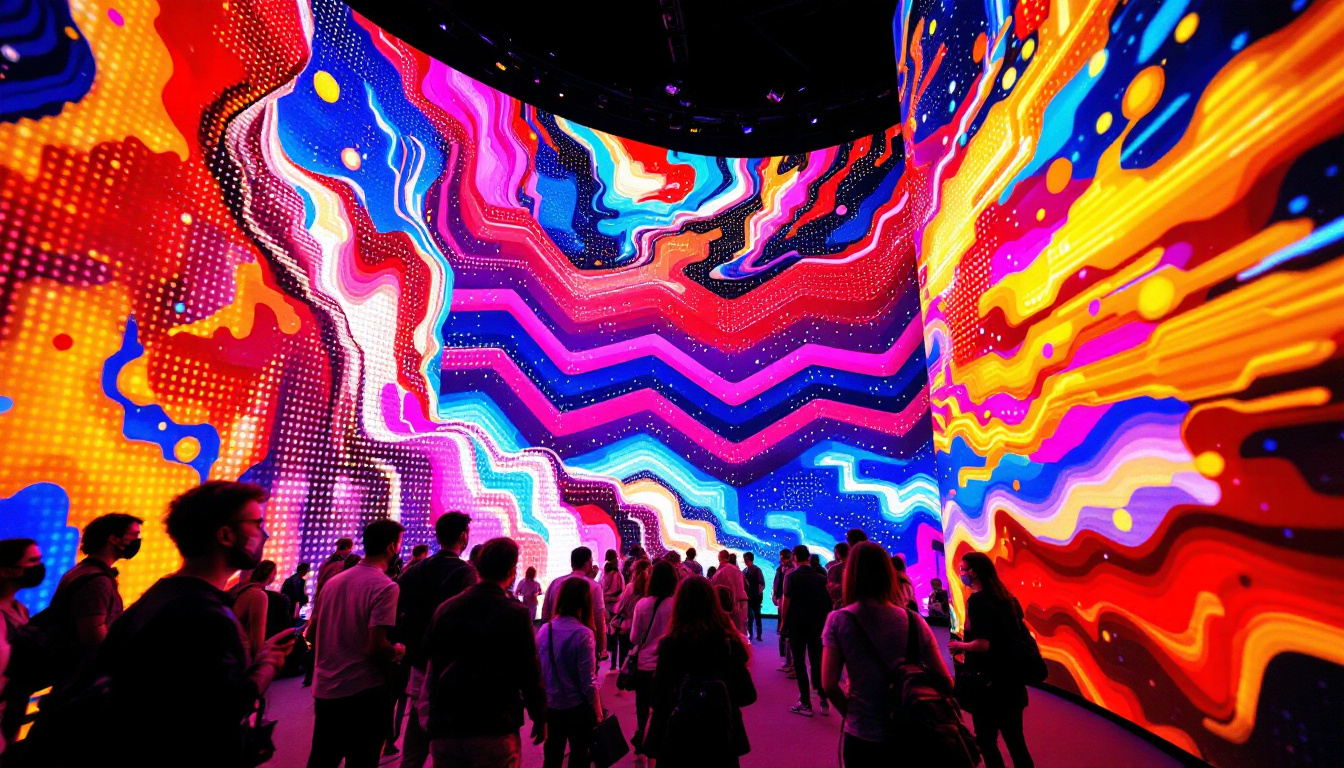
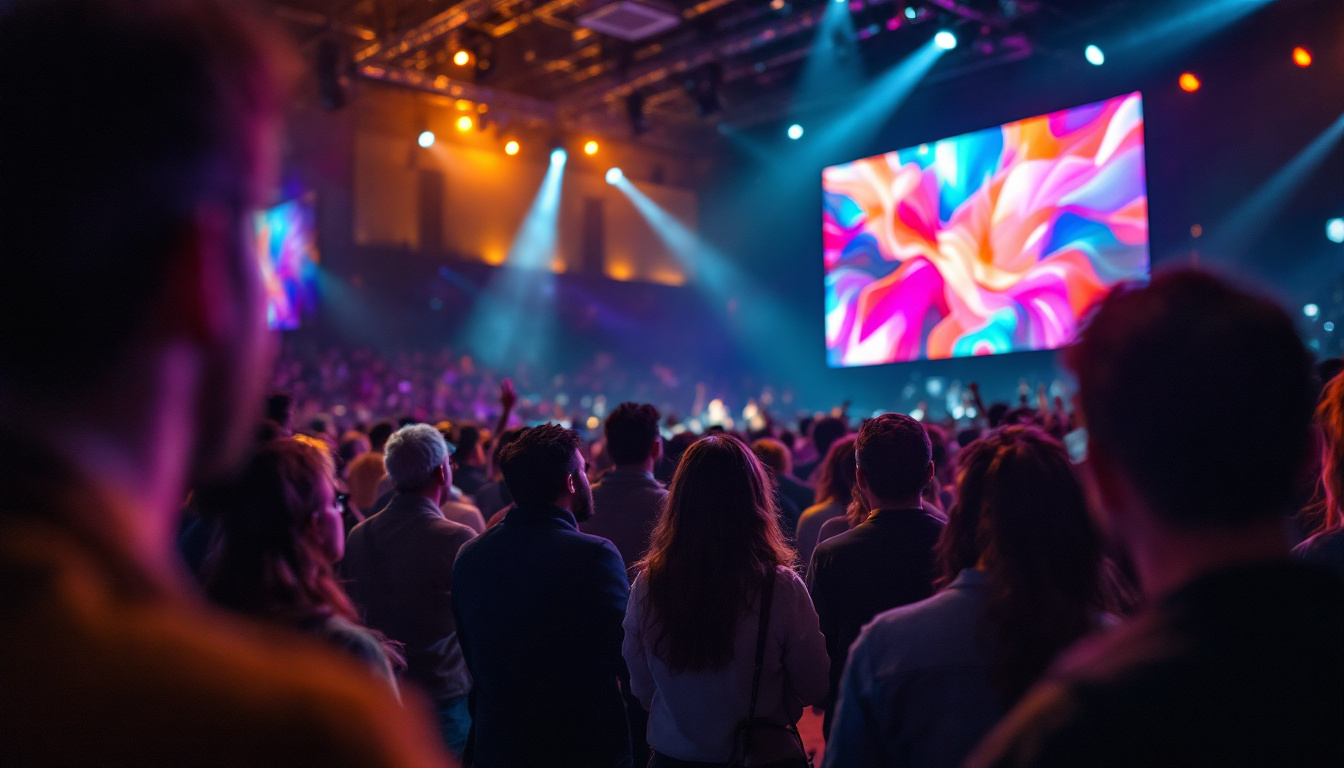
Concerts, sports arenas, and festivals frequently employ large LED screens to enhance the audience experience. These displays can show live video feeds, scores, advertisements, and interactive content, making events more immersive and engaging.
For instance, stadiums use massive LED video walls to broadcast close-ups of players and instant replays, ensuring that every seat has a great view. Event organizers also benefit from the ability to quickly update schedules or emergency messages on the fly.
Advantages of Large LED Signs Over Traditional Displays
Compared to conventional signage, large LED signs offer numerous benefits that have driven their widespread adoption.
Brightness and Visibility
LED signs are significantly brighter than traditional printed signs or neon displays. Their brightness can reach up to 10,000 nits, making them easily visible even in direct sunlight. This high visibility is crucial for outdoor advertising and safety messages, ensuring that the content is seen clearly from long distances and in various lighting conditions.
Energy Efficiency and Longevity
Despite their brightness, LEDs consume relatively low amounts of power compared to other lighting technologies. This energy efficiency translates into lower operating costs over the life of the sign. Additionally, LED components have long lifespans, often exceeding 100,000 hours of operation, which reduces maintenance and replacement expenses.
Content Flexibility and Real-Time Updates
Unlike static signs, LED displays can be programmed to show different content at different times. This flexibility allows businesses to maximize the utility of their signage by rotating messages, running promotions, or broadcasting live updates without any physical changes to the sign itself.
Remote content management systems enable operators to update displays from anywhere, often via cloud-based platforms. This capability is especially valuable for businesses with multiple locations or for public agencies managing emergency communications.
Environmental Impact
LED signs are more environmentally friendly compared to many traditional signage options. Their lower energy consumption reduces carbon emissions, and their long lifespan means fewer materials are used for replacements. Additionally, many LED signs are designed to be recyclable, further minimizing environmental impact.
Design and Installation Considerations
Creating an effective large LED sign requires careful planning and professional expertise. Several factors influence the design, installation, and overall performance of the display.
Site Assessment and Viewing Distance
Before installation, a thorough site assessment is critical. This includes evaluating the location, typical viewing distances, ambient lighting conditions, and local regulations. Understanding these factors helps determine the optimal size, pixel pitch, and brightness settings for the sign.
For example, a sign placed alongside a busy highway will require higher brightness and larger pixel pitch than one installed in a pedestrian plaza.
Structural and Electrical Requirements
Large LED signs are heavy and require robust support structures to withstand wind, weather, and other environmental forces. Engineering assessments ensure that mounting frameworks are safe and compliant with local building codes.
Electrical infrastructure must also be considered. LED signs need stable power supplies and often require backup systems to maintain operation during outages. Proper wiring and surge protection are essential to prevent damage and ensure reliability.
Software and Content Management
The software controlling the LED display is as important as the hardware itself. User-friendly content management systems allow operators to schedule, update, and monitor content easily. Advanced systems may include features such as automated brightness adjustment, content analytics, and integration with social media or live feeds.
Emerging Trends in Large LED Signage
The LED display industry continues to evolve rapidly, driven by technological innovation and changing market demands.
Higher Resolution and Pixel Density
Advancements in LED manufacturing have enabled smaller pixel pitches and higher resolutions, even for very large displays. This trend allows for sharper images and more detailed video content, expanding the range of applications for LED signs.
Transparent and Flexible LED Displays
New types of LED panels are being developed that are transparent or flexible, enabling creative installations on glass surfaces or curved structures. These innovations open new possibilities for architectural integration and aesthetic appeal.
Integration with IoT and Smart Technologies
Large LED signs are increasingly connected to the Internet of Things (IoT), allowing for smarter, data-driven content delivery. For example, signs can adjust messaging based on real-time traffic data, weather conditions, or audience demographics, enhancing relevance and effectiveness.
Energy Harvesting and Sustainability
Some LED signage systems are incorporating solar panels and energy storage solutions to reduce dependence on grid power. This approach supports sustainability goals and can lower operational costs, especially in remote or off-grid locations.
Conclusion
Large LED signs represent a powerful and versatile communication medium that combines brightness, flexibility, and energy efficiency. Their ability to deliver dynamic, high-impact visual content makes them invaluable for advertising, public safety, entertainment, and more. As technology advances, LED displays will continue to become sharper, smarter, and more sustainable, further expanding their role in modern visual communication.
For businesses and organizations considering large LED signage, understanding the technical aspects, applications, and design considerations is essential to maximize the return on investment and achieve communication goals effectively.
Discover LumenMatrix’s Innovative LED Solutions
Ready to elevate your visual communication strategy with the latest in LED technology? Look no further than LumenMatrix. As a pioneer in the industry, we offer a comprehensive range of LED display modules designed to bring your brand to life. From the brilliance of an Indoor LED Wall Display to the dynamic impact of an Outdoor LED Wall Display, and from the mobility of Vehicle LED Displays to the creativity of Custom and Transparent LED solutions, LumenMatrix is your partner in creating immersive visual experiences. Embrace the future of advertising, public safety, and entertainment with our cutting-edge LED displays. Check out LumenMatrix LED Display Solutions today and transform your message into a captivating visual journey.