In today’s fast-paced digital world, display technology plays a pivotal role in how information is communicated, entertainment is experienced, and environments are transformed. Among the many display technologies available, LED displays have emerged as a dominant force, offering unparalleled brightness, energy efficiency, and versatility. This article explores the advanced technology behind LED displays, their applications, benefits, and the innovations shaping their future.
Understanding LED Display Technology
What is an LED Display?
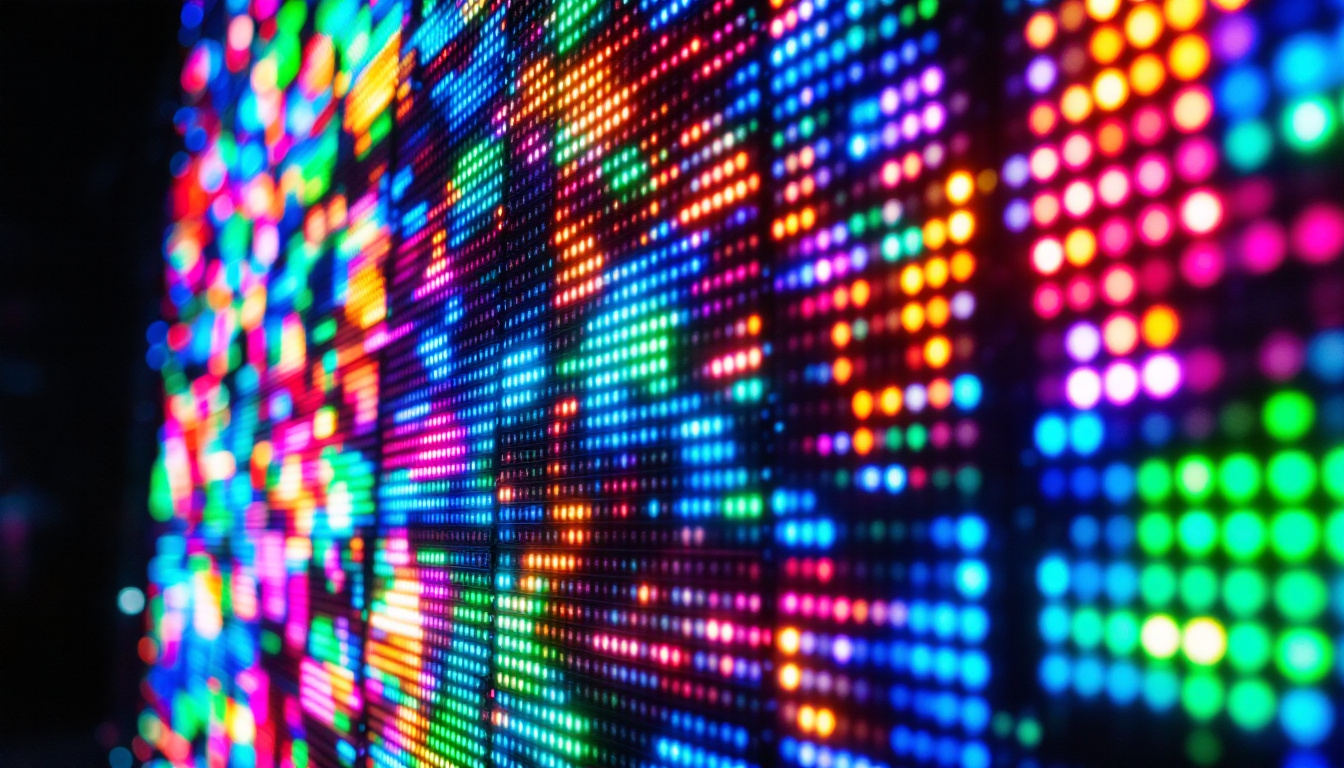
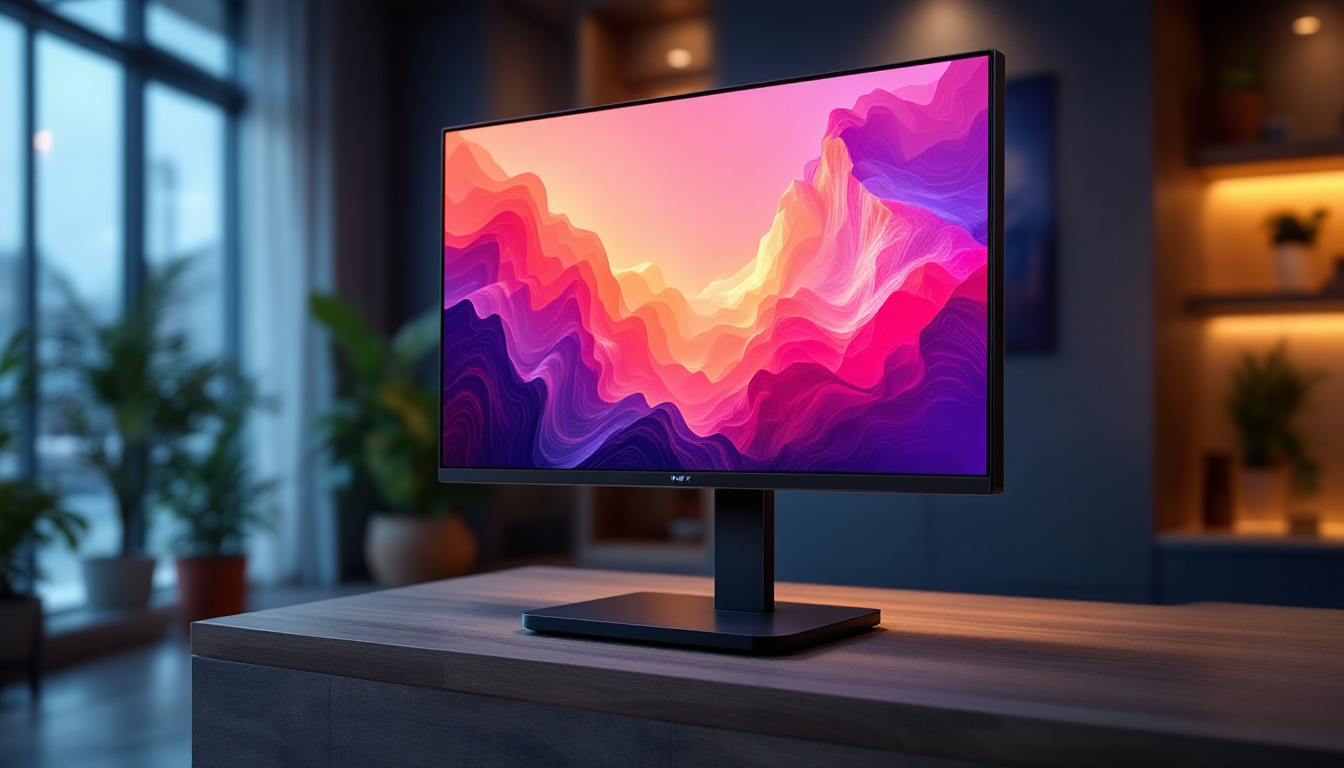
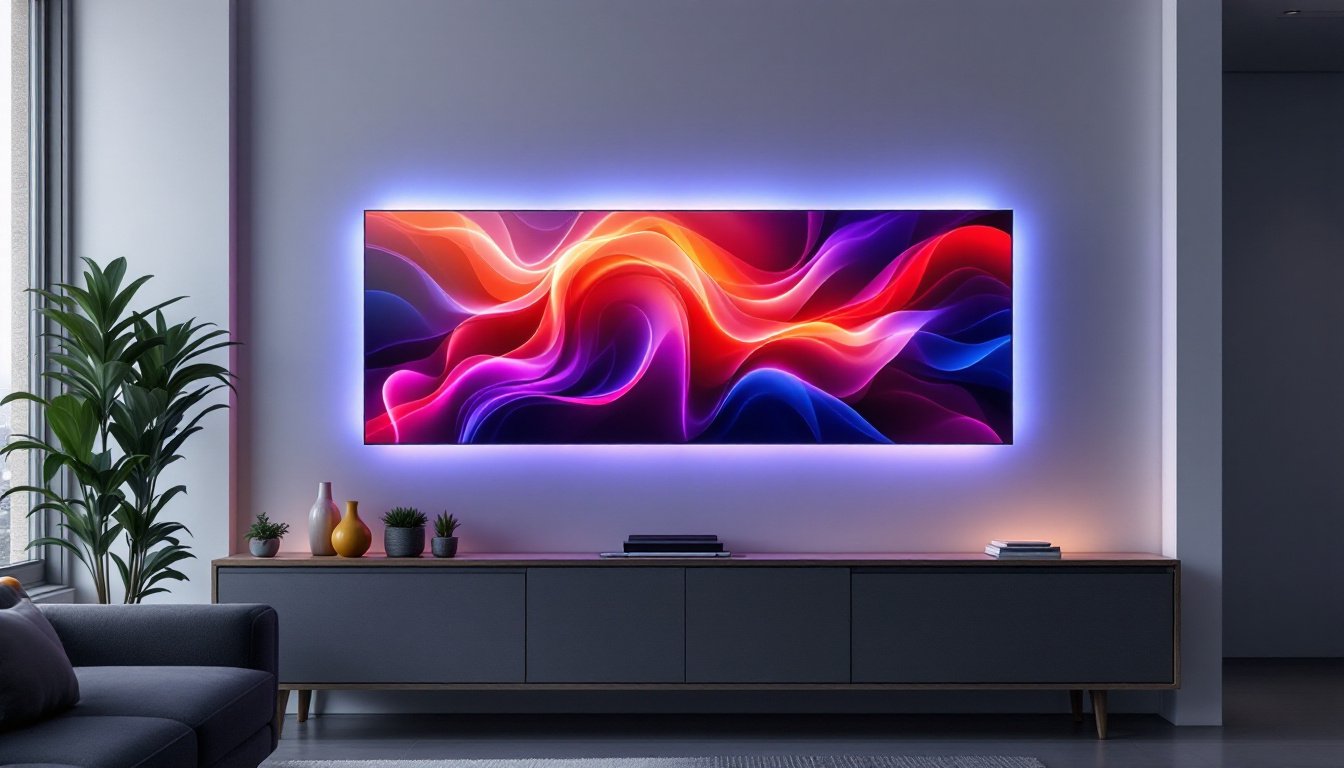
LED stands for Light Emitting Diode, a semiconductor device that emits light when an electric current passes through it. An LED display is a flat panel display that uses an array of these tiny LEDs as pixels to produce images, videos, and text. Unlike traditional LCDs that rely on backlighting, LED displays generate their own light, resulting in higher contrast ratios and more vivid colors.
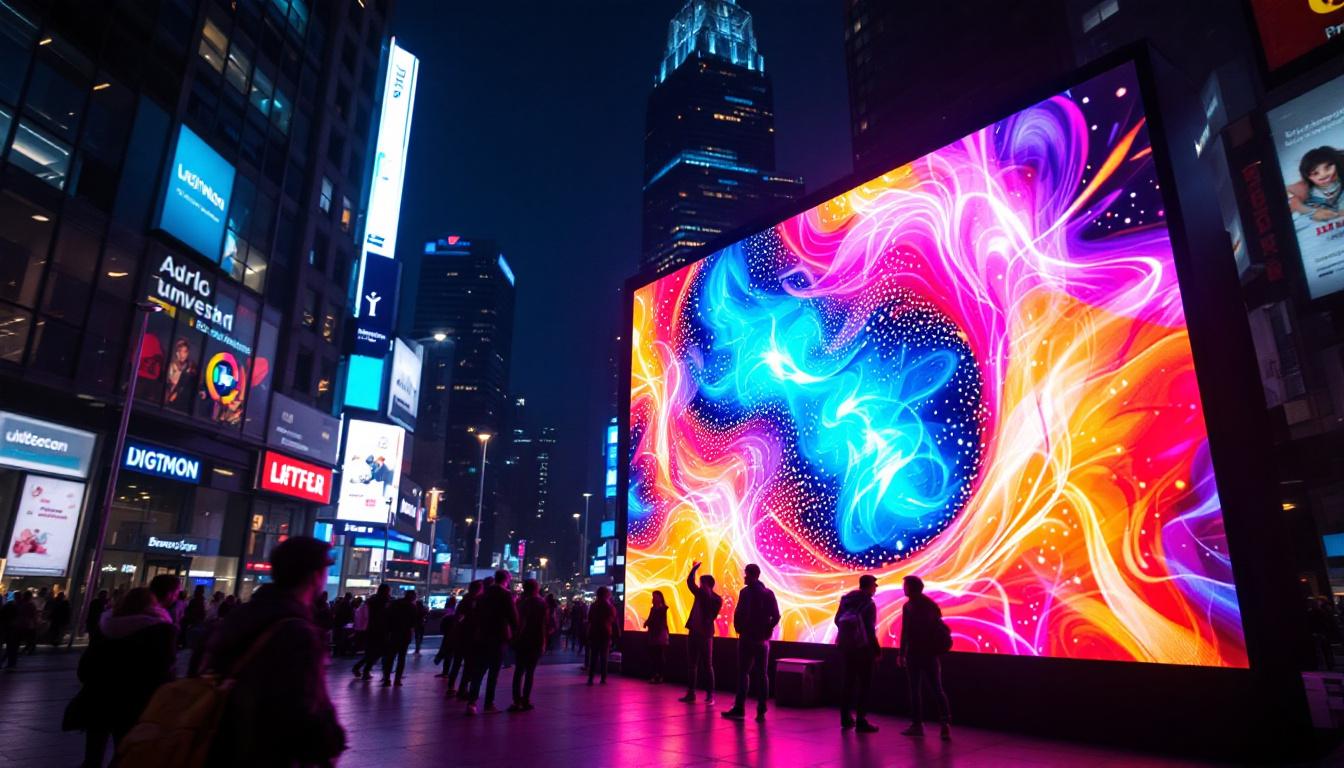
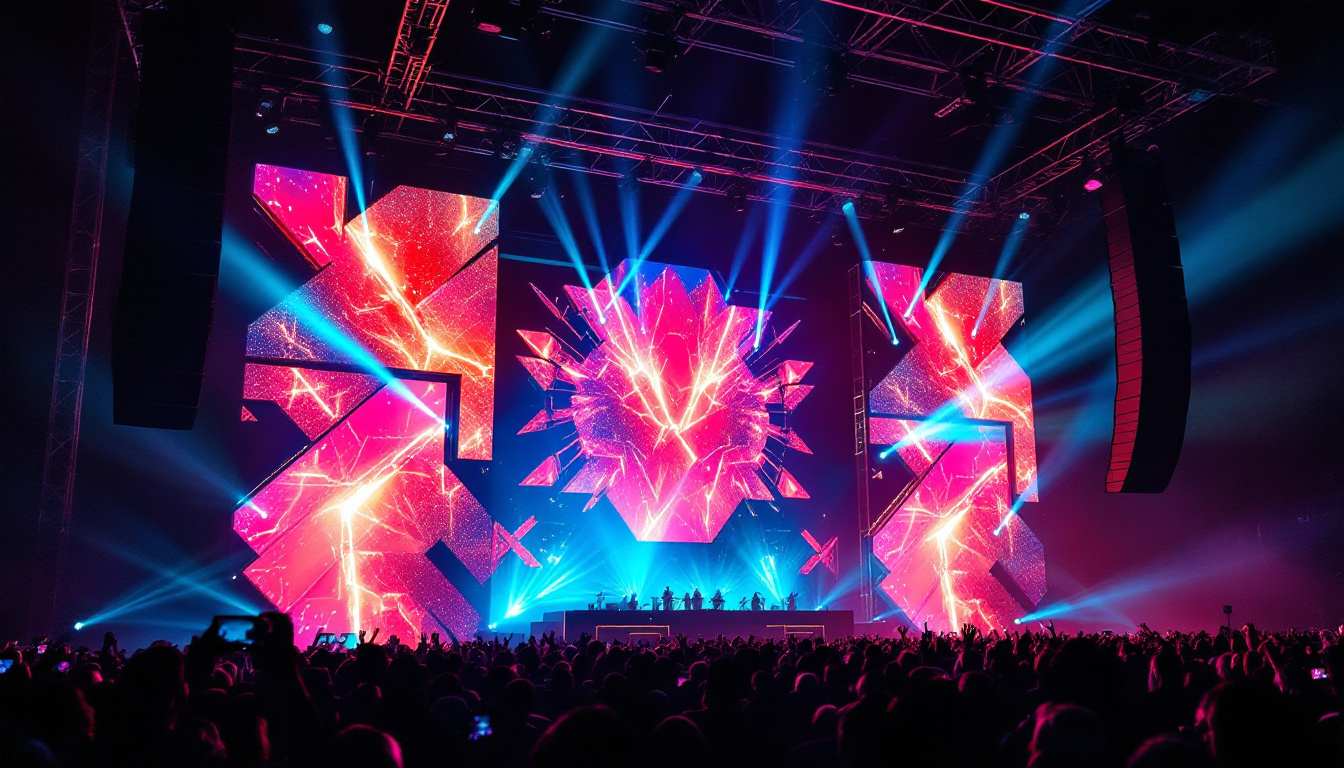
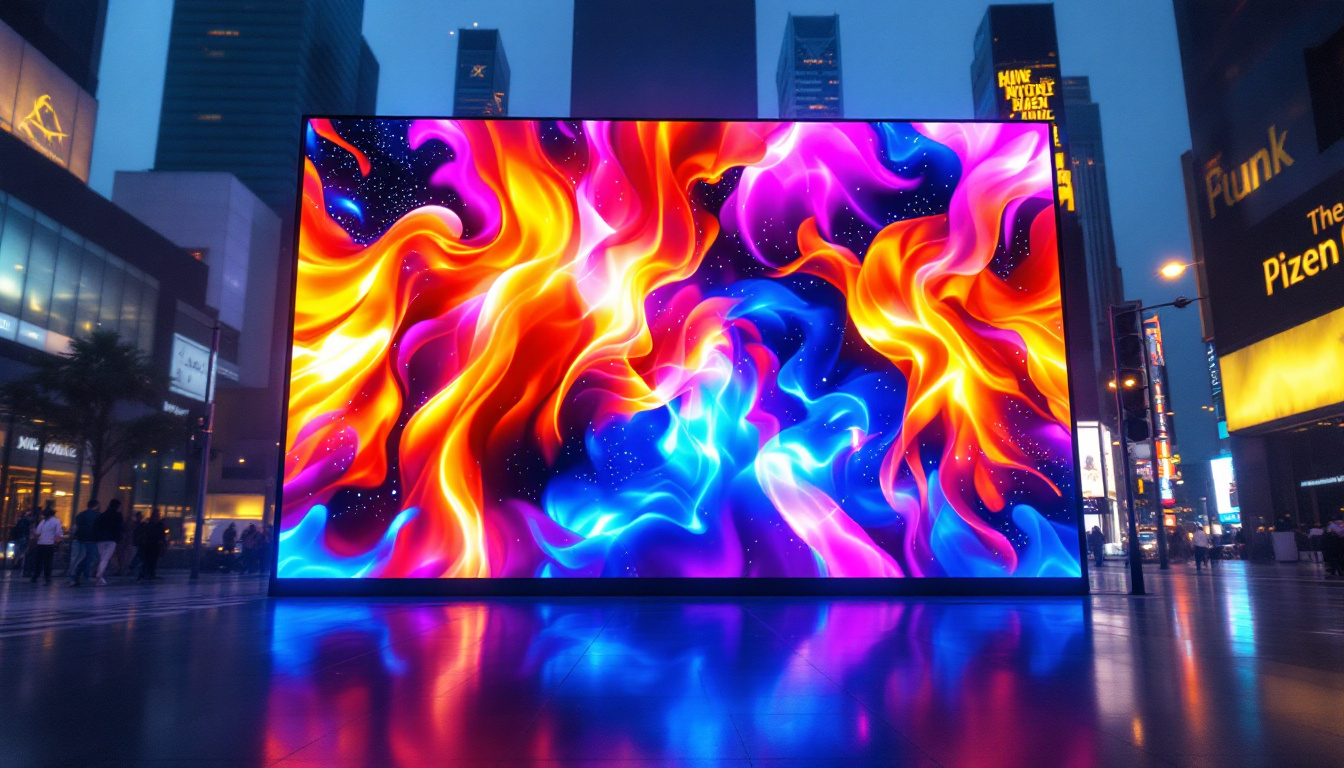
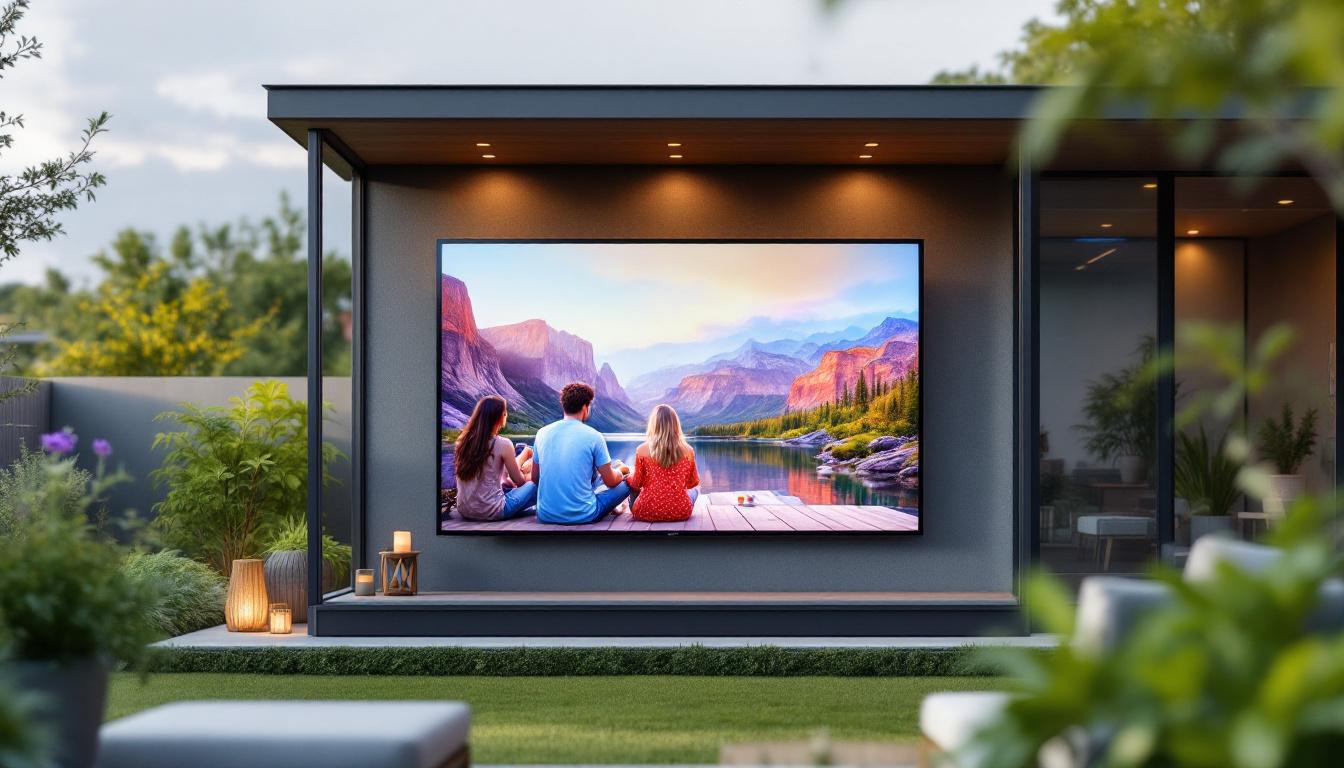
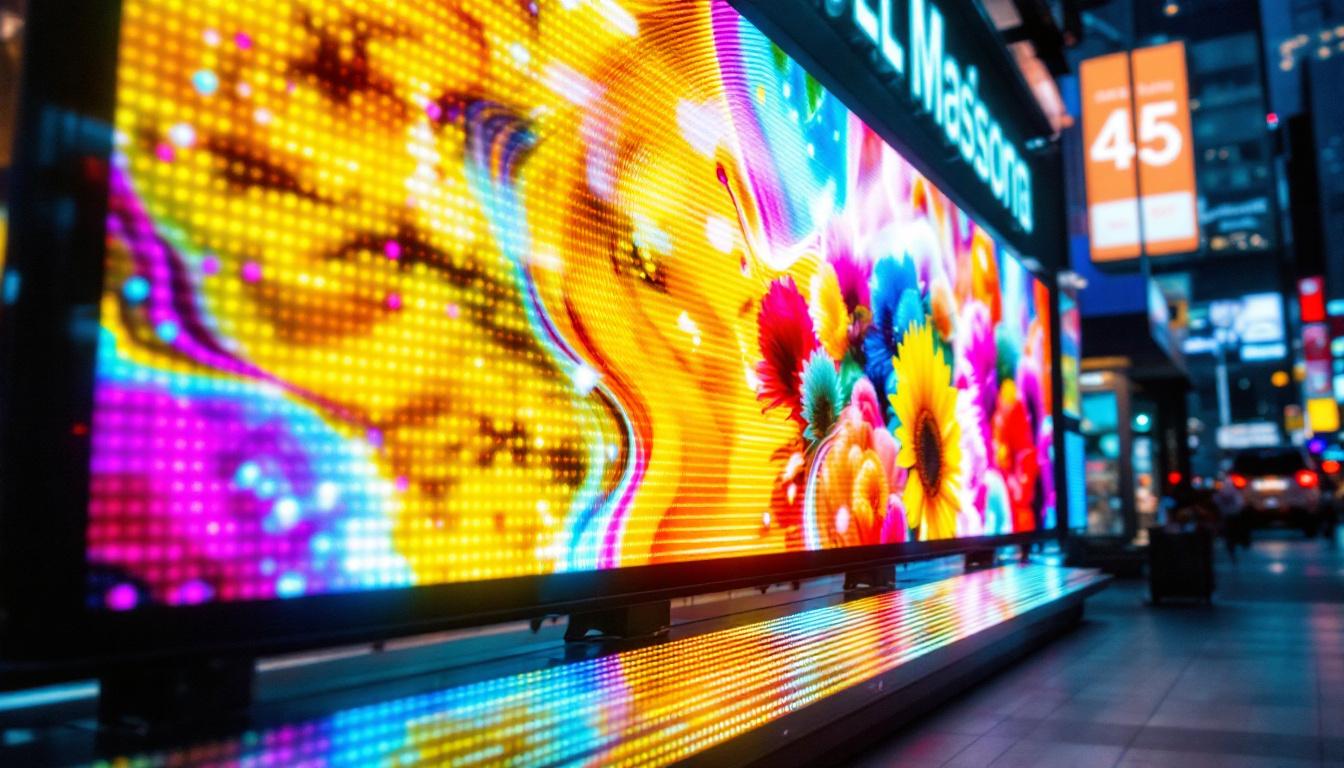
LED displays come in various forms, including direct-view LED panels and LED-backlit LCDs. The direct-view LED displays are composed of thousands of individual LEDs arranged in a matrix, each acting as a single pixel or sub-pixel. This structure allows for precise control of brightness and color, making LED displays suitable for both indoor and outdoor applications. For instance, outdoor LED displays are designed to withstand harsh weather conditions and are often used for billboards, sports arenas, and concerts, where visibility from a distance is crucial.
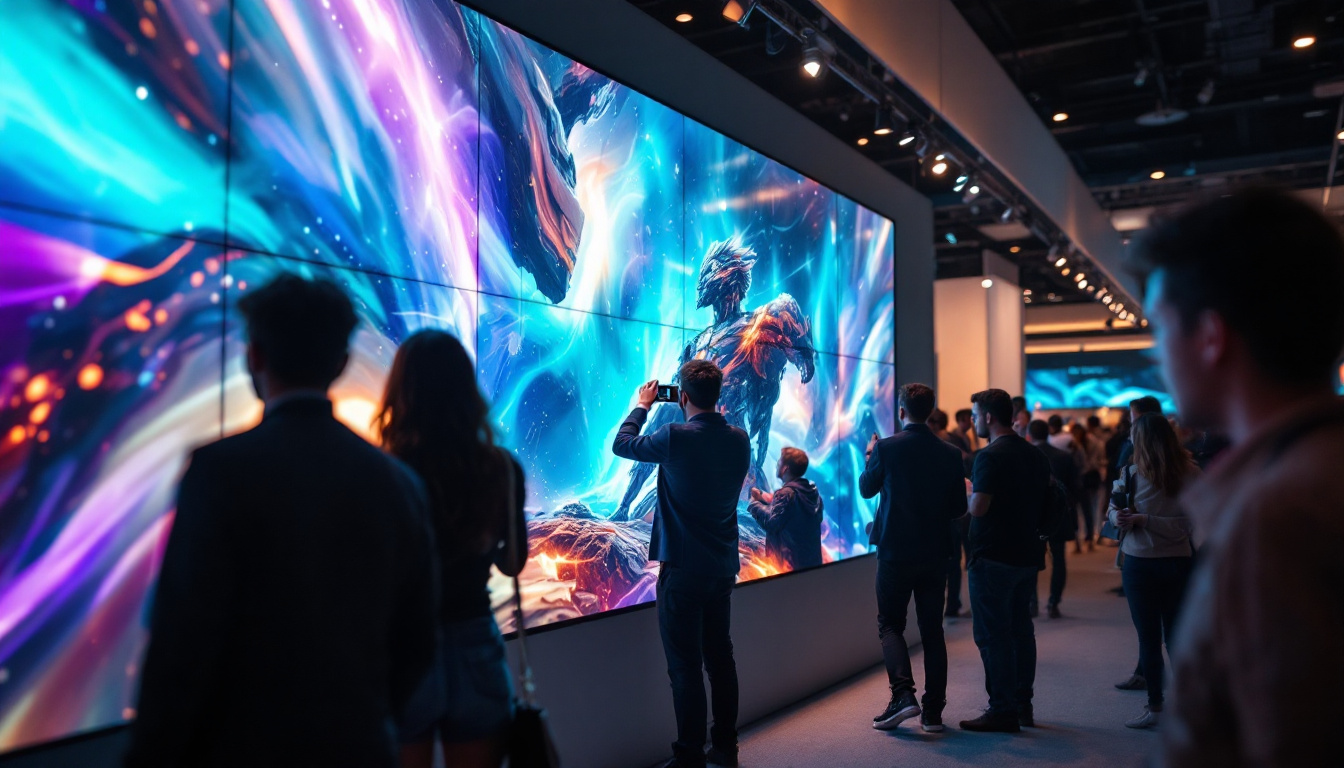
Moreover, the versatility of LED technology extends to its application in various industries. From retail environments showcasing dynamic advertisements to transportation systems displaying real-time information, LED displays have become an integral part of modern communication. The ability to create large-scale video walls or smaller, high-resolution screens means that businesses can tailor their visual presentations to engage audiences effectively.
How Do LED Displays Work?
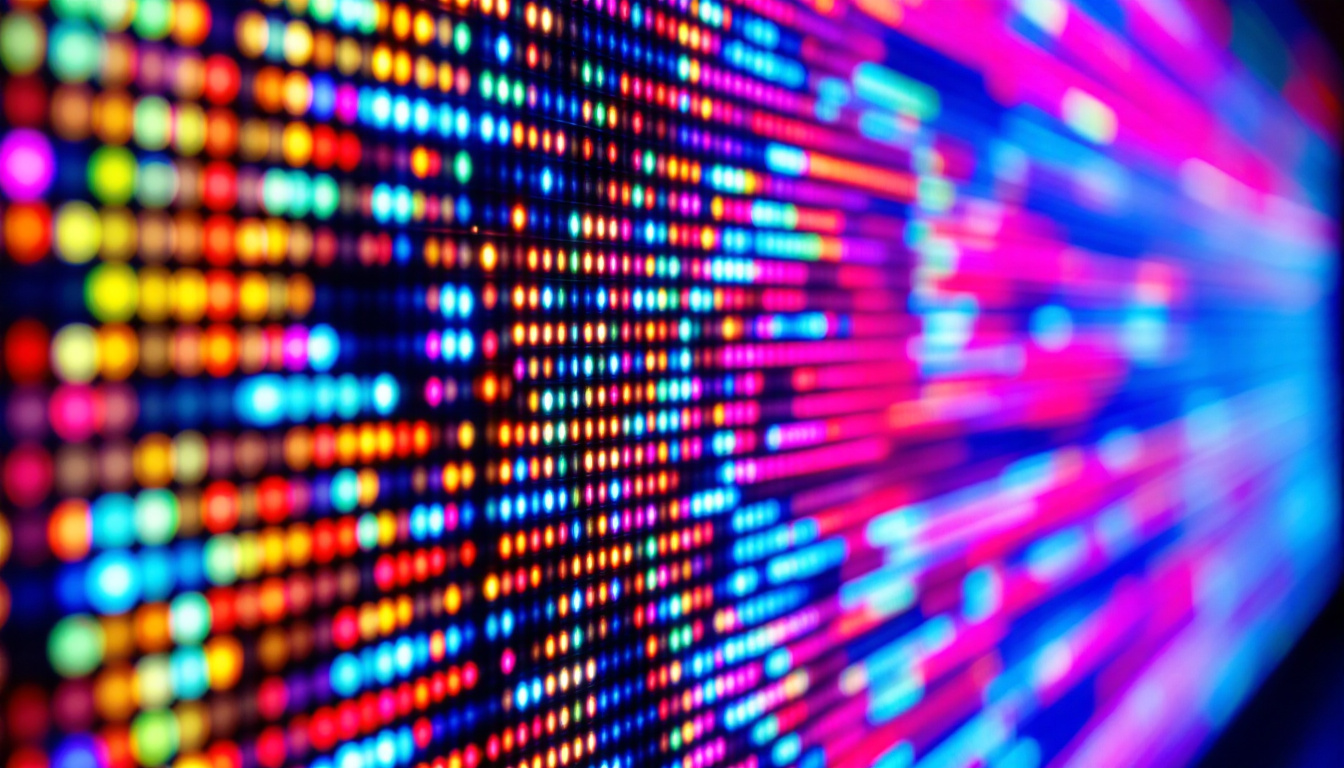
At the core of LED display technology is the principle of electroluminescence, where materials emit light in response to an electric current. Each LED pixel typically consists of red, green, and blue diodes. By adjusting the intensity of these three colors, the display can produce a broad spectrum of colors, enabling rich and dynamic visuals.
The control system of an LED display manages the timing and intensity of each LED, refreshing the image multiple times per second to create smooth motion and stable images. Modern LED displays use sophisticated driving electronics and software algorithms to optimize color accuracy, brightness uniformity, and power consumption. This technology not only enhances the viewing experience but also contributes to energy efficiency, making LED displays a more sustainable choice compared to older display technologies.
Additionally, advancements in LED technology have led to the development of features such as pixel pitch, which refers to the distance between the centers of adjacent pixels. A smaller pixel pitch results in higher resolution and sharper images, which is particularly important for applications like digital signage in retail spaces or high-definition video walls in control rooms. The continuous evolution of LED technology promises even more innovative applications, such as flexible displays that can be bent or shaped to fit unconventional spaces, further expanding the possibilities of visual communication.
Types of LED Displays and Their Applications
Indoor LED Displays
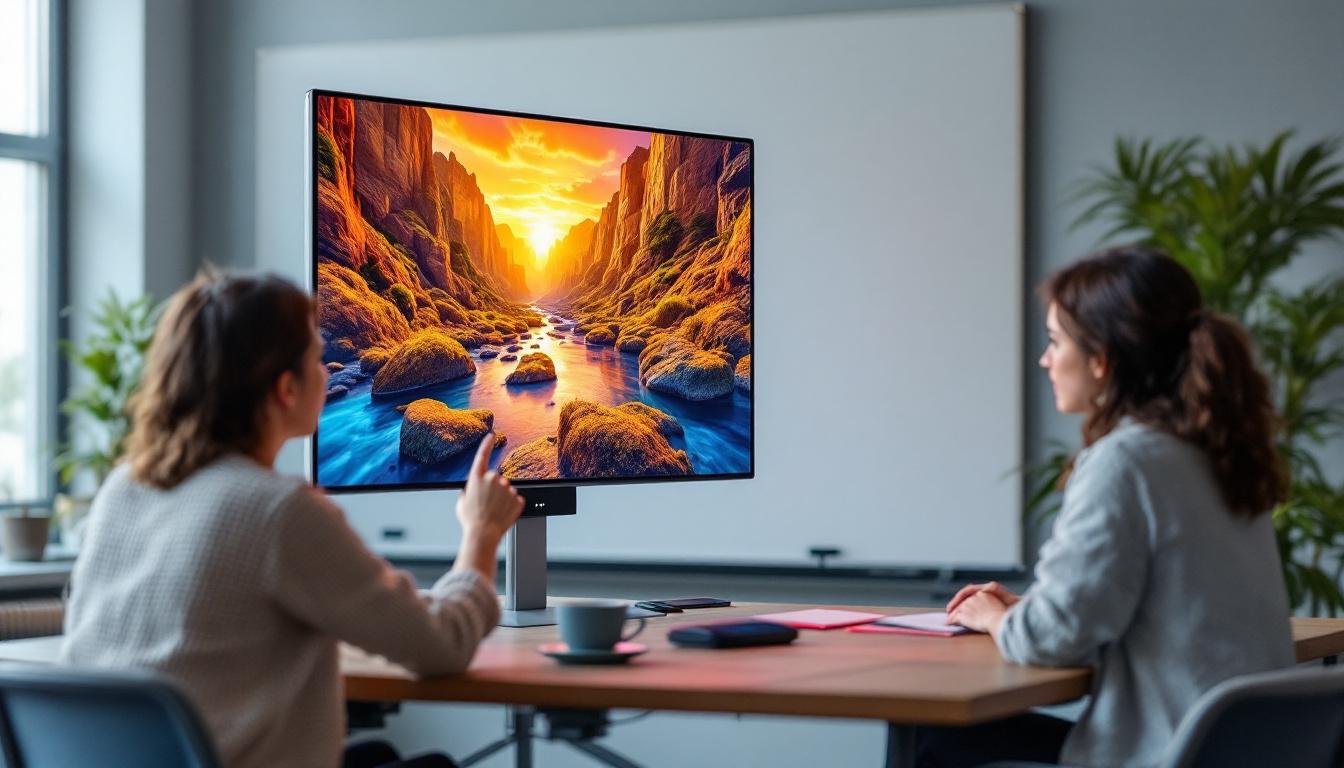
Indoor LED displays are designed for environments such as retail stores, corporate offices, conference rooms, and entertainment venues. These displays typically have a higher pixel density, meaning the LEDs are packed closely together to provide sharp images at close viewing distances.
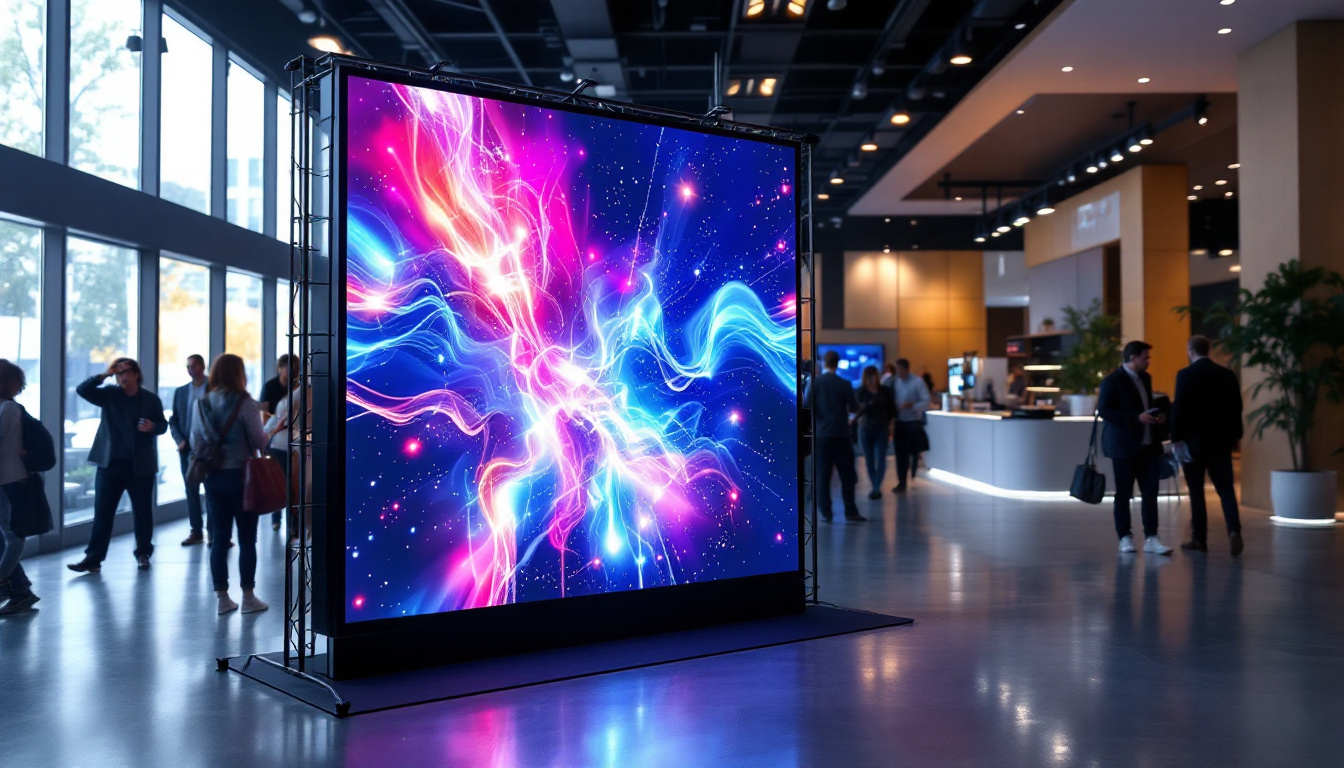
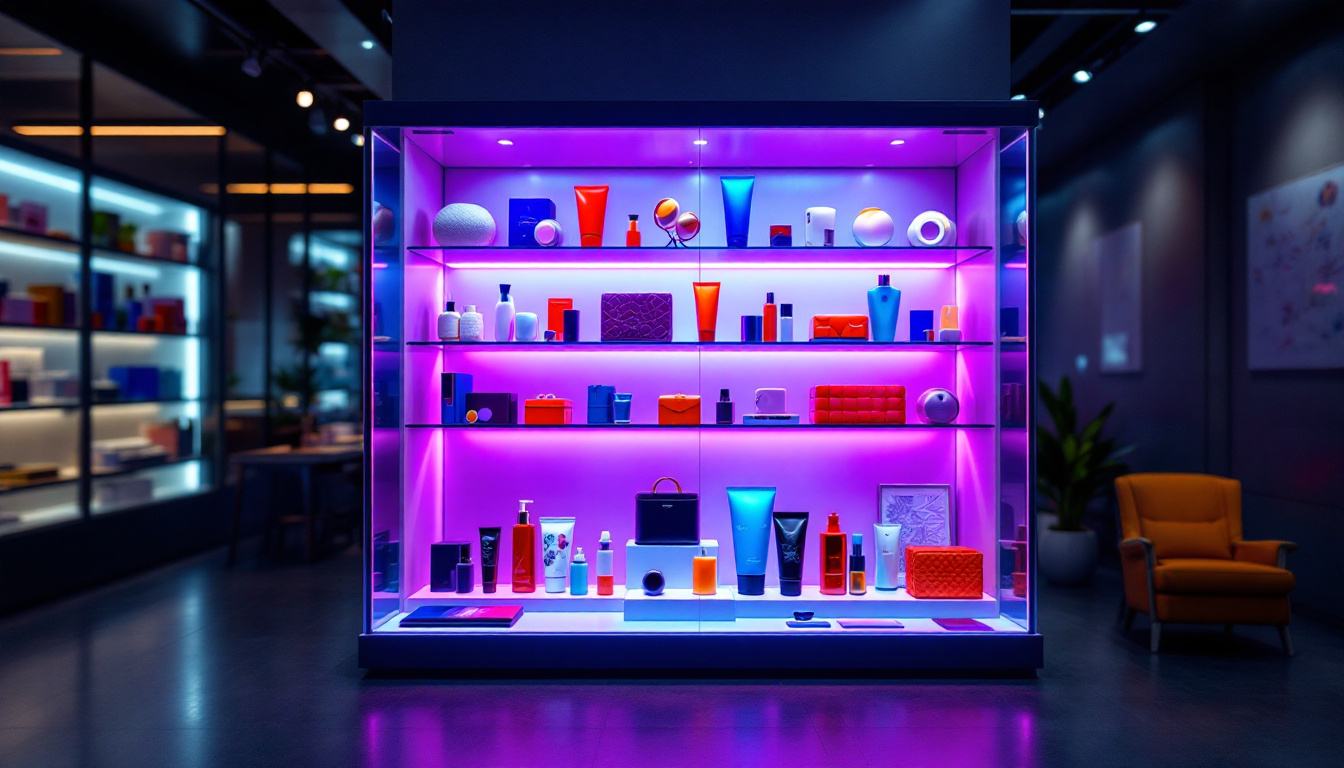
Applications include digital signage, video walls, and interactive kiosks. For example, in retail, LED displays are used to attract customers with dynamic advertisements and promotions. In corporate settings, they enhance presentations and collaboration by delivering clear, vibrant visuals. Furthermore, indoor LED displays can also serve as information boards in educational institutions, providing students and staff with real-time updates on schedules, events, and important announcements. The versatility of these displays allows for seamless integration into various environments, enhancing engagement and communication.
Outdoor LED Displays
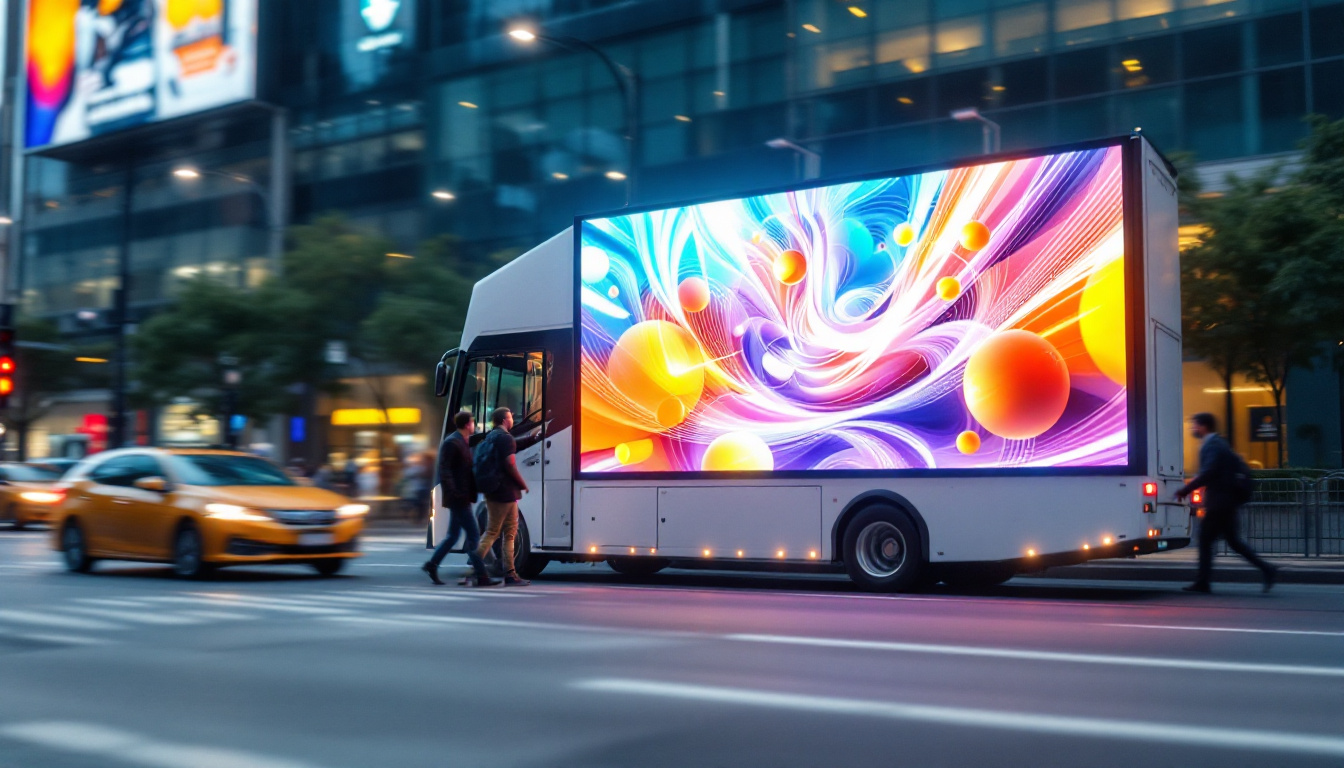
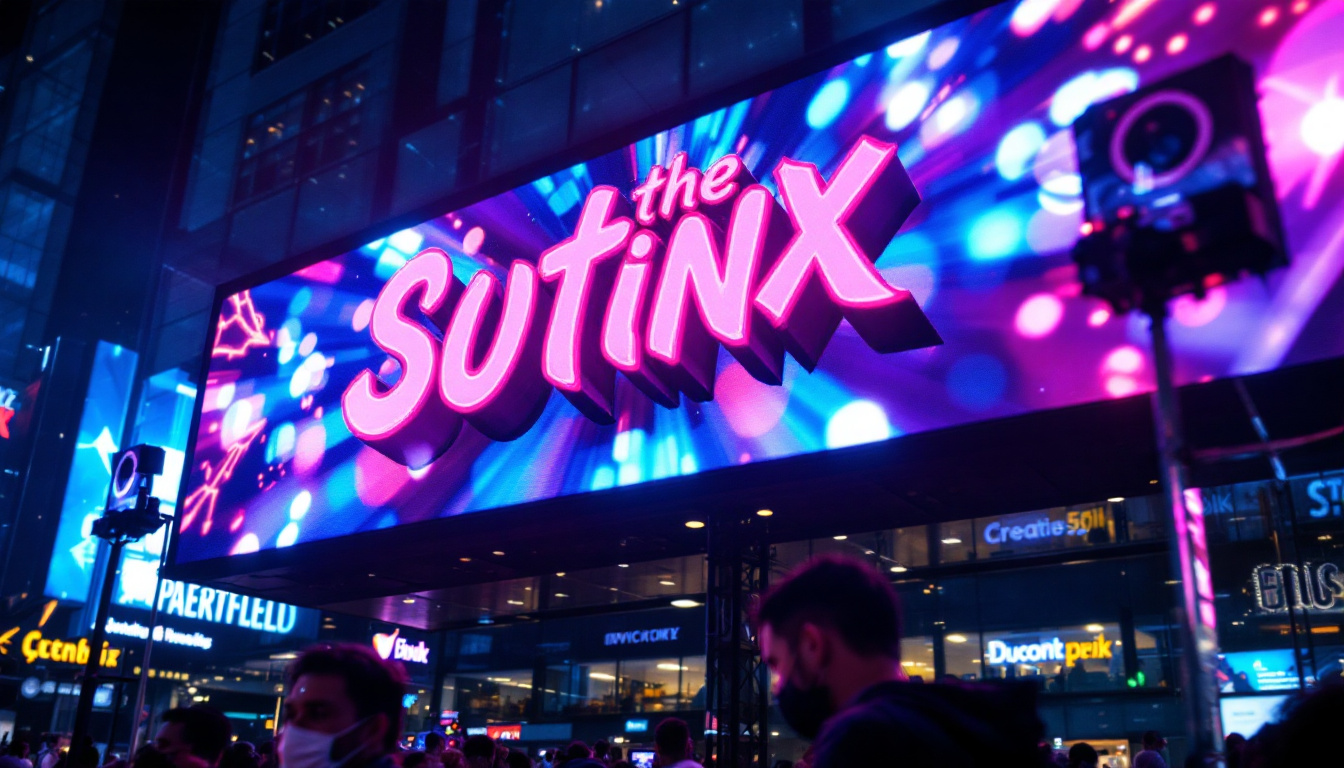
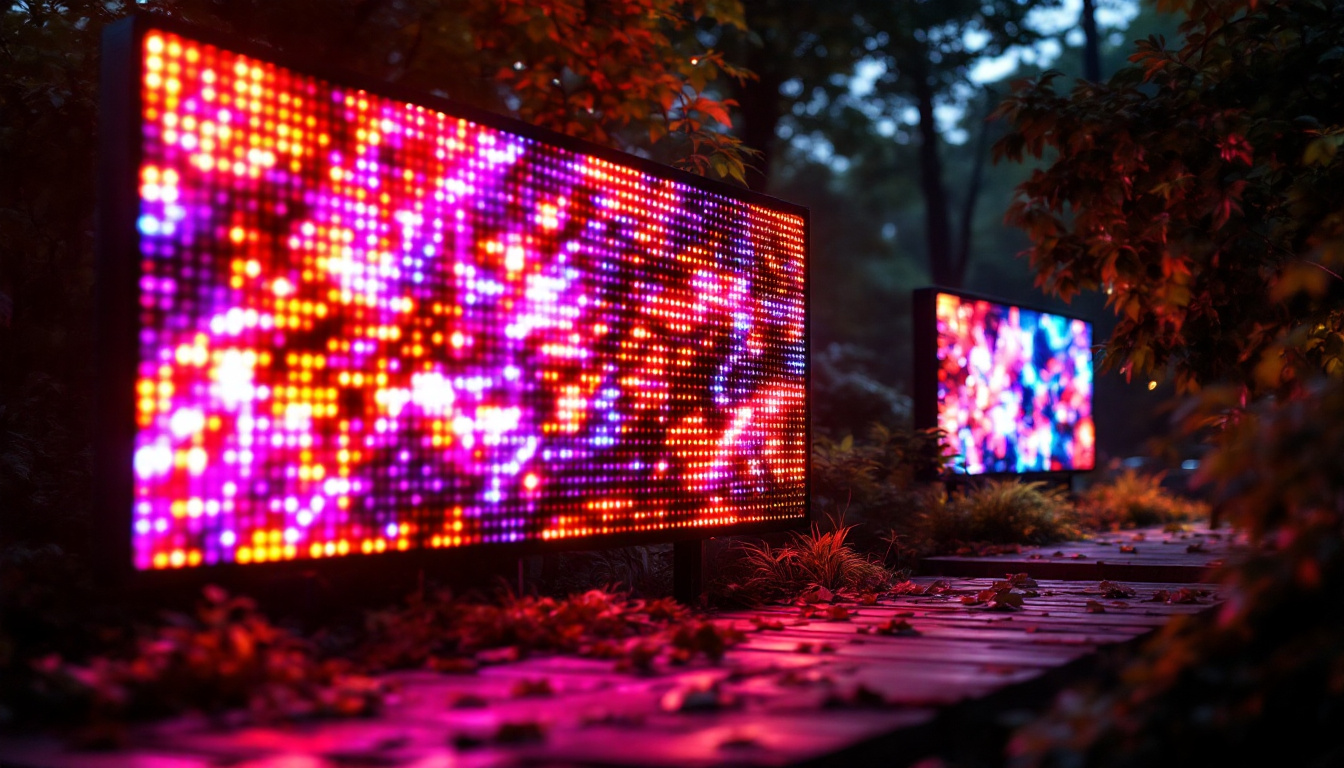
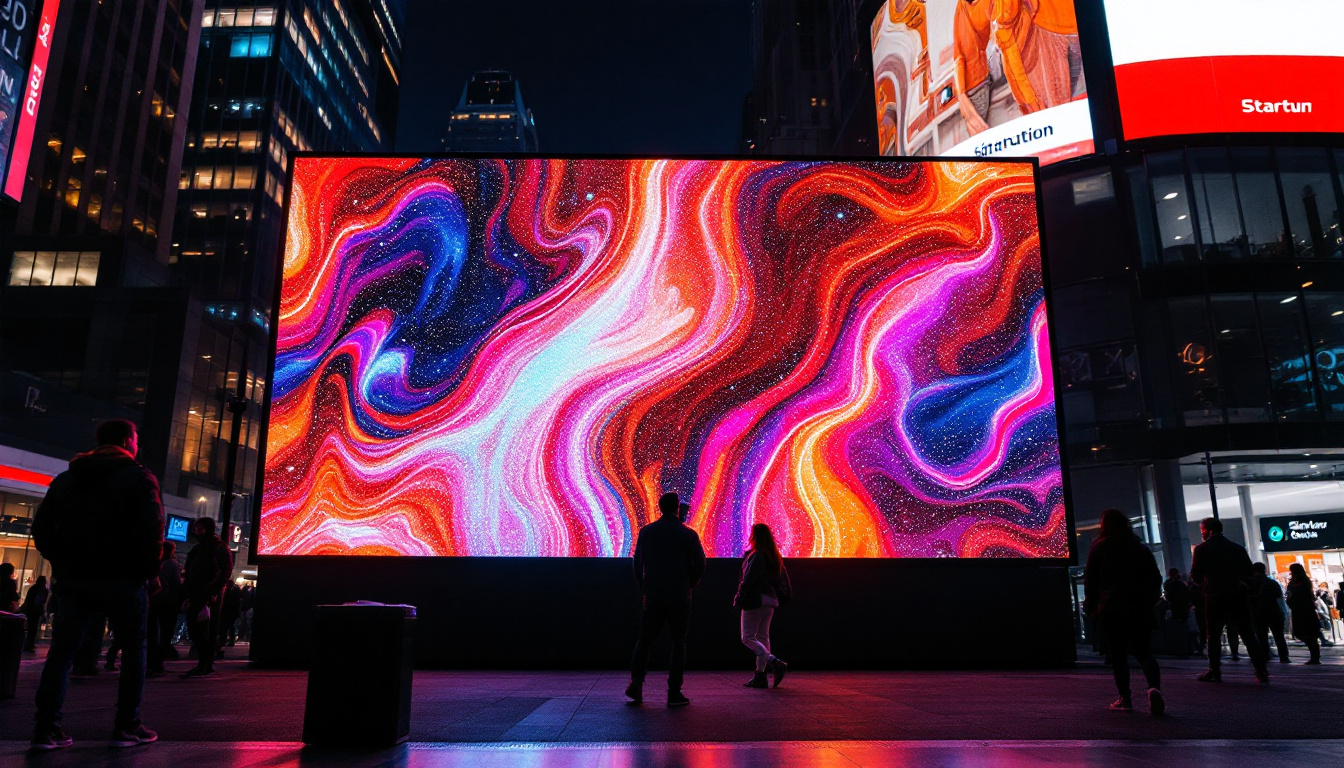
Outdoor LED displays are built to withstand harsh environmental conditions such as rain, dust, and extreme temperatures. They are commonly used for billboards, sports stadium screens, public information displays, and transportation hubs.
These displays are engineered with higher brightness levels—often exceeding 5,000 nits—to ensure visibility even in direct sunlight. Additionally, they incorporate weatherproof casing and advanced cooling systems to maintain performance and longevity. Beyond advertising, outdoor LED displays are increasingly being utilized for public service announcements, emergency alerts, and community event notifications. Their ability to convey critical information in real-time makes them invaluable in urban settings, where they can help improve public safety and awareness.
Flexible and Transparent LED Displays
Innovations in LED technology have led to the development of flexible and transparent LED displays, expanding their potential applications. Flexible LED panels can be curved or bent, making them ideal for creative architectural installations and wearable technology.
Transparent LED displays allow light to pass through while displaying images, enabling their use on glass surfaces such as shop windows and vehicle windshields. This technology opens up new avenues for advertising and augmented reality experiences. Retailers can use transparent displays to showcase products while maintaining visibility into their stores, creating an immersive shopping experience. Additionally, these displays can be integrated into smart city infrastructure, providing real-time information and advertisements without obstructing views or natural light, thus enhancing the aesthetic appeal of urban environments.
Advantages of LED Displays Over Other Technologies
Superior Brightness and Contrast
One of the most significant advantages of LED displays is their ability to produce extremely bright images with high contrast ratios. Unlike LCDs that rely on backlighting, LEDs emit light directly, resulting in deeper blacks and more vibrant colors. This makes LED displays particularly effective in environments with variable lighting conditions.
Energy Efficiency and Longevity
LEDs are inherently energy-efficient, consuming less power than traditional display technologies such as plasma or CCFL-backlit LCDs. According to the U.S. Department of Energy, LED lighting can reduce energy use by up to 75% compared to incandescent lighting, and this efficiency translates to LED displays as well.
Moreover, LED displays have a longer operational lifespan, often exceeding 100,000 hours of use. This durability reduces maintenance costs and downtime, making LEDs a cost-effective choice for large-scale and continuous operation.
Wide Viewing Angles and Fast Response Times
LED displays offer wide viewing angles, ensuring consistent image quality regardless of the viewer’s position. This is essential for public displays and collaborative settings where multiple viewers observe the screen from different perspectives.
Additionally, LEDs have fast response times, which minimize motion blur and improve the clarity of fast-moving images. This characteristic is particularly important for applications such as sports broadcasting and gaming.
Challenges and Considerations in LED Display Implementation
Pixel Pitch and Resolution
Pixel pitch, the distance between the centers of adjacent LEDs, is a critical factor in determining the resolution and viewing distance of an LED display. Smaller pixel pitch results in higher resolution and sharper images but increases manufacturing complexity and cost.
Choosing the appropriate pixel pitch depends on the intended use. For example, a large outdoor billboard viewed from hundreds of meters can have a pixel pitch of 10mm or more, whereas an indoor display viewed up close may require a pixel pitch as small as 0.9mm.
Cost and Installation Complexity
While LED display prices have decreased significantly over the past decade, high-resolution LED panels can still represent a substantial investment. Installation requires careful planning, including structural support, power supply, and data connectivity.
Additionally, calibration and maintenance are necessary to ensure uniform brightness and color consistency across the display surface. These factors should be considered during project budgeting and scheduling.
Environmental Impact and Sustainability
As with any electronic device, LED displays have environmental considerations related to manufacturing, energy consumption, and end-of-life disposal. However, their energy efficiency and long lifespan contribute positively to reducing carbon footprints compared to less efficient alternatives.
Manufacturers are increasingly adopting sustainable practices, such as using recyclable materials and designing for easier disassembly and recycling. Choosing LED displays from environmentally responsible companies can further enhance sustainability efforts.
Innovations and Future Trends in LED Display Technology
MicroLED and MiniLED Technologies
MicroLED and MiniLED represent the next generation of LED display technology, promising even higher brightness, improved color accuracy, and better energy efficiency. MicroLEDs are microscopic LEDs that can be assembled into displays with pixel pitches below 100 microns, enabling ultra-high resolution and contrast.
These technologies are gaining traction in premium TVs, smartphones, and augmented reality devices, offering the benefits of OLED displays without some of their drawbacks, such as burn-in and limited brightness.
Integration with Smart Technologies
LED displays are increasingly integrated with smart technologies, including IoT sensors, AI-driven content management, and interactive capabilities. This integration allows for dynamic content adaptation based on audience demographics, environmental conditions, and real-time data analytics.
For example, digital signage in retail environments can adjust advertisements based on the time of day or customer behavior, enhancing engagement and effectiveness.
Sustainability and Energy Harvesting
Research is ongoing into making LED displays more sustainable through energy harvesting technologies, such as integrating solar panels or kinetic energy converters. These innovations aim to reduce reliance on external power sources, especially for outdoor and remote installations.
Additionally, advances in materials science are leading to more environmentally friendly LEDs with reduced use of rare earth elements and hazardous substances.
Conclusion: The Impact of LED Displays on Modern Visual Communication
LED display technology has revolutionized the way visual information is presented across industries, from advertising and entertainment to education and public safety. Their superior brightness, energy efficiency, and adaptability make them an indispensable tool in modern communication.
As technology continues to evolve, LED displays will become even more immersive, intelligent, and sustainable, opening new possibilities for creativity and interaction. Understanding the fundamentals and advancements of LED displays empowers businesses and individuals to make informed decisions and harness the full potential of this transformative technology.
Discover the Future of Visual Communication with LumenMatrix
Embrace the future of vibrant and dynamic visual storytelling with LumenMatrix. As a leading innovator in LED display technology, we are committed to enhancing your brand’s visibility and creating mesmerizing visual experiences. Our comprehensive range of solutions, including Indoor and Outdoor LED Wall Displays, Vehicle LED Displays, LED Poster Displays, LED Sports Displays, Floor LED Displays, Custom LED Displays, All-in-One LED Displays, and LED Transparent Displays, are designed to meet the diverse needs of modern communication. Let LumenMatrix revolutionize your visual engagement and help you share your message with unparalleled impact and clarity. Check out LumenMatrix LED Display Solutions today and step into a world where your vision comes to life.