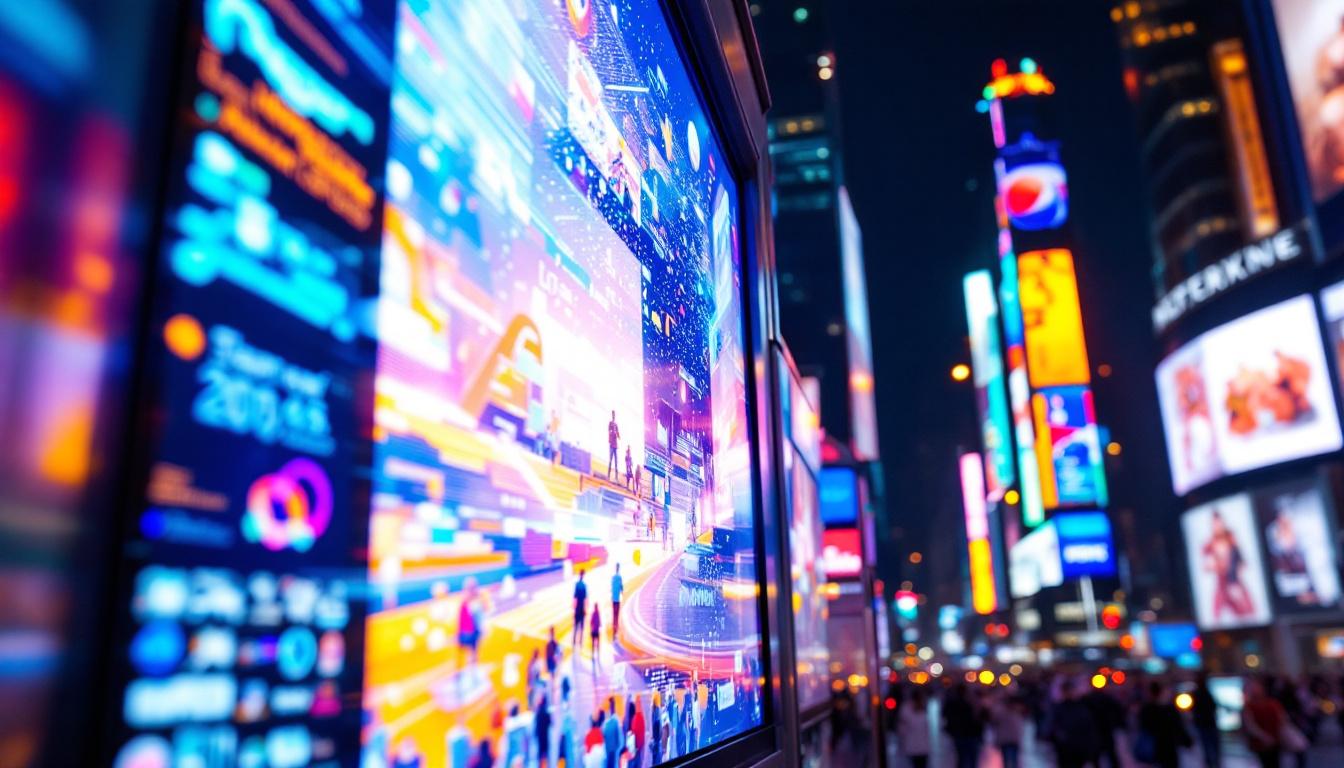
In the fast-evolving world of technology, products come and go at a rapid pace. Among these, LED displays have seen significant innovation, with older models often phased out to make way for newer, more advanced versions. Understanding why certain LED displays become discontinued and what makes these products unique can provide valuable insight for consumers, businesses, and technology enthusiasts alike. This article delves into the world of LED displays, explaining their technology, common reasons for discontinuation, and how to navigate the landscape of discontinued LED products.
Understanding LED Display Technology
LED, or Light Emitting Diode, displays have revolutionized the way visual information is presented across various industries. Unlike traditional LCD or plasma displays, LED technology uses tiny semiconductor diodes that emit light when an electric current passes through them. This fundamental difference offers several advantages, including better brightness, energy efficiency, and longer lifespan.
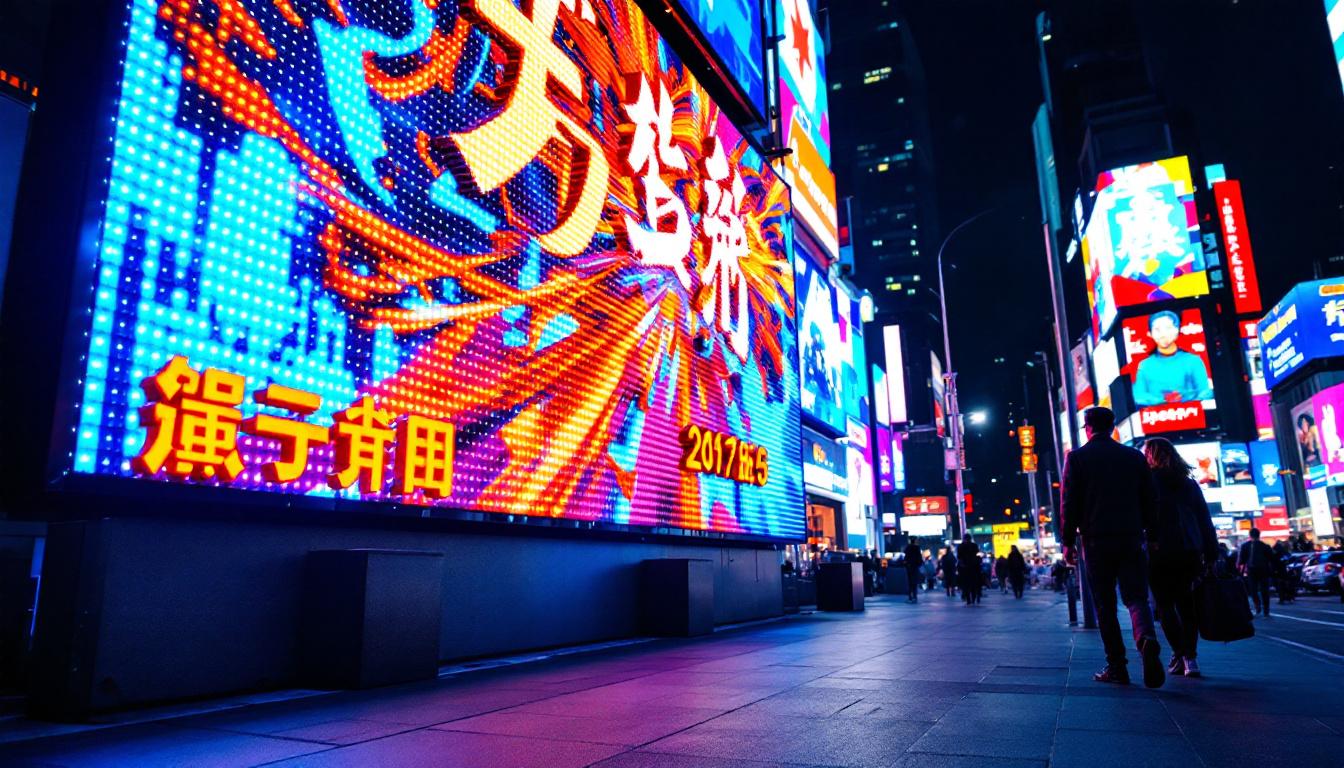
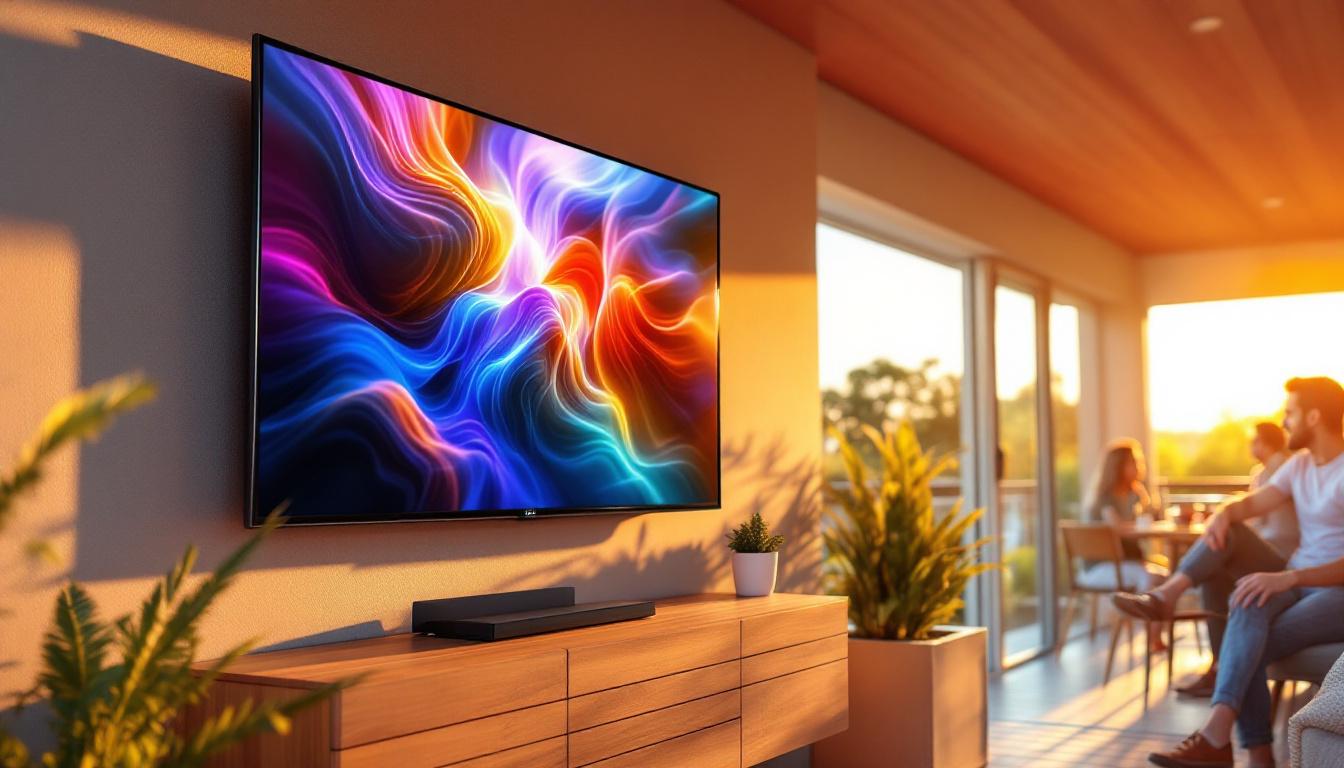
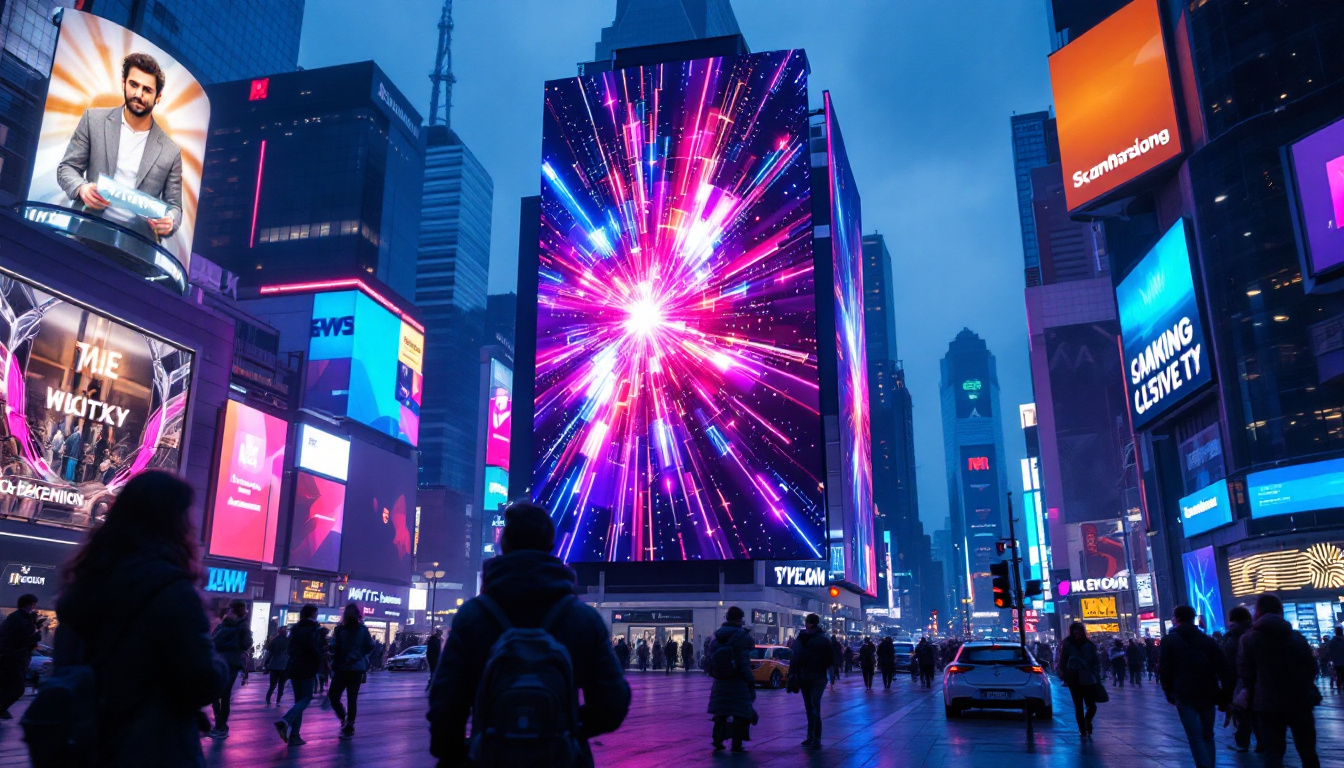
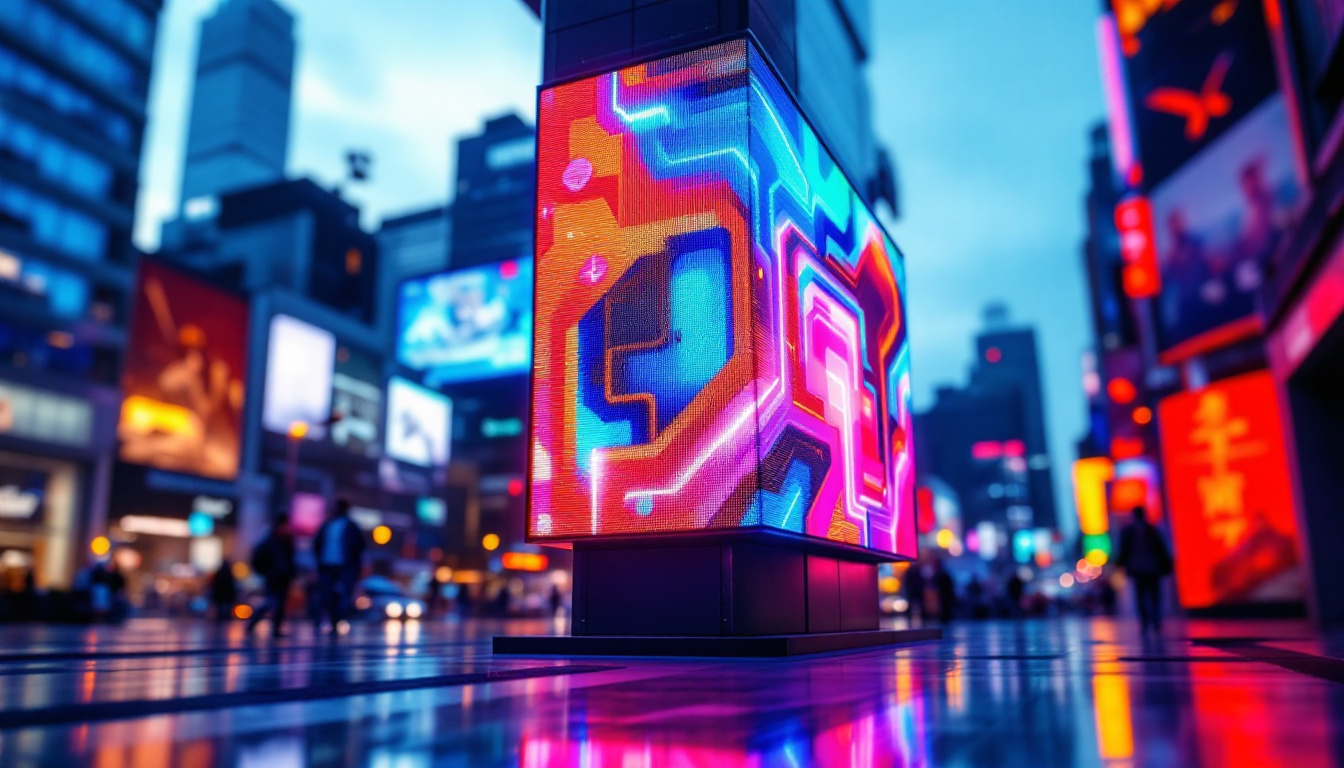
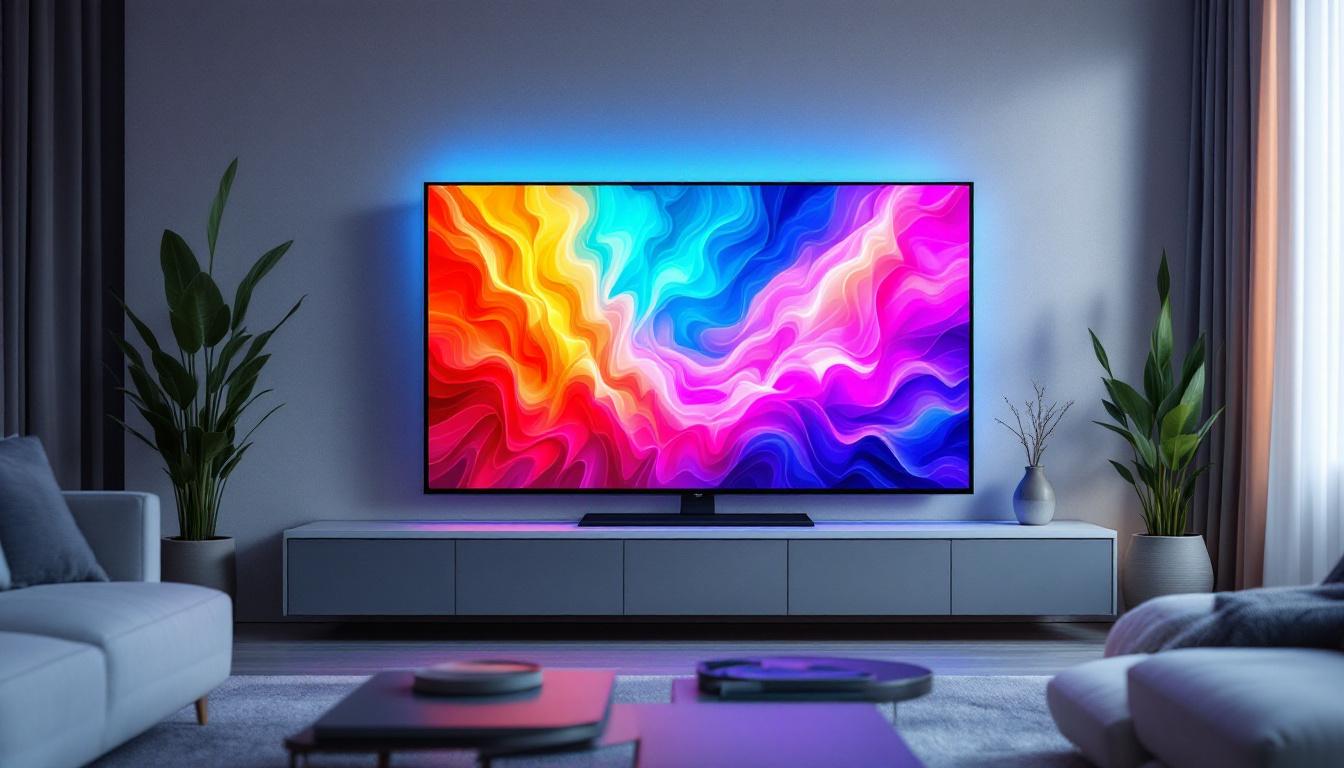
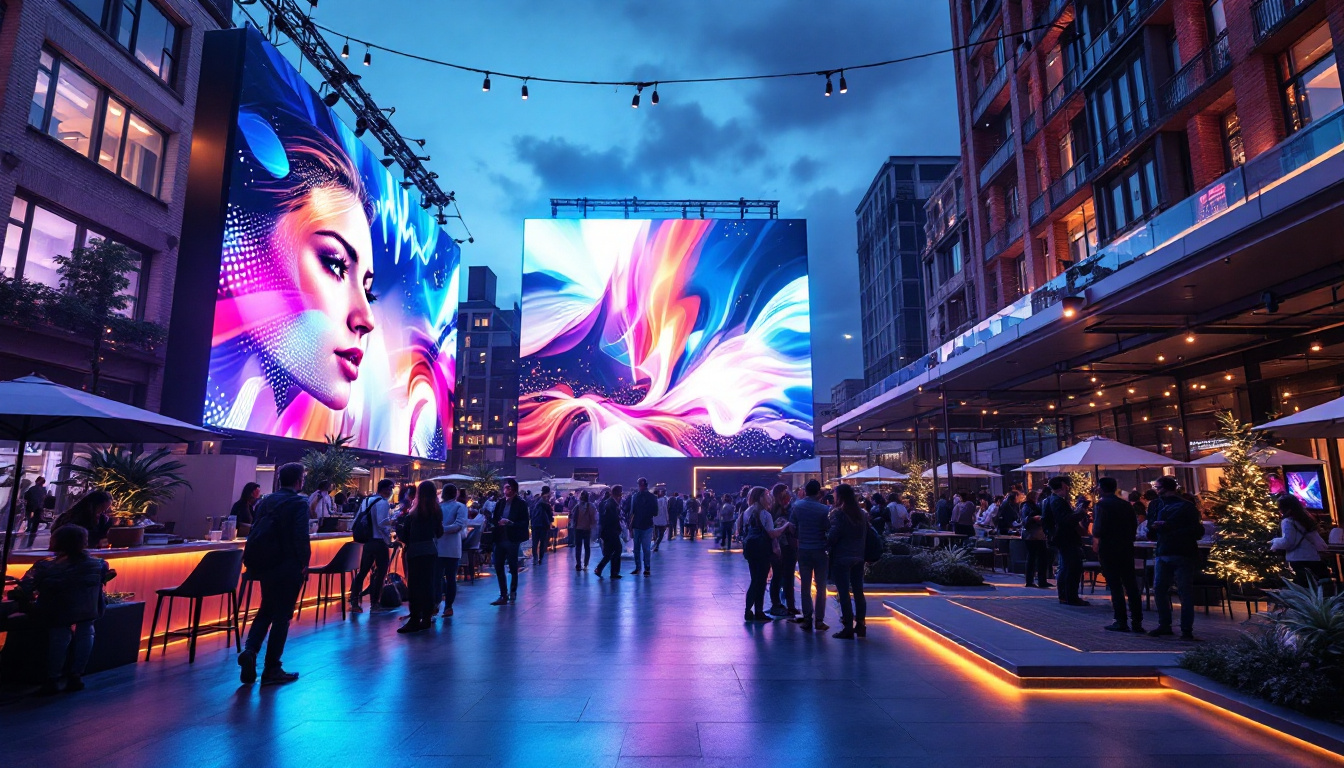
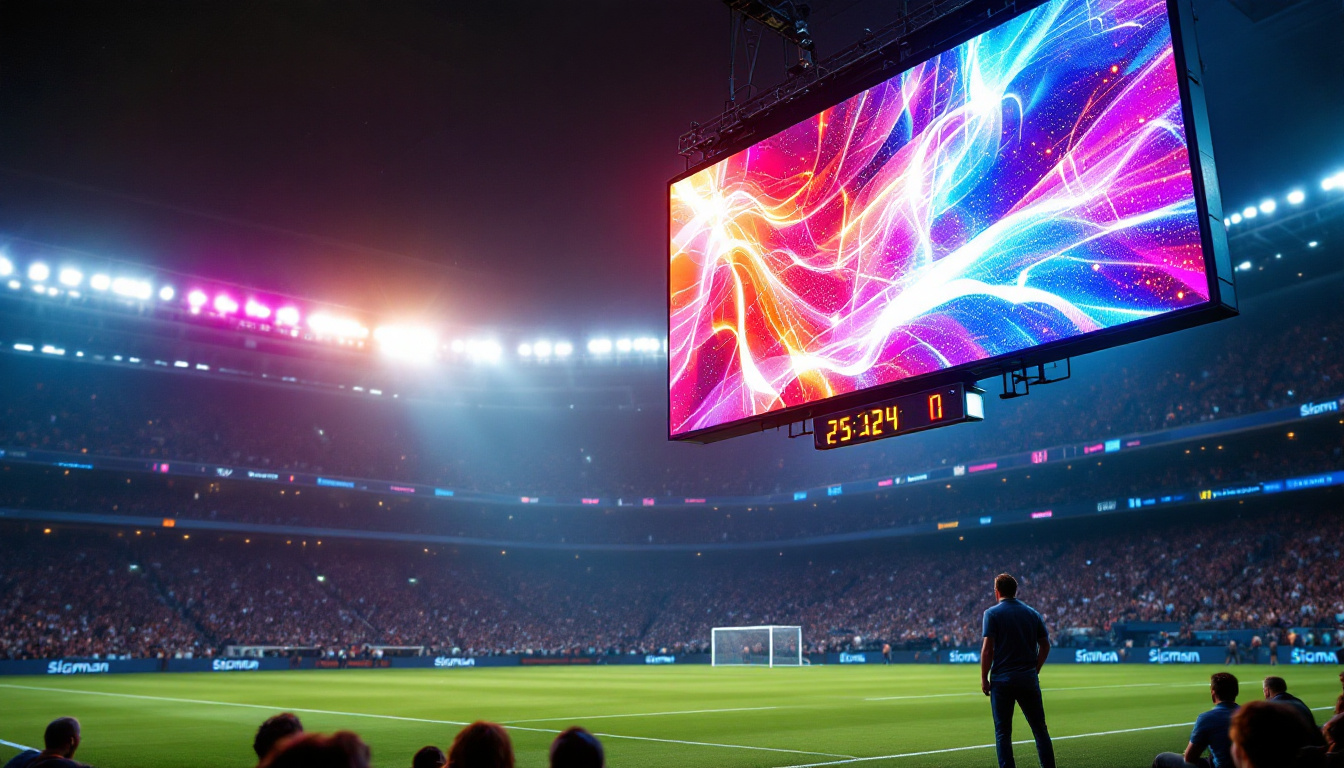
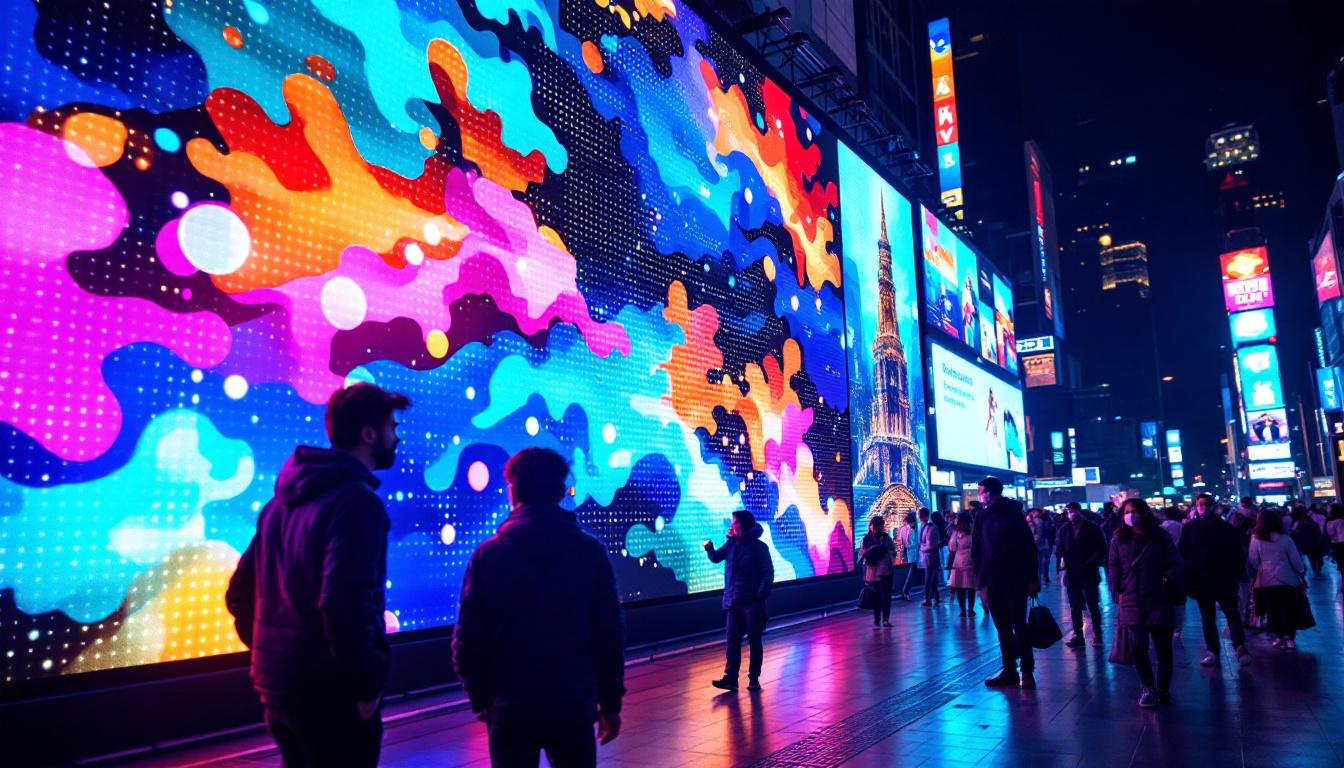
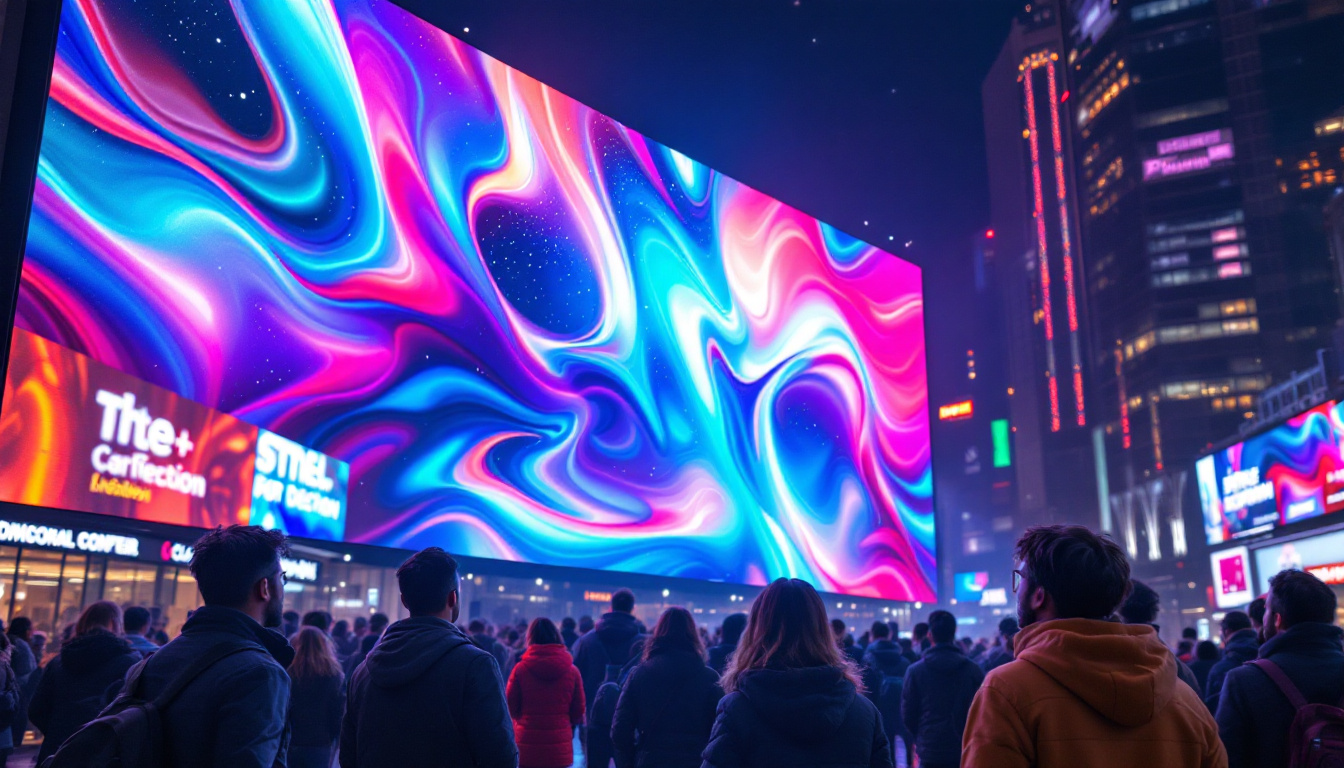
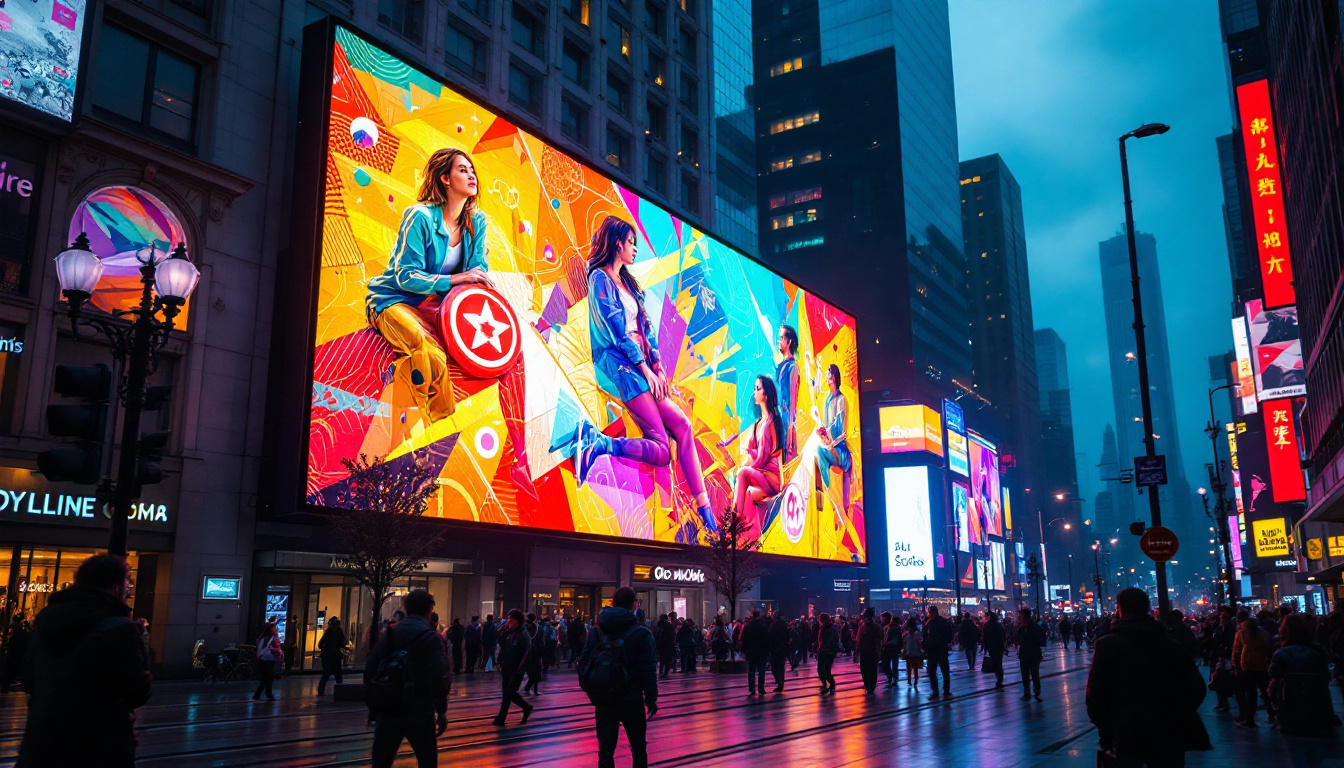
There are primarily two types of LED displays: direct-view LED and LED-backlit LCD. Direct-view LED displays consist of an array of LEDs that form the image directly on the screen, often used in large-scale outdoor billboards and stadium screens. LED-backlit LCDs, on the other hand, use LEDs as a backlight behind an LCD panel to enhance brightness and contrast, common in televisions and monitors.
The versatility of LED displays has led to their widespread adoption in consumer electronics, advertising, automotive displays, and even wearable technology. However, as with any technology, advancements continually push older models out of the market, leading to discontinuation. The rapid pace of innovation in LED technology has also spurred the development of flexible and transparent displays, which open up new possibilities for applications in architecture and interior design, allowing for creative and immersive environments.
Key Features of LED Displays
Some of the defining characteristics of LED displays include:
- Brightness: LEDs can achieve brightness levels far exceeding traditional displays, making them ideal for outdoor and high ambient light environments.
- Energy Efficiency: LED displays consume less power compared to older technologies, which reduces operational costs and environmental impact.
- Longevity: LEDs typically have a longer operational life, often exceeding 50,000 hours, reducing the need for frequent replacements.
- Color Accuracy: Modern LED displays offer superior color rendering, enhancing visual clarity and user experience.
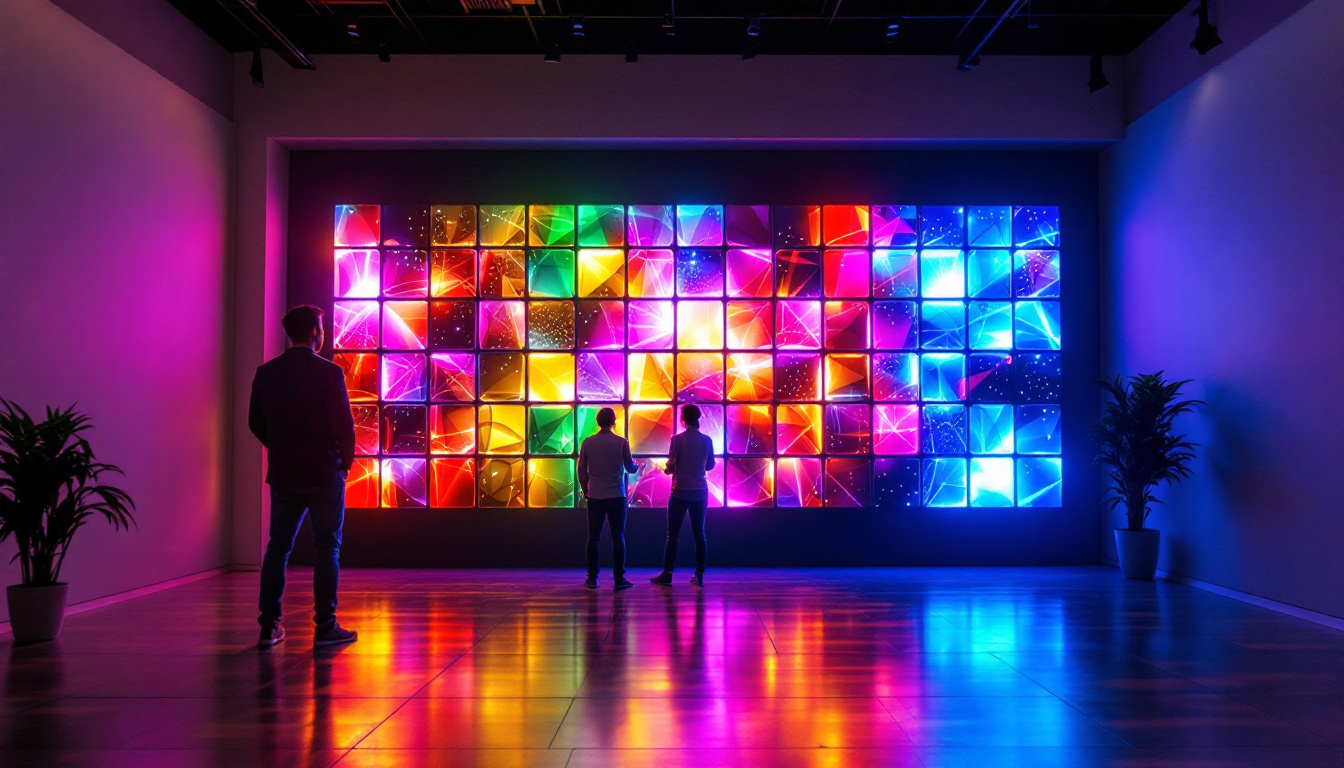
Furthermore, the modular nature of LED displays allows for easy customization and scalability. This is particularly beneficial for large installations, where screens can be assembled in various configurations to create unique shapes and sizes tailored to specific environments. The ability to seamlessly integrate multiple panels into a single cohesive display enables businesses to craft stunning visual experiences that capture attention and engage audiences effectively. Additionally, advancements in control systems and software have made it easier to manage content across these displays, ensuring that the right message is delivered at the right time, enhancing the overall impact of advertising and communication strategies.
Why LED Displays Get Discontinued
Discontinuation of LED display products is a common occurrence in the technology market, driven by several factors. Understanding these reasons helps consumers make informed decisions when purchasing or investing in LED technology.
Technological Advancements
One of the primary reasons LED displays become discontinued is the rapid pace of technological innovation. Newer models often feature improved resolution, better energy efficiency, thinner designs, and enhanced connectivity options. For example, the shift from standard LED to microLED technology offers even greater pixel density and color accuracy, rendering older products obsolete.
Manufacturers prioritize releasing products with cutting-edge features to stay competitive, which naturally leads to older models being phased out. This cycle ensures that consumers have access to the latest technology but also means that discontinued products may lack support or updates over time. As technology progresses, features such as HDR (High Dynamic Range) and AI-driven enhancements are becoming standard, making older models seem outdated in comparison. This relentless drive for innovation not only benefits consumers but also pushes manufacturers to invest heavily in research and development, ensuring that the LED display market remains vibrant and forward-thinking.
Changing Market Demands
Market trends and consumer preferences also play a significant role in product discontinuation. For instance, the growing demand for ultra-high-definition (UHD) displays and curved screens has shifted focus away from traditional flat-panel LED displays. Additionally, the rise of flexible and transparent LED displays caters to new applications, making older rigid models less attractive.
Business sectors such as retail and advertising increasingly seek customizable and interactive LED solutions, pushing manufacturers to innovate and discontinue less adaptable products. This dynamic market environment ensures that LED display offerings continuously evolve to meet specific needs. Moreover, the integration of smart technology into displays, such as built-in sensors and connectivity to IoT (Internet of Things) devices, has created a new landscape where older models simply cannot compete. As consumers become more tech-savvy, their expectations for interactivity and integration with other devices continue to rise, further driving the need for newer, more versatile display options.
Cost and Manufacturing Considerations
Production costs and supply chain factors influence whether a product remains viable. As component prices fluctuate and manufacturing processes improve, some older LED display models may become too expensive to produce profitably. Conversely, newer manufacturing techniques can reduce costs, encouraging companies to replace older lines with more cost-effective options.
Additionally, regulatory changes, such as environmental standards or safety requirements, can necessitate redesigns or discontinuations. For example, restrictions on hazardous materials in electronics have led manufacturers to update their product lines to comply with international standards like RoHS (Restriction of Hazardous Substances). Furthermore, as sustainability becomes a more pressing concern for consumers and businesses alike, manufacturers are increasingly focusing on eco-friendly production methods and materials. This shift not only affects the types of displays being produced but also influences the longevity and support of existing models, as companies strive to align their offerings with the growing demand for environmentally responsible technology.
Implications of Using Discontinued LED Displays
Purchasing or continuing to use discontinued LED displays involves several considerations. While these products may still function well, there are potential challenges that users should be aware of.
Availability of Support and Spare Parts
One of the biggest drawbacks of discontinued products is the limited availability of technical support and replacement parts. Manufacturers often shift their focus to current models, reducing resources allocated to older products. This can make repairs more difficult and costly, especially for specialized components like LED panels or control boards.
For businesses relying on LED displays for advertising or information dissemination, downtime due to unrepairable equipment can lead to revenue loss and brand damage. Therefore, assessing the availability of service options before purchasing discontinued models is crucial.
Compatibility and Integration Challenges
Discontinued LED displays may face compatibility issues with newer hardware or software systems. For example, integrating an older LED display into a modern digital signage network might require additional adapters or custom configurations. This can increase complexity and cost, negating some of the initial savings from purchasing discontinued products.
Moreover, firmware updates and security patches for discontinued models are often discontinued as well, potentially exposing systems to vulnerabilities or limiting functionality over time.
Cost-Benefit Analysis
While discontinued LED displays are sometimes available at discounted prices, it is essential to weigh the potential savings against the risks and limitations. In some cases, investing in newer models with better energy efficiency and longer support lifecycles can provide greater value in the long run.
For example, a study by the Consumer Technology Association found that newer LED displays can reduce energy consumption by up to 30% compared to models from five years ago. Over time, these savings can offset the initial higher purchase price.
How to Navigate the Discontinued LED Display Market
For those interested in acquiring or maintaining discontinued LED displays, there are strategies to ensure a successful experience.
Research and Verification
Before purchasing a discontinued LED display, thoroughly research the product’s specifications, reviews, and known issues. Verify the availability of spare parts and support services from manufacturers or third-party providers. Online forums and user groups can be valuable resources for firsthand experiences and troubleshooting tips.
Consider Refurbished or Certified Pre-Owned Options
Refurbished LED displays from reputable sellers often come with warranties and have undergone quality checks, offering a safer alternative to buying used or unverified discontinued products. Certified pre-owned options can provide a balance between cost savings and reliability.
Plan for Future Upgrades
When integrating discontinued LED displays into existing systems, plan for eventual upgrades to avoid being caught off guard by obsolescence. Establishing a lifecycle management strategy, including regular assessments of performance and supportability, can help maintain operational continuity.
Explore Alternative Technologies
In some cases, alternative display technologies such as OLED or microLED may offer better performance and longer-term viability. While these options might come at a premium, their advantages in image quality, flexibility, and energy efficiency can justify the investment.
The Future of LED Displays and Product Lifecycles
The LED display industry continues to evolve rapidly, driven by innovations in materials, manufacturing, and design. Emerging technologies like microLED and quantum dot LEDs promise to redefine display quality and capabilities, potentially accelerating the discontinuation of current models.
Manufacturers are also adopting more sustainable practices, focusing on modular designs that facilitate repairs and upgrades, which may extend product lifecycles and reduce electronic waste. This shift aligns with growing consumer demand for environmentally responsible products.
Understanding the lifecycle of LED displays and the reasons behind product discontinuation empowers consumers and businesses to make strategic decisions, balancing cost, performance, and sustainability.
Conclusion
Discontinued LED displays represent a complex intersection of technological progress, market dynamics, and practical considerations. While these products can offer cost-effective solutions in certain contexts, potential challenges related to support, compatibility, and future-proofing must be carefully evaluated.
By gaining a clear understanding of LED display technology, the factors leading to discontinuation, and strategies for navigating the market, stakeholders can make informed choices that align with their needs and goals. As the industry advances, staying informed and adaptable remains key to leveraging LED display technology effectively.
Explore Cutting-Edge LED Display Solutions with LumenMatrix
As you consider the future of LED displays and the importance of staying ahead in a rapidly evolving market, LumenMatrix invites you to experience the forefront of LED display technology. Our comprehensive range of products, from Indoor LED Walls to Custom LED Displays, is designed to meet the diverse needs of modern visual communication. Whether you’re looking to enhance brand visibility or create immersive experiences, LumenMatrix is your partner in revolutionizing your visual presence. Check out LumenMatrix LED Display Solutions today and take the first step towards transforming your space with unparalleled clarity and impact.