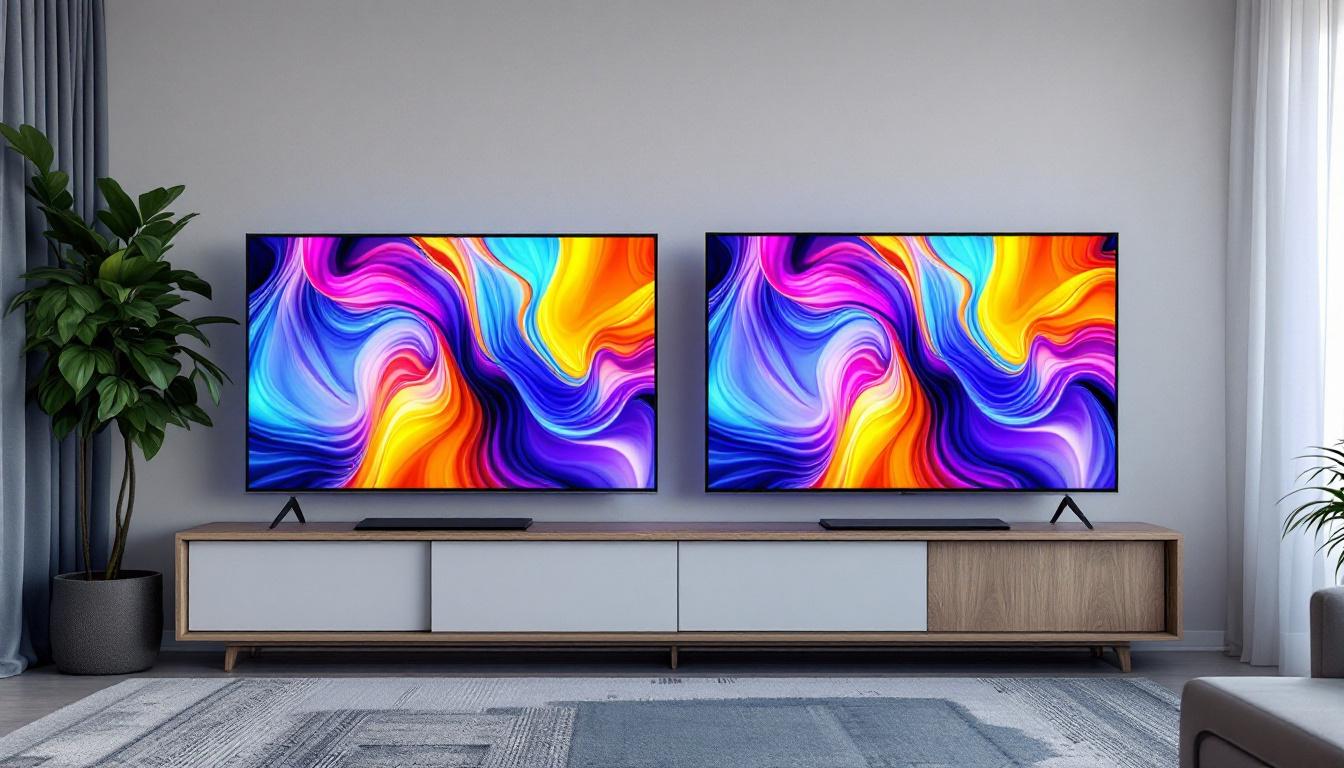
Plasma TV Vs LED TV: LED Display Explained
Choosing the right television can be a daunting task, especially with the variety of display technologies available today. Among the most common types are Plasma TVs and LED TVs, each offering distinct advantages and disadvantages. Understanding the differences between these technologies is essential for making an informed purchase that suits your viewing habits, room environment, and budget.
This article delves into the core differences between Plasma and LED TVs, explains how LED displays work, and provides practical insights to help you decide which TV technology aligns best with your needs.
Understanding Display Technologies: Plasma and LED
What is Plasma TV?
Plasma TVs use small cells containing electrically charged ionized gases, or plasma, to produce images. Each cell acts as a tiny fluorescent light, emitting red, green, or blue light to create the picture on the screen. This technology was popularized in the early 2000s for its ability to deliver excellent color accuracy, deep blacks, and wide viewing angles.
Plasma displays are known for their smooth motion handling and rich picture quality, especially in darker scenes. However, they tend to be heavier, thicker, and consume more power compared to their LED counterparts. Additionally, plasma TVs have largely been phased out of the market since around 2014, with manufacturers shifting focus to LED and OLED technologies. Despite their decline, many enthusiasts still appreciate the unique qualities of plasma displays, particularly for watching movies and sports, where the vibrant colors and deep blacks can enhance the viewing experience significantly.
Another notable aspect of plasma technology is its performance in bright environments. While LED TVs can struggle with glare due to their reflective screens, plasma TVs often handle ambient light better, maintaining color integrity and contrast. This makes them a preferred choice for dedicated home theater setups where lighting can be controlled. However, potential buyers should be aware of the risk of burn-in, where static images can leave a permanent mark on the screen if displayed for extended periods.
What is LED TV?
LED TVs are essentially LCD (Liquid Crystal Display) TVs that use Light Emitting Diodes (LEDs) as their backlighting source instead of the older Cold Cathode Fluorescent Lamps (CCFLs). The LED backlighting enhances brightness, contrast, and energy efficiency.
LED TVs come in two main types: edge-lit and full-array. Edge-lit LEDs position the lights around the screen’s edges, allowing for thinner designs but sometimes uneven brightness. Full-array LED TVs place LEDs directly behind the screen in a grid, enabling more precise local dimming and better contrast. This technology not only improves the overall picture quality but also allows for features like HDR (High Dynamic Range), which enhances the range of colors and brightness levels, providing a more lifelike viewing experience.
LED technology has become the dominant display type in the market due to its versatility, affordability, and continual improvements in picture quality. Manufacturers are constantly innovating, with advancements such as quantum dot technology that further enhances color accuracy and brightness. Furthermore, the rise of smart TVs has integrated LED technology with internet connectivity, allowing viewers to stream content directly from various platforms, making LED TVs not just a display option but a central hub for entertainment in modern homes.
Picture Quality Comparison: Plasma vs LED
Color Accuracy and Black Levels
One of the most significant differences between Plasma and LED TVs lies in their ability to produce deep blacks and accurate colors. Plasma TVs naturally emit light from each pixel, allowing them to turn off pixels completely to achieve true black. This results in exceptional contrast ratios and vibrant colors, particularly in dark scenes.
LED TVs, on the other hand, rely on backlighting, which can sometimes cause light bleed or halo effects around bright objects on dark backgrounds. However, full-array local dimming (FALD) LED TVs have narrowed this gap by selectively dimming sections of the backlight to improve black levels and contrast.
Brightness and Viewing Environment
LED TVs generally outperform Plasma TVs in terms of peak brightness. This makes LED displays more suitable for brightly lit rooms or daytime viewing. Plasma screens, while excellent in controlled lighting environments, can struggle with glare and reflections due to their lower brightness levels.
Recent advancements in LED technology, such as Quantum Dot enhancements, have further increased brightness and color volume, making LED TVs more adaptable to various lighting conditions.
Motion Handling and Refresh Rates
Plasma TVs excel at handling fast-moving images with minimal motion blur, thanks to their high refresh rates and fast pixel response times. This makes them ideal for watching sports, action movies, or gaming.
LED TVs have historically lagged in this area, but modern models have improved significantly. Higher refresh rates (120Hz and above) and motion interpolation technologies help reduce blur and judder, offering smoother motion performance.
Durability, Energy Consumption, and Lifespan
Energy Efficiency
LED TVs are generally more energy-efficient than Plasma TVs. The LED backlighting consumes less power, contributing to lower electricity bills and a smaller environmental footprint. This efficiency is especially noticeable in larger screen sizes, where Plasma TVs tend to consume significantly more energy.
Lifespan and Burn-in Risk
Plasma TVs are susceptible to screen burn-in, where static images left on the screen for extended periods cause permanent ghost images. While manufacturers implemented various technologies to mitigate this issue, it remains a concern for heavy users of static content, such as gamers or news watchers.
LED TVs do not suffer from burn-in in the same way. Instead, they may experience gradual brightness degradation over time, but this typically occurs over many years and is less noticeable.
Weight and Design
Plasma TVs are heavier and bulkier due to the glass panels and gas cells used in their construction. This can make wall mounting or moving the TV more challenging. LED TVs, with their thinner panels and lighter materials, offer more flexibility in placement and aesthetics.
Cost and Market Availability
Price Trends
When Plasma TVs were widely available, they were often priced competitively with LED TVs of similar sizes. However, as LED technology advanced and production costs decreased, LED TVs became more affordable and accessible to a broader audience.
Today, Plasma TVs are no longer manufactured by major brands, making them rare and typically more expensive if found secondhand. LED TVs dominate the market, with a wide range of prices from budget models to premium 4K and 8K options.
Market Availability and Future Outlook
Since around 2014, Plasma TVs have been phased out of production by most manufacturers due to the rise of LED and OLED technologies. Consequently, consumers looking for new TVs will primarily find LED models, along with OLED and QLED variants.
LED TVs continue to evolve, incorporating new features such as HDR (High Dynamic Range), smart TV capabilities, and improved color technologies like Quantum Dots. This makes LED TVs a future-proof choice for most buyers.
How LED Displays Work: The Technology Behind the Screen
Basics of LED Backlighting
At the heart of an LED TV is an LCD panel that controls the image by blocking or allowing light to pass through. Since LCDs do not emit light themselves, they require a backlight. LEDs serve this purpose by providing bright, energy-efficient illumination behind or around the screen.
The LEDs shine through layers of liquid crystals and color filters, creating the images viewers see. The precision and control of this backlighting significantly affect the TV’s picture quality.
Edge-Lit vs Full-Array LED
Edge-lit LED TVs position LEDs along the edges of the screen. Light is then diffused across the panel using light guides. This design allows for ultra-thin TVs but can lead to uneven brightness and less effective local dimming.
Full-array LED TVs have a grid of LEDs directly behind the LCD panel. This arrangement supports local dimming, where specific zones of LEDs can be dimmed or brightened independently. As a result, full-array TVs offer better contrast, deeper blacks, and reduced halo effects around bright objects.
Quantum Dot and Mini-LED Enhancements
Quantum Dot technology involves a layer of nanocrystals that emit precise colors when illuminated by the LED backlight. This enhances color accuracy and brightness, producing more vivid and lifelike images. Many high-end LED TVs incorporate Quantum Dots and market themselves as QLED TVs.
Mini-LED technology uses thousands of tiny LEDs for backlighting, enabling even more precise local dimming and improved contrast. This innovation bridges the gap between traditional LED and OLED displays, offering superior picture quality at a more affordable price point.
Which TV Should You Choose?
Consider Your Viewing Environment
If you watch TV mainly in a dark or dimly lit room and prioritize deep blacks and smooth motion, Plasma TVs were historically the better choice. However, since Plasma TVs are no longer produced, modern full-array local dimming LED TVs or OLED TVs are the best alternatives.
For brightly lit rooms or daytime viewing, LED TVs with high brightness levels and anti-reflective coatings perform better, reducing glare and maintaining picture clarity.
Usage Patterns and Content Type
Gamers and sports enthusiasts benefit from displays with fast response times and high refresh rates. While Plasma TVs excelled in this regard, many LED TVs now offer 120Hz or higher refresh rates and low input lag, making them suitable for gaming and fast-action content.
If you frequently watch static content, such as news channels with persistent logos, LED TVs are safer due to the risk of burn-in on Plasma and OLED screens.
Budget and Longevity
LED TVs offer a broad price range, from affordable models to premium options with advanced features. Their energy efficiency and longer lifespan make them a cost-effective choice over time.
Plasma TVs, being discontinued, are only available secondhand and may not be the most practical investment due to potential reliability issues and lack of support.
Conclusion
While Plasma TVs were once celebrated for their superior black levels, color accuracy, and motion handling, the technology has been largely superseded by advances in LED display technology. LED TVs now dominate the market, offering a versatile range of options that cater to various budgets and viewing preferences.
Understanding the distinctions between Plasma and LED TVs, especially how LED displays operate, empowers consumers to make informed choices. With ongoing innovations like Quantum Dot and Mini-LED, LED TVs continue to improve in picture quality and efficiency, making them the preferred option for most modern viewers.
Ultimately, selecting the right TV depends on your specific needs, room conditions, and content preferences. By considering the factors outlined in this article, you can confidently navigate the Plasma vs LED debate and choose a television that delivers an exceptional viewing experience.
Discover the Future of Visual Experience with LumenMatrix
As you consider upgrading to a television that meets your high standards for picture quality and performance, explore the innovative solutions offered by LumenMatrix. With our commitment to pioneering LED display technology, we provide an array of products designed to bring your visual experience to life. From the comfort of your living room to dynamic outdoor settings, our Indoor and Outdoor LED Wall Displays, along with specialized options like Vehicle LED Displays and LED Sports Displays, ensure unparalleled clarity and engagement. Experience the revolution in visual communication with our Custom, All-in-One, and Transparent LED Displays that promise to captivate your audience. Check out LumenMatrix LED Display Solutions today and step into a world where your message shines with impact and precision.