In today’s fast-evolving manufacturing landscape, sales representatives play a pivotal role in bridging the gap between cutting-edge technology and end-users. One of the most transformative technologies gaining traction across industries is the LED display. From factory floors to corporate boardrooms, LED displays are revolutionizing how information is presented, monitored, and utilized. This article unpacks the essentials of LED displays, tailored specifically for manufacturing sales reps who need to understand the technology comprehensively to better serve their clients.
Understanding LED Displays: The Basics
What Is an LED Display?
LED stands for Light Emitting Diode, a semiconductor device that emits light when an electric current passes through it. An LED display is a flat panel display that uses an array of LEDs as pixels for a video display. These displays are known for their brightness, energy efficiency, and durability, making them ideal for a variety of industrial applications.
Unlike traditional LCD or plasma screens, LED displays offer superior visibility in various lighting conditions, including direct sunlight. This makes them particularly suitable for manufacturing environments where ambient lighting can vary significantly. The ability to maintain clarity and vibrancy in such conditions not only enhances operational efficiency but also improves safety by ensuring that critical information is easily visible to workers at all times.
Moreover, LED technology has evolved to include features such as dynamic brightness adjustment, which automatically calibrates the display’s luminance based on surrounding light levels. This not only conserves energy but also prolongs the lifespan of the display, making it a cost-effective solution for businesses. Additionally, advancements in LED technology have led to the development of high-definition displays that can showcase intricate details, which is particularly beneficial for monitoring complex processes in real-time.
Types of LED Displays Relevant to Manufacturing
Manufacturing sales reps should be familiar with the primary types of LED displays to better match solutions with client needs:
- Indoor LED Displays: Designed for controlled environments such as control rooms or meeting areas, these displays offer high resolution and color accuracy. Their ability to present detailed graphics and data makes them invaluable for presentations and operational monitoring.
- Outdoor LED Displays: Built to withstand harsh weather conditions, these displays are brighter and more rugged, ideal for factory exteriors or large-scale signage. They often feature protective coatings to resist water and dust, ensuring longevity even in the most challenging environments.
- Flexible and Transparent LED Displays: Emerging technologies allow for curved or see-through displays, enabling innovative applications such as equipment monitoring or interactive dashboards. These displays can be integrated into various surfaces, providing a seamless and modern aesthetic while delivering crucial information without obstructing views.
Furthermore, the integration of smart technology into LED displays has opened up new avenues for data visualization and interactivity. For instance, some LED displays can be connected to IoT devices, allowing them to display real-time data analytics and performance metrics directly from the manufacturing floor. This connectivity not only enhances decision-making processes but also fosters a culture of transparency and responsiveness within the organization. As industries continue to evolve, the role of LED displays in facilitating communication and operational efficiency will undoubtedly expand, making them an essential component of modern manufacturing environments.
Why LED Displays Matter in Manufacturing
Enhancing Real-Time Data Visualization
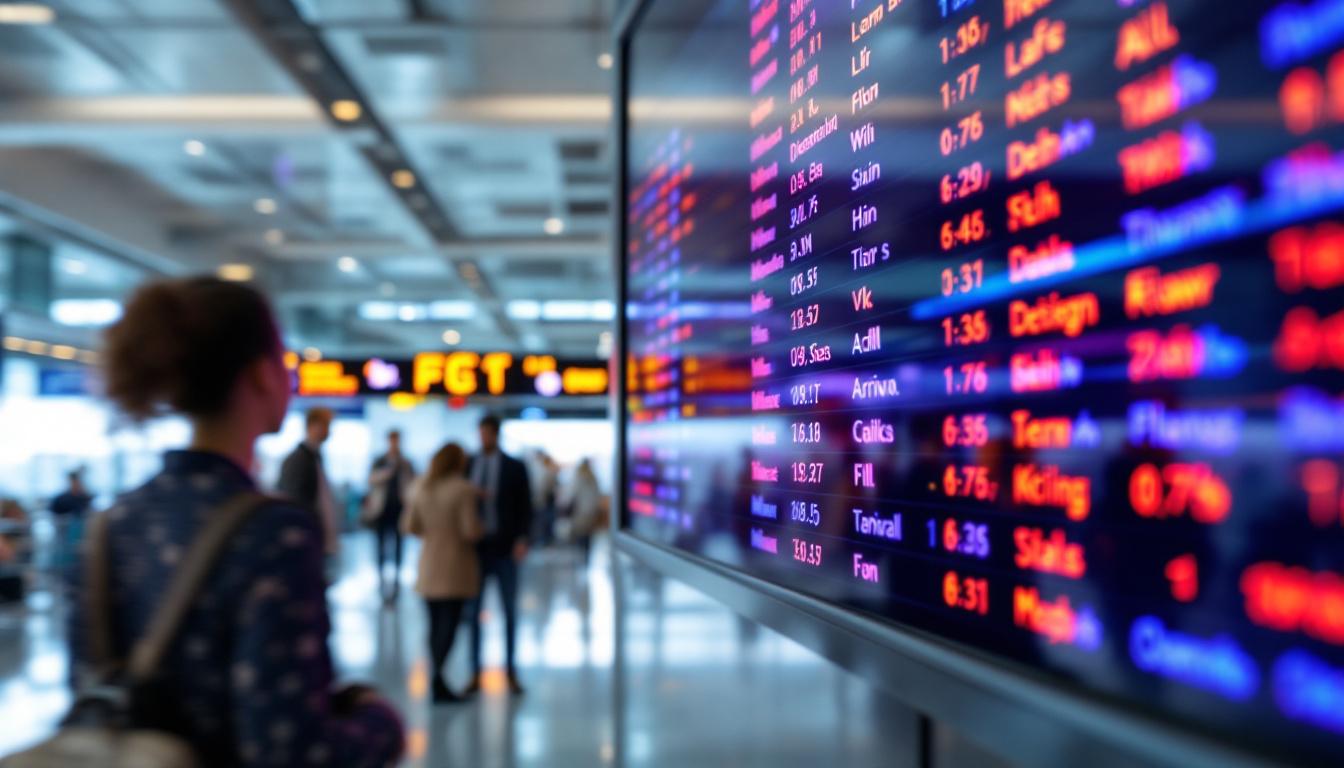
Manufacturing environments thrive on data-driven decision-making. LED displays serve as critical tools for visualizing real-time production metrics, machine status, and quality control data. By presenting this information clearly and instantly, LED displays empower operators and managers to respond swiftly to issues, minimizing downtime and optimizing output.
For example, a large automotive assembly plant might use a bank of LED displays to show live production line speeds, defect rates, and safety alerts. This transparency fosters a culture of accountability and continuous improvement. Furthermore, the integration of advanced analytics with LED displays can provide predictive insights, allowing manufacturers to anticipate potential bottlenecks before they occur. This proactive approach not only enhances efficiency but also contributes to a more agile manufacturing process, where adjustments can be made in real-time based on the data being displayed.
Improving Safety and Communication
Safety is paramount in manufacturing. LED displays can be strategically placed to communicate safety warnings, emergency instructions, and environmental conditions. Their high visibility ensures critical messages are seen promptly, reducing the risk of accidents.
Additionally, LED displays facilitate better communication across shifts and departments. They can broadcast announcements, schedule changes, and motivational messages, enhancing workforce engagement and coordination. Imagine a scenario where a production line is temporarily halted due to maintenance; using LED displays, management can quickly inform all employees about the situation, thereby minimizing confusion and maintaining workflow. This capability not only streamlines operations but also cultivates a sense of community and shared purpose among workers, as everyone stays informed and aligned with the company’s objectives.
Energy Efficiency and Cost Savings
Compared to older display technologies, LEDs consume significantly less power. This energy efficiency translates into lower operational costs, an important consideration for manufacturing facilities aiming to reduce their environmental footprint and overhead expenses.
Moreover, LED displays have a longer lifespan and require less maintenance, further contributing to cost savings over time. For sales reps, highlighting these financial benefits can be a compelling argument when presenting LED solutions to clients. Additionally, the reduced heat output of LED technology can lead to lower cooling costs in manufacturing environments, where temperature control is crucial for both equipment longevity and employee comfort. As manufacturers increasingly prioritize sustainability, the adoption of LED displays not only supports their bottom line but also aligns with corporate social responsibility goals, making them a strategic investment for the future.
Technical Specifications and Features to Know
Resolution and Pixel Pitch
Resolution refers to the number of pixels displayed, which directly impacts image clarity. Pixel pitch is the distance between the centers of adjacent pixels, usually measured in millimeters. A smaller pixel pitch means higher resolution and sharper images, which is crucial for indoor displays viewed up close.
Manufacturing sales reps should assess the viewing distance and application requirements to recommend the appropriate pixel pitch. For example, a control room display might require a pixel pitch of 1.5mm to 2.5mm, whereas a large outdoor billboard could use a pixel pitch of 10mm or more.
Brightness and Contrast Ratio
Brightness, measured in nits, determines how well the display performs under various lighting conditions. Outdoor LED displays often need brightness levels exceeding 5,000 nits to remain visible in direct sunlight, while indoor displays typically range between 800 and 1,500 nits.
The contrast ratio, the difference between the darkest black and brightest white, affects image depth and color vibrancy. High contrast ratios improve readability and reduce eye strain, important factors in manufacturing settings where displays are monitored continuously.
Refresh Rate and Color Accuracy
A higher refresh rate ensures smoother motion on the display, which is essential for video content or dynamic dashboards. Typical refresh rates for LED displays range from 1,000Hz to 3,840Hz, with higher rates reducing flicker and improving visual comfort.
Color accuracy is another critical feature, especially for applications involving quality control or branding. Advanced LED displays support wide color gamuts and precise calibration to ensure consistent, true-to-life colors.
Applications of LED Displays in Manufacturing
Production Monitoring and Control
LED displays are widely used in production monitoring systems to provide operators with instant feedback on machine performance, production quotas, and error alerts. These displays can connect to manufacturing execution systems (MES) and programmable logic controllers (PLCs) to visualize complex data streams in an accessible format.
For instance, a pharmaceutical manufacturing plant might use LED displays to monitor batch processing parameters, ensuring compliance with stringent quality standards and regulatory requirements.
Warehouse and Inventory Management
In warehouses, LED displays help streamline inventory management by showing real-time stock levels, order statuses, and picking instructions. This reduces errors, accelerates workflows, and improves overall efficiency.
Large distribution centers often deploy LED signage to guide forklift operators and warehouse staff, enhancing safety and navigation within complex facilities.
Training and Employee Engagement
LED displays can also be powerful tools for training and workforce engagement. Interactive LED walls and digital signage can deliver training modules, safety drills, and motivational content, fostering a more informed and motivated workforce.
By integrating LED displays into employee break areas or common spaces, manufacturers can create a culture of continuous learning and communication.
Challenges and Considerations for Sales Representatives
Understanding Client Needs and Environments
One of the biggest challenges for manufacturing sales reps is accurately assessing the client’s environment and requirements. Factors such as ambient lighting, viewing distance, content type, and installation location all influence the choice of LED display technology.
Engaging in detailed consultations and site visits helps sales reps recommend tailored solutions that maximize value and performance.
Balancing Cost and Performance
While LED displays offer numerous benefits, they can represent a significant investment. Sales reps must balance client budgets with performance expectations, highlighting long-term savings from energy efficiency and reduced maintenance.
Offering scalable solutions or phased installations can help clients adopt LED technology without overwhelming upfront costs.
Staying Updated on Technological Advances
The LED display market is rapidly evolving, with innovations such as microLED, miniLED, and smart display integration emerging regularly. Sales reps need to stay informed about these trends to provide clients with the most current and effective solutions.
Participating in industry conferences, training sessions, and vendor webinars can enhance a sales rep’s expertise and credibility.
Conclusion: The Strategic Value of LED Displays in Manufacturing Sales
For manufacturing sales representatives, mastering the intricacies of LED display technology is essential to delivering value-driven solutions. LED displays not only enhance operational efficiency and safety but also contribute to cost savings and improved communication within manufacturing environments.
By understanding the technical specifications, diverse applications, and client-specific considerations, sales reps can position themselves as trusted advisors. This expertise ultimately drives stronger client relationships and successful sales outcomes in a competitive marketplace.
As manufacturing continues to embrace digital transformation, LED displays will remain a cornerstone technology, making it imperative for sales professionals to stay knowledgeable and proactive in this dynamic field.
Explore Cutting-Edge LED Solutions with LumenMatrix
As you consider the strategic advantages of LED displays in manufacturing, LumenMatrix stands at the forefront of this technological revolution. Our commitment to innovation ensures that our LED display modules not only meet but exceed the demands of modern manufacturing environments. From enhancing operational efficiency to elevating brand visibility, our comprehensive range of solutions, including Indoor and Outdoor LED Wall Displays, Vehicle LED Displays, and more, are designed to create immersive visual experiences. We invite you to check out LumenMatrix LED Display Solutions and discover how our state-of-the-art technology can transform your visual communication and engagement strategies.