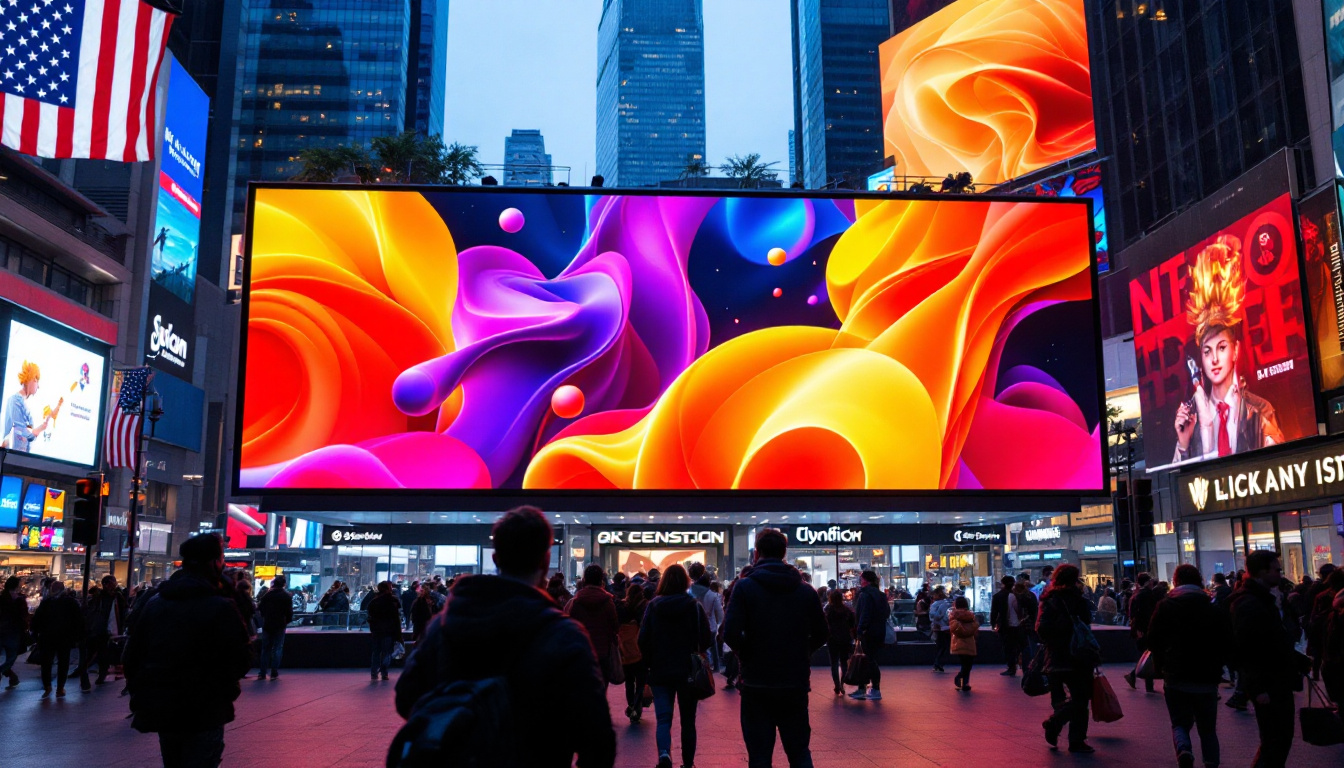
Digital Signage LCD: LED Display Explained
In today’s fast-paced world, digital signage has become an essential tool for businesses, retailers, and public spaces to communicate effectively with their audiences. Central to this technology are LCD and LED displays, which serve as the vibrant canvases for dynamic content. Understanding the differences, advantages, and applications of these display technologies is crucial for making informed decisions when investing in digital signage solutions.
Understanding Digital Signage and Its Importance
Digital signage refers to electronic displays that show multimedia content such as images, videos, and information in public or private spaces. Unlike traditional static signs, digital signage offers flexibility, interactivity, and real-time updates, making it highly effective for marketing, wayfinding, and information dissemination.
The global digital signage market was valued at approximately $21 billion in 2023 and is expected to grow at a compound annual growth rate (CAGR) of over 7% through 2030. This growth is driven by advancements in display technology, decreasing costs, and the increasing demand for personalized and engaging content across industries including retail, healthcare, transportation, and hospitality.
Why Display Technology Matters
The quality and type of display technology directly impact the effectiveness of digital signage. Factors such as brightness, resolution, viewing angles, durability, and energy consumption influence how well the signage performs in different environments. Choosing between LCD and LED displays is often a key decision that affects both the user experience and total cost of ownership.
Moreover, the integration of smart technology into digital signage systems has revolutionized how businesses communicate with their audiences. For instance, incorporating sensors and cameras can enable displays to adapt content based on audience demographics or behavior, enhancing engagement. This level of personalization not only captures attention but also drives higher conversion rates, making digital signage an invaluable tool for marketers. Additionally, the rise of cloud-based content management systems allows for seamless updates and remote management, empowering businesses to maintain fresh and relevant content effortlessly.
Furthermore, the application of digital signage extends beyond mere advertising; it plays a crucial role in enhancing customer experiences. In retail environments, for example, digital displays can showcase promotions, product information, and even customer testimonials, creating a dynamic shopping atmosphere. In healthcare, digital signage can provide important patient information, wayfinding assistance, and health tips, thereby improving patient satisfaction and operational efficiency. As organizations continue to explore innovative uses for digital signage, its significance in shaping communication strategies and enhancing user engagement will only continue to grow.
LCD Displays in Digital Signage: How They Work and Their Benefits
Liquid Crystal Display (LCD) technology has been a staple in digital signage for decades. LCDs operate by manipulating light through liquid crystals sandwiched between polarized panels. A backlight, traditionally fluorescent but now more commonly LED-based, illuminates the crystals to produce images.
Key Characteristics of LCD Displays
LCDs are known for their sharp image quality, high resolution, and relatively low power consumption. Modern LCD panels often feature Full HD (1920×1080) or 4K (3840×2160) resolutions, delivering crisp visuals that are essential for detailed content such as text, graphics, and videos.
One of the advantages of LCD technology is its ability to maintain consistent color accuracy and brightness across the screen. This makes LCD digital signage ideal for indoor environments like retail stores, corporate offices, and museums where controlled lighting conditions prevail. Furthermore, advancements in LCD technology have led to the development of enhanced color gamut capabilities, allowing for a broader spectrum of colors to be displayed, which is particularly beneficial for advertising and promotional content that relies on vibrant imagery to capture attention.
Advantages of LCD for Digital Signage
- Cost-Effective: LCD panels tend to be more affordable than some LED alternatives, especially for smaller screen sizes.
- High Resolution: Supports detailed and high-definition content, enhancing viewer engagement.
- Energy Efficiency: Modern LCDs with LED backlighting consume less power compared to older technologies.
- Wide Availability: A broad range of sizes and designs are available to suit various applications.
Limitations of LCD Displays
Despite their benefits, LCDs have some drawbacks. Their reliance on backlighting means they can struggle with contrast and black levels compared to emissive displays like LEDs. Additionally, LCDs may have limited viewing angles, causing color and brightness shifts when viewed from the side. This limitation can be particularly noticeable in environments where multiple viewers are positioned at varying angles, making it essential to consider placement and orientation when deploying these displays.
LCD panels can also be less effective in very bright environments or direct sunlight, where reflections and glare reduce visibility. However, anti-glare coatings and higher brightness models have mitigated some of these issues. Moreover, manufacturers have been innovating with outdoor LCD displays that incorporate enhanced brightness levels and protective features, allowing them to perform better in challenging lighting conditions. These advancements are crucial for businesses looking to utilize digital signage in outdoor settings, such as transportation hubs or outdoor advertising, where visibility is paramount.
LED Displays: What Sets Them Apart in Digital Signage
Light Emitting Diode (LED) displays represent a different approach to digital signage technology. Unlike LCDs, LEDs are emissive displays, meaning each pixel emits its own light. This fundamental difference leads to distinct advantages in brightness, contrast, and durability.
Types of LED Displays Used in Digital Signage
LED displays come in two main varieties: direct-view LED and LED-backlit LCD. Direct-view LED displays consist of an array of tiny LEDs forming the image directly, while LED-backlit LCDs use LEDs as a backlight source behind an LCD panel.
Direct-view LED displays are commonly used for large-format outdoor signage, stadium screens, and large video walls due to their scalability and superior brightness. LED-backlit LCDs, on the other hand, are often found in indoor digital signage where high resolution and color accuracy are important.
Benefits of LED Displays
- High Brightness: LEDs can reach brightness levels exceeding 5,000 nits, making them visible even in direct sunlight.
- Superior Contrast: Because LEDs can turn off completely, they produce true blacks and vibrant colors for enhanced image quality.
- Long Lifespan and Durability: LEDs are robust and have longer operational lifespans, often exceeding 100,000 hours.
- Energy Efficiency: LEDs consume less power relative to their brightness output compared to traditional lighting.
- Flexible Form Factors: LED modules can be configured into curved, transparent, or irregular shapes, expanding creative possibilities.
Challenges with LED Displays
While LED displays offer many advantages, they also come with considerations. Direct-view LED screens can be more expensive upfront, especially for high-resolution indoor applications. The pixel pitch—the distance between individual LEDs—affects image clarity, and fine pixel pitches necessary for close viewing distances can increase costs.
Additionally, LED displays require careful calibration and maintenance to ensure color consistency and brightness uniformity over time. Environmental factors such as humidity and temperature extremes can also impact performance if not properly managed.
Comparing LCD and LED Displays: Which Is Right for Your Digital Signage?
Choosing between LCD and LED displays depends on the specific requirements of the digital signage application. Both technologies offer unique strengths that suit different environments and use cases.
Indoor vs. Outdoor Use
For indoor digital signage, LCD displays are often preferred due to their high resolution, color accuracy, and cost-effectiveness. They perform well in controlled lighting conditions such as retail stores, corporate lobbies, and museums.
Outdoor signage demands higher brightness and weather resistance, making direct-view LED displays the better choice. Their ability to maintain visibility in sunlight and withstand environmental stressors is critical for transportation hubs, billboards, and sports arenas.
Viewing Distance and Screen Size
Viewing distance plays a significant role in display selection. For close-range viewing, such as kiosks or menu boards, high-resolution LCDs or fine-pitch LED displays provide clear, detailed images. For large venues or long-distance viewing, LED displays with larger pixel pitches are more effective.
Budget and Total Cost of Ownership
Initial costs vary widely between LCD and LED options. LCDs generally offer lower upfront costs, especially for smaller screens. However, LED displays often have lower maintenance costs and longer lifespans, which can make them more cost-effective over time.
Energy consumption should also be considered. While both technologies have become more efficient, LED displays typically use less power relative to their brightness output, potentially reducing operating expenses.
Emerging Trends in Digital Signage Display Technologies
The digital signage industry continues to evolve with innovations that enhance display performance and user engagement.
Mini-LED and Micro-LED Technologies
Mini-LED and Micro-LED are next-generation display technologies that combine the benefits of LCD and LED. Mini-LED uses thousands of tiny LEDs for backlighting, improving contrast and brightness in LCD panels. Micro-LED displays consist of microscopic LEDs that form the image directly, offering exceptional brightness, color accuracy, and energy efficiency.
These technologies promise to deliver superior image quality and durability, although they currently come at a premium price. As production scales, they are expected to become more accessible for digital signage applications.
Interactive and Smart Displays
Integration of touchscreens, sensors, and AI-driven content management is transforming digital signage into interactive platforms. LCD and LED displays equipped with these features enable personalized experiences, real-time data integration, and enhanced customer engagement.
Environmental Sustainability
With growing emphasis on sustainability, manufacturers are focusing on eco-friendly materials, energy-efficient designs, and recyclability. LED displays, with their lower power consumption and longer lifespans, are often favored in green initiatives.
Conclusion: Making an Informed Choice for Digital Signage Displays
Digital signage is a powerful medium for communication and engagement, and the choice of display technology plays a pivotal role in its success. LCD displays offer excellent resolution and cost-effectiveness for indoor applications, while LED displays excel in brightness, durability, and outdoor visibility.
Understanding the strengths and limitations of each technology, alongside factors like environment, viewing distance, and budget, enables businesses to select the optimal digital signage solution. As display technologies continue to advance, staying informed about emerging trends will ensure investments remain future-proof and impactful.
In the rapidly evolving landscape of digital signage, leveraging the right LCD or LED display can transform how brands connect with their audiences, delivering vibrant, dynamic, and memorable experiences.
Discover LumenMatrix’s Innovative LED Display Solutions
Ready to elevate your brand’s presence and captivate your audience with the latest in LED display technology? Look no further than LumenMatrix. Our extensive range of solutions, from Indoor and Outdoor LED Wall Displays to specialized options like Vehicle, Sports, and Floor LED Displays, are designed to create immersive visual experiences that resonate with viewers. Embrace the future of digital signage with our Custom, All-in-One, and Transparent LED Displays, each crafted to deliver your message with unparalleled clarity and impact. Check out LumenMatrix LED Display Solutions today and see how we can transform your visual communication strategy.