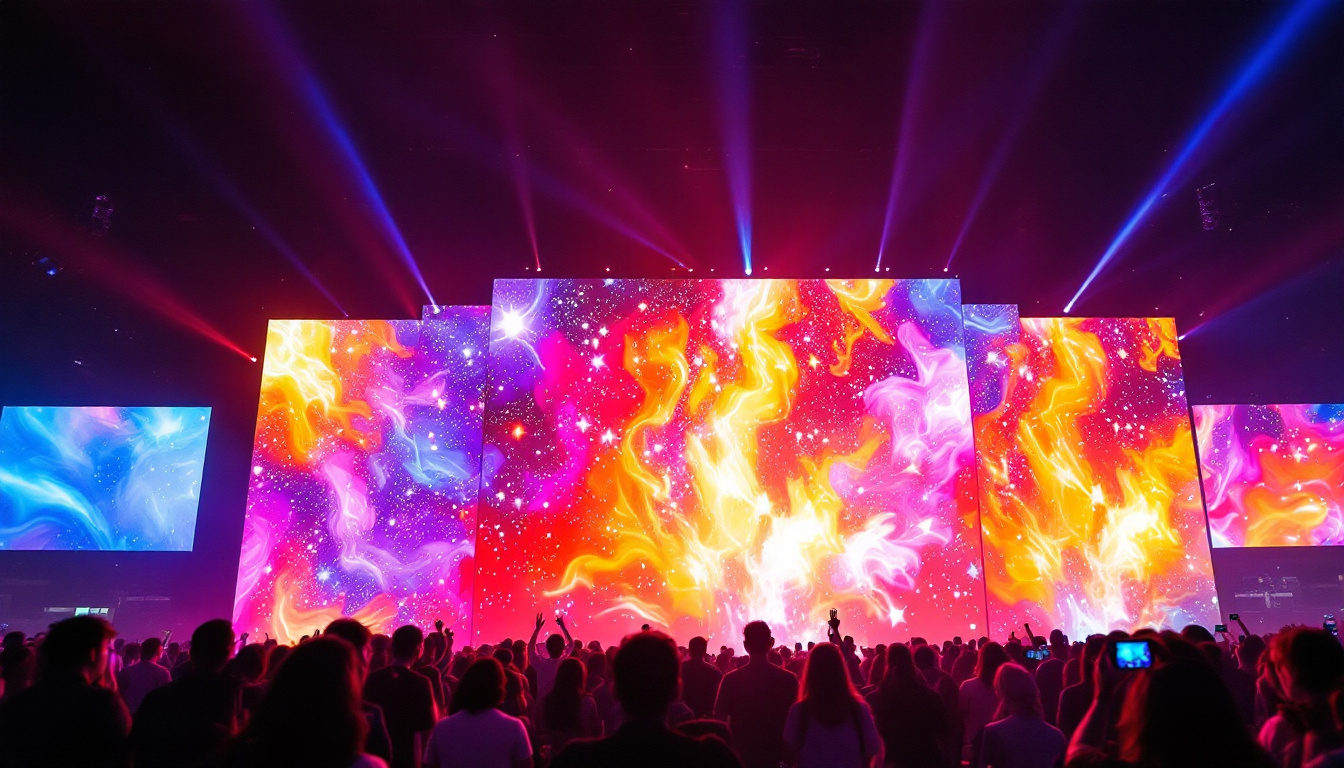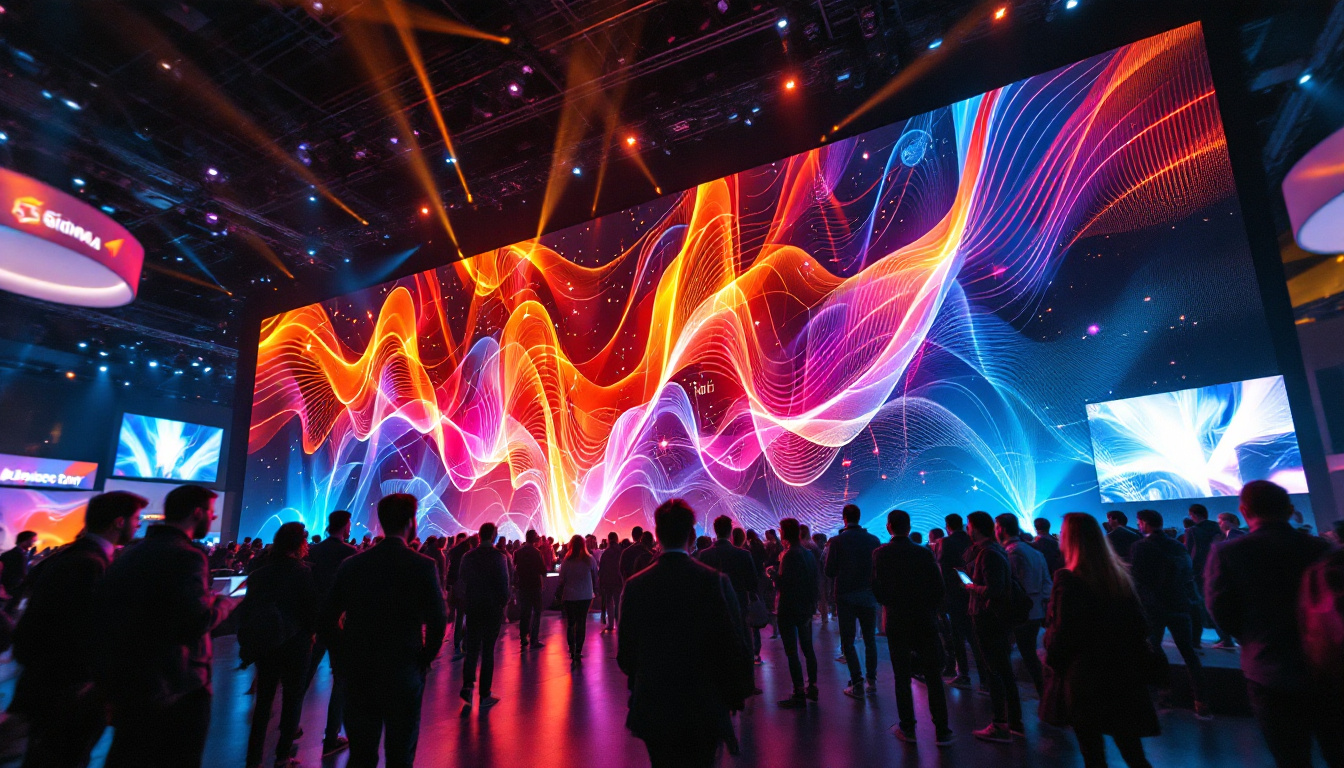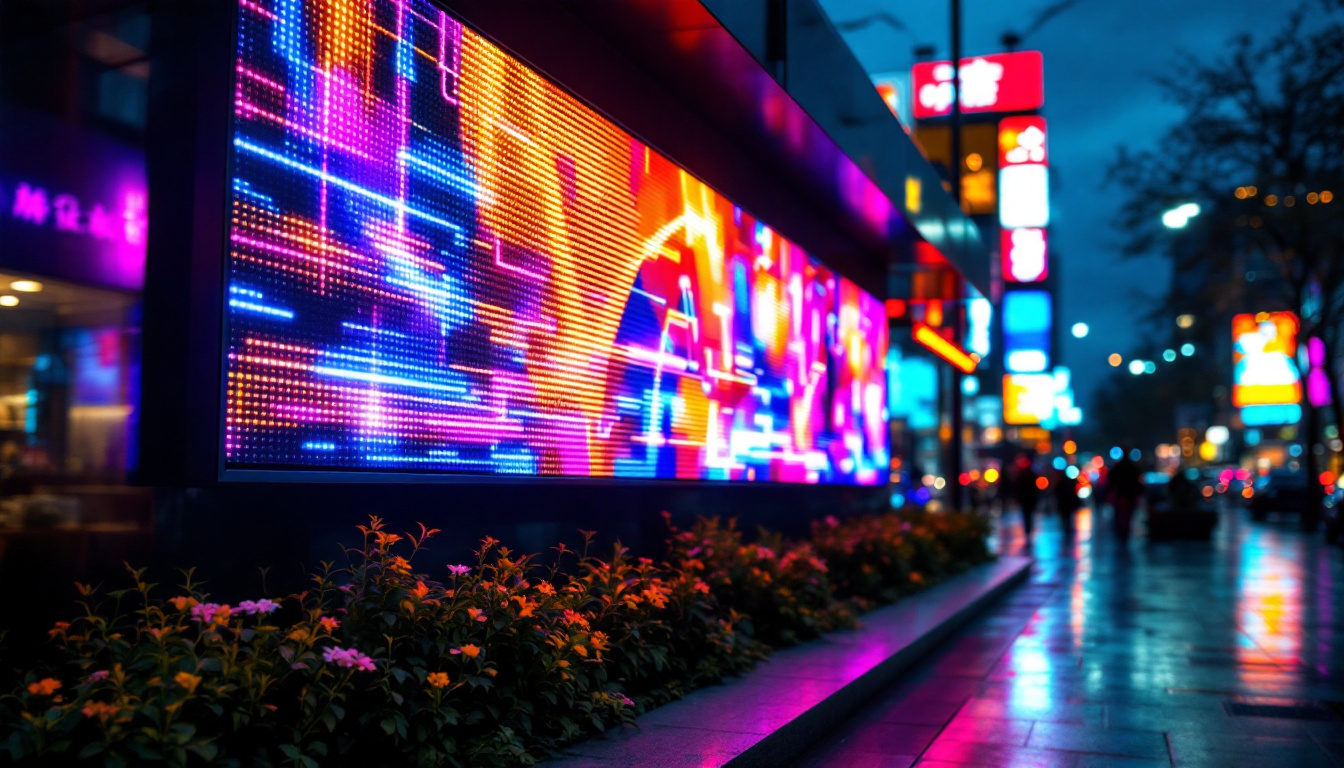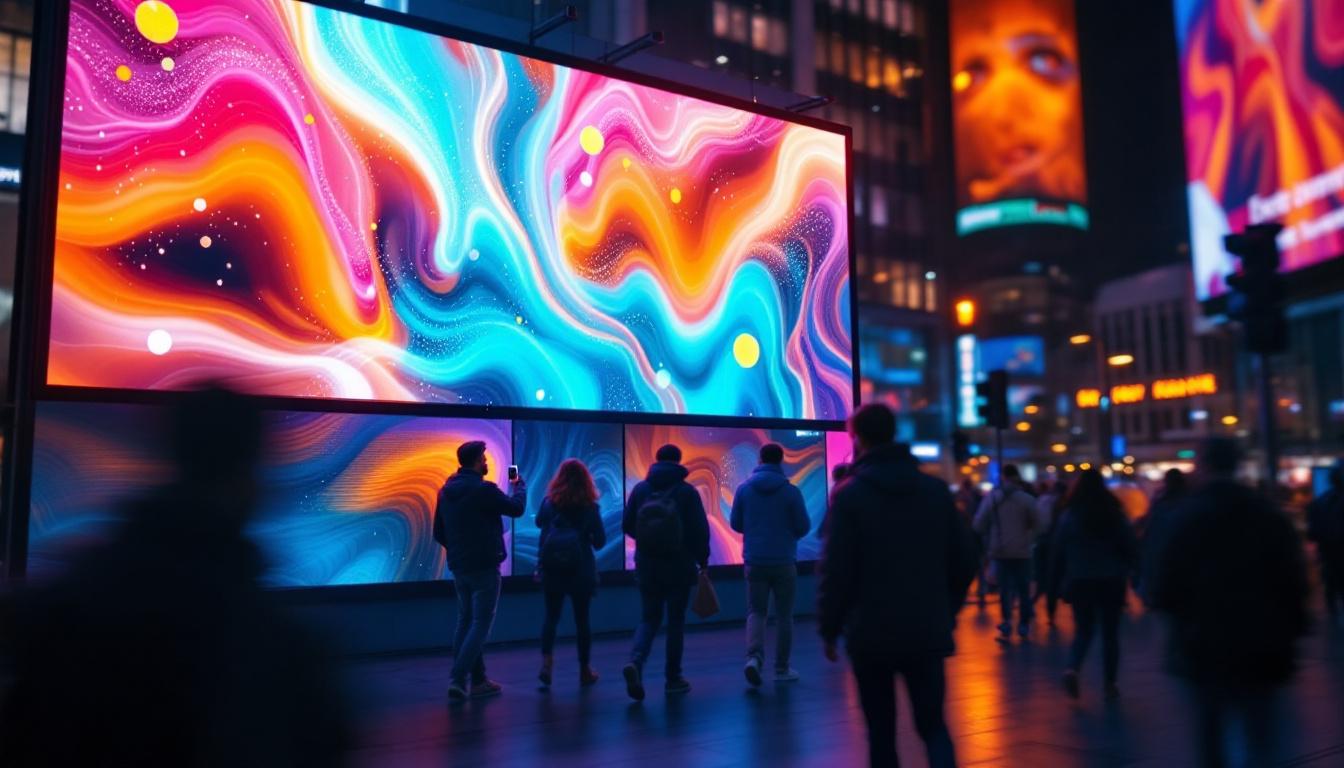
In today’s fast-paced digital world, commercial LED displays have become a cornerstone of advertising, information dissemination, and public engagement. From vibrant billboards towering over cityscapes to dynamic indoor signage in retail stores, LED technology offers unparalleled brightness, flexibility, and energy efficiency. This article delves into the fundamentals of commercial LED displays, exploring how they work, their applications, benefits, and key considerations for businesses looking to invest in this transformative technology.
Understanding LED Technology: The Basics of LED Displays
What is an LED Display?
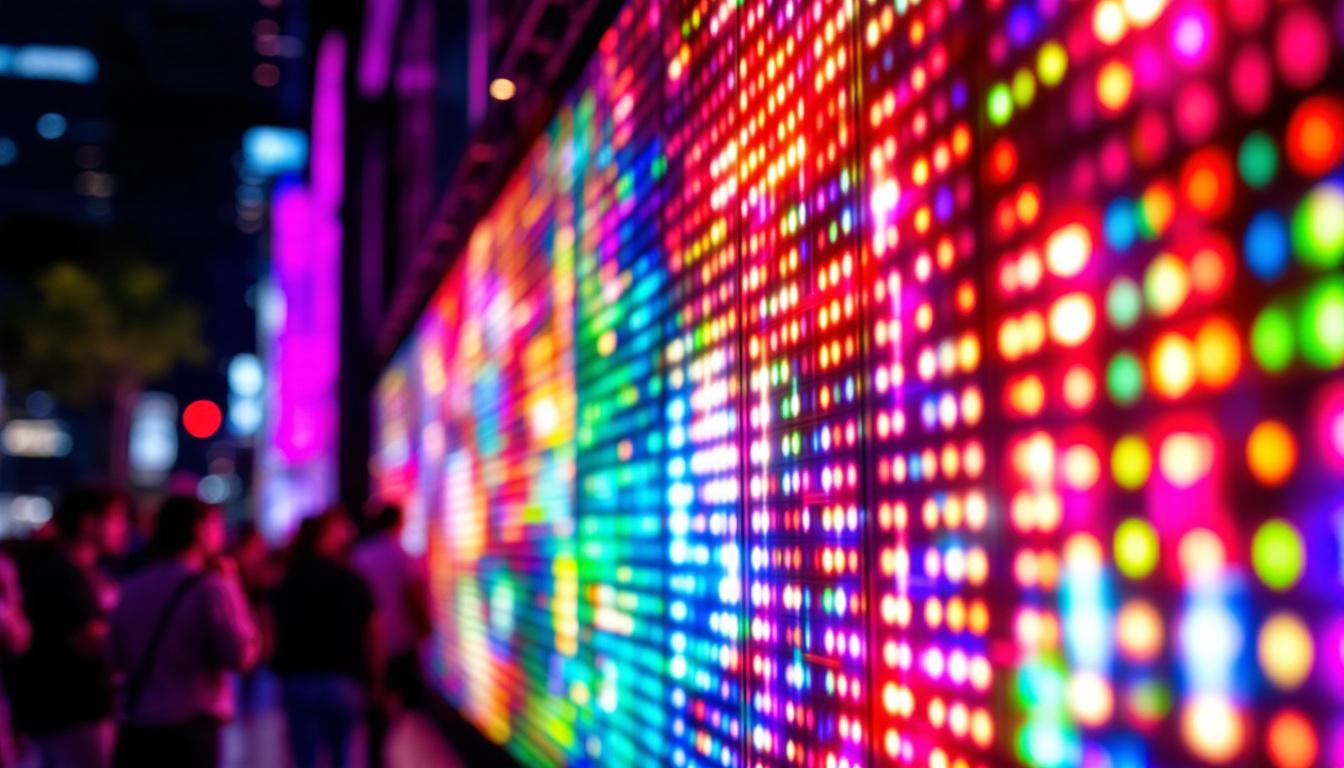
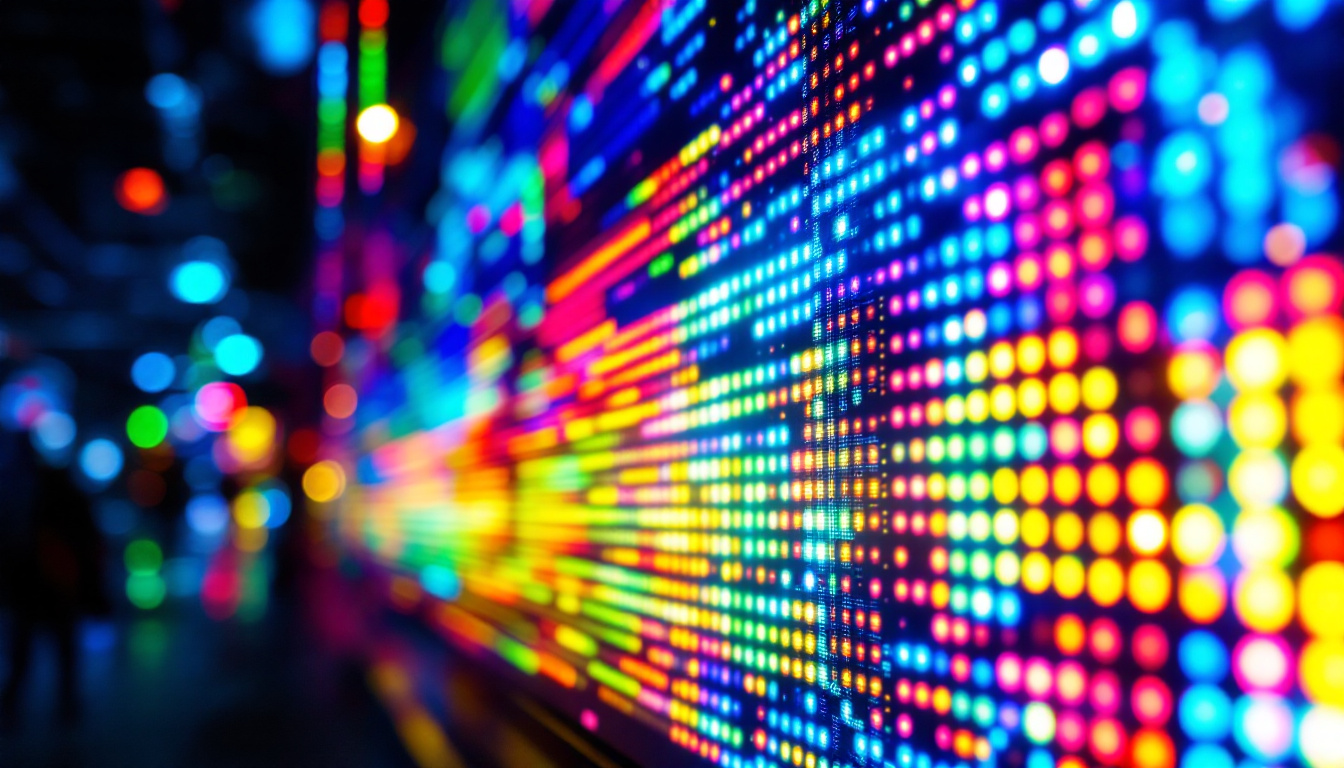
LED stands for Light Emitting Diode, a semiconductor device that emits light when an electric current passes through it. An LED display is essentially a large screen composed of thousands to millions of these tiny diodes arranged in a matrix. Each diode acts as a pixel, capable of producing light in various colors and intensities, which collectively form images, videos, or text.
Unlike traditional LCD or plasma screens, LED displays are self-illuminating, meaning each pixel generates its own light. This characteristic allows for higher brightness levels and better contrast, making LED displays ideal for environments with high ambient light, such as outdoor settings. Additionally, the energy efficiency of LED technology contributes to lower operational costs over time, making it a preferred choice for businesses looking to reduce their carbon footprint while maintaining high-quality visual output.
Furthermore, LED displays have a significantly longer lifespan compared to other display technologies. With proper maintenance, they can last up to 100,000 hours, which translates to over a decade of continuous use. This durability not only enhances their value but also minimizes the need for frequent replacements, further solidifying their position in both commercial and residential applications.
How Do Commercial LED Displays Work?
Commercial LED displays operate by controlling the intensity and color of each diode to create the desired visual content. The display is divided into modules or panels, each containing a grid of LEDs. These modules are connected to a control system that processes input signals—such as video feeds or digital content—and translates them into commands for the LEDs.
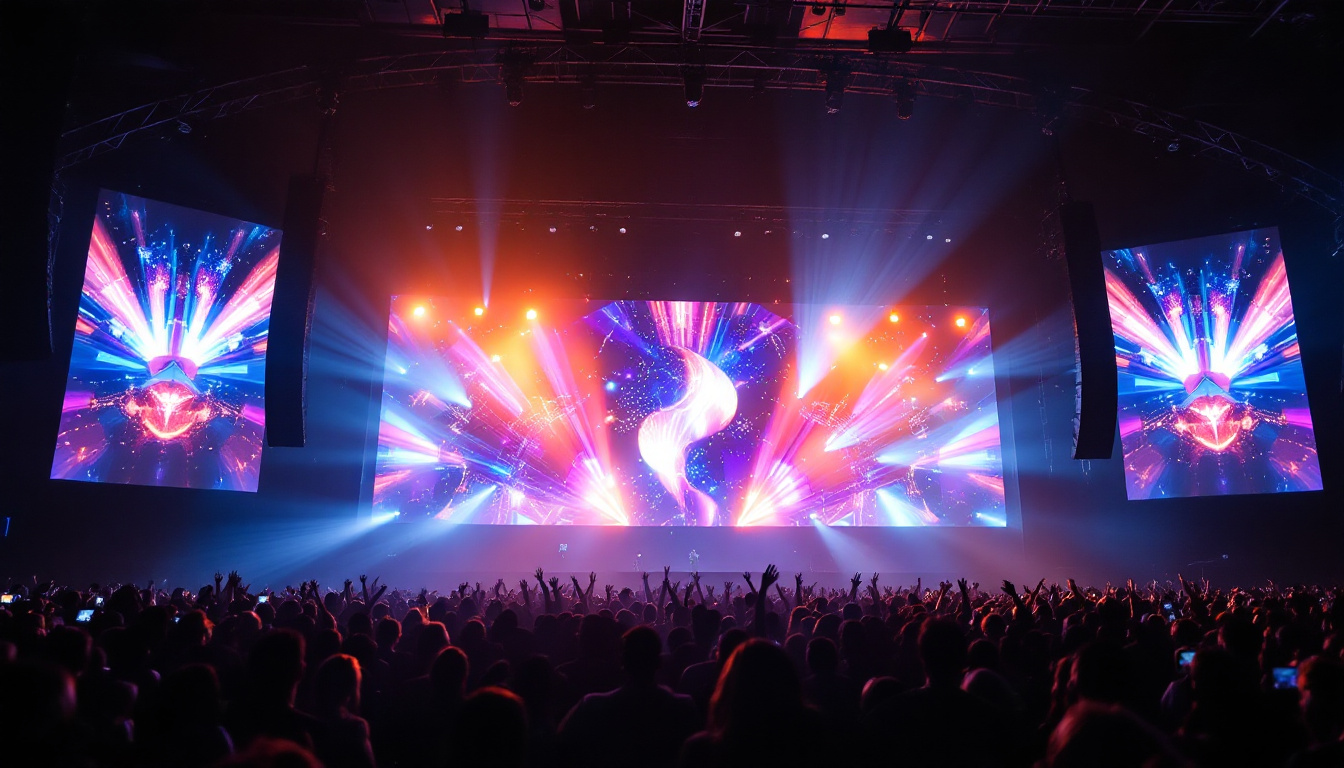
The control system adjusts the brightness and color of each LED in real-time, enabling dynamic content that can range from static images to full-motion video. Advanced displays use technologies like pulse-width modulation (PWM) to regulate brightness precisely, ensuring vivid colors and smooth transitions. This capability allows for the seamless integration of advertising, live events, and interactive installations, making LED displays a versatile tool for engaging audiences in various settings.
Moreover, many modern LED displays are equipped with smart technology that allows for remote monitoring and management. This feature enables operators to update content, diagnose issues, and adjust settings from anywhere in the world, significantly enhancing operational efficiency. The integration of IoT (Internet of Things) capabilities further expands the potential applications of LED displays, allowing them to interact with other smart devices and systems for a more cohesive digital experience.
Types of Commercial LED Displays
Commercial LED displays come in various forms, each suited for specific applications:
- Outdoor LED Displays: Designed to withstand harsh weather conditions, these displays feature high brightness (often exceeding 5,000 nits) to remain visible even in direct sunlight. Their robust construction also includes protective coatings that guard against rain, dust, and UV damage, ensuring longevity and reliability.
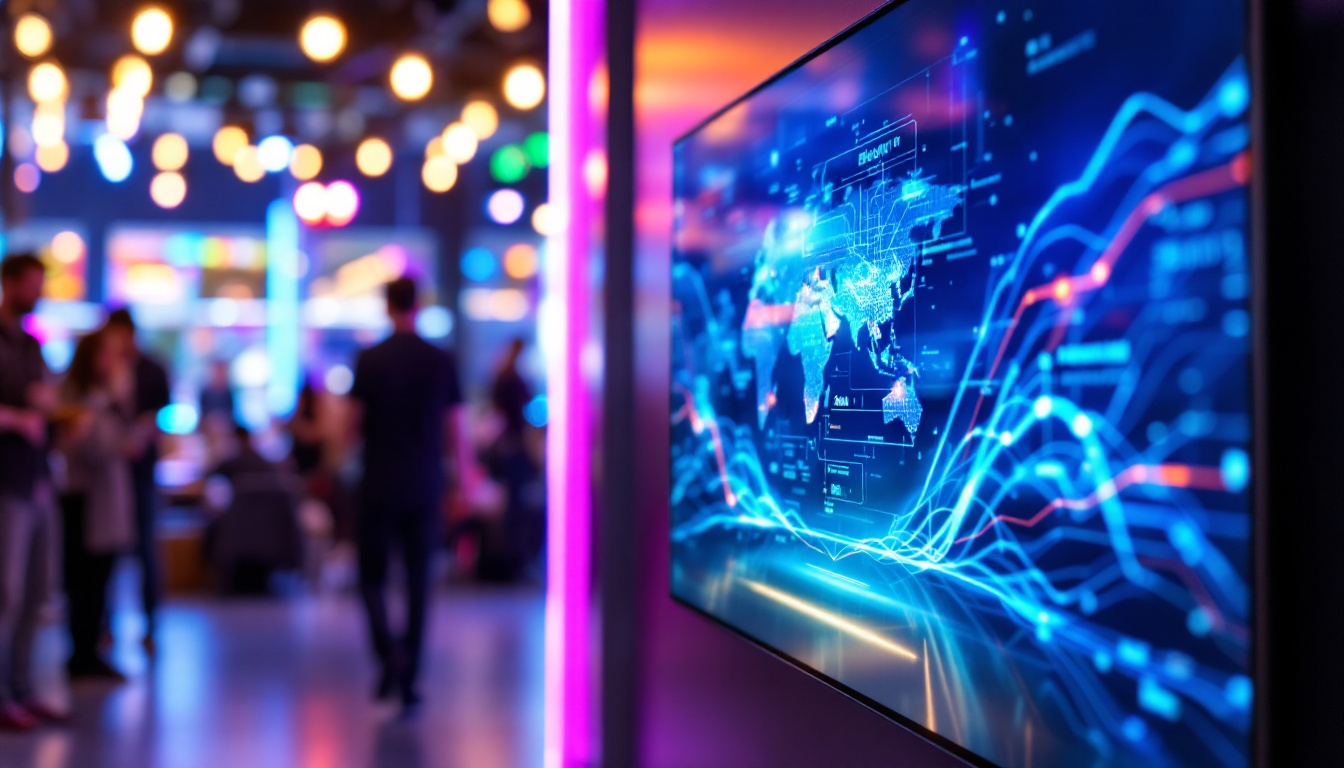
- Indoor LED Displays: Typically with lower brightness levels (around 800-1,200 nits), these are optimized for controlled lighting environments like retail stores, airports, and conference halls. Indoor displays often feature higher pixel densities, allowing for closer viewing distances without sacrificing image clarity.
- Transparent LED Displays: These innovative screens allow light to pass through, making them perfect for glass facades and storefront windows without obstructing views. This technology not only enhances aesthetic appeal but also offers businesses a unique way to display advertisements while maintaining visibility into their premises.
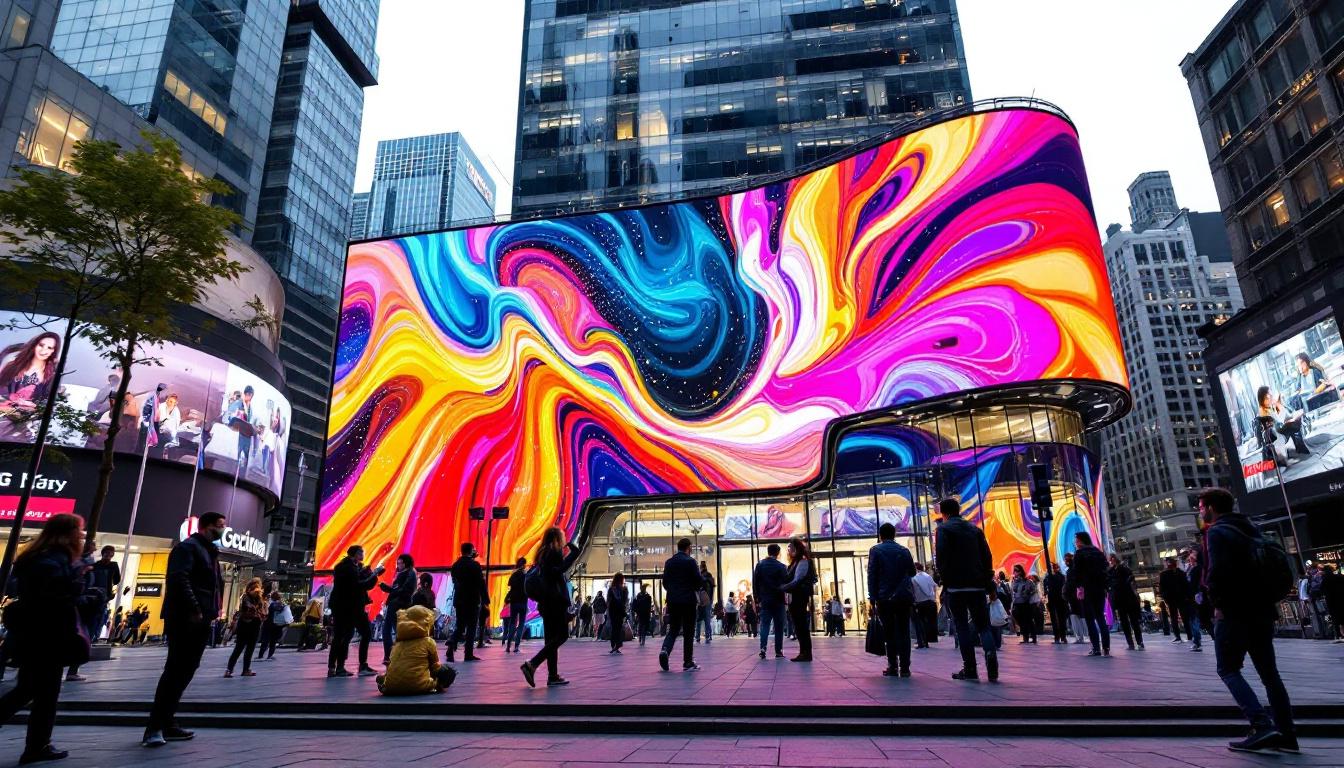
- Flexible and Curved LED Displays: Offering creative freedom, these can be bent or curved to fit unique architectural designs or artistic installations. Their adaptability makes them popular in high-end retail environments, museums, and entertainment venues where traditional flat screens may not suffice.
- High-Resolution LED Displays: With advancements in technology, high-resolution displays have become increasingly popular, providing stunning visuals with incredible detail. These displays are ideal for applications such as broadcasting, digital signage, and immersive experiences, where clarity and color accuracy are paramount.
Applications of Commercial LED Displays
Advertising and Marketing
One of the most prominent uses of commercial LED displays is in advertising. According to recent market research, the global digital out-of-home (DOOH) advertising market is expected to grow at a compound annual growth rate (CAGR) of over 10% through 2028, driven largely by LED display adoption.
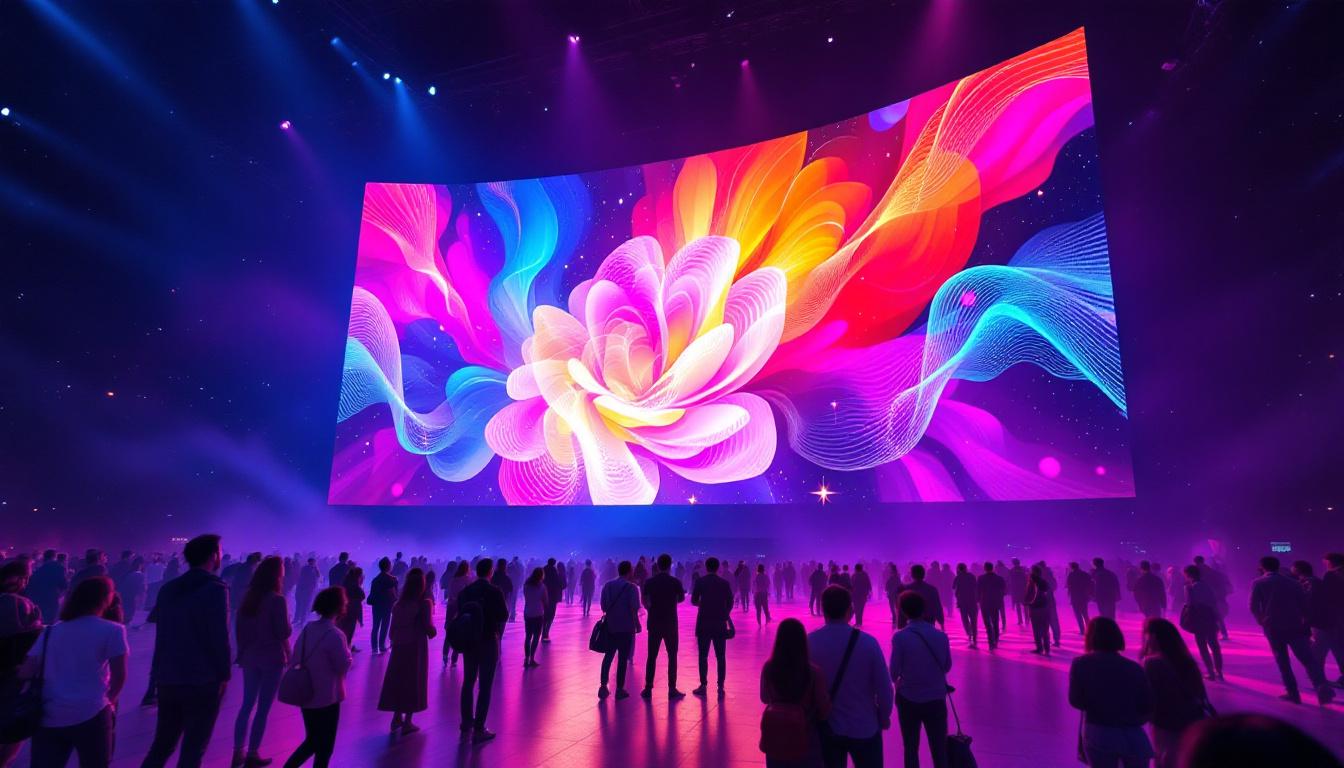
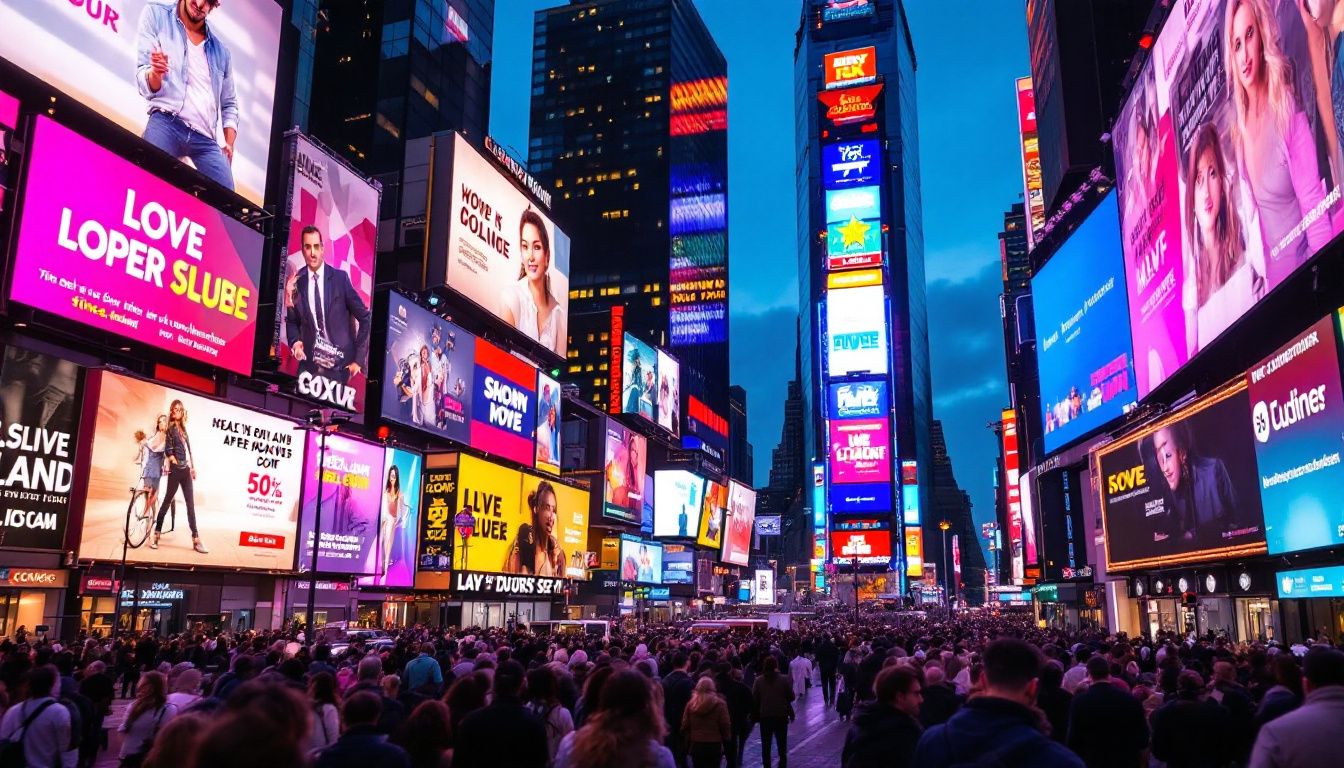
LED billboards and signage capture attention with vibrant colors and motion, significantly increasing brand visibility and engagement. For example, Times Square in New York City is renowned for its massive LED screens that showcase advertisements from global brands, creating an immersive visual experience for millions of passersby daily.
Retail and Hospitality
In retail environments, LED displays enhance customer experience by delivering dynamic promotions, product information, and interactive content. Studies have shown that digital signage can increase customer dwell time by up to 30%, which often translates into higher sales.
Hotels, restaurants, and entertainment venues use LED displays for wayfinding, event announcements, and ambiance creation. The ability to quickly update content allows businesses to tailor messaging to different times of day or special occasions.
Transportation and Public Spaces
LED displays are integral to modern transportation hubs such as airports, train stations, and bus terminals. They provide real-time information on schedules, delays, and safety announcements, improving passenger experience and operational efficiency.
In public spaces, LED displays serve as platforms for community messaging, emergency alerts, and cultural events. Their high visibility and adaptability make them invaluable tools for municipal authorities and event organizers.
Corporate and Educational Environments
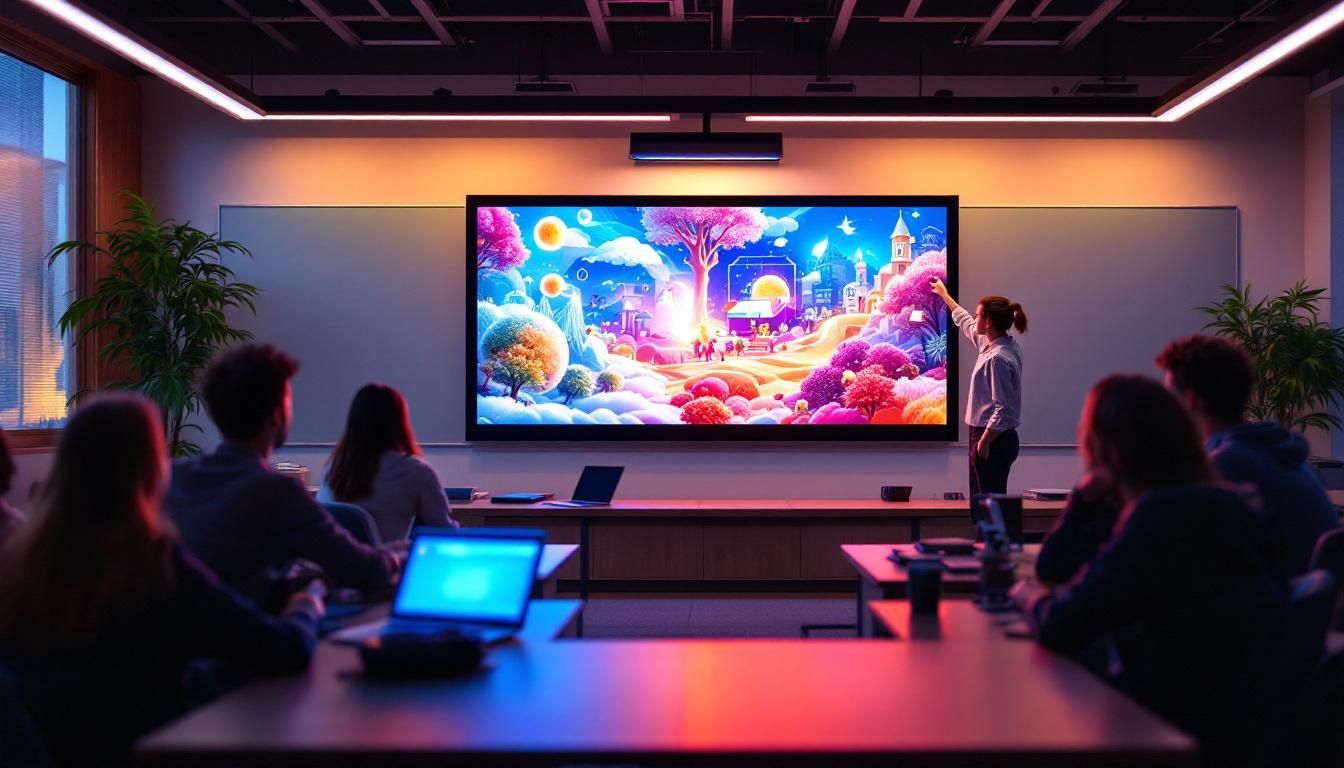
Businesses utilize LED displays for internal communications, presentations, and digital noticeboards. Large conference rooms and auditoriums often feature LED walls to facilitate immersive meetings and product launches.
Educational institutions employ LED displays for digital signage, event promotion, and interactive learning tools, fostering a modern and engaging campus atmosphere.
Benefits of Commercial LED Displays
High Visibility and Brightness
One of the primary advantages of LED displays is their exceptional brightness, which can range from 800 nits indoors to over 7,000 nits outdoors. This ensures that content remains clear and legible even under direct sunlight or in brightly lit environments, a critical factor for outdoor advertising and public information systems.
Energy Efficiency and Longevity
LED technology is inherently energy-efficient compared to traditional lighting and display methods. Commercial LED displays consume significantly less power, reducing operational costs. Additionally, LEDs have a long lifespan, often exceeding 100,000 hours, which minimizes maintenance and replacement expenses.
Flexibility and Customization
LED displays are highly customizable in terms of size, shape, resolution, and pixel pitch (the distance between individual LEDs). This flexibility allows businesses to design displays that perfectly fit their spatial and branding requirements, from small indoor screens to massive outdoor billboards.
Dynamic and Real-Time Content
Unlike static signage, LED displays enable real-time content updates, allowing businesses to adapt messaging quickly. This capability is invaluable for time-sensitive promotions, emergency alerts, or interactive campaigns that respond to audience engagement.
Durability and Weather Resistance
Commercial LED displays, especially those designed for outdoor use, are built to withstand harsh environmental conditions including rain, wind, dust, and extreme temperatures. This durability ensures reliable performance over time, even in challenging settings.
Key Considerations When Choosing a Commercial LED Display
Pixel Pitch and Resolution
Pixel pitch is a critical factor affecting image clarity. It refers to the distance between the centers of two adjacent LEDs. A smaller pixel pitch means higher resolution and sharper images, which is especially important for indoor displays viewed at close range.
For outdoor displays, a larger pixel pitch is acceptable because viewers typically observe the screen from a greater distance. Selecting the appropriate pixel pitch ensures optimal visual quality without unnecessary cost.
Brightness and Viewing Distance
Brightness requirements vary depending on the installation environment. Outdoor displays require higher brightness levels to combat sunlight glare, while indoor screens can operate effectively at lower brightness, conserving energy.
Understanding the typical viewing distance also informs brightness and resolution decisions. For example, a roadside billboard viewed from 100 meters away needs different specifications than a retail display seen from a few meters.
Installation and Maintenance
Installation complexity can vary widely based on the display size, location, and mounting requirements. Businesses should consider access for maintenance, ventilation, and power supply logistics during the planning phase.
Regular maintenance is essential to ensure longevity and performance. Choosing displays with modular designs facilitates easier repairs and component replacements.
Content Management Systems (CMS)
A robust CMS is vital for managing and scheduling content on LED displays. Modern systems offer user-friendly interfaces, remote management capabilities, and integration with various media formats.
Businesses should select CMS platforms that align with their technical expertise and content strategy to maximize the display’s impact.
Cost and Return on Investment (ROI)
While the initial investment in commercial LED displays can be significant, the long-term benefits often justify the expense. Energy savings, increased customer engagement, and enhanced brand visibility contribute to a strong ROI.
It is advisable to conduct a thorough cost-benefit analysis, factoring in installation, maintenance, and content production costs alongside anticipated revenue or operational improvements.
Emerging Trends in Commercial LED Displays
Mini-LED and Micro-LED Technologies
Recent advancements have introduced mini-LED and micro-LED displays, which use smaller diodes to achieve even higher resolutions and better contrast ratios. These technologies promise enhanced image quality and energy efficiency, expanding the possibilities for commercial applications.
Interactive and Touch-Enabled Displays
Interactive LED displays are gaining traction, allowing users to engage directly with content through touch or gesture controls. This interactivity enhances customer experience in retail, hospitality, and public information contexts.
Integration with IoT and AI
Integration with Internet of Things (IoT) devices and artificial intelligence (AI) enables dynamic content personalization based on audience demographics, weather conditions, or real-time data analytics. Such smart displays optimize content relevance and effectiveness.
Sustainability and Eco-Friendly Solutions
As sustainability becomes a priority, manufacturers are developing LED displays with recyclable materials, lower power consumption, and environmentally friendly production processes. These innovations align with corporate social responsibility goals and regulatory requirements.
Conclusion
Commercial LED displays represent a powerful medium for communication in diverse sectors, combining technological sophistication with practical benefits. Their ability to deliver bright, dynamic, and customizable content makes them indispensable tools for advertising, information sharing, and engagement.
By understanding the underlying technology, applications, and key selection criteria, businesses can make informed decisions that maximize the impact and return on investment of their LED display installations. As innovations continue to evolve, commercial LED displays will undoubtedly play an increasingly prominent role in shaping the visual landscape of the future.
Discover LumenMatrix’s Innovative LED Solutions
Ready to elevate your visual communication strategy with the latest in LED display technology? LumenMatrix is at the forefront of creating immersive and dynamic visual experiences that captivate audiences and amplify your brand’s presence. From Indoor and Outdoor LED Wall Displays to specialized solutions like Vehicle, Sports, and Floor LED Displays, our extensive range ensures that your message resonates with clarity and impact. Embrace the future of digital signage with LumenMatrix’s custom and all-in-one LED display solutions. Check out LumenMatrix LED Display Solutions today and transform the way you engage with your audience.