In the world of digital signage and display technology, LED displays have become a cornerstone for delivering vibrant, high-impact visuals. Among the various specifications that define LED displays, the term “0.9 LED” often appears, especially in contexts involving pixel pitch and resolution. This article delves into what “0.9 LED” means, its significance in LED display technology, and why it matters for industries ranging from advertising to live events.
Understanding LED Display Basics
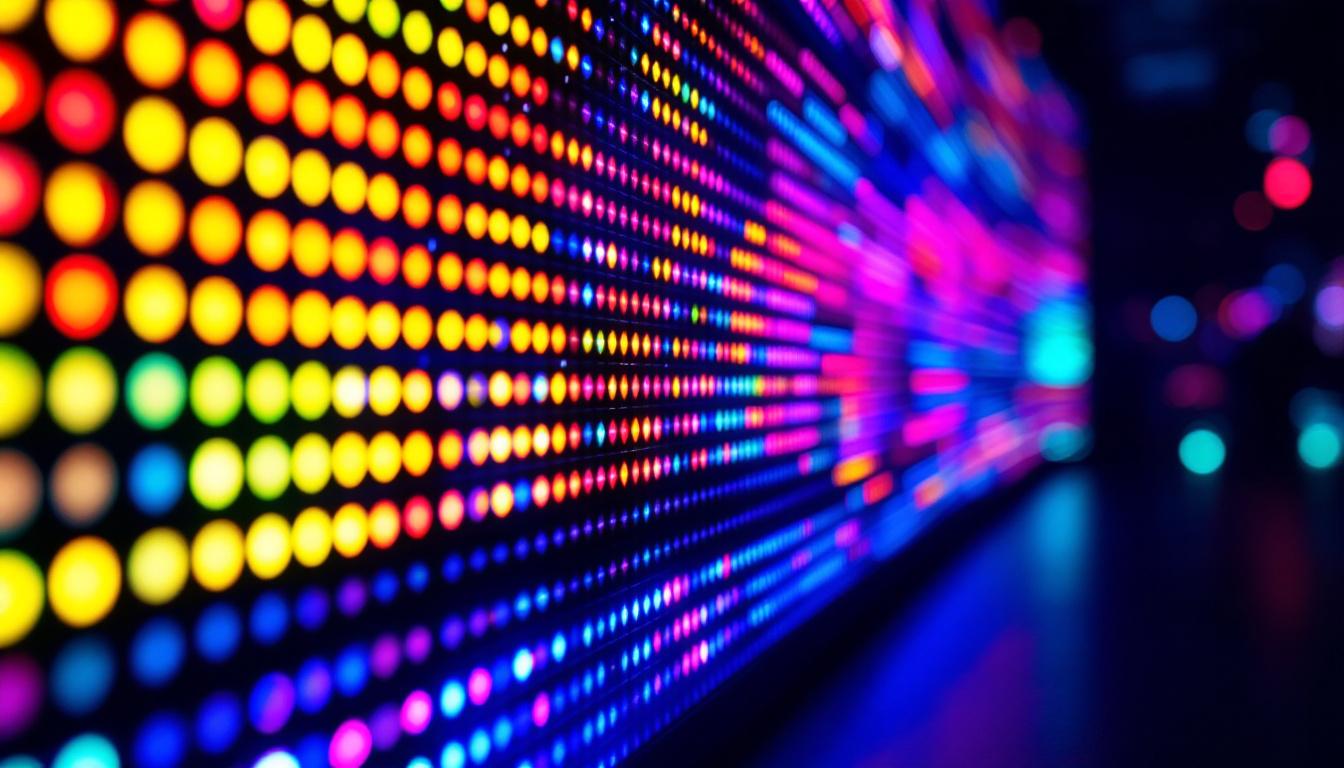
LED, or Light Emitting Diode, displays are composed of numerous tiny diodes that emit light when an electric current passes through them. These diodes are arranged in a matrix to form pixels, which collectively produce images, videos, or text on the screen. LED displays are favored for their brightness, energy efficiency, and ability to produce vivid colors even in outdoor environments. The technology behind LED displays has advanced significantly over the years, leading to innovations such as organic LEDs (OLEDs) and quantum dot displays, which further enhance color accuracy and contrast ratios.
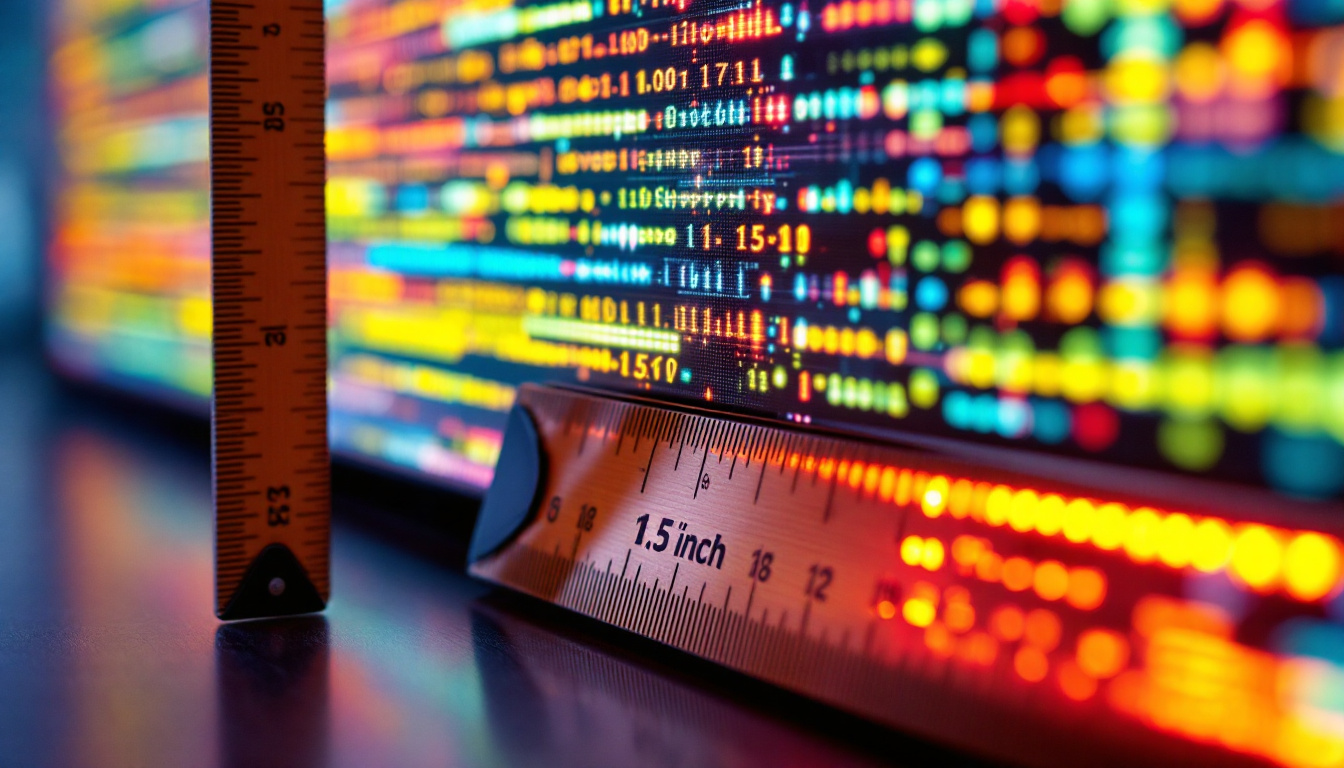
One of the key factors that determine the quality and clarity of an LED display is the pixel pitch. Pixel pitch refers to the distance between the centers of two adjacent pixels, usually measured in millimeters. A smaller pixel pitch means pixels are closer together, resulting in higher resolution and sharper images, especially when viewed up close. This characteristic is particularly important in environments where detail is crucial, such as in medical imaging or high-definition video production, where every pixel counts in delivering a clear and accurate representation of the content being displayed.
What Does “0.9 LED” Mean?
The term “0.9 LED” typically refers to an LED display with a pixel pitch of 0.9 millimeters. This means the distance between the centers of adjacent pixels is 0.9 mm. Such a fine pixel pitch is considered ultra-fine and is part of the category known as “fine-pitch LED displays.” The advancements in manufacturing techniques have made it possible to produce these ultra-fine displays at a more affordable price, allowing a wider range of industries to adopt this technology.
Fine-pitch LED displays, especially those with pixel pitches below 1 mm, have revolutionized indoor digital signage by providing near-retina quality visuals. A 0.9 mm pixel pitch display can deliver extremely sharp images, making it suitable for applications where viewers are close to the screen, such as control rooms, broadcast studios, and high-end retail environments. Additionally, these displays often come equipped with advanced features such as high refresh rates and wide viewing angles, ensuring that the content remains vibrant and clear from various perspectives. As a result, they are increasingly being used in immersive environments such as museums and exhibitions, where engaging and high-quality visual experiences are paramount to capturing the audience’s attention.
The Importance of Pixel Pitch in LED Displays
Pixel pitch is arguably the most critical specification when selecting an LED display because it directly impacts image clarity and viewing distance. For example, a display with a 0.9 mm pixel pitch will have a much higher pixel density than one with a 3 mm pixel pitch, resulting in finer detail and smoother images.
To put it into perspective, a 0.9 mm pitch LED display contains approximately 1,234,568 pixels per square meter, whereas a 3 mm pitch display contains only about 111,111 pixels per square meter. This difference in pixel density means that the 0.9 mm display can render images with significantly more detail.
Optimal Viewing Distances
Each pixel pitch corresponds to an optimal viewing distance. For a 0.9 mm pixel pitch display, the ideal viewing distance is typically around 0.9 meters (approximately 3 feet) or more. At this distance, the human eye perceives a seamless image without noticing individual pixels.
Displays with larger pixel pitches, such as 4 mm or 6 mm, are better suited for viewing from several meters away. This is why outdoor billboards, which are viewed from a distance, often use larger pixel pitches to reduce cost while maintaining visual impact.
Understanding pixel pitch is also essential for specific applications. For instance, in environments like control rooms or broadcast studios, where precision is paramount, a finer pixel pitch is necessary to ensure that every detail is visible. Conversely, in settings such as sports arenas or large event venues, where the audience is spread out over a wide area, a larger pixel pitch can effectively deliver vibrant visuals without the need for excessive pixel density. This strategic selection not only enhances the viewer experience but also optimizes the cost-effectiveness of the installation.
Moreover, advancements in LED technology have led to the development of ultra-fine pixel pitch displays, which can go as low as 0.5 mm or even lower. These displays are becoming increasingly popular in high-end applications such as retail environments and art installations, where visual fidelity is critical. The ability to create immersive experiences with stunning detail allows brands to captivate their audience, making pixel pitch an essential consideration in modern display technology.
Applications of 0.9 mm LED Displays
The ultra-fine pixel pitch of 0.9 mm LED displays opens up a range of applications where image quality and detail are paramount. These displays are predominantly used indoors due to their high resolution and brightness capabilities.
Broadcast and Control Rooms
Broadcast studios require high-definition displays to monitor live feeds and graphics with precision. A 0.9 mm LED display provides the clarity needed for detailed video playback and real-time data visualization, enabling operators to make informed decisions quickly.
Similarly, control rooms in industries such as transportation, utilities, and security benefit from ultra-fine LED displays that present complex information clearly, improving situational awareness and operational efficiency.
Corporate and Retail Environments
In corporate settings, 0.9 mm LED displays are used for presentations, video conferencing, and digital signage that demands high resolution. Their ability to display crisp text and detailed images enhances communication and engagement during meetings and events.
Retail environments leverage these displays to create immersive shopping experiences. Ultra-fine LED screens can showcase product details and promotional content with exceptional clarity, attracting customers and boosting brand perception.
Entertainment and Events
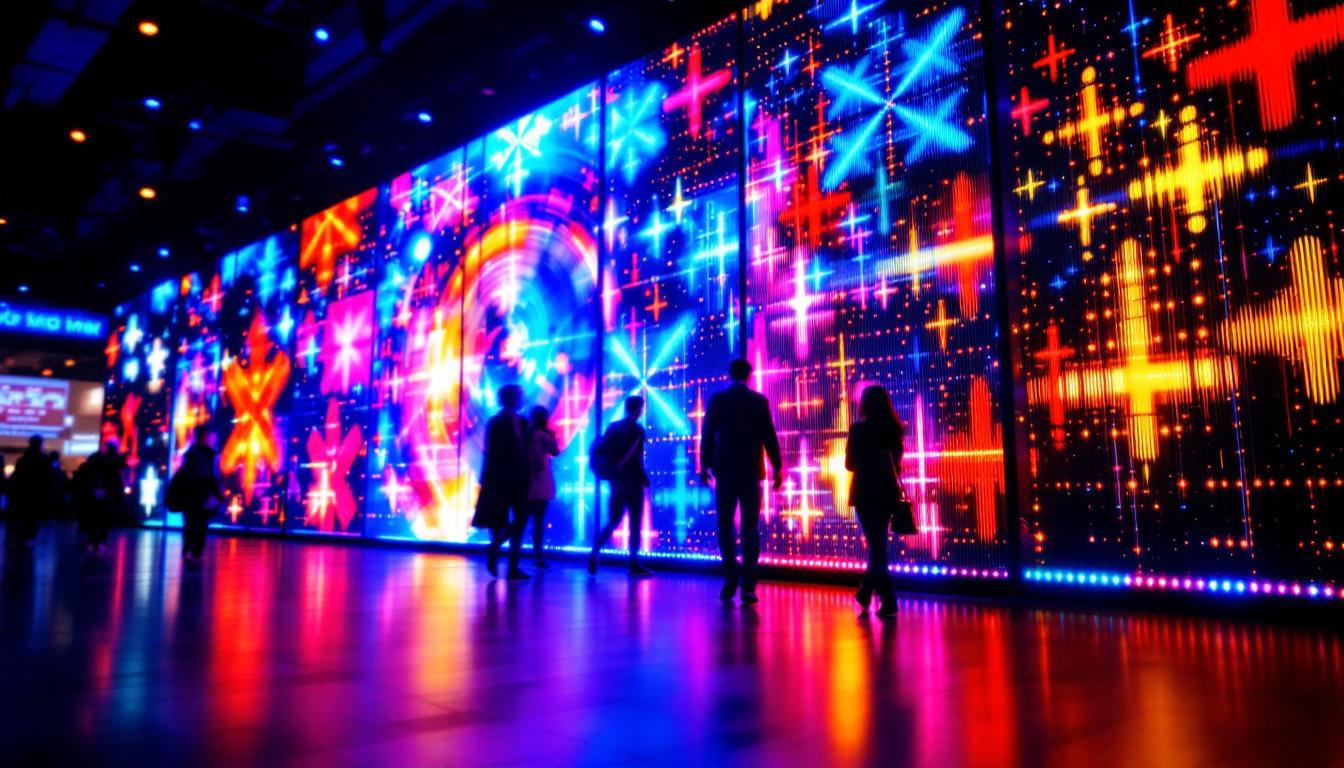
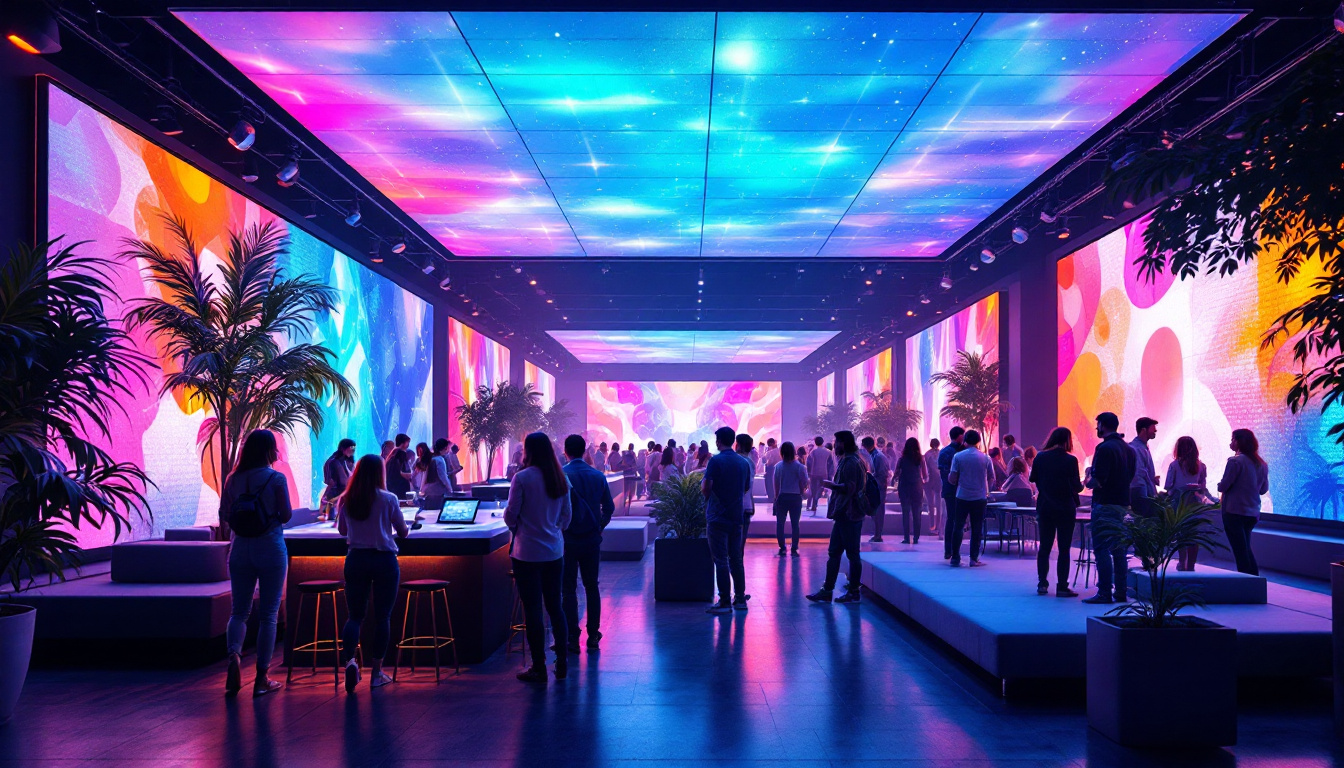
Live events, concerts, and exhibitions increasingly incorporate 0.9 mm LED displays to deliver dynamic visuals that captivate audiences. Their fine pixel pitch allows for close-up viewing without loss of image quality, making them ideal for stage backdrops and interactive installations.
Technical Considerations and Challenges
While 0.9 mm LED displays offer impressive image quality, they also come with technical challenges and considerations that must be addressed during selection and installation.
Cost and Complexity
Fine-pitch LED displays are more expensive to manufacture and install compared to larger pitch displays. The smaller pixel size requires more LEDs per square meter, increasing material costs. Additionally, the assembly and calibration processes are more intricate, demanding skilled technicians.
Maintenance can also be more challenging due to the density of components, which may require specialized tools and expertise to service without damaging the display.
Heat Dissipation and Power Consumption
The high density of LEDs in a 0.9 mm display generates more heat, necessitating efficient cooling solutions to maintain performance and longevity. Manufacturers often integrate advanced heat sinks and ventilation systems to manage thermal output.
Despite the increased number of LEDs, advances in LED technology have improved energy efficiency, but power consumption remains higher than that of larger pitch displays. This factor should be considered when planning installation in environments with power constraints.
Installation Environment
Because 0.9 mm LED displays are primarily designed for indoor use, environmental factors such as humidity, dust, and temperature must be controlled to prevent damage and ensure optimal performance. Outdoor use is generally discouraged unless the display is specifically engineered for such conditions with protective enclosures.
Comparing 0.9 mm LED Displays with Other Technologies
To fully appreciate the advantages of 0.9 mm LED displays, it is useful to compare them with other display technologies such as LCD video walls and OLED panels.
LED vs. LCD Video Walls
LCD video walls have long been popular for indoor digital signage due to their affordability and ease of installation. However, they suffer from visible bezels between panels, which can disrupt the viewing experience. In contrast, 0.9 mm LED displays offer a seamless surface with no visible gaps, creating a more immersive visual.
Moreover, LED displays typically provide higher brightness levels and better contrast ratios, making them more versatile for various lighting conditions.
LED vs. OLED Displays
OLED displays are known for their exceptional color accuracy and contrast, as each pixel emits its own light. However, OLED panels are generally limited in size and can be more expensive for large-format applications.
0.9 mm LED displays can be scaled to much larger sizes without loss of image quality, making them ideal for expansive video walls and large-format installations. Additionally, LED displays tend to have longer lifespans and are less prone to burn-in issues compared to OLEDs.
Future Trends in Fine-Pitch LED Technology
The LED display industry continues to innovate, pushing the boundaries of pixel pitch and image quality. Displays with pixel pitches below 0.9 mm are emerging, offering even higher resolutions for specialized applications.
Technological advancements such as mini-LED and micro-LED are also influencing the market. Micro-LED technology, for example, promises even greater brightness, efficiency, and lifespan by utilizing microscopic LEDs, potentially surpassing current fine-pitch LED capabilities.
Furthermore, integration with AI and IoT technologies is enhancing the functionality of LED displays, enabling smarter content management and interactive experiences tailored to audience behavior.
Conclusion
The 0.9 mm LED display represents a significant milestone in the evolution of digital display technology, offering ultra-fine pixel pitch and exceptional image quality. Its applications span diverse industries where high resolution and close viewing distances are essential.
While the cost and technical demands of 0.9 mm LED displays are higher than those of larger pitch alternatives, the benefits in visual performance and versatility often justify the investment. As technology continues to advance, fine-pitch LED displays will remain at the forefront of delivering immersive and impactful visual experiences.
Discover LumenMatrix’s Advanced LED Display Solutions
As you consider the remarkable capabilities and applications of 0.9 mm LED displays, LumenMatrix stands ready to elevate your visual experience. Our commitment to innovation in LED display technology ensures that your message is not just seen, but truly experienced. From vibrant Indoor LED Wall Displays to dynamic Outdoor LED Wall Displays, and from sleek LED Poster Displays to immersive LED Sports and Floor Displays, we offer a comprehensive range of solutions tailored to your needs. Embrace the future of visual communication with LumenMatrix’s Custom, All-in-One, and LED Transparent Displays. Check out LumenMatrix LED Display Solutions today and transform your space into a captivating visual journey.