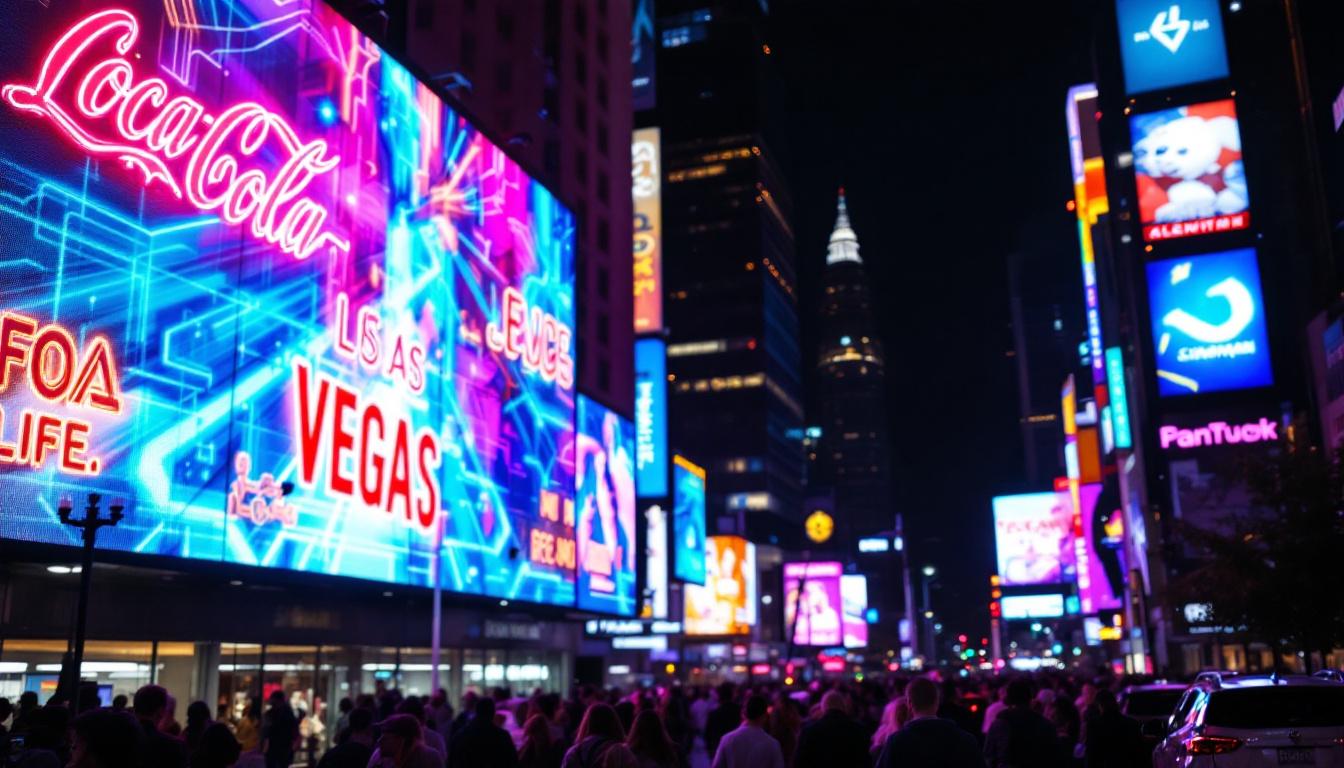
In today’s fast-paced world, LED displays have become an integral part of how information is shared, advertised, and experienced. Whether you’re traveling from Harrisburg, Pennsylvania to Las Vegas, Nevada, or simply curious about the technology behind the vibrant screens that light up cities and events, understanding LED displays is essential. This article delves into the fundamentals of LED display technology, its applications, and why it has revolutionized visual communication across the United States and beyond.
What is an LED Display?
LED stands for Light Emitting Diode, a semiconductor device that emits light when an electric current passes through it. An LED display is a flat panel display that uses an array of these diodes to produce images, videos, and text. Unlike traditional screens that rely on backlighting, LED displays generate their own light, resulting in brighter, more vibrant visuals with higher energy efficiency. This self-illuminating feature not only enhances the viewing experience but also allows for thinner and lighter designs, making LED displays ideal for a wide range of applications.
These displays come in various forms, including indoor and outdoor screens, flexible panels, and even transparent displays. The versatility of LED technology allows it to be used in everything from small digital billboards in Harrisburg to massive video walls on the Las Vegas Strip. Furthermore, the durability of LED displays makes them suitable for high-traffic areas, where they can withstand environmental factors such as rain or extreme temperatures, ensuring that the content remains visible and engaging regardless of the conditions.
How LEDs Work
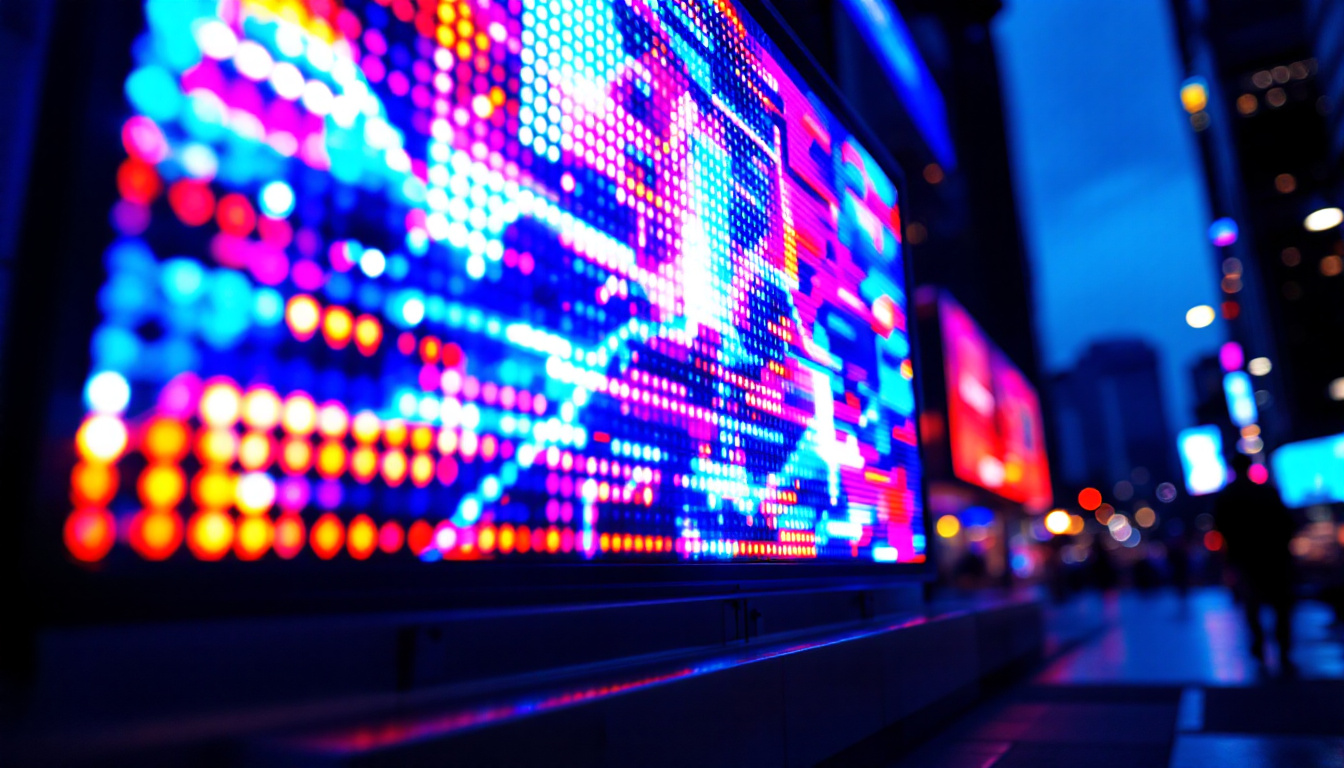
At the core of an LED display are thousands or even millions of tiny LEDs, each acting as a pixel. By controlling the intensity and color of each LED, the display can render complex images and videos. Modern LED displays utilize red, green, and blue (RGB) LEDs combined in different intensities to create a full spectrum of colors. This RGB combination not only allows for vivid imagery but also enables the display to produce a wide range of shades and tones, enhancing the overall visual fidelity.
One key advantage of LEDs is their ability to switch on and off rapidly, enabling smooth motion and dynamic content. This capability is crucial for applications such as live event screens, digital signage, and advertising billboards. Moreover, advancements in LED technology have led to the development of high-definition and ultra-high-definition displays, which provide even greater clarity and detail. As a result, LED displays are increasingly being adopted in various sectors, including entertainment, retail, and transportation, where high-quality visuals are essential for capturing audience attention and delivering impactful messages.
From Harrisburg to Las Vegas: The Role of LED Displays in Urban Landscapes
Both Harrisburg and Las Vegas are vibrant cities with unique characteristics, yet LED displays play a significant role in shaping their public spaces. Understanding how these cities utilize LED technology offers insight into the broader impact of this technology on urban environments.
LED Displays in Harrisburg, Pennsylvania
Harrisburg, the capital of Pennsylvania, is known for its historical significance and government institutions. While it may not be as flashy as Las Vegas, the city has embraced LED technology in various ways. LED displays are commonly found in public transportation hubs, government buildings, and retail centers.
For example, the Harrisburg Transportation Center uses LED signage to provide real-time updates on train and bus schedules, enhancing commuter experience. Local businesses also utilize LED billboards and storefront displays to attract customers with dynamic promotions and announcements.
The Spectacle of LED in Las Vegas, Nevada
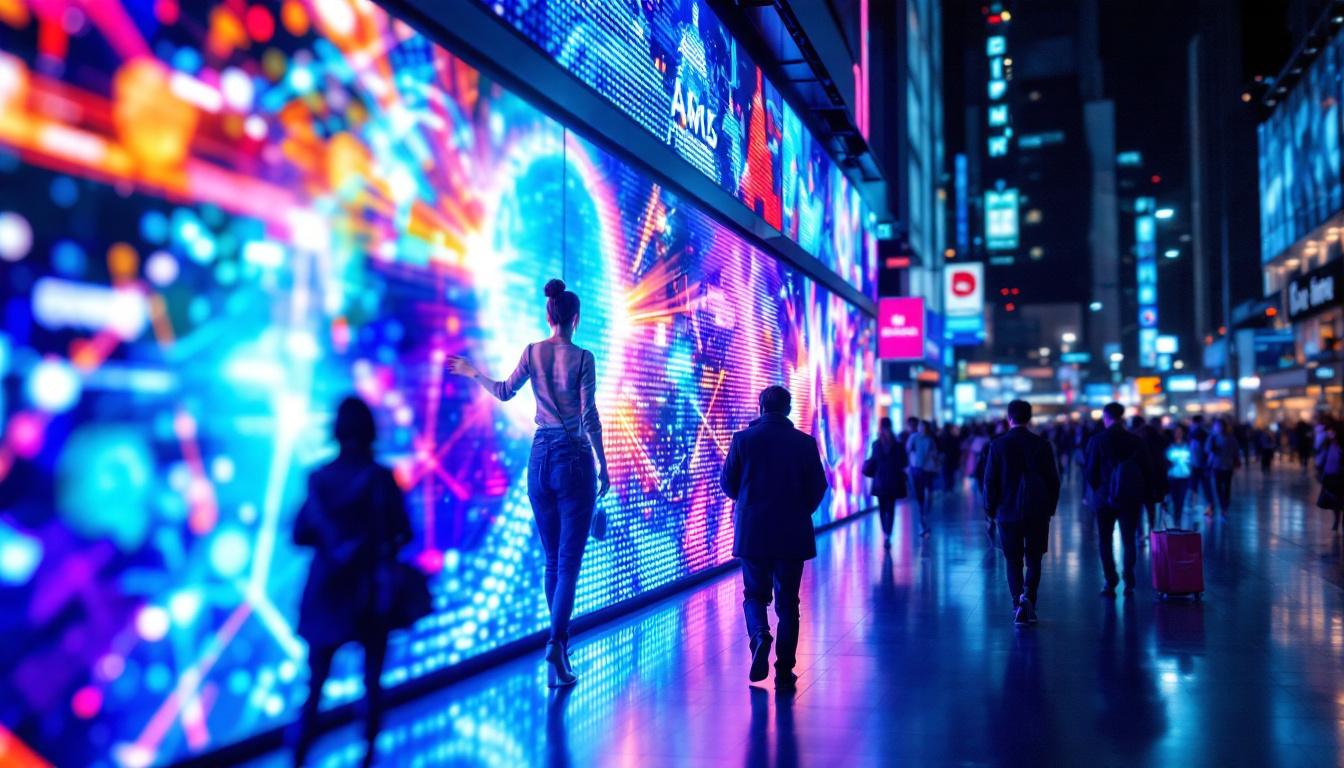
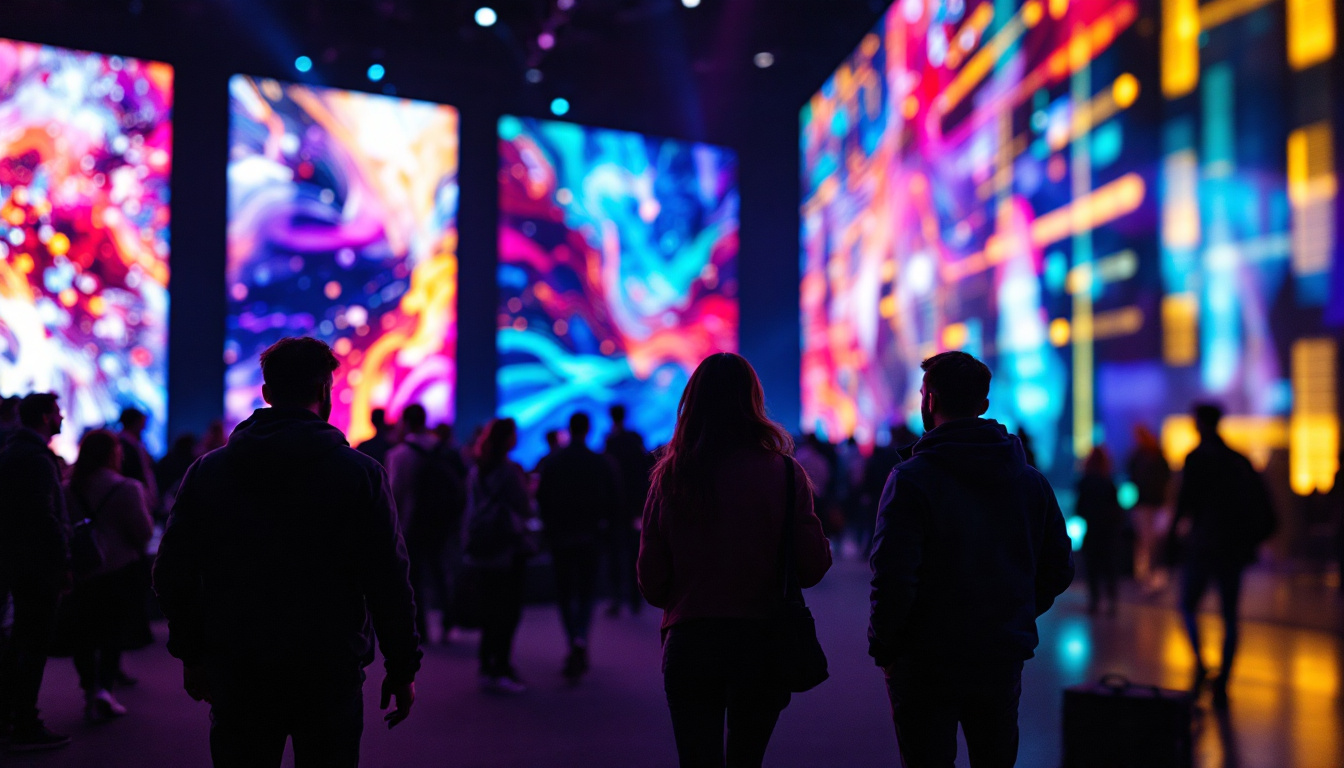
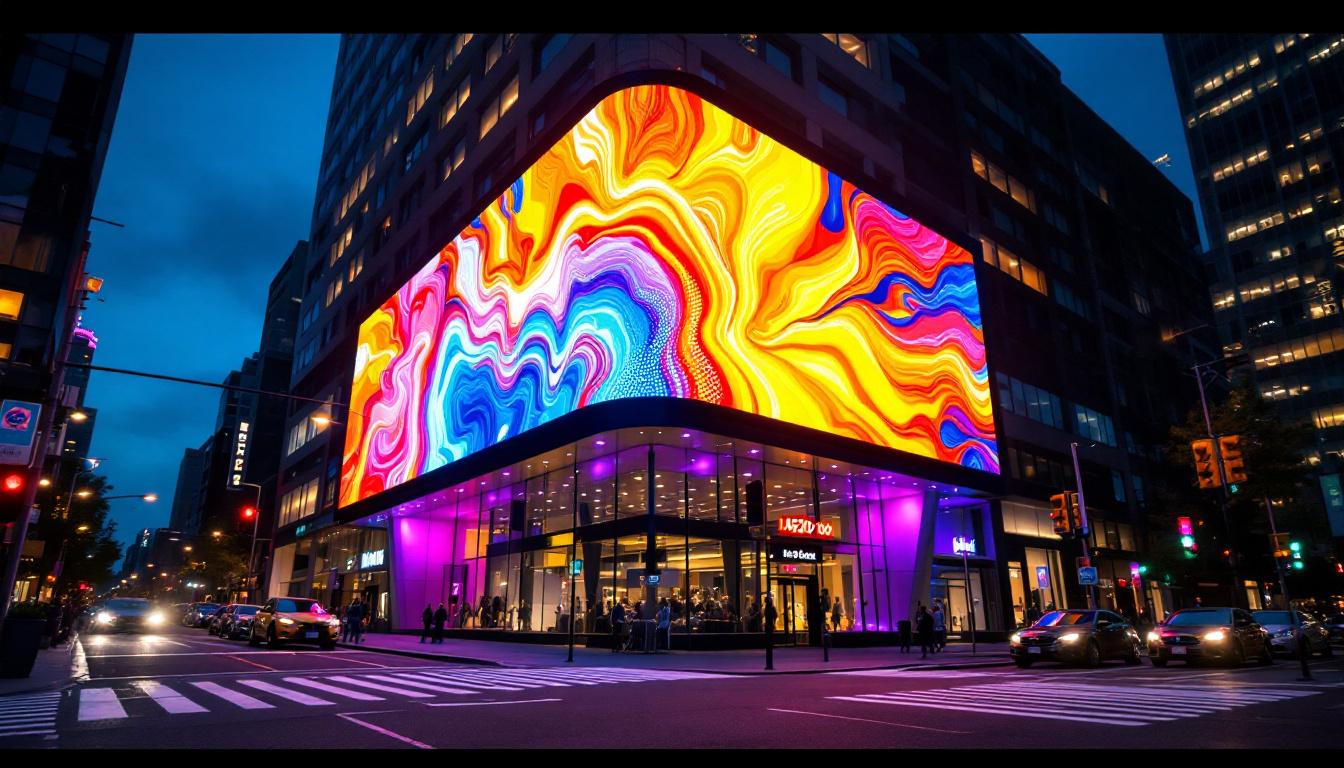
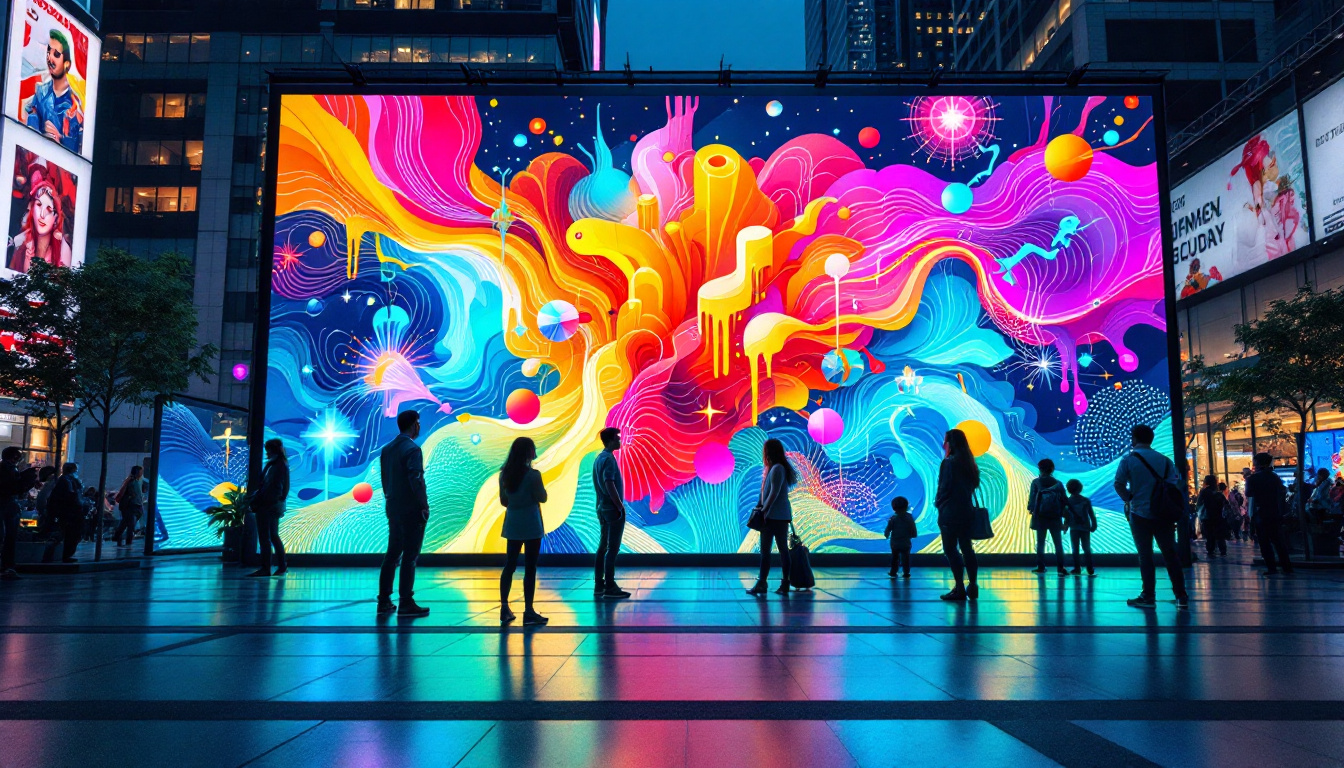
Las Vegas is synonymous with dazzling lights and entertainment. The city’s famous Strip is lined with massive LED video walls that create immersive visual experiences for millions of visitors annually. From the iconic Fremont Street Experience to the towering displays on casino facades, LED technology is at the heart of Las Vegas’s appeal.
These displays are not only used for advertising but also for live event broadcasting, interactive art installations, and even architectural lighting. The scale and creativity of LED applications in Las Vegas set a global standard for urban visual communication.
Technical Aspects of LED Displays
To fully appreciate LED displays, it’s important to understand some of the technical components that influence their performance and application.
Pixel Pitch and Resolution
Pixel pitch refers to the distance between the centers of two adjacent pixels, typically measured in millimeters. A smaller pixel pitch means higher resolution and sharper images, which is especially important for indoor displays viewed up close.
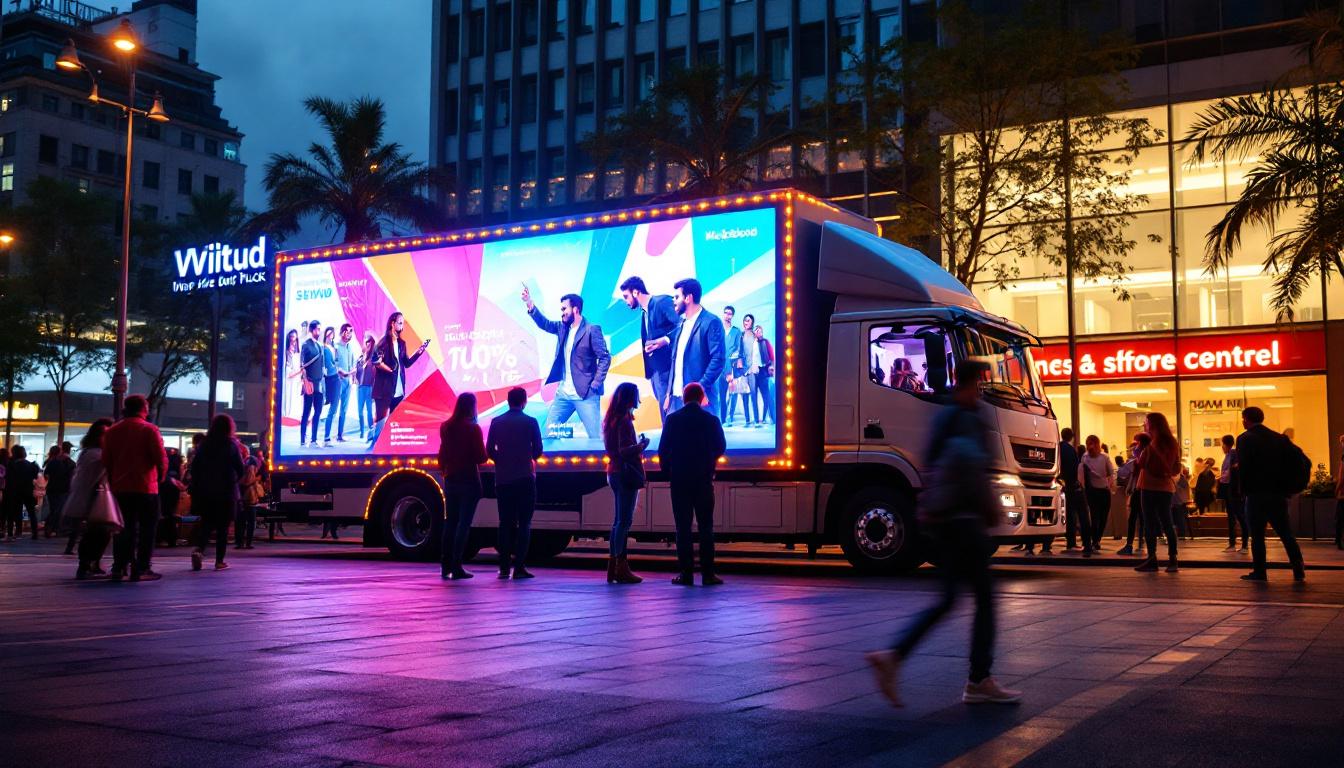
Outdoor LED displays, such as those in Las Vegas, often have larger pixel pitches to ensure visibility from a distance. For example, a 10mm pixel pitch is common for large outdoor billboards, while indoor screens might use a 2mm pitch or less for crisp detail.
Brightness and Contrast
Brightness is measured in nits and determines how well an LED display can be seen under various lighting conditions. Outdoor displays require high brightness levels, often exceeding 5,000 nits, to remain visible in direct sunlight.
Contrast ratio, the difference between the darkest black and brightest white, affects image quality and depth perception. LED displays typically have excellent contrast ratios due to their self-emissive nature, producing vivid and lifelike visuals.
Durability and Weather Resistance
Outdoor LED displays must withstand harsh weather conditions including rain, wind, dust, and temperature fluctuations. High-quality LED panels are designed with protective coatings and robust enclosures to ensure longevity and reliable performance.
In cities like Las Vegas, where intense sunlight and desert conditions prevail, these durability features are critical. Similarly, in Harrisburg, LED displays are engineered to handle seasonal changes from hot summers to snowy winters.
Applications of LED Displays Along the Harrisburg to Las Vegas Route
The journey from Harrisburg to Las Vegas spans approximately 2,400 miles, crossing diverse landscapes and urban centers. Along this route, LED displays serve a variety of purposes that enhance travel, commerce, and entertainment.
Transportation and Roadside Information
LED message boards are commonly used on highways and at rest stops to provide real-time traffic updates, weather alerts, and safety information. For example, travelers departing Harrisburg on Interstate 81 or Interstate 70 will encounter LED signs that help navigate traffic congestion or road work.
Similarly, as travelers approach Las Vegas via Interstate 15, LED displays offer information about upcoming exits, casino promotions, and event schedules. These dynamic signs improve driver awareness and contribute to safer, more efficient travel.
Retail and Advertising
Along the route, cities and towns utilize LED billboards to promote local businesses, tourism attractions, and community events. LED technology allows advertisers to change content quickly, target specific audiences, and deliver eye-catching visuals that static billboards cannot match.
In metropolitan areas like Harrisburg and Las Vegas, LED displays are integral to marketing strategies, driving consumer engagement and boosting economic activity.
Entertainment and Public Events
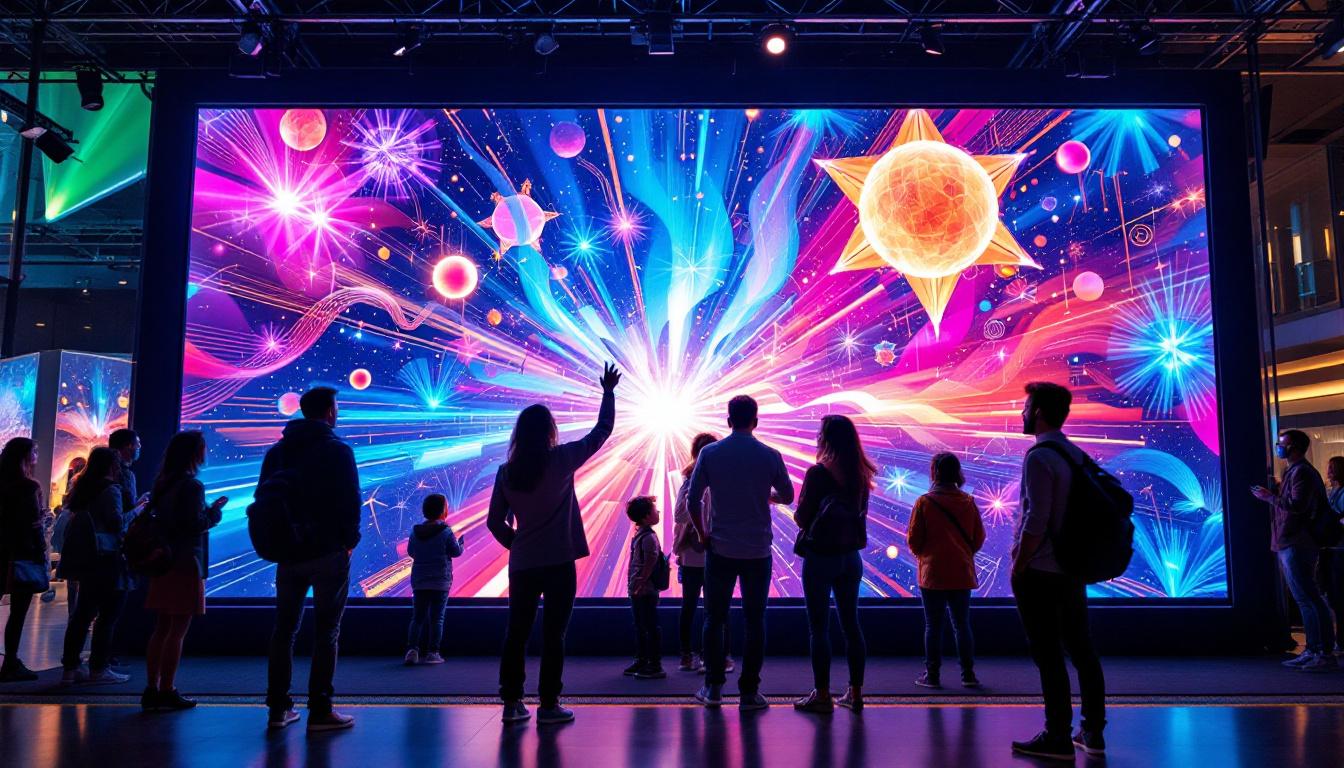
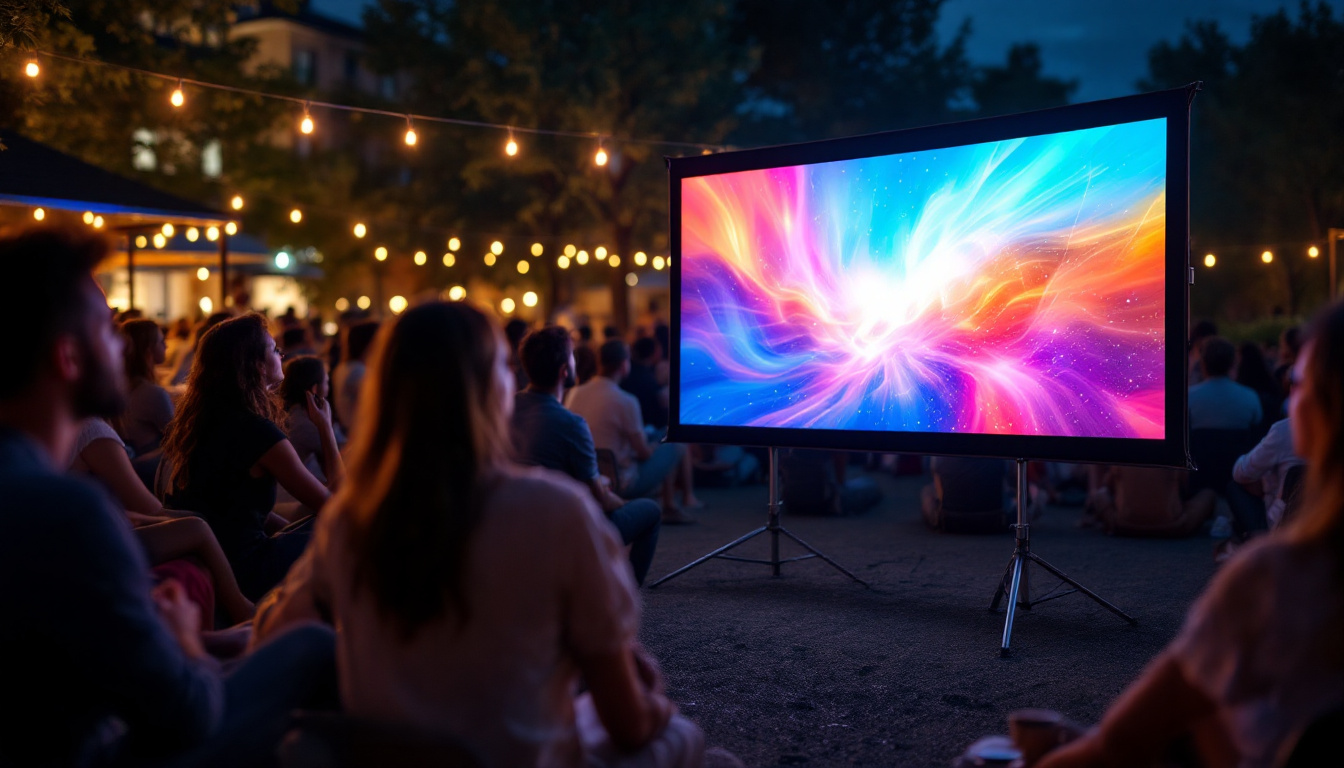
LED displays are central to concerts, sports events, festivals, and public gatherings. From outdoor music festivals near Harrisburg to the world-renowned entertainment shows in Las Vegas, LED screens provide immersive experiences for attendees.
These displays enable live video streaming, interactive content, and dynamic lighting effects that enhance the atmosphere and audience participation.
Advantages of LED Displays Over Traditional Technologies
LED displays offer several benefits compared to older display technologies such as LCD or neon signs, making them the preferred choice for many applications.
Energy Efficiency
LEDs consume significantly less power than traditional lighting and display technologies. This efficiency translates to lower operating costs and reduced environmental impact, which is increasingly important for cities and businesses aiming for sustainability.
Longevity and Maintenance
LED displays have a longer lifespan, often exceeding 100,000 hours of operation. Their solid-state construction makes them more durable and less prone to failure than incandescent or fluorescent lights.
Maintenance is easier and less frequent, reducing downtime and expenses.
Flexibility and Customization
LED displays can be manufactured in various shapes, sizes, and resolutions, allowing for creative and customized installations. This adaptability supports diverse applications, from curved screens on building facades to portable event displays.
Superior Visual Quality
With high brightness, contrast, and color accuracy, LED displays deliver superior image quality that stands out in any environment. Their ability to operate effectively in direct sunlight and low-light conditions makes them versatile for both indoor and outdoor use.
Future Trends in LED Display Technology
As technology advances, LED displays continue to evolve, offering new possibilities for communication and entertainment.
MicroLED and MiniLED Innovations
Emerging technologies like MicroLED and MiniLED promise even higher resolution, better color accuracy, and improved energy efficiency. These advancements are expected to impact everything from consumer electronics to large-scale public displays.
Interactive and Smart Displays
Integration with sensors, cameras, and artificial intelligence is enabling LED displays to become interactive and context-aware. Smart displays can tailor content based on audience demographics, environmental conditions, or real-time data.
Sustainability and Eco-Friendly Materials
Manufacturers are focusing on eco-friendly materials and recycling programs to reduce the environmental footprint of LED displays. Innovations in this area align with global efforts to promote sustainability in technology.
Conclusion
From the historic streets of Harrisburg, Pennsylvania, to the dazzling lights of Las Vegas, Nevada, LED displays play a pivotal role in shaping modern visual communication. Their technological sophistication, versatility, and energy efficiency make them indispensable across transportation, advertising, entertainment, and public information sectors.
Understanding the principles and applications of LED displays provides valuable insight into how cities enhance their environments and engage audiences. As LED technology continues to advance, it will undoubtedly illuminate new possibilities for connectivity and creativity along routes like Harrisburg to Las Vegas and beyond.
Illuminate Your World with LumenMatrix
As you’ve seen from Harrisburg to Las Vegas, LED displays are transforming the way we connect and communicate. If you’re inspired to elevate your visual presence and captivate your audience, look no further than LumenMatrix. Our extensive range of innovative LED display solutions, from Indoor and Outdoor LED Wall Displays to Custom and All-in-One LED Displays, are designed to bring your vision to life with unparalleled brightness and clarity. Whether for advertising, entertainment, or information dissemination, LumenMatrix is your partner in creating immersive experiences that resonate. Check out LumenMatrix LED Display Solutions today and join the revolution in visual communication.