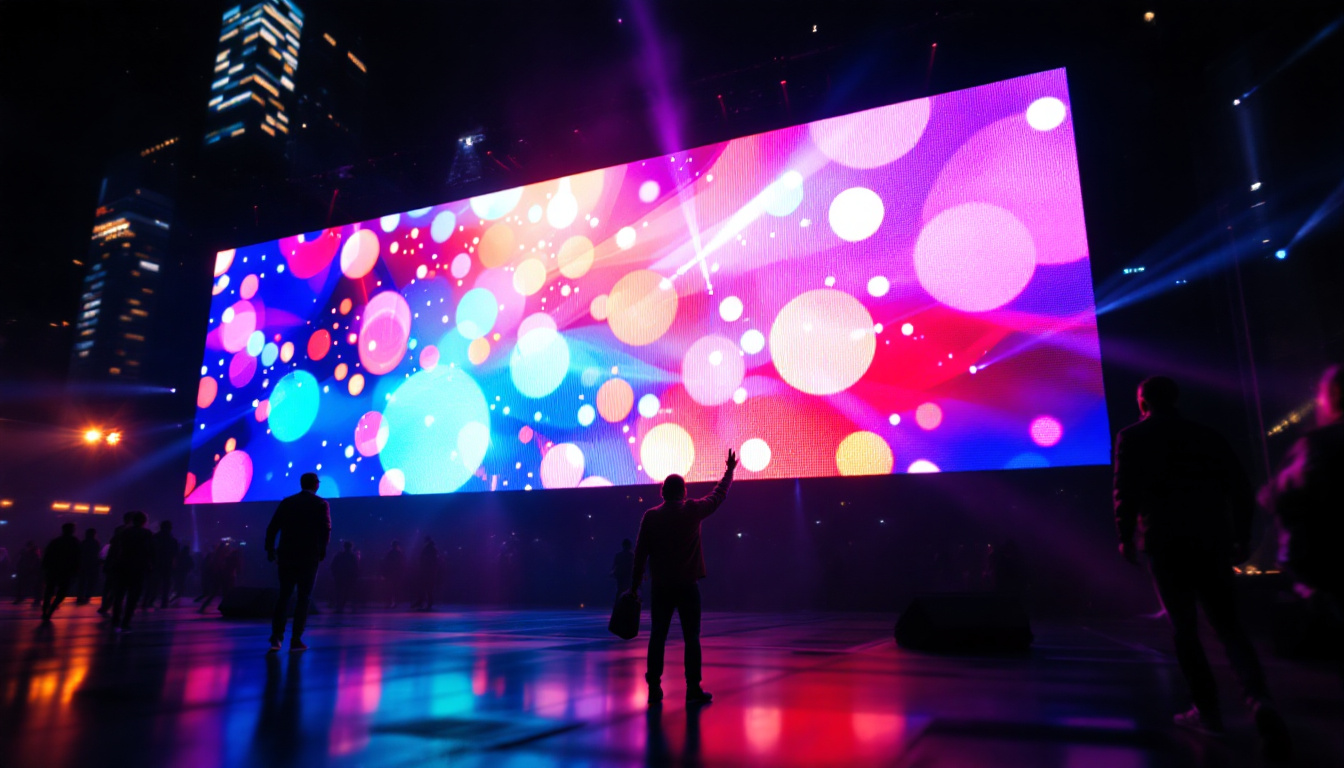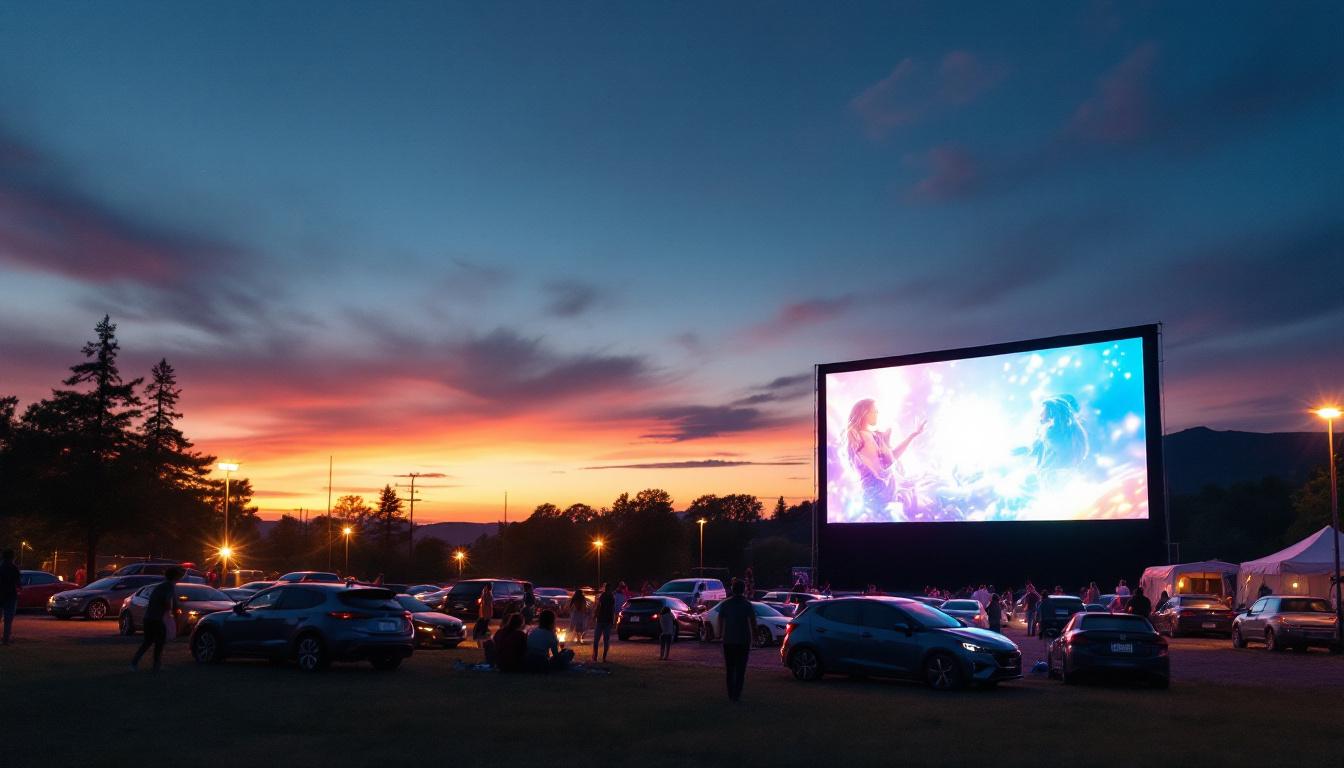
Drive-in theaters have experienced a remarkable resurgence in popularity, blending nostalgic charm with modern technology. Columbia, Missouri, with its vibrant community and love for unique entertainment experiences, is home to a thriving drive-in theater scene. Central to this revival is the adoption of LED display technology, which has transformed the way audiences enjoy films under the stars. This article explores the role of LED displays in Columbia’s drive-in theaters, explaining the technology, its benefits, and why it’s a game-changer for outdoor cinema.
The Evolution of Drive-In Theaters in Columbia, MO
Drive-in theaters have been a beloved American pastime since the 1930s, offering a unique blend of convenience and entertainment. Columbia, Missouri, has long embraced this tradition, with local drive-ins serving as community hubs where families and friends gather for movie nights. However, like many drive-ins across the country, Columbia’s theaters faced challenges with aging equipment and changing viewer expectations.
In recent years, the integration of LED display technology has revitalized these venues, making them more accessible and enjoyable. This evolution reflects broader trends in outdoor entertainment, where high-quality visuals and sound are essential to compete with home streaming services and indoor cinemas.
From Film Projectors to Digital Screens
Historically, drive-in theaters relied on large film projectors and physical movie reels, which required significant maintenance and were vulnerable to weather conditions. The shift to digital projection in the early 2000s improved image quality and operational efficiency, but digital projectors still have limitations outdoors, especially in ambient light conditions.
LED displays, by contrast, offer bright, vibrant images that remain clear even in less-than-ideal lighting. This advancement has allowed Columbia’s drive-ins to extend showtimes and enhance the overall viewing experience, attracting a broader audience. Moreover, the shift to LED technology has also enabled theaters to diversify their offerings, showcasing not just films but also live events, concerts, and community gatherings. This adaptability has helped drive-ins maintain relevance in an era dominated by streaming services, as they can provide unique experiences that cannot be replicated at home.
Additionally, the nostalgic charm of drive-in theaters continues to play a significant role in their appeal. Many patrons fondly remember their first movie dates or family outings at these venues, creating a sense of community and shared history. Local drive-ins often host themed nights, retro film screenings, and car shows, further enhancing their status as cultural landmarks in Columbia. These events not only draw in crowds but also foster a sense of belonging among attendees, reminding them of the simple joys of gathering under the stars with loved ones while enjoying a cinematic experience.
Understanding LED Display Technology
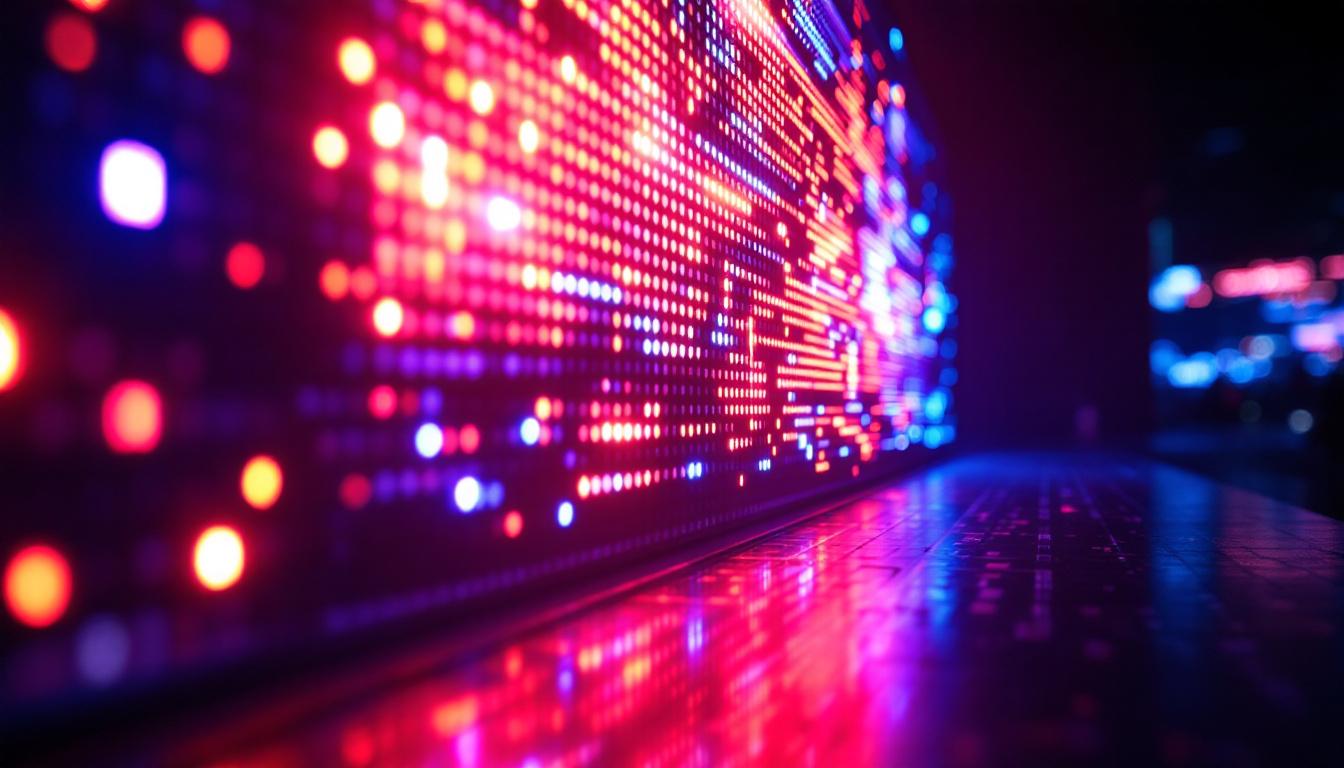
LED, or Light Emitting Diode, displays consist of thousands of tiny light sources that emit their own light, unlike traditional screens that rely on backlighting. This fundamental difference gives LED displays several advantages, especially for outdoor use.
How LED Displays Work
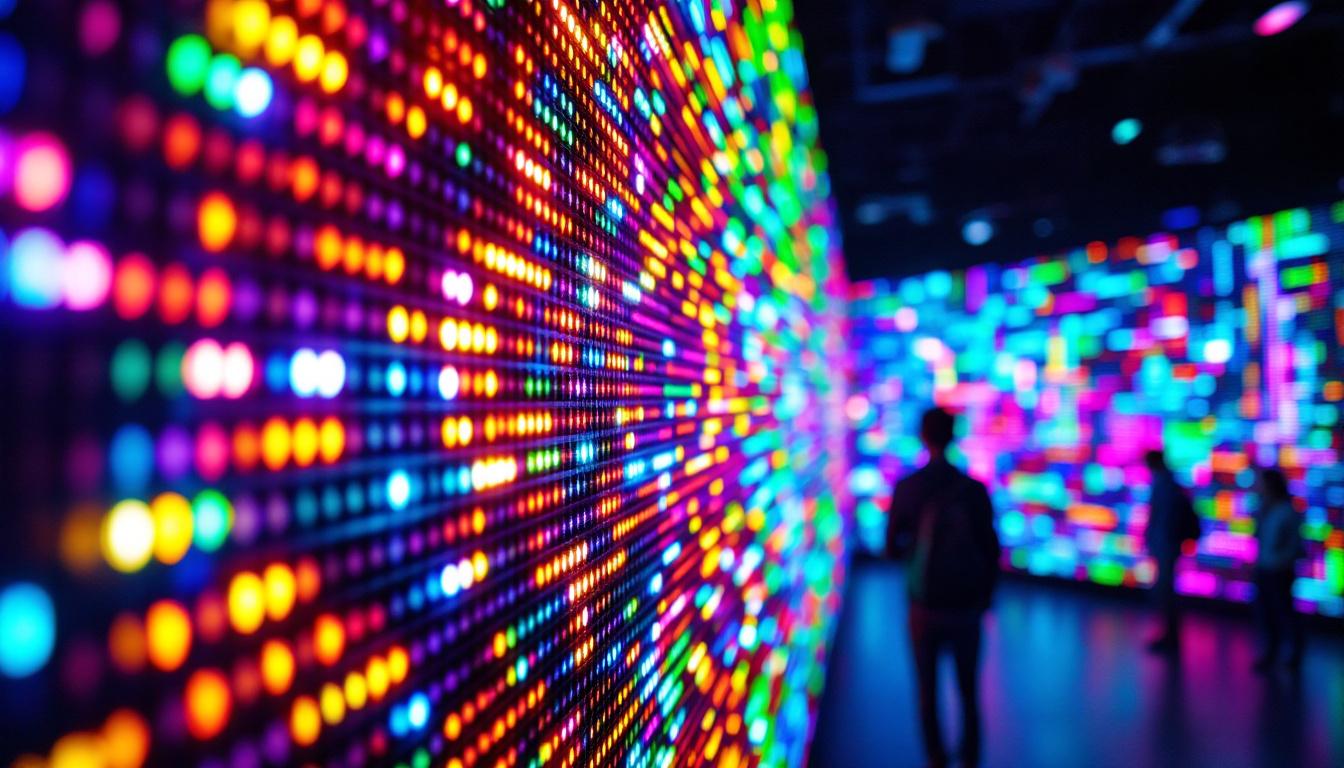
Each pixel on an LED screen is made up of red, green, and blue diodes. By varying the intensity of these diodes, the screen can produce a full spectrum of colors. The result is a bright, high-contrast image that is visible even in daylight or under streetlights.
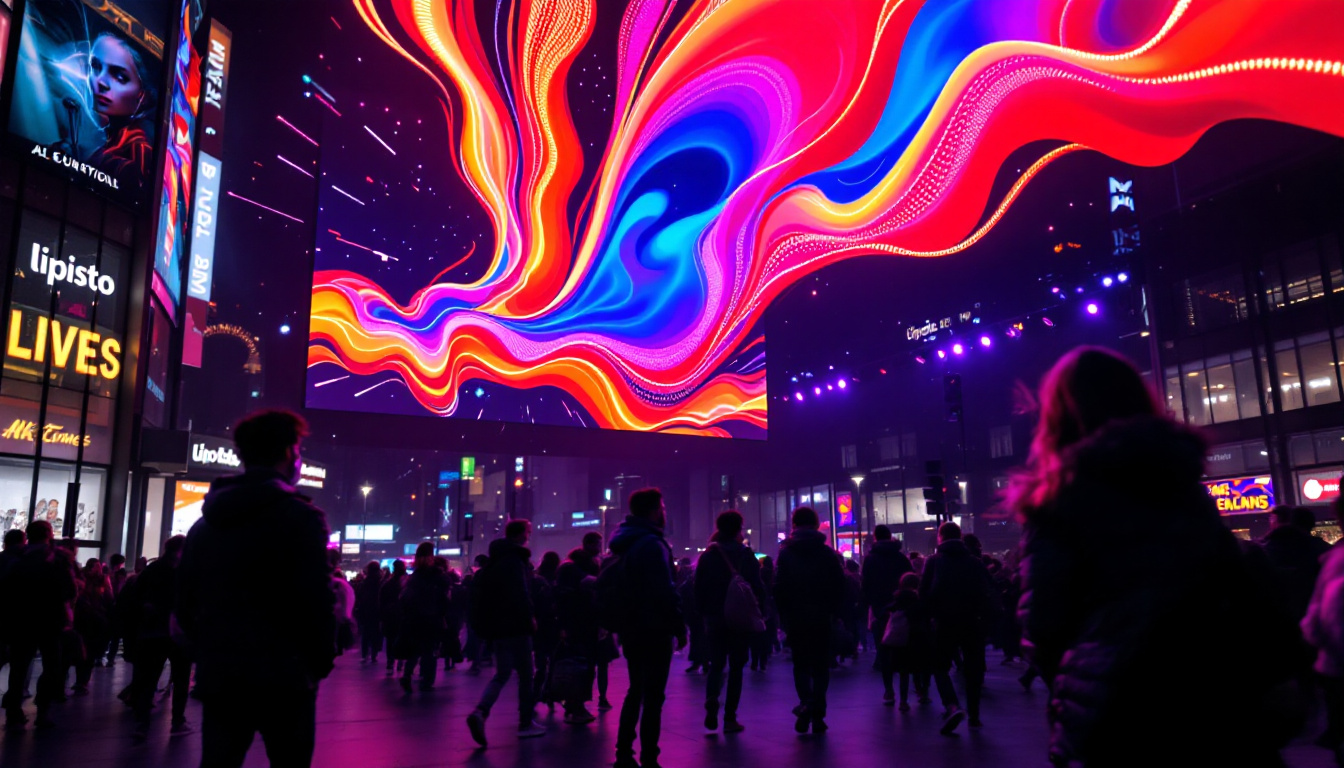
For drive-in theaters, this means movies can be shown at dusk or even early evening without the image quality degrading. The modular nature of LED panels also allows for large screens to be constructed with minimal distortion or dead zones. Additionally, the fast response time of LED displays contributes to smooth motion in films, ensuring that action sequences are rendered clearly without blurring, which can often detract from the viewing experience.
Types of LED Displays Used in Drive-Ins
Drive-in theaters typically use outdoor-rated LED displays designed to withstand weather elements such as rain, wind, and temperature fluctuations. These screens have high brightness levels, often exceeding 5,000 nits, which is essential for visibility in ambient light conditions.
In Columbia, many drive-in theaters have invested in P4 or P6 LED panels, where the number indicates the pixel pitch in millimeters. A smaller pixel pitch means higher resolution and sharper images, which is particularly important for viewers sitting closer to the screen. Furthermore, the technology behind these displays often includes advanced features such as automatic brightness adjustment, which optimizes the viewing experience by adapting to changing light conditions throughout the evening. This ensures that the visuals remain vibrant and engaging, regardless of the time of day or weather conditions.
Moreover, many modern LED displays are equipped with integrated sound systems that enhance the overall cinematic experience. These audio solutions can provide clear, immersive sound that complements the high-quality visuals, allowing audiences to enjoy a full sensory experience right from their vehicles. As technology continues to evolve, we can expect even more innovations in LED display technology, including improved energy efficiency and enhanced connectivity options, making drive-in theaters an increasingly appealing choice for moviegoers looking for a unique night out.
Benefits of LED Displays for Columbia’s Drive-In Theaters
The adoption of LED displays has brought numerous benefits to Columbia’s drive-in theaters, enhancing both operational efficiency and audience satisfaction.
Superior Image Quality and Brightness
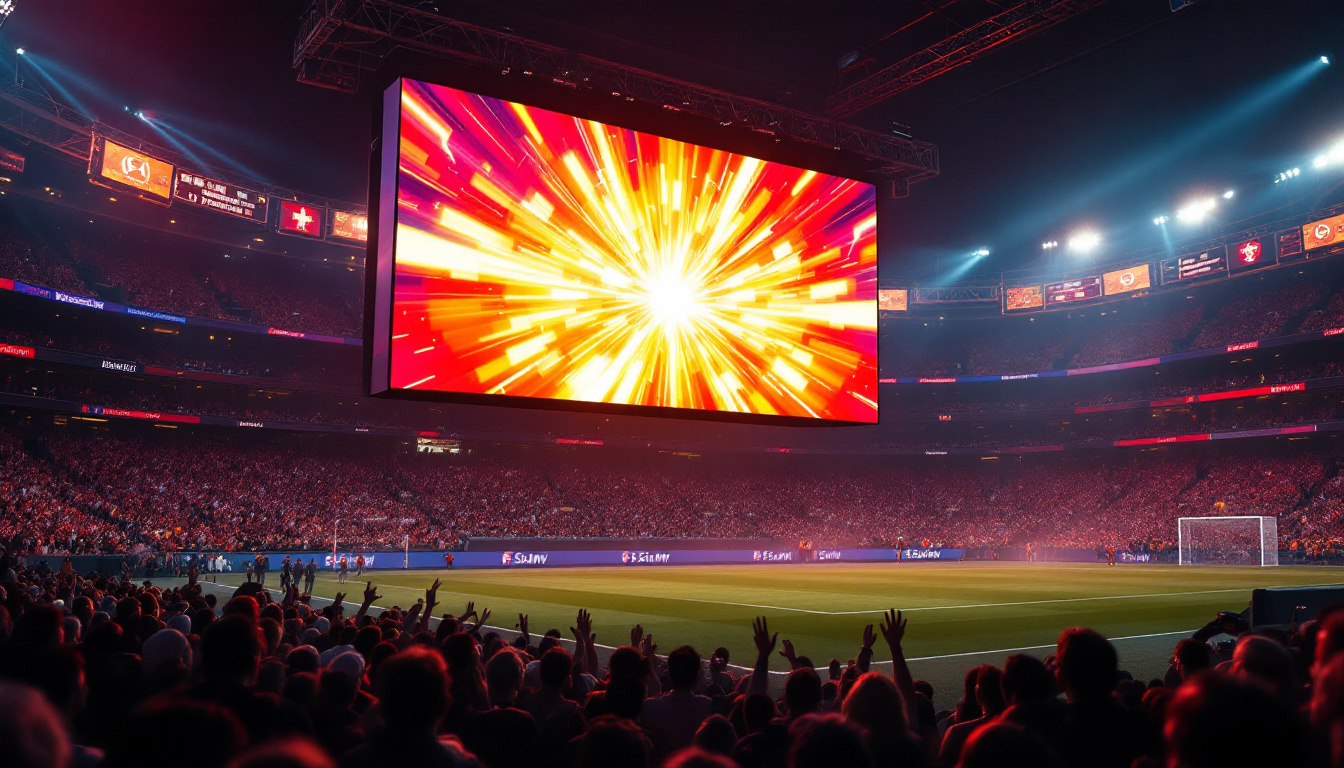
One of the most significant advantages of LED screens is their exceptional brightness and color accuracy. Unlike traditional projection methods, LED displays do not suffer from image washout caused by ambient light. This means moviegoers enjoy crisp, vibrant visuals that bring films to life even as the sun sets.
For families and groups attending drive-ins in Columbia, this translates to a more immersive and enjoyable experience, encouraging repeat visits and positive word-of-mouth.
Durability and Weather Resistance
Columbia’s climate can be unpredictable, with summer thunderstorms and cold nights common during the drive-in season. LED displays are built to endure these conditions without damage or performance loss, thanks to robust casing and waterproof designs.
This durability reduces maintenance costs and downtime, ensuring that theaters can operate smoothly throughout the season.
Energy Efficiency and Cost Savings
Compared to traditional projectors, LED displays consume less power while delivering superior brightness. This energy efficiency translates into lower operating costs for drive-in theaters, which is particularly important given the tight margins many entertainment venues face.
Additionally, LED technology eliminates the need for expensive film reels or projector bulbs, further reducing expenses and environmental impact.
Impact on the Drive-In Experience in Columbia
The integration of LED displays has not only improved technical aspects but also transformed the cultural and social experience of drive-in theaters in Columbia.
Extended Showtimes and Programming Flexibility
Because LED screens maintain visibility in brighter conditions, theaters can schedule earlier showings, accommodating families with young children and expanding their programming options. This flexibility allows for special events, live broadcasts, and themed nights, enriching the community’s entertainment landscape.
Enhanced Accessibility
LED technology supports clearer visuals and can be paired with advanced audio systems, including FM radio transmission to car stereos. This combination improves accessibility for viewers with hearing or vision impairments, making drive-in theaters more inclusive.
Community Engagement and Economic Impact
Drive-in theaters equipped with LED displays have become focal points for community gatherings in Columbia. They attract diverse audiences, from college students to families, contributing to local economic activity through ticket sales, concessions, and nearby businesses.
Moreover, these venues often collaborate with local organizations for charity events and festivals, strengthening community ties.
Challenges and Considerations for LED Display Implementation
While LED displays offer numerous advantages, their adoption also involves certain challenges that Columbia’s drive-in theaters have had to navigate.
Initial Investment Costs
High-quality outdoor LED screens represent a significant upfront investment, often costing tens of thousands of dollars. For smaller or independently operated drive-ins, securing funding can be a hurdle.
However, many theaters mitigate this through grants, community fundraising, and partnerships with local businesses.
Technical Maintenance and Expertise
LED displays require specialized maintenance to ensure longevity and optimal performance. This includes regular cleaning, software updates, and occasional hardware repairs.
Columbia’s drive-in operators have invested in training and partnerships with technology providers to address these needs effectively.
Balancing Nostalgia with Modern Technology
Some purists argue that LED displays detract from the classic drive-in experience, which traditionally involved film projection. However, most audiences appreciate the improved quality and reliability, viewing the technology as a natural evolution rather than a replacement.
The Future of Drive-In Theaters in Columbia With LED Technology
Looking ahead, LED display technology is poised to play a central role in the continued growth and innovation of Columbia’s drive-in theaters.
Integration with Interactive and Digital Services
Emerging trends include integrating LED screens with mobile apps for ticketing, concessions ordering, and interactive content. This creates a seamless, contactless experience that aligns with modern consumer expectations.
Additionally, LED displays can support dynamic advertising, providing new revenue streams for theaters.
Environmental Sustainability
As communities become more environmentally conscious, the energy efficiency and longevity of LED displays contribute to greener entertainment options. Columbia’s drive-ins can position themselves as eco-friendly venues by leveraging these technologies.
Expanding Cultural Programming
With the flexibility of LED screens, drive-in theaters can host a wider variety of events beyond movies, such as concerts, sports broadcasts, and educational programs. This diversification strengthens their role as cultural hubs in Columbia.
Conclusion
The adoption of LED display technology has marked a new chapter for drive-in theaters in Columbia, Missouri. By enhancing image quality, operational efficiency, and audience engagement, LED screens have helped these venues thrive in a competitive entertainment landscape. While challenges remain, the benefits far outweigh the costs, making LED displays a vital component of the modern drive-in experience.
For residents and visitors alike, Columbia’s drive-in theaters offer a unique blend of nostalgia and innovation, proving that the magic of watching movies under the stars is very much alive—and brighter than ever.
Illuminate Your Drive-In Theater with LumenMatrix
As the drive-in theater experience in Columbia, Missouri, continues to shine brighter with the integration of LED technology, LumenMatrix stands at the forefront of this vibrant transformation. With our commitment to innovation and excellence, we offer a wide array of LED display solutions, from Outdoor LED Wall Displays that can weather any storm to Custom LED Displays tailored to your unique needs. Embrace the future of visual storytelling with LumenMatrix and ensure your drive-in theater becomes a beacon of unforgettable memories and mesmerizing visuals. Check out LumenMatrix LED Display Solutions and elevate your audience’s cinematic journey under the stars.