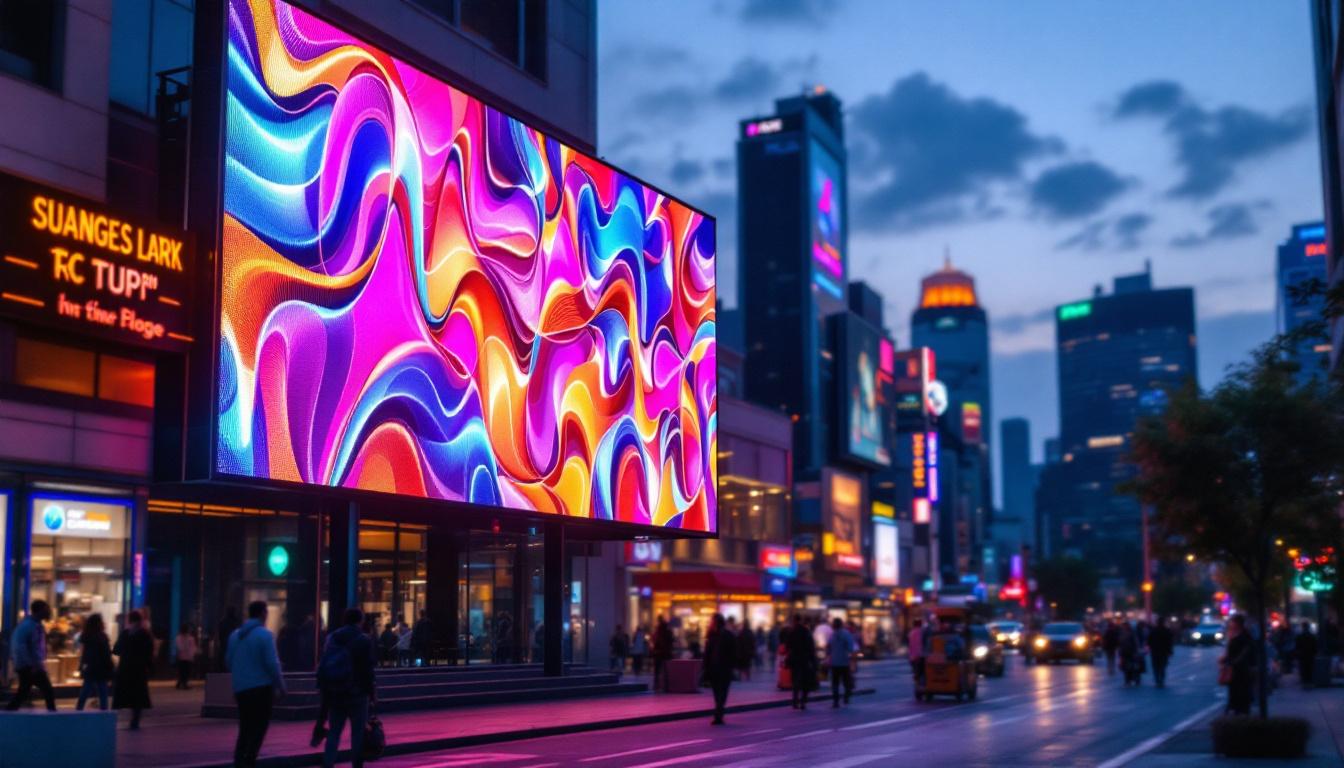
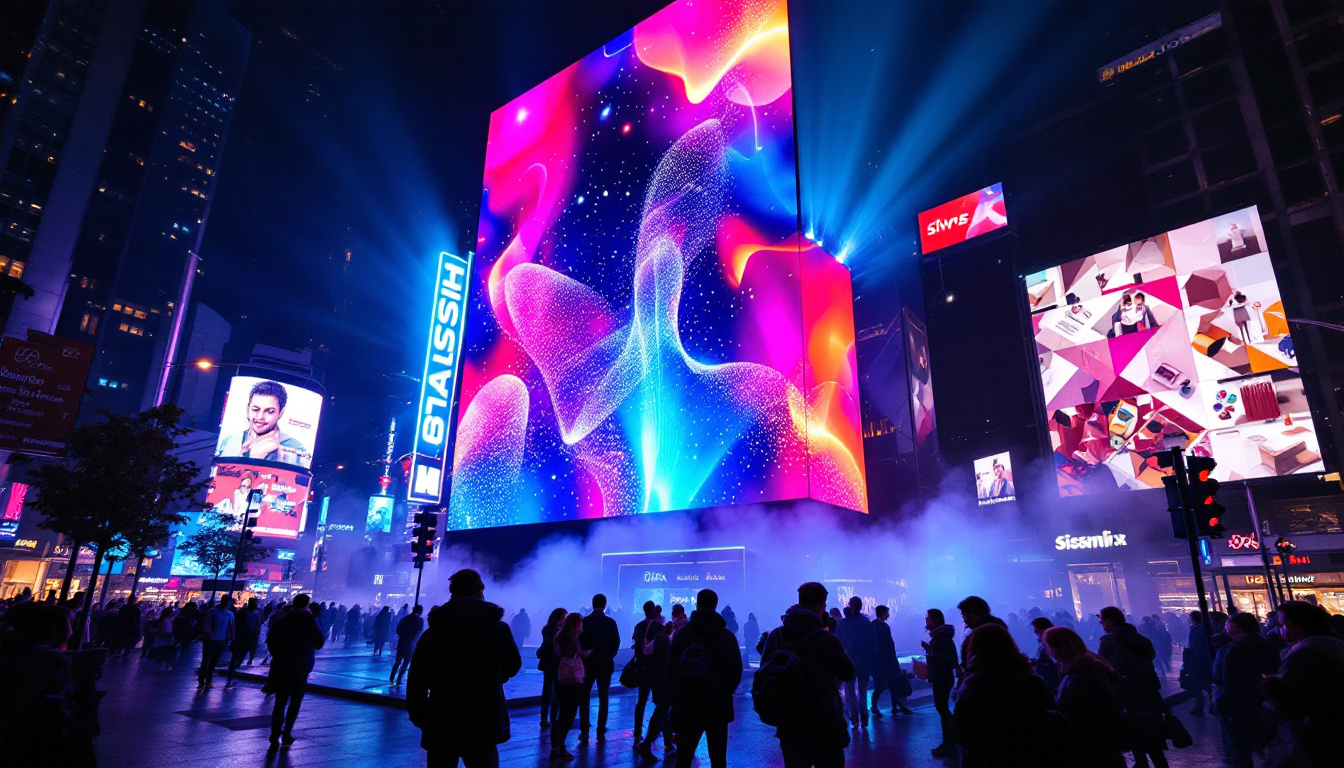
In the rapidly evolving world of electronics, LED displays have become a cornerstone technology for visual communication. From advertising billboards to stadium screens and indoor signage, LED displays offer vibrant, energy-efficient solutions that captivate audiences worldwide. However, when it comes to maintaining and servicing these intricate devices, understanding the RMA package process is crucial for businesses and technicians alike. This article delves into the concept of the RMA package specifically related to LED displays, exploring its significance, processes, and best practices to ensure smooth operations and minimal downtime.
Understanding LED Displays: A Brief Overview
Light Emitting Diode (LED) displays are composed of numerous tiny LEDs that emit light when an electric current passes through them. Unlike traditional display technologies, LED displays provide superior brightness, contrast, and color accuracy, making them ideal for both indoor and outdoor applications.
Modern LED displays are modular, consisting of panels or modules that can be assembled to create screens of virtually any size. These modules include LED pixels, driver ICs, power supplies, and control systems. Given their complexity and the environmental conditions they often face, LED displays require regular maintenance and, occasionally, repairs or replacements.
Why LED Displays Are Popular
The global LED display market has seen exponential growth, with a CAGR of over 15% in recent years, driven by advancements in LED technology and increasing demand for dynamic digital signage. Their energy efficiency, long lifespan, and ability to deliver high-resolution images even under direct sunlight make them a preferred choice across industries such as retail, transportation, sports, and entertainment.
What is an RMA Package in the Context of LED Displays?
RMA stands for Return Merchandise Authorization. It is a formal process that allows customers or service providers to return defective or malfunctioning products to the manufacturer or supplier for repair, replacement, or refund. In the context of LED displays, an RMA package typically includes the LED modules or components that need servicing, accompanied by documentation detailing the issue, warranty status, and shipping instructions.
Given the high value and delicate nature of LED display components, the RMA process is critical to ensure that returned items are handled properly, minimizing damage during transit and facilitating efficient repairs.
The Importance of an Effective RMA Process
An efficient RMA process benefits both manufacturers and customers. For manufacturers, it provides a structured way to track product failures, identify recurring issues, and improve product quality. For customers, it ensures timely resolution of problems, reducing operational downtime and protecting their investment.
In the LED display industry, where downtime can translate to significant revenue loss—especially for advertising or event-based displays—speed and accuracy in the RMA process are paramount.
Components Typically Included in an LED Display RMA Package
When preparing an RMA package for an LED display, it is essential to include all relevant components and documentation to streamline the repair or replacement process. The contents generally include:
1. LED Modules or Panels
The primary items returned are usually the defective LED modules or panels. These modules can vary in size and pixel pitch depending on the display specifications. Proper packaging to prevent static discharge and physical damage is essential during shipment.
2. Control Boards and Driver ICs
Sometimes, the issue lies within the control boards or driver integrated circuits (ICs) that regulate LED operation. These components are sensitive and require careful handling. Including them in the RMA package when suspected faulty ensures comprehensive diagnostics.
3. Power Supplies and Cables
Power supply units and connection cables may also be part of the RMA package if they are suspected to cause operational failures. These components should be securely packaged to avoid damage during transport.
4. Documentation and RMA Forms
Accurate documentation is vital. This includes the RMA request form, detailed descriptions of the issues encountered, purchase receipts, warranty certificates, and any troubleshooting steps already undertaken. Clear documentation helps the service center quickly identify the problem and verify warranty eligibility.
Step-by-Step Guide to the LED Display RMA Process
Understanding the RMA workflow can help businesses and technicians manage repairs efficiently and reduce downtime. The typical process involves several key steps:
Step 1: Identifying the Issue
Before initiating an RMA, it is important to conduct thorough diagnostics to determine whether the LED display component is indeed faulty. This may involve visual inspections, software diagnostics, and testing with known good parts.
Accurate identification prevents unnecessary returns and speeds up the repair process.
Step 2: Contacting the Supplier or Manufacturer
Once a fault is confirmed, the next step is to contact the supplier or manufacturer’s customer service or technical support team. They will provide specific RMA instructions, including packaging guidelines, shipping addresses, and any required forms.
Step 3: Preparing the RMA Package
Careful packaging is crucial to protect sensitive LED components during transit. Use anti-static bags, foam padding, and sturdy boxes. Label the package clearly with the RMA number and include all required documentation inside.
Step 4: Shipping the Package
Choose a reliable courier service with tracking capabilities. Insure the shipment to cover the value of the components in case of loss or damage. Prompt shipping helps minimize the time the display is out of operation.
Step 5: Receiving and Inspection by the Service Center
Upon receipt, the service center inspects the package and verifies the reported issues against the warranty terms. They may perform further diagnostics to pinpoint the problem.
Step 6: Repair, Replacement, or Refund
Depending on the diagnosis and warranty coverage, the manufacturer will either repair the defective parts, replace them with new components, or issue a refund. The customer is usually informed of the outcome and estimated turnaround time.
Step 7: Return Shipping and Reinstallation
Repaired or replaced components are shipped back to the customer. Upon receipt, technicians reinstall the parts and conduct final testing to ensure the display operates correctly.
Best Practices for Managing LED Display RMA Packages
Efficient management of RMA packages can significantly reduce downtime and costs associated with LED display maintenance. Here are some best practices to consider:
Maintain Detailed Records
Keep comprehensive records of all LED display components, including serial numbers, purchase dates, and warranty periods. This information expedites the RMA approval process and helps track recurring issues.
Implement Preventive Maintenance
Regular cleaning, firmware updates, and inspections can prevent many common LED display failures. Proactive maintenance reduces the frequency of RMAs and extends the lifespan of the display.
Use Proper Packaging Materials
Invest in high-quality, anti-static packaging materials designed for electronic components. This prevents damage during shipping and ensures the components arrive safely at the service center.
Communicate Clearly and Promptly
Provide detailed descriptions of the issues and any troubleshooting steps taken when submitting an RMA request. Prompt communication with the manufacturer or supplier helps avoid delays and misunderstandings.
Train Staff on RMA Procedures
Ensure that all personnel involved in the maintenance and repair of LED displays understand the RMA process. Training reduces errors in packaging and documentation, leading to faster resolutions.
Common Challenges in LED Display RMA Handling and How to Overcome Them
While the RMA process is designed to be straightforward, certain challenges can arise, particularly with complex LED display systems. Awareness of these issues can help mitigate their impact.
Challenge: Damage During Transit
LED modules are fragile and susceptible to damage if not packaged correctly. Damage during shipping can complicate warranty claims and extend repair times.
Solution: Use custom foam inserts and anti-static materials, and clearly mark packages as fragile. Selecting reputable couriers with experience handling electronics is also beneficial.
Challenge: Incomplete or Incorrect Documentation
Missing or inaccurate paperwork can delay RMA processing and lead to rejected claims.
Solution: Develop standardized RMA forms and checklists to ensure all necessary information is included before shipping.
Challenge: Long Turnaround Times
Extended repair or replacement periods can disrupt business operations, especially for high-visibility displays.
Solution: Establish service level agreements (SLAs) with suppliers and consider partnering with local service centers to reduce shipping times.
Challenge: Warranty Disputes
Disagreements over warranty coverage can arise due to misuse, environmental damage, or expired warranties.
Solution: Clearly understand warranty terms at the time of purchase and maintain proper usage and maintenance records to support claims.
The Future of LED Display Maintenance and RMA Processes
As LED technology advances, so too do the methods for maintaining and servicing these displays. Innovations such as remote diagnostics, predictive maintenance powered by AI, and modular designs that allow for quick swaps of faulty components are transforming the RMA landscape.
Manufacturers are increasingly integrating IoT sensors into LED displays to monitor performance in real-time, enabling early detection of potential issues before they cause failures. This proactive approach not only reduces the frequency of RMAs but also improves customer satisfaction by minimizing downtime.
Emerging Trends to Watch
1. Automated RMA Management Systems: Software platforms that streamline the RMA process, from request submission to tracking and reporting, are becoming more prevalent, improving transparency and efficiency.
2. Sustainable Packaging Solutions: Eco-friendly materials and reusable packaging are being adopted to reduce environmental impact during the shipping of RMA packages.
3. Enhanced Component Standardization: Standardized modules and connectors simplify repairs and replacements, reducing the complexity and cost of RMAs.
Conclusion
The RMA package process is a vital aspect of managing LED display systems, ensuring that defective components are efficiently repaired or replaced to maintain optimal performance. By understanding the components involved, following structured procedures, and adopting best practices, businesses can minimize downtime and protect their investment in LED technology.
As the LED display industry continues to grow and innovate, staying informed about the latest maintenance and RMA management trends will be essential for technicians, operators, and manufacturers alike. A well-executed RMA process not only enhances operational reliability but also contributes to the overall success and longevity of LED display installations.
Explore Cutting-Edge LED Display Solutions with LumenMatrix
Ready to elevate your visual communication with the latest in LED display technology? LumenMatrix offers a comprehensive range of LED display solutions tailored to meet your unique needs. From captivating Indoor and Outdoor LED Wall Displays to dynamic Vehicle and Sports LED Displays, our innovative products are designed to enhance brand visibility and audience engagement. Discover the transformative power of our LED Poster Displays, Floor Displays, Custom Solutions, All-in-One, and Transparent Displays. Embrace the future of digital signage with LumenMatrix and create unforgettable visual experiences. Check out LumenMatrix LED Display Solutions today and see how we can help you share your message with unparalleled impact and clarity.