Color LCD: LED Display Explained
In the rapidly evolving world of display technology, understanding the nuances between different screen types is essential for consumers, professionals, and enthusiasts alike. Among the most popular and widely used displays today are Color LCDs and LED displays. While these terms are often used interchangeably, they refer to distinct technologies with unique characteristics, advantages, and applications.
This article delves into the fundamentals of Color LCD and LED displays, exploring how they work, their differences, and why these distinctions matter. Whether you are shopping for a new monitor, TV, or digital signage, gaining a clear understanding will empower you to make informed decisions that suit your needs.
Understanding Color LCD Technology
What is an LCD?
LCD stands for Liquid Crystal Display, a technology that has been a staple in screens for decades. Unlike older cathode ray tube (CRT) monitors, LCDs use liquid crystals to modulate light and create images. These crystals do not emit light themselves but control the passage of light from a backlight source.
The basic structure of an LCD panel includes two polarizing filters with liquid crystals sandwiched between them. When an electric current passes through the crystals, they align in a way that either blocks or allows light to pass through, producing varying shades and colors. This innovative design allows for thinner and lighter screens, making LCDs ideal for portable devices like laptops and smartphones, as well as larger displays for televisions and monitors.
The Role of Color in LCDs
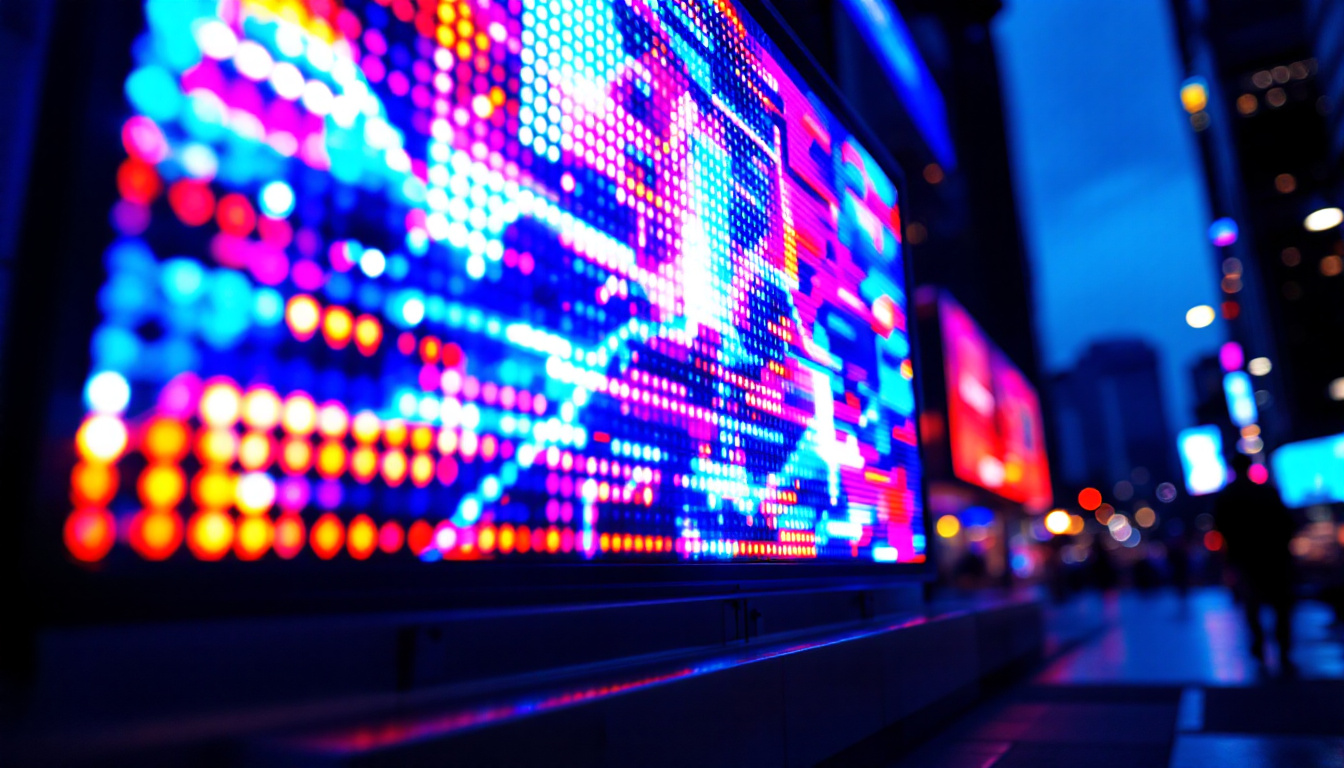
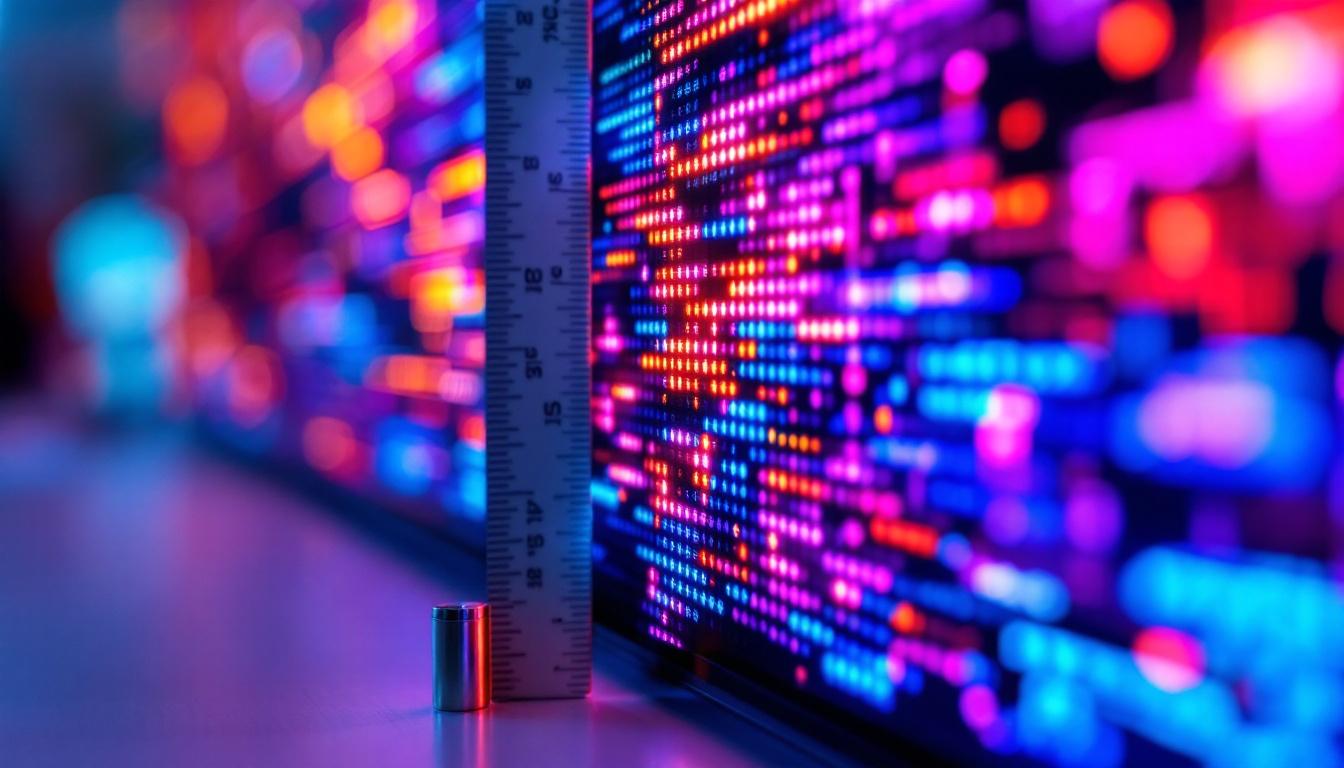
Color reproduction in LCDs is achieved through the use of color filters. Typically, each pixel on an LCD screen is divided into three subpixels: red, green, and blue (RGB). By adjusting the intensity of light passing through each subpixel, the display can produce a wide spectrum of colors. This RGB model is fundamental to how we perceive color on digital screens, as it mimics the way human vision works, with our eyes being sensitive to these three primary colors.
The precision of color rendering depends on factors such as the quality of the liquid crystals, the color filters, and the backlight. Modern LCDs can display millions of colors, making them suitable for everything from casual viewing to professional photo editing. Additionally, advancements in technology have led to the development of various LCD types, such as IPS (In-Plane Switching) and VA (Vertical Alignment), which offer improved viewing angles and color accuracy. These enhancements have made LCDs not only more versatile but also more appealing for a wide range of applications, from gaming to graphic design, where color fidelity is paramount.
What is an LED Display?
LED as a Backlighting Technology
LED stands for Light Emitting Diode, a semiconductor device that emits light when an electric current passes through it. In the context of displays, LEDs are primarily used as a backlighting source for LCD panels.
Traditional LCDs used cold cathode fluorescent lamps (CCFLs) for backlighting, which were bulkier and less energy-efficient. The introduction of LED backlighting revolutionized LCD technology by providing thinner, brighter, and more energy-efficient displays. This advancement not only improved the aesthetic appeal of screens but also contributed to a significant reduction in energy consumption, making LED displays a more environmentally friendly option. As a result, manufacturers began to adopt LED technology widely, leading to a surge in high-definition displays in both consumer electronics and professional settings.
Types of LED Backlighting
There are two main types of LED backlighting used in LCD panels:
- Edge-Lit LED: LEDs are placed along the edges of the screen, and light is diffused across the panel. This allows for slimmer designs but can sometimes result in uneven brightness.
- Direct-Lit or Full-Array LED: LEDs are positioned directly behind the LCD panel, providing more uniform brightness and better contrast. Some full-array LED displays include local dimming, where specific zones of LEDs can be dimmed or brightened independently to enhance black levels and contrast.
Edge-lit displays are particularly popular in ultra-slim televisions and portable devices, where space is a premium. However, advancements in technology have also improved the performance of edge-lit displays, with manufacturers developing better diffusion techniques to minimize brightness inconsistencies. On the other hand, full-array LED displays are often favored for their superior picture quality, making them ideal for applications where visual fidelity is paramount, such as in professional video editing or high-end gaming.
True LED Displays: LED vs. OLED
It is important to distinguish between LED-backlit LCDs and true LED displays, such as OLED (Organic Light Emitting Diode) screens. OLEDs do not require a backlight because each pixel emits its own light, allowing for deeper blacks and more vibrant colors.
While OLED technology is gaining popularity, especially in smartphones and high-end TVs, LED-backlit LCDs remain prevalent due to their cost-effectiveness and longevity. Moreover, the manufacturing processes for OLED screens are still more complex and expensive, which can lead to higher retail prices. Additionally, concerns about burn-in—where static images can leave a permanent mark on the screen—have made some consumers hesitant to fully embrace OLED technology. As a result, many users still prefer LED-backlit LCDs for their reliability and affordability, especially in everyday applications like computer monitors and budget-friendly televisions.
Comparing Color LCD and LED Displays
Brightness and Energy Efficiency
LED backlighting significantly enhances the brightness of LCD panels compared to older CCFL systems. LED-backlit LCDs can achieve brightness levels exceeding 1000 nits in some models, making them suitable for environments with high ambient light.
Additionally, LEDs consume less power, contributing to longer battery life in portable devices and lower energy costs in larger displays. This energy efficiency not only benefits consumers but also has a positive environmental impact, as reduced energy consumption leads to lower carbon emissions. Furthermore, advancements in LED technology, such as the introduction of quantum dots, have further improved brightness and color accuracy, allowing displays to produce a wider color gamut while maintaining energy efficiency.
Color Accuracy and Contrast
While LCD technology governs color reproduction, the quality of the backlight impacts contrast and color vibrancy. Full-array LED backlighting with local dimming offers superior contrast ratios by allowing darker blacks and brighter highlights.
However, LCDs inherently struggle with perfect black levels because the backlight is always on to some degree. This limitation is less pronounced in OLED displays, where pixels can be turned off individually. The advancements in HDR (High Dynamic Range) technology have also played a significant role in enhancing the viewing experience, as HDR-capable LED displays can reproduce a broader range of colors and brightness levels, making images appear more lifelike and immersive. As a result, consumers are increasingly drawn to these features for gaming and cinematic experiences.
Design and Thickness
LED backlighting enables thinner and lighter displays compared to CCFL-backlit LCDs. Edge-lit LED displays, in particular, have facilitated the development of ultra-slim TVs and monitors that fit seamlessly into modern living spaces.
This sleek design trend has not only influenced consumer preferences but has also allowed manufacturers to innovate in terms of mounting options and aesthetics. Wall-mounted displays have become a popular choice, enhancing the overall decor of homes and offices. Moreover, the reduction in thickness has opened up new possibilities for portable devices, making it easier to create lightweight laptops and tablets that do not compromise on performance or display quality.
Longevity and Durability
LED-backlit LCDs typically have a longer lifespan than OLED displays, which can suffer from burn-in or degradation over time. This makes LED-backlit LCDs a preferred choice for applications requiring long-term reliability, such as digital signage and office monitors.
In addition to their longevity, LED displays are generally more resistant to environmental factors, including temperature fluctuations and humidity, which can affect the performance of other display technologies. This resilience makes them suitable for a wide range of applications, from outdoor advertising to industrial settings. Furthermore, as technology continues to evolve, manufacturers are developing enhanced protective coatings and materials that further extend the life of LED displays, ensuring that they remain a viable option for consumers and businesses alike.
Applications and Use Cases
Consumer Electronics
Most consumer TVs, computer monitors, and laptop screens today are LED-backlit LCDs. Their balance of cost, performance, and energy efficiency makes them ideal for everyday use.
High-end smartphones and premium TVs are increasingly adopting OLED technology for superior image quality, but LED-backlit LCDs remain dominant in mid-range and budget segments.
Professional and Industrial Displays
In professional environments where color accuracy is paramount—such as graphic design, video editing, and medical imaging—high-quality Color LCDs with advanced LED backlighting are standard.
Industrial applications benefit from the durability and brightness of LED-backlit LCDs, especially in outdoor or harsh lighting conditions.
Digital Signage and Advertising
Large LED displays used in stadiums, billboards, and public transport systems often employ true LED technology, where each pixel is an LED. These displays are bright enough to be visible in direct sunlight and can cover vast areas.
Meanwhile, indoor digital signage typically uses LED-backlit LCDs for their color fidelity and cost-effectiveness.
Future Trends in Color LCD and LED Display Technology
Mini-LED and Micro-LED Innovations
Emerging technologies like Mini-LED and Micro-LED are pushing the boundaries of LED display performance. Mini-LED uses thousands of tiny LEDs for backlighting, allowing for more precise local dimming and improved contrast.
Micro-LED takes this further by using microscopic LEDs as individual pixels, combining the benefits of OLED’s self-emissive properties with the brightness and longevity of traditional LEDs. Although still in early stages and costly, Micro-LED holds promise for next-generation displays.
Quantum Dot Enhancements
Quantum dot technology is often integrated with LED-backlit LCDs to enhance color accuracy and brightness. These nanocrystals emit pure colors when illuminated by the LED backlight, resulting in richer and more vibrant images.
Quantum dot displays are becoming increasingly common in premium TVs and monitors, offering a compelling middle ground between traditional LCDs and OLEDs.
Energy Efficiency and Sustainability
As environmental concerns grow, manufacturers are focusing on reducing the energy consumption of displays. LED-backlit LCDs are already more efficient than older technologies, and ongoing improvements aim to lower power usage further without compromising image quality.
Recyclability and the use of environmentally friendly materials are also becoming priorities in display manufacturing.
Conclusion: Making the Right Choice
Understanding the relationship between Color LCD and LED displays is key to selecting the best screen for your needs. LED-backlit LCDs offer a versatile and cost-effective solution with excellent brightness, color reproduction, and energy efficiency.
For users prioritizing ultra-high contrast and perfect blacks, OLED and emerging Micro-LED technologies present attractive alternatives, albeit at a higher cost and with some longevity considerations.
Ultimately, the choice depends on the intended application, budget, and performance requirements. Staying informed about the latest advancements will ensure that consumers and professionals alike can enjoy the best visual experience possible.
Discover LumenMatrix’s Advanced LED Display Solutions
As you consider the vast landscape of display technologies for your next investment, allow LumenMatrix to guide you through a world of vivid colors and unparalleled clarity. Our commitment to innovation in LED display modules positions us at the forefront of creating immersive visual experiences. From dynamic Indoor and Outdoor LED Wall Displays to specialized solutions like Vehicle LED Displays and LED Sports Displays, LumenMatrix tailors to every aspect of digital signage. Embrace the future of visual communication with our LED Transparent Displays and Custom LED solutions designed to captivate and engage. Check out LumenMatrix LED Display Solutions and transform your space into a beacon of innovation and style.