In the rapidly evolving retail landscape, capturing consumer attention has become more challenging than ever. Traditional static signage is no longer sufficient to engage modern shoppers who are accustomed to dynamic, interactive, and visually compelling content. Enter LED display screens — a technology that has revolutionized retail marketing by offering vibrant, flexible, and impactful visual communication. This article delves into the world of LED displays in retail, explaining their technology, benefits, applications, and considerations for businesses looking to invest in this powerful tool.
Understanding LED Display Technology
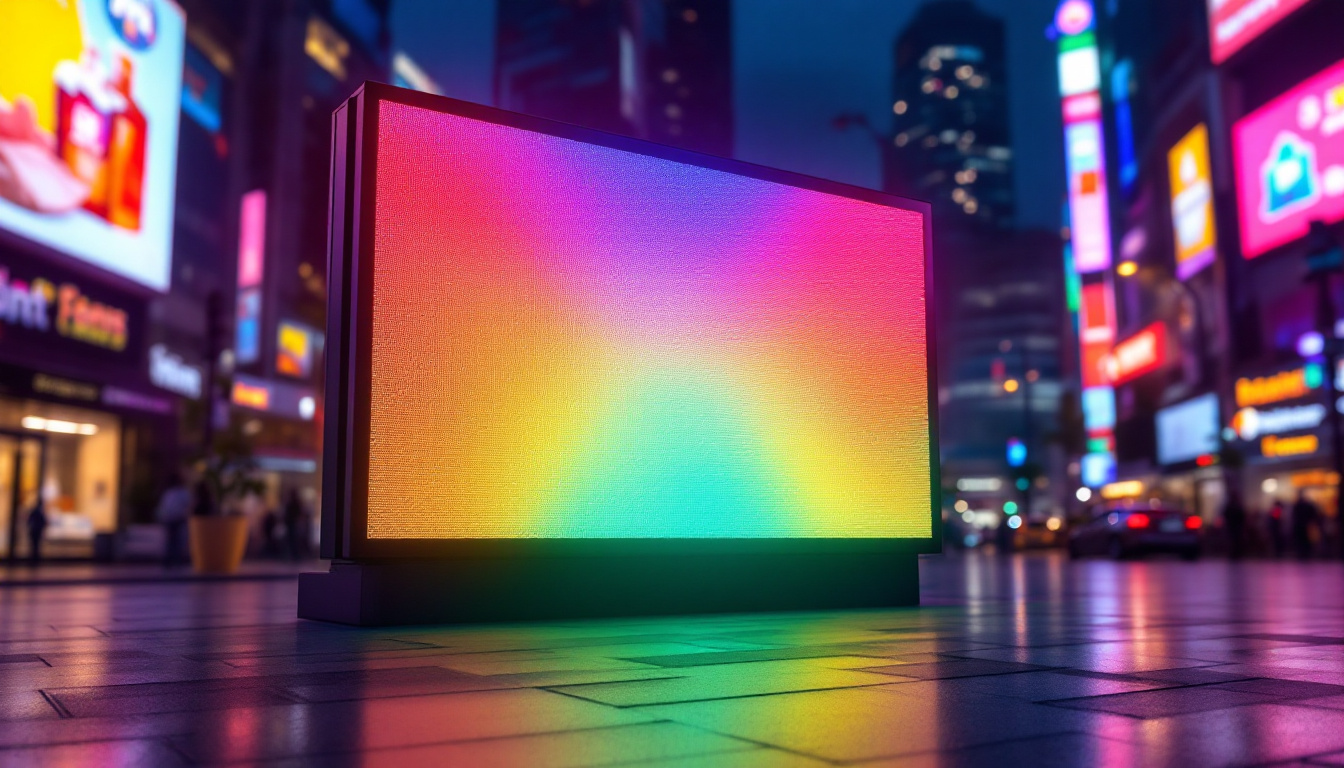
LED, or Light Emitting Diode, technology is the backbone of modern digital displays. Unlike traditional LCD or plasma screens, LED displays use tiny light-emitting diodes to produce bright, vivid images. These diodes can be arranged in various configurations to create screens of almost any size and shape, making them ideal for diverse retail environments. The versatility of LED technology allows for dynamic advertising solutions that can easily adapt to different marketing strategies and seasonal promotions, making them a favorite among retailers looking to capture customer attention.
How LED Displays Work
At the core of an LED display are thousands to millions of microscopic LEDs, each acting as a single pixel. These pixels emit light when an electric current passes through them. By controlling the intensity and color of each LED, the display can render images, videos, and animations with remarkable clarity and brightness. This capability not only enhances the visual appeal of advertisements but also allows for real-time updates, enabling retailers to change messaging quickly and efficiently. The integration of advanced software further enhances the functionality of these displays, allowing for interactive features that engage customers more effectively.
LED displays are often categorized into two types: direct view LED and LED-backlit LCD. Direct view LED displays consist entirely of LEDs that form the image, offering superior brightness and contrast, especially in large-format applications. LED-backlit LCDs use LEDs as a backlight source behind an LCD panel, which is common in smaller retail screens like digital price tags or interactive kiosks. The choice between these types often depends on the specific application; for instance, direct view displays are preferred for outdoor advertising due to their resilience against environmental factors and their ability to maintain image quality in bright sunlight.
Key Technical Specifications
When evaluating LED displays, several technical factors influence performance and suitability for retail use:
- Pixel Pitch: The distance between individual LEDs, measured in millimeters. Smaller pixel pitch means higher resolution and sharper images, important for close-up viewing.
- Brightness: Measured in nits, brightness determines visibility in various lighting conditions. Retail displays often require high brightness (up to 5,000 nits) to remain visible under direct sunlight or bright store lighting.
- Refresh Rate: The frequency at which the image is updated, typically measured in hertz (Hz). Higher refresh rates reduce flicker and improve video quality, enhancing viewer experience.
- Viewing Angle: The maximum angle at which the display can be viewed without significant color distortion or brightness loss. Wide viewing angles ensure that content is visible from multiple positions in a retail space.
In addition to these specifications, factors such as durability and energy efficiency also play crucial roles in the selection of LED displays for retail environments. Many modern LED displays are designed to withstand harsh weather conditions, making them suitable for outdoor use. Furthermore, energy-efficient models are becoming increasingly popular, as they not only reduce operational costs but also align with sustainable business practices. The ability to create eye-catching displays while minimizing environmental impact is a significant advantage for retailers looking to enhance their brand image.
Moreover, the integration of smart technology into LED displays is paving the way for more interactive and personalized customer experiences. With the advent of IoT (Internet of Things), retailers can now connect their displays to various data sources, enabling them to tailor content based on real-time analytics. This capability allows for targeted advertising that resonates with specific customer demographics, ultimately driving sales and improving customer engagement. As technology continues to evolve, the potential applications of LED displays in retail settings are virtually limitless, making them an essential tool for modern marketing strategies.
Benefits of LED Displays in Retail
The adoption of LED display screens in retail environments is driven by their numerous advantages over traditional signage. These benefits contribute directly to improved customer engagement, brand visibility, and ultimately, sales performance.
Enhanced Visual Impact and Engagement
LED displays deliver bright, colorful, and dynamic content that naturally draws the eye. In a busy retail setting, this visual impact can be the difference between a customer noticing a promotion or walking past unnoticed. Studies have shown that digital signage can increase customer dwell time by up to 30%, giving retailers more opportunity to influence purchasing decisions.
Moreover, LED screens support video and animation, which are proven to be more effective at conveying messages and evoking emotions than static images. This capability enables retailers to tell brand stories, showcase product features, and create immersive experiences that resonate with shoppers.
Flexibility and Content Control
One of the greatest advantages of LED displays is the ability to update content instantly and remotely. Retailers can tailor messaging based on time of day, customer demographics, or inventory levels. For example, a clothing store might promote rainwear during a sudden weather change or highlight limited-time offers during peak shopping hours.
This flexibility reduces the costs and delays associated with printing and installing new signage, allowing for agile marketing strategies that respond to real-time data and trends.
Energy Efficiency and Longevity
LED technology is well-known for its energy efficiency compared to other lighting and display options. Retailers benefit from lower electricity costs, especially when using large-scale displays that operate for extended periods. Additionally, LEDs have a longer lifespan — often exceeding 50,000 hours — which translates to reduced maintenance and replacement expenses.
Improved Brand Perception
High-quality LED displays convey a modern, innovative brand image. Retailers investing in cutting-edge technology signal to customers that they are forward-thinking and customer-centric. This perception can enhance brand loyalty and attract tech-savvy consumers who value immersive shopping experiences.
Common Applications of LED Displays in Retail
LED display screens are versatile tools that can be integrated into various aspects of the retail environment. Their applications range from storefront advertising to in-store navigation and interactive experiences.
Outdoor Storefront Signage
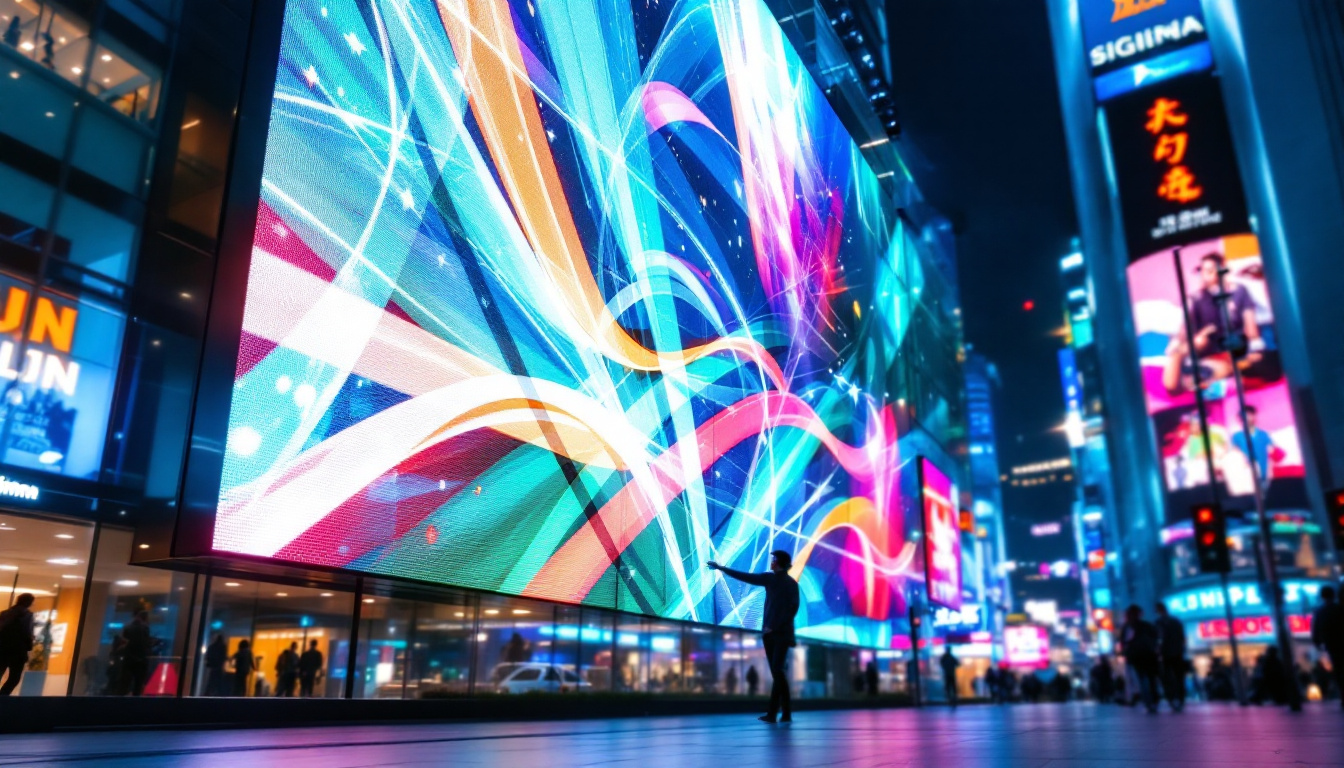
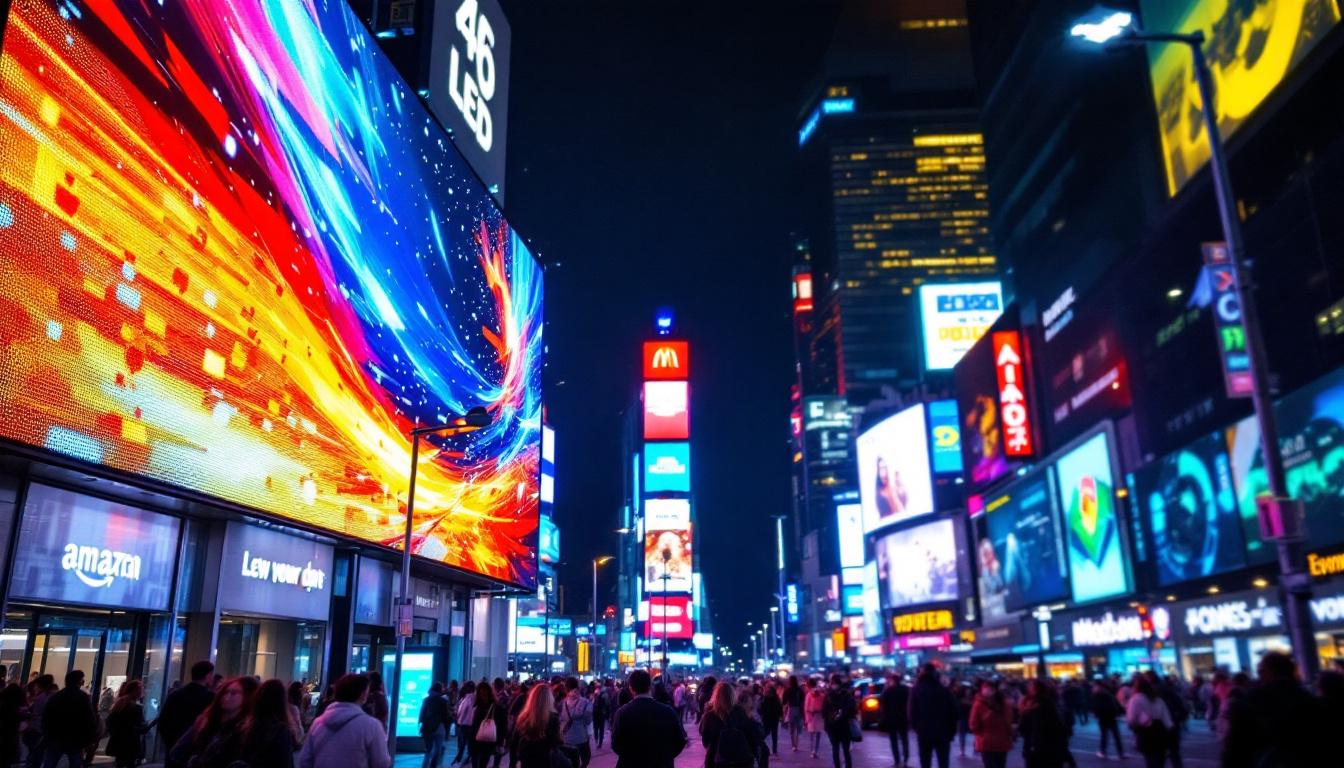
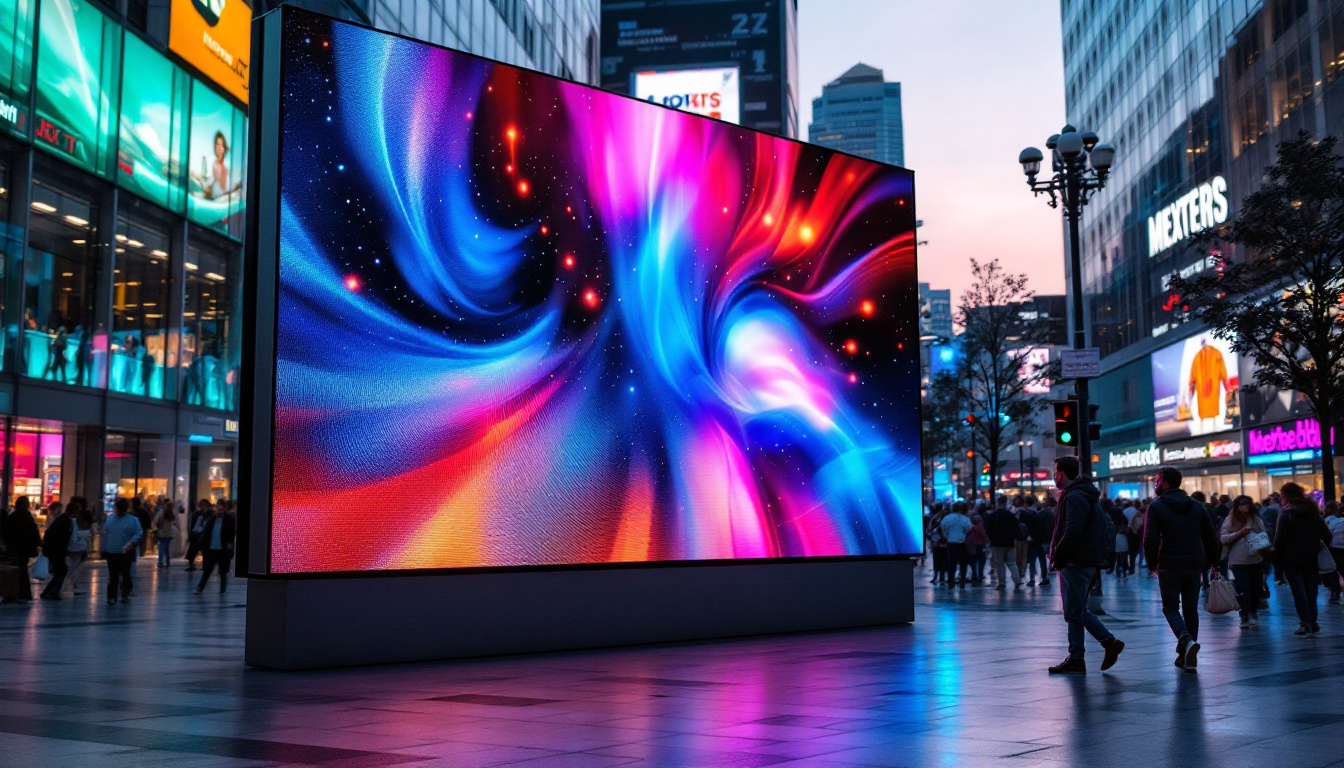
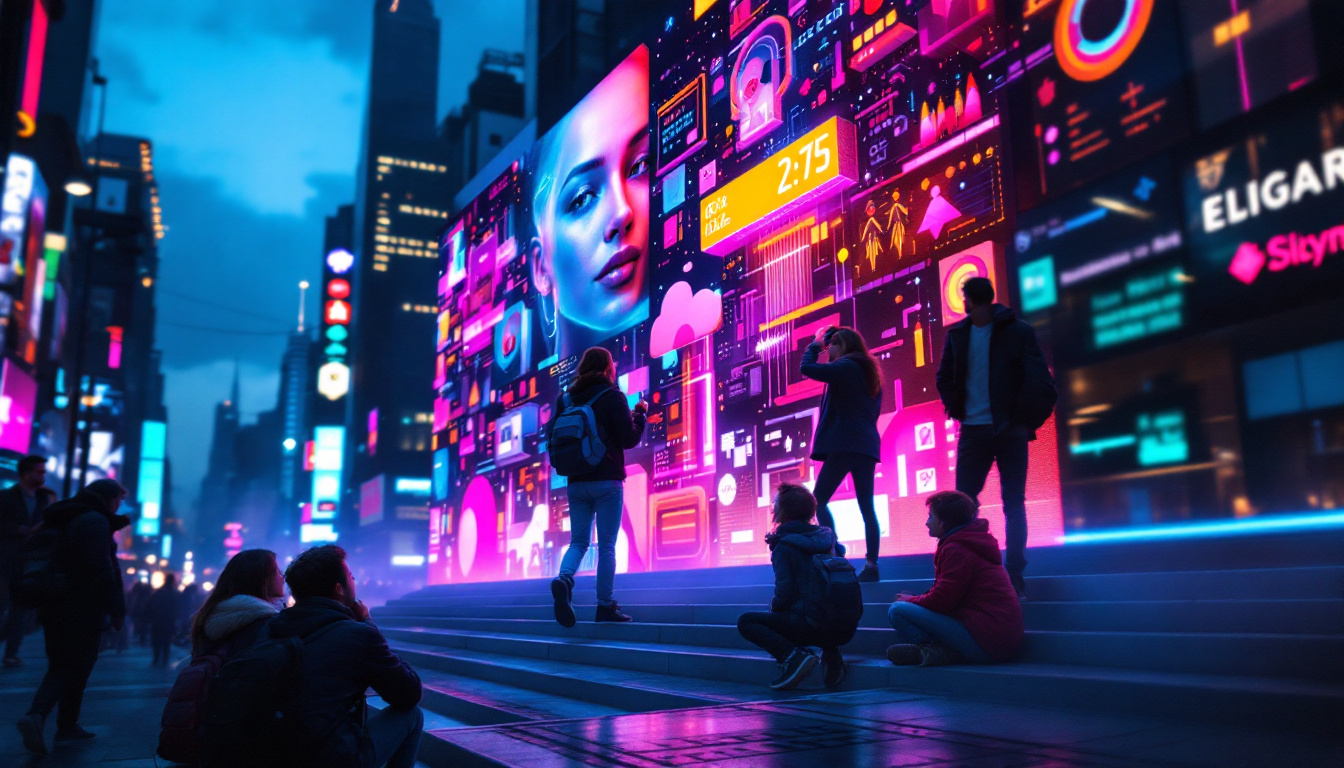
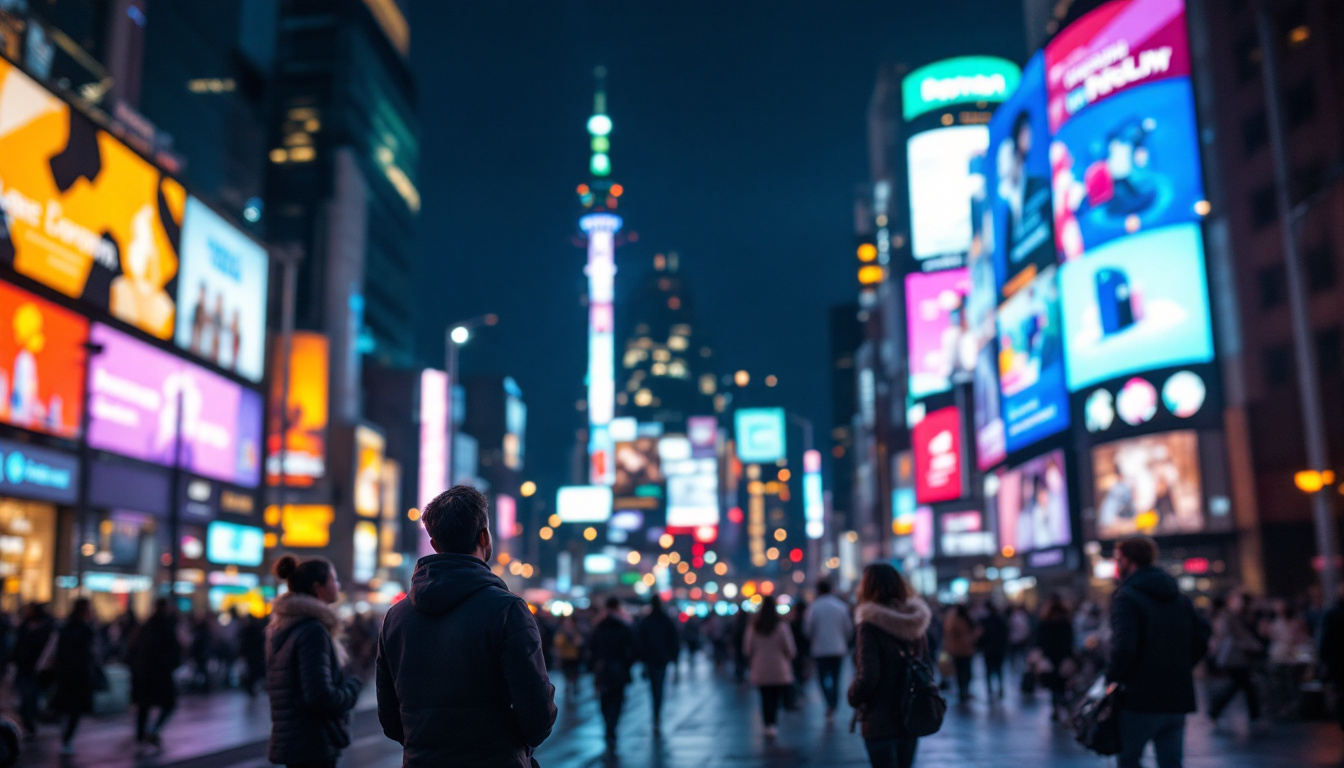
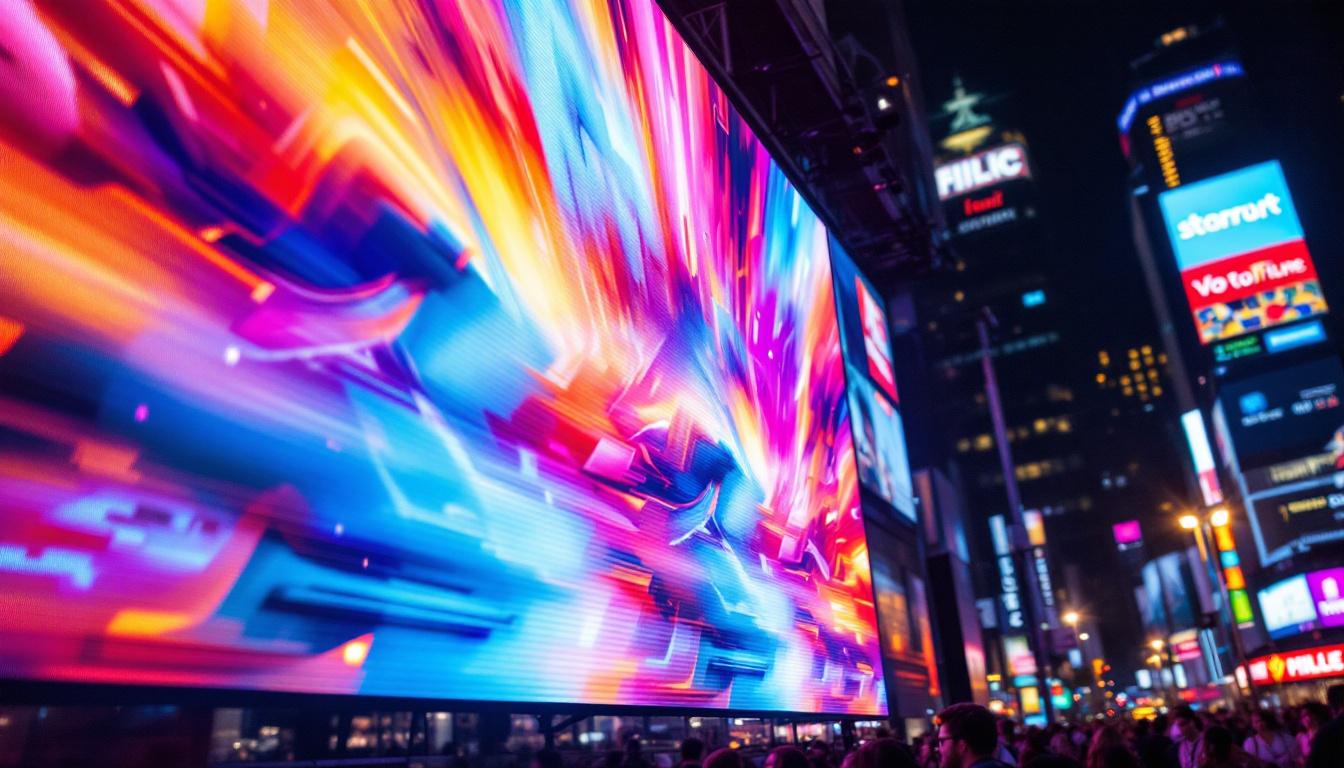
Large-format LED billboards and signs placed outside retail stores serve as powerful beacons to attract foot traffic. Their brightness and visibility in different weather conditions make them ideal for promoting sales, new arrivals, and brand messages to passersby. For example, a supermarket chain might use an LED marquee to advertise daily specials, while a fashion retailer could display runway videos or influencer endorsements.
In-Store Digital Posters and Video Walls
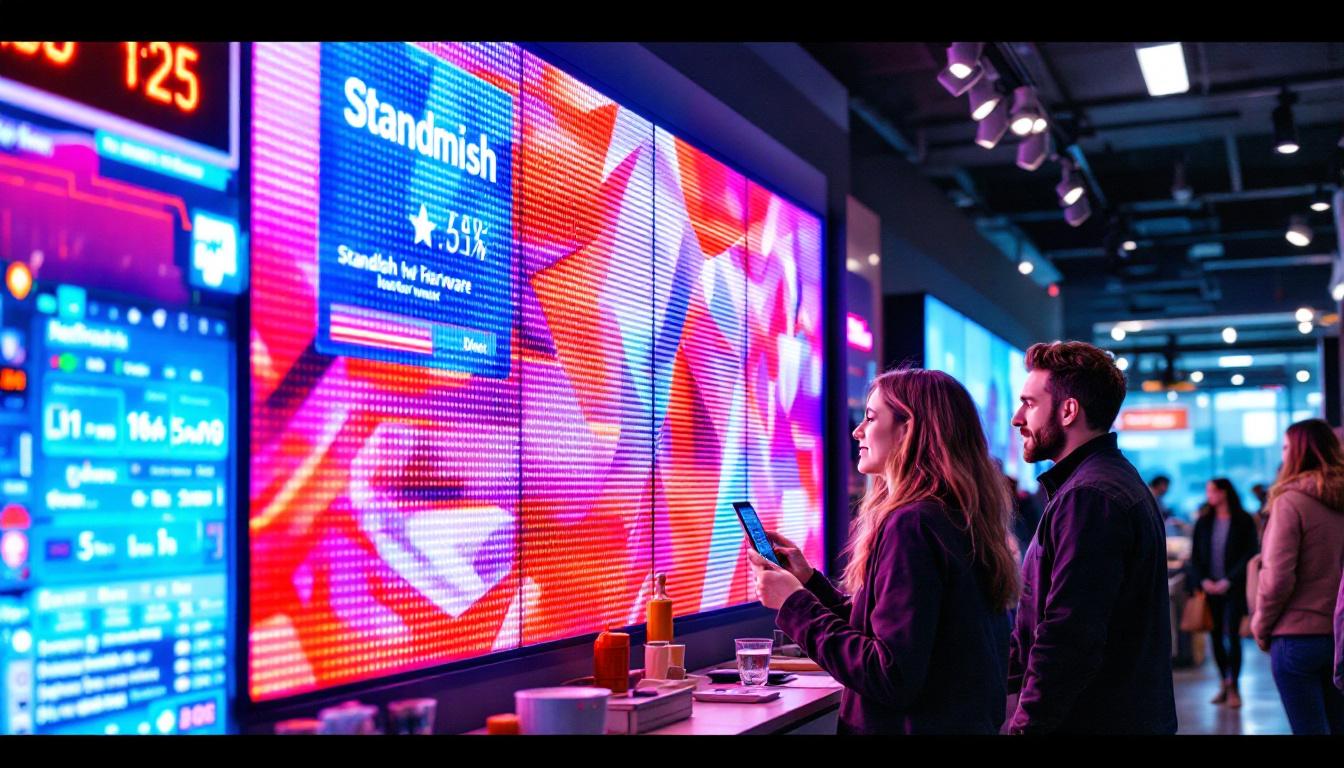
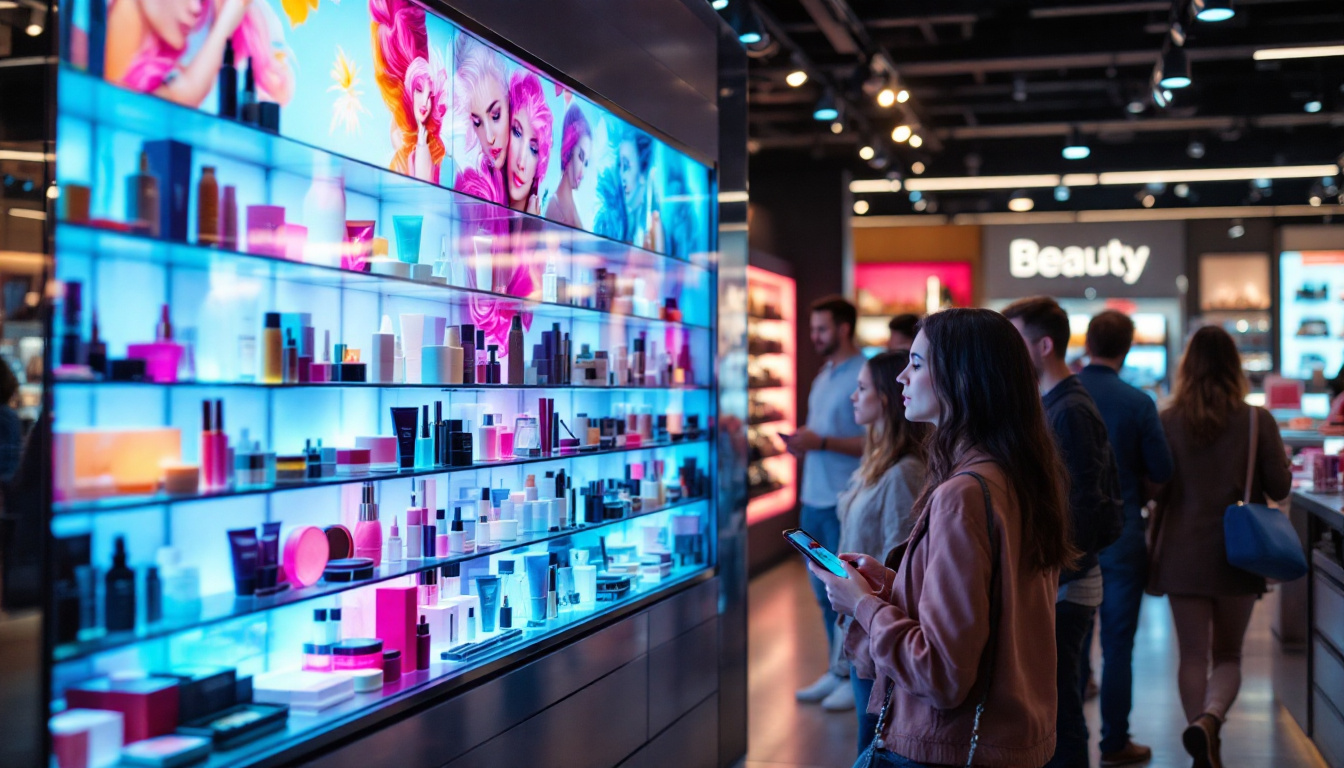
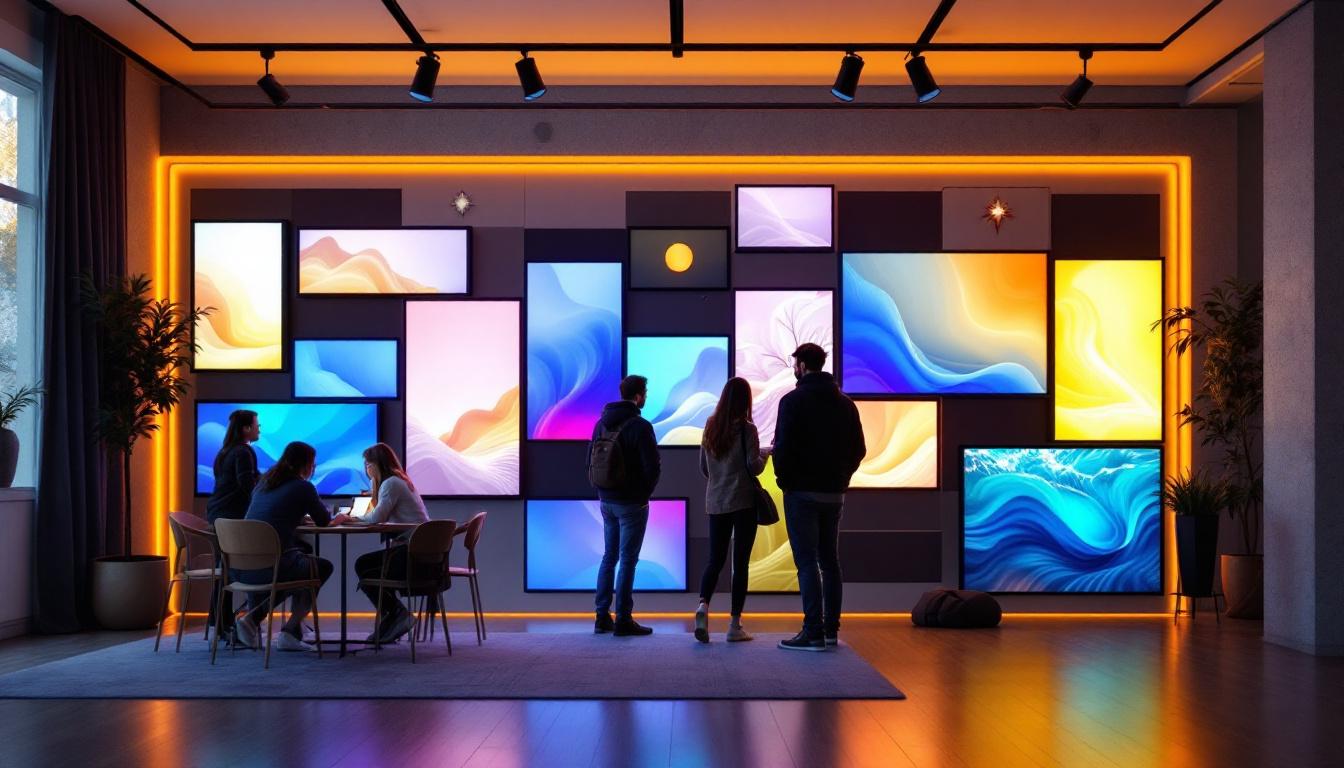
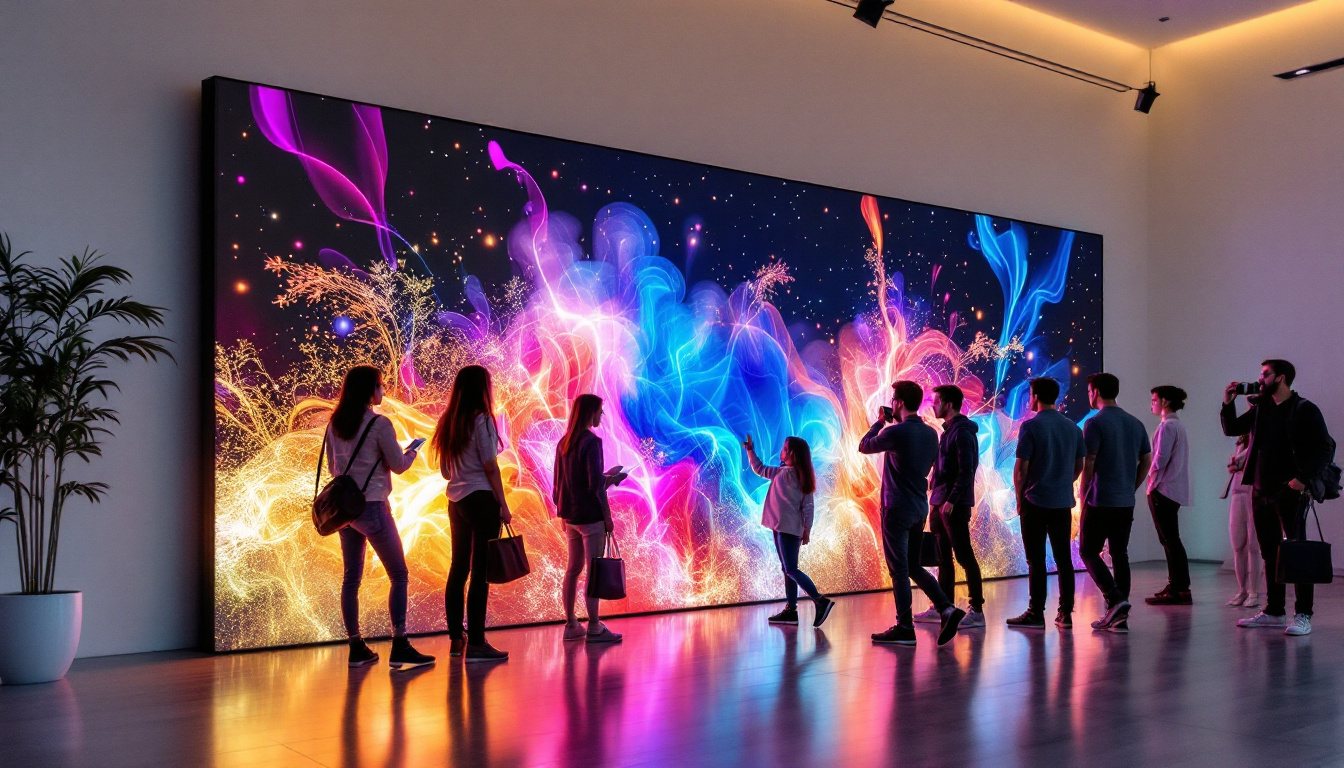
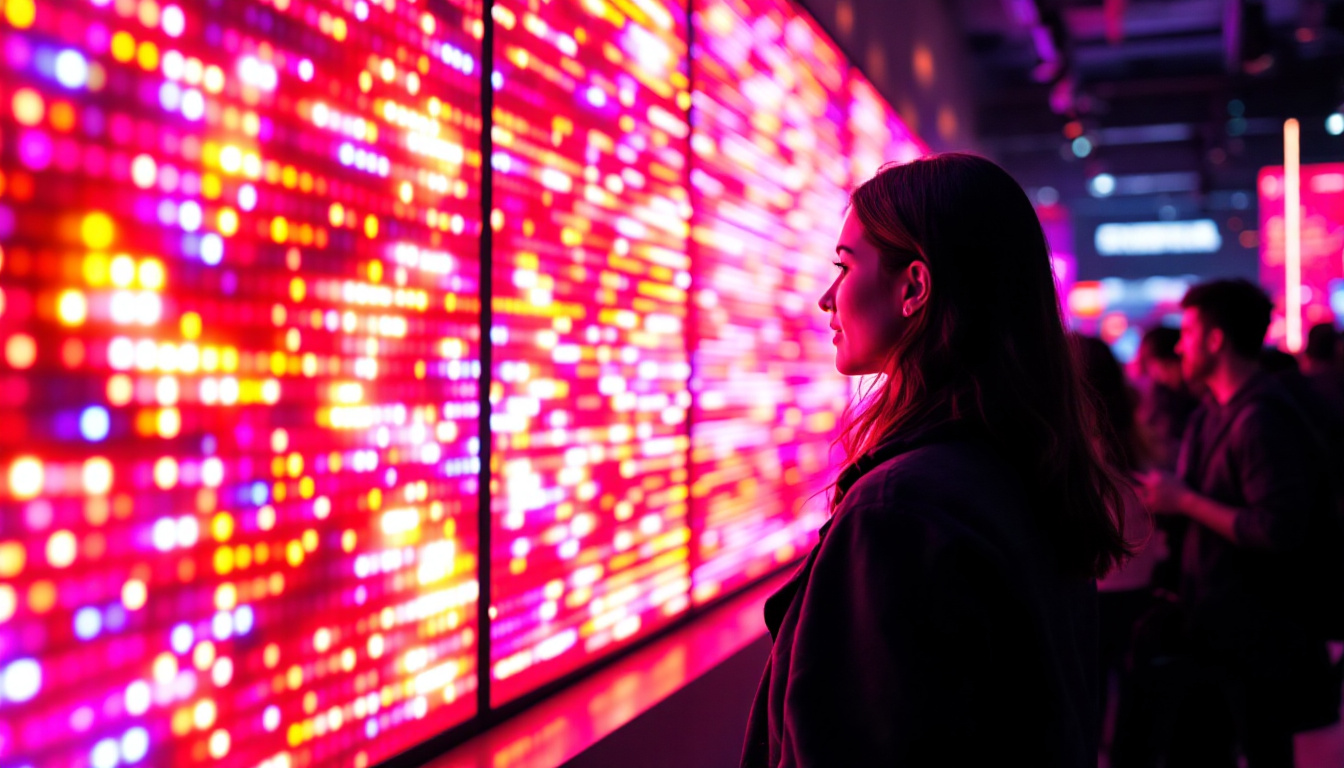
Inside the store, LED screens can replace traditional posters with dynamic digital displays. Video walls composed of multiple LED panels create immersive environments that showcase products in action or demonstrate features. These installations are particularly effective in electronics, cosmetics, and luxury goods stores, where storytelling enhances product desirability.
Interactive Kiosks and Wayfinding
Integrating touch-enabled LED screens allows retailers to offer interactive experiences such as product catalogs, personalized recommendations, and store navigation aids. This technology improves customer service by empowering shoppers to find information quickly and engage with the brand on a deeper level.
Checkout and Queue Management
LED displays placed near checkout counters or in waiting areas can entertain customers with promotional content, reducing perceived wait times. Additionally, digital signage can be used to communicate loyalty program benefits or upsell complementary products, increasing average transaction value.
Considerations When Choosing LED Displays for Retail
While LED displays offer significant advantages, selecting the right solution requires careful consideration of various factors to maximize return on investment and ensure seamless integration.
Assessing Environmental Conditions
Retailers must evaluate the lighting environment where the display will be installed. Outdoor screens need to withstand weather elements and maintain visibility under direct sunlight, necessitating higher brightness and protective enclosures. Indoor displays require appropriate brightness levels to avoid glare and eye strain while blending with store aesthetics.
Determining Optimal Screen Size and Resolution
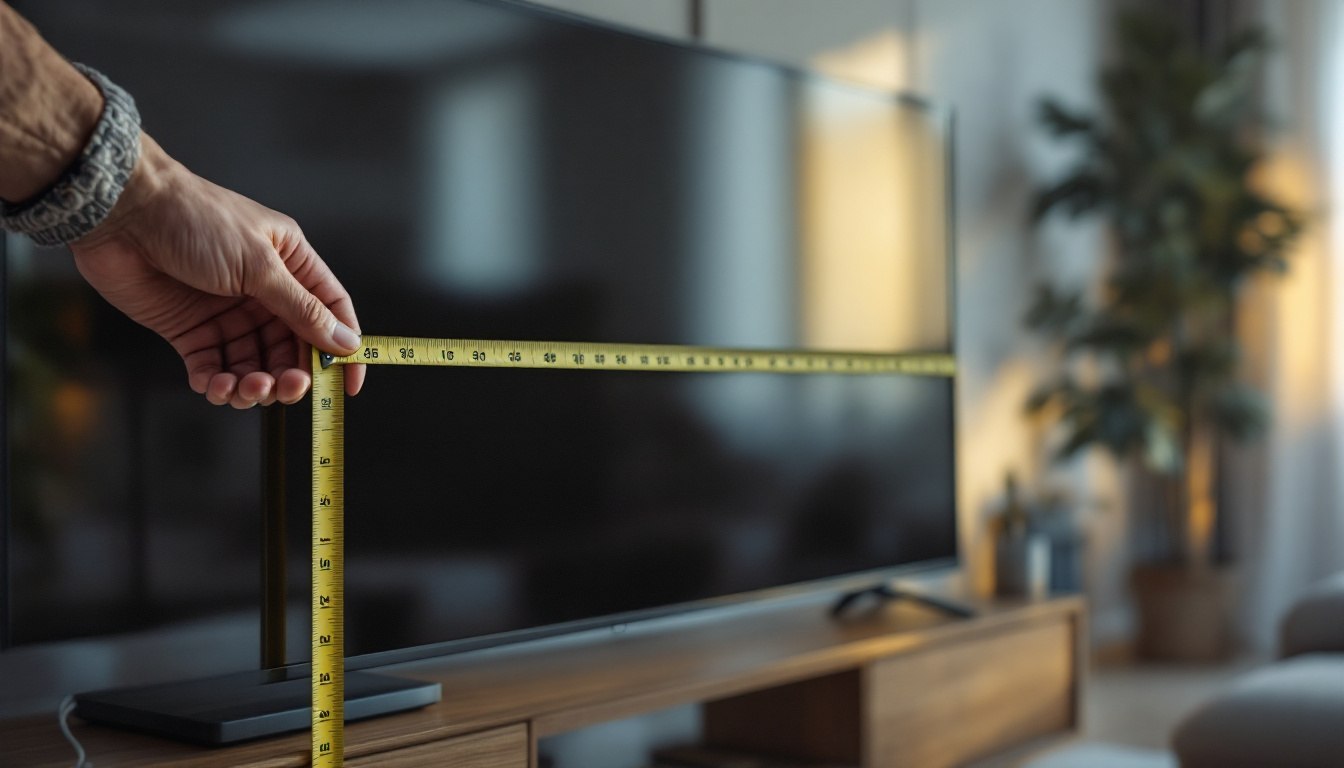
The size and resolution of the LED display should align with viewing distance and content complexity. For example, a small digital price tag near shelves requires a fine pixel pitch for clarity, whereas a large storefront billboard can have a wider pixel pitch since viewers are farther away. Consulting with display manufacturers or specialists can help identify the best specifications.
Content Strategy and Management
Investing in LED hardware is only part of the equation. Retailers need a robust content management system (CMS) to schedule, update, and monitor digital signage content efficiently. A well-planned content strategy ensures that messaging remains relevant, engaging, and aligned with marketing goals.
Budget and Total Cost of Ownership
While LED displays can be cost-effective over time, initial investment costs vary widely based on size, resolution, and features. Retailers should consider installation, maintenance, software licenses, and potential upgrades when budgeting. Comparing options and calculating expected benefits helps justify the expenditure.
The Future of LED Displays in Retail
As technology advances, LED displays continue to evolve, offering even more opportunities for retailers to connect with customers. Innovations such as transparent LED screens, flexible and curved panels, and integration with artificial intelligence (AI) and augmented reality (AR) are shaping the future of retail environments.
Smart and Interactive Displays
Next-generation LED displays incorporate sensors and AI to personalize content based on shopper behavior, demographics, and preferences. For instance, a smart display might change promotions when it detects a family with children or highlight eco-friendly products to environmentally conscious consumers.
Seamless Integration with Omnichannel Strategies
LED displays are becoming integral components of omnichannel retailing, bridging online and offline experiences. Retailers can synchronize in-store digital signage with e-commerce platforms, social media campaigns, and mobile apps to deliver consistent, real-time messaging across all touchpoints.
Sustainability and Energy Innovations
With growing emphasis on sustainability, LED technology is advancing toward even greater energy efficiency and recyclability. Retailers adopting eco-friendly digital signage solutions not only reduce operational costs but also appeal to environmentally aware customers.
Conclusion
LED display screens have transformed retail marketing by enabling vibrant, flexible, and interactive visual communication. Their ability to captivate customers, adapt to changing conditions, and enhance brand perception makes them indispensable tools for modern retailers. By understanding the technology, benefits, and strategic considerations outlined in this article, businesses can make informed decisions to leverage LED displays effectively and stay competitive in an increasingly digital marketplace.
Discover LumenMatrix’s Innovative LED Solutions
Ready to elevate your retail space with the latest in LED display technology? LumenMatrix is at the forefront of creating immersive visual experiences that captivate and engage. From Indoor and Outdoor LED Wall Displays to specialized solutions like Vehicle, Sports, and Floor LED Displays, our offerings are designed to integrate seamlessly into your retail environment. Embrace the future of retail with our Custom, All-in-One, and Transparent LED Displays, and see firsthand how our commitment to innovation can revolutionize your visual communication. Check out LumenMatrix LED Display Solutions today and transform your brand’s presence.