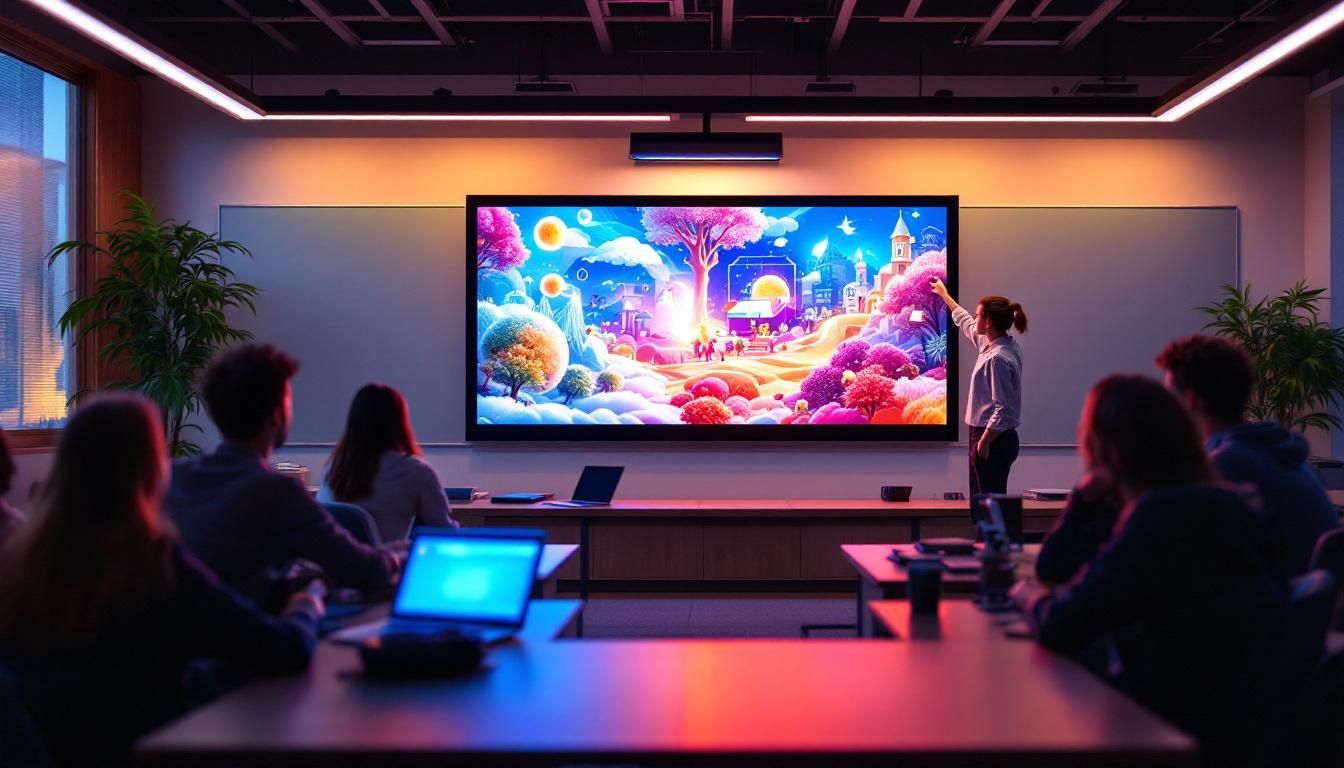
Classroom Screen: LED Display Explained
In today’s educational landscape, technology plays a pivotal role in enhancing teaching and learning experiences. One of the most impactful tools in modern classrooms is the LED display, often integrated into classroom screens to present information dynamically and clearly. This article delves into the intricacies of classroom LED displays, exploring their technology, benefits, applications, and considerations for educators and institutions aiming to optimize their use.
Understanding LED Display Technology
What is an LED Display?
LED stands for Light Emitting Diode, a semiconductor device that emits light when an electric current passes through it. An LED display is a flat panel that uses an array of these tiny light sources to create images, videos, and text. Unlike traditional LCD screens that rely on backlighting, LED displays use these diodes as the light source, resulting in brighter and more vibrant visuals. This technology not only enhances the aesthetic appeal of the display but also improves energy efficiency, making LED displays a more sustainable choice for educational institutions.
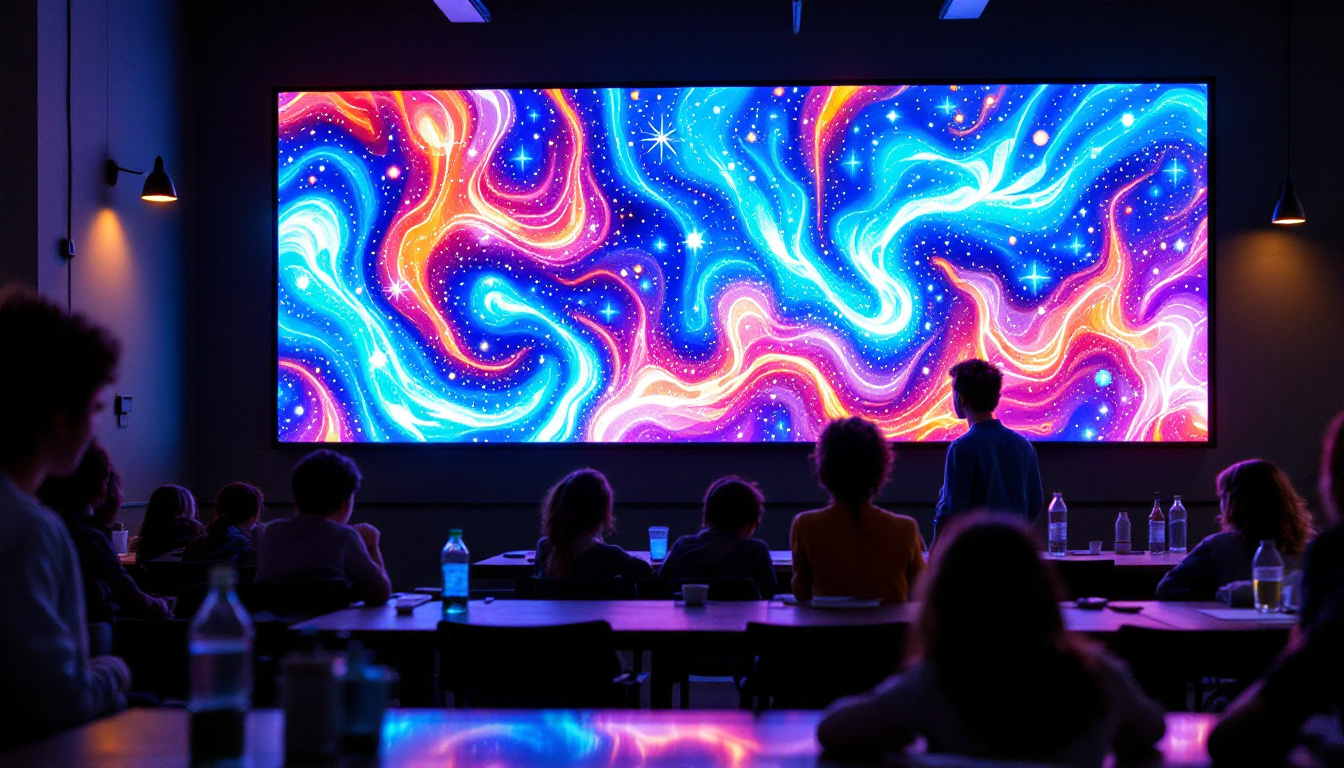
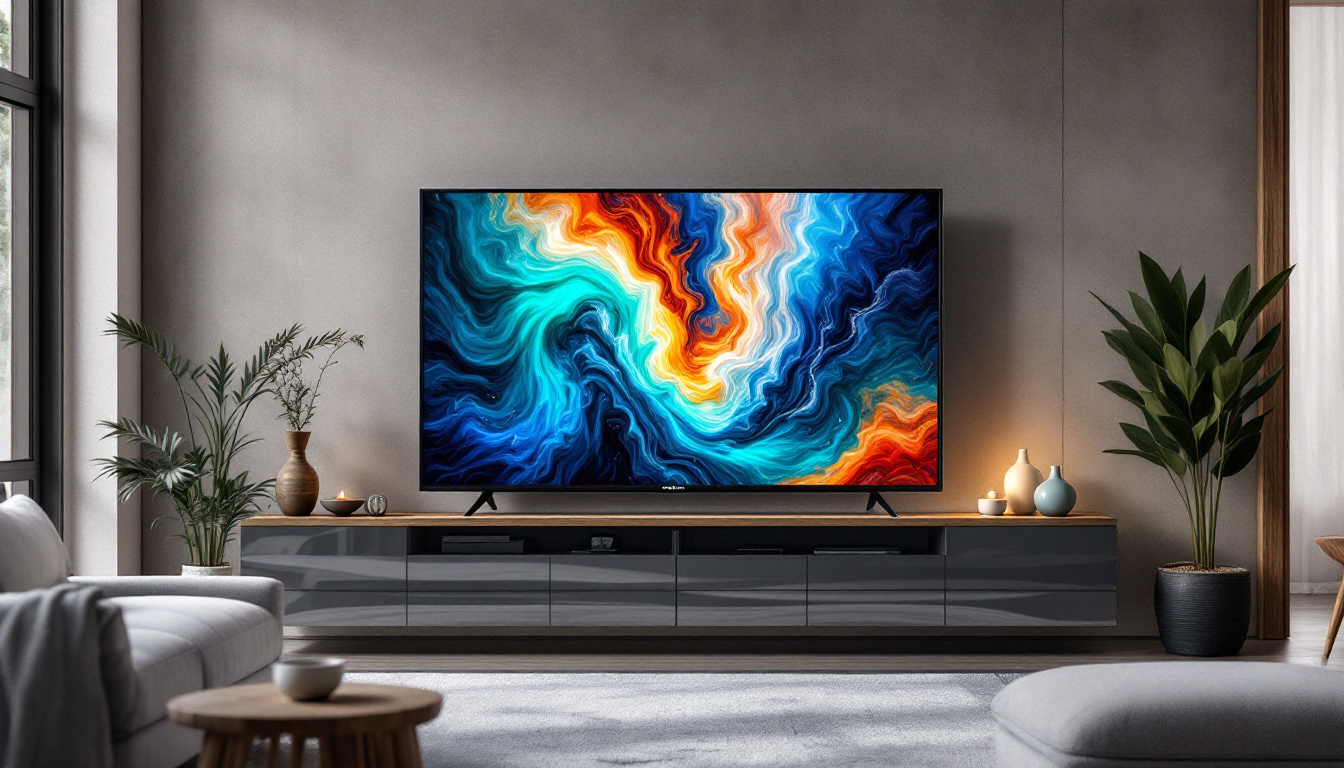
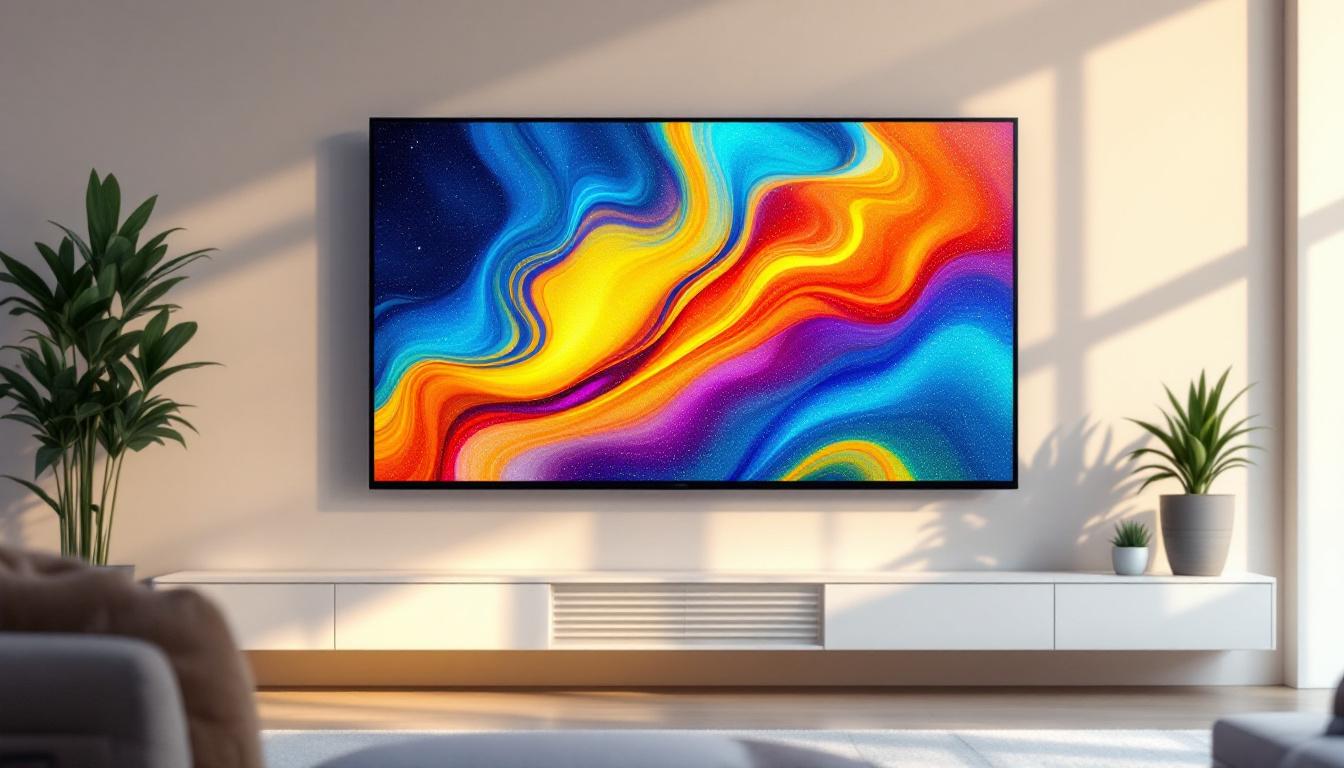
In the context of classroom screens, LED displays are often used either as standalone monitors or integrated into interactive whiteboards and digital signage. Their ability to produce high-contrast images with vivid colors makes them ideal for environments where clarity and visibility are paramount. Furthermore, the durability of LED technology means that these displays can withstand the rigors of daily classroom use, reducing the need for frequent replacements and repairs. As a result, schools can invest in LED displays with confidence, knowing they will serve their educational needs for years to come.
Types of LED Displays Used in Classrooms
There are primarily two types of LED displays commonly found in educational settings:
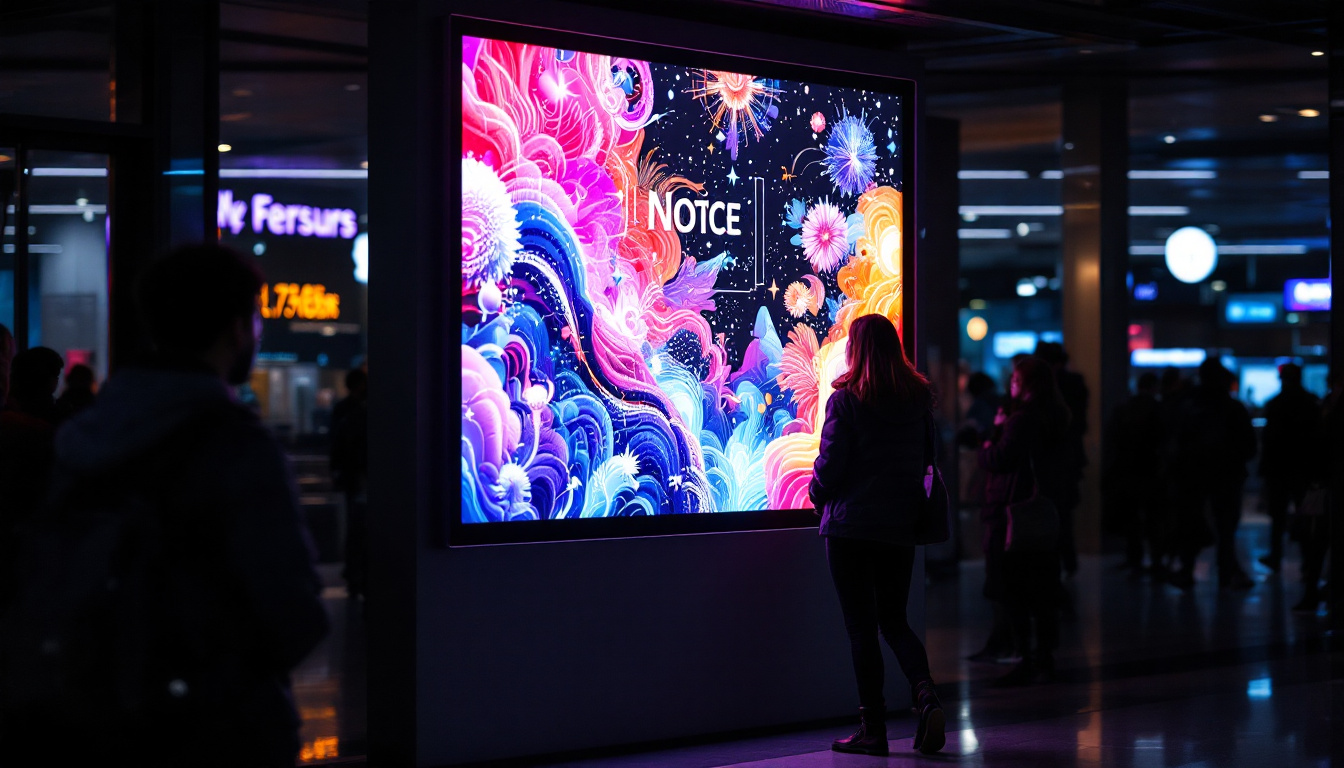
- Direct View LED (DVLED): This type uses LEDs as individual pixels, creating a display that can be very large and bright. DVLED screens are often used for large classroom or auditorium displays where visibility from a distance is critical. They are particularly effective for presentations, video screenings, and interactive learning sessions, allowing students to engage with content from various angles and distances.
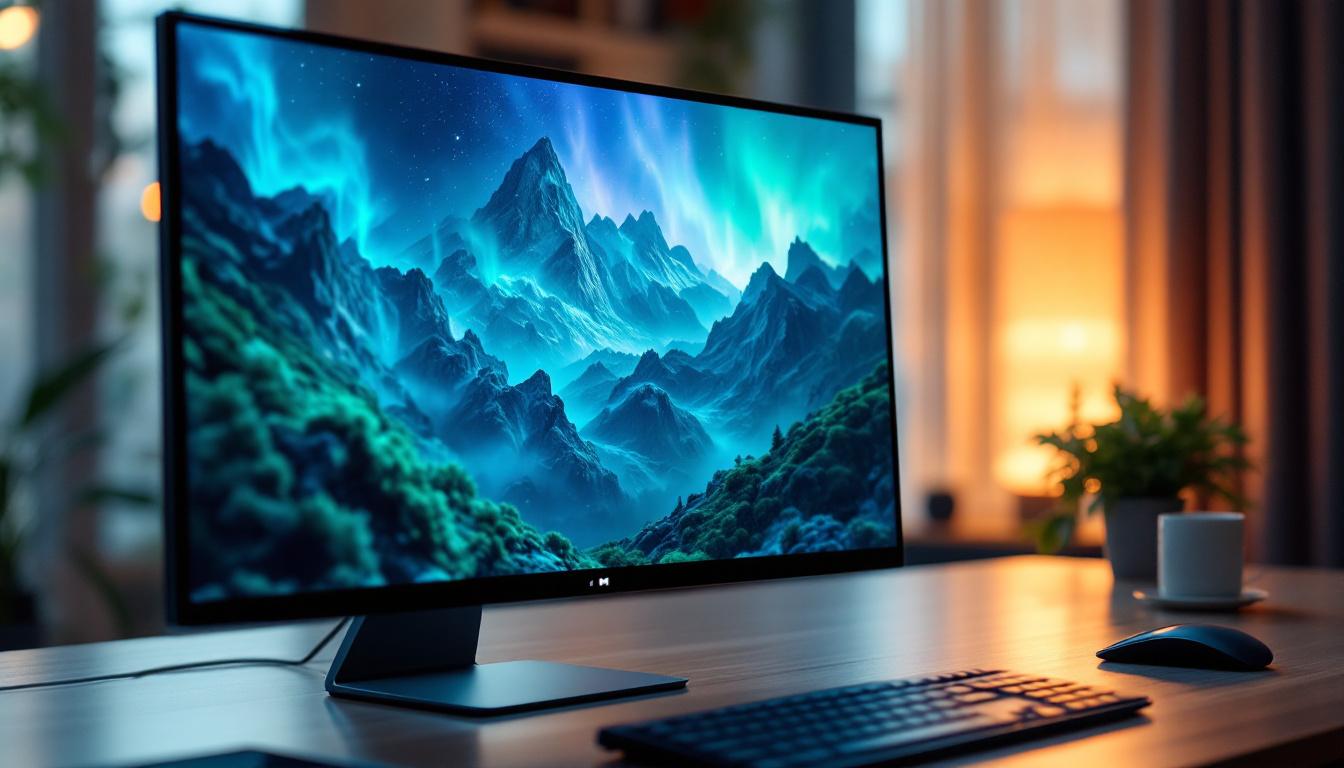
- LED-backlit LCD Displays: These are traditional LCD panels that use LEDs as the backlighting source instead of fluorescent lamps. They are more common in desktop monitors, laptops, and smaller classroom screens due to their affordability and energy efficiency. These displays strike a balance between quality and cost, making them accessible for most educational budgets while still providing excellent image quality.
Each type has its advantages depending on the classroom size, lighting conditions, and budget constraints. For instance, while DVLED displays may offer superior brightness and color accuracy, LED-backlit LCD displays are often easier to install and integrate into existing setups. Additionally, the choice of display can influence the teaching methods employed by educators; for example, interactive LED displays can facilitate collaborative learning experiences, allowing students to participate actively in lessons through touch and gesture controls. As technology continues to evolve, the integration of LED displays in classrooms is likely to expand, further enhancing the learning environment.
Advantages of LED Displays in Educational Settings
Enhanced Visual Clarity and Engagement
One of the most significant benefits of LED displays is their superior image quality. LED screens offer higher brightness levels—often exceeding 500 nits—which ensures that content is visible even in well-lit classrooms. This is crucial because natural daylight or overhead lighting can wash out less bright displays, making it difficult for students to see the material clearly.
Moreover, the vibrant color reproduction and high contrast ratios help in maintaining student attention and improving comprehension. Studies have shown that visual engagement can increase retention rates by up to 42%, making LED displays a valuable asset in the learning process. The ability to present complex information through dynamic visuals, such as infographics or videos, can also cater to various learning styles, ensuring that both visual and auditory learners benefit from the material presented.
Durability and Energy Efficiency
LED technology is known for its longevity and low power consumption. Compared to older display technologies like CCFL-backlit LCDs or projectors, LED displays consume less energy, reducing operational costs for schools. Additionally, the lifespan of LED panels can exceed 50,000 hours, meaning fewer replacements and less maintenance over time.
This durability is especially important in classrooms where screens are in constant use throughout the day. The robust build quality of many LED displays also means they can withstand the rigors of a busy educational environment. Furthermore, the lower energy consumption not only translates to cost savings but also aligns with sustainability goals that many educational institutions are striving to achieve. By adopting LED technology, schools can reduce their carbon footprint while providing a modern learning experience.
Interactive Capabilities and Integration
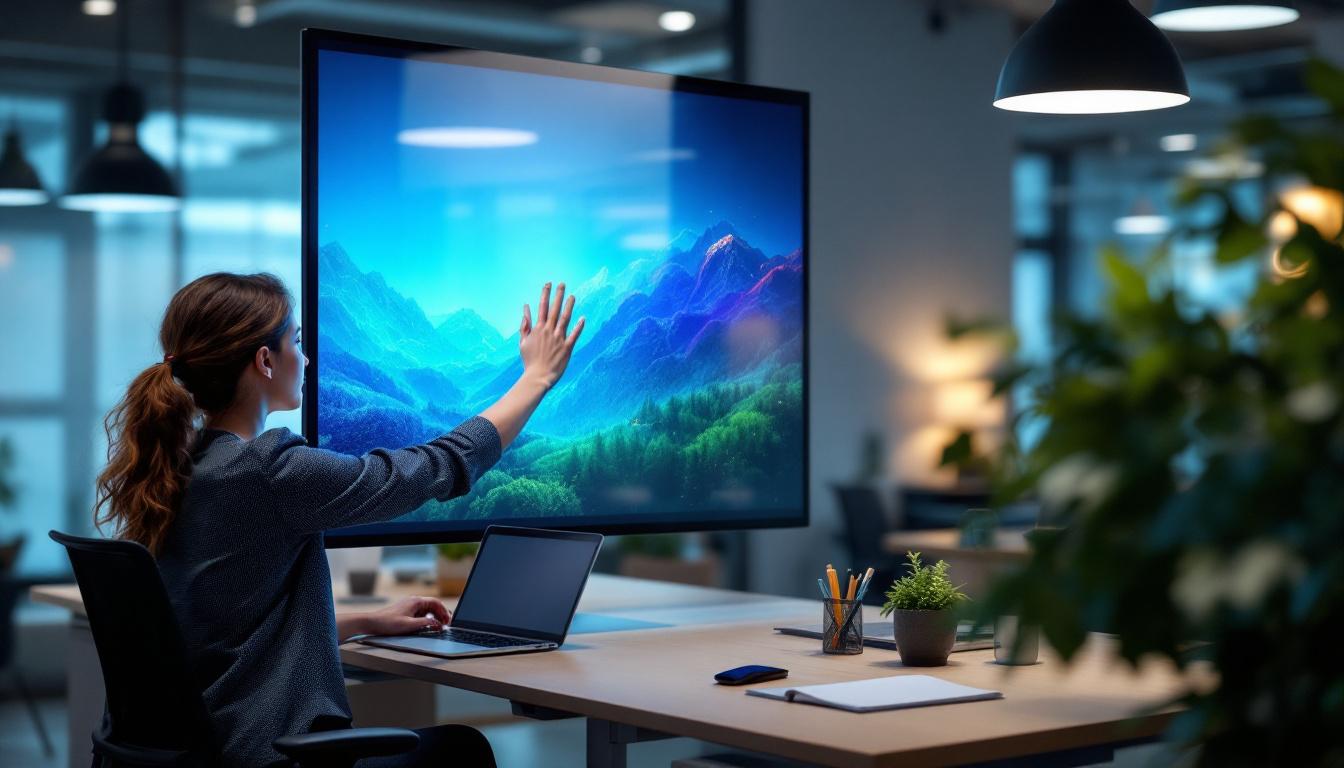
Many modern LED classroom screens are designed with interactivity in mind. Touchscreen LED displays allow teachers and students to interact directly with the content, whether it’s annotating a presentation, manipulating digital objects, or collaborating on group projects. This hands-on approach fosters active learning and can accommodate diverse teaching styles.
Furthermore, LED displays often integrate seamlessly with educational software, wireless casting technologies, and classroom management systems, enabling smooth content sharing and real-time feedback. This integration not only streamlines lesson planning but also encourages collaborative learning among students, as they can easily share their screens or work together on digital platforms. The ability to access a wide range of online resources and interactive tools directly from the display further enriches the educational experience, making learning more engaging and relevant to the digital age.
Applications of LED Displays in Classrooms
Presentations and Lectures
LED screens serve as the primary medium for delivering presentations and lectures, replacing traditional chalkboards and overhead projectors. Teachers can display slides, videos, and interactive content with ease, making lessons more dynamic and accessible.
For example, a history teacher might use an LED screen to show high-resolution images of artifacts or maps, while a science instructor could display animated simulations of complex processes. This visual support aids comprehension and keeps students engaged.
Collaborative Learning and Group Activities
Interactive LED displays enable collaborative learning environments. Students can work together on digital whiteboards, brainstorm ideas, and solve problems collectively. This fosters communication skills and encourages peer-to-peer learning, which research has identified as a key factor in academic success.
Additionally, LED screens can be used for video conferencing, connecting classrooms with remote experts or other schools, broadening educational horizons beyond the physical classroom.
Accessibility and Inclusivity
LED displays can be configured to support accessibility features such as adjustable font sizes, high-contrast modes, and screen readers. This ensures that students with visual impairments or learning disabilities can access educational content effectively.
Moreover, the ability to project large, clear images benefits students seated at the back of the classroom, promoting inclusivity and equal learning opportunities.
Key Considerations When Choosing a Classroom LED Display
Screen Size and Resolution
The size of the LED display should correspond to the classroom dimensions and seating arrangement. A general rule is that the screen height should be at least one-sixth the distance from the furthest viewer. For example, in a classroom where the farthest student sits 18 feet away, the screen height should be at least 3 feet.
Resolution is equally important. Full HD (1920×1080 pixels) is the minimum recommended for clear text and detailed images, but 4K displays are becoming more affordable and provide even sharper visuals, especially beneficial for large screens.
Brightness and Viewing Angles
Classrooms often have varying lighting conditions, from natural sunlight to artificial lighting. Choosing an LED display with high brightness (measured in nits) ensures visibility in all conditions. For most classrooms, a brightness level of 400-600 nits is adequate.
Wide viewing angles are also essential so that students seated at the sides can see the content without color distortion or loss of brightness. IPS (In-Plane Switching) LED panels are known for superior viewing angles and color accuracy.
Connectivity and Compatibility
Modern classrooms utilize a variety of devices, including laptops, tablets, and smartphones. The LED display should support multiple input options such as HDMI, USB, VGA, and wireless casting protocols like Miracast or AirPlay.
Compatibility with classroom management software and interactive tools enhances the utility of the display, allowing seamless integration into existing educational ecosystems.
Budget and Total Cost of Ownership
While LED displays can be more expensive upfront compared to traditional projectors or older display technologies, their energy efficiency, durability, and reduced maintenance costs often make them more economical in the long run.
Schools should consider the total cost of ownership, including installation, warranty, and potential software subscriptions, to make an informed investment.
Future Trends in Classroom LED Displays
Mini-LED and Micro-LED Technologies
Emerging technologies like Mini-LED and Micro-LED promise even better brightness, contrast, and energy efficiency. Mini-LED uses thousands of tiny LEDs for backlighting, enabling more precise local dimming and deeper blacks. Micro-LED, still in early stages, offers self-emissive pixels similar to OLED but with higher brightness and lifespan.
These advancements could revolutionize classroom displays by providing cinema-quality visuals and enhanced durability.
Augmented Reality (AR) and Mixed Reality Integration
Future classroom LED displays may integrate AR and mixed reality features, allowing students to interact with 3D models and immersive content directly on the screen. This can transform subjects like anatomy, engineering, and geography by providing experiential learning opportunities.
AI-Powered Adaptive Displays
Artificial intelligence could enable LED displays to adapt content presentation based on student engagement, lighting conditions, or even individual learning preferences. For example, the screen might adjust brightness automatically or highlight key points dynamically during a lesson.
Conclusion
LED displays have become an indispensable component of modern classrooms, offering superior image quality, interactivity, and durability that enhance teaching and learning experiences. By understanding the technology behind LED screens and carefully considering factors such as size, brightness, and connectivity, educators and institutions can select the best solutions to meet their needs.
As technology continues to evolve, classroom LED displays will likely become even more sophisticated, integrating new features that support personalized and immersive learning. Investing in quality LED display technology today sets the foundation for a more engaging and effective educational environment tomorrow.
Discover LumenMatrix LED Display Solutions for Your Classroom
Ready to transform your educational environment with the latest in LED display technology? LumenMatrix is at the forefront of creating immersive and interactive visual experiences for classrooms of the future. From vibrant Indoor LED Walls to engaging All-in-One LED Displays, our solutions are designed to captivate students and enhance learning. Explore our full range of innovative LED display modules and find the perfect fit for your institution. Check out LumenMatrix LED Display Solutions today and take the first step towards a more dynamic and effective educational setting.