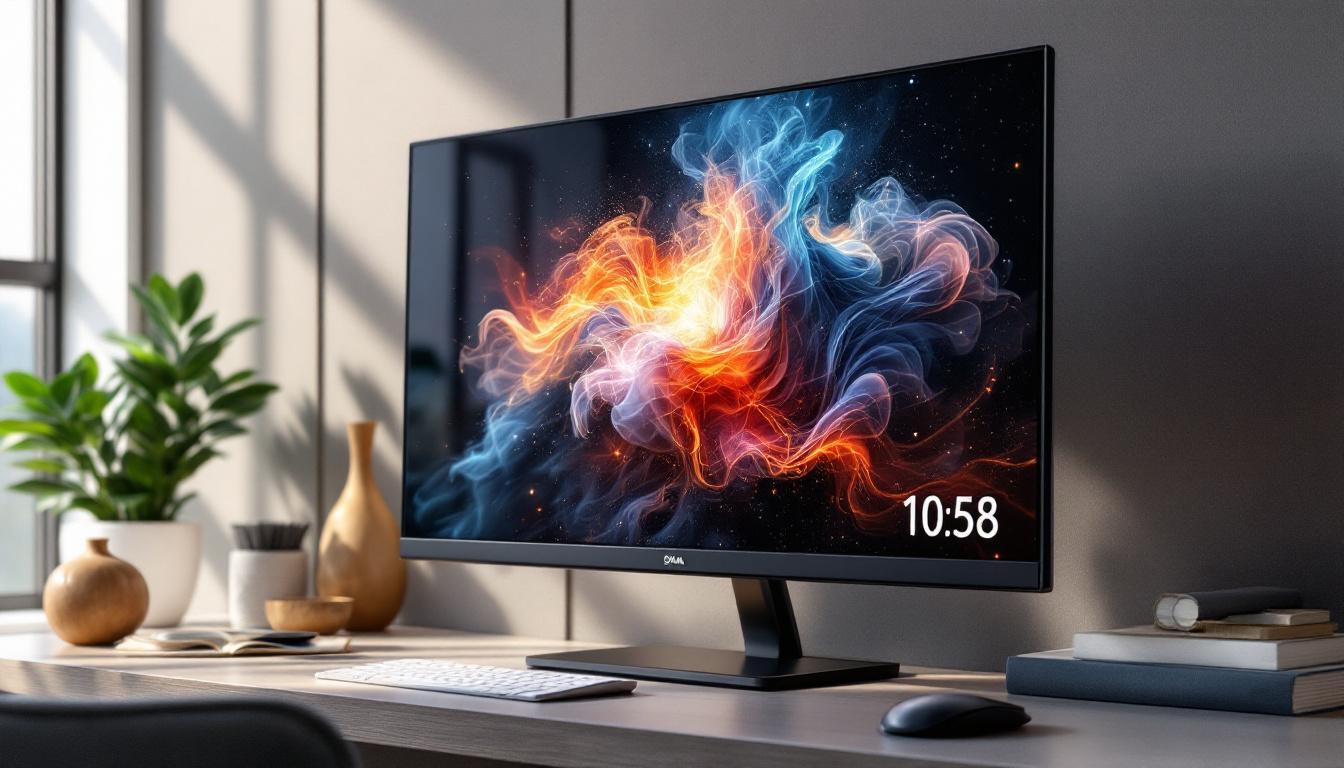
In the world of modern display technology, the terms LED and LCD are often used interchangeably, yet they represent distinct concepts that influence how screens perform and appear. Whether shopping for a new television, computer monitor, or digital signage, understanding the difference between LED and LCD displays is crucial for making an informed purchase. This article explores what LED and LCD displays truly are, how they work, their advantages and disadvantages, and the latest trends shaping the future of screen technology.
Understanding LCD Technology
Liquid Crystal Display (LCD) technology has been a staple in screens for decades, powering everything from calculators to large flat-panel TVs. At its core, an LCD screen uses liquid crystals that do not emit light themselves but manipulate light passing through them to create images.
LCD panels consist of several layers, including two polarized panels with liquid crystals sandwiched between them. When an electric current is applied, the crystals align to allow varying amounts of light through, forming images. However, because liquid crystals do not produce light, LCDs require a backlight to illuminate the display.
Traditionally, this backlight was provided by cold cathode fluorescent lamps (CCFLs), which are fluorescent tubes that emit white light. CCFL backlights were common in early LCD TVs and monitors but have largely been replaced by LED backlights due to efficiency and performance improvements.
LED backlighting, which can be either edge-lit or back-lit, has revolutionized the LCD market by providing brighter displays with better contrast ratios. Edge-lit LEDs are positioned around the perimeter of the screen, allowing for thinner designs, while back-lit LEDs are placed directly behind the screen, offering more uniform brightness and deeper blacks. This shift not only enhances the visual experience but also contributes to energy savings, making modern LCD displays more environmentally friendly.
Moreover, advancements in LCD technology have led to the development of various types of LCDs, such as In-Plane Switching (IPS) and Twisted Nematic (TN) panels. IPS panels are known for their superior color accuracy and wider viewing angles, making them a favorite among graphic designers and photographers. On the other hand, TN panels are often favored for gaming due to their faster response times, despite having narrower viewing angles and less vibrant colors. This diversity in LCD technology ensures that consumers can choose a display that best fits their specific needs and preferences.
What Does LED Mean in Displays?
LED stands for Light Emitting Diode, a semiconductor device that emits light when an electric current passes through it. In the context of displays, LED refers to the type of backlighting used in an LCD panel rather than a fundamentally different display technology.
When people say “LED TV” or “LED display,” they usually mean an LCD screen that uses LED backlighting instead of the older CCFL method. LED backlights can be arranged in various configurations, such as edge-lit or full-array, and they offer several benefits over CCFLs, including better energy efficiency, thinner panels, and improved color and contrast.
It’s important to clarify that pure LED displays, like those used in large outdoor billboards or some high-end TVs, consist of tiny LEDs that form the image directly without an LCD layer. These are often called OLED (Organic LED) or microLED displays and represent a different technology altogether.
LED technology has revolutionized the way we experience visual media, making it possible to create ultra-thin displays that can be mounted almost anywhere. The edge-lit configuration, for instance, allows manufacturers to produce screens that are remarkably slim, making them ideal for modern aesthetics in homes and offices. Meanwhile, full-array LED backlighting provides even more precise control over brightness and contrast, enabling deeper blacks and brighter whites, which enhances the overall viewing experience.
Moreover, advancements in LED technology have led to the development of HDR (High Dynamic Range) displays, which take advantage of the enhanced color and brightness capabilities of LED backlighting. HDR content can showcase a wider range of colors and greater detail in both the shadows and highlights of an image, creating a more immersive experience for viewers. As the demand for high-quality visual experiences continues to grow, LED technology remains at the forefront of display innovations, paving the way for future developments in screen technology.
Comparing LED-Backlit LCDs and Traditional LCDs
Backlighting and Brightness
One of the most significant differences between LED-backlit LCDs and traditional CCFL-backlit LCDs is the quality of backlighting. LED backlights can be precisely controlled, allowing for better brightness levels and more uniform lighting across the screen. This results in clearer images, especially in brightly lit environments.
Full-array LED backlighting, where LEDs are placed behind the entire screen, can also support local dimming technology. Local dimming dims parts of the screen that should be dark while keeping bright areas illuminated, enhancing contrast and producing deeper blacks.
Energy Efficiency and Lifespan
LED backlights consume less power than CCFLs, making LED-backlit LCDs more energy-efficient. This efficiency translates to lower electricity costs and less heat generation, which can extend the lifespan of the display components. Additionally, LEDs have a longer operational life compared to fluorescent lamps, reducing the need for replacements.
Color Accuracy and Viewing Angles
While LED backlighting improves brightness and contrast, the underlying LCD panel still limits color accuracy and viewing angles. Traditional LCDs can suffer from color shifting and reduced image quality when viewed from off-center angles. However, advancements in panel technologies, such as In-Plane Switching (IPS) and Vertical Alignment (VA), have mitigated some of these issues.
Types of LED Backlighting in LCD Displays
Edge-Lit LED
Edge-lit LED displays position LEDs along the edges of the screen, using light guides to distribute illumination across the panel. This design enables thinner and lighter displays, which are popular in modern TVs and monitors. However, edge lighting can sometimes cause uneven brightness or “clouding” in darker scenes due to less precise light control.
Full-Array LED
Full-array LED backlighting places LEDs directly behind the entire screen area. This allows for more uniform brightness and better local dimming capabilities, improving contrast ratios and black levels. Full-array LED displays tend to be thicker and more expensive but offer superior picture quality, especially in dark viewing environments.
Mini-LED and MicroLED Advances
Recent innovations have introduced mini-LED and microLED technologies, which use much smaller LEDs to provide even finer control over backlighting. Mini-LED displays can have thousands of dimming zones, vastly improving contrast and HDR (High Dynamic Range) performance. MicroLED, on the other hand, is a self-emissive technology where each pixel is an individual LED, similar to OLED but with potentially higher brightness and durability.
OLED vs LED-Backlit LCD: A Brief Comparison
Organic Light Emitting Diode (OLED) displays differ fundamentally from LED-backlit LCDs. Each pixel in an OLED screen emits its own light, eliminating the need for a backlight. This results in true blacks, infinite contrast ratios, and wide viewing angles.
However, OLED panels can be more expensive and susceptible to burn-in, where static images leave permanent marks on the screen. LED-backlit LCDs, especially those with full-array or mini-LED backlighting, offer a cost-effective alternative with excellent brightness and durability.
Choosing between OLED and LED-backlit LCD depends on the intended use, budget, and viewing environment. For instance, OLED is favored for cinematic experiences, while LED-backlit LCDs are often preferred for bright rooms and longer usage periods.
Practical Considerations When Choosing Between LED and LCD Displays
Application and Environment
The choice of display technology should align with the environment where the screen will be used. LED-backlit LCDs with high brightness levels perform well in well-lit rooms, offices, or outdoor signage. Conversely, OLED displays excel in controlled lighting conditions like home theaters.
Budget Constraints
Cost remains a significant factor. LED-backlit LCDs generally offer a wider range of affordable options, from budget-friendly monitors to premium TVs. OLED and advanced microLED displays tend to carry a premium price tag due to their manufacturing complexity and superior performance.
Longevity and Maintenance
LED-backlit LCDs are known for their durability and long operational life, making them suitable for commercial applications and prolonged use. OLEDs, while improving, still face challenges related to longevity and potential image retention, which may be a concern for certain users.
Future Trends in Display Technology
The display industry continues to evolve rapidly, with innovations aimed at improving picture quality, energy efficiency, and form factor. Mini-LED backlighting is becoming increasingly popular in high-end laptops, monitors, and TVs, offering a middle ground between traditional LED-backlit LCDs and OLEDs.
MicroLED technology promises to revolutionize displays by combining the best attributes of OLED and LED technologies—offering high brightness, excellent contrast, long lifespan, and resistance to burn-in. Although still in the early stages of commercial adoption, microLED displays are expected to become more prevalent in the next five to ten years.
Additionally, flexible and transparent displays, driven by advancements in organic materials and LED technology, are opening new possibilities for innovative device designs and applications beyond traditional screens.
Conclusion
Understanding the distinction between LED and LCD displays is essential for consumers and professionals navigating today’s diverse screen market. While LCD refers to the panel technology that manipulates light to form images, LED typically describes the backlighting method used in these panels. LED-backlit LCDs offer significant improvements over older CCFL-backlit LCDs, including better brightness, energy efficiency, and thinner designs.
Emerging technologies like mini-LED and microLED are pushing the boundaries of what LED-backlit LCDs can achieve, narrowing the gap with OLED displays. Ultimately, the best choice depends on individual needs, including viewing environment, budget, and desired image quality. Armed with a clear understanding of these technologies, buyers can make confident decisions that enhance their viewing experience.
Discover Cutting-Edge LED Displays with LumenMatrix
Ready to elevate your visual experience with the latest in LED display technology? Look no further than LumenMatrix, a pioneer in crafting LED display modules that transform any space into a dynamic visual spectacle. From vibrant Indoor LED Walls to robust Outdoor LED Displays, and from versatile Vehicle LED Displays to innovative LED Transparent Displays, LumenMatrix offers a comprehensive range of solutions tailored to your needs. Embrace the future of visual communication and check out LumenMatrix LED Display Solutions today to see how we can help your business make a lasting impression.