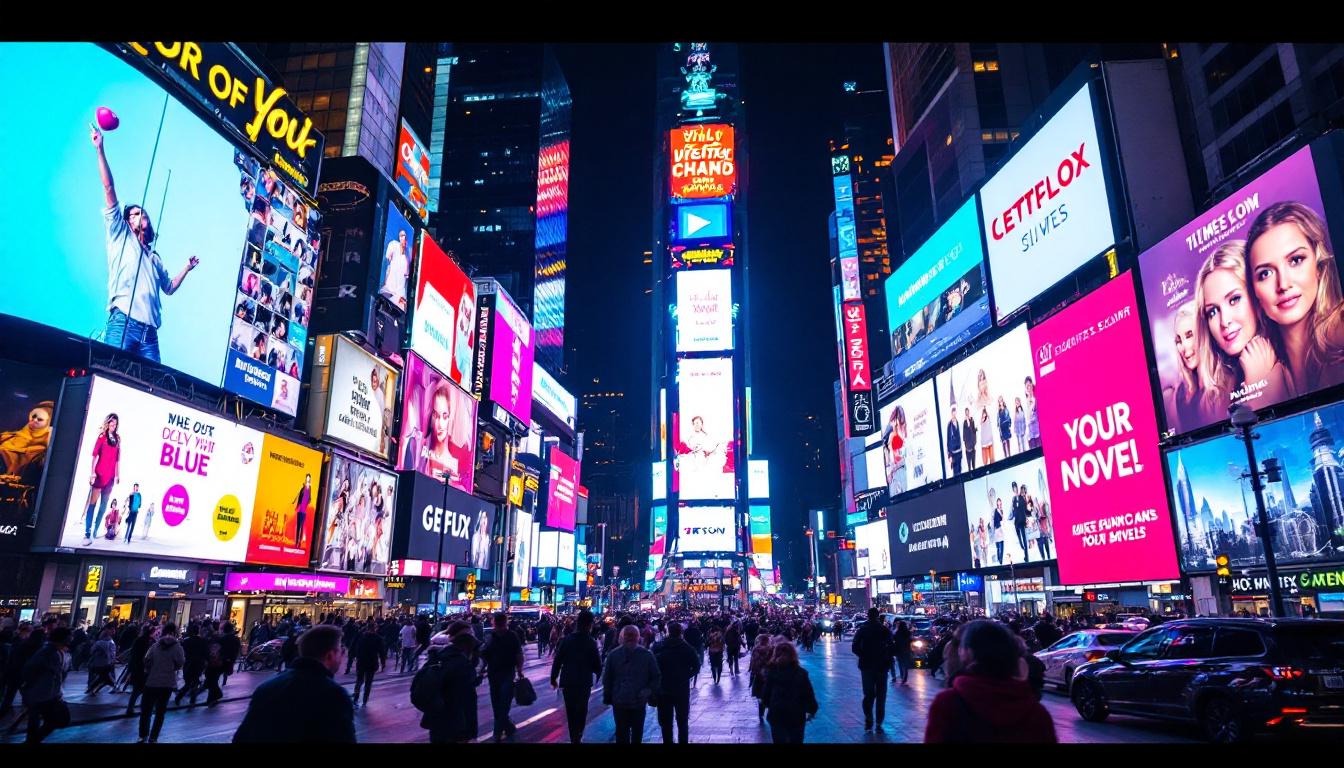
In the fast-evolving retail landscape, digital signage has emerged as a powerful tool to attract customers, enhance brand visibility, and improve the overall shopping experience. Among various digital signage technologies, LED displays stand out for their brightness, versatility, and durability. This article delves into the world of LED digital signage in retail stores, explaining what LED displays are, how they work, and why they are becoming indispensable for modern retailers.
Understanding LED Displays in Retail Digital Signage
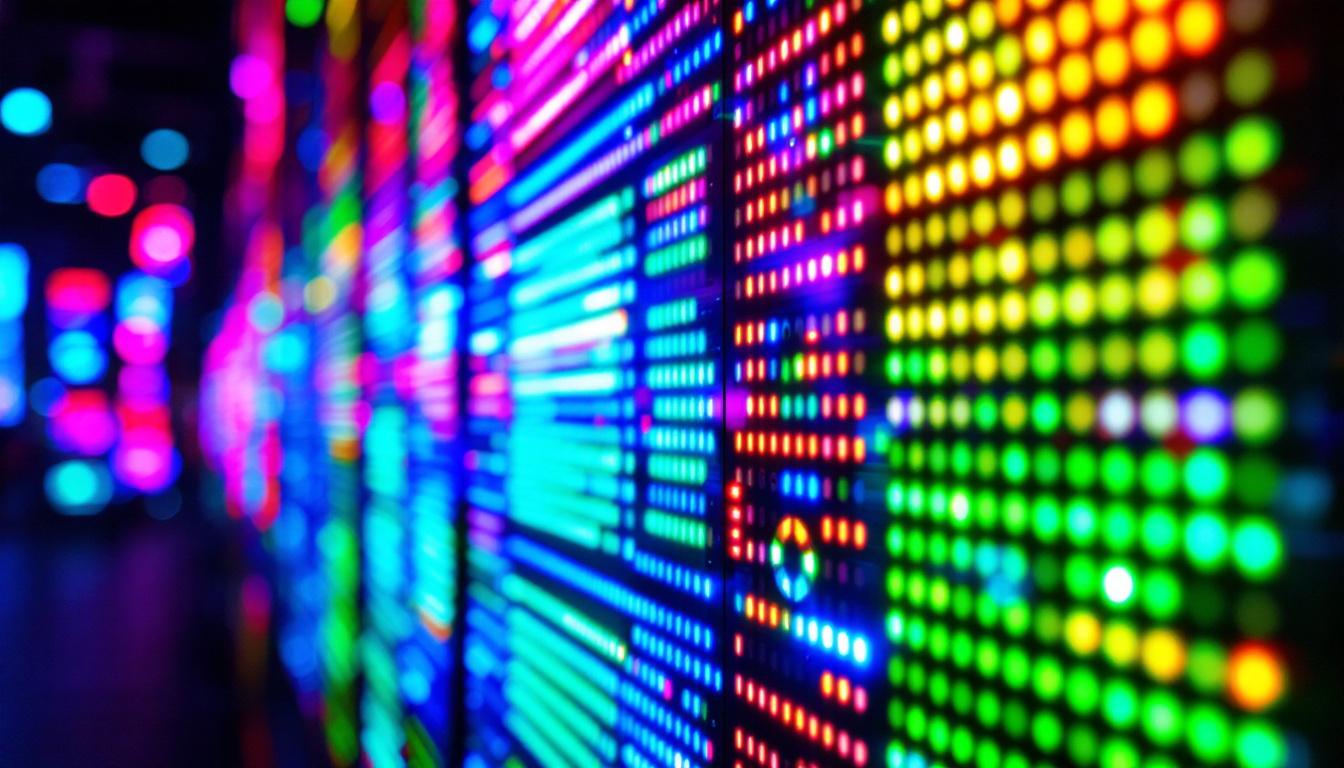
LED, or Light Emitting Diode, displays are a type of digital screen that uses tiny light-emitting diodes to create images and videos. Unlike traditional LCD or plasma screens, LED displays are composed of numerous individual diodes that emit light directly, resulting in vivid colors, high brightness, and excellent contrast ratios.
In retail environments, LED displays are used for a variety of purposes—from showcasing promotional content and product information to creating immersive brand experiences. Their ability to deliver dynamic content in any lighting condition makes them ideal for both indoor and outdoor retail settings. This versatility allows retailers to adapt their messaging based on the time of day, season, or even current trends, ensuring that their displays remain relevant and engaging for customers.
Types of LED Displays Used in Retail
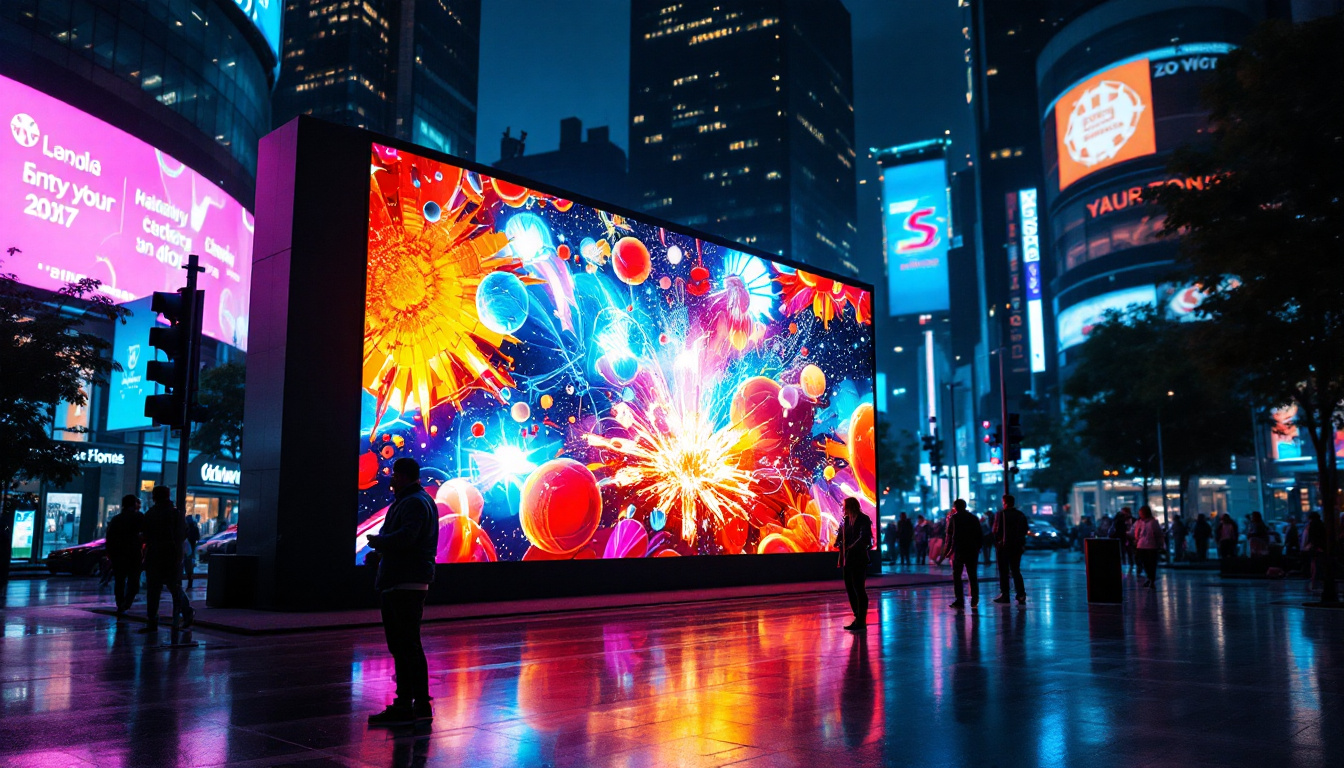
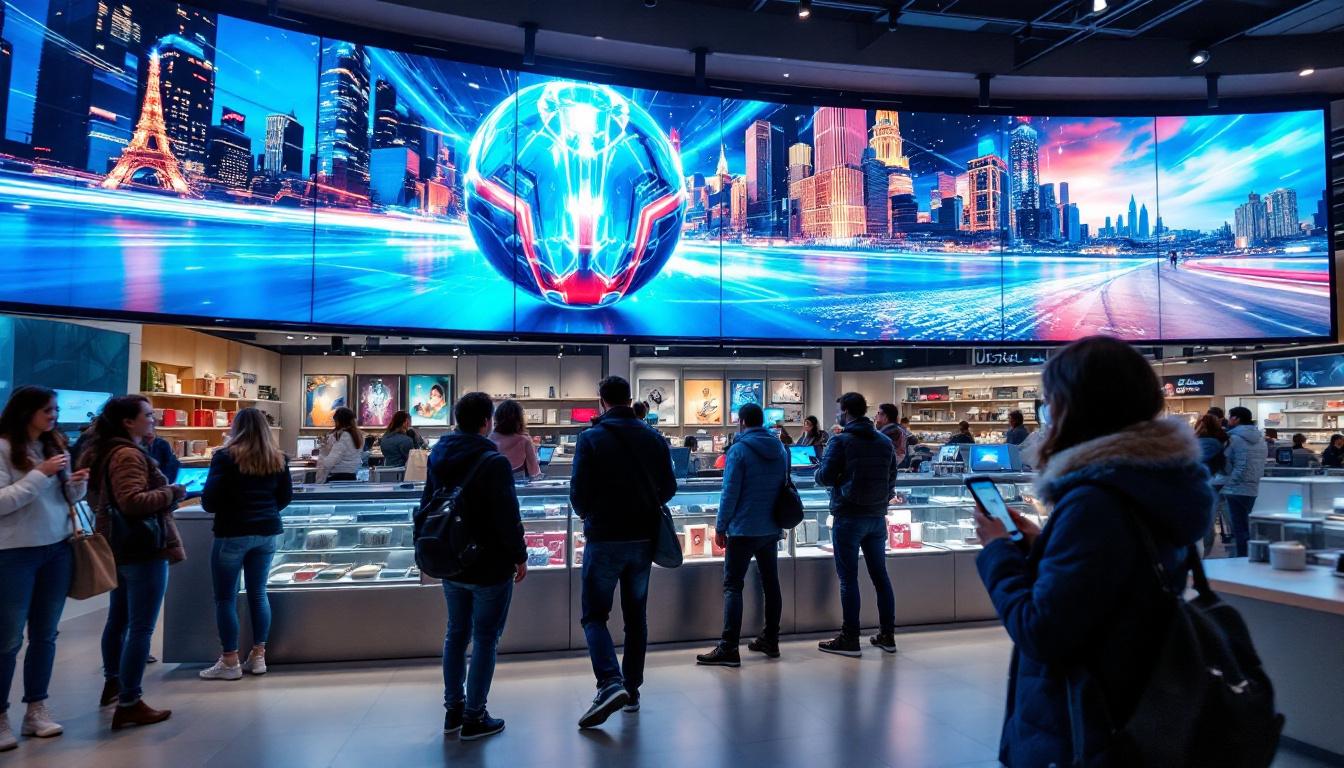
Retailers typically choose between two main types of LED displays: direct view LED and LED-backlit LCD. Direct view LED displays consist of panels made entirely of LEDs, offering superior brightness and seamless image quality without the need for a backlight. These are often used for large-format installations such as storefront video walls or ceiling-mounted displays. The impact of these displays can be profound, as they draw the attention of passersby and create an inviting atmosphere that encourages foot traffic.
LED-backlit LCDs, on the other hand, use LEDs as a backlight source behind an LCD panel. While less bright than direct view LEDs, they are more cost-effective and suitable for smaller screens or indoor applications where extreme brightness is not necessary. These displays can be strategically placed near checkout counters or in product aisles to provide customers with additional information, promotions, or even digital coupons, enhancing the shopping experience and driving sales. Furthermore, the integration of interactive elements, such as touchscreens, can transform static displays into engaging platforms that allow customers to explore products in depth, fostering a more personalized shopping journey.
Why LED Displays Are Ideal for Retail Stores
LED digital signage has revolutionized retail marketing due to its unique combination of technological advantages and consumer engagement capabilities. Here are some reasons why LED displays are particularly well-suited for retail environments.
Exceptional Brightness and Visibility
Retail stores often face challenging lighting conditions, including direct sunlight near windows or varying indoor lighting throughout the day. LED displays can reach brightness levels of up to 5,000 nits or more, far surpassing the capabilities of traditional LCD screens. This ensures that promotional messages remain clear and eye-catching regardless of ambient light. Furthermore, the high contrast ratio of LED technology enhances the vibrancy of colors, making products appear more appealing and enticing to potential customers. This visual impact can significantly influence purchasing decisions, as shoppers are naturally drawn to bright and dynamic displays that showcase products in their best light.
Energy Efficiency and Longevity
Energy consumption is a critical consideration for retailers managing operational costs. LEDs are significantly more energy-efficient than older display technologies, consuming up to 80% less power than traditional lighting solutions. Additionally, LED displays have a long lifespan, often exceeding 100,000 hours of use, which translates to lower maintenance and replacement costs over time. This durability not only reduces the frequency of replacements but also minimizes the environmental impact associated with electronic waste. Retailers can promote their commitment to sustainability by opting for LED displays, which aligns with the growing consumer preference for eco-friendly practices.
Flexible Design and Customization
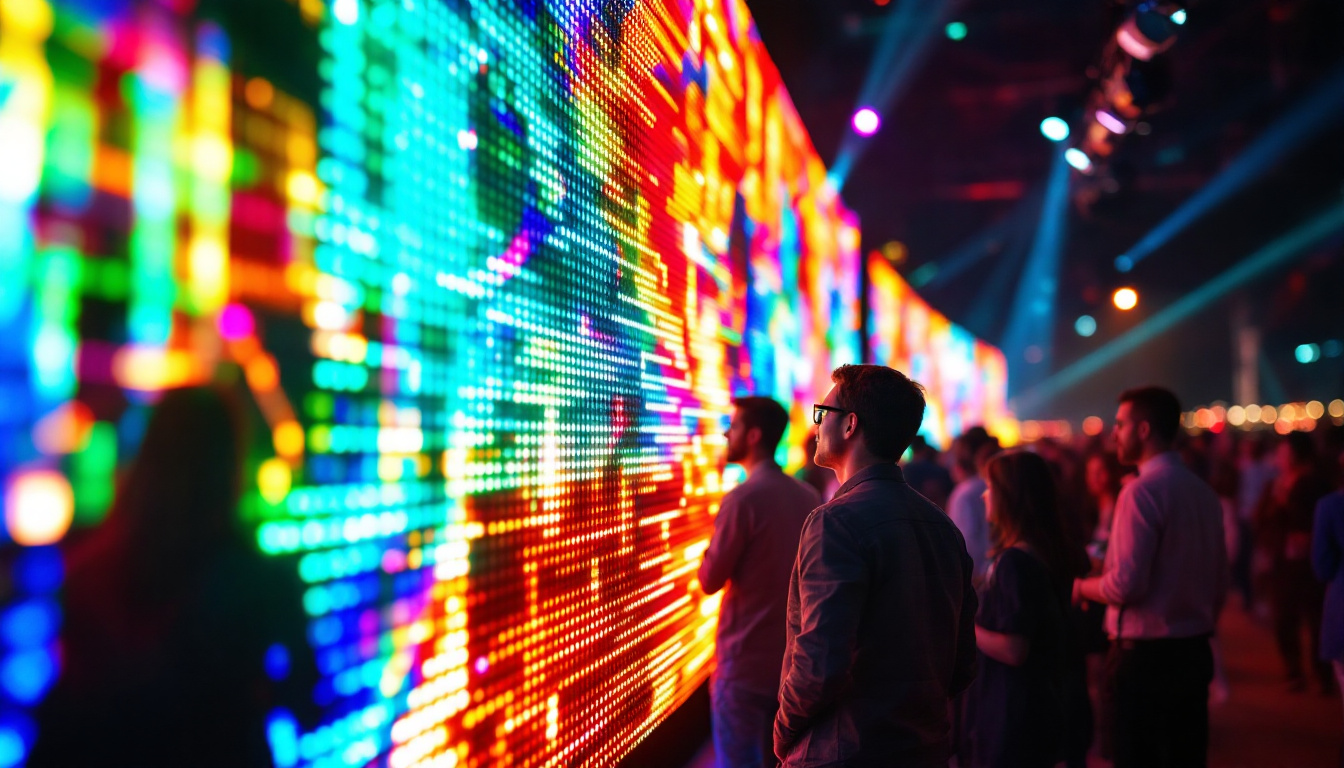
One of the most compelling benefits of LED displays is their modularity. LED panels can be combined to create screens of virtually any size and shape, allowing retailers to design custom installations that fit their unique store layouts and branding requirements. From curved video walls to interactive floor displays, LED technology offers unparalleled creative freedom. This flexibility also extends to the content itself; retailers can easily switch between static images, videos, and animations to keep the shopping experience fresh and engaging. By utilizing creative storytelling through visual displays, brands can craft memorable experiences that resonate with customers and encourage repeat visits.
Dynamic Content and Real-Time Updates
Digital signage powered by LED displays enables retailers to update content instantly, tailoring promotions to specific times, seasons, or customer demographics. This agility helps stores respond quickly to market trends, clear inventory, or highlight new arrivals, enhancing the relevance and effectiveness of marketing campaigns. Moreover, the ability to integrate social media feeds or user-generated content can foster a sense of community and connection with shoppers. By showcasing customer testimonials or real-time interactions, retailers can create an interactive environment that not only informs but also engages, turning passive viewers into active participants in the shopping experience.
Applications of LED Digital Signage in Retail Stores
LED displays are versatile tools that can transform various aspects of the retail experience. Below are some common applications where LED signage delivers measurable benefits.
Window Displays That Attract Foot Traffic
Storefront windows equipped with high-brightness LED screens can display vibrant, motion-rich content that draws the attention of passersby. According to a study by the Digital Signage Federation, digital window displays can increase foot traffic by up to 30%, making them a valuable investment for retailers looking to boost walk-in customers.
In-Store Promotions and Cross-Selling
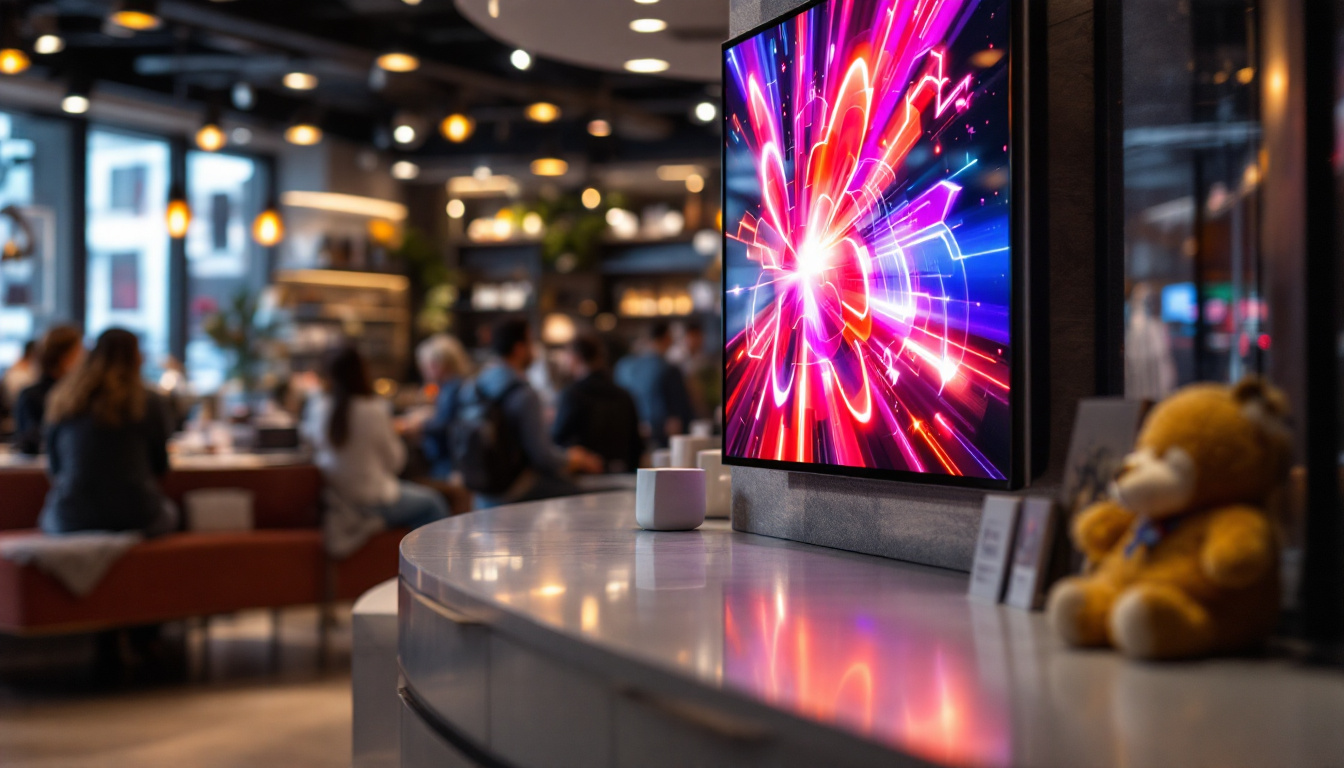
Inside the store, LED screens placed near product aisles or checkout counters can highlight special offers, complementary products, or loyalty programs. This targeted messaging encourages impulse purchases and increases average transaction values. For example, a supermarket might use LED signage to promote a discount on chips next to the beverage aisle.
Wayfinding and Interactive Experiences
Large retail stores and shopping malls benefit from LED digital signage that provides wayfinding assistance, helping shoppers locate departments, restrooms, or exits. Interactive LED kiosks can also engage customers by allowing them to browse catalogs, check stock availability, or participate in brand campaigns.
Brand Storytelling and Ambience Enhancement
LED displays can be used to create immersive brand environments by showcasing high-definition videos, animations, or ambient visuals that reflect the store’s identity. Fashion retailers, for instance, often use LED video walls to broadcast runway shows or lifestyle imagery that resonates with their target audience, elevating the overall shopping experience.
Key Considerations When Choosing LED Displays for Retail
Selecting the right LED display for a retail environment involves balancing technical specifications, budget constraints, and strategic goals. Retailers should consider the following factors to maximize their investment.
Pixel Pitch and Resolution
Pixel pitch refers to the distance between individual LEDs on a display, typically measured in millimeters. A smaller pixel pitch means higher resolution and sharper images, which is essential for displays viewed up close. For example, indoor retail displays often use pixel pitches between 1.2mm and 2.5mm to ensure crisp visuals, while outdoor displays can have larger pitches due to greater viewing distances.
Brightness and Contrast Ratio
Brightness is critical for visibility, especially in well-lit or outdoor locations. Retailers should choose displays with adjustable brightness settings to adapt to changing ambient light. Contrast ratio—the difference between the darkest and brightest parts of an image—also affects image quality and readability.
Durability and Weather Resistance
For outdoor installations, LED displays must withstand environmental factors such as rain, dust, and temperature fluctuations. Look for displays with appropriate IP (Ingress Protection) ratings, which indicate resistance to water and dust. An IP65 rating, for instance, ensures protection against low-pressure water jets and dust ingress.
Content Management Systems (CMS)
Effective digital signage relies on robust software to schedule, update, and monitor content across multiple displays. Retailers should select CMS platforms that are user-friendly, support remote management, and integrate with existing marketing tools. Advanced CMS solutions also offer data analytics to measure engagement and optimize campaigns.
Installation and Maintenance
LED displays require professional installation to ensure optimal performance and safety. Consider the availability of technical support and maintenance services, as well as warranties offered by manufacturers. Modular designs simplify repairs by allowing individual panels to be replaced without dismantling the entire display.
Future Trends in LED Digital Signage for Retail
The digital signage landscape is continuously evolving, driven by advances in LED technology and changing consumer expectations. Retailers should stay informed about emerging trends to maintain a competitive edge.
MicroLED and MiniLED Technologies
MicroLED and MiniLED represent the next generation of LED displays, offering even higher brightness, better color accuracy, and improved energy efficiency. These technologies enable thinner, lighter screens with superior image quality, making them ideal for premium retail installations.
Integration with Artificial Intelligence (AI)
AI-powered digital signage can analyze customer behavior and demographics in real-time, delivering personalized content that increases engagement and conversion rates. For example, facial recognition technology can trigger tailored advertisements based on age or gender, creating a more relevant shopping experience.
Interactive and Touch-Enabled Displays
Interactive LED signage is gaining traction as retailers seek to deepen customer engagement. Touch-enabled screens allow shoppers to explore product details, customize items, or participate in loyalty programs, bridging the gap between online and offline retail.
Sustainability and Eco-Friendly Solutions
As sustainability becomes a priority, LED manufacturers are developing eco-friendly displays with recyclable materials and reduced power consumption. Retailers can also leverage digital signage to promote their green initiatives, reinforcing their brand’s commitment to environmental responsibility.
Conclusion
LED digital signage has transformed retail stores by providing vibrant, flexible, and energy-efficient solutions to communicate with customers effectively. From eye-catching window displays to interactive in-store experiences, LED technology enables retailers to enhance brand presence, drive sales, and adapt quickly to market demands.
Choosing the right LED display involves understanding technical specifications, installation requirements, and content management capabilities. By embracing current innovations and future trends, retailers can create compelling digital environments that resonate with consumers and deliver measurable business results.
As the retail sector continues to evolve, LED digital signage will remain a cornerstone of effective visual communication, helping stores stand out in a crowded marketplace and build lasting connections with their customers.
Discover LumenMatrix’s Innovative LED Solutions
Ready to elevate your retail space with the vibrant, flexible, and energy-efficient LED displays discussed in this article? LumenMatrix is at the forefront of LED display technology, offering a wide range of solutions tailored to your needs. From Indoor and Outdoor LED Wall Displays to specialized options like Vehicle, Sports, and Floor LED Displays, our products are designed to captivate your audience and amplify your brand’s message. Experience the future of visual communication with LumenMatrix and transform your retail environment today. Check out LumenMatrix LED Display Solutions and see the difference for yourself.