In today’s world, LED displays have become an integral part of numerous applications, from advertising billboards to sophisticated control rooms and consumer electronics. The AS 2235 standard plays a crucial role in defining the quality, reliability, and performance criteria for LED displays, ensuring consistency and safety across various industries. This comprehensive guide explores what AS 2235 entails, its significance, and how it shapes the LED display landscape.
Understanding AS 2235: An Overview
AS 2235 is an Australian Standard that specifies the requirements for LED display panels, focusing on aspects such as brightness, color accuracy, durability, and environmental resistance. While LED technology has rapidly evolved, standards like AS 2235 provide a benchmark to evaluate and compare different products, ensuring they meet minimum performance and safety criteria.
The standard is particularly relevant for manufacturers, system integrators, and end-users who demand reliable and high-quality LED displays for both indoor and outdoor applications. By adhering to AS 2235, companies can guarantee that their LED displays perform optimally under various conditions, from extreme weather to prolonged usage.
Historical Context and Development
The development of AS 2235 coincided with the global surge in LED technology adoption during the early 21st century. As LED displays became more prevalent in public spaces and commercial environments, the need for a unified standard emerged to address issues related to product safety, energy consumption, and visual performance.
AS 2235 was developed through collaboration between industry experts, manufacturers, and regulatory bodies. It draws on international standards but tailors its requirements to suit the unique environmental and operational conditions found in Australia and similar markets. This collaborative effort ensured that the standard not only meets the technical specifications but also reflects the practical needs of users in diverse settings, from bustling city centers to remote rural areas.
Moreover, the standard has undergone several revisions since its inception, adapting to the rapid advancements in LED technology and changing market demands. Each iteration incorporates feedback from real-world applications, ensuring that AS 2235 remains relevant and effective. The continuous evolution of this standard highlights the dynamic nature of the LED industry, where innovation and quality assurance go hand in hand, ultimately benefiting consumers and businesses alike.
Key Components of AS 2235
The AS 2235 standard covers a broad range of technical and operational parameters. Understanding these components helps stakeholders make informed decisions when selecting or designing LED display systems.
Brightness and Luminance
One of the most critical aspects of LED displays is brightness, measured in nits (cd/m²). AS 2235 specifies minimum brightness levels to ensure visibility in various lighting conditions, including direct sunlight for outdoor displays. For example, outdoor LED screens must achieve brightness levels exceeding 5,000 nits to remain clear and legible during daylight hours.
Indoor displays, conversely, have lower brightness requirements to prevent eye strain and reduce energy consumption, typically ranging between 300 and 1,000 nits. The standard also addresses uniformity of luminance across the display surface, which is essential for consistent image quality.
Color Accuracy and Calibration
Color reproduction is another vital parameter governed by AS 2235. The standard outlines acceptable ranges for color gamut, color temperature, and color uniformity. This ensures that images and videos displayed on LED panels are vibrant and true to the source material, which is crucial for applications such as digital signage, broadcasting, and retail displays.
To maintain color accuracy over time, the standard recommends regular calibration procedures. This not only extends the lifespan of the display but also preserves the quality of the visual content, enhancing viewer engagement and satisfaction.
Durability and Environmental Resistance
LED displays are often exposed to harsh environmental conditions, especially when installed outdoors. AS 2235 includes stringent requirements for resistance to water, dust, temperature extremes, and UV radiation. These criteria help ensure that LED panels maintain functionality and appearance despite prolonged exposure to the elements.
The standard also specifies mechanical robustness, including resistance to impact and vibration, which is particularly important for displays used in transportation hubs, stadiums, and other high-traffic areas.
Energy Efficiency and Power Consumption
With increasing emphasis on sustainability, AS 2235 addresses energy consumption by setting guidelines for power efficiency. LED displays certified under this standard are designed to minimize electricity usage without compromising performance. This is achieved through advanced driver circuits, optimized LED configurations, and intelligent brightness control systems.
Energy-efficient LED displays reduce operational costs and environmental impact, making them attractive choices for businesses aiming to meet corporate social responsibility goals.
Applications of AS 2235-Compliant LED Displays
AS 2235-compliant LED displays are widely used across various sectors, each benefiting from the standard’s rigorous requirements.
Outdoor Advertising and Digital Billboards
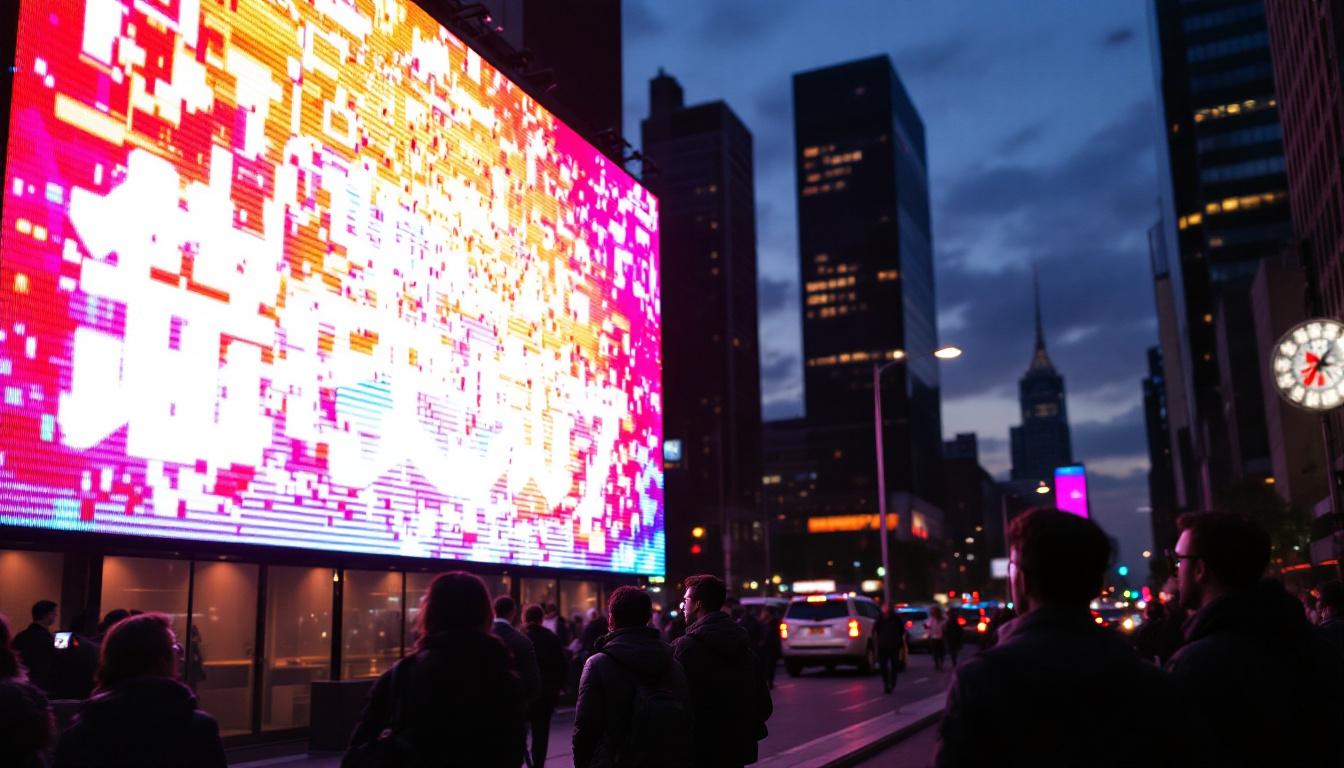
One of the most visible applications of LED displays is in outdoor advertising. Digital billboards must be bright enough to compete with sunlight, durable enough to withstand weather, and capable of displaying vibrant, dynamic content. AS 2235 ensures that these displays meet these demands, providing advertisers with reliable platforms to engage audiences effectively.
For instance, major cities like Sydney and Melbourne have adopted AS 2235-compliant LED billboards to enhance urban aesthetics while maintaining safety and performance standards.
Sports Arenas and Event Venues
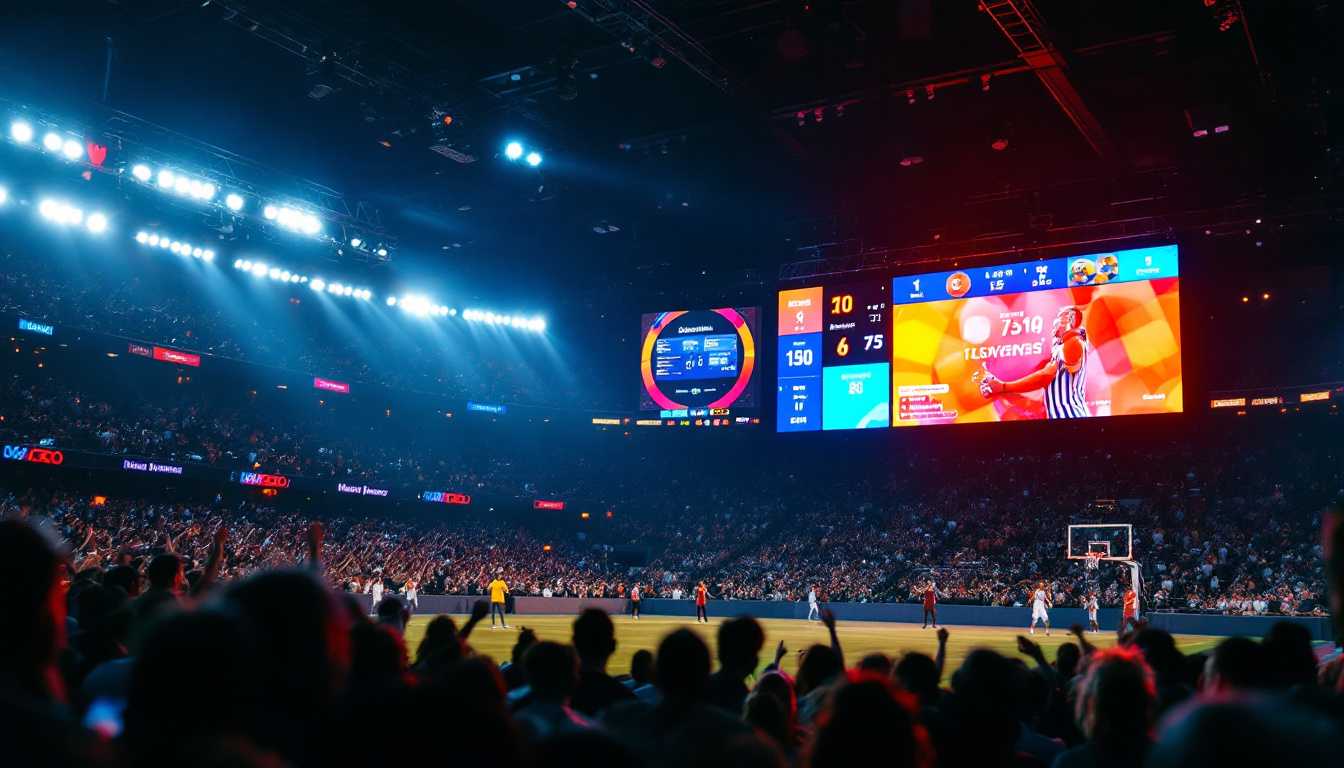
LED displays in sports arenas serve multiple purposes, including scoreboards, instant replays, and advertising. The standard’s focus on brightness and color accuracy ensures that spectators enjoy clear visuals regardless of their seating location or ambient lighting conditions.
Additionally, the durability requirements mean that displays can withstand the vibrations and impacts common in large venues, ensuring uninterrupted operation during critical moments.
Retail and Commercial Spaces
In retail environments, LED displays are used for digital signage, promotional content, and interactive kiosks. AS 2235-compliant displays offer the color fidelity and brightness necessary to attract customer attention and enhance brand messaging.
Energy efficiency is particularly important in these settings, as displays often run for extended hours. Compliance with AS 2235 helps retailers reduce electricity costs while maintaining high-quality visual presentations.
Transportation and Public Information Systems
LED displays are increasingly used in airports, train stations, and bus terminals to provide real-time information. The standard’s requirements for readability and environmental resistance ensure that these displays remain functional and legible under varying conditions, from bright sunlight to inclement weather.
Reliable LED displays contribute to smoother operations and improved passenger experiences, making AS 2235 compliance a priority for transportation authorities.
Benefits of Adhering to AS 2235
Compliance with AS 2235 offers numerous advantages for manufacturers, buyers, and end-users of LED display technology.
Enhanced Product Reliability
By meeting stringent durability and performance criteria, AS 2235-compliant LED displays are less prone to failure and degradation. This reliability translates into lower maintenance costs and longer service life, providing better return on investment.
Improved Visual Quality
The standard’s focus on brightness, color accuracy, and uniformity ensures that displays deliver superior image quality. This is essential for capturing audience attention and conveying messages effectively, especially in competitive advertising and entertainment markets.
Regulatory Compliance and Market Access
In regions where AS 2235 is recognized or mandated, compliance facilitates smoother regulatory approval processes and market entry. Manufacturers adhering to the standard can confidently market their products knowing they meet local safety and performance requirements.
Environmental and Energy Benefits
Energy-efficient designs encouraged by AS 2235 reduce power consumption and carbon footprints. This aligns with global sustainability trends and helps organizations meet environmental targets.
Challenges and Considerations in Implementing AS 2235
While AS 2235 provides a robust framework, manufacturers and users face several challenges in implementation.
Cost Implications
Meeting the high standards of AS 2235 often requires investment in advanced materials, manufacturing processes, and testing equipment. This can increase the initial cost of LED displays, which may be a barrier for smaller businesses or low-budget projects.
Technological Complexity
Ensuring consistent color calibration, brightness uniformity, and environmental resistance demands sophisticated engineering and quality control. Manufacturers must maintain rigorous production standards to avoid deviations that could lead to non-compliance.
Rapid Technological Advancements
LED technology continues to evolve rapidly, with innovations in micro-LEDs, flexible displays, and higher resolution panels. Keeping the AS 2235 standard updated to reflect these advancements is essential but challenging, requiring ongoing collaboration between industry stakeholders.
Future Trends in LED Display Standards
The LED display industry is poised for significant transformation, and standards like AS 2235 will play a pivotal role in guiding this evolution.
Integration with Smart Technologies
Future LED displays are expected to integrate more deeply with IoT and AI technologies, enabling dynamic content adaptation based on environmental conditions and audience engagement metrics. Standards will need to incorporate requirements for cybersecurity, data privacy, and interoperability.
Focus on Sustainability
As environmental concerns grow, future revisions of AS 2235 may place greater emphasis on sustainable materials, recyclability, and energy harvesting technologies. This will help reduce the ecological impact of LED display production and operation.
Higher Resolution and Flexible Displays
Emerging display technologies such as micro-LED and flexible LED panels will challenge existing standards. AS 2235 will likely evolve to include specifications for these new formats, ensuring consistent quality and reliability across all types of LED displays.
Conclusion
AS 2235 serves as a vital benchmark for the LED display industry, ensuring that products meet high standards of brightness, color accuracy, durability, and energy efficiency. Its comprehensive requirements support a wide range of applications, from outdoor advertising to public information systems, enhancing both user experience and operational reliability.
As LED technology continues to advance, AS 2235 will remain essential in guiding manufacturers and users toward products that are not only visually impressive but also safe, sustainable, and dependable. Understanding and adhering to this standard is crucial for anyone involved in the design, procurement, or deployment of LED display systems.
Discover Cutting-Edge LED Displays with LumenMatrix
Embrace the future of visual communication with LumenMatrix, a pioneer in LED display technology. Our commitment to excellence ensures that every product, from Indoor and Outdoor LED Wall Displays to innovative LED Sports and Floor Displays, meets the rigorous standards of AS 2235. Whether you’re looking to enhance brand visibility or create immersive visual experiences, LumenMatrix offers a diverse range of solutions tailored to your needs. Check out LumenMatrix LED Display Solutions today and step into a world where clarity, engagement, and impact are at the forefront of digital signage.