As automotive technology advances, the integration of LED screens into vehicles is becoming increasingly popular. From enhancing entertainment systems to providing real-time information and advertising, LED displays for cars are transforming the driving experience. This article explores the technology behind LED screens for cars, their applications, benefits, and considerations for installation and use.
Understanding LED Screen Technology in Cars
LED, or Light Emitting Diode, technology has revolutionized display systems across various industries, including automotive. Unlike traditional LCDs, LED screens use tiny diodes that emit light when an electric current passes through them, resulting in brighter, more vibrant displays with better energy efficiency. This shift towards LED technology has not only enhanced the aesthetic appeal of vehicles but also improved functionality, making driving safer and more enjoyable.
In the context of cars, LED screens come in various forms—from small dashboard displays to large exterior advertising panels. Their adaptability and durability make them ideal for automotive environments, which often involve exposure to varying temperatures, vibrations, and sunlight. Additionally, the lightweight nature of LED technology allows manufacturers to incorporate larger screens without significantly increasing the overall weight of the vehicle, thus contributing to better fuel efficiency.
Types of LED Displays Used in Vehicles
There are primarily two types of LED displays used in cars: interior and exterior. Interior LED screens are commonly found on dashboards, infotainment systems, and rear-seat entertainment. These displays enhance user interaction with navigation, media, and vehicle diagnostics. Furthermore, many modern vehicles integrate touch-sensitive LED screens that allow drivers to control various functions with ease, minimizing distractions and promoting safer driving practices.
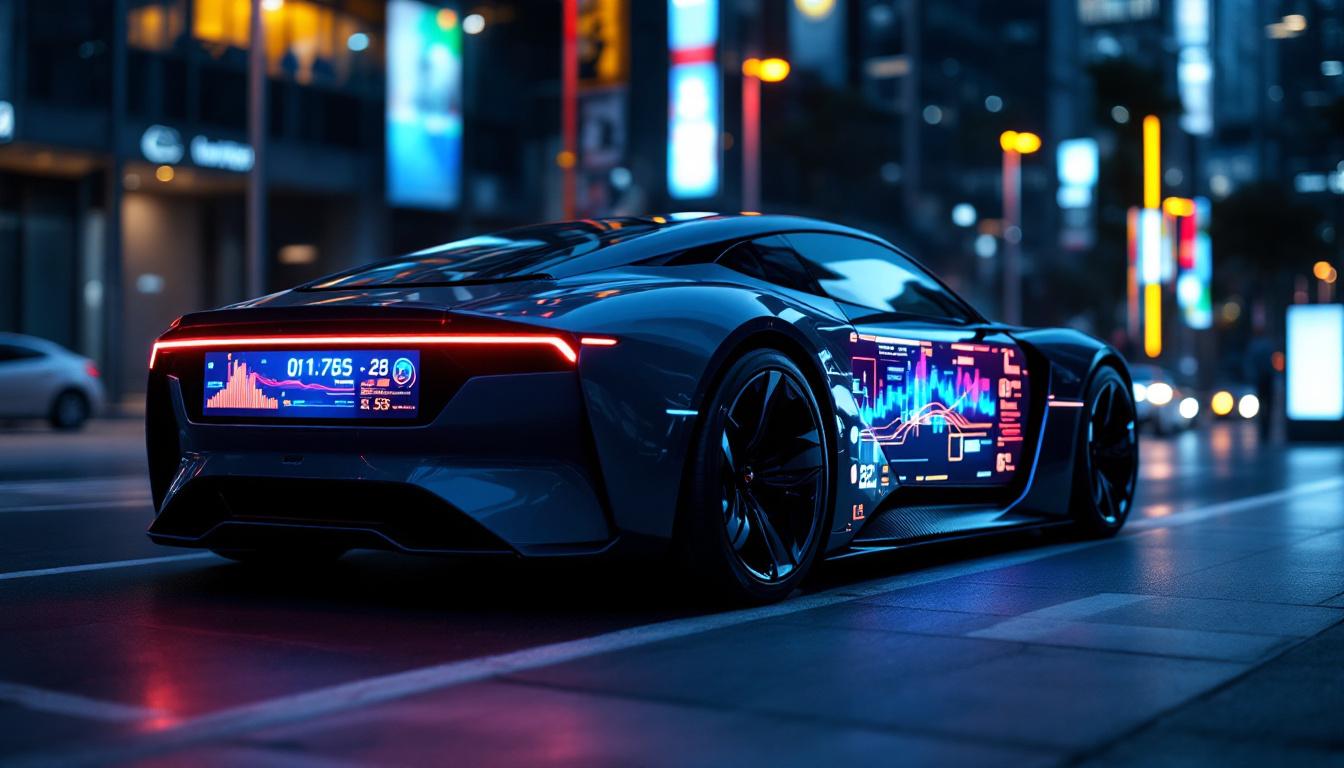
Exterior LED displays, on the other hand, are gaining traction for advertising and communication purposes. For example, ride-sharing vehicles and taxis use LED panels to display dynamic ads or messages, while some electric vehicles employ LED strips or panels for enhanced signaling and design aesthetics. These exterior displays not only serve functional roles, such as indicating turns or hazards, but also allow brands to engage with potential customers in real-time, making the vehicle a mobile advertisement platform.
How LED Screens Differ from Other Display Technologies
Compared to LCD and OLED screens, LED displays offer several advantages in automotive applications. LEDs provide superior brightness, which is crucial for visibility under direct sunlight. They also consume less power, an important factor in electric and hybrid vehicles where energy efficiency is paramount. This energy efficiency is further enhanced by the ability of LED screens to operate at lower temperatures, reducing the strain on a vehicle’s cooling system and contributing to overall vehicle longevity.
Moreover, LEDs have longer lifespans and are more resistant to shock and vibration—common conditions in vehicles. These characteristics contribute to the growing preference for LED technology in automotive displays. Additionally, advancements in LED technology, such as the development of flexible and transparent displays, are paving the way for innovative applications in vehicle design, allowing for seamless integration into the car’s architecture and offering new possibilities for user interaction and vehicle aesthetics.
Applications of LED Screens in Cars
The versatility of LED screens has led to their adoption in various automotive applications, enhancing both functionality and aesthetics.
Infotainment and Navigation Systems
Modern vehicles increasingly rely on LED screens for infotainment and navigation. High-resolution LED displays offer crisp visuals for maps, media playback, and vehicle settings. Touch-sensitive LED screens enable intuitive control, reducing driver distraction and improving safety.
For instance, many luxury and mid-range cars now feature large LED touchscreens that integrate smartphone connectivity, voice commands, and real-time traffic updates, making driving more convenient and enjoyable. Furthermore, these systems often include advanced features such as augmented reality navigation, which overlays directional prompts onto live video feeds of the road ahead, providing drivers with an enhanced sense of direction and spatial awareness.
Rear-Seat Entertainment
Long journeys can be more comfortable and entertaining with rear-seat LED screens. These displays allow passengers to watch movies, play games, or access the internet, turning vehicles into mobile entertainment hubs. The durability and brightness of LED screens ensure a quality viewing experience even in bright daylight.
Additionally, many rear-seat entertainment systems are now equipped with wireless connectivity, enabling passengers to stream content directly from their devices or access a variety of apps. Some vehicles even offer multi-screen setups, allowing different passengers to enjoy different media simultaneously, thus catering to diverse preferences and making road trips more enjoyable for families and groups alike.
Exterior Advertising and Communication
One of the most innovative uses of LED screens on cars is for exterior advertising. Ride-hailing services and delivery vehicles can display targeted advertisements, promotions, or public service announcements on LED panels mounted on the roof or sides. This dynamic advertising method offers real-time content updates and can generate additional revenue streams for vehicle owners.
Additionally, LED displays are used for communication purposes, such as displaying safety messages, warnings, or vehicle status indicators to pedestrians and other drivers, enhancing road safety. For example, a taxi can indicate when it is available for hire, while delivery vehicles can showcase their current status, helping to streamline urban logistics and improve customer interactions. This capability not only enhances the vehicle’s functionality but also fosters a more connected and informed community.
Custom Lighting and Aesthetic Enhancements
LED technology also plays a significant role in vehicle aesthetics. Custom LED strips and panels are used for ambient lighting inside the cabin, creating personalized atmospheres. Externally, LED lights contribute to modern headlight and taillight designs, improving visibility and giving vehicles a distinctive look.
Moreover, the ability to customize LED lighting allows car owners to express their individuality. From color-changing ambient lights that sync with music to programmable exterior lighting that can adapt to different driving conditions, LED technology offers a level of personalization that was previously unimaginable. This trend not only enhances the driving experience but also sets a new standard for vehicle design, where aesthetics and functionality go hand in hand, creating a more immersive and enjoyable environment for both drivers and passengers.
Benefits of Using LED Screens in Cars
The adoption of LED screens in automotive applications brings numerous advantages, making them a preferred choice for manufacturers and consumers alike.
Enhanced Visibility and Safety
LED screens provide superior brightness and contrast, ensuring that information is clearly visible under various lighting conditions. This clarity is essential for navigation displays and safety alerts, helping drivers make informed decisions quickly.
Moreover, exterior LED displays can communicate critical information to other road users, such as braking intentions or hazard warnings, potentially reducing accidents.
Energy Efficiency and Longevity
LED technology is highly energy-efficient, consuming significantly less power than traditional display technologies. This efficiency is particularly beneficial for electric vehicles, where conserving battery life is crucial.
Additionally, LEDs have a longer operational lifespan, often exceeding 50,000 hours, reducing the need for frequent replacements and maintenance.
Flexibility and Customization
LED screens can be manufactured in various sizes and shapes, allowing for seamless integration into different vehicle designs. Their flexibility enables customization for specific applications, whether it’s a compact dashboard screen or a large advertising panel on a taxi roof.
Dynamic content capabilities allow for real-time updates and personalized messaging, enhancing user engagement and marketing effectiveness.
Considerations for Installing LED Screens in Vehicles
While LED screens offer many benefits, certain factors must be considered to ensure optimal performance and safety.
Power Consumption and Vehicle Electrical Systems
Although LED screens are energy-efficient, they still draw power from the vehicle’s electrical system. Proper integration is essential to avoid overloading circuits or draining the battery, especially in electric and hybrid vehicles.
Professional installation often involves assessing the vehicle’s power capacity and possibly upgrading electrical components to support additional displays.
Screen Size and Placement
Choosing the right size and placement for LED screens is crucial for usability and safety. Interior screens should be positioned to minimize driver distraction while maximizing visibility. Exterior displays must comply with local regulations regarding size, brightness, and content to avoid causing hazards or distractions to other drivers.
Durability and Weather Resistance
Automotive LED screens must withstand harsh environmental conditions, including temperature extremes, moisture, dust, and vibrations. Selecting screens with appropriate IP (Ingress Protection) ratings and robust construction ensures longevity and reliable performance.
Legal and Regulatory Compliance
Many jurisdictions have regulations governing the use of LED displays on vehicles, particularly for exterior advertising. These rules may restrict brightness levels, content types, and screen placement to ensure road safety and minimize distractions.
Vehicle owners and operators should familiarize themselves with local laws to avoid fines or legal issues.
The Future of LED Screens in Automotive Technology
As automotive technology continues to evolve, LED screens are poised to play an even more significant role in enhancing vehicle functionality and user experience.
Integration with Advanced Driver Assistance Systems (ADAS)
Future LED displays will likely integrate with ADAS to provide drivers with real-time alerts, hazard detection, and augmented reality navigation. High-definition LED screens can overlay critical information directly onto the windshield or dashboard, improving situational awareness.
Smart and Interactive Exterior Displays
Exterior LED screens are expected to become smarter and more interactive, capable of displaying personalized messages or responding to environmental conditions. For example, emergency vehicles could use LED panels to communicate with pedestrians and other drivers more effectively.
Energy Harvesting and Sustainable Displays
Innovations in energy harvesting, such as solar-powered LED displays, could reduce the environmental impact of automotive screens. Sustainable materials and manufacturing processes will also contribute to greener automotive technologies.
Conclusion
LED screens for cars represent a dynamic intersection of technology, safety, and design. Their superior brightness, energy efficiency, and versatility make them ideal for a wide range of automotive applications—from infotainment and navigation to advertising and safety communication.
As the automotive industry moves towards smarter and more connected vehicles, LED display technology will continue to evolve, offering new possibilities for enhancing the driving experience. Understanding the benefits, applications, and considerations of LED screens is essential for manufacturers, vehicle owners, and technology enthusiasts alike.
Discover the Future of Automotive LED Displays with LumenMatrix
Ready to elevate your driving experience with the latest in LED display technology? LumenMatrix is at the forefront of innovation, offering a wide array of LED display solutions tailored to the automotive industry. From captivating Indoor LED Walls to dynamic Vehicle LED Displays, our products are designed to enhance brand visibility and create immersive visual experiences. Embrace the future of visual communication with LumenMatrix’s cutting-edge digital signage and LED displays. Check out LumenMatrix LED Display Solutions today and transform your vehicle into a beacon of technology and design.