Light Emitting Diodes (LEDs) have revolutionized the way we visualize information, communicate messages, and enhance environments. From the vibrant billboards towering over cityscapes to the subtle backlighting in smartphones, LED displays have become an integral part of modern life. This article explores the applications of LED technology, detailing how LED displays function, their diverse uses, and the innovations shaping their future.
Understanding LED Displays: Technology and Functionality
At the core of every LED display lies a simple yet powerful technology: the light-emitting diode. Unlike traditional incandescent bulbs, LEDs emit light when an electric current passes through a semiconductor, resulting in a highly efficient, long-lasting light source. But how does this translate into the dazzling screens we see everywhere?
LED displays are composed of numerous tiny LEDs arranged in a matrix. Each LED acts as a pixel, capable of producing various colors by combining red, green, and blue diodes. By controlling the intensity of these sub-pixels, the display can render millions of colors, creating vivid images and videos.
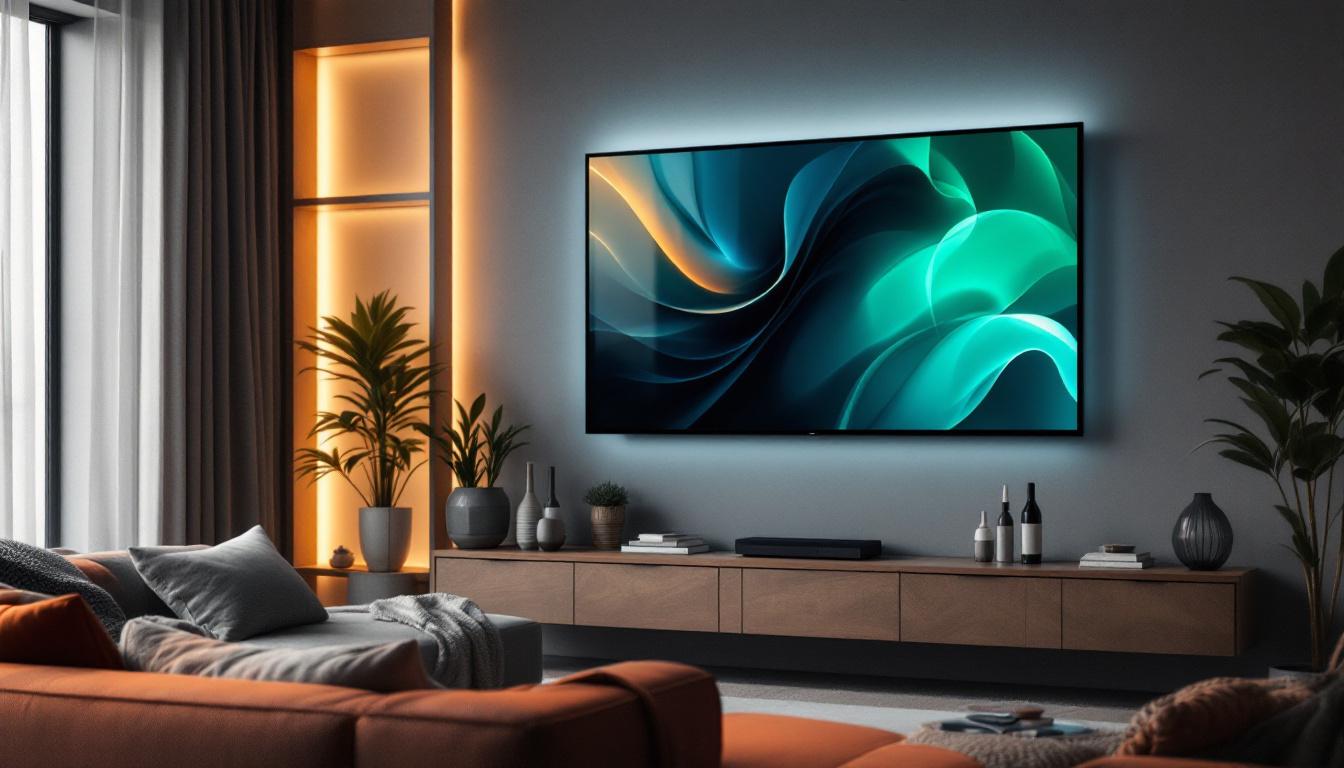
There are two primary types of LED displays: direct-view LED displays and LED-backlit LCDs. Direct-view LED displays use LEDs as the actual pixels, making them ideal for large-scale applications such as outdoor billboards and stadium screens. In contrast, LED-backlit LCDs use LEDs to illuminate liquid crystal displays, common in televisions, monitors, and smartphones.
Advantages of LED Displays
LED displays offer several benefits that have contributed to their widespread adoption. They provide superior brightness, which is especially important for outdoor visibility under direct sunlight. Their energy efficiency reduces operational costs and environmental impact. Additionally, LEDs have a longer lifespan compared to traditional lighting technologies, often exceeding 50,000 hours of use.
Another key advantage is the flexibility of LED displays. They can be manufactured in various shapes and sizes, including curved, transparent, and flexible panels, enabling creative and functional installations across industries. This adaptability allows for innovative designs in retail environments, where captivating displays can draw customers’ attention and enhance the shopping experience. Furthermore, the lightweight nature of LED technology facilitates easier installation and transportation, making it a preferred choice for events and temporary setups.
Moreover, LED displays are increasingly being integrated with smart technology, allowing for interactive features and real-time content updates. This capability is particularly beneficial in settings such as airports and train stations, where dynamic information can be displayed to inform travelers of schedules and delays. The integration of sensors and connectivity options also opens up possibilities for personalized advertising, where content can be tailored to specific audiences based on location and time of day, enhancing engagement and effectiveness.
Applications of LED Displays Across Industries
The versatility of LED displays has led to their integration into numerous sectors. Their ability to deliver clear, dynamic visuals in diverse environments makes them invaluable tools for communication, entertainment, and information dissemination.
Advertising and Marketing
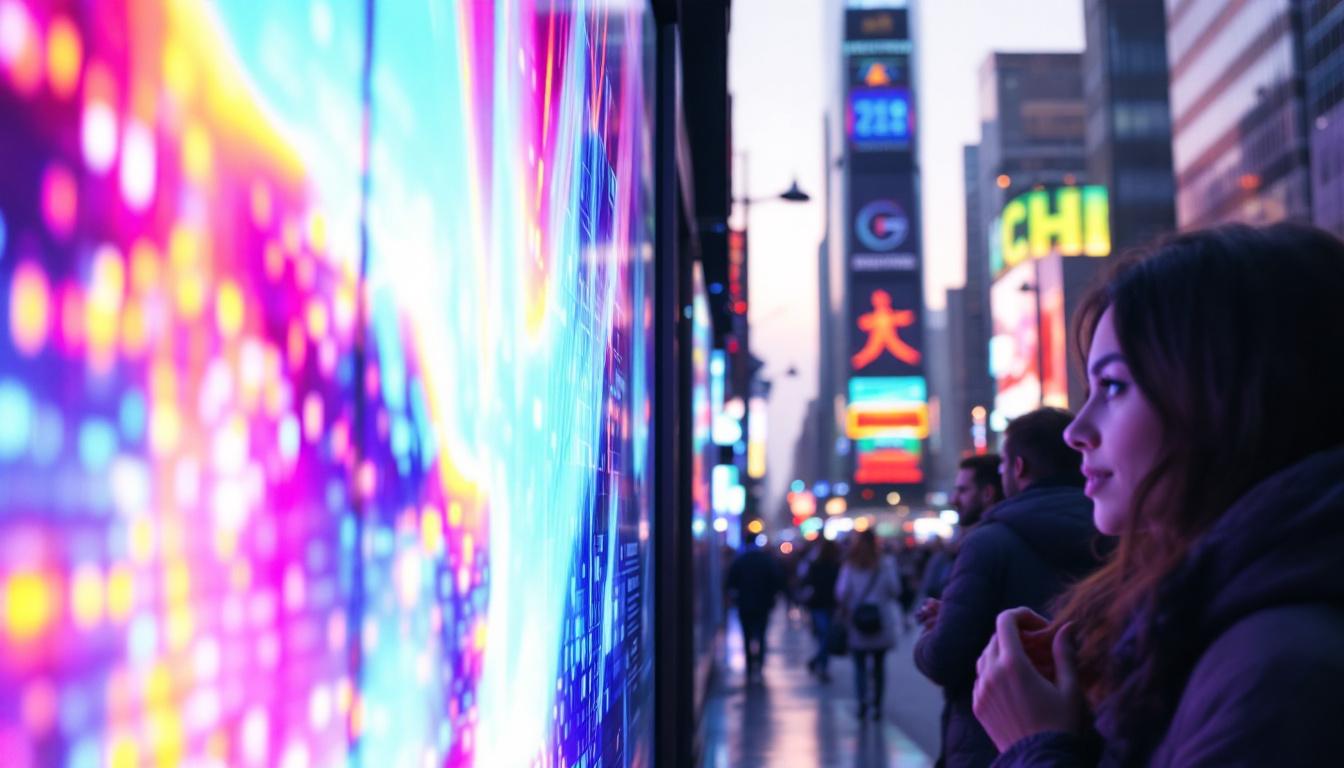
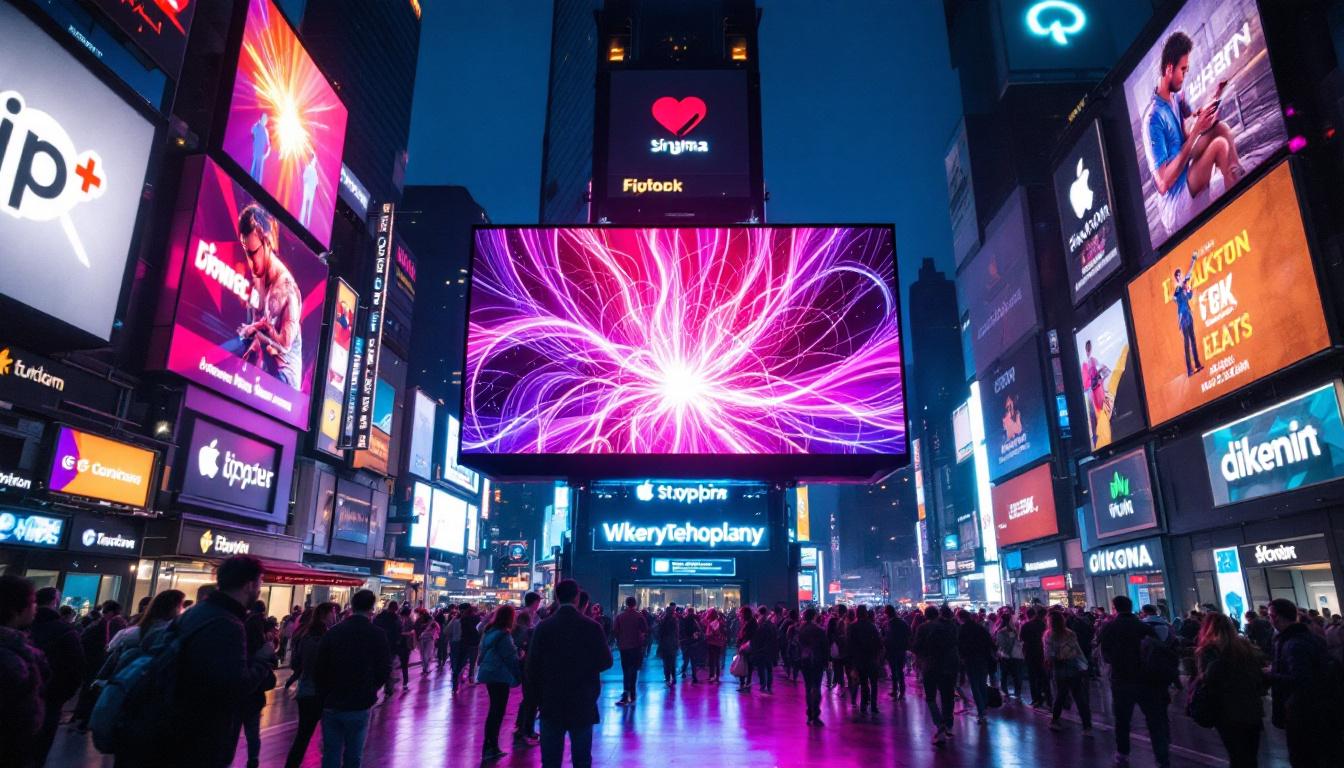
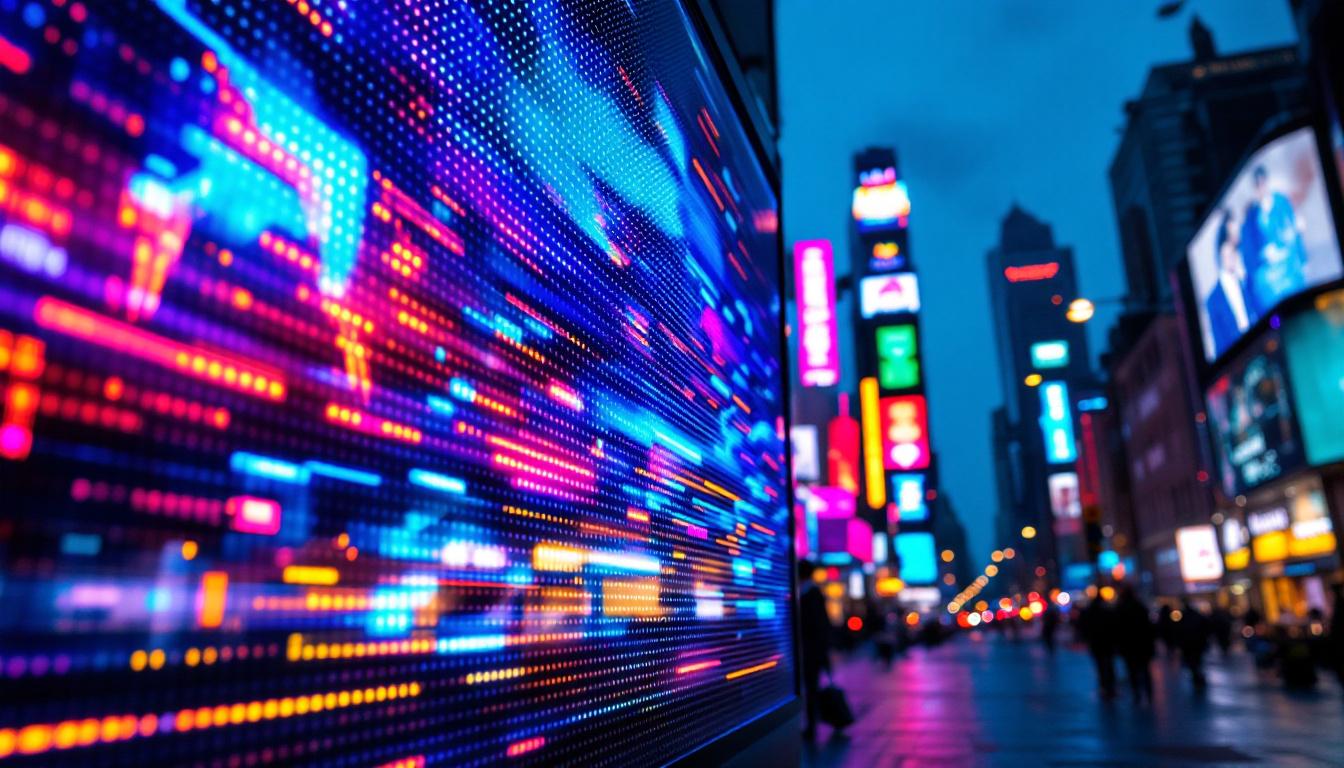
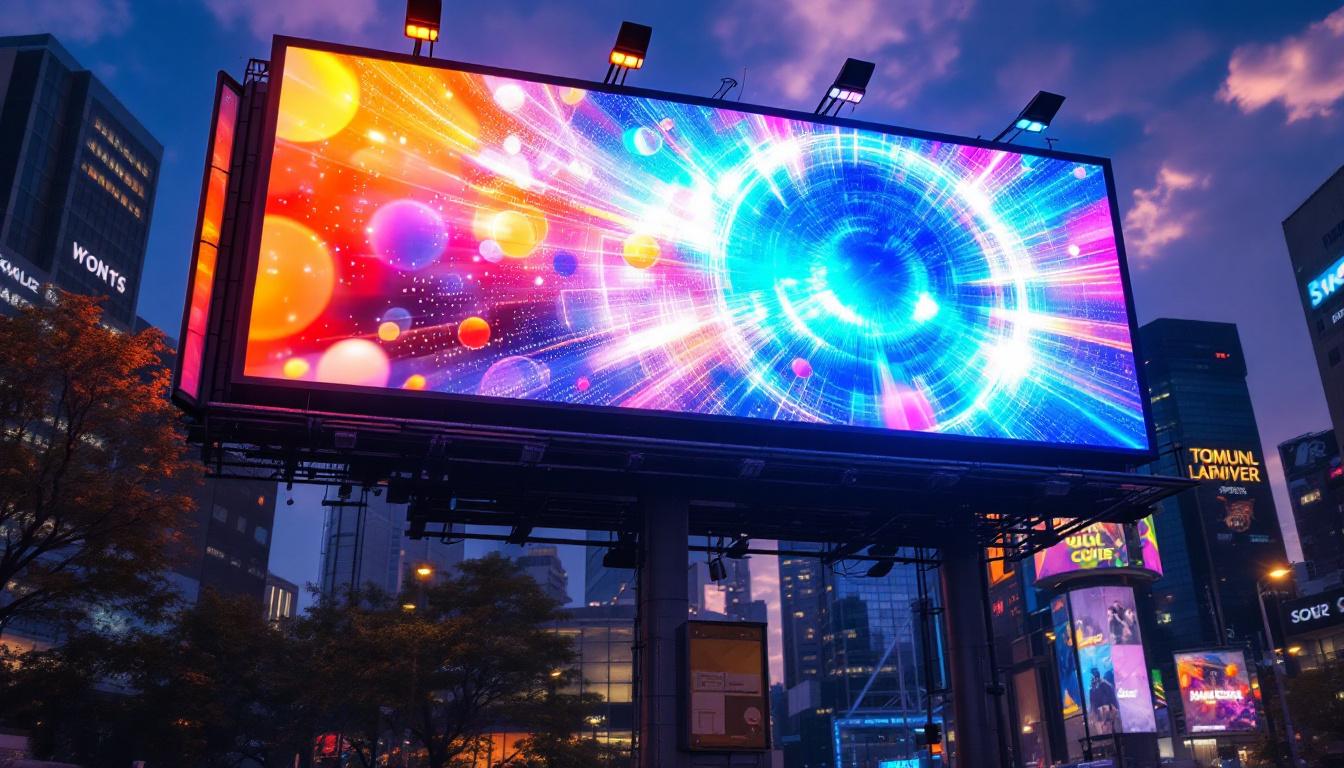
One of the most visible applications of LED displays is in advertising. LED billboards and digital signage dominate urban landscapes, capturing the attention of pedestrians and drivers alike. According to a 2023 report by the Digital Signage Federation, LED-based digital signage has grown by over 15% annually worldwide, driven by its dynamic content capabilities and high visibility.
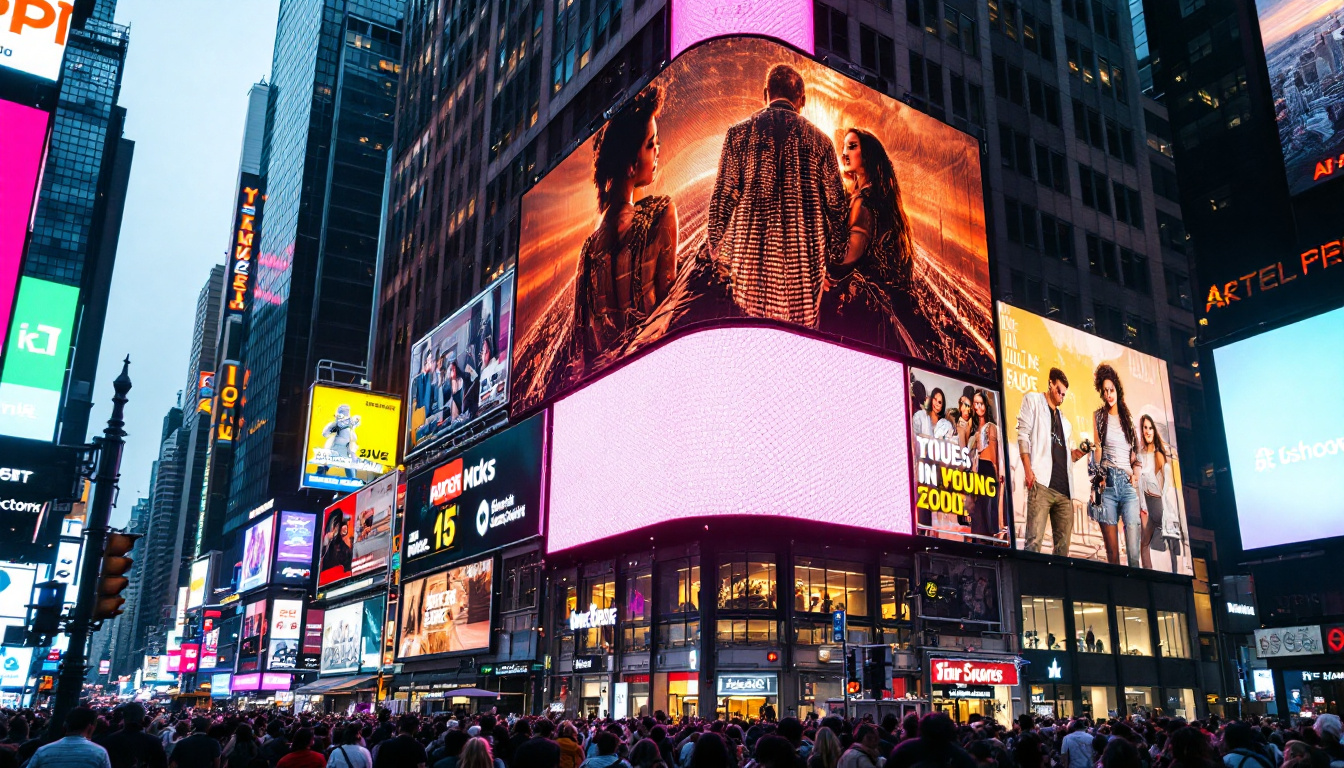
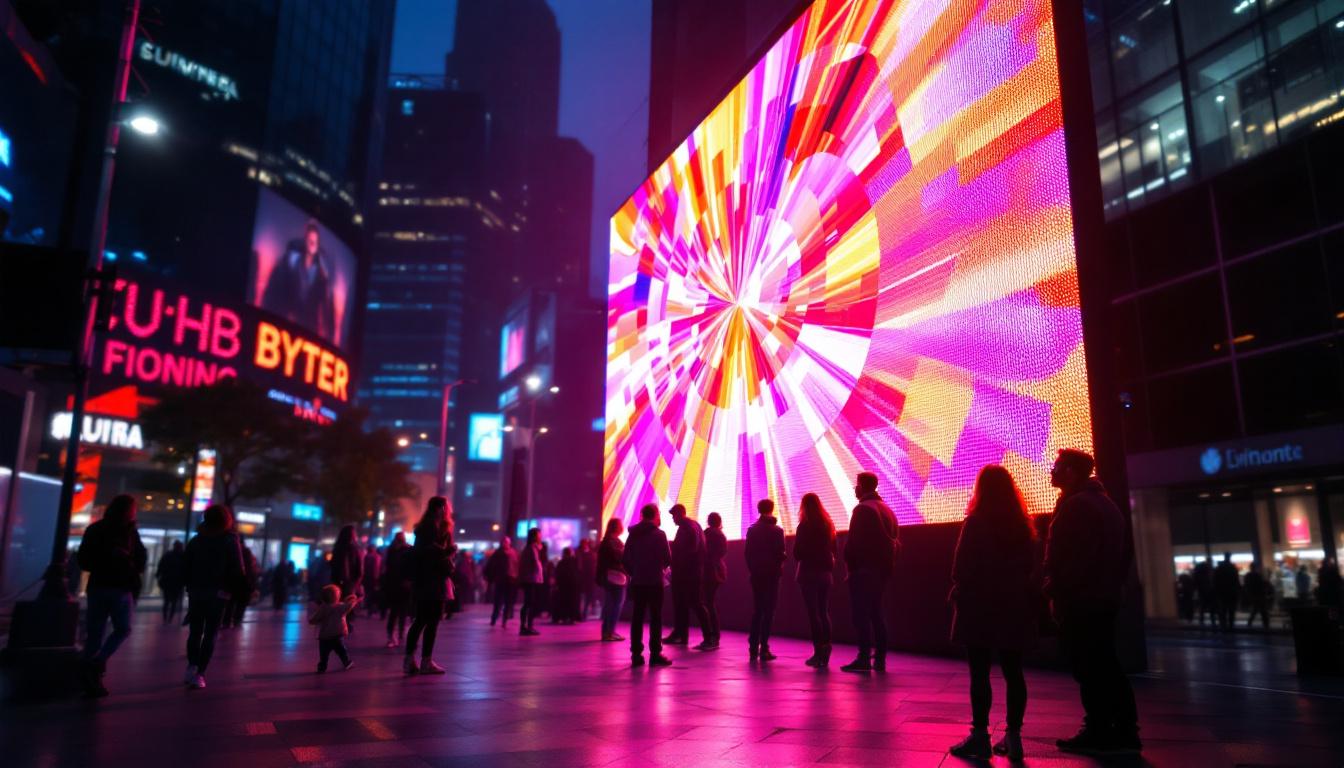
Brands leverage LED displays to create engaging campaigns that can be updated in real-time, allowing for targeted messaging based on time of day, audience demographics, or current events. For example, Times Square in New York City is renowned for its massive LED screens that deliver vibrant advertisements to millions of visitors daily. These displays often feature high-definition video content, which not only enhances brand visibility but also allows for creative storytelling that resonates with viewers on an emotional level.
Moreover, the integration of social media feeds into LED advertising has become a game-changer, enabling brands to connect with their audience in real-time. Campaigns can be designed to encourage user interaction, where customers can share their experiences or participate in contests, further amplifying the reach and impact of the advertisements.
Sports and Entertainment Venues
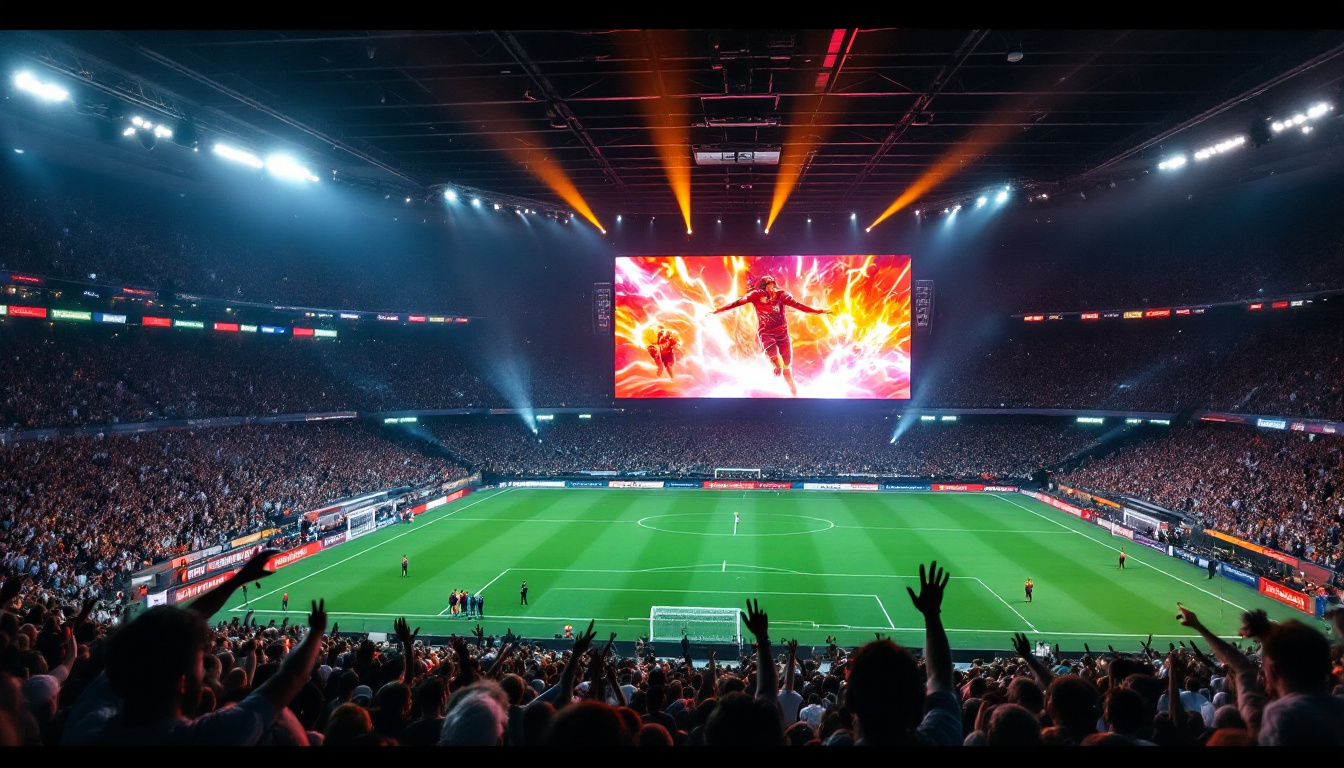
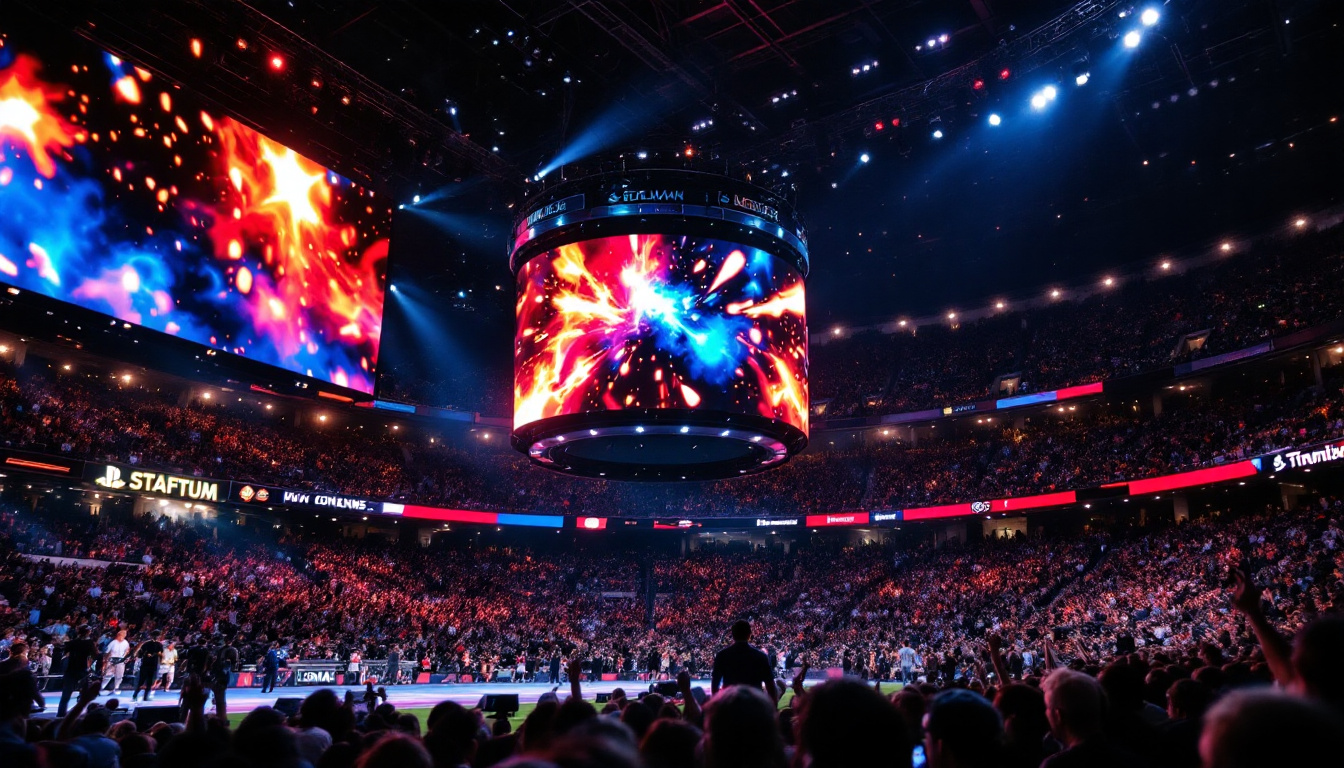
In stadiums and arenas, LED displays enhance the spectator experience by providing live action replays, scores, and interactive content. The use of large-scale LED screens ensures visibility from all seating areas, even in expansive venues.
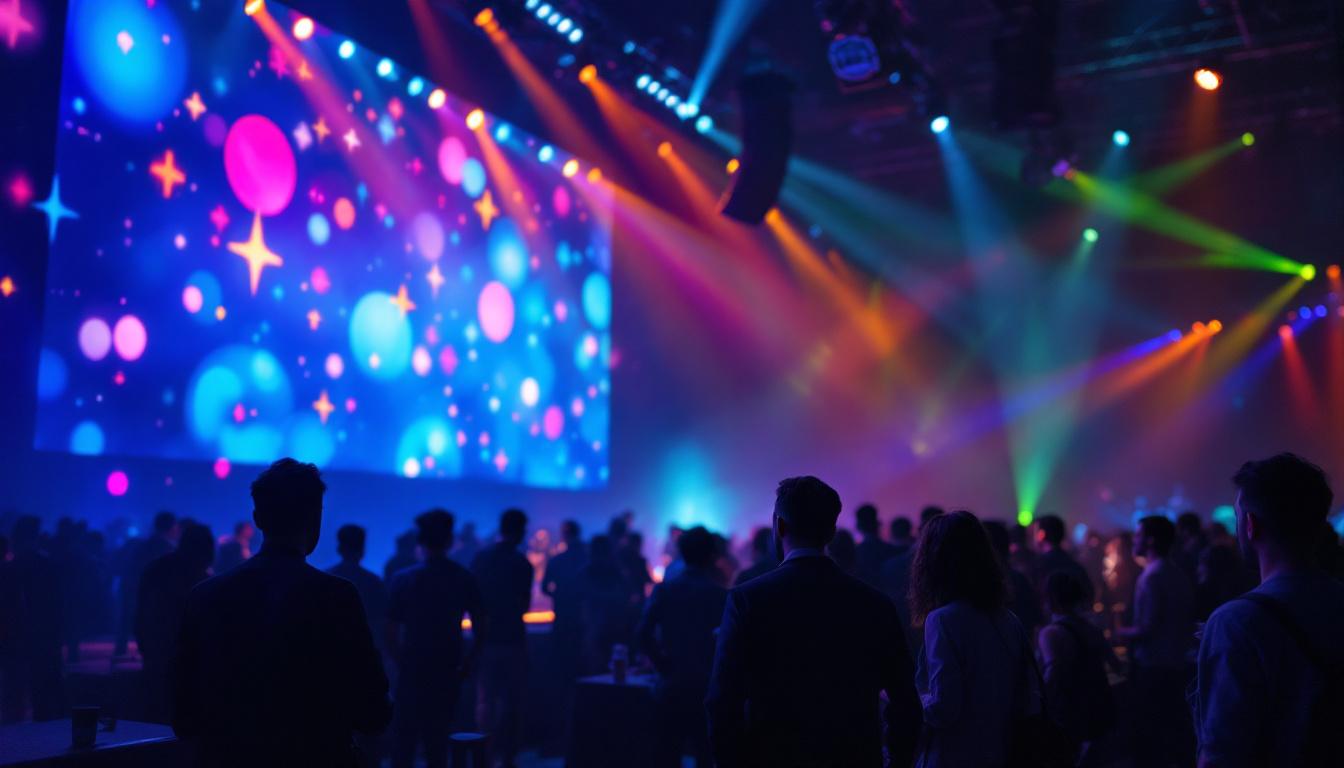
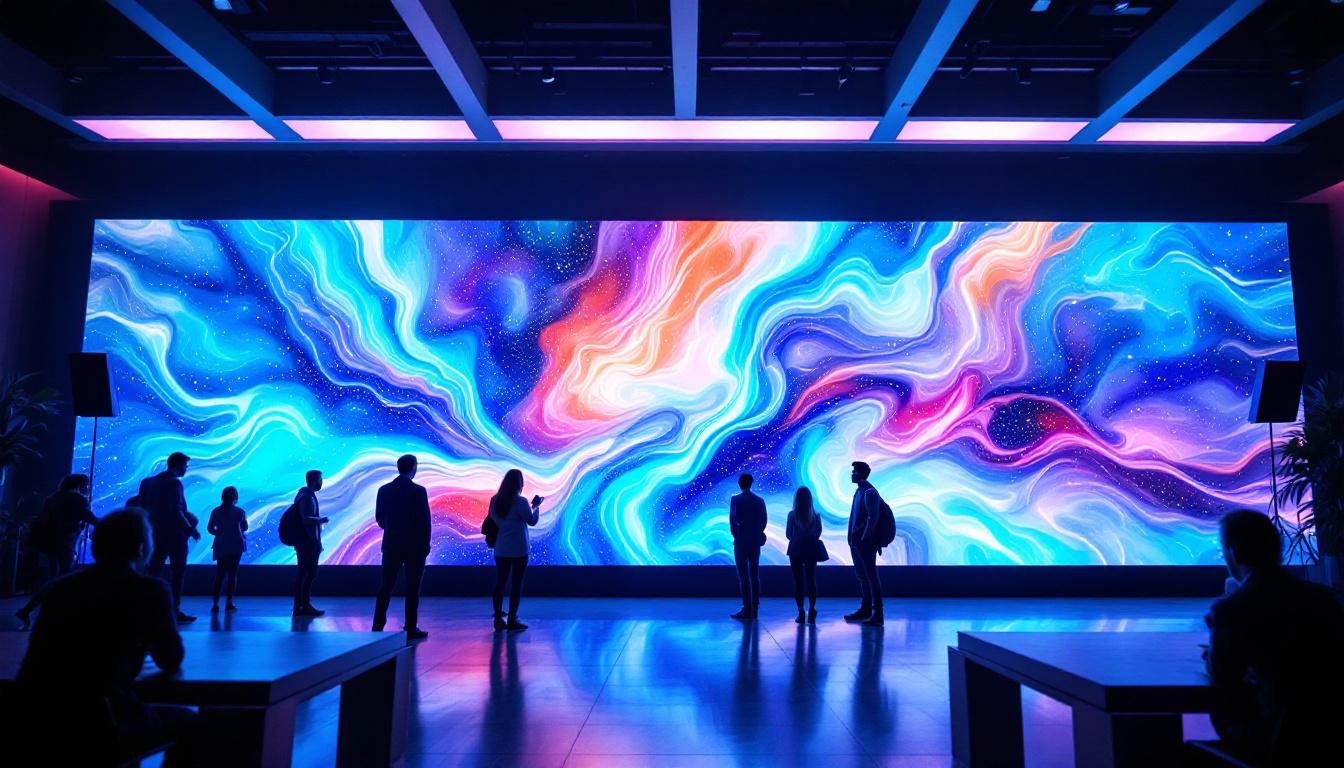
Beyond sports, concert stages and theaters utilize LED walls and floors to create immersive environments. The ability to synchronize visuals with performances adds a new dimension to entertainment, captivating audiences with stunning effects. For instance, during live concerts, artists can use LED screens to project intricate visuals that complement their music, creating a multi-sensory experience that keeps fans engaged and entertained throughout the event.
Additionally, LED displays are pivotal in broadcasting live events, providing viewers at home with high-quality visuals that enhance their viewing experience. The integration of augmented reality (AR) with LED technology is also on the rise, allowing for innovative ways to interact with the audience, such as virtual meet-and-greets or behind-the-scenes glimpses of performances.
Transportation and Public Information
LED displays play a critical role in transportation hubs such as airports, train stations, and bus terminals. Dynamic signage provides travelers with real-time updates on schedules, delays, and directions, improving convenience and safety.
In urban settings, LED traffic signals and pedestrian indicators contribute to efficient traffic management. Additionally, LED-based variable message signs on highways inform drivers about road conditions, accidents, and speed limits, enhancing road safety. These displays are often equipped with sensors that can detect traffic flow and adjust messages accordingly, ensuring that drivers receive the most relevant information at any given moment.
Furthermore, LED displays in public transportation systems can enhance the user experience by providing not only essential travel information but also entertainment options, such as news updates or advertisements tailored to commuters. This dual functionality helps to create a more engaging environment while waiting for transportation.
Retail and Hospitality
Retailers use LED displays to attract customers and promote products through vibrant window displays and in-store digital signage. These displays can adapt quickly to changing promotions and seasons, offering a cost-effective alternative to printed materials.
In the hospitality industry, hotels and restaurants employ LED screens for menus, event announcements, and ambient lighting, enriching the guest experience with dynamic and customizable content. The ability to showcase high-resolution images of dishes or amenities can significantly influence customer choices, making LED displays a powerful marketing tool in this sector.
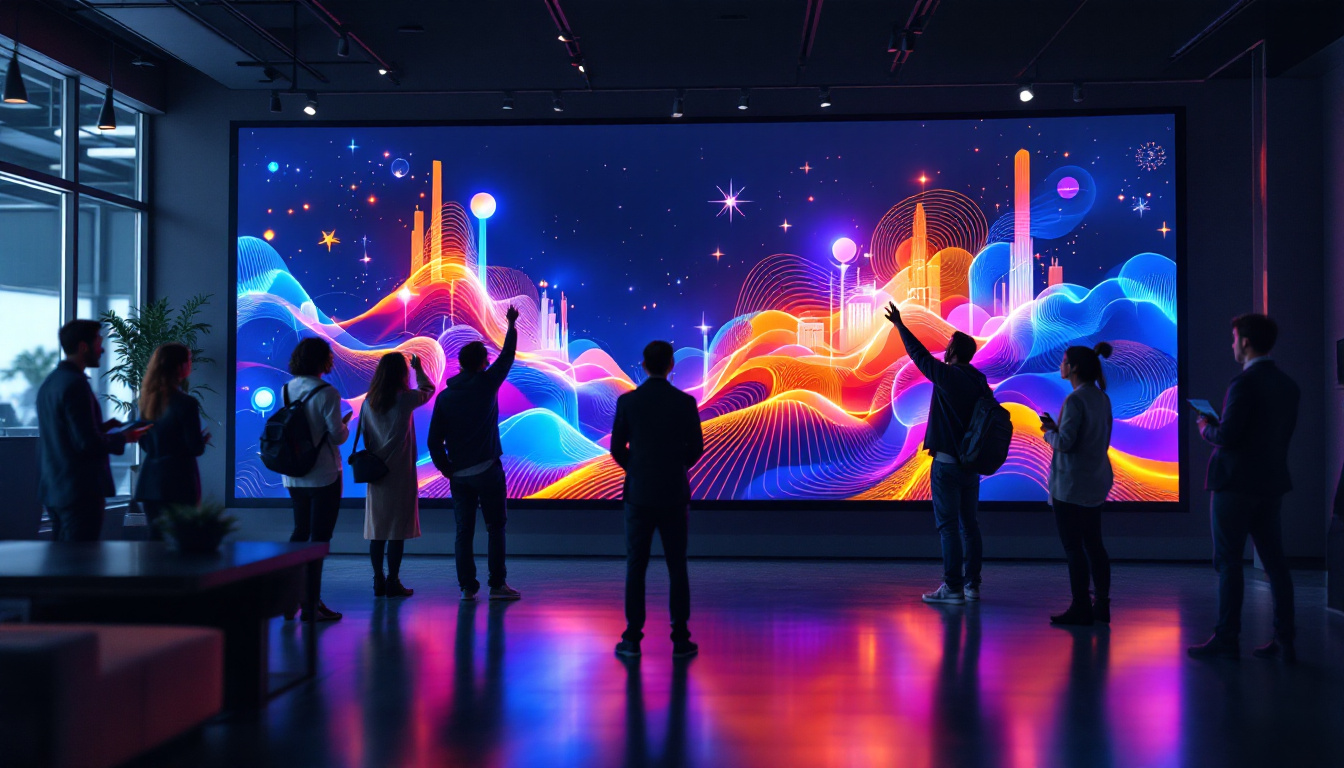
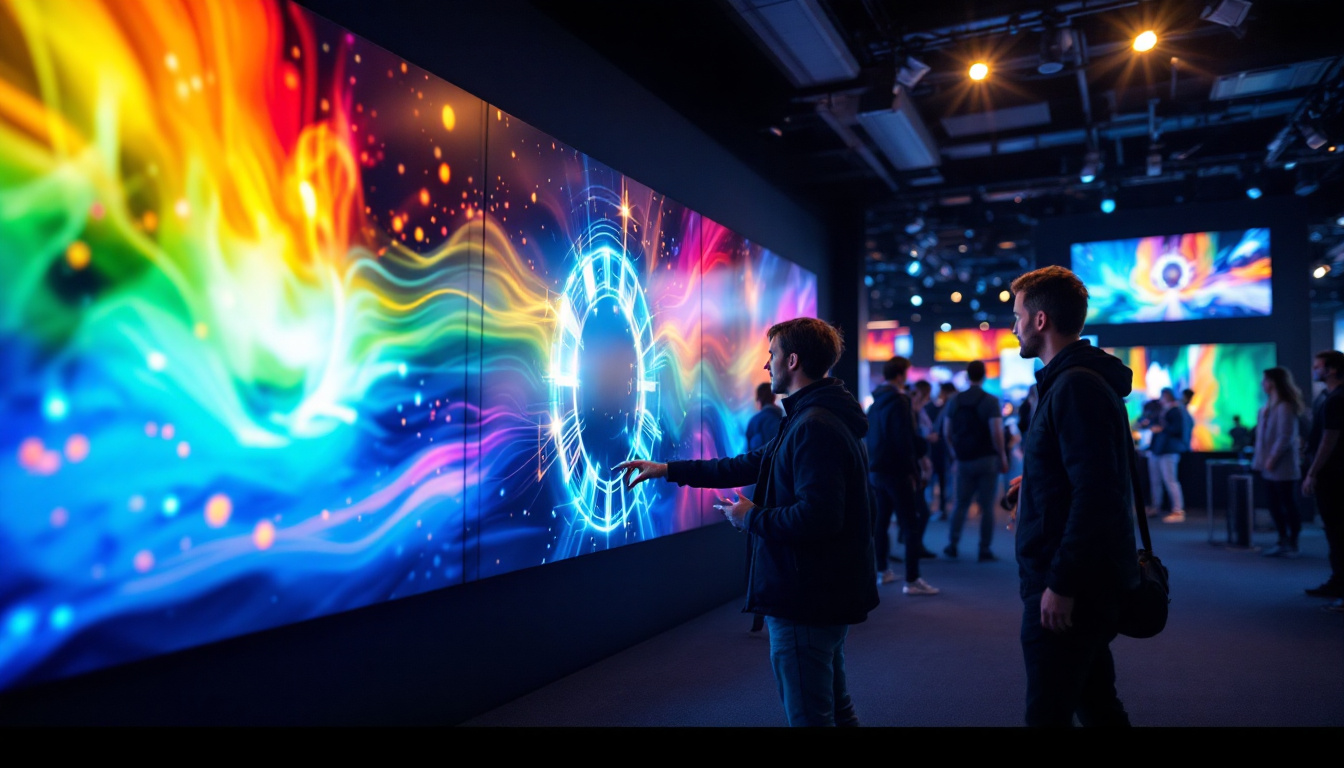
Moreover, interactive LED displays are becoming increasingly popular in retail settings, allowing customers to engage with products in new ways. Touchscreen interfaces can provide detailed information about items, facilitate online orders, or even offer virtual try-ons, enhancing the shopping experience and driving sales.
Healthcare and Education
LED technology is increasingly found in healthcare settings, where displays assist in patient monitoring, wayfinding, and information dissemination. The clarity and reliability of LED screens support critical communication in hospitals and clinics.
Educational institutions utilize LED displays for digital notice boards, interactive learning tools, and auditorium screens. These applications foster engagement and facilitate the delivery of information in modern classrooms. For example, interactive whiteboards equipped with LED technology allow teachers to present lessons in a visually stimulating manner, encouraging student participation and collaboration.
Additionally, LED displays can be used to create informative environments in schools, such as displaying student achievements, upcoming events, or even real-time news updates. This not only keeps students informed but also helps to build a sense of community within the educational institution, fostering pride and engagement among students and staff alike.
Innovations Driving the Future of LED Displays
As LED technology continues to evolve, new developments are expanding the possibilities for display applications. Innovations in materials, design, and integration are pushing the boundaries of what LED displays can achieve.
MicroLED and MiniLED Technologies
MicroLED and MiniLED represent the next generation of LED display technology. MicroLEDs are microscopic LEDs that offer exceptional brightness, contrast, and energy efficiency, with the added benefit of being self-emissive like OLEDs but without their degradation issues.
MiniLEDs, while larger than MicroLEDs, provide improved backlighting for LCD panels, enhancing contrast ratios and color accuracy. Both technologies are poised to transform consumer electronics, including televisions, smartphones, and wearable devices.
Flexible and Transparent LED Displays
Flexible LED displays enable curved and foldable screens, opening new avenues in design and portability. Transparent LED panels allow for see-through displays, ideal for retail windows and augmented reality applications.
These innovations allow architects and designers to integrate LED technology seamlessly into buildings and products, creating interactive and aesthetically pleasing environments.
Smart Integration and IoT Connectivity
The integration of LED displays with smart technologies and the Internet of Things (IoT) is enhancing their functionality. Connected LED displays can adapt content based on environmental sensors, user interaction, or data analytics, providing personalized and context-aware experiences.
For instance, smart city initiatives utilize LED displays to communicate with citizens dynamically, offering real-time information on weather, public transport, and emergency alerts.
Considerations for Choosing LED Displays
When selecting an LED display for a specific application, several factors must be considered to ensure optimal performance and return on investment.
Resolution and Pixel Pitch
The resolution of an LED display is determined by its pixel pitch—the distance between individual LEDs. Smaller pixel pitches yield higher resolution and sharper images, which is crucial for close-viewing environments such as retail stores or conference rooms.
For large outdoor displays viewed from a distance, a larger pixel pitch is acceptable and more cost-effective.
Brightness and Viewing Angle
Brightness levels must be sufficient to ensure visibility under ambient lighting conditions. Outdoor displays require higher brightness to combat sunlight glare, often exceeding 5,000 nits, while indoor displays typically operate between 300 and 1,000 nits.
Viewing angle is also important, as LED displays should maintain color accuracy and brightness across wide angles to accommodate diverse audiences.
Durability and Environmental Resistance
Outdoor LED displays must withstand weather conditions such as rain, wind, and temperature fluctuations. IP ratings indicate the level of protection against dust and water, with IP65 or higher recommended for most outdoor applications.
Indoor displays focus more on aesthetics and integration, but durability remains important in high-traffic areas.
Energy Consumption and Maintenance
Energy efficiency impacts operational costs, especially for large installations running continuously. LEDs are inherently efficient, but additional features like automatic brightness adjustment can further reduce power usage.
Maintenance considerations include ease of access for repairs and modular design to replace faulty components without significant downtime.
Conclusion
LED displays have become a cornerstone of modern visual communication, offering unmatched brightness, versatility, and efficiency. Their applications span advertising, entertainment, transportation, retail, healthcare, and education, reflecting their adaptability to various environments and needs.
Emerging technologies such as MicroLED and flexible displays promise to expand the capabilities of LED screens further, while smart integration enhances their interactivity and responsiveness. Understanding the technical aspects and application requirements is essential for selecting the right LED display solution, ensuring impactful and sustainable implementations.
As LED technology continues to advance, it will undoubtedly illuminate new possibilities, shaping the way people interact with digital content across the globe.
Discover LumenMatrix LED Display Solutions
Ready to elevate your visual communication with the latest in LED technology? LumenMatrix is at the forefront of innovation, offering a comprehensive range of LED display modules designed to captivate and engage. From Indoor and Outdoor LED Walls to specialized solutions like Vehicle, Sports, and Floor LED Displays, our products are tailored to meet your unique needs. Embrace the future of digital signage with our Custom, All-in-One, and Transparent LED Displays, and let LumenMatrix help you share your message with unparalleled impact. Check out LumenMatrix LED Display Solutions today and transform the way you connect with your audience.