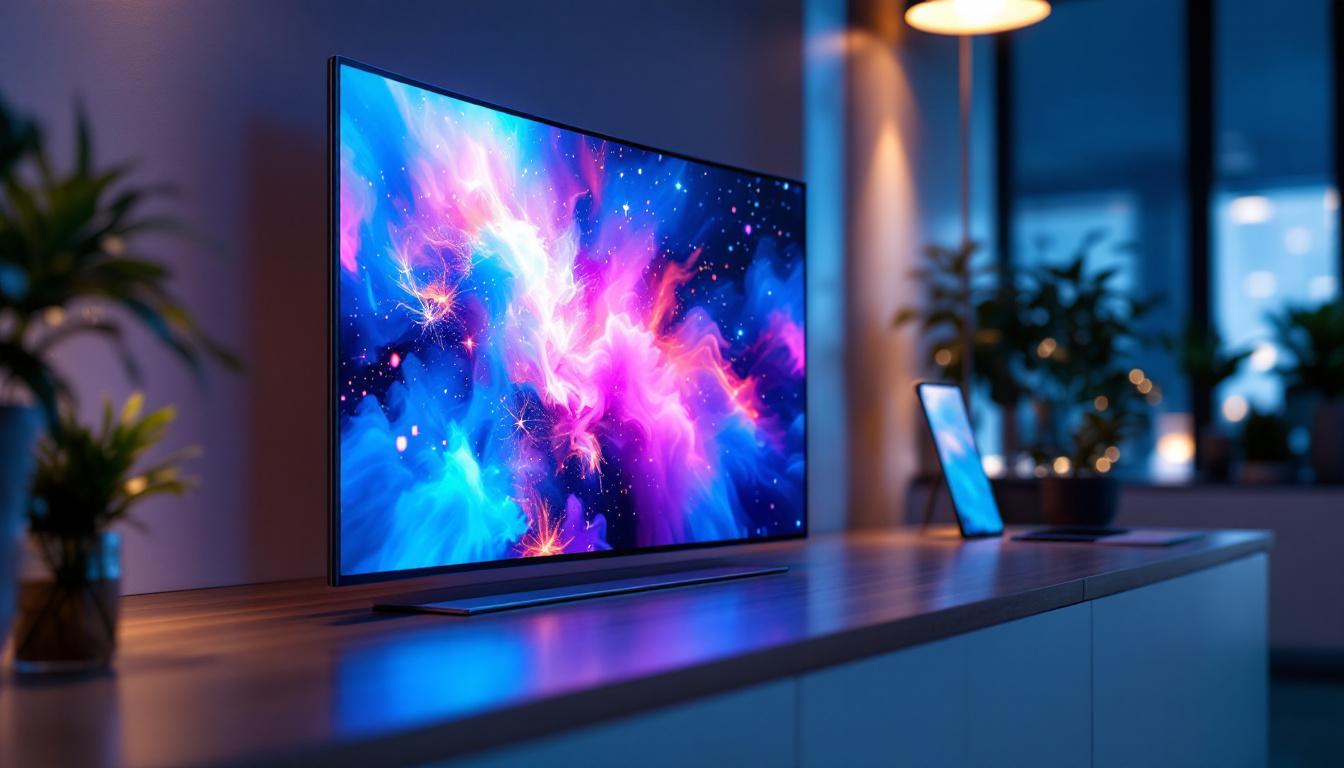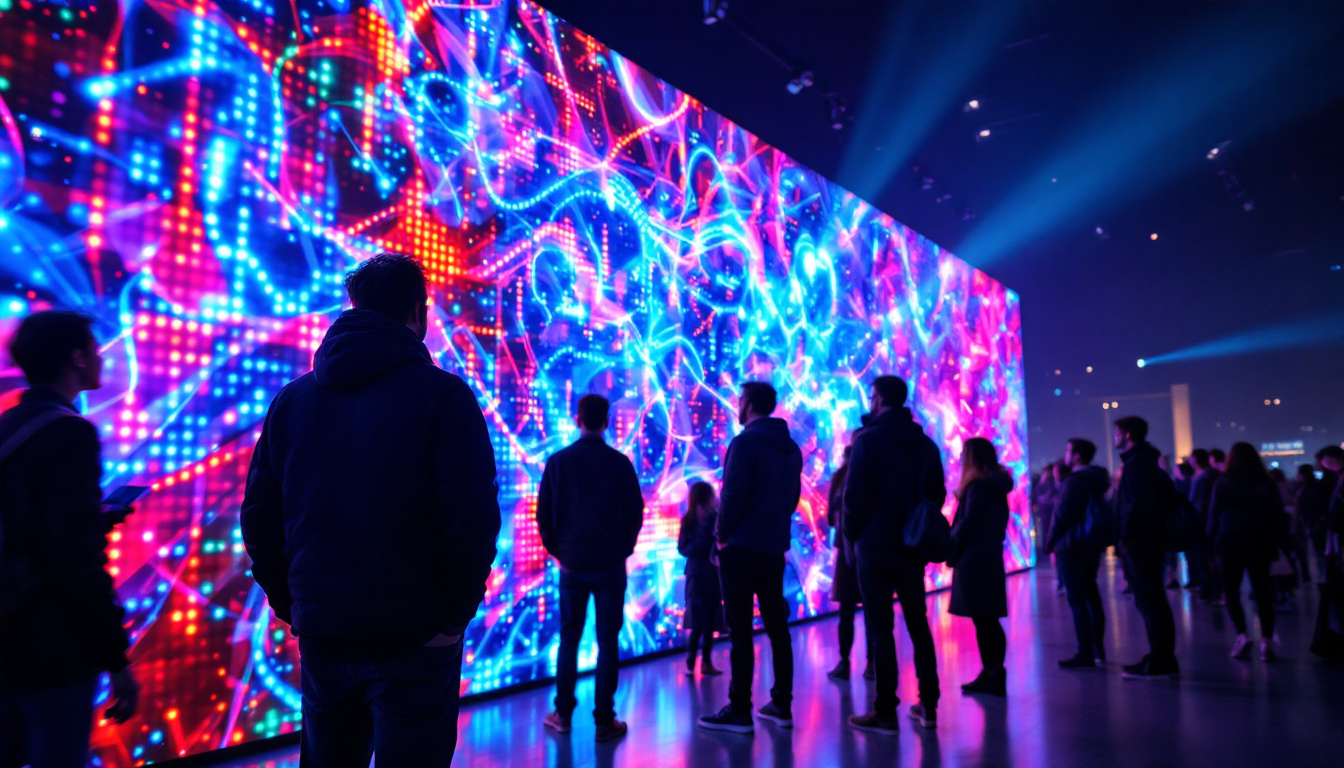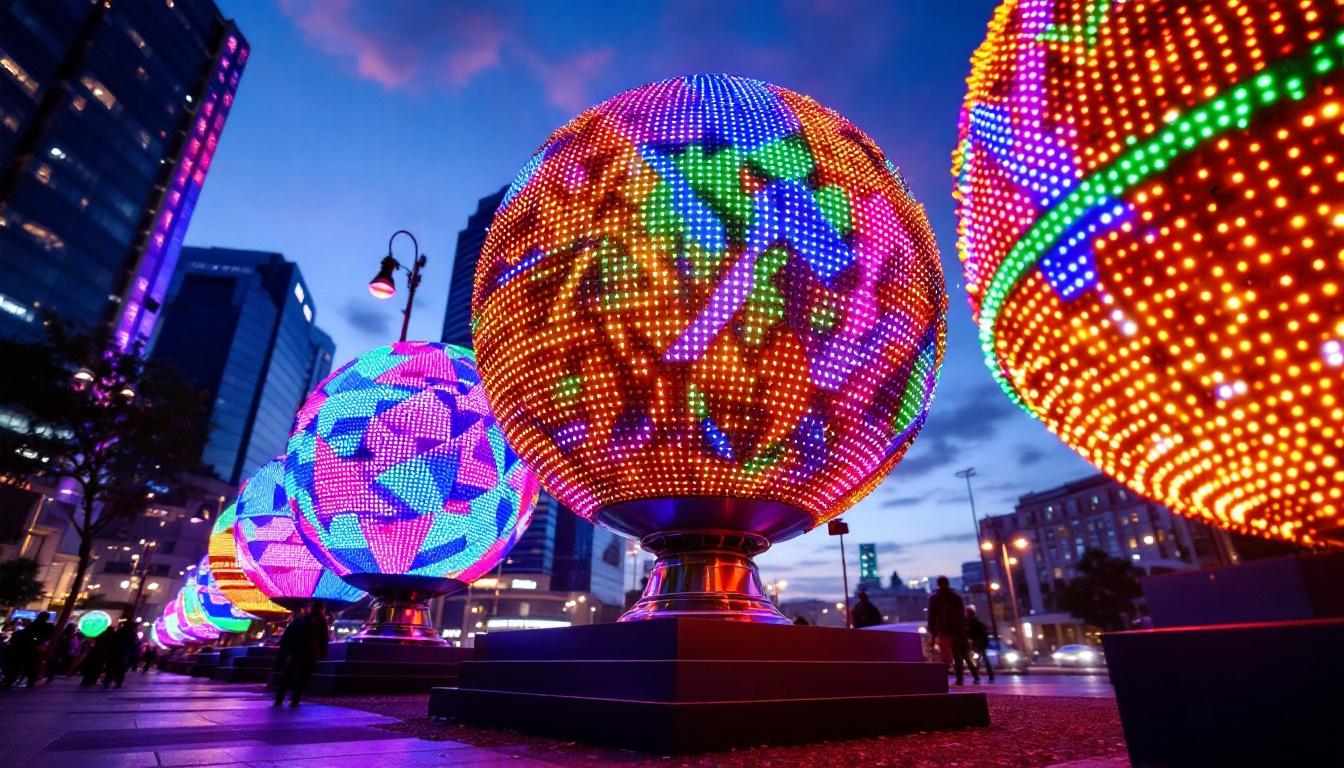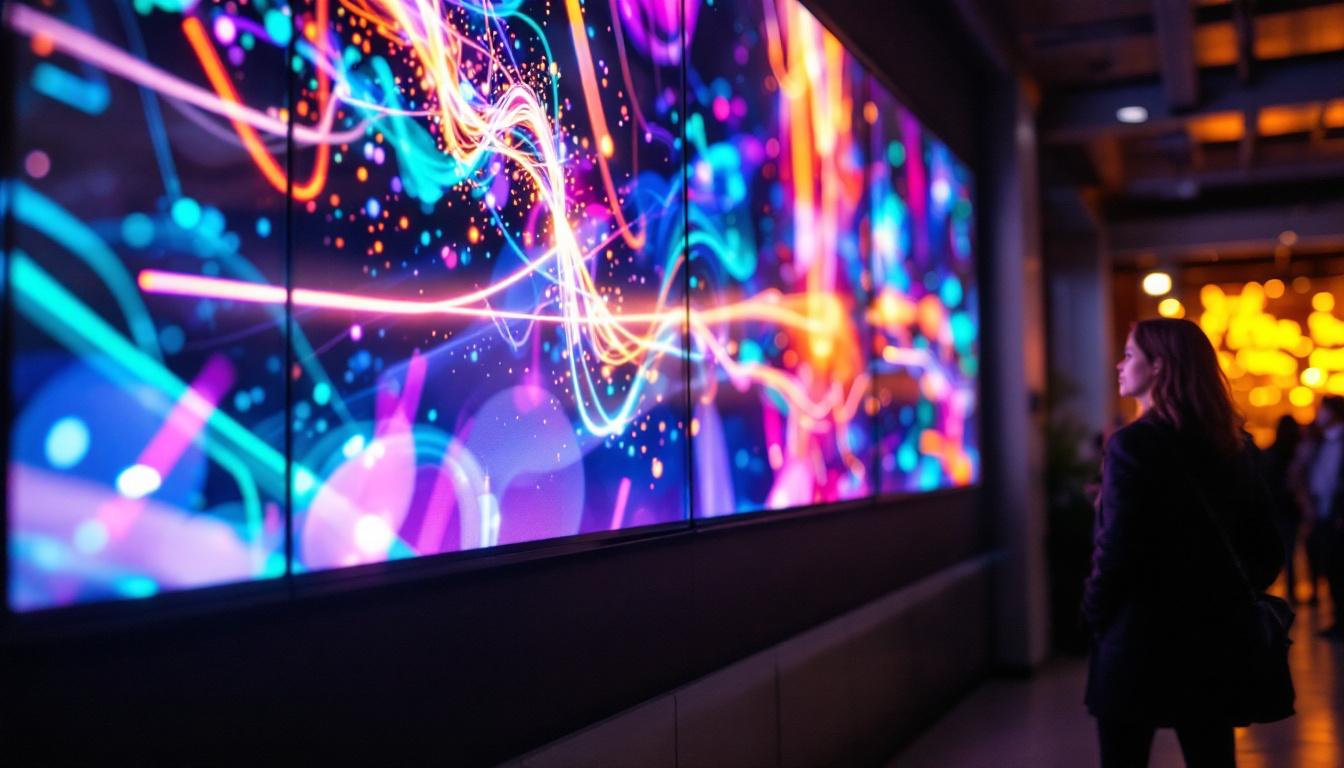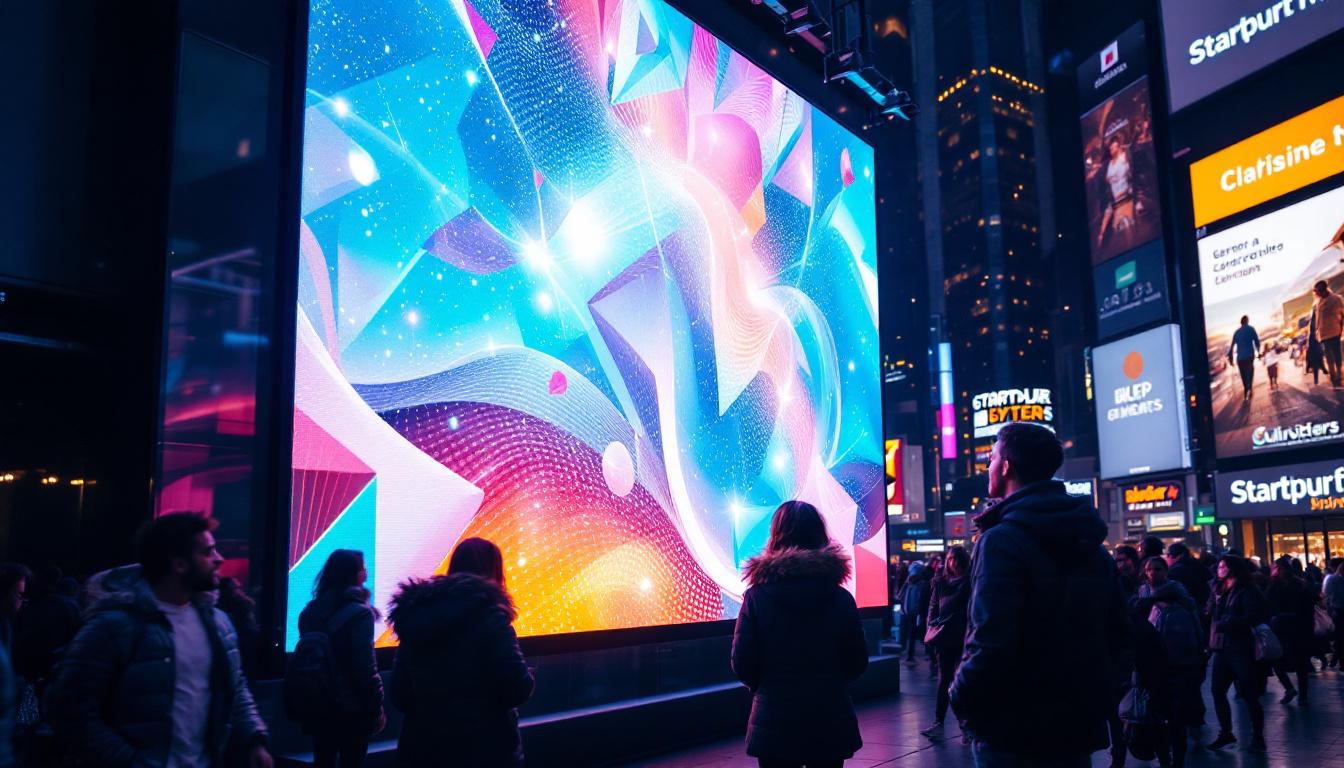
In an era where visual communication dominates marketing, entertainment, and public information, large LED displays have become a cornerstone technology. From stadiums and shopping malls to urban billboards and corporate events, LED screens deliver vibrant, dynamic content that captures attention and conveys messages effectively. But what exactly makes these large screens tick, and why have LED displays become the preferred choice over other technologies? This article delves into the fundamentals of large LED displays, exploring their technology, applications, advantages, and future trends.
Understanding LED Display Technology
LED stands for Light Emitting Diode, a semiconductor device that emits light when an electric current passes through it. Unlike traditional display technologies that rely on backlighting or projection, LEDs produce their own light, making them highly efficient and capable of delivering vivid colors and high contrast. This self-illuminating property not only enhances the visual experience but also contributes to lower energy consumption, making LED displays an environmentally friendly choice in the realm of digital signage and entertainment.
How Large LED Displays Are Constructed
Large LED displays are composed of thousands, sometimes millions, of tiny LEDs arranged in a grid pattern. Each LED acts as a single pixel, and by varying the intensity and color of individual LEDs, the screen can display images and videos with remarkable clarity. These LEDs are typically grouped into modules or panels, which are then assembled to create a seamless large screen of any size. The modular design allows for easy maintenance and scalability; if one panel fails, it can be replaced without the need to dismantle the entire display, ensuring minimal downtime.
The resolution of an LED display depends on the pixel pitch—the distance between the centers of two adjacent LEDs. A smaller pixel pitch means higher resolution and sharper images, which is particularly important for screens viewed up close. For example, indoor LED displays often have pixel pitches as small as 1 to 2 millimeters, while outdoor screens, viewed from greater distances, may have pixel pitches of 10 millimeters or more. This adaptability in pixel pitch allows businesses to tailor their displays to specific environments, whether it be a bustling shopping mall or a large outdoor stadium.
Types of LEDs Used in Displays
There are primarily two types of LEDs used in large displays: surface-mounted device (SMD) LEDs and discrete LEDs. SMD LEDs integrate red, green, and blue diodes into a single package, allowing for finer pixel pitches and smoother images, making them ideal for indoor applications. Discrete LEDs, which have separate red, green, and blue diodes, are generally larger and more robust, suited for outdoor displays where brightness and durability are paramount. The choice between these types often hinges on the intended use; for instance, SMD LEDs are favored in environments where high-resolution images are critical, such as in concert venues or trade shows.
Brightness and Color Accuracy
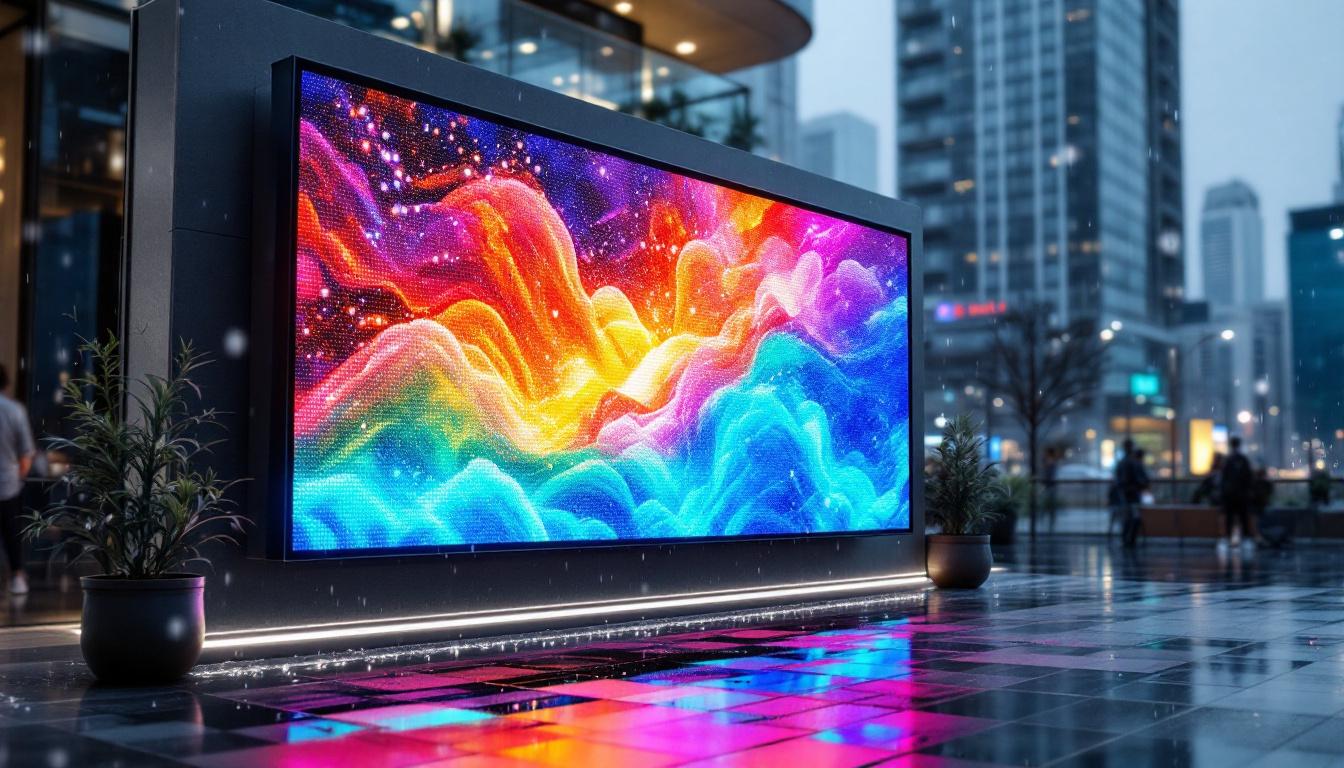
One of the standout features of LED displays is their exceptional brightness. Outdoor LED screens can reach brightness levels exceeding 5,000 nits, ensuring visibility even under direct sunlight. This is a critical advantage over LCD or projection-based screens, which often struggle in bright environments. Additionally, LEDs offer superior color accuracy and a wide color gamut, enabling displays to render vibrant and true-to-life images that engage viewers effectively. The ability to adjust brightness dynamically also allows for optimal performance in varying light conditions, enhancing the viewer’s experience at any time of day.
Furthermore, advancements in LED technology have led to the development of HDR (High Dynamic Range) capabilities, which enhance the contrast between the darkest and brightest parts of an image. This results in a more immersive viewing experience, particularly for video content where detail in shadows and highlights is crucial. Many modern LED displays now incorporate sophisticated calibration tools that ensure consistent color reproduction across the entire screen, making them ideal for applications in broadcasting, advertising, and live events where visual fidelity is paramount.
Applications of Large LED Displays
Large LED screens have transformed the way information and entertainment are presented in public and private spaces. Their versatility and impact have made them indispensable across various sectors.
Advertising and Digital Billboards
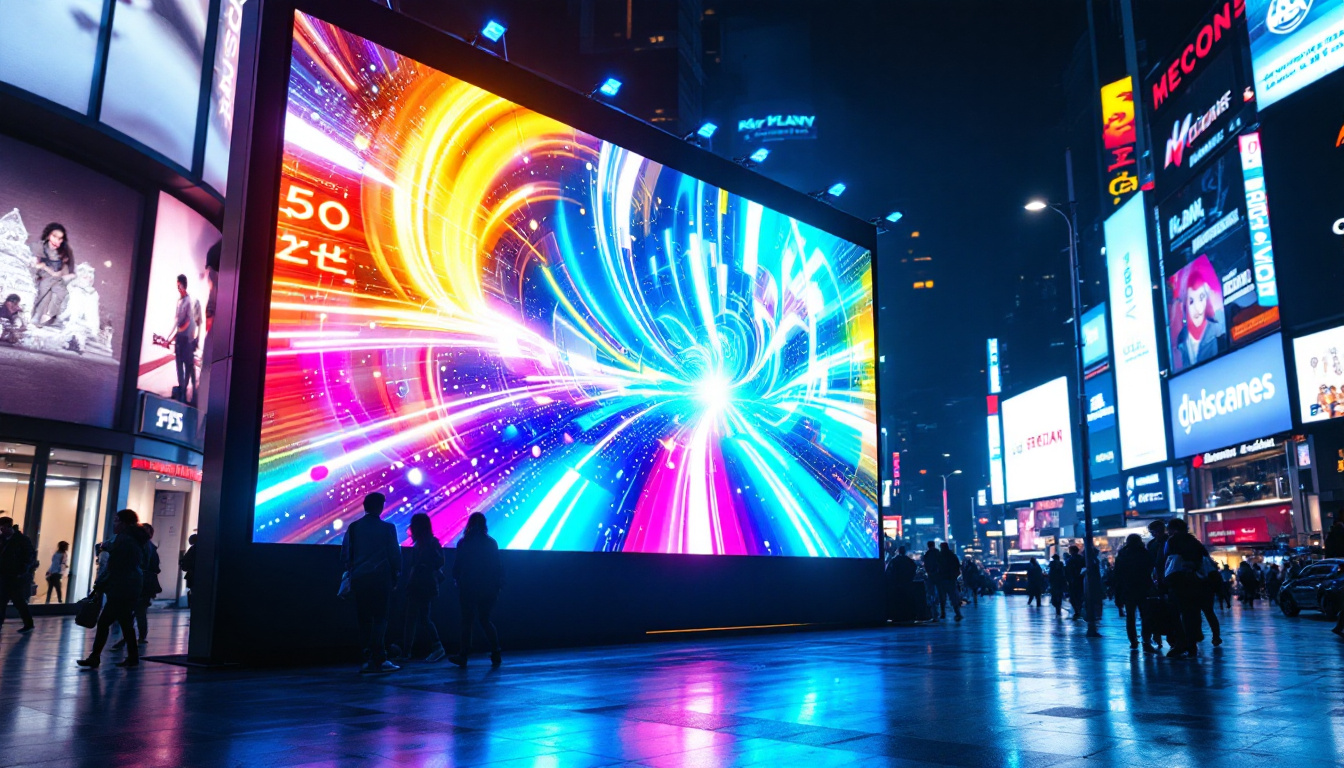
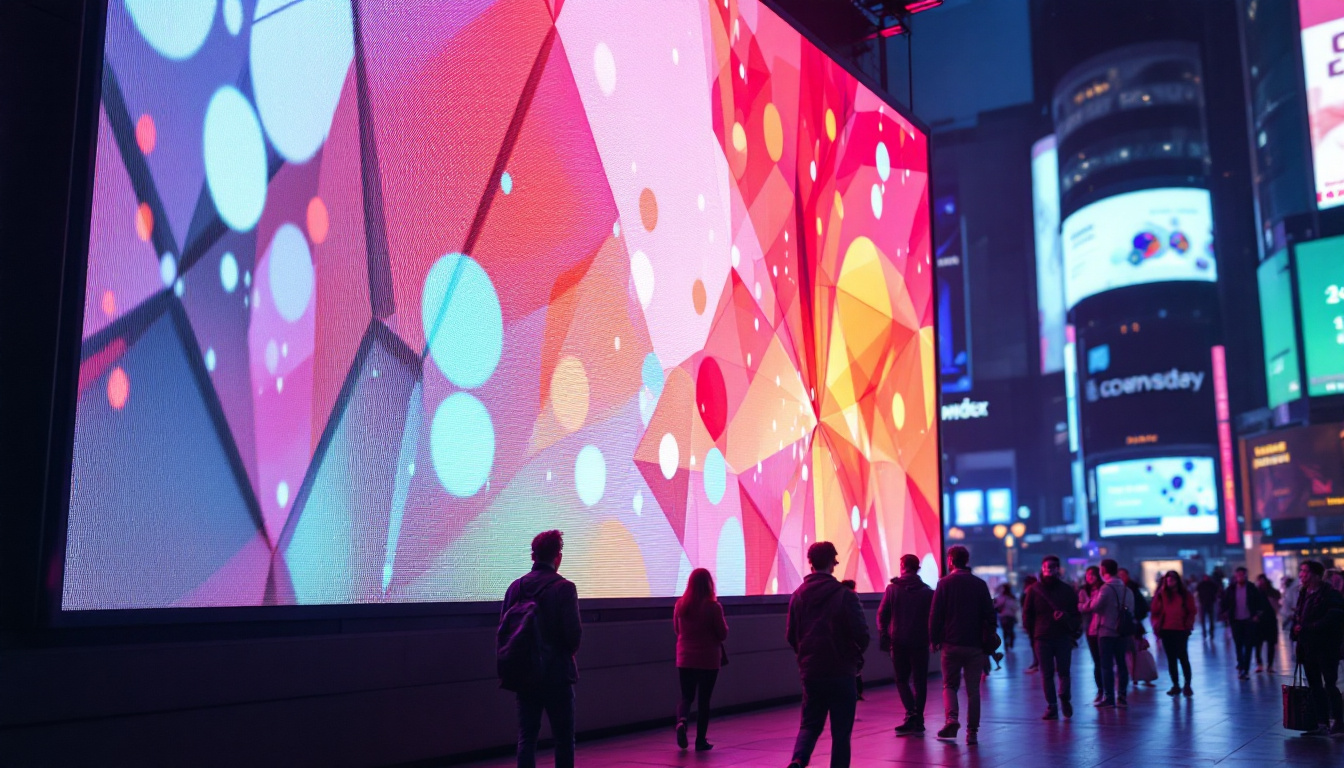
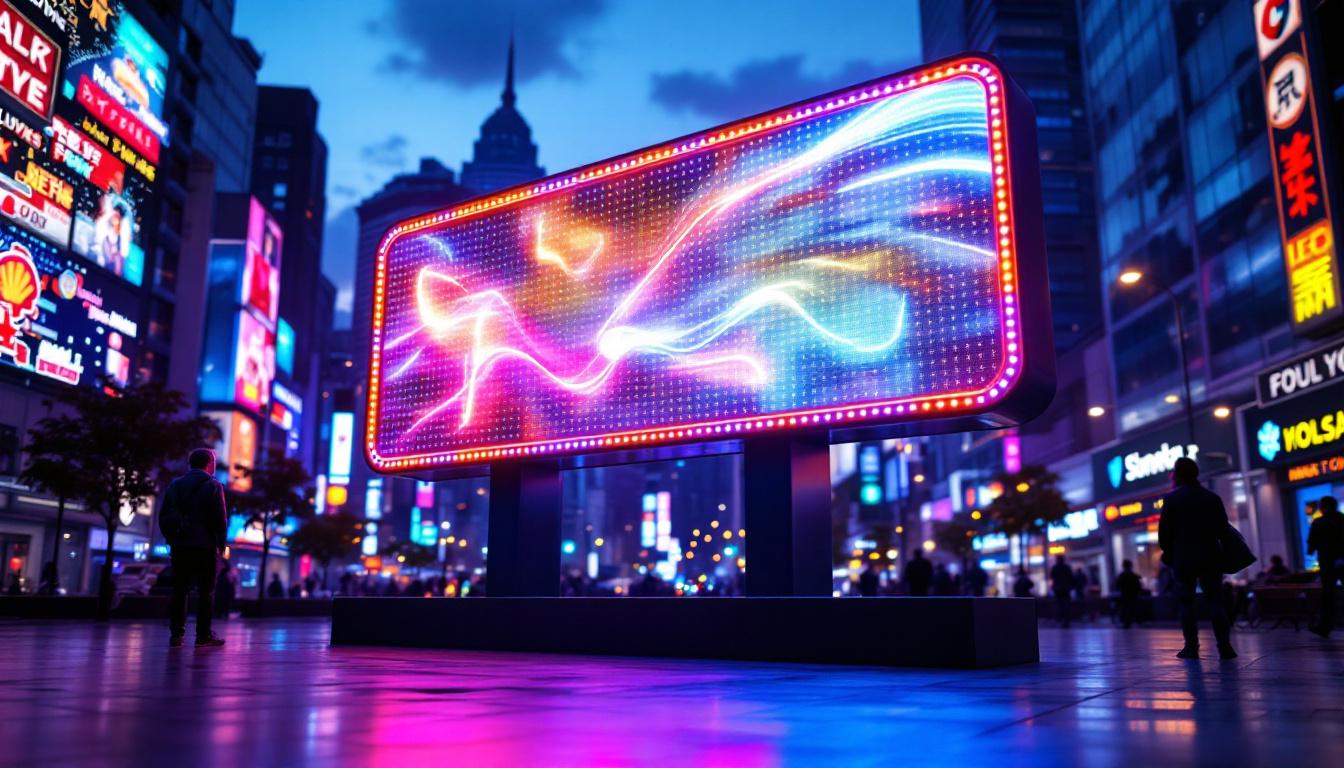
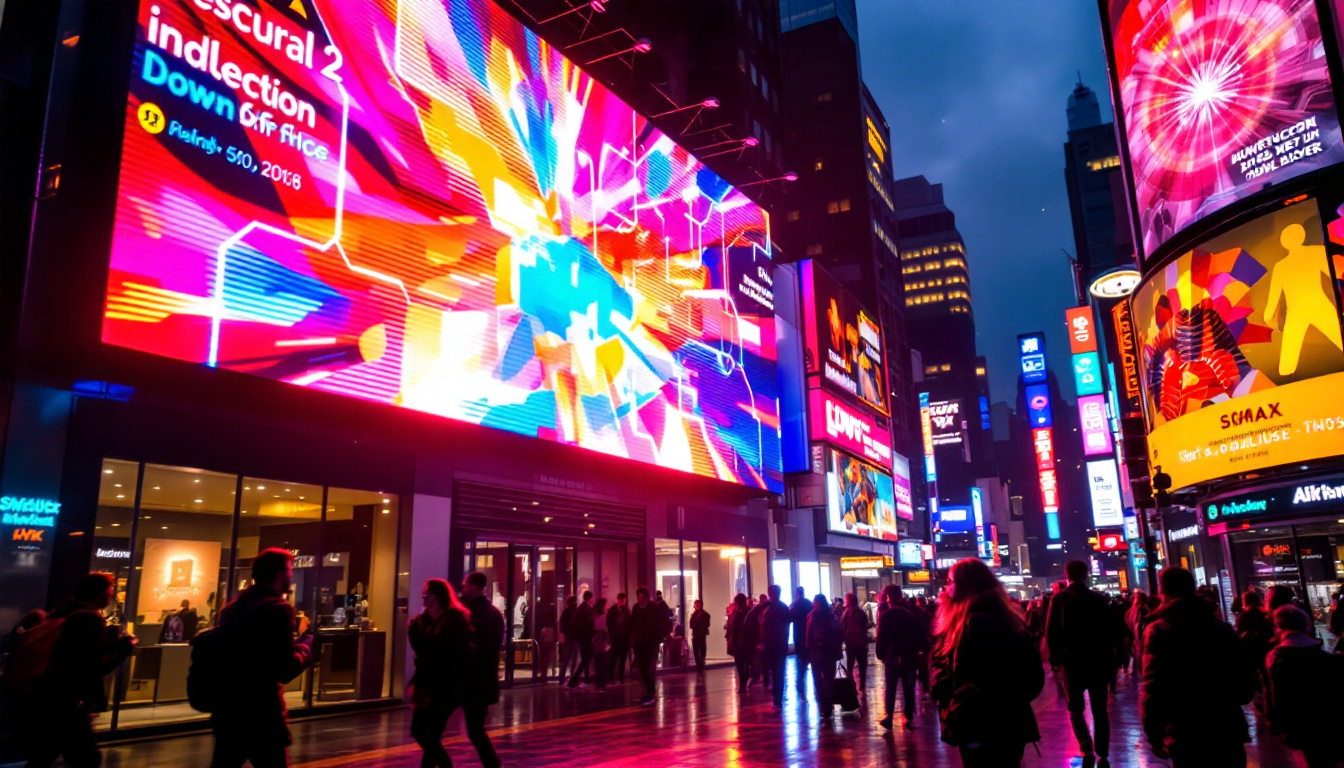
Digital billboards are among the most common uses of large LED displays. According to the Outdoor Advertising Association of America, digital out-of-home advertising spending in the U.S. reached over $4 billion in 2023, reflecting the growing demand for dynamic, eye-catching content. LED billboards allow advertisers to update messages in real-time, schedule multiple ads, and incorporate animations or video, significantly increasing audience engagement compared to static billboards.
Sports Arenas and Entertainment Venues
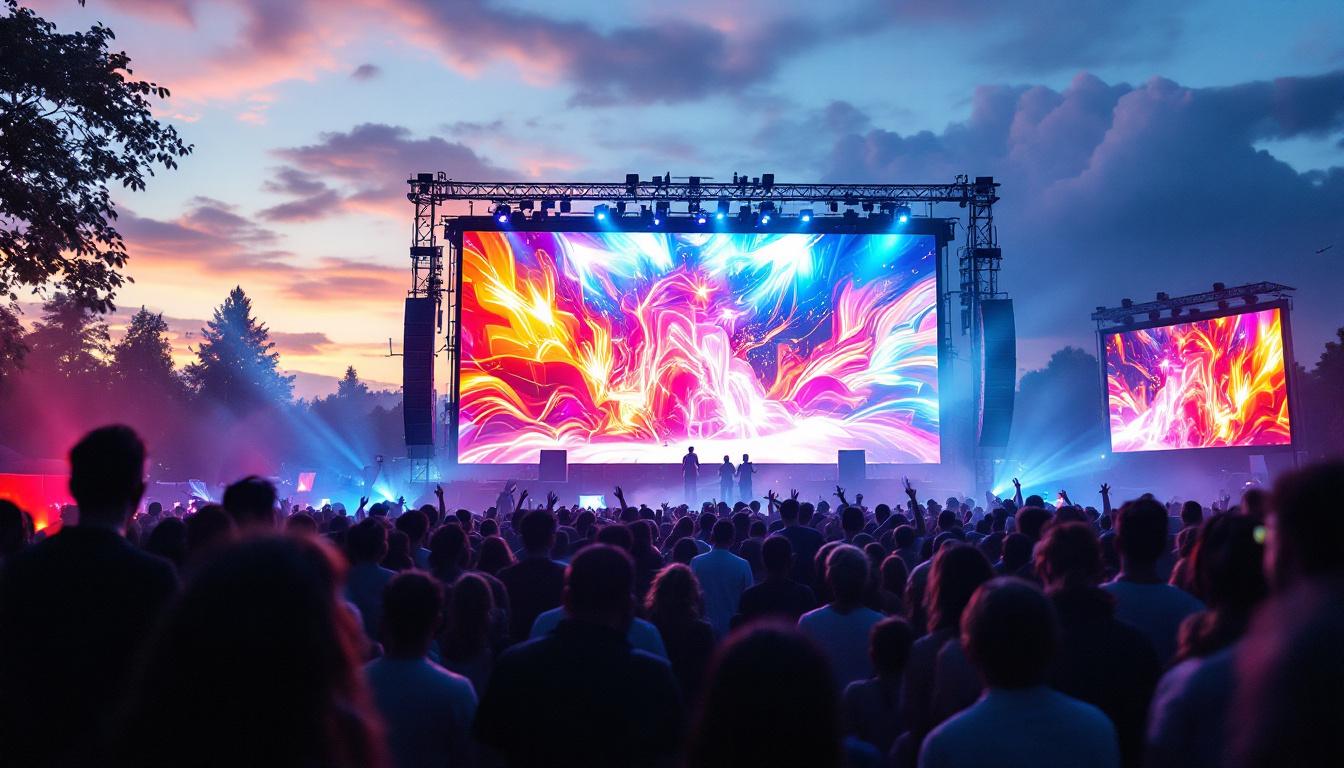
In stadiums and concert venues, large LED screens serve multiple purposes—from displaying live action and replays to showing scores, advertisements, and interactive content. The 2022 FIFA World Cup, for example, featured massive LED displays that enhanced the spectator experience both inside and outside the stadiums. These screens are designed to withstand harsh weather conditions while delivering high-resolution content visible from great distances.
Corporate and Event Displays
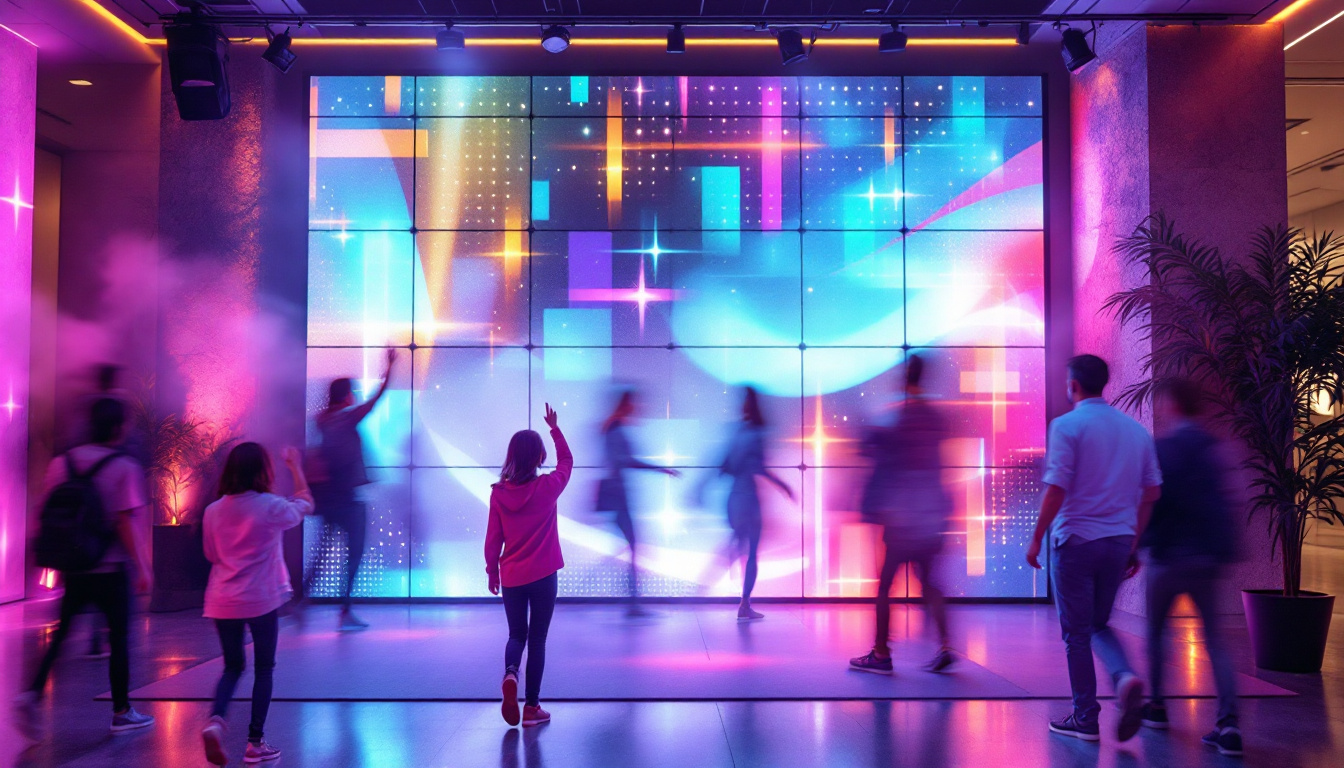
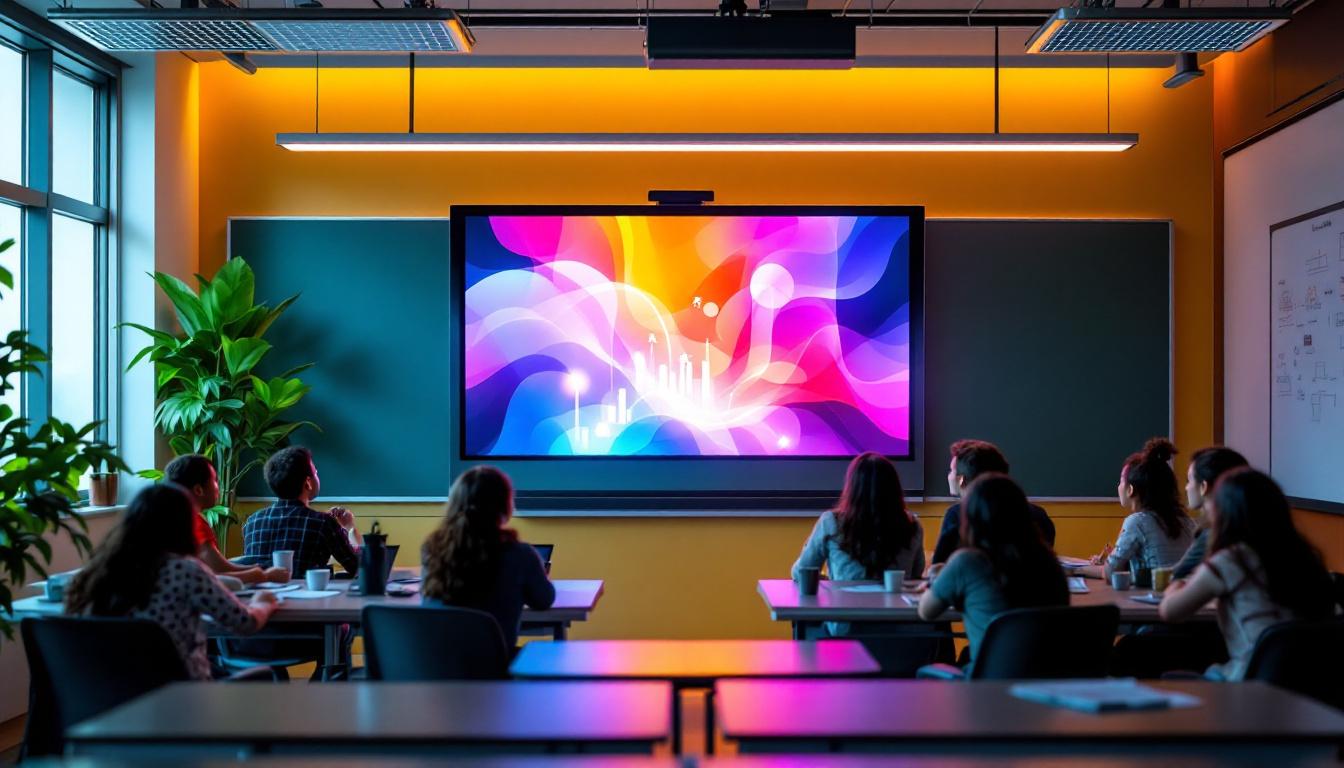
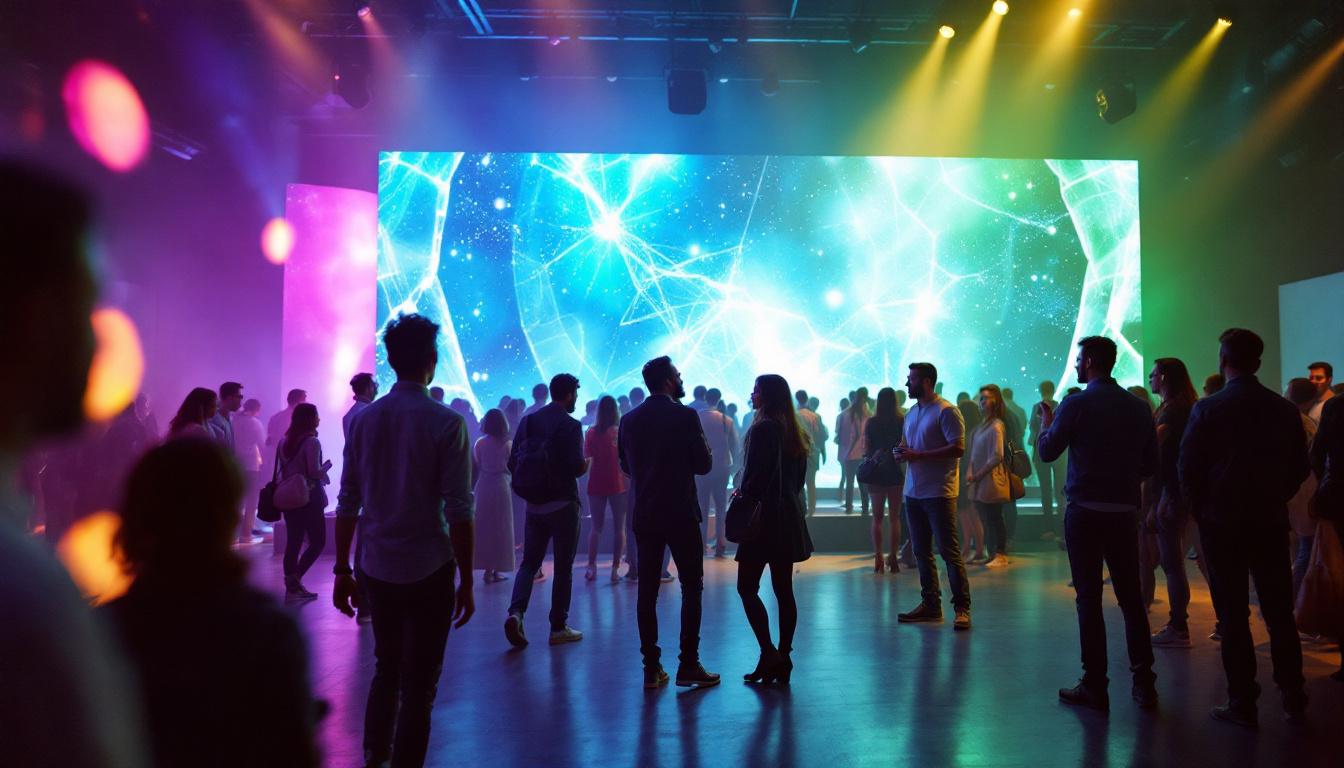
Businesses leverage large LED displays for conferences, trade shows, and product launches. These screens provide a dynamic backdrop that can be customized to suit branding and messaging needs. The ability to display high-definition video and graphics helps companies create memorable presentations and immersive environments that captivate attendees.
Public Information and Transportation Hubs
Airports, train stations, and city centers use LED displays to convey real-time information such as schedules, alerts, and wayfinding. Their visibility and clarity ensure that critical messages reach large audiences quickly, improving the overall efficiency and safety of public spaces.
Advantages of LED Displays Over Other Technologies
While LCD and projection technologies have their place, LED displays offer several distinct advantages that make them the preferred choice for large-scale applications.
Energy Efficiency and Longevity
LEDs consume significantly less power than traditional lighting and display technologies. This energy efficiency translates into lower operating costs, especially important for large installations that run continuously. Moreover, LED displays boast long lifespans—often exceeding 100,000 hours—reducing maintenance and replacement expenses.
Superior Visibility and Durability
Thanks to their self-emissive nature, LED displays deliver excellent visibility in various lighting conditions, including direct sunlight. They are also built to endure environmental challenges such as rain, dust, and temperature fluctuations, making them ideal for outdoor use. Many LED screens come with IP-rated enclosures that protect against water and dust ingress.
Flexibility and Customization
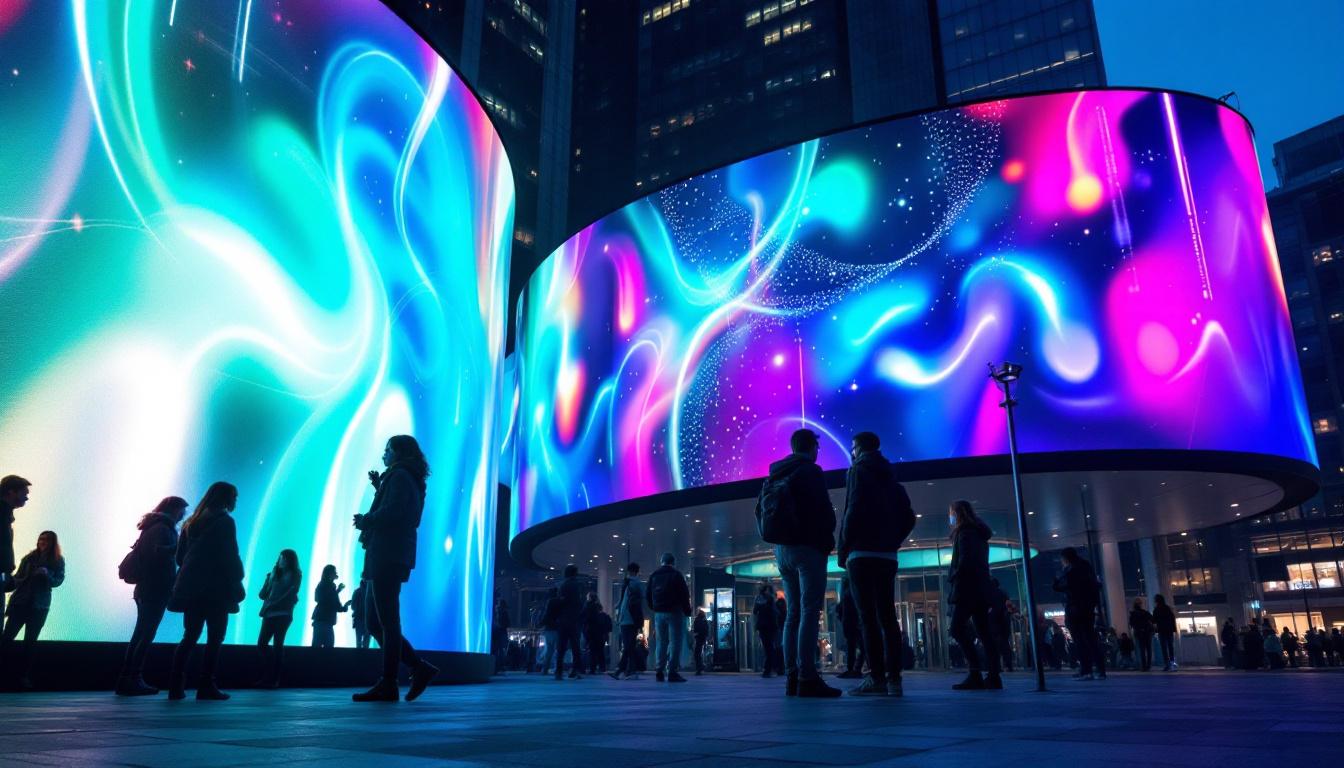
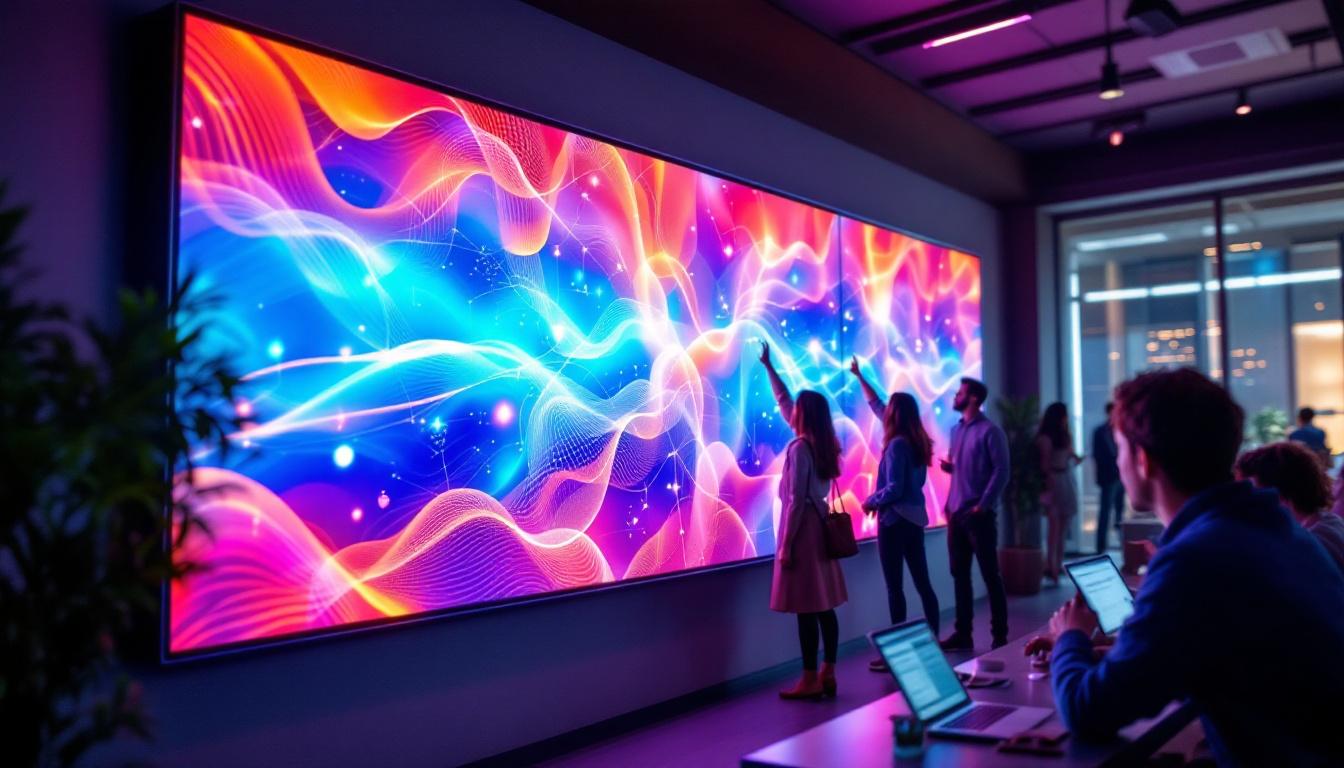
LED display technology is highly adaptable. Screens can be curved, shaped, or even transparent, allowing architects and designers to integrate them creatively into building facades or retail environments. Modular construction means displays can be scaled up or down to fit specific spatial requirements, offering unparalleled design freedom.
Technical Considerations When Choosing a Large LED Display
Selecting the right LED display involves evaluating several technical factors to ensure optimal performance and return on investment.
Pixel Pitch and Viewing Distance
As mentioned earlier, pixel pitch is a crucial determinant of image clarity. The general rule is that the optimal viewing distance should be at least 10 times the pixel pitch. For example, a screen with a 10mm pixel pitch is best viewed from 100mm (10 meters) or more. Understanding the audience’s typical viewing distance helps in choosing the appropriate pixel pitch for the application.
Brightness and Contrast Ratio
Brightness requirements vary depending on the environment. Outdoor screens need higher brightness to combat sunlight, while indoor screens can operate at lower levels to reduce eye strain. Contrast ratio—the difference between the darkest and brightest parts of the image—also affects image quality and viewer experience.
Refresh Rate and Color Depth
Refresh rate, measured in hertz (Hz), indicates how many times per second the image is updated. Higher refresh rates reduce flicker and improve the smoothness of motion, which is particularly important for video content and live broadcasts. Color depth determines the range of colors the display can produce, impacting the richness and accuracy of images.
Installation and Maintenance
Considerations such as ease of installation, accessibility for repairs, and software compatibility are vital for long-term usability. Many modern LED displays come with remote monitoring and control systems that allow operators to manage content and diagnose issues without physical access to the screen.
Future Trends in Large LED Displays
The LED display industry continues to evolve rapidly, driven by advances in materials, manufacturing, and digital technology.
MicroLED and MiniLED Technologies
Emerging MicroLED and MiniLED technologies promise even higher resolution, better color accuracy, and improved energy efficiency. MicroLEDs, in particular, consist of microscopic LEDs that can be individually controlled, offering performance comparable to OLED displays but with greater durability and brightness. These innovations are expected to push the boundaries of large screen displays in the coming years.
Integration with Smart Technologies
Smart LED displays equipped with sensors and AI capabilities are becoming more common. These screens can adjust brightness based on ambient light, tailor content to audience demographics, and even interact with viewers through motion detection or facial recognition. Such integration enhances engagement and provides valuable data for marketers and event organizers.
Environmental Sustainability
As sustainability becomes a priority, manufacturers are focusing on eco-friendly materials and energy-saving designs. Advances in LED technology reduce power consumption and extend product lifecycles, while recycling programs aim to minimize electronic waste. These efforts align with global initiatives to reduce the environmental impact of digital signage and large displays.
Conclusion
Large LED displays have revolutionized the way visual content is presented across multiple industries. Their combination of brightness, versatility, and durability makes them ideal for a wide range of applications, from advertising and entertainment to public information and corporate communications. Understanding the underlying technology, key specifications, and emerging trends is essential for anyone considering investing in or working with large LED screens. As the technology continues to advance, these displays will only become more integral to the fabric of modern visual communication.
Discover LumenMatrix LED Display Solutions
Ready to elevate your visual communication with the latest in LED display technology? LumenMatrix is at the forefront of innovation, offering a diverse range of LED display modules tailored to your unique needs. Whether you’re looking for Indoor LED Wall Displays, Outdoor LED Wall Displays, or specialized solutions like Vehicle LED Displays, LED Sports Displays, or Custom LED Displays, we have the expertise to bring your vision to life. Experience the power of enhanced engagement and clear messaging with our cutting-edge digital signage solutions. Check out LumenMatrix LED Display Solutions today and transform the way you connect with your audience.