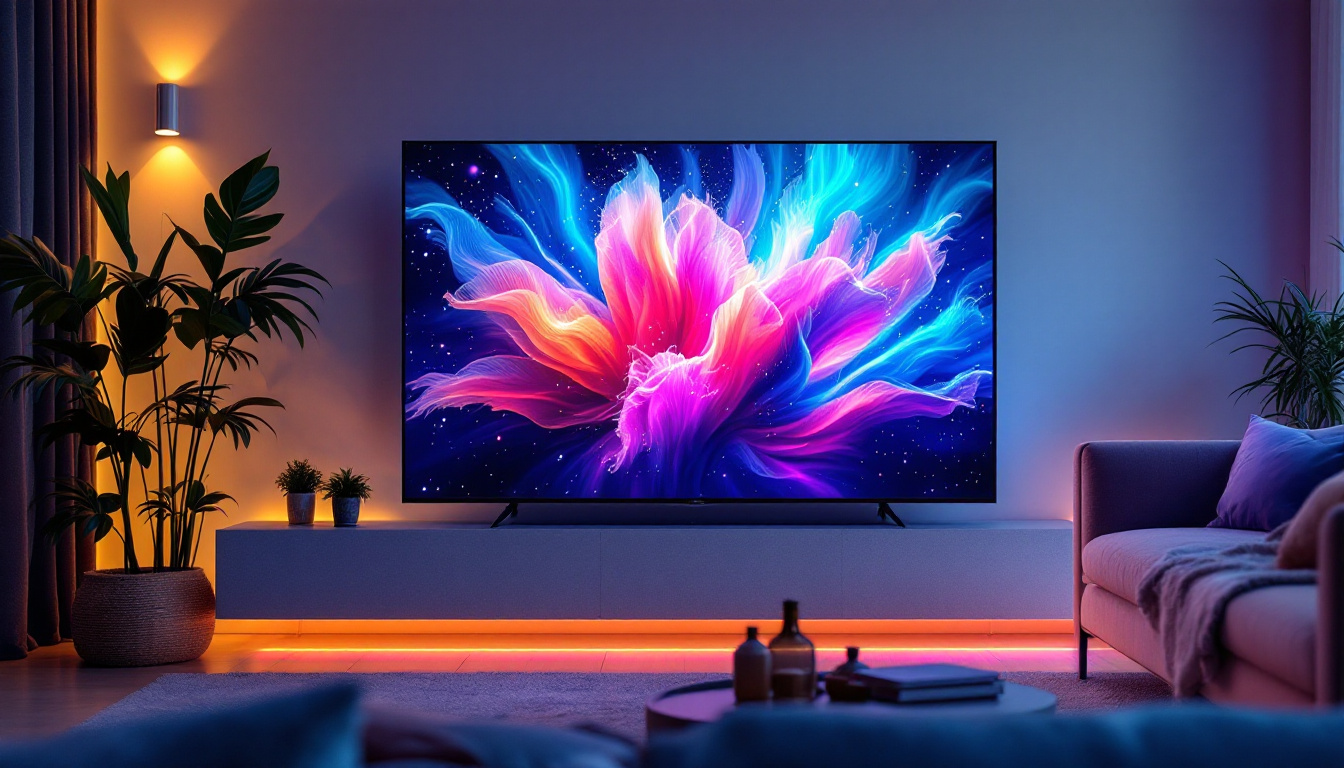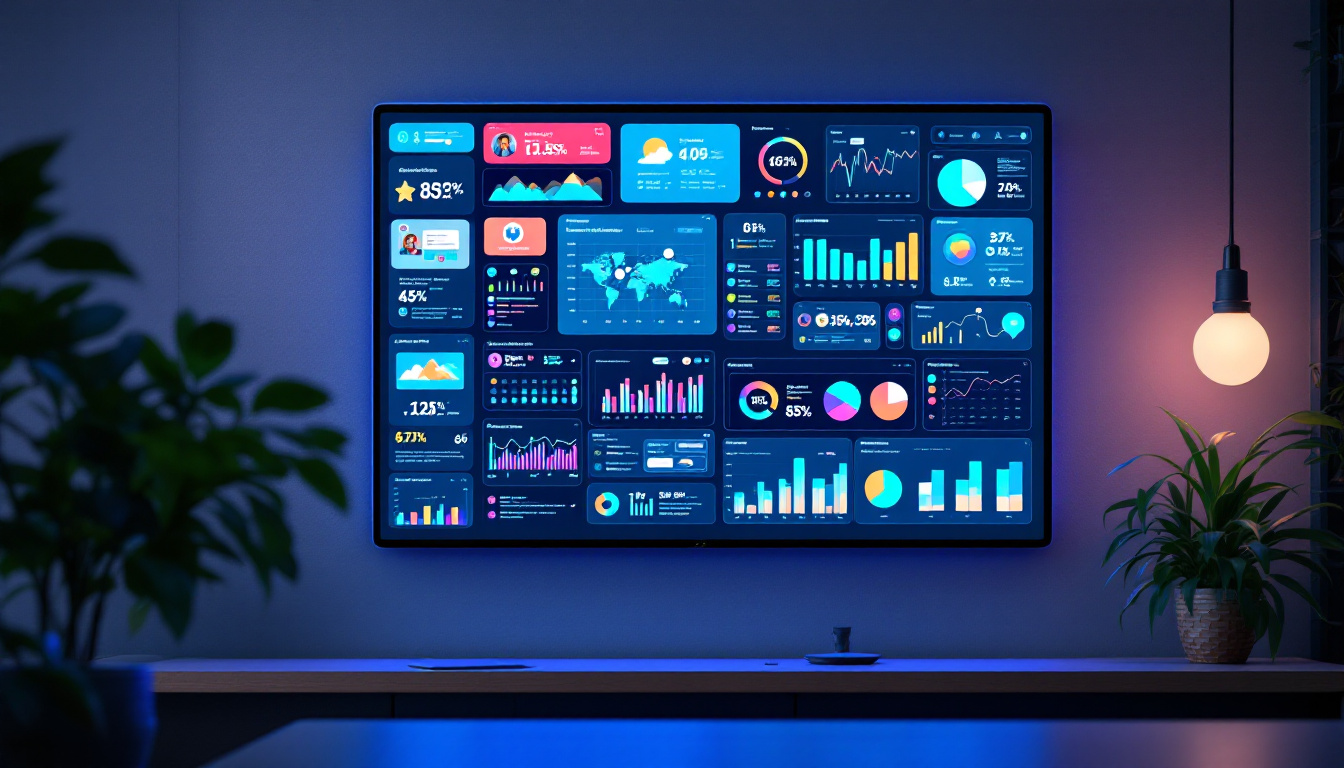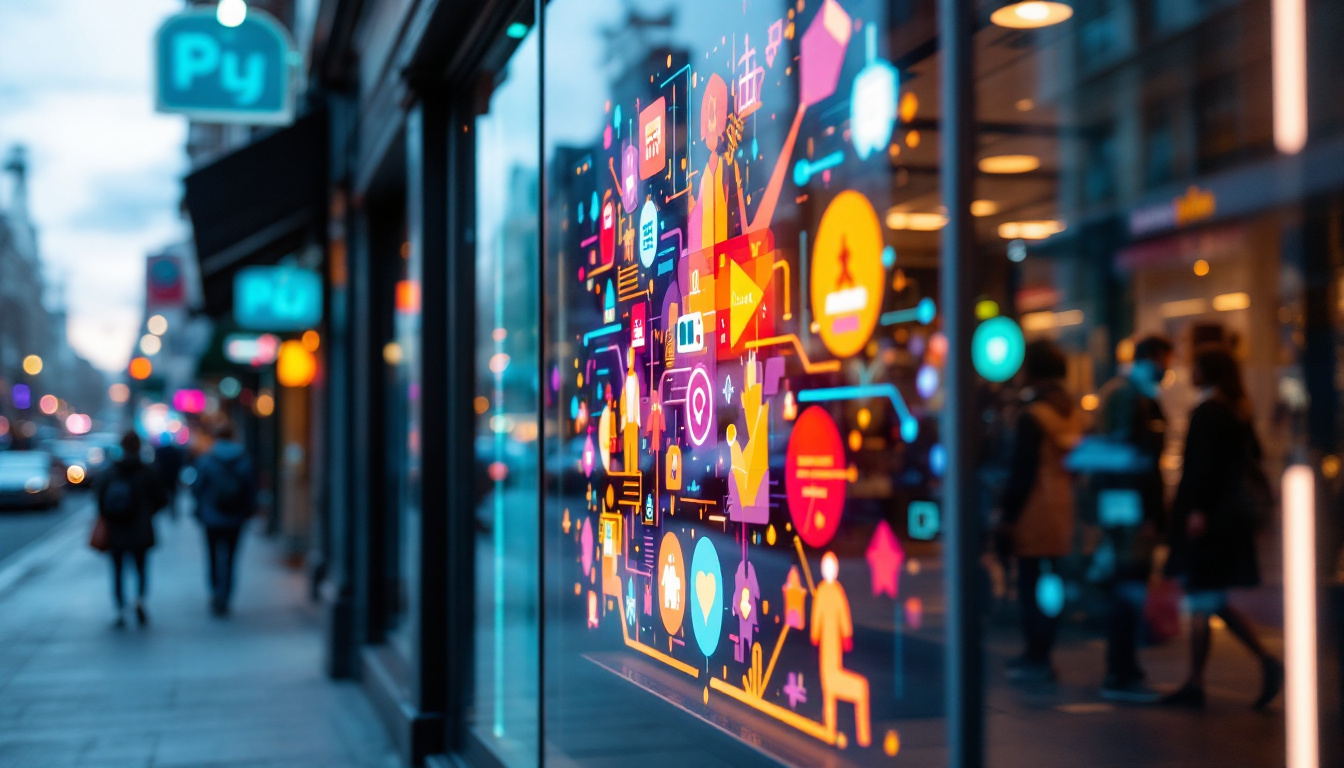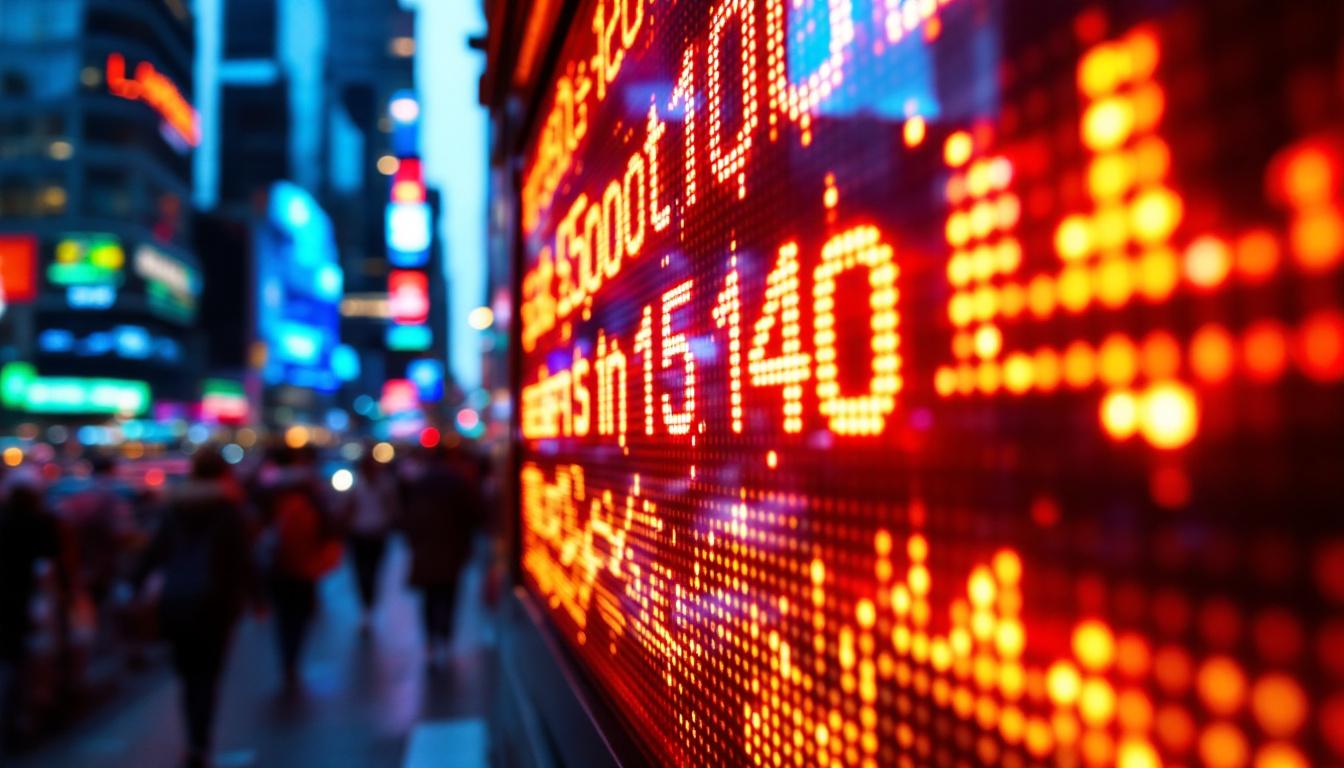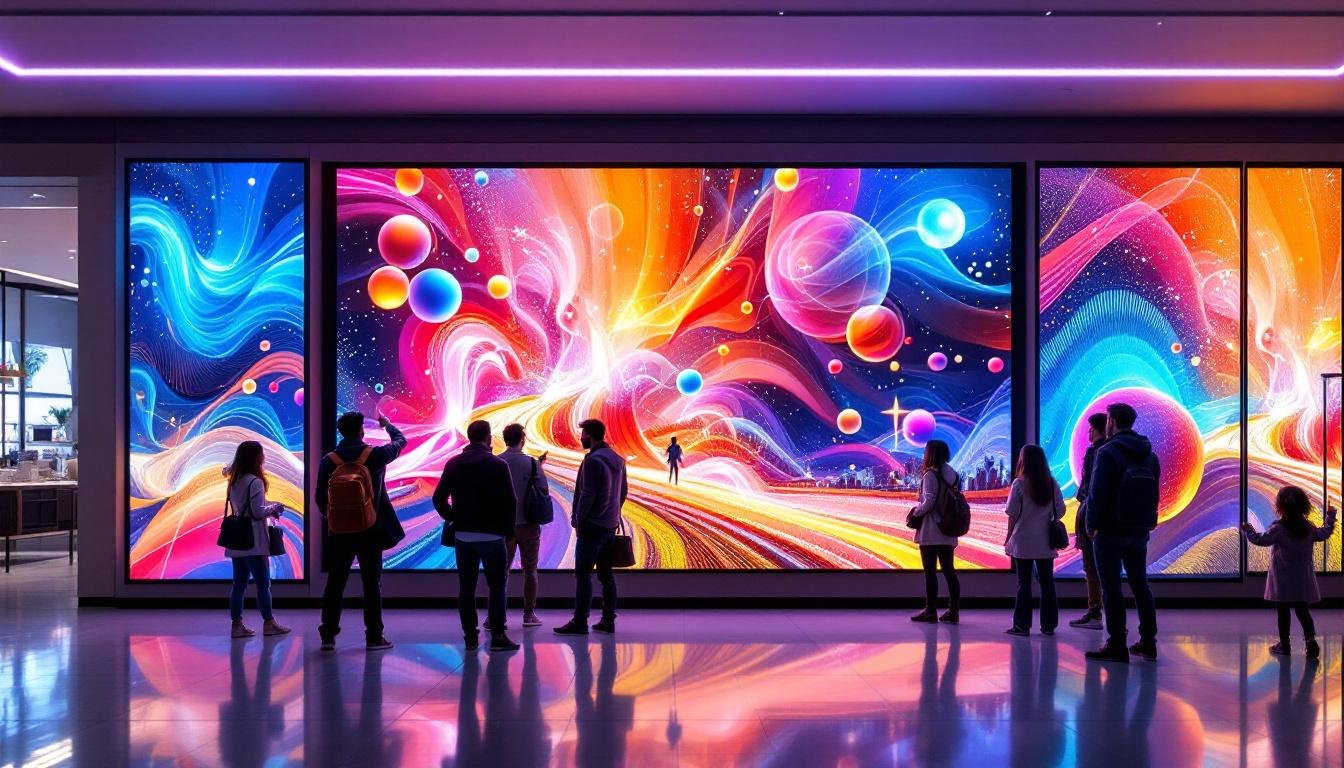
In today’s retail environment, department stores are constantly evolving to captivate customers and enhance the shopping experience. One of the most transformative technologies in this space is the use of LED display walls. These vibrant, dynamic displays have become a cornerstone for visual merchandising, offering retailers the ability to showcase products, promotions, and brand stories with unprecedented clarity and impact.
This article explores the role of LED display walls in department stores, how they work, their benefits, and best practices for implementation. Whether you are a retail manager, visual merchandiser, or technology enthusiast, understanding LED display technology is essential for leveraging its full potential in the competitive retail landscape.
Understanding LED Display Walls: The Basics
What Is an LED Display Wall?
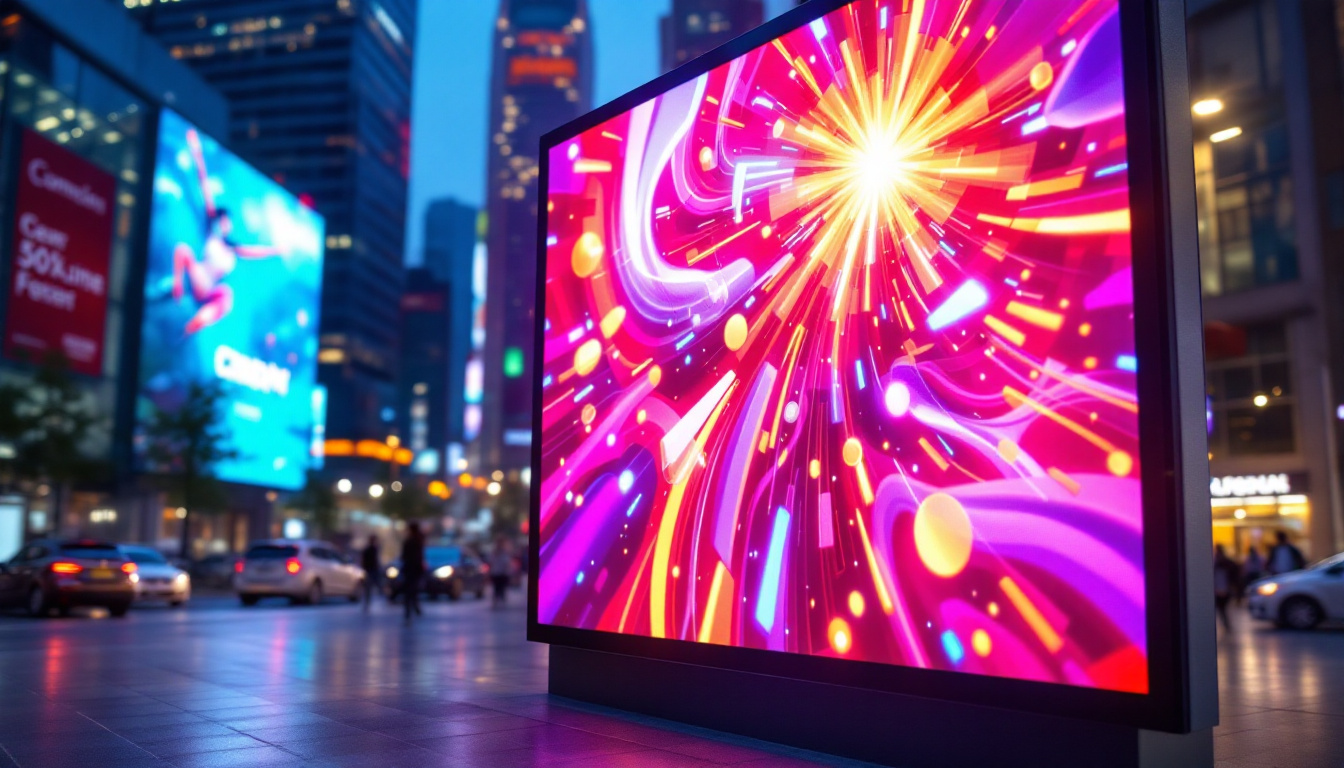
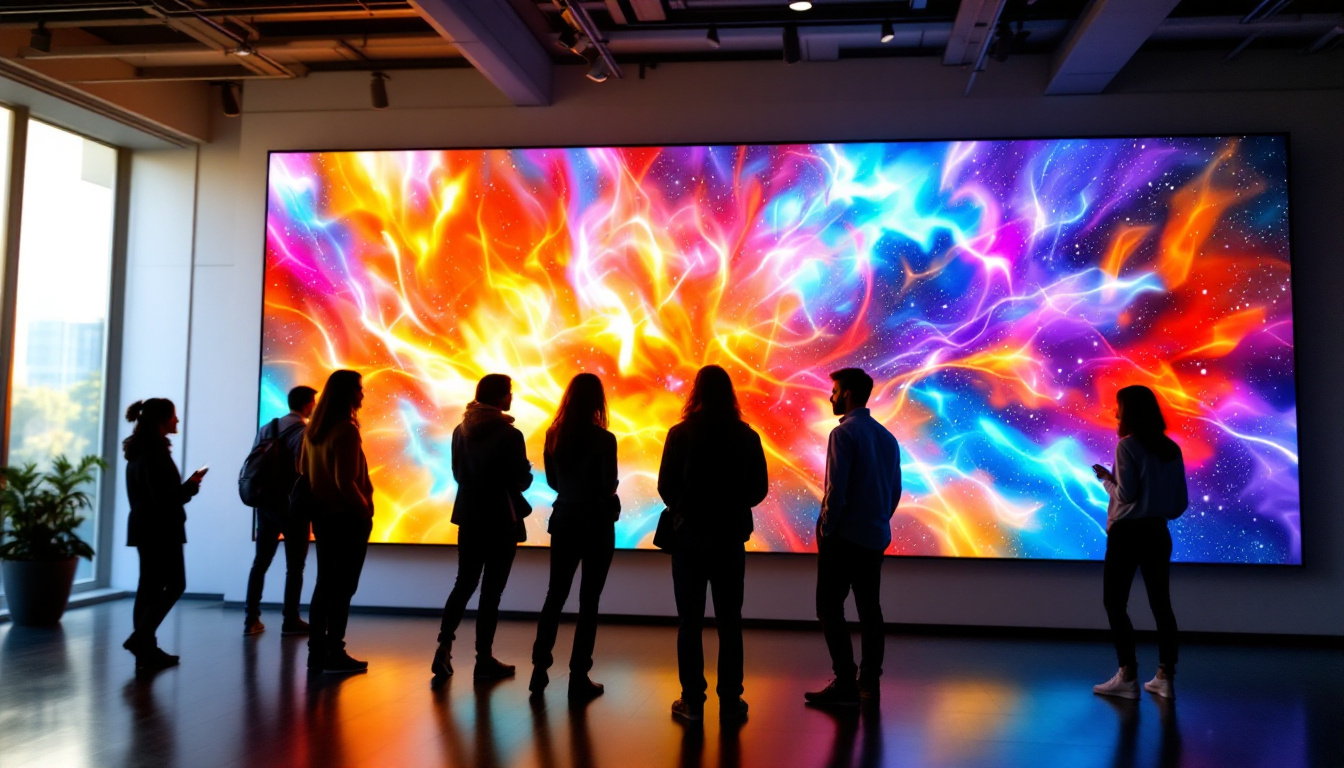
An LED display wall is a large screen composed of numerous tiny light-emitting diodes (LEDs) arranged in a grid. These diodes emit light in various colors, combining to create high-resolution images and videos. Unlike traditional LCD or projection screens, LED walls offer superior brightness, contrast, and viewing angles, making them ideal for large retail environments.
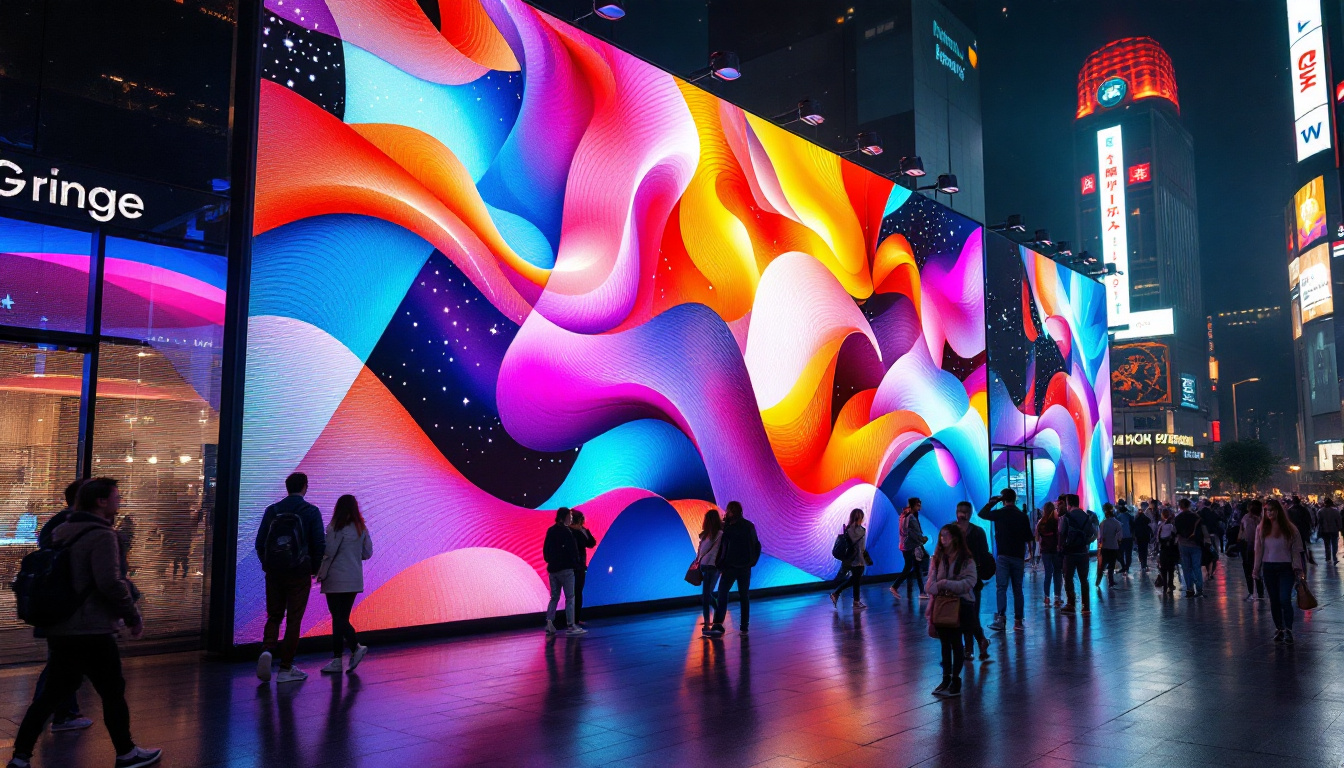
Department stores use these walls to display promotional content, advertisements, and immersive brand experiences. The modular nature of LED panels allows for flexible sizes and shapes, enabling retailers to customize displays to fit specific wall spaces or architectural features. This adaptability not only enhances the aesthetic appeal of the store but also allows for creative storytelling through visual content, engaging customers in a way that static displays simply cannot.
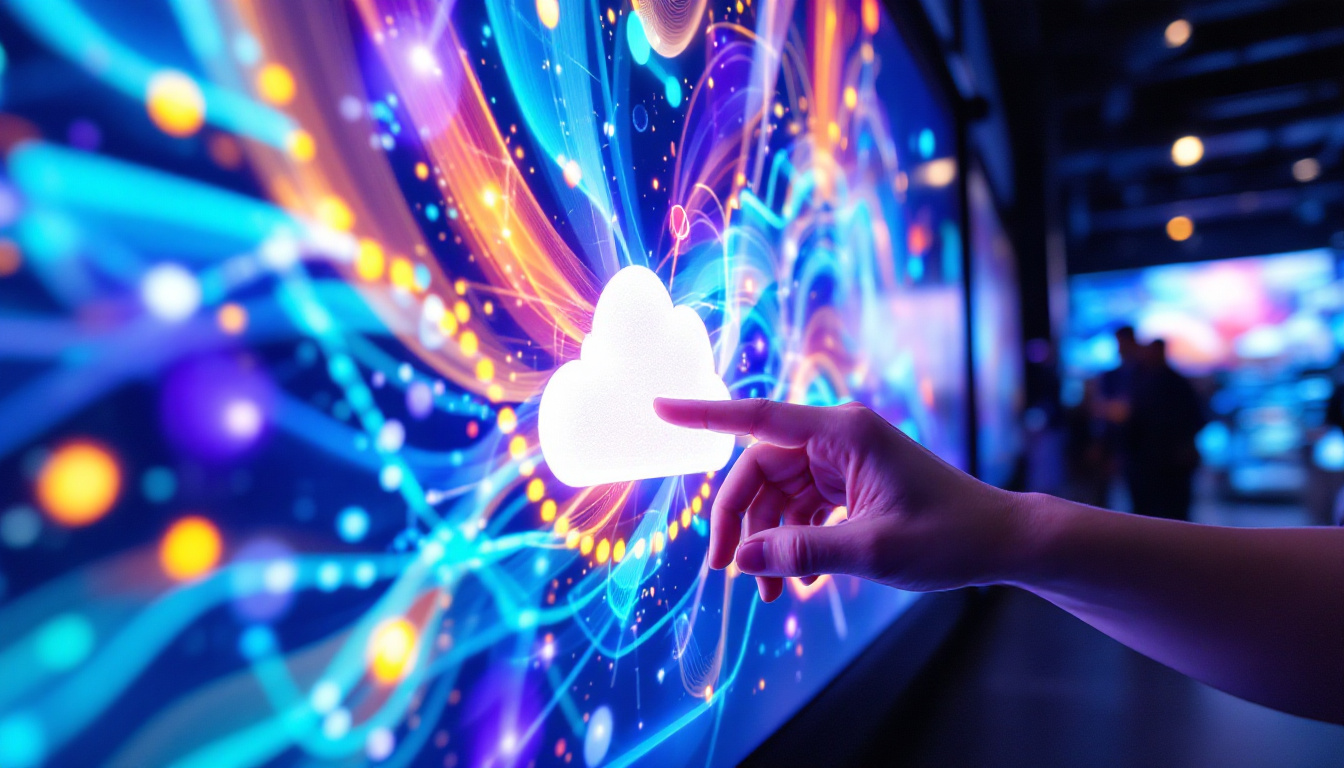
Moreover, LED display walls can be utilized for various purposes beyond just advertising. For instance, they can showcase live social media feeds, customer testimonials, or even interactive content that encourages customer participation. This interactivity can transform a simple shopping experience into an engaging journey, capturing the attention of passersby and drawing them into the store.
How Do LED Displays Work?
Each LED pixel consists of red, green, and blue diodes that can be individually controlled to produce a full spectrum of colors. By adjusting the intensity of these subpixels, the display creates vivid images that can be seen clearly even in brightly lit environments such as department stores.
LED walls are typically controlled by sophisticated software systems that manage content playback, scheduling, and real-time updates. This allows retailers to tailor their messaging dynamically based on time of day, customer demographics, or ongoing promotions. For example, a store might display vibrant, eye-catching ads during peak shopping hours while switching to more subdued, informative content during quieter times.
Additionally, the technology behind LED displays has evolved significantly, with advancements such as pixel pitch, which refers to the distance between the centers of adjacent pixels. A smaller pixel pitch results in higher resolution images, making it possible to create stunning visuals that captivate audiences from various distances. This is particularly beneficial in large retail spaces where customers may view the display from far away or up close, ensuring that the quality of the image remains uncompromised regardless of viewing distance.
The Advantages of LED Display Walls in Department Stores
Enhanced Visual Impact and Engagement
LED display walls deliver unparalleled brightness and color accuracy, which significantly improves visual appeal. Studies have shown that digital signage can increase customer engagement by up to 47%, with LED displays often outperforming other types of screens due to their clarity and vibrancy.
In department stores, where competition for attention is fierce, these displays help brands stand out and draw customers into specific areas or product sections. For example, a cosmetics department might use an LED wall to showcase makeup tutorials or seasonal campaigns, creating an immersive environment that encourages shoppers to linger and explore. The dynamic nature of LED displays allows for eye-catching animations and videos that can highlight promotions or new arrivals, making the shopping experience not just transactional, but also entertaining and informative. This level of engagement can lead to increased dwell time, which is often correlated with higher sales conversions.
Flexibility and Customization
One of the key benefits of LED walls is their flexibility. Retailers can easily update content to reflect new product launches, sales events, or holiday themes without the need for physical signage changes. This agility reduces costs associated with printing and installation while enabling timely and relevant messaging.
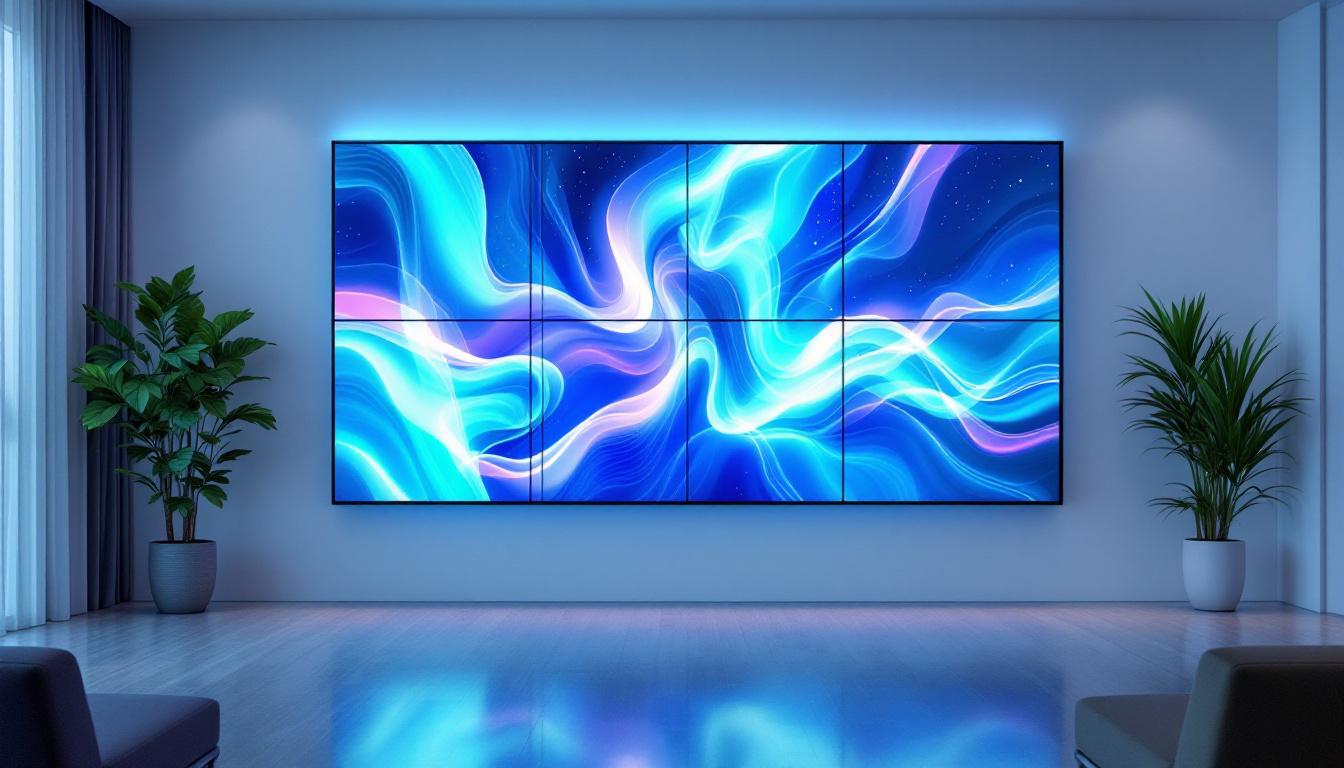
Moreover, LED walls can be configured in various shapes and sizes, from a single large screen to a mosaic of smaller panels. This adaptability allows department stores to integrate digital displays seamlessly into their architectural design, enhancing the overall aesthetic and customer experience. Retailers can also utilize interactive features, such as touch screens or motion sensors, encouraging customers to engage directly with the content. For instance, a clothing retailer might allow customers to browse through a digital catalog on an LED wall, transforming the shopping experience into a more interactive and personalized journey.
Energy Efficiency and Longevity
Modern LED technology is highly energy-efficient compared to traditional lighting and display solutions. LEDs consume less power while providing brighter illumination, which can lead to significant cost savings for department stores operating large spaces with extended hours.
Additionally, LED panels have a longer lifespan, often exceeding 100,000 hours of operation. This durability reduces maintenance needs and ensures consistent performance, making LED walls a sound long-term investment for retailers. The reduced frequency of replacements not only lowers operational costs but also minimizes the environmental impact associated with manufacturing and disposing of traditional display technologies. Furthermore, many LED displays come equipped with smart technology that allows for real-time monitoring of energy consumption, enabling retailers to optimize their usage and further enhance their sustainability efforts. By investing in LED technology, department stores can not only improve their bottom line but also contribute positively to environmental stewardship.
Applications of LED Display Walls in Department Stores
Promotional Campaigns and Advertising
Department stores frequently use LED walls to amplify promotional campaigns. Dynamic content such as video advertisements, animated graphics, and interactive elements can capture shopper attention more effectively than static posters.
For instance, during major shopping seasons like Black Friday or the holiday period, LED walls can display countdown timers, flash sales, and product highlights, creating a sense of urgency and excitement. This real-time content adaptability helps drive foot traffic and increases conversion rates.
Product Showcases and Demonstrations
LED display walls are ideal for showcasing products in action. A clothing department might feature runway videos or styling tips, while electronics sections can demonstrate device features through high-definition visuals.
Such immersive presentations help customers better understand product benefits and inspire purchasing decisions. Interactive LED walls equipped with touch capabilities further enhance engagement by allowing shoppers to explore product details or customize options on the spot.
Brand Storytelling and Ambiance Creation
Beyond direct sales, LED walls enable department stores to convey brand values and create memorable atmospheres. For example, a luxury brand might use an LED display to project elegant visuals and narratives that reinforce its identity and exclusivity.
Similarly, thematic content aligned with seasons, cultural events, or store anniversaries can enrich the shopping environment, fostering emotional connections and encouraging repeat visits.
Technical Considerations for Implementing LED Display Walls
Resolution and Pixel Pitch
Resolution and pixel pitch are critical factors that determine image quality. Pixel pitch refers to the distance between individual LED pixels, measured in millimeters. A smaller pixel pitch means higher resolution and sharper images, which is essential for close viewing distances typical in department stores.
For indoor retail environments, pixel pitches between 1.5mm and 3mm are common, balancing clarity with cost-effectiveness. Choosing the right pixel pitch ensures that content appears crisp and professional without unnecessary expense.
Brightness and Ambient Light Conditions
Department stores often have varying lighting conditions, from natural daylight near windows to dimmer interior zones. LED walls must provide sufficient brightness to remain visible and vibrant under these conditions.
Indoor LED displays typically offer brightness levels between 800 and 1,500 nits, which is adequate for most retail settings. However, locations with intense sunlight exposure may require higher brightness or specialized anti-glare treatments to maintain image quality.
Content Management Systems (CMS)
A robust content management system is essential for controlling LED wall content efficiently. CMS platforms allow retailers to schedule, update, and monitor displays remotely, ensuring that messaging stays relevant and consistent across multiple locations.
Advanced CMS solutions support real-time data integration, enabling dynamic content such as social media feeds, weather updates, or inventory alerts. This interactivity enhances the customer experience and allows for more personalized marketing strategies.
Installation and Maintenance
Proper installation is crucial for the longevity and performance of LED display walls. Factors such as structural support, ventilation, and cable management must be carefully planned to avoid operational issues.
Routine maintenance, including cleaning and software updates, helps maintain image quality and prevent downtime. Partnering with experienced installers and service providers ensures that the LED wall operates smoothly and delivers maximum return on investment.
Future Trends in LED Display Technology for Retail
MicroLED and MiniLED Innovations
Emerging technologies like MicroLED and MiniLED promise even greater image quality and energy efficiency. MicroLED displays use microscopic LEDs that offer higher brightness, deeper blacks, and improved color accuracy compared to conventional LED panels.
As these technologies mature and become more affordable, department stores will be able to deploy ultra-high-definition displays that elevate visual merchandising to new levels.
Interactive and Immersive Experiences
Interactive LED walls equipped with touch sensors, motion detection, and augmented reality capabilities are gaining traction in retail. These features allow customers to engage directly with content, creating personalized and memorable shopping experiences.
For example, virtual fitting rooms or product configurators displayed on LED walls can reduce purchase hesitation and increase customer satisfaction.
Integration with Artificial Intelligence (AI)
AI-powered content management systems can analyze customer behavior and preferences to deliver tailored advertisements and promotions via LED walls. This data-driven approach enhances marketing effectiveness and optimizes store layouts based on real-time insights.
Such intelligent systems represent the future of retail display technology, blending creativity with analytics to maximize impact.
Conclusion
LED display walls have revolutionized the way department stores communicate with their customers. Offering vibrant visuals, flexibility, and energy efficiency, these displays enhance brand storytelling, product promotion, and overall shopper engagement.
By understanding the technical aspects, applications, and emerging trends of LED technology, retailers can make informed decisions that boost sales and create unforgettable in-store experiences. As LED technology continues to advance, department stores that embrace these innovations will be well-positioned to thrive in the evolving retail landscape.
Discover LumenMatrix’s Innovative LED Solutions
Ready to elevate your department store’s visual merchandising to the next level? Explore LumenMatrix’s comprehensive range of LED display solutions, designed to captivate your audience and amplify your brand’s presence. From stunning Indoor LED Wall Displays to versatile Outdoor LED Wall Displays, and from dynamic Vehicle LED Displays to sleek LED Poster Displays, LumenMatrix offers a solution tailored to every need. Embrace the future of retail with our cutting-edge LED Sports Displays, interactive Floor LED Displays, and the revolutionary All-in-One LED Display. Experience the clarity and impact of our Custom LED Displays and LED Transparent Displays. Check out LumenMatrix LED Display Solutions today and transform your store into an unforgettable visual experience.