In the rapidly evolving world of display technology, understanding the components that make up modern screens is essential for consumers, designers, and engineers alike. Among these components, the LCD panel bezel and LED display play pivotal roles in the overall performance, aesthetics, and durability of devices ranging from smartphones and laptops to large-scale digital signage. This article delves into the intricacies of LCD panel bezels and LED displays, explaining their functions, design considerations, and the latest advancements shaping their future.
Understanding the LCD Panel Bezel
What Is an LCD Panel Bezel?
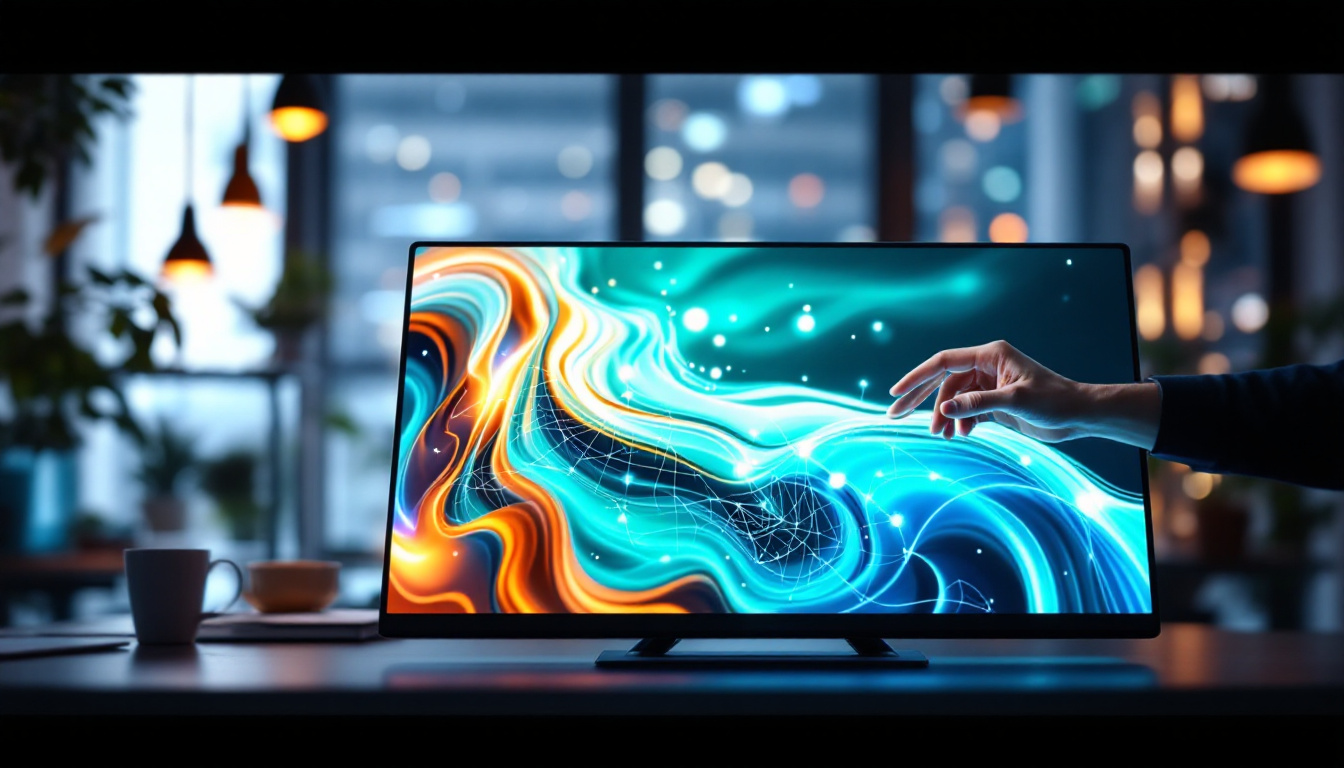
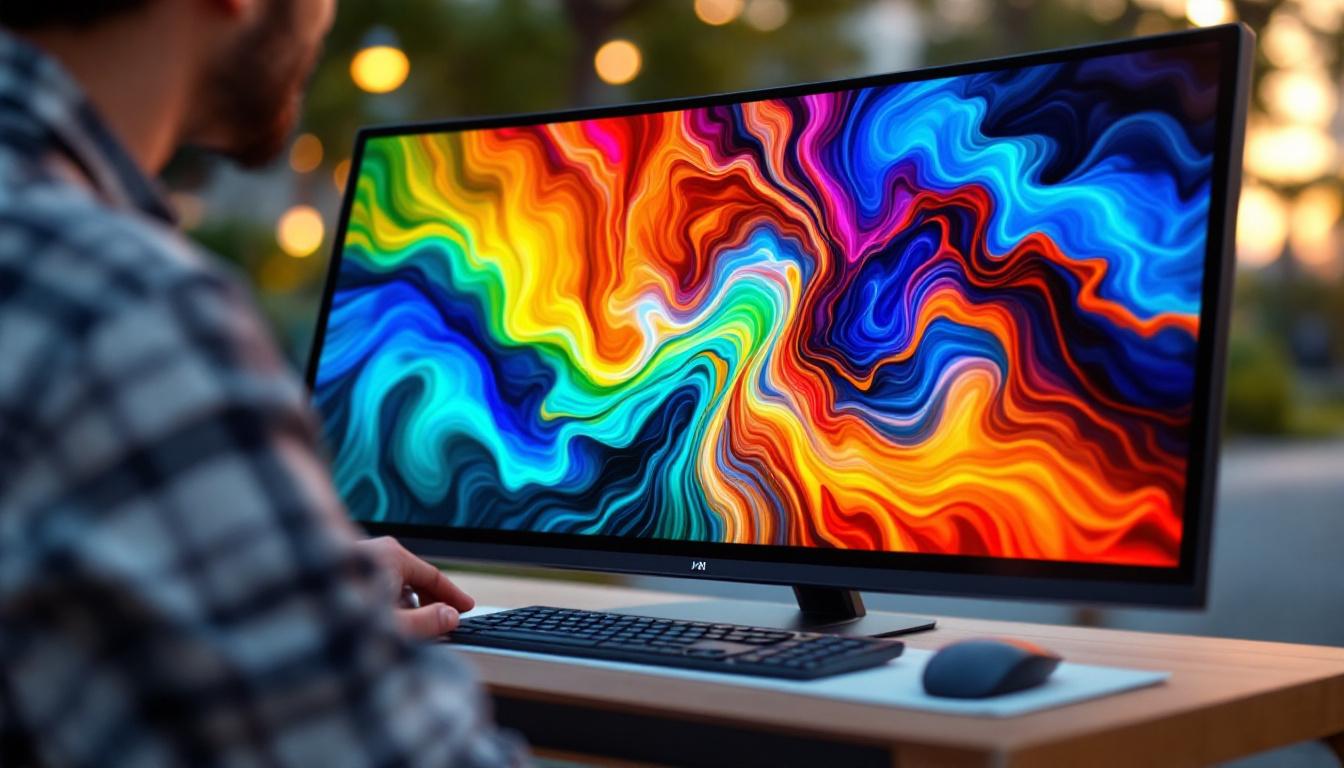
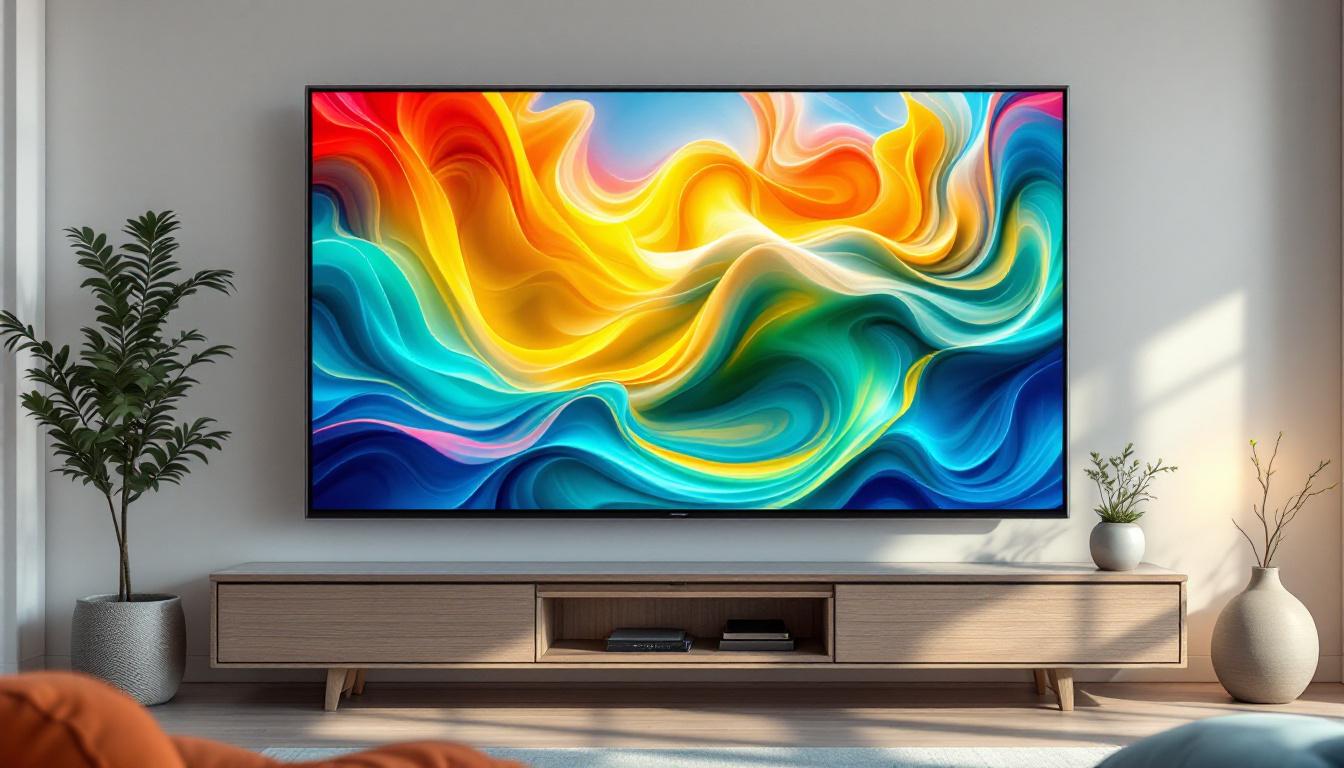
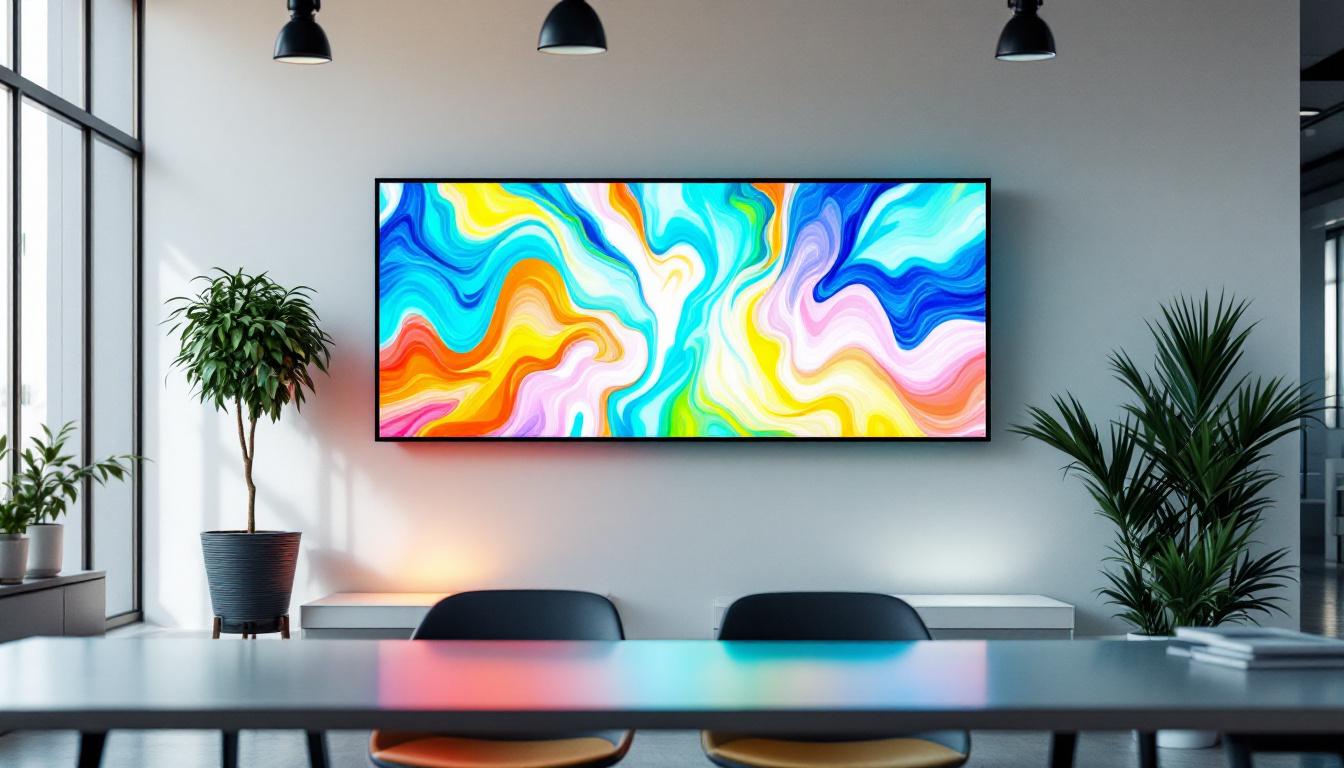
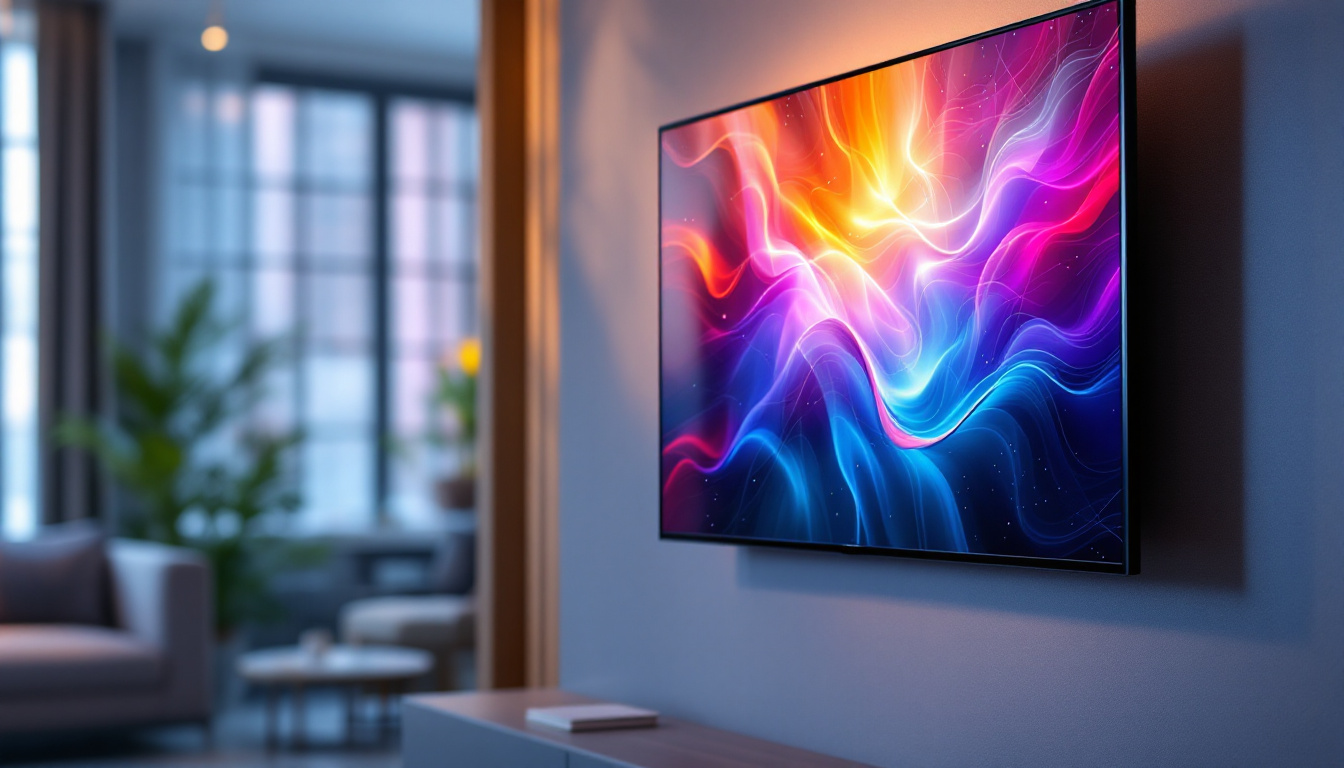
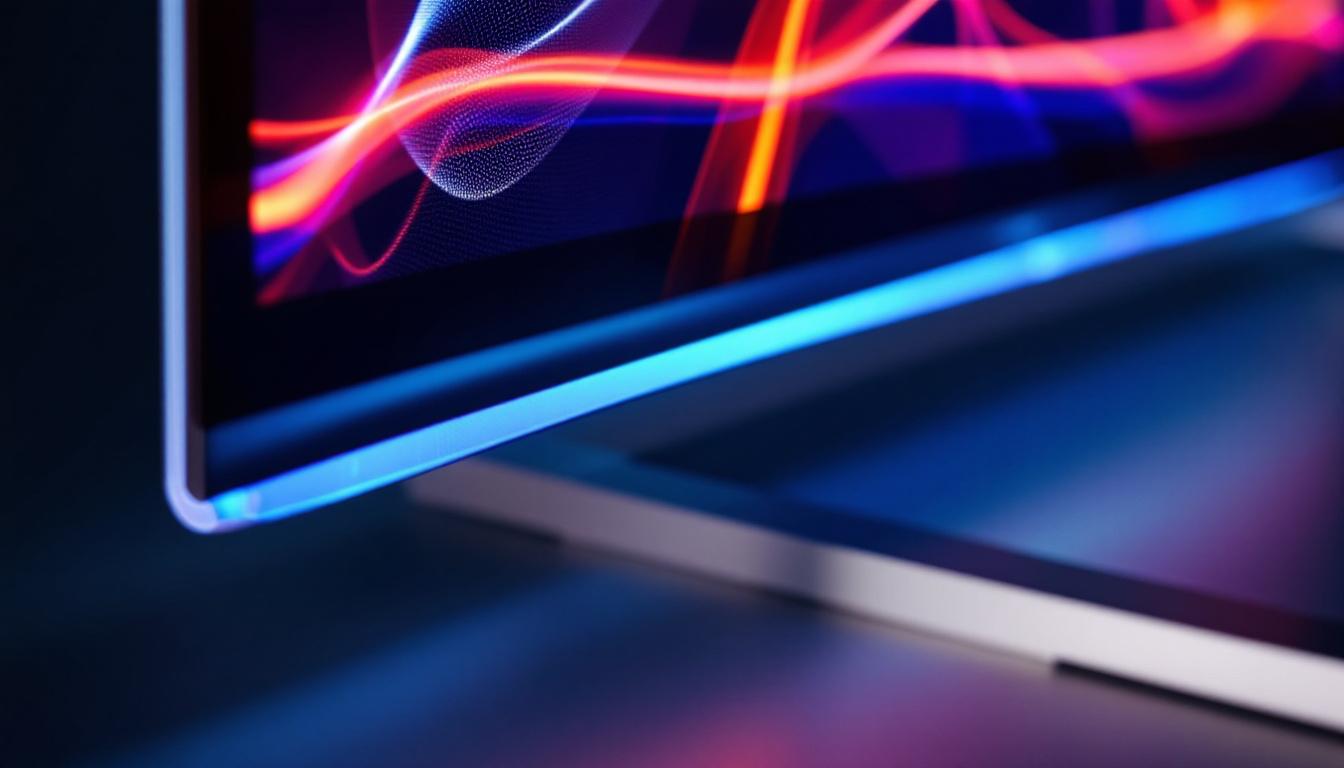
The bezel of an LCD panel refers to the frame or border that surrounds the screen. It is the visible edge that encases the display panel, providing structural support and protecting the delicate internal components. While often overlooked, the bezel is a critical design element that affects both the device’s durability and user experience.
In earlier display models, bezels were significantly wider, sometimes accounting for up to 30% of the device’s front surface area. However, with consumer demand for larger screens and sleeker designs, manufacturers have been pushing for thinner bezels, sometimes referred to as “edge-to-edge” or “borderless” displays. This evolution not only enhances the visual appeal of devices but also allows for a more immersive viewing experience, as users can enjoy larger screens without the distraction of bulky borders.
As technology advances, some manufacturers are experimenting with flexible bezels that can adapt to various screen sizes and shapes, further pushing the boundaries of display design. This innovation could lead to new forms of devices that blend seamlessly into their environments, creating a more integrated user experience.
Functions and Importance of the Bezel
Beyond aesthetics, the bezel serves several functional purposes. Primarily, it protects the LCD panel from physical damage such as impacts or pressure that could cause screen failure. It also houses critical components like sensors, cameras, and antennas in devices like smartphones and tablets.
Moreover, the bezel provides a gripping area for users, preventing accidental touches on the screen edges. This is especially important in touch-enabled devices where palm rejection and touch sensitivity are key usability factors. In industrial or outdoor displays, the bezel often incorporates sealing materials to enhance water and dust resistance, contributing to the device’s IP rating. This added protection is crucial for devices used in harsh environments, ensuring they remain operational despite exposure to the elements.
In addition to these practical functions, the bezel can also play a role in branding and identity. Many manufacturers design their bezels with unique finishes or logos, making them instantly recognizable to consumers. This branding element can influence purchasing decisions, as users often gravitate towards devices that not only perform well but also reflect their personal style.
Materials and Manufacturing Techniques
Bezels are typically made from plastic, metal, or a combination of both. Plastic bezels are lightweight and cost-effective but may lack the premium feel and durability of metal counterparts. Aluminum and stainless steel are popular choices for high-end devices due to their strength and ability to dissipate heat.
Advanced manufacturing techniques such as CNC machining, injection molding, and anodizing are employed to produce bezels with precise dimensions and finishes. Additionally, some manufacturers use glass bezels or incorporate Gorilla Glass to enhance scratch resistance and provide a seamless look with the display. These materials not only improve the aesthetic appeal but also contribute to the overall longevity of the device.
Innovations in bezel design are also leading to the development of bezels that can integrate additional functionalities, such as touch-sensitive controls or ambient light sensors. These features can enhance user interaction and create a more intuitive experience, allowing users to interact with their devices in new and exciting ways. As technology continues to evolve, the role of the bezel may expand even further, becoming an integral part of the user interface rather than just a protective frame.
LED Displays: The Backbone of Modern Screens
What Is an LED Display?
LED (Light Emitting Diode) displays utilize an array of LEDs as the light source to illuminate the screen. Unlike traditional LCDs that rely on cold cathode fluorescent lamps (CCFLs) for backlighting, LED displays offer improved brightness, energy efficiency, and color accuracy.
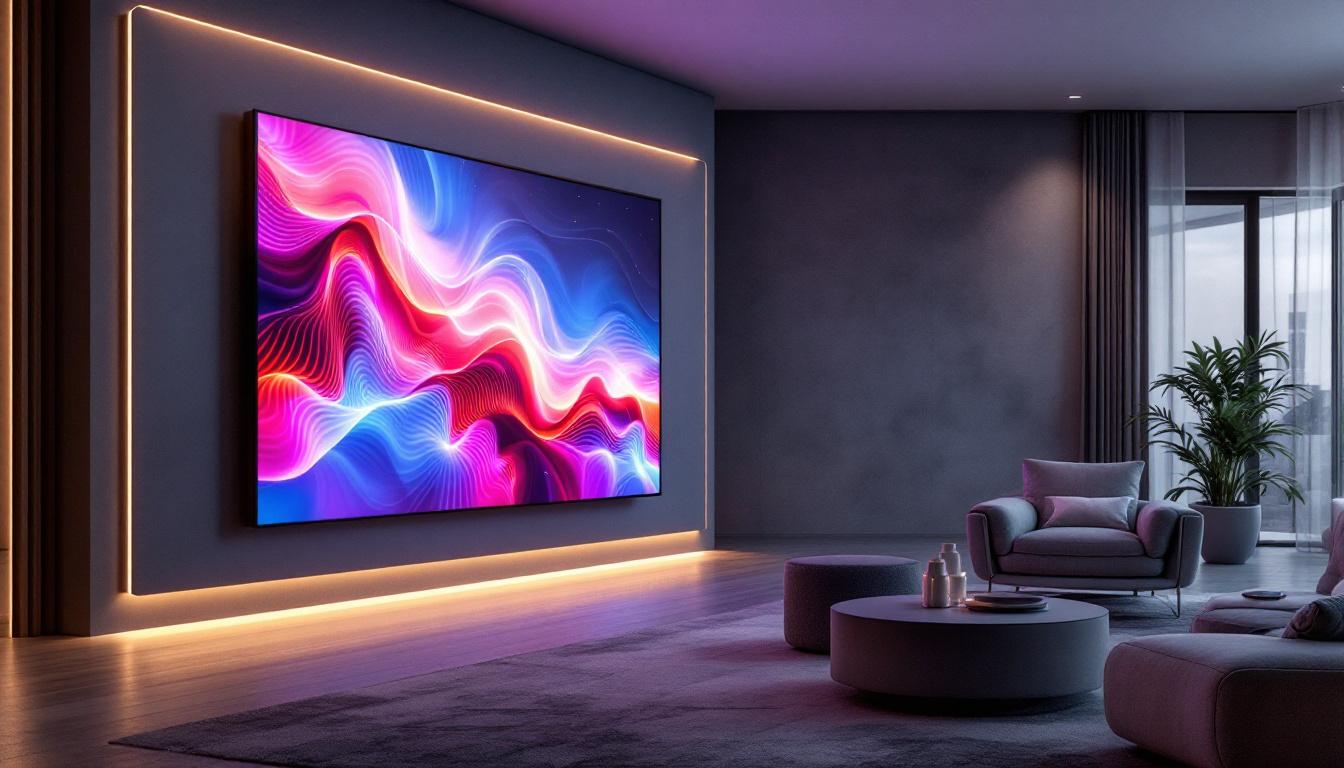
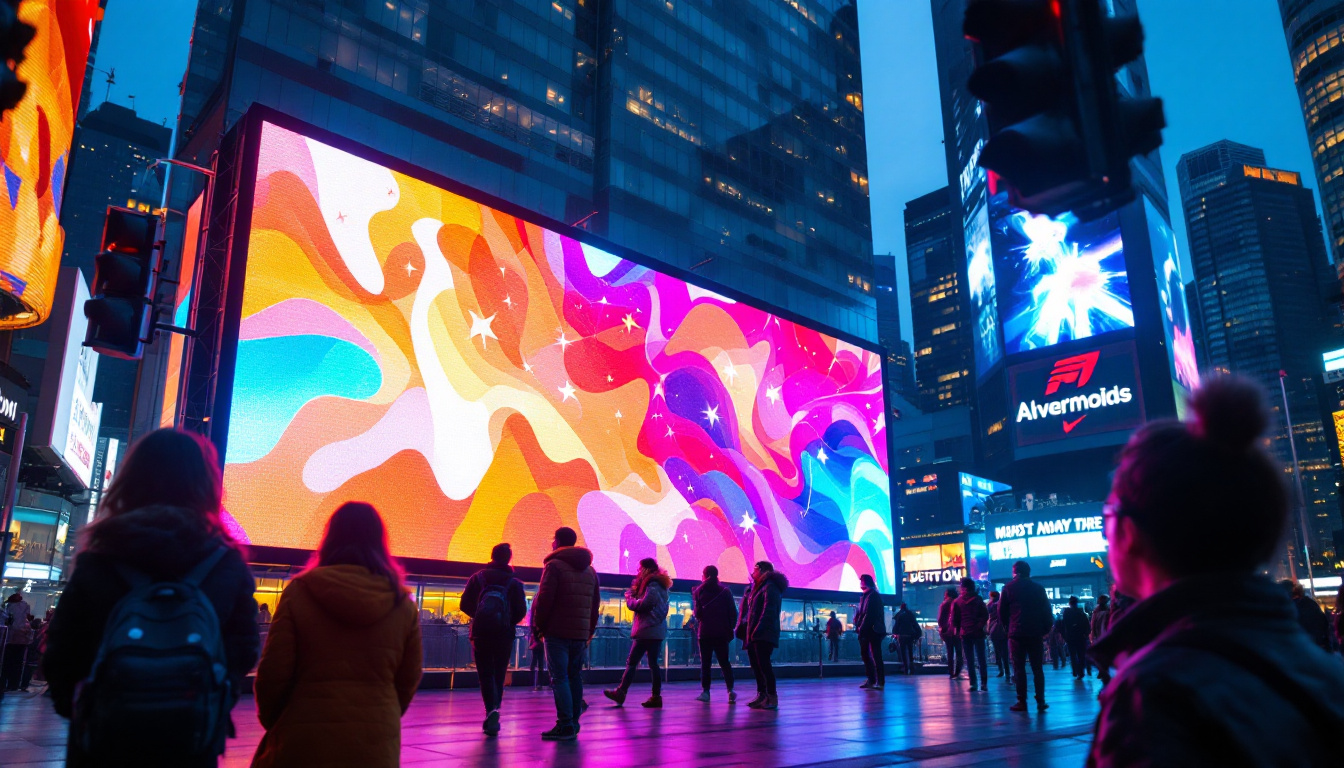
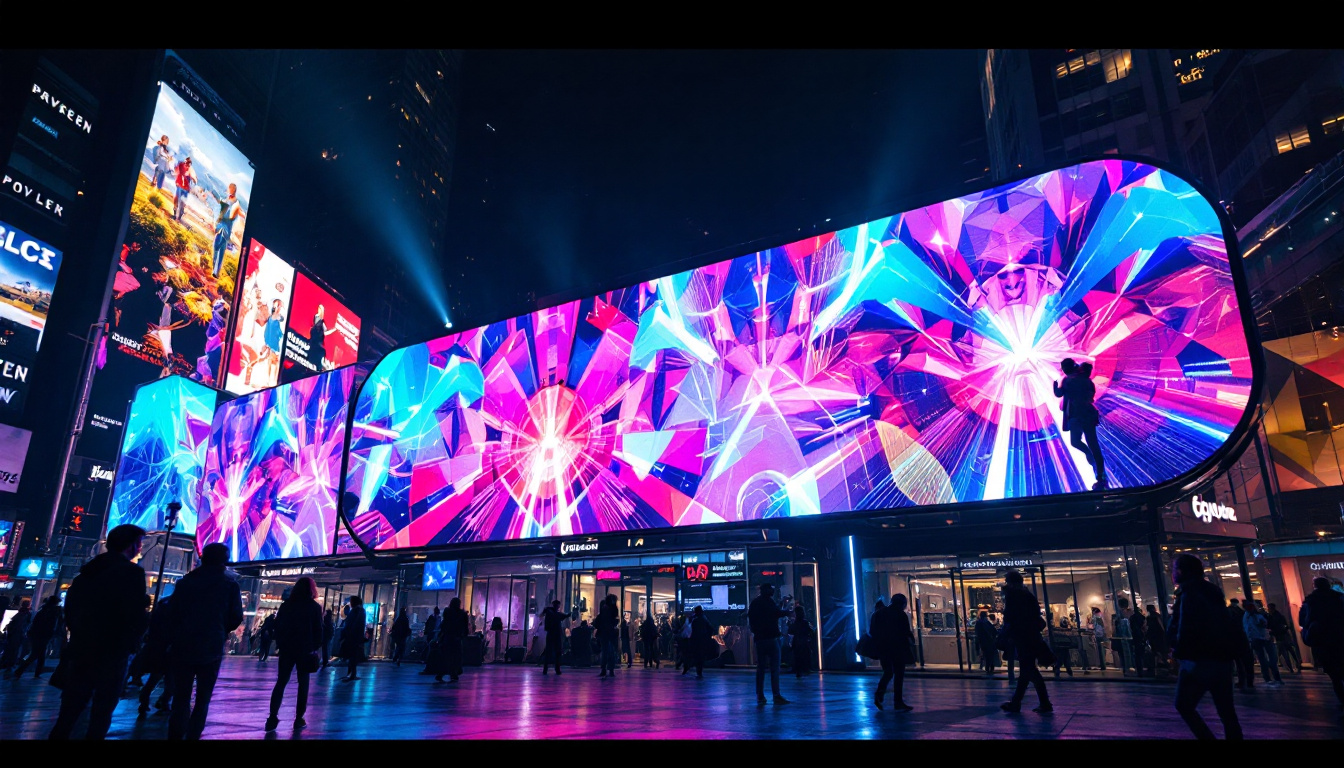
There are two primary types of LED displays used in consumer electronics: LED-backlit LCDs and direct-view LED displays. LED-backlit LCDs use LEDs as a backlight behind an LCD panel, while direct-view LED displays consist of individual LEDs that form the image directly, commonly seen in large outdoor screens and video walls.
Advantages of LED Technology
LED displays have revolutionized screen technology by offering several key benefits:
- Energy Efficiency: LEDs consume less power compared to CCFLs, extending battery life in portable devices and reducing energy costs in commercial applications.
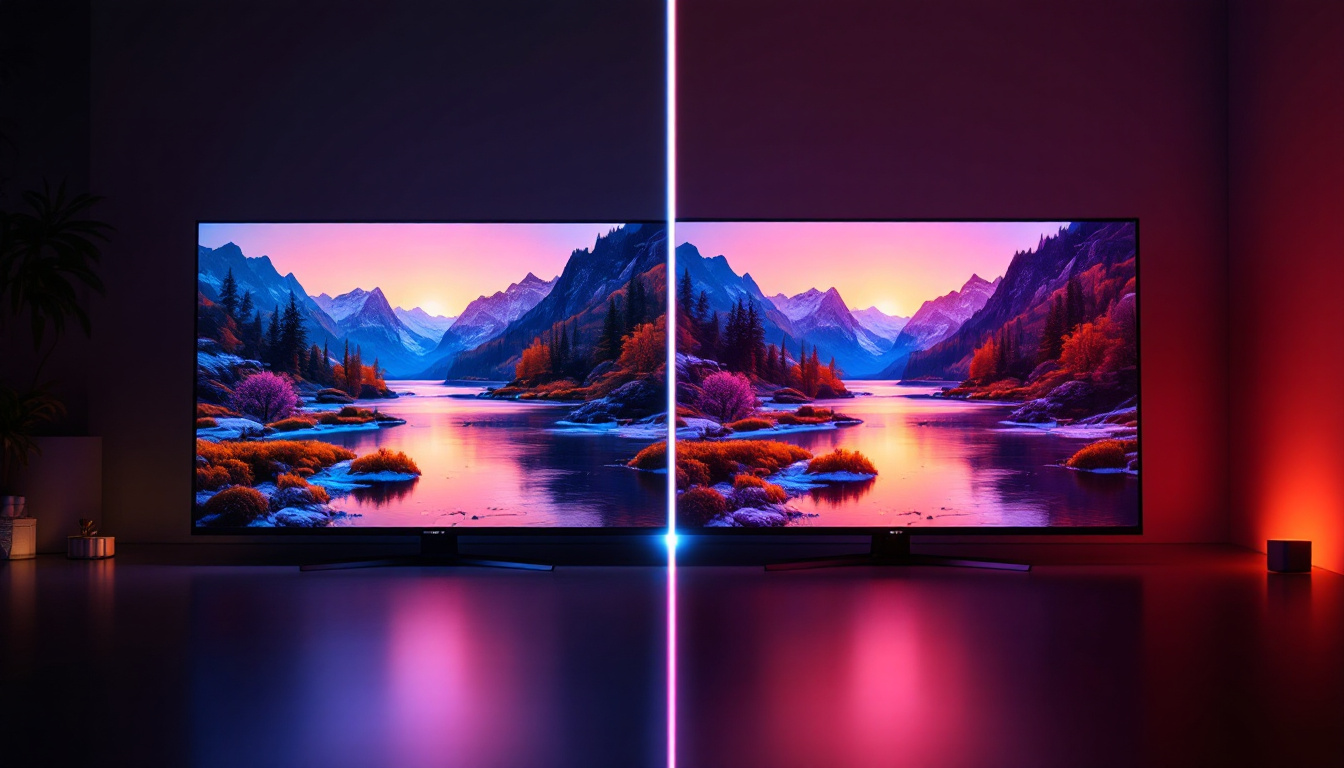
- Brightness and Contrast: LED displays can achieve higher brightness levels, making them suitable for use in bright environments. Local dimming capabilities also enhance contrast ratios, producing deeper blacks and more vibrant images.
- Thin and Lightweight: The compact size of LEDs enables thinner screen designs, contributing to the trend of slim bezels and lightweight devices.
- Longevity and Reliability: LEDs have longer lifespans and are more durable, reducing maintenance and replacement costs.
Types of LED Backlighting in LCD Panels
LED backlighting in LCD panels can be categorized mainly into two types: edge-lit and direct-lit (or full-array).
Edge-lit LED: LEDs are placed along the edges of the screen, and light is distributed across the panel using light guides. This design allows for very thin displays but can sometimes lead to uneven brightness and limited local dimming capabilities.
Direct-lit (Full-array) LED: LEDs are positioned directly behind the LCD panel in a grid pattern. This arrangement supports local dimming zones, improving contrast and black levels. While slightly thicker than edge-lit designs, full-array LED backlighting is preferred in high-end TVs and monitors for superior picture quality.
The Relationship Between LCD Bezels and LED Displays
How Bezels Influence Display Performance
The bezel and the LED display are intrinsically linked in determining the overall user experience. A well-designed bezel ensures that the LED backlighting is effectively contained and directed, preventing light leakage that can degrade image quality. Light bleed around the edges is a common issue in poorly designed displays, leading to washed-out colors and reduced contrast.
Additionally, the bezel’s size and material can impact the thermal management of the LED display. LEDs generate heat, and adequate heat dissipation is necessary to maintain performance and longevity. Metal bezels often act as heat sinks, helping to dissipate heat away from the panel.
Trends Toward Minimal Bezels and Their Challenges
The consumer electronics market has seen a strong push toward minimal or near-invisible bezels, driven by the desire for immersive viewing experiences and compact device form factors. Smartphones, laptops, and monitors now commonly feature bezels as thin as 1-2 millimeters.
However, reducing bezel size presents engineering challenges. Smaller bezels limit the space available for housing front-facing cameras, sensors, and antennas. Manufacturers have responded with innovative solutions such as under-display cameras, pop-up camera modules, and side-mounted fingerprint sensors.
Moreover, ultra-thin bezels require precise manufacturing tolerances to avoid damaging the LCD panel or compromising structural integrity. The balance between aesthetics, functionality, and durability remains a critical consideration.
Applications and Innovations in LCD Panel Bezels and LED Displays
Consumer Electronics
In smartphones and tablets, the bezel size directly influences the screen-to-body ratio, a key marketing metric. High-end devices now boast ratios exceeding 90%, achieved through advancements in bezel design and LED backlighting technology.
Laptop manufacturers also focus on minimizing bezels to provide larger displays in smaller chassis, enhancing portability without sacrificing screen real estate. Gaming monitors utilize full-array LED backlighting with local dimming to deliver high contrast and vibrant colors essential for immersive gameplay.
Digital Signage and Large-Scale Displays
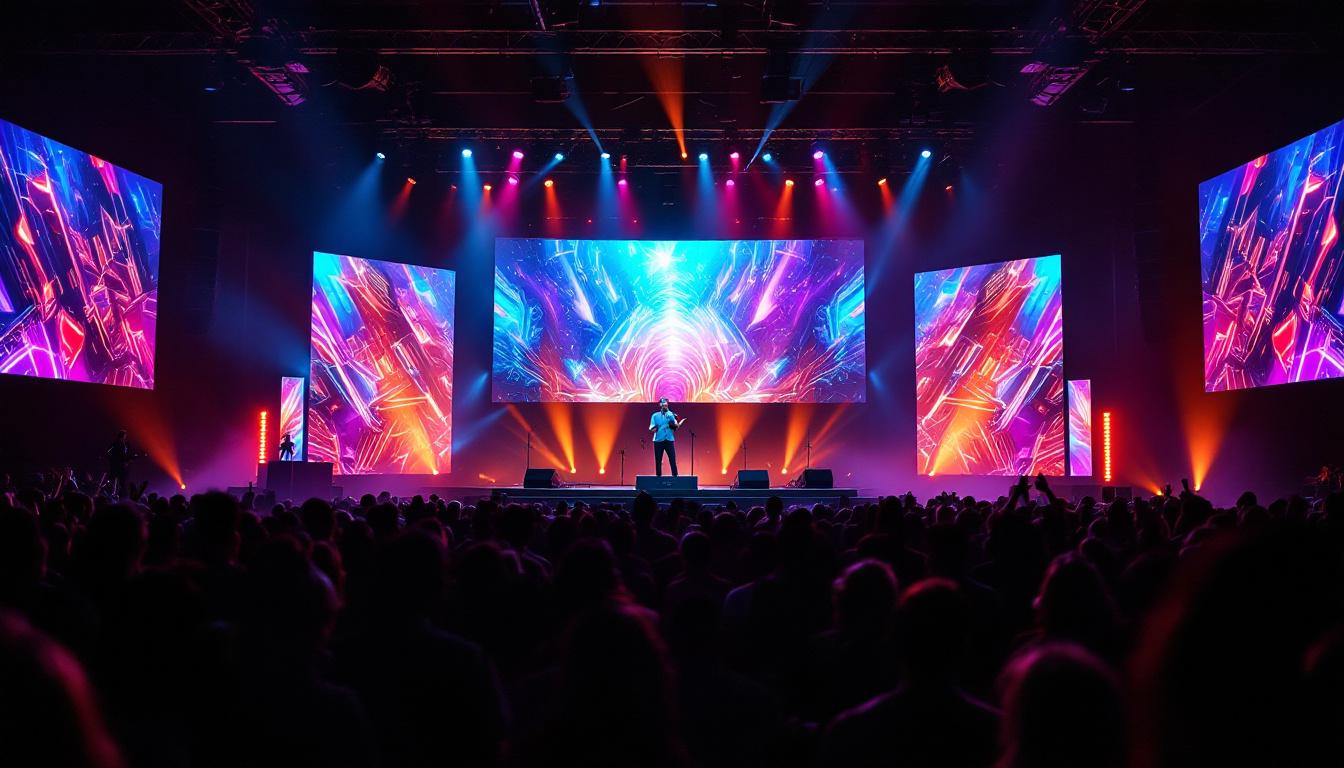
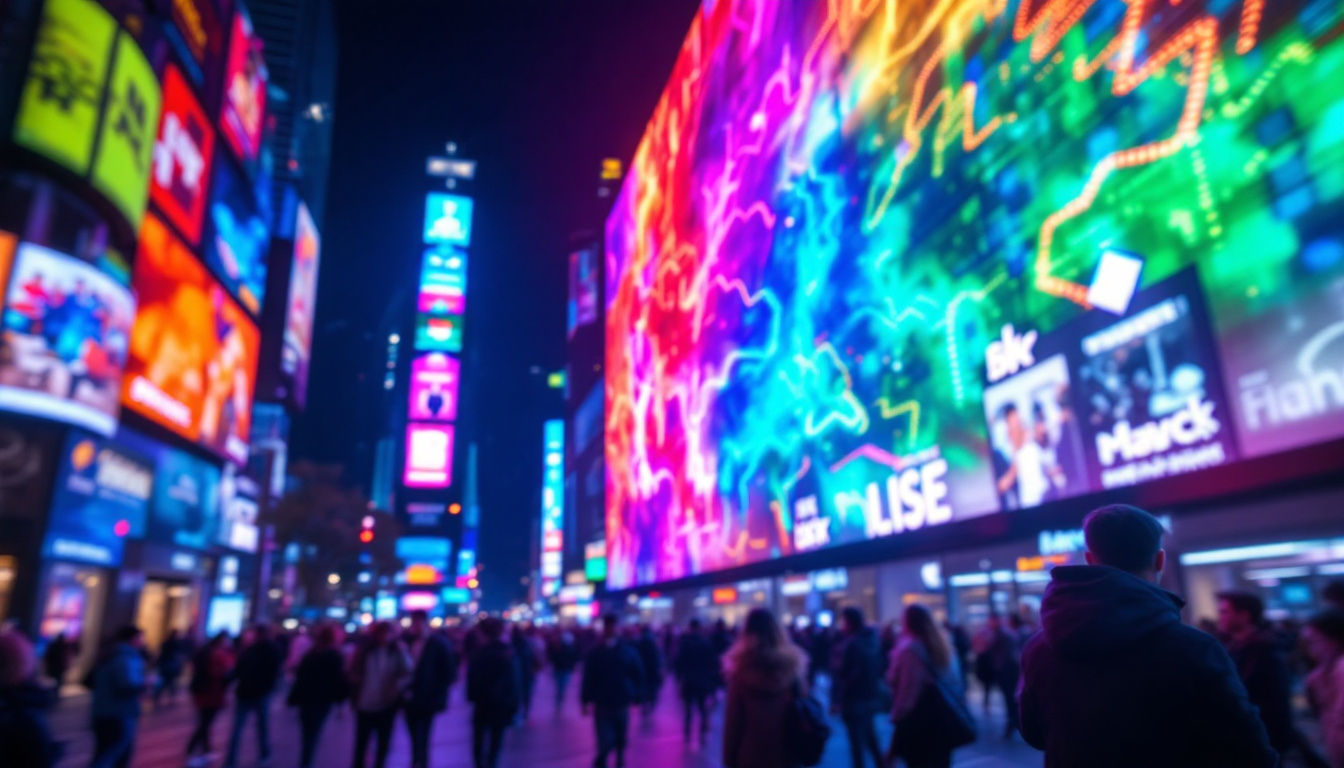
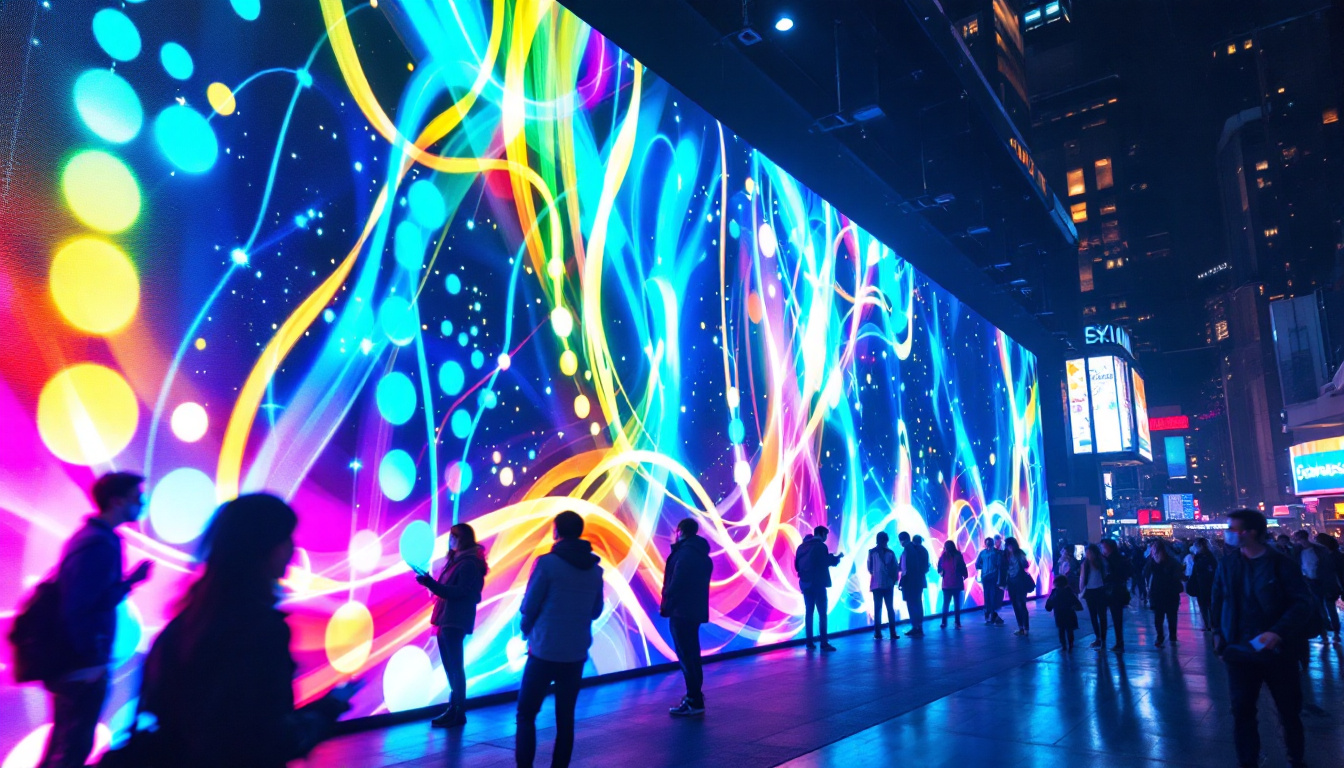
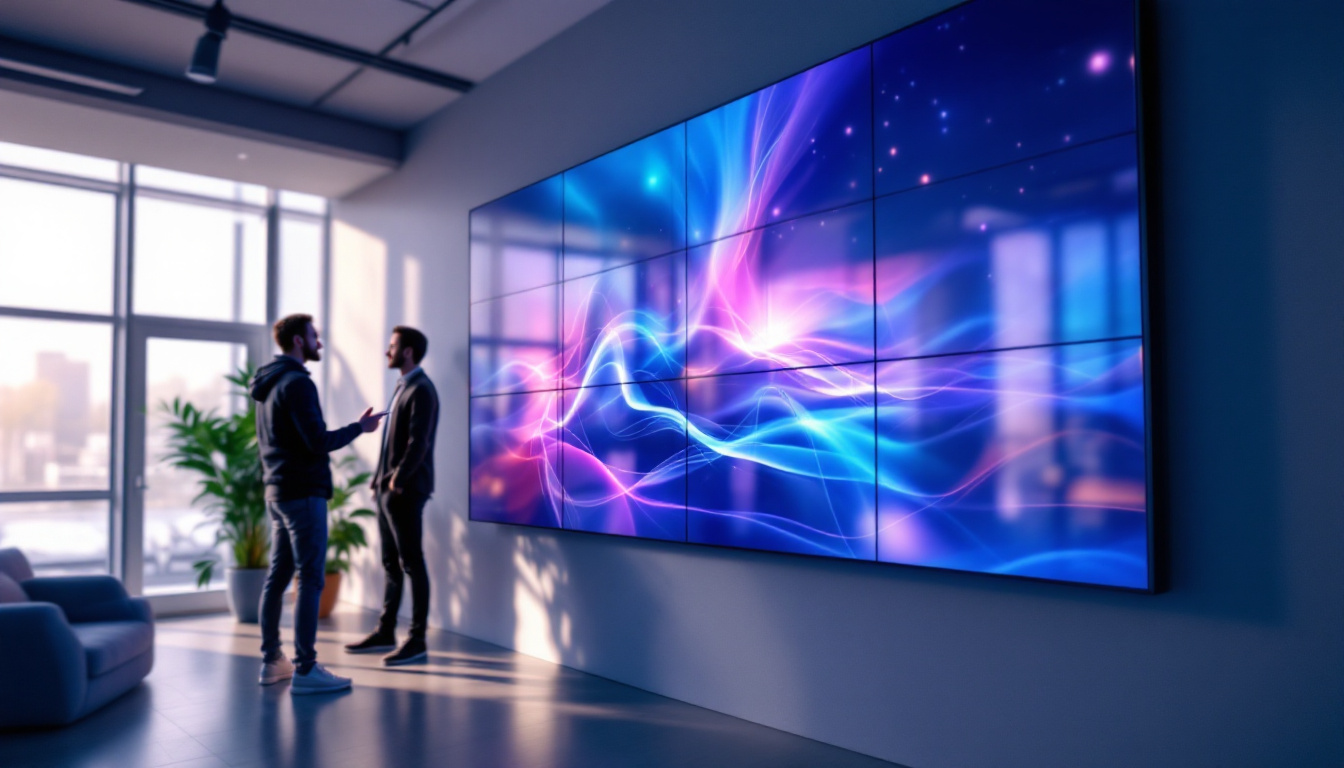
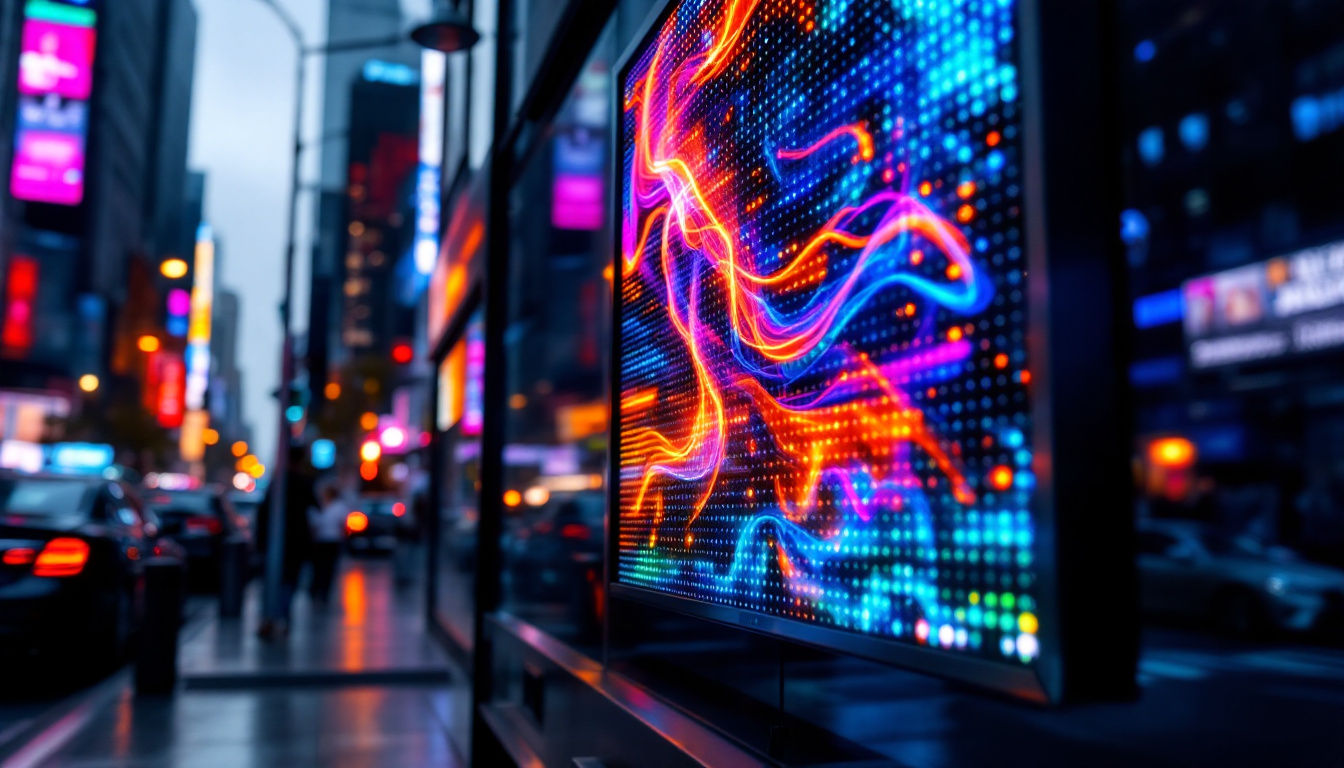
LED displays dominate the digital signage market due to their brightness and scalability. Video walls composed of multiple LED panels require minimal bezel width to create seamless large-format images. Innovations such as micro-LED technology promise even thinner bezels and improved image quality for future installations.
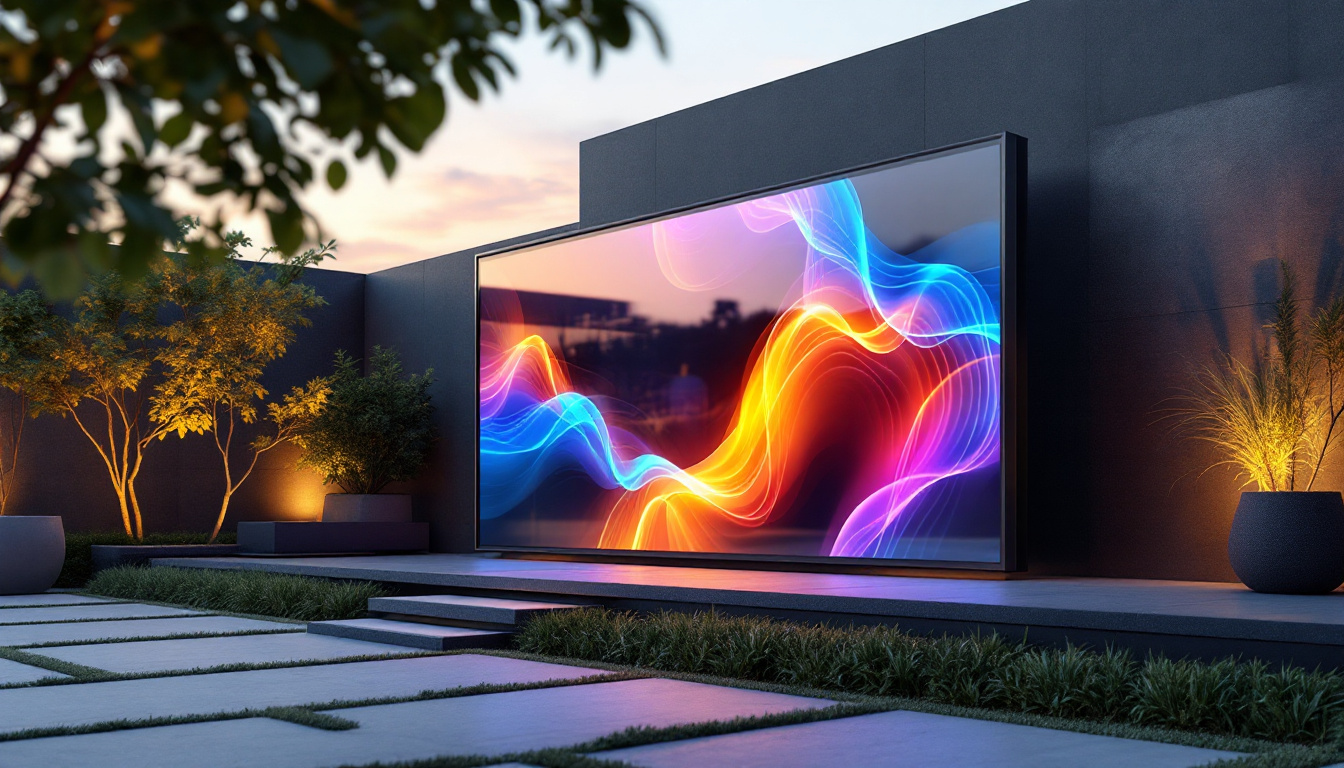
Outdoor LED displays benefit from robust bezel designs that protect against environmental factors like moisture, dust, and temperature fluctuations. IP-rated bezels with corrosion-resistant materials ensure longevity in harsh conditions.
Automotive and Industrial Uses
In automotive dashboards and infotainment systems, LCD panels with LED backlighting provide clear visibility under varying lighting conditions. Bezels in these applications often integrate with the vehicle’s interior design, combining aesthetics with functional protection.
Industrial displays require bezels that can withstand mechanical stress, vibrations, and exposure to chemicals. LED backlighting ensures readability in bright factory environments, while reinforced bezels contribute to device durability.
Future Outlook: Emerging Technologies and Trends
Micro-LED and Beyond
Micro-LED technology represents the next frontier in display innovation. Unlike traditional LED-backlit LCDs, micro-LED displays consist of microscopic LEDs that emit light and color individually, eliminating the need for a separate backlight. This advancement promises unparalleled brightness, contrast, and energy efficiency.
Micro-LED displays also enable bezel-less designs with flexible form factors, opening new possibilities in wearable technology, foldable devices, and transparent screens. However, manufacturing challenges and costs currently limit widespread adoption.
Integration of Bezels with Smart Features
Future bezels may incorporate touch-sensitive controls, ambient light sensors, and even secondary displays. This integration enhances user interaction without increasing device size. For example, some smartphones already feature touch-sensitive bezels that allow users to adjust volume or scroll through content.
Additionally, bezel materials may evolve to include self-healing coatings or antimicrobial properties, addressing durability and hygiene concerns in public and healthcare environments.
Sustainability Considerations
With growing emphasis on environmental responsibility, manufacturers are exploring sustainable materials and production methods for bezels and LED displays. Recyclable plastics, low-energy manufacturing processes, and longer-lasting components contribute to reducing the ecological footprint of electronic devices.
Energy-efficient LED backlighting also aligns with global efforts to reduce power consumption, particularly in large-scale digital signage and commercial displays.
Conclusion
The LCD panel bezel and LED display are fundamental components that significantly influence the performance, design, and user experience of modern electronic devices. As technology advances, the push for thinner bezels and more efficient LED backlighting continues to drive innovation across industries.
Understanding the roles and interplay of these elements helps consumers make informed choices and encourages designers to balance aesthetics with functionality. With emerging technologies like micro-LED and smart bezels on the horizon, the future of display technology promises even more immersive, efficient, and versatile visual experiences.
Explore Cutting-Edge LED Displays with LumenMatrix
Ready to experience the future of display technology? LumenMatrix is at the forefront of LED innovation, offering a wide range of advanced LED display solutions tailored to your needs. From immersive Indoor LED Wall Displays to dynamic Outdoor LED Wall Displays, and from versatile Vehicle LED Displays to engaging LED Sports Displays, our products are designed to captivate and communicate effectively. Discover how LumenMatrix can transform your visual presentations and help your brand stand out. Check out LumenMatrix LED Display Solutions today and elevate your visual experience.