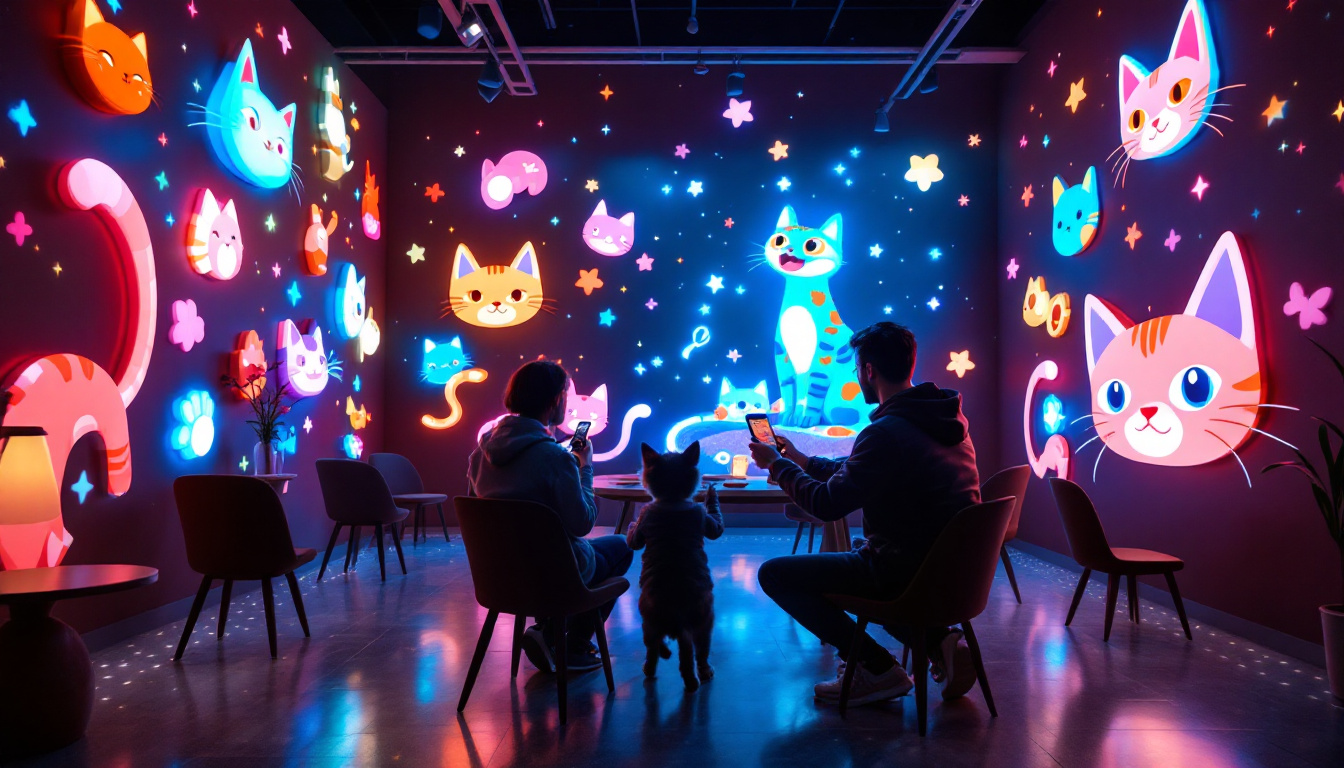
In today’s fast-paced business environment, grabbing consumer attention quickly and effectively is paramount. Commercial digital signage has emerged as a powerful tool for businesses to communicate messages dynamically, engage customers, and enhance brand visibility. Among the various digital signage technologies, LED displays stand out for their brightness, versatility, and impact. This article delves into the world of commercial LED digital signage, explaining how it works, why it’s an excellent choice for businesses, and what to consider when investing in this technology.
Understanding LED Display Technology
What is an LED Display?
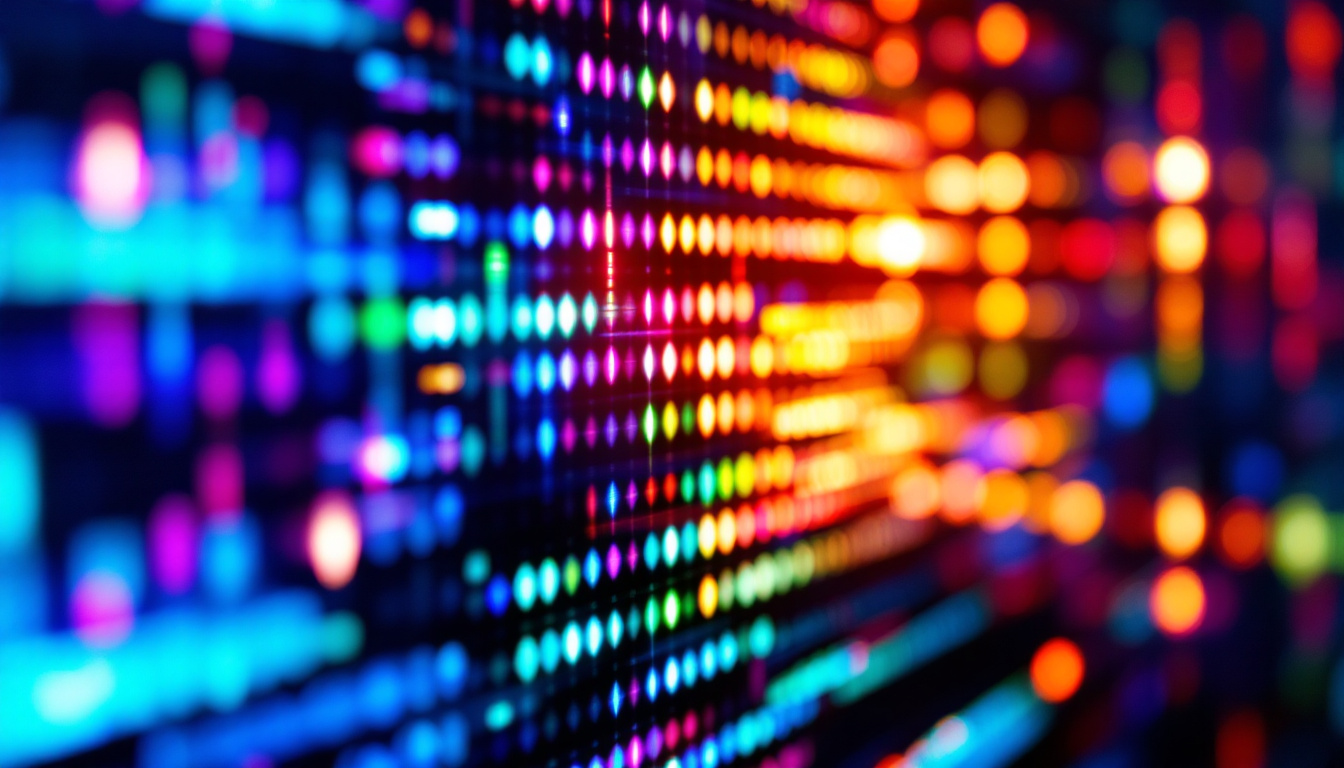
LED stands for Light Emitting Diode, a semiconductor device that emits light when an electric current passes through it. An LED display is essentially a large screen composed of thousands, sometimes millions, of these tiny diodes arranged in a grid. Each diode acts as a pixel that can emit light in different colors, creating vivid images and videos.
Unlike traditional LCD screens that rely on backlighting, LED displays generate their own light, resulting in higher brightness levels and better contrast ratios. This self-illumination capability makes LED displays ideal for environments with strong ambient light, such as outdoor advertising or brightly lit retail spaces. Furthermore, the energy efficiency of LED technology contributes to lower operational costs, making it a sustainable choice for businesses looking to reduce their carbon footprint.
In addition to their brightness and energy efficiency, LED displays also boast a longer lifespan compared to other display technologies. With a typical operational life of over 50,000 hours, these displays can endure extensive use without significant degradation in quality. This durability translates to lower maintenance costs and less frequent replacements, making LED displays a wise investment for both commercial and industrial applications.
Types of LED Displays Used in Commercial Signage
Commercial LED displays come in various forms, primarily categorized by their pixel pitch—the distance between the centers of adjacent LEDs. A smaller pixel pitch means higher resolution and sharper images, suitable for close viewing distances. Conversely, larger pixel pitches are used for displays viewed from afar, such as billboards and stadium screens.
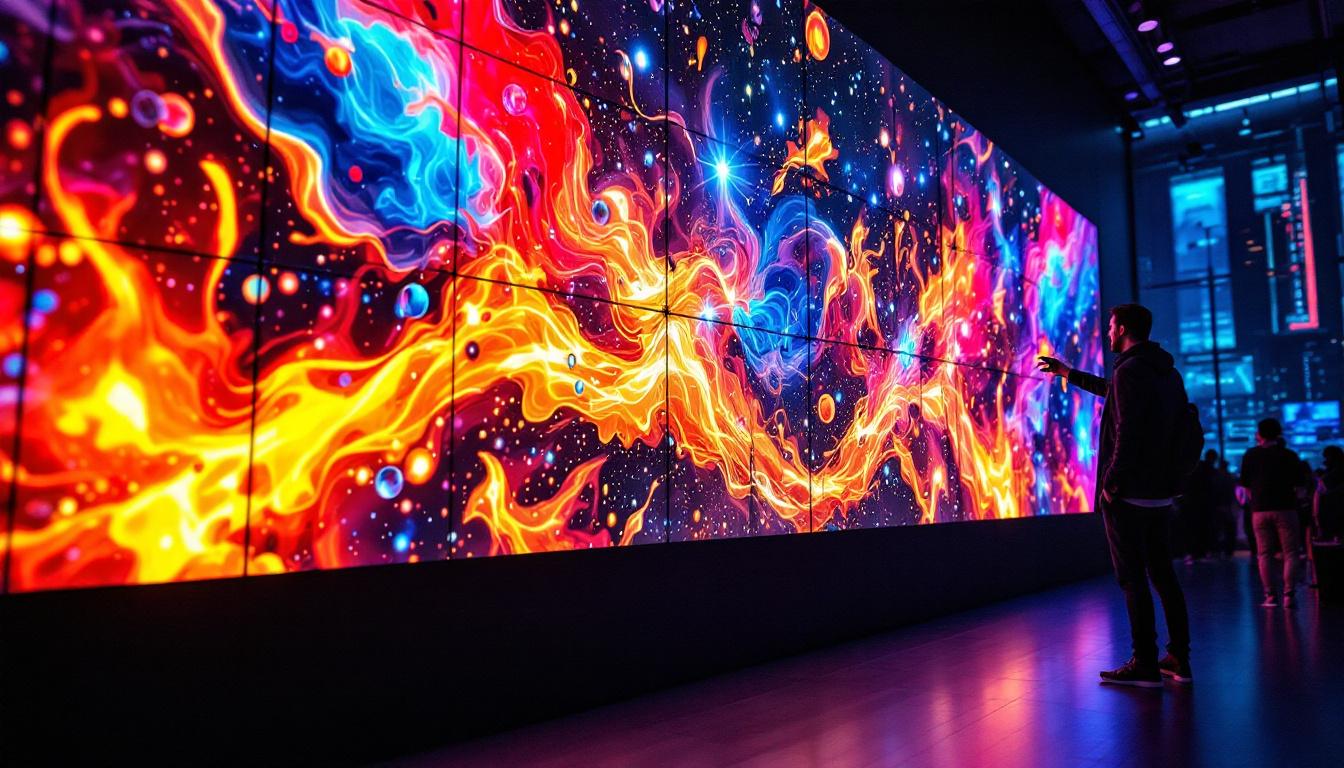
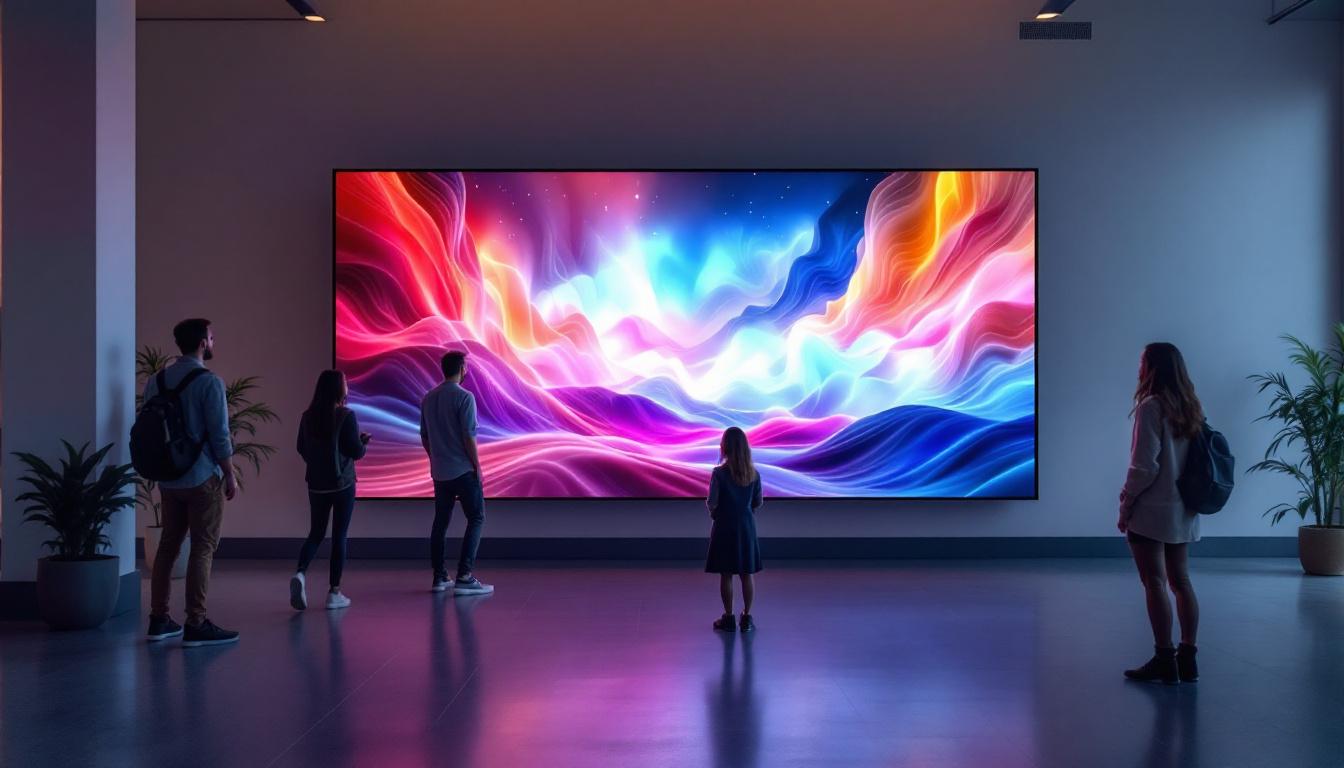
- Indoor LED Displays: These typically have a pixel pitch ranging from 1mm to 4mm, offering high resolution and clarity for close-range viewing in retail stores, corporate lobbies, and event venues. Their versatility allows for dynamic content that can be updated in real-time, enhancing customer engagement and providing timely information.
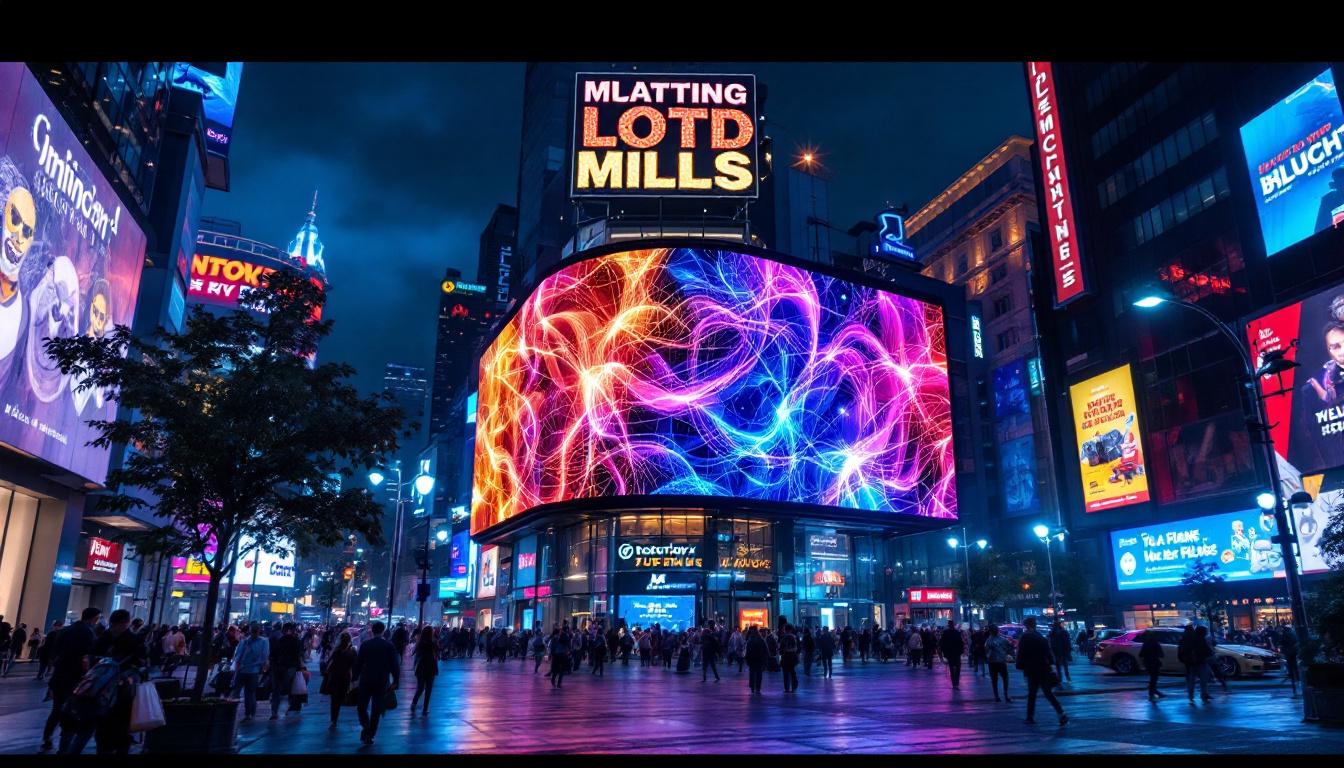
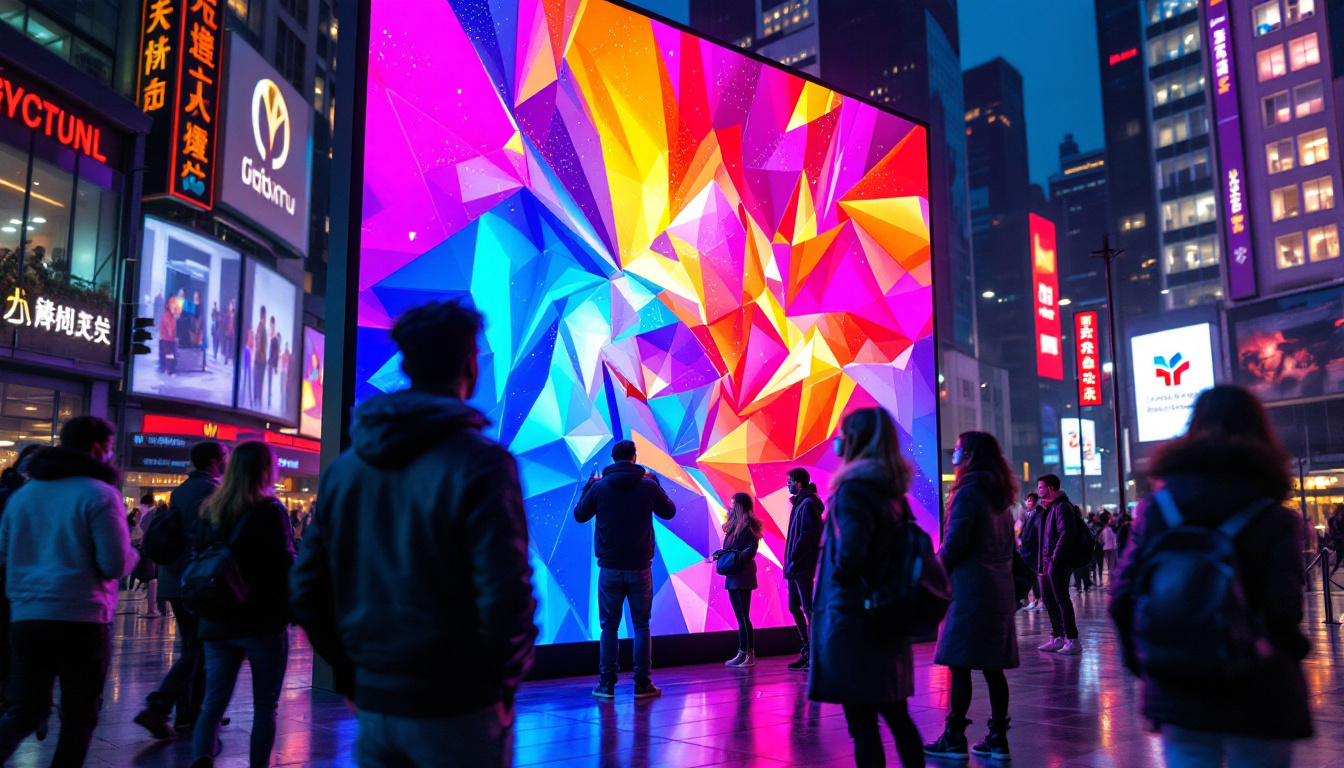
- Outdoor LED Displays: With pixel pitches often between 4mm and 20mm, these displays are designed to withstand weather conditions and deliver bright, visible content even in direct sunlight. Many outdoor models are equipped with advanced features such as automatic brightness adjustment, ensuring optimal visibility regardless of the time of day or weather conditions.
- Transparent LED Displays: A newer innovation, these displays allow light to pass through, making them ideal for storefront windows where visibility both inside and outside is desired. This technology not only enhances the aesthetic appeal of a space but also provides a unique advertising medium that can showcase products while maintaining an open and inviting atmosphere.
Moreover, the rise of flexible LED displays has opened up new possibilities in commercial signage. These displays can be bent or shaped to fit unconventional spaces, allowing for creative installations that capture attention in ways traditional displays cannot. Whether used in the form of curved screens or even as part of architectural elements, flexible LED technology is pushing the boundaries of how businesses communicate visually with their audiences.
Advantages of LED Displays for Commercial Digital Signage
Brightness and Visibility
One of the most significant advantages of LED displays is their superior brightness. LED signage can reach brightness levels of up to 5,000 nits or more, far surpassing traditional LCD or projection-based systems. This ensures that content remains vivid and readable even in direct sunlight, making LED displays a top choice for outdoor advertising and high-traffic commercial areas. The ability to maintain high visibility in various lighting conditions not only enhances the viewer’s experience but also increases the likelihood of capturing attention, which is crucial in competitive advertising environments.
Energy Efficiency and Longevity
LED technology is known for its energy efficiency. Compared to older display technologies, LEDs consume less power while delivering brighter images. This translates into lower operating costs for businesses, especially important for large-scale or 24/7 signage installations. The reduced energy consumption not only benefits the bottom line but also contributes to a smaller carbon footprint, aligning with the growing emphasis on sustainability in business practices.
Moreover, LED displays have a long operational lifespan, often exceeding 100,000 hours. This durability reduces maintenance and replacement costs, offering a better return on investment over time. Businesses can enjoy peace of mind knowing that their signage will remain operational for years, minimizing disruptions and the need for frequent upgrades. This longevity also means that companies can invest in high-quality content creation without the constant worry of hardware failure.
Flexibility and Customization
LED displays are highly versatile. They can be manufactured in various shapes and sizes, including curved, cylindrical, and even flexible panels. This flexibility allows businesses to create eye-catching installations that fit unique architectural spaces or branding requirements. For instance, a retail store can utilize a curved LED display to wrap around a column, creating a dynamic focal point that draws customers in. Such innovative designs not only enhance the aesthetic appeal of a space but also reinforce brand identity and messaging.
Additionally, LED signage supports dynamic content such as videos, animations, and real-time data feeds. This capability enables businesses to tailor their messaging to specific audiences or times of day, increasing engagement and effectiveness. For example, a restaurant can display a breakfast menu in the morning and switch to a dinner menu in the evening, ensuring that the content is relevant and timely. The ability to update content remotely and in real-time further empowers businesses to respond quickly to market trends, promotions, or events, making LED displays an invaluable tool for modern marketing strategies.
Applications of Commercial LED Digital Signage
Retail and Shopping Centers
Retailers use LED displays to attract shoppers, promote sales, and enhance the in-store experience. Bright, high-resolution screens can showcase product videos, flash promotions, or interactive content that encourages customer interaction.
For example, major department stores often install large LED walls at entrances or key locations to create a modern and inviting atmosphere. These displays also help in wayfinding and delivering targeted advertising based on customer demographics.
Transportation Hubs and Public Spaces
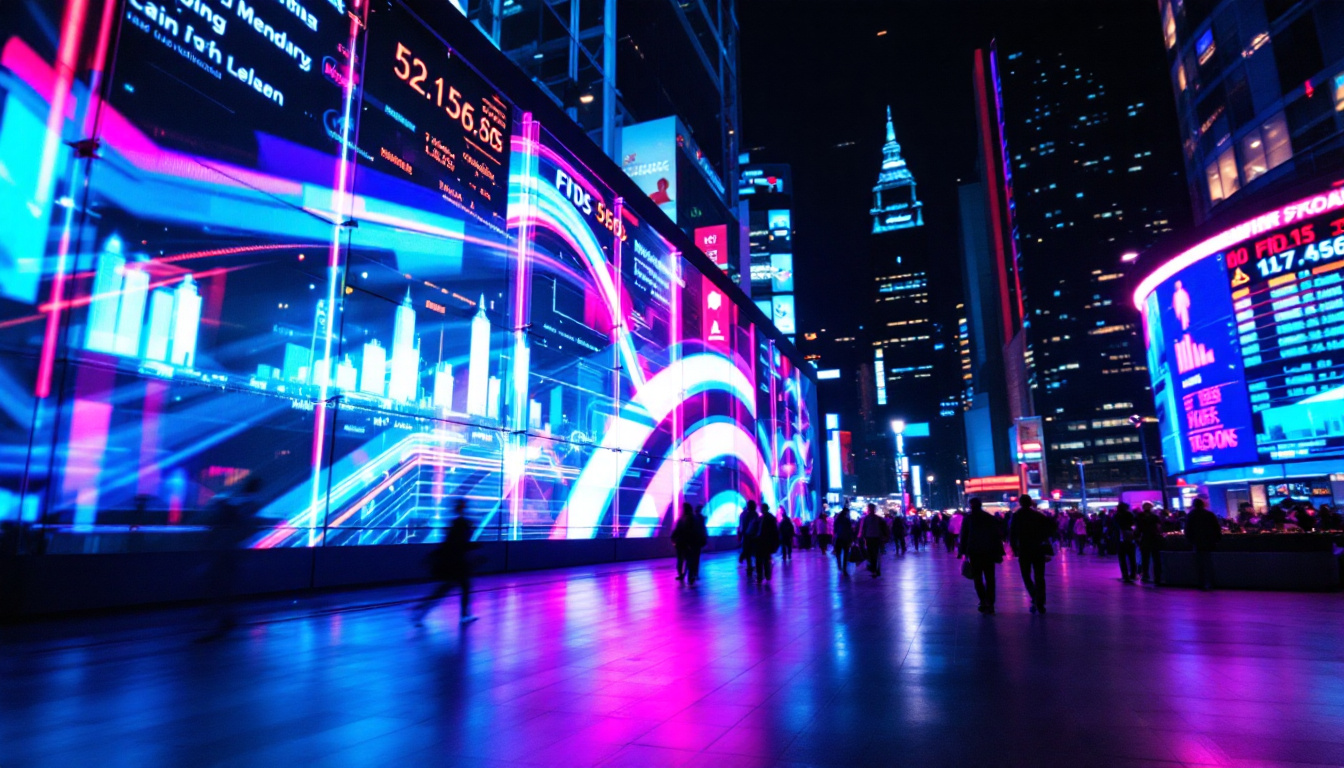
Airports, train stations, and bus terminals utilize LED signage to provide real-time information such as arrival and departure times, gate changes, and emergency alerts. The high visibility and reliability of LED displays ensure passengers stay informed even in crowded or fast-moving environments.
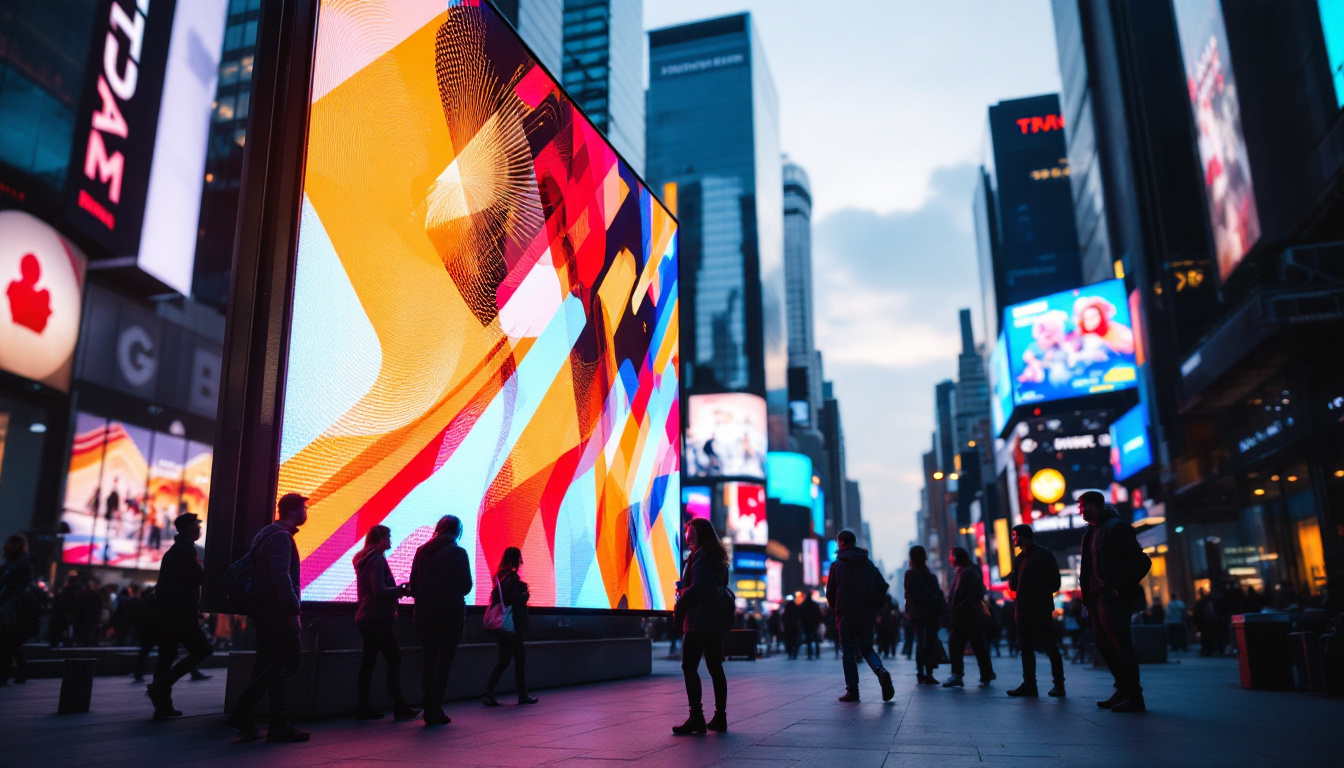
Public spaces like city squares and stadiums also benefit from LED screens for event promotion, public announcements, and entertainment, enhancing community engagement and experience.
Corporate and Hospitality Environments
In corporate settings, LED displays serve multiple purposes—from digital directories and meeting room schedules to branding and corporate communications. Hotels and convention centers use LED signage to welcome guests, display event information, and create immersive experiences in lobbies and conference areas.
Key Considerations When Choosing an LED Display for Commercial Use
Resolution and Pixel Pitch
Choosing the right resolution depends largely on the viewing distance. For indoor environments where viewers are close to the screen, a smaller pixel pitch (1mm to 2.5mm) is necessary to ensure crisp images. For outdoor billboards or large-scale displays, a larger pixel pitch suffices, as viewers are typically farther away.
Brightness and Environmental Durability
Outdoor LED displays must meet specific brightness standards to remain visible under direct sunlight, often exceeding 5,000 nits. Additionally, they require weatherproofing features such as IP65 or higher ratings to protect against dust, rain, and extreme temperatures.
Content Management Systems (CMS)
The effectiveness of an LED signage solution also depends on the software used to manage and schedule content. A robust CMS allows businesses to update messages in real-time, schedule campaigns, and integrate data sources such as social media feeds or inventory systems.
Installation and Maintenance
Proper installation ensures optimal performance and longevity of LED displays. Factors such as mounting structure, ventilation, and power supply must be carefully planned. Additionally, businesses should consider ease of maintenance, including access for repairs and availability of technical support.
Future Trends in Commercial LED Digital Signage
Integration with AI and Data Analytics
Artificial intelligence is increasingly being integrated into digital signage systems to deliver personalized content based on audience demographics, behavior, and environmental factors. For instance, AI-powered cameras can analyze foot traffic and adjust advertising content dynamically to maximize engagement.
Advancements in LED Technology
Emerging technologies such as MicroLED promise even higher resolution, better color accuracy, and improved energy efficiency. These advancements will expand the possibilities for commercial digital signage, enabling more immersive and interactive experiences.
Sustainability and Eco-Friendly Solutions
With growing emphasis on sustainability, manufacturers are developing LED displays with recyclable materials and lower energy consumption. Businesses are also adopting greener practices by using LED signage to reduce paper waste from traditional advertising methods.
Conclusion
Commercial digital signage using LED displays offers businesses a compelling way to communicate with customers, enhance brand presence, and drive sales. The technology’s brightness, energy efficiency, and versatility make it suitable for a wide range of applications—from retail and transportation hubs to corporate environments.
When selecting an LED display, it is crucial to consider factors such as resolution, brightness, environmental durability, and content management capabilities to ensure the signage meets specific business needs. As technology continues to evolve, integrating AI and sustainable practices will further enhance the impact and value of LED digital signage.
Investing in commercial LED displays is not just about adopting a new technology; it’s about embracing a dynamic communication platform that can adapt to changing market trends and consumer behaviors, ultimately driving business growth and customer engagement.
Discover LumenMatrix LED Display Solutions
Ready to elevate your brand’s visual impact with the latest in LED display technology? LumenMatrix is at the forefront of innovation, offering a diverse range of LED display solutions tailored to meet your business’s unique needs. From Indoor and Outdoor LED Walls to specialized displays for vehicles, sports, and even customizable options, our mission is to transform your visual communication strategy. Experience the power of enhanced engagement and audience captivation with LumenMatrix. Check out LumenMatrix LED Display Solutions today and start creating unforgettable visual experiences.