In the evolving world of computer hardware, the design and technology of monitors have undergone significant transformations. One of the most notable trends in recent years is the rise of “no bezel” or “borderless” monitors, particularly those featuring LED displays. These sleek, modern screens not only enhance the aesthetic appeal of workspaces but also improve user experience in various applications, from gaming to professional design.
This article delves into the concept of computer monitors with no bezels, focusing on LED display technology. It explores what makes these monitors unique, their advantages and disadvantages, and how they compare to traditional displays. Whether you’re a tech enthusiast, a professional seeking the best display for your work, or a casual user curious about the latest trends, this guide offers a comprehensive understanding of no bezel LED monitors.
Understanding No Bezel Monitors: What Does It Mean?
Defining the Bezel and Its Role
The bezel of a monitor refers to the frame or border surrounding the screen. Traditionally, this frame serves both structural and protective functions, housing essential components like wiring and supporting the display panel. However, bezels can also be visually intrusive, especially when using multiple monitors side by side, as the borders create gaps in the viewing experience.
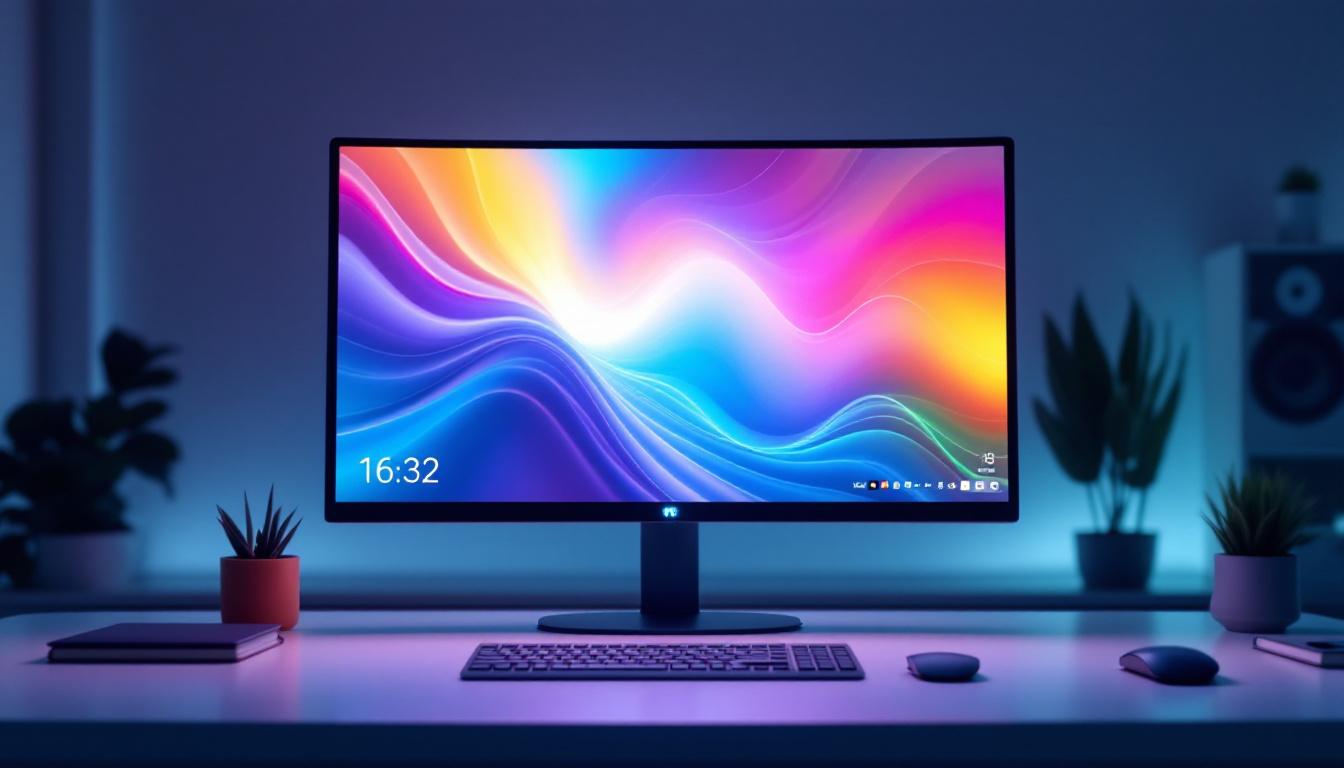
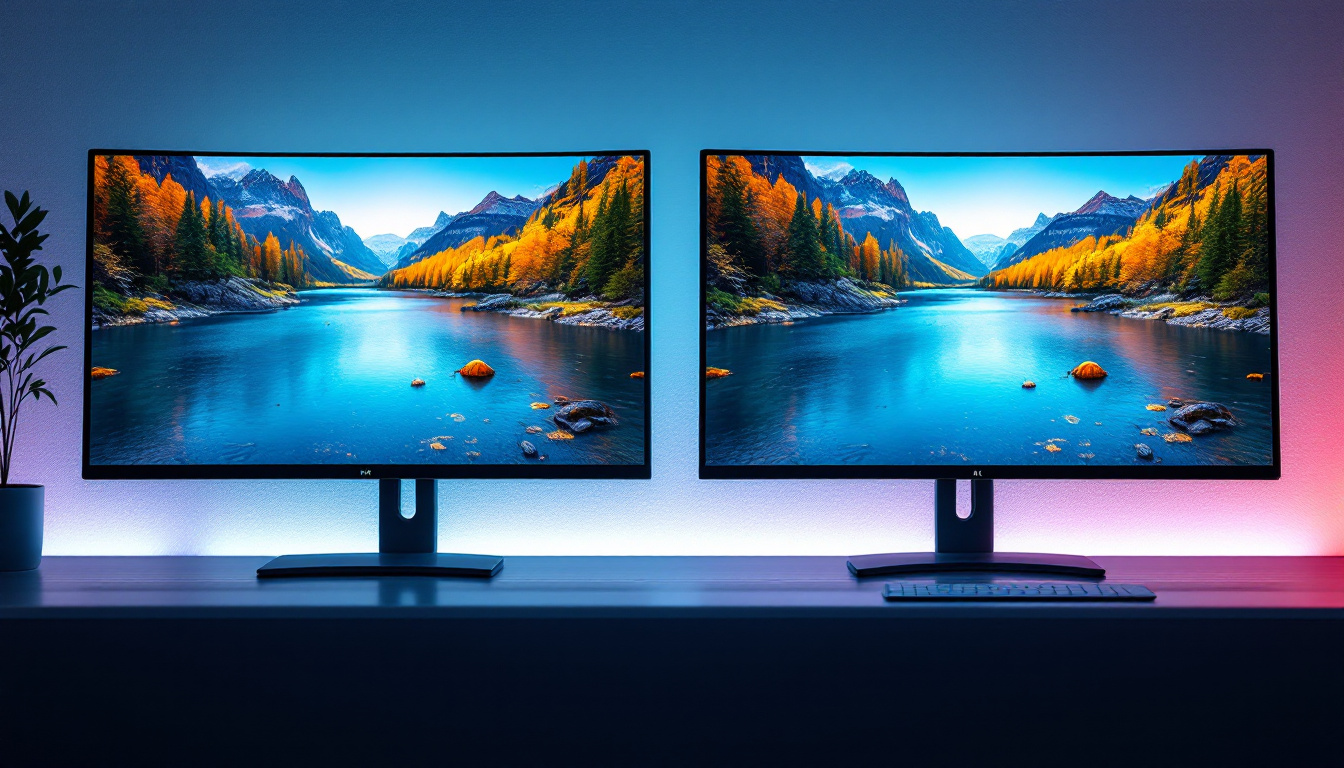
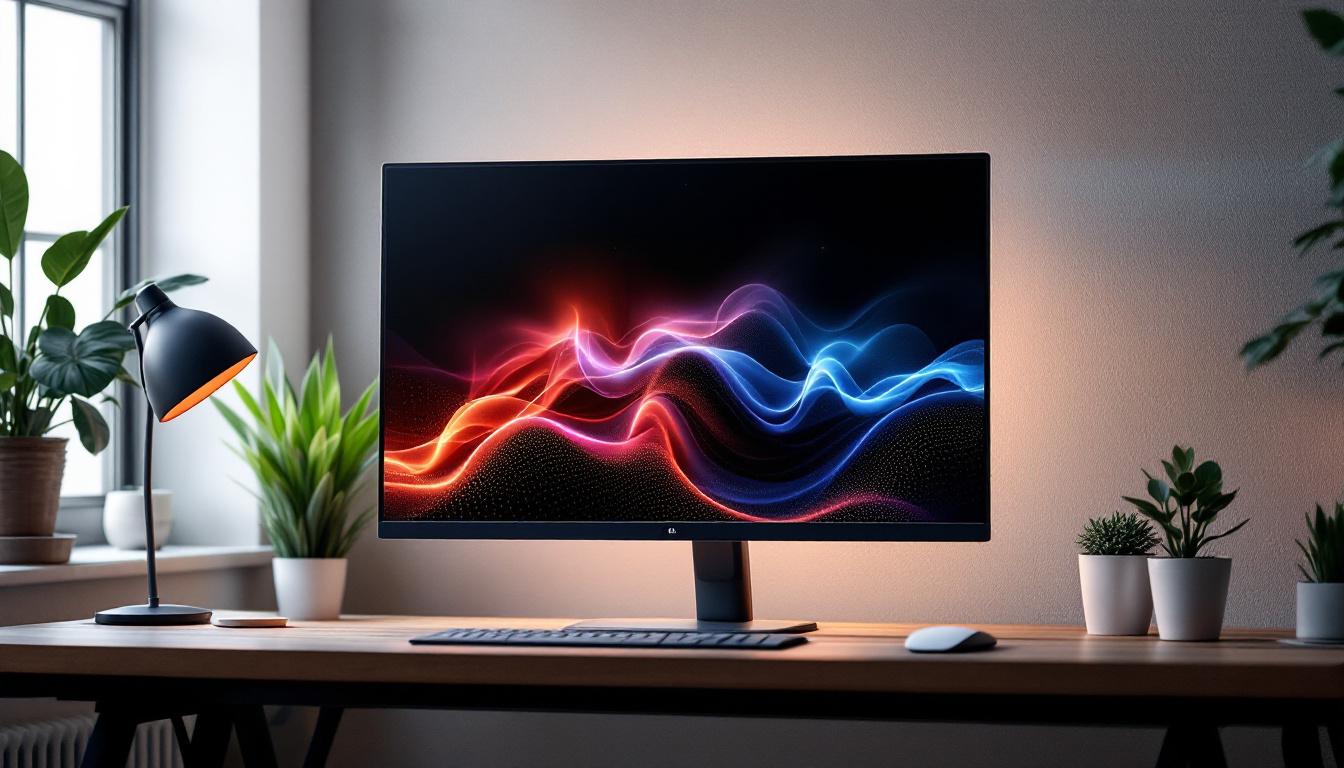
In recent years, manufacturers have focused on reducing bezel size to create more immersive and seamless displays. The term “no bezel” or “borderless” monitor typically refers to screens with ultra-thin bezels, often measuring just a few millimeters or less. While technically there is still a bezel present (as completely eliminating it is currently impossible due to hardware constraints), the effect is a nearly edge-to-edge display that maximizes screen real estate.
The Evolution Toward Minimal Bezels
Minimal bezel designs have become increasingly popular as consumer demand for sleek, modern aesthetics grows. Early LCD monitors featured thick bezels, sometimes several centimeters wide, which were necessary for housing components and providing durability. Advances in manufacturing and materials have allowed companies to shrink these borders significantly.
Leading brands now offer monitors with bezels as thin as 1mm, creating a near-invisible frame. This trend aligns with the broader movement toward minimalistic design seen in smartphones, laptops, and televisions. For users, this means a more immersive viewing experience, especially important for gaming setups, multi-monitor workstations, and home entertainment systems.
LED Displays: The Technology Behind the Screen
What is an LED Display?
LED stands for Light Emitting Diode, a semiconductor light source that emits light when current flows through it. In the context of computer monitors, LED displays refer to LCD panels that use LED backlighting instead of the older cold cathode fluorescent lamps (CCFLs). This distinction is crucial because the display panel itself remains an LCD (Liquid Crystal Display), but the backlighting technology is what differentiates LED monitors.
LED backlighting offers several advantages, including improved energy efficiency, better brightness control, and slimmer designs. These benefits contribute to the ability to create ultra-thin monitors with minimal bezels, as LEDs are smaller and generate less heat than CCFLs.
Types of LED Backlighting
There are primarily two types of LED backlighting used in monitors:
- Edge-Lit LED: LEDs are placed along the edges of the screen, and light is distributed across the panel using light guides. This design allows for thinner monitors but may result in less uniform brightness and contrast.
- Full-Array LED: LEDs are positioned directly behind the entire screen area, offering better control over local dimming zones. This results in improved contrast ratios and deeper blacks, enhancing image quality.
Some high-end monitors also incorporate Mini-LED technology, which uses thousands of tiny LEDs to achieve even more precise backlighting control, rivaling OLED displays in contrast and color accuracy.
Advantages of No Bezel LED Monitors
Enhanced Aesthetics and Immersion
The most immediate benefit of no bezel monitors is their sleek and modern appearance. The ultra-thin borders create a clean, minimalist look that complements contemporary workspaces and gaming setups. For multi-monitor configurations, the near-borderless design offers a seamless viewing experience, making it easier to focus and reducing distractions caused by thick frames.
Gamers, in particular, appreciate the immersive quality of bezel-less monitors. Whether playing fast-paced first-person shooters or expansive open-world games, the uninterrupted screen space enhances visual engagement and situational awareness.
Improved Productivity for Professionals
For professionals working in fields like graphic design, video editing, and software development, screen real estate is invaluable. No bezel monitors maximize usable display area, allowing for more efficient multitasking and detailed work. When using multiple monitors, the thin borders minimize visual breaks, creating a virtual large canvas that improves workflow.
Moreover, LED technology ensures vibrant colors and sharp images, which are critical for tasks requiring color accuracy and fine detail. Many no bezel LED monitors also support wide color gamuts and high resolutions, catering to the demands of creative professionals.
Energy Efficiency and Longevity
LED backlighting consumes less power compared to traditional CCFLs, making no bezel LED monitors more energy-efficient. This not only reduces electricity costs but also contributes to environmental sustainability. Additionally, LEDs have a longer lifespan, often exceeding 50,000 hours, which means users can expect durable performance over many years without significant degradation in brightness or color quality.
Potential Drawbacks and Considerations
Cost Implications
No bezel LED monitors, especially those with advanced features like full-array or Mini-LED backlighting, tend to be more expensive than traditional monitors. The manufacturing process for ultra-thin bezels and high-quality LED panels involves sophisticated technology and materials, which can drive up retail prices.
For budget-conscious consumers, this might be a limiting factor. However, prices have been steadily decreasing as the technology becomes more widespread, making no bezel LED monitors increasingly accessible.
Durability and Handling
The ultra-thin bezels, while visually appealing, can sometimes compromise the structural robustness of the monitor. Thinner frames may be more susceptible to damage from accidental knocks or drops. Users should handle these monitors with care and consider sturdy stands or mounts to reduce the risk of damage.
Potential for Light Bleed and Uniformity Issues
In edge-lit LED monitors, the thin bezel design can sometimes contribute to uneven backlighting, resulting in light bleed around the edges or corners. This can be distracting, especially in dark scenes during gaming or movie watching. Full-array and Mini-LED monitors mitigate this issue but are typically more expensive.
Comparing No Bezel LED Monitors with Other Display Technologies
LED vs. OLED Displays
While LED monitors use LCD panels with LED backlighting, OLED (Organic Light Emitting Diode) displays operate differently. OLED pixels emit their own light, allowing for true blacks and exceptional contrast ratios without the need for backlighting. This results in superior image quality, especially in dark scenes.
However, OLED monitors are currently less common and more expensive than LED models. They also face challenges such as potential burn-in and shorter lifespan. For many users, no bezel LED monitors offer a balanced combination of performance, durability, and cost-effectiveness.
No Bezel Monitors vs. Traditional Bezel Monitors
Traditional bezel monitors remain prevalent due to their affordability and durability. However, the growing demand for immersive experiences and modern aesthetics is shifting consumer preference toward no bezel designs. For multi-monitor setups, the difference is particularly pronounced, as no bezel monitors provide a more continuous visual field.
Ultimately, the choice depends on individual needs and budget. Users prioritizing style and immersion will likely prefer no bezel LED monitors, while those seeking robust, cost-effective solutions may opt for traditional models.
Key Features to Look for When Choosing a No Bezel LED Monitor
Resolution and Screen Size
Higher resolution monitors (such as 1440p or 4K) provide sharper images and more workspace, which is beneficial for both professional and entertainment purposes. Screen size is also important; larger displays enhance immersion but require more desk space.
Refresh Rate and Response Time
For gamers and video editors, a high refresh rate (120Hz or above) and low response time (under 5ms) are crucial for smooth motion and reduced input lag. Many no bezel LED monitors cater to this market with gaming-specific features.
Color Accuracy and Gamut
Professionals should look for monitors with wide color gamut support (such as AdobeRGB or DCI-P3) and factory calibration to ensure color fidelity. This is essential for tasks like photo editing and digital art.
Connectivity and Ergonomics
Multiple input options (HDMI, DisplayPort, USB-C) and ergonomic adjustments (height, tilt, swivel) enhance usability. Some no bezel monitors also include built-in speakers, USB hubs, and blue light filters for eye comfort.
The Future of No Bezel LED Monitors
As display technology continues to advance, the trend toward bezel-less designs is expected to grow. Innovations like flexible and foldable screens, higher pixel densities, and improved backlighting techniques will further enhance the user experience. Additionally, integration with smart features and AI-driven display adjustments could become standard.
Manufacturers are also exploring sustainable materials and energy-saving technologies to reduce environmental impact. With increasing demand for multi-monitor setups in professional and gaming environments, no bezel LED monitors are poised to become the norm rather than the exception.
Conclusion
No bezel LED monitors represent a significant step forward in display technology and design. By combining ultra-thin frames with efficient and vibrant LED backlighting, these monitors offer enhanced aesthetics, immersive viewing experiences, and improved productivity for a wide range of users.
While they come with some cost and durability considerations, the benefits often outweigh the drawbacks, especially as prices continue to fall and technology matures. Whether for gaming, professional work, or everyday use, no bezel LED monitors provide a compelling option for those seeking cutting-edge displays that blend form and function seamlessly.
Understanding the technology behind these monitors and their practical implications can help consumers make informed decisions, ensuring they select the best display to meet their needs now and in the future.
Discover the Future of Display with LumenMatrix
Ready to elevate your visual experience with the latest in no bezel LED monitor technology? LumenMatrix is at the forefront of LED display innovation, offering a wide array of solutions that bring your content to life. From immersive Indoor LED Wall Displays to dynamic Outdoor LED Wall Displays and beyond, our mission is to transform your visual communication with unparalleled clarity and impact. Don’t wait to experience the future of display technology—check out LumenMatrix LED Display Solutions today and see the difference for yourself.