In the rapidly evolving world of digital signage and visual communication, LED displays have emerged as a dominant technology. From towering billboards in city centers to dynamic information boards in stadiums, LED displays are transforming how messages are conveyed to audiences worldwide. This article delves into the official understanding of LED displays, exploring their technology, applications, advantages, and future trends to provide a comprehensive overview for professionals and enthusiasts alike.
Understanding LED Display Technology
What is an LED Display?
LED stands for Light Emitting Diode, a semiconductor device that emits light when an electric current passes through it. An LED display is a flat panel or flexible surface that uses an array of these tiny LEDs to produce images, videos, or text. Unlike traditional LCD or plasma screens, LED displays generate their own light, which results in brighter, more vibrant visuals with higher contrast ratios.
LED displays can be categorized broadly into two types: direct view LED (DVLED) and LED-backlit LCD. The former uses LEDs as pixels themselves, while the latter uses LEDs as a backlight source for an LCD panel. In large-scale applications such as outdoor advertising or stadium screens, direct view LED displays are the preferred choice due to their scalability and superior brightness. Moreover, the durability of LED technology makes it suitable for various environments, from bustling city streets to large sports arenas, where they can withstand the elements while delivering stunning visual content.
How Do LED Displays Work?
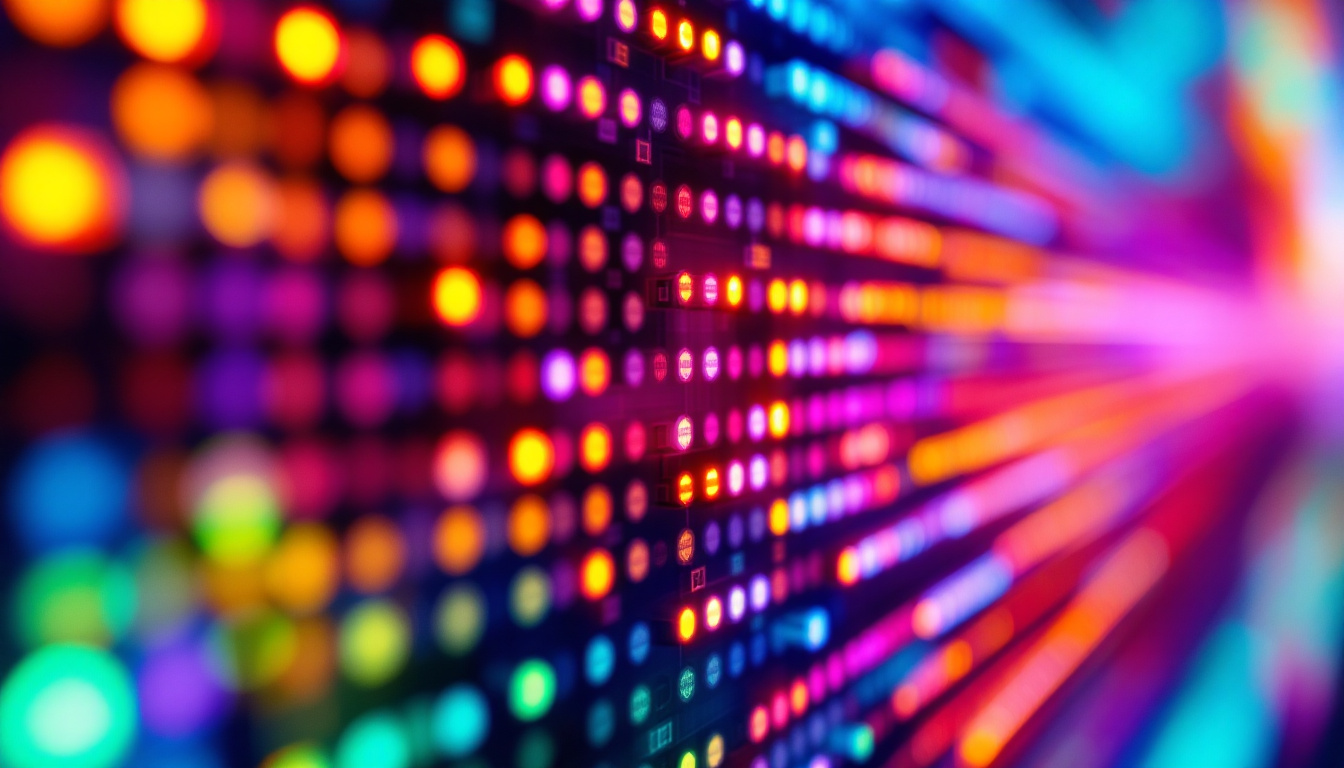
Each pixel in an LED display is composed of red, green, and blue (RGB) diodes. By varying the intensity of these three colors, the display can produce a full spectrum of colors. The control system manages the current supplied to each diode, enabling precise color reproduction and image clarity. This capability is particularly advantageous in applications where color accuracy is crucial, such as in digital signage and art installations, where the vibrancy of the displayed content can significantly impact viewer engagement.
Modern LED displays use surface-mounted device (SMD) technology, where LEDs are mounted directly onto circuit boards. This allows for higher pixel density and finer image resolution. Additionally, the use of advanced driver ICs and calibration techniques ensures uniform brightness and color consistency across the entire display surface. The integration of smart technology has also revolutionized LED displays, enabling features such as remote monitoring and real-time content updates, which are increasingly essential in dynamic advertising environments. As a result, businesses can adapt their messaging quickly to reflect changing promotions or events, maximizing their outreach and effectiveness.
Applications of LED Displays
Outdoor Advertising and Digital Billboards
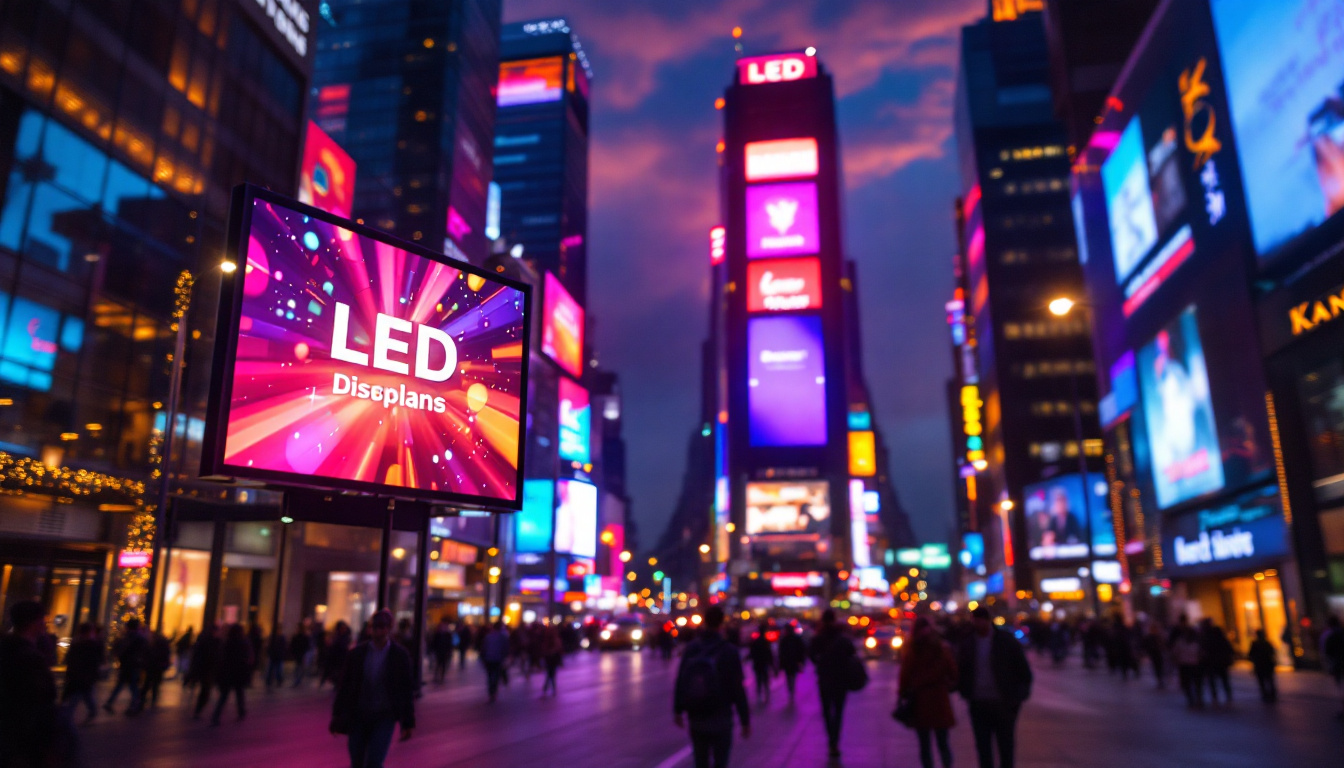
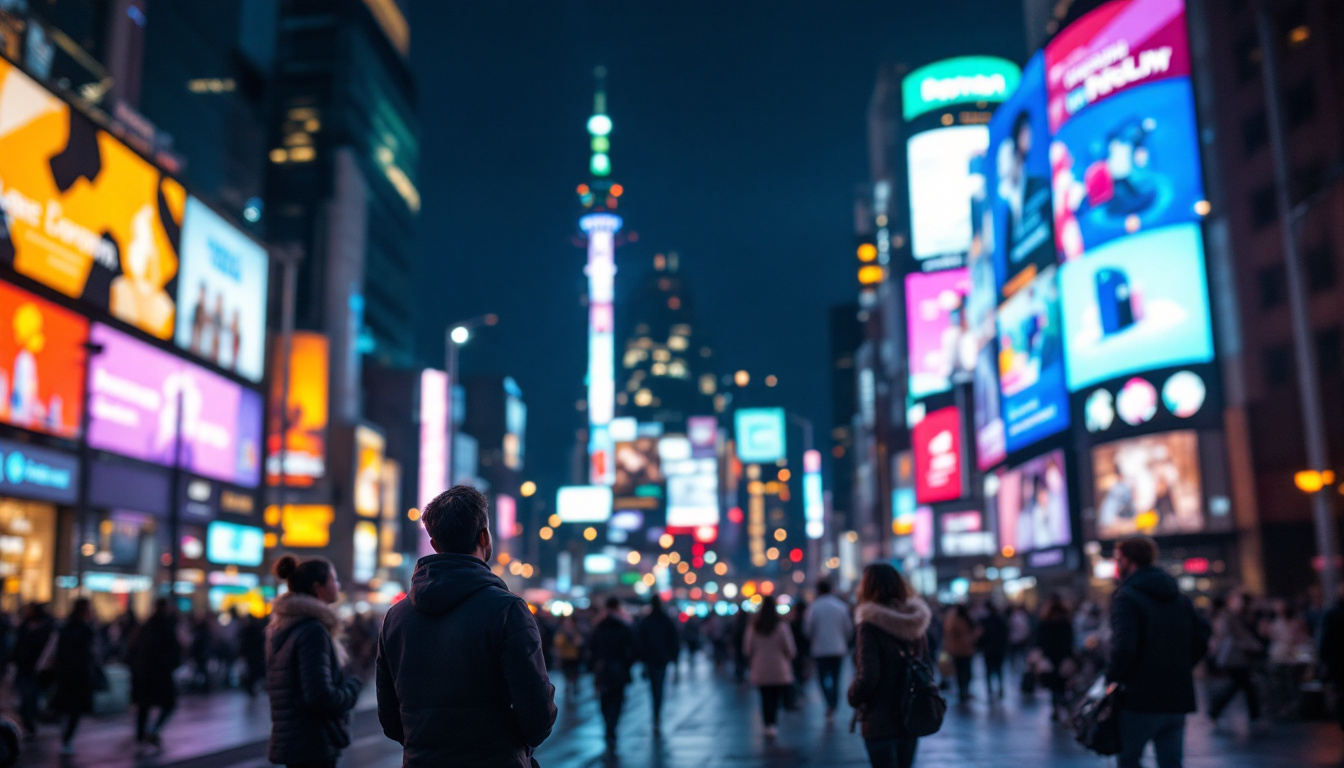
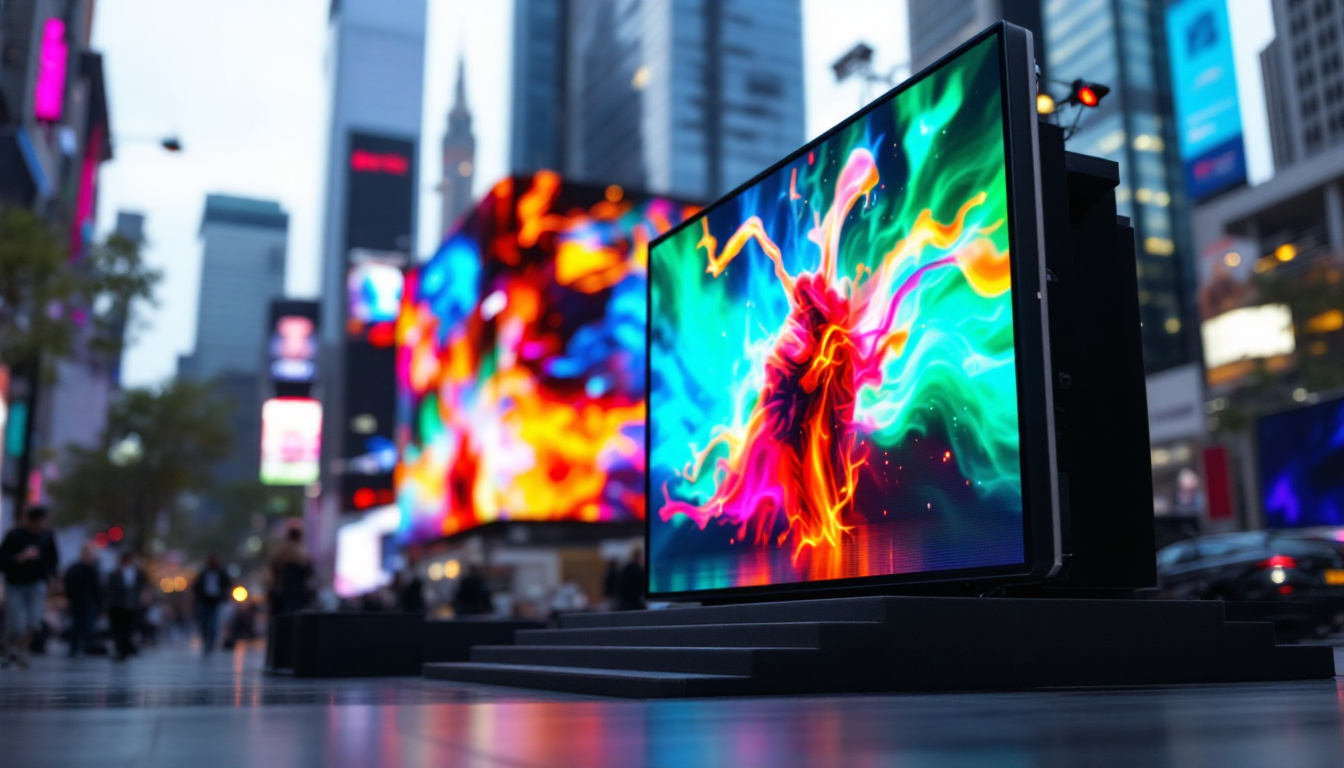
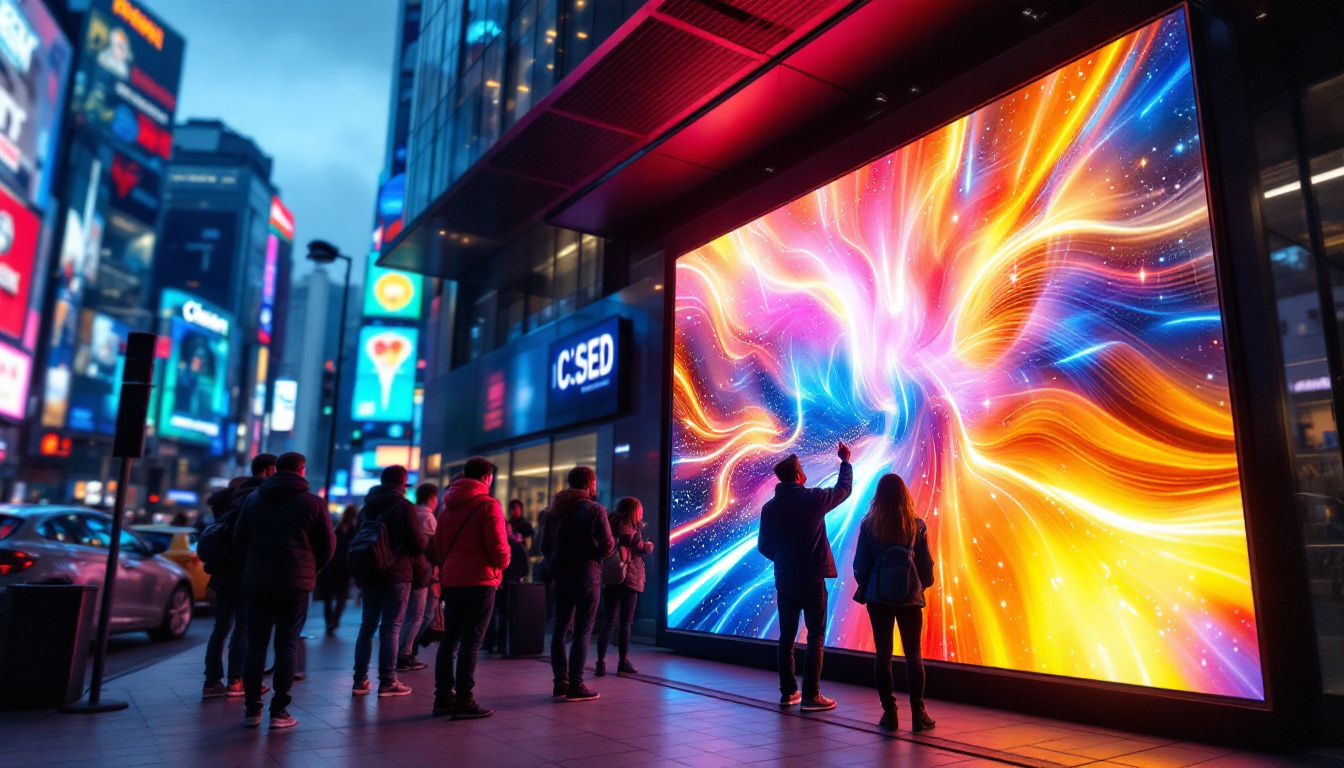
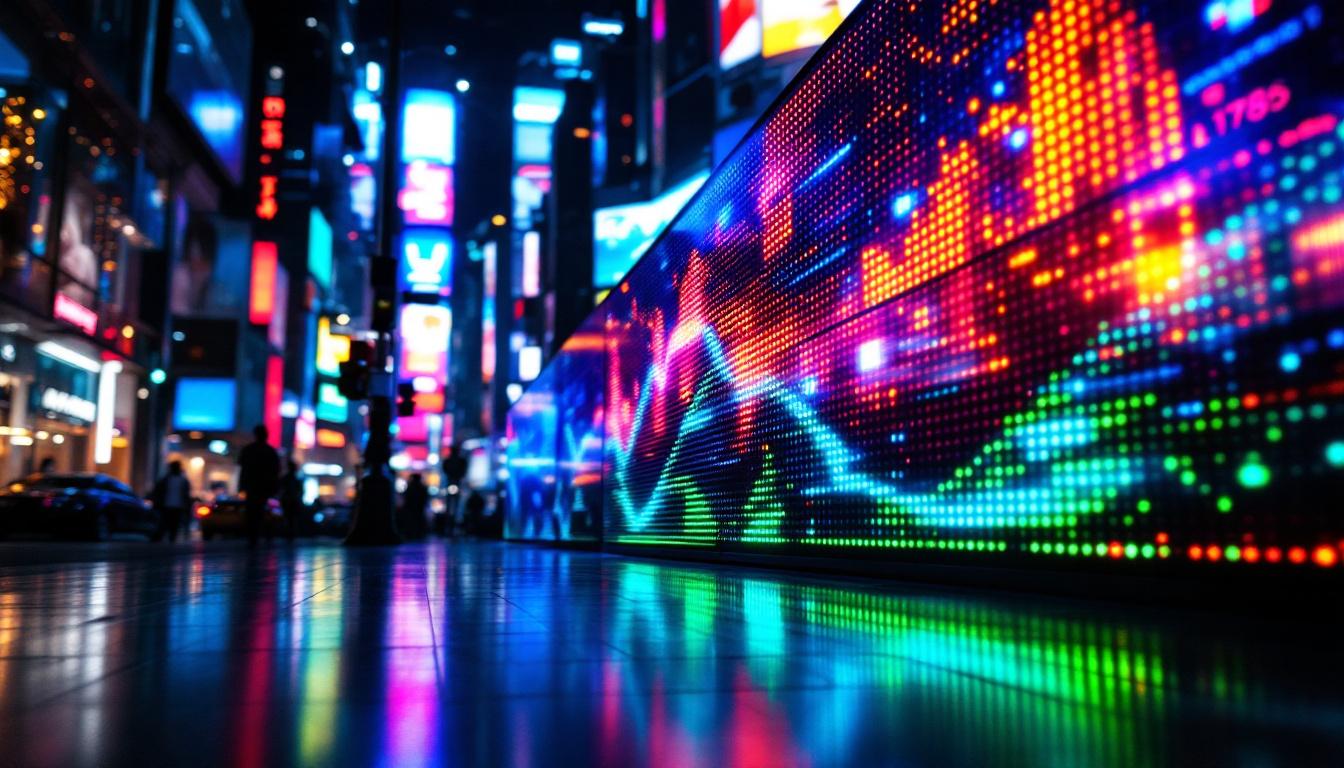
One of the most visible uses of LED displays is in outdoor advertising. Digital billboards equipped with LED technology offer advertisers the ability to display dynamic content that can be updated in real-time. According to the Outdoor Advertising Association of America, digital out-of-home advertising revenue surpassed $4 billion in 2023, with LED billboards accounting for a significant portion of this growth.
The high brightness and weather resistance of LED displays make them ideal for outdoor environments. They maintain visibility even under direct sunlight and can withstand harsh weather conditions, ensuring uninterrupted operation throughout the year. Furthermore, the ability to rotate advertisements at set intervals allows for multiple brands to share a single billboard space, maximizing exposure and revenue potential. This flexibility not only benefits advertisers but also enhances the visual landscape of urban areas, transforming static environments into vibrant, engaging spaces that capture the attention of passersby.
Sports Arenas and Event Venues
LED displays have revolutionized the spectator experience in sports and entertainment venues. Large LED screens provide live game footage, instant replays, and interactive content that engage audiences more effectively than traditional static signage. For example, the AT&T Stadium in Texas features one of the world’s largest center-hung LED video boards, measuring over 160 feet wide and 72 feet tall.
Beyond enhancing viewer engagement, these displays also offer venues new revenue streams through targeted advertising and sponsorship opportunities. The flexibility of LED technology allows for customized shapes and configurations, adapting to the unique architectural requirements of each venue. Moreover, the integration of augmented reality (AR) with LED displays is beginning to emerge, allowing fans to experience games in entirely new ways. For instance, during halftime shows, interactive graphics can be projected onto the field, creating a captivating spectacle that keeps audiences entertained and engaged, even when the game is paused.
Corporate and Retail Environments
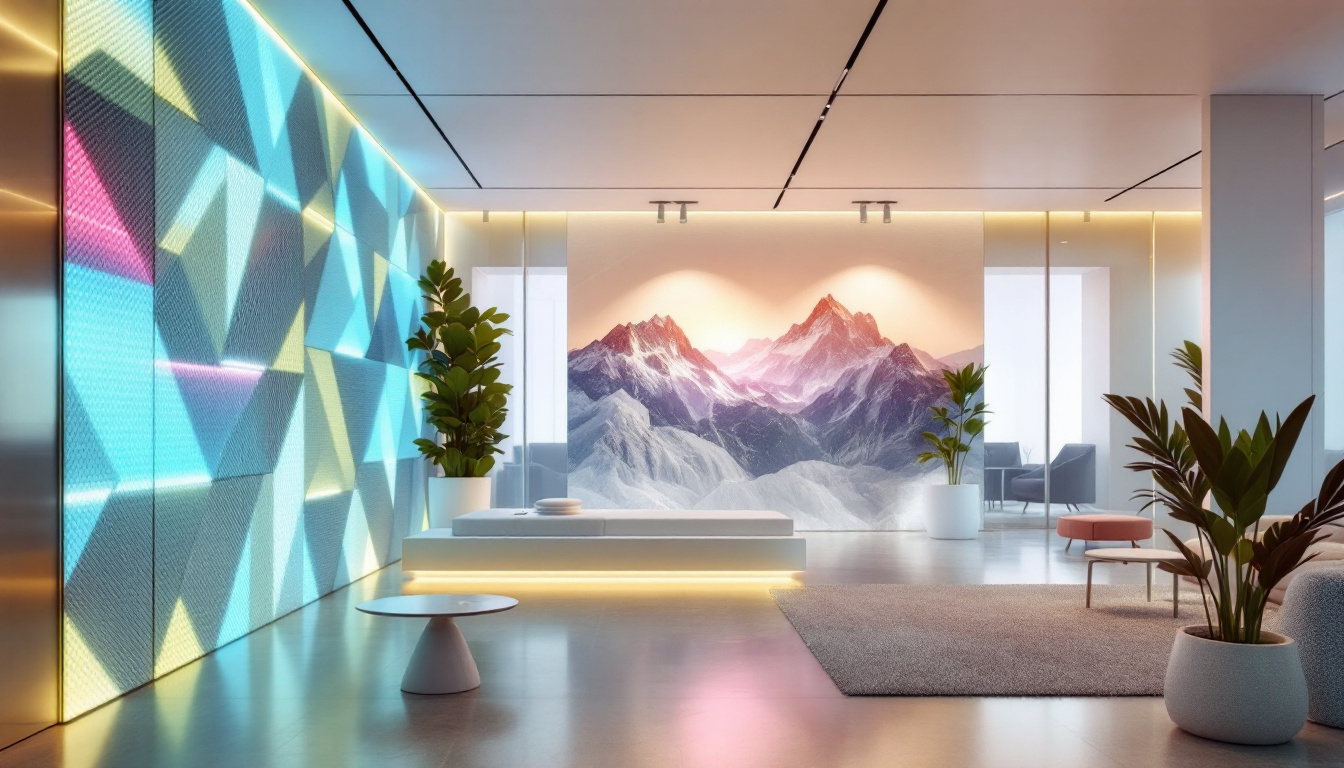
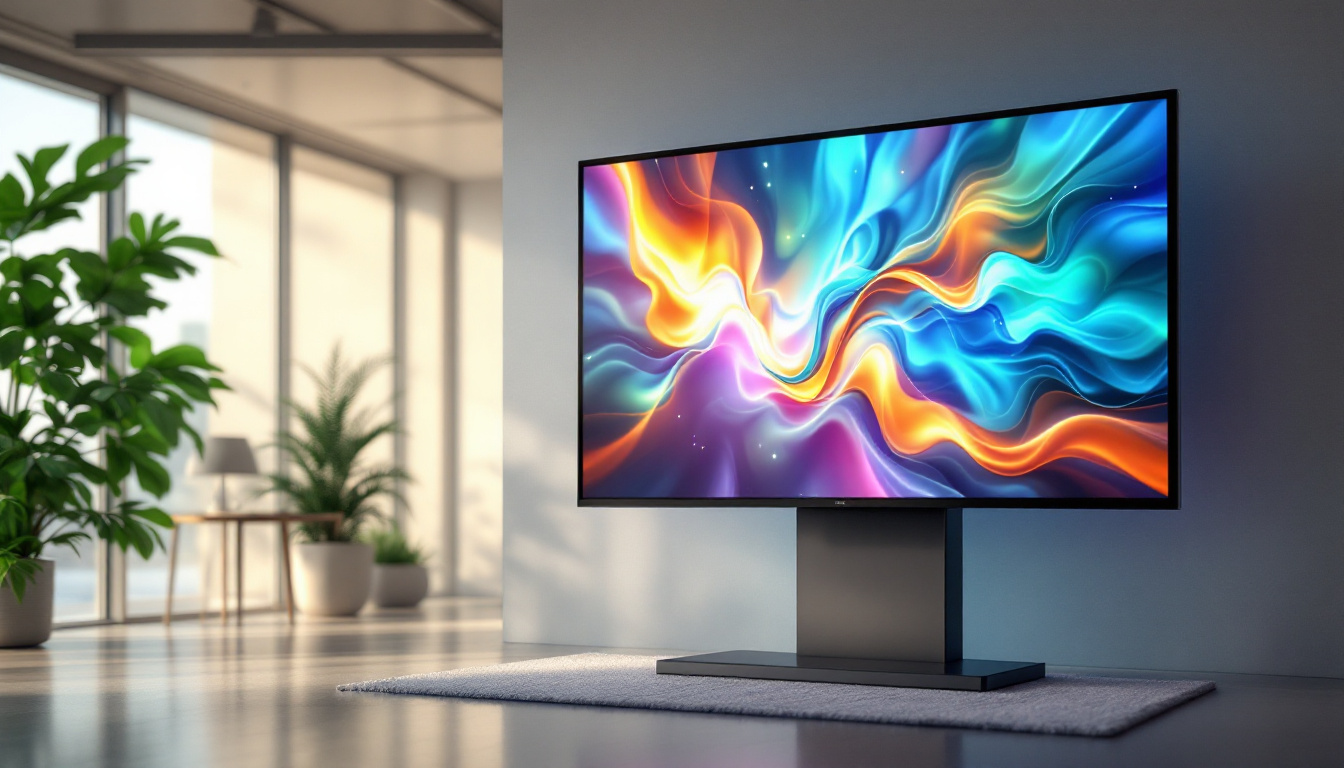
In corporate settings, LED displays are commonly used for presentations, video conferencing, and digital signage. Their ability to deliver high-resolution content with vivid colors makes them suitable for boardrooms, lobbies, and trade shows. Retailers leverage LED displays to create immersive shopping experiences, showcasing promotions and product information dynamically.
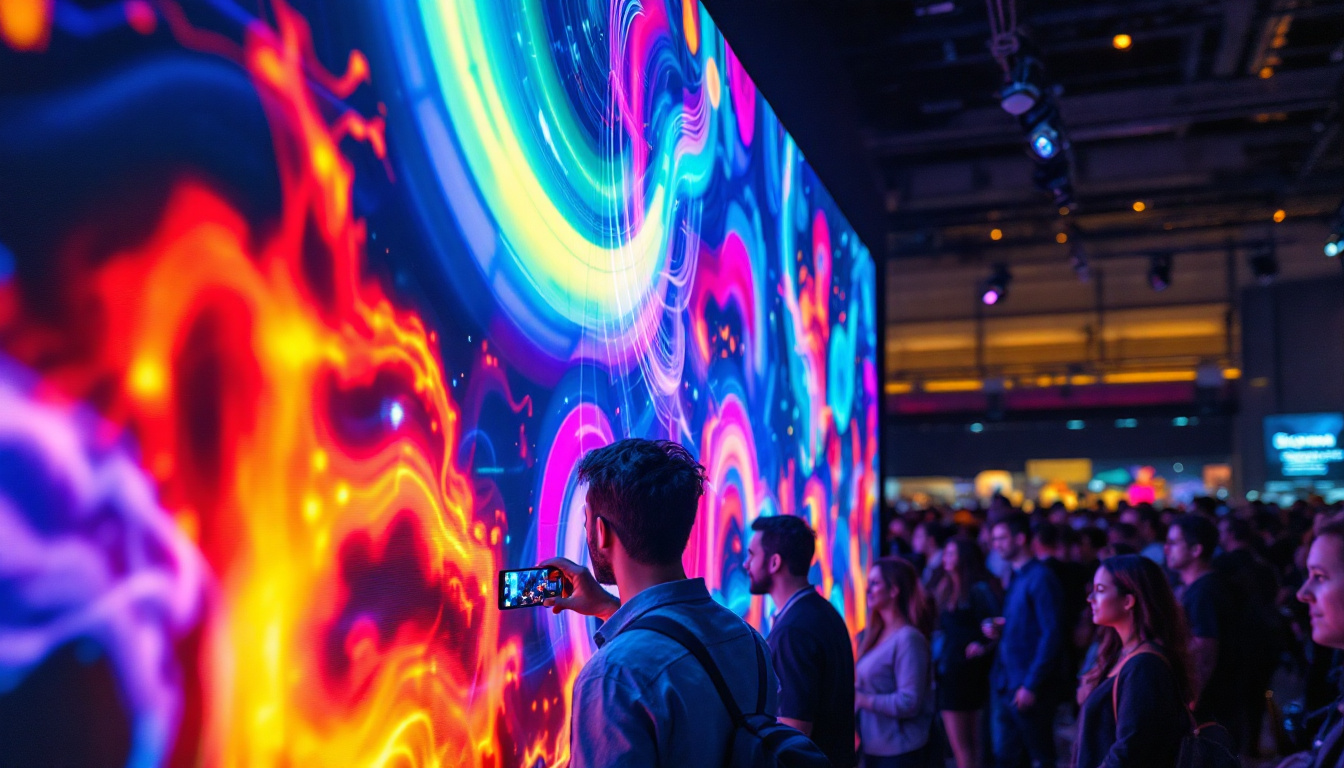
Interactive LED walls and video floors are becoming increasingly popular in retail environments, enabling brands to captivate customers and differentiate themselves in competitive markets. The integration of LED displays with IoT and AI technologies further enhances their functionality, allowing for personalized content delivery based on customer behavior. For instance, smart displays can analyze foot traffic patterns and adjust the content being shown in real-time, ensuring that the most relevant promotions reach the right audience at the right moment. This level of interactivity not only boosts sales but also fosters a deeper connection between consumers and brands, paving the way for innovative marketing strategies that resonate with today’s tech-savvy shoppers.
Advantages of LED Displays Over Other Technologies
Superior Brightness and Visibility
One of the primary advantages of LED displays is their exceptional brightness. Typical LED displays can achieve brightness levels of 1,000 to 5,000 nits, far surpassing LCD and plasma screens. This makes them highly effective in outdoor and brightly lit indoor environments where visibility is crucial.
Moreover, LED displays maintain consistent brightness and color accuracy over time, thanks to advancements in LED chip design and thermal management. This durability reduces maintenance costs and extends the lifespan of the display.
Energy Efficiency and Environmental Impact
LED technology is known for its energy efficiency. LEDs consume significantly less power compared to traditional lighting and display technologies, contributing to lower operational costs and reduced carbon footprints. For instance, a direct view LED display can use up to 50% less energy than an equivalent LCD screen with backlighting.
Additionally, LED displays do not contain hazardous materials such as mercury, which is found in some other display types. This makes them more environmentally friendly and easier to recycle at the end of their lifecycle.
Flexibility and Customization
LED displays offer unparalleled flexibility in terms of size, shape, and resolution. They can be manufactured as small as a few inches for indoor use or scaled up to cover entire building facades. Curved, flexible, and transparent LED panels are now commercially available, opening new possibilities for architectural integration and creative design.
This adaptability allows businesses and event organizers to tailor their visual communication strategies precisely to their needs, enhancing audience engagement and brand impact.
Challenges and Considerations When Using LED Displays
Initial Investment and Installation Complexity
While LED displays offer long-term benefits, the initial cost of acquisition and installation can be substantial. High-resolution LED panels, especially those designed for outdoor use, require significant capital investment. Additionally, installation often involves specialized labor and infrastructure, including mounting structures, power supply, and data cabling.
Organizations must carefully evaluate their budget and project scope to ensure a favorable return on investment. Partnering with experienced suppliers and installers can mitigate risks and optimize deployment efficiency.
Maintenance and Operational Requirements
LED displays require regular maintenance to sustain optimal performance. This includes cleaning, calibration, and occasional repairs of individual LED modules. Environmental factors such as dust, moisture, and temperature fluctuations can affect display longevity if not properly managed.
Advanced monitoring systems are now integrated into many LED displays, enabling real-time diagnostics and predictive maintenance. These technologies help reduce downtime and extend the operational lifespan of the display.
Content Management and Software Integration
Effective use of LED displays depends heavily on content management systems (CMS) that control what is shown and when. Selecting a CMS that supports scheduling, remote updates, and multi-display synchronization is critical for maximizing the impact of LED signage.
Moreover, integrating LED displays with other digital platforms, such as social media feeds or IoT devices, can enhance interactivity and audience engagement. However, this requires technical expertise and ongoing content strategy development.
The Future of LED Display Technology
Mini-LED and Micro-LED Innovations
Emerging technologies like Mini-LED and Micro-LED are poised to redefine the LED display landscape. Mini-LEDs use smaller diodes to increase pixel density and improve contrast ratios, while Micro-LEDs offer even greater resolution and energy efficiency by eliminating the need for backlighting altogether.
These advancements promise displays with superior image quality, thinner form factors, and lower power consumption, making them ideal for both consumer electronics and large-scale commercial applications.
Integration with Augmented Reality and AI
The convergence of LED displays with augmented reality (AR) and artificial intelligence (AI) is creating new interactive experiences. For example, smart LED walls can respond to audience movements or facial expressions, delivering personalized content in real-time.
AI-powered analytics enable advertisers and event organizers to optimize messaging based on viewer demographics and engagement patterns, increasing the effectiveness of digital signage campaigns.
Sustainability and Circular Economy Initiatives
As sustainability becomes a priority across industries, LED display manufacturers are focusing on eco-friendly materials and circular economy principles. This includes designing displays for easy disassembly, recycling, and reuse of components.
Energy-efficient operation combined with responsible end-of-life management will be key factors in the widespread adoption of LED displays in the coming decade.
Conclusion
LED displays have firmly established themselves as a versatile and powerful medium for visual communication across diverse sectors. Their superior brightness, energy efficiency, and adaptability make them an attractive choice for advertisers, event organizers, corporations, and retailers alike.
Understanding the technology behind LED displays, their applications, benefits, and challenges is essential for making informed decisions about deployment and content strategy. As innovations like Mini-LED, Micro-LED, and AI integration continue to evolve, the potential of LED displays to captivate and engage audiences will only grow stronger.
Investing in LED display technology today means embracing a future where dynamic, immersive, and sustainable visual experiences become the norm.
Explore the Future of Visual Communication with LumenMatrix
Ready to elevate your visual messaging with cutting-edge LED display technology? Discover LumenMatrix’s comprehensive range of LED display solutions, from vibrant Indoor and Outdoor LED Wall Displays to dynamic Vehicle and Sports LED Displays. Whether you’re looking to create an immersive retail environment with our Floor LED Displays or make a bold statement with Custom and All-in-One LED Displays, LumenMatrix is your partner in revolutionizing visual communication. Experience the clarity, impact, and engagement of our LED Transparent Displays and take the first step towards transforming your space. Check out LumenMatrix LED Display Solutions and join the forefront of digital signage innovation.