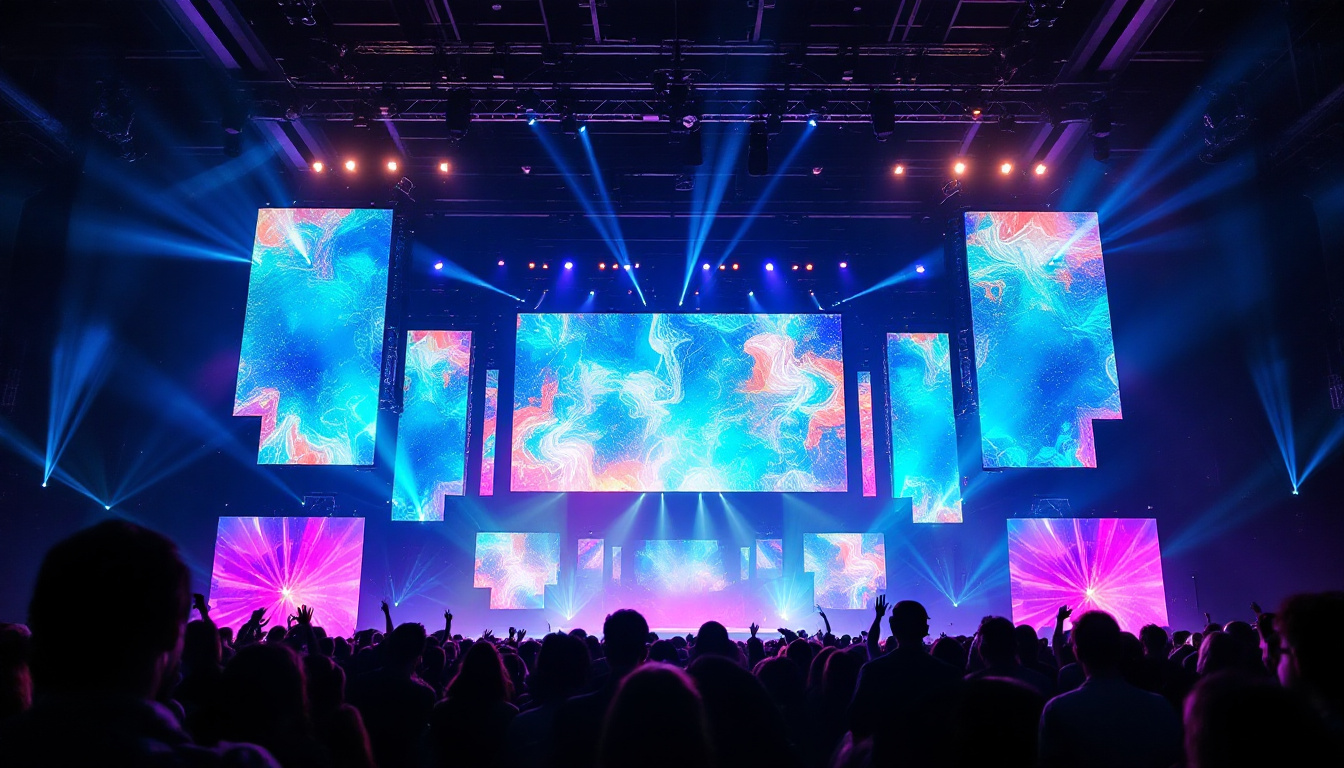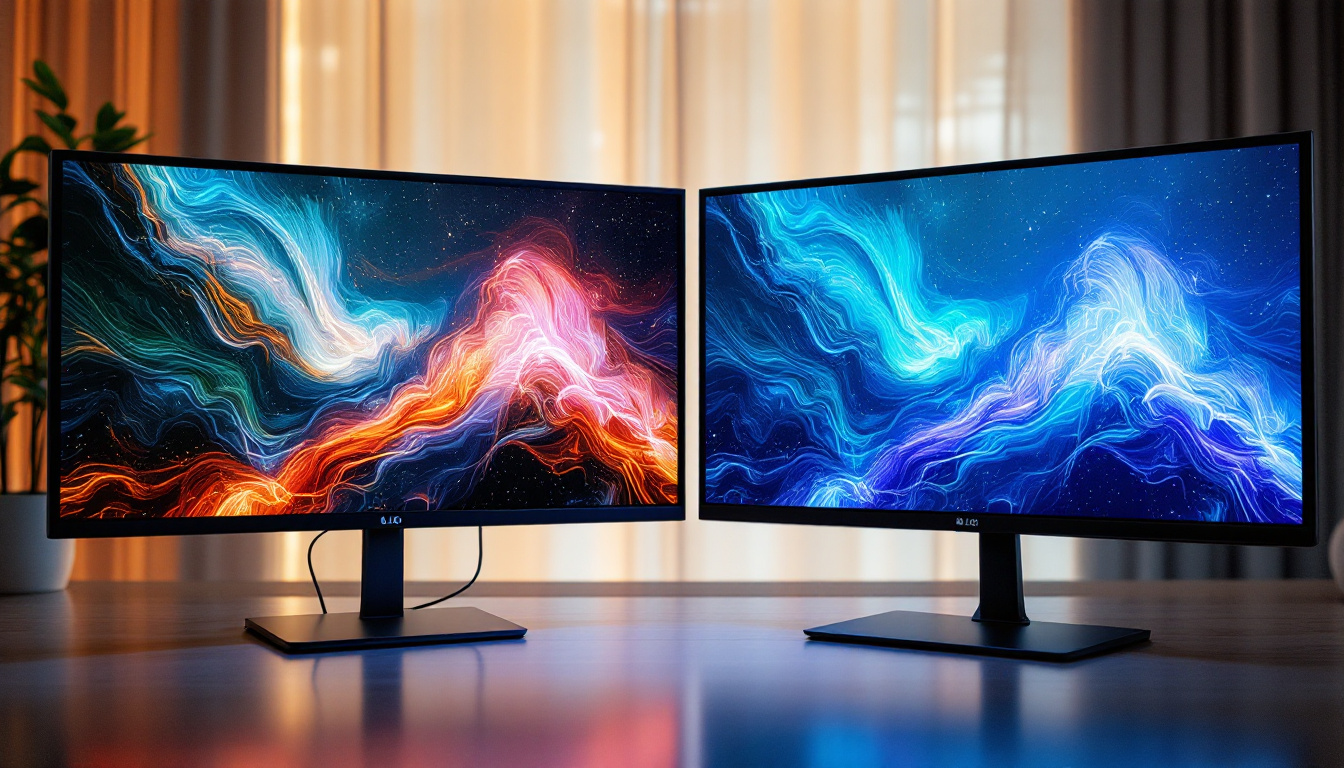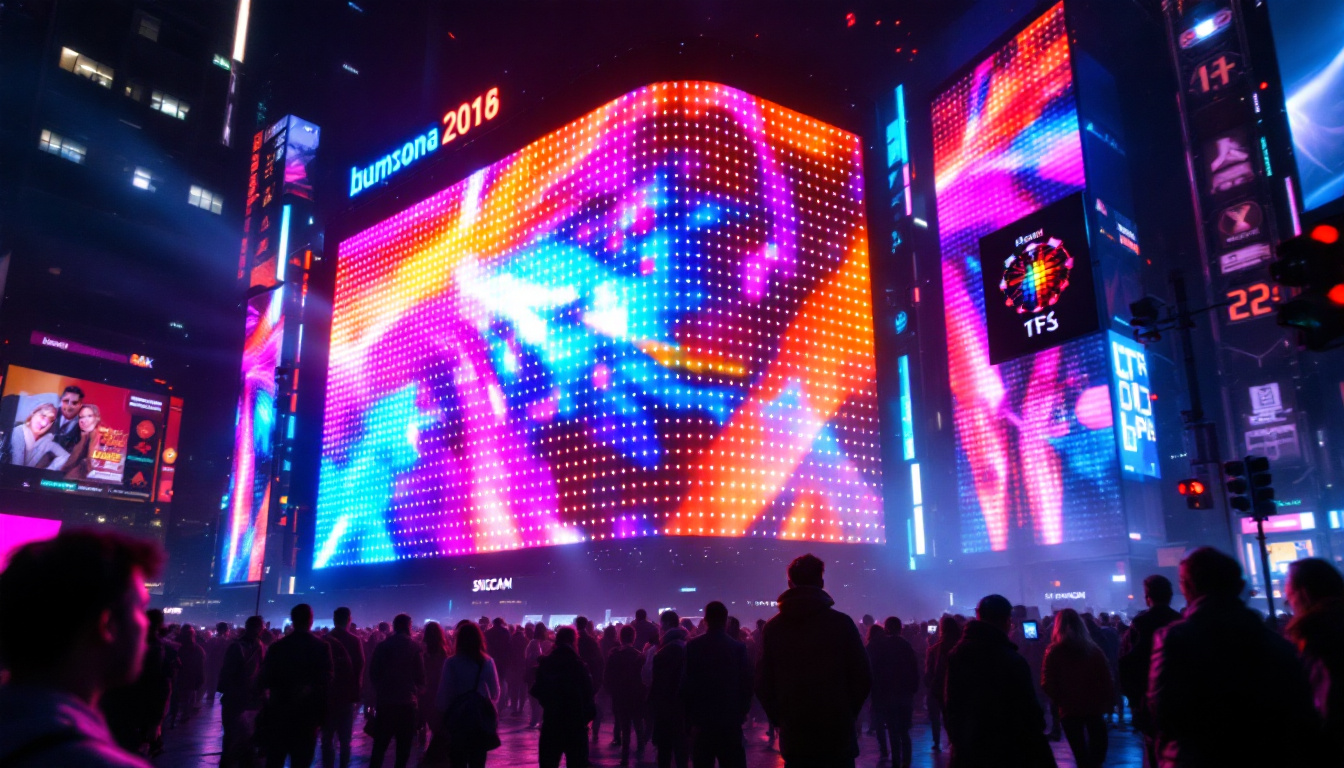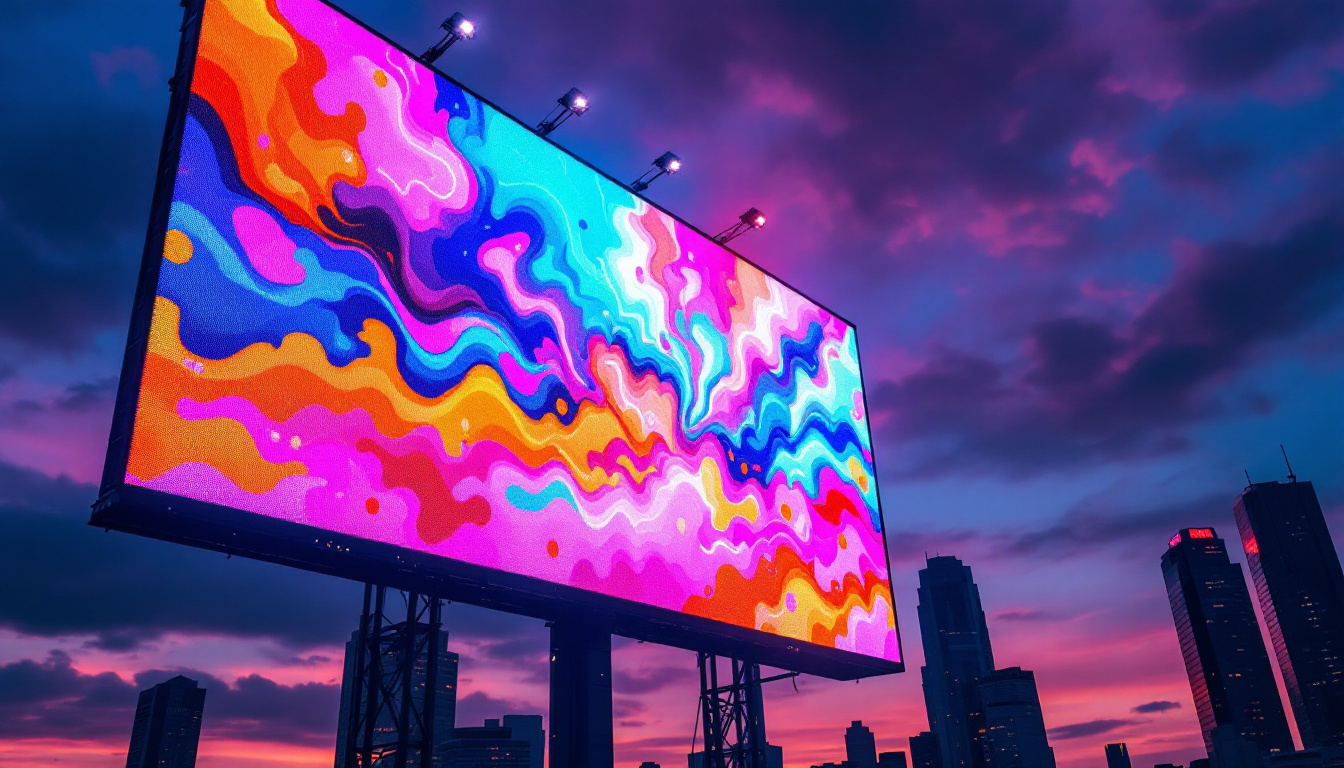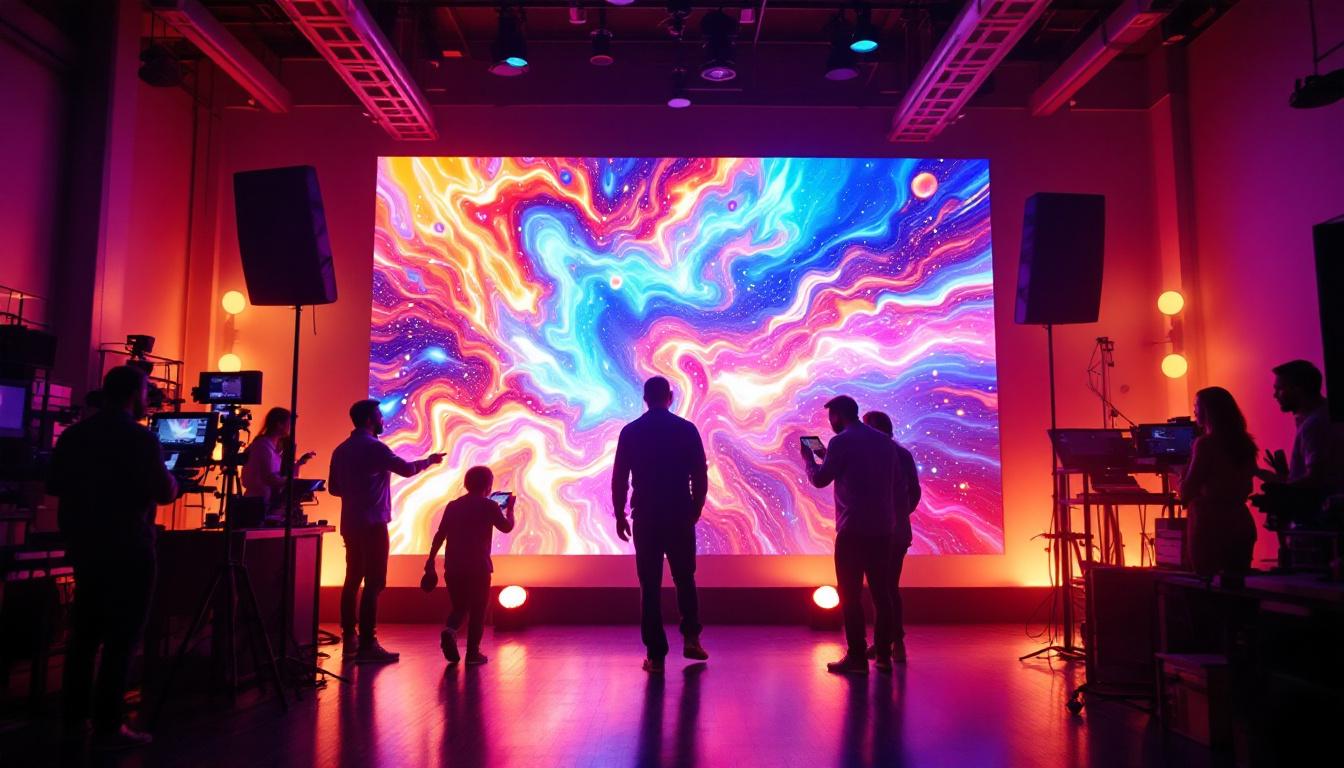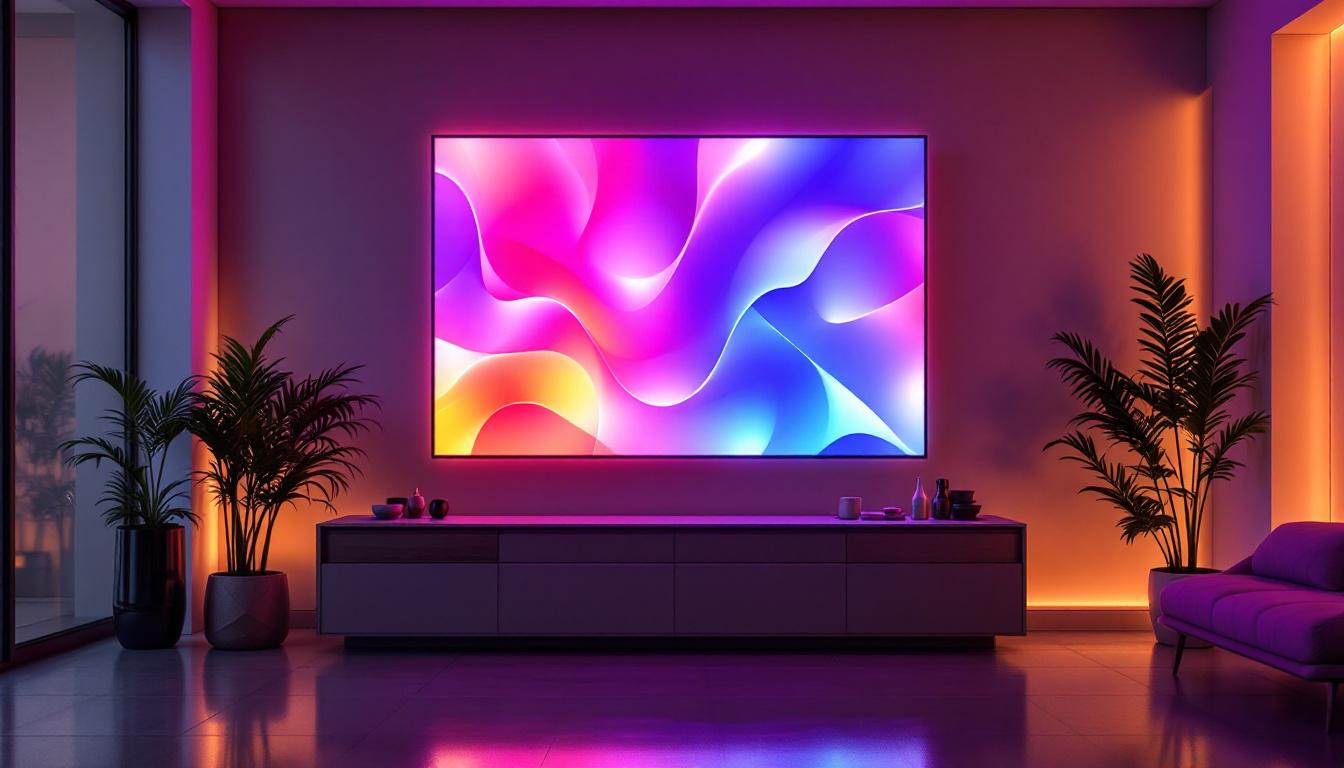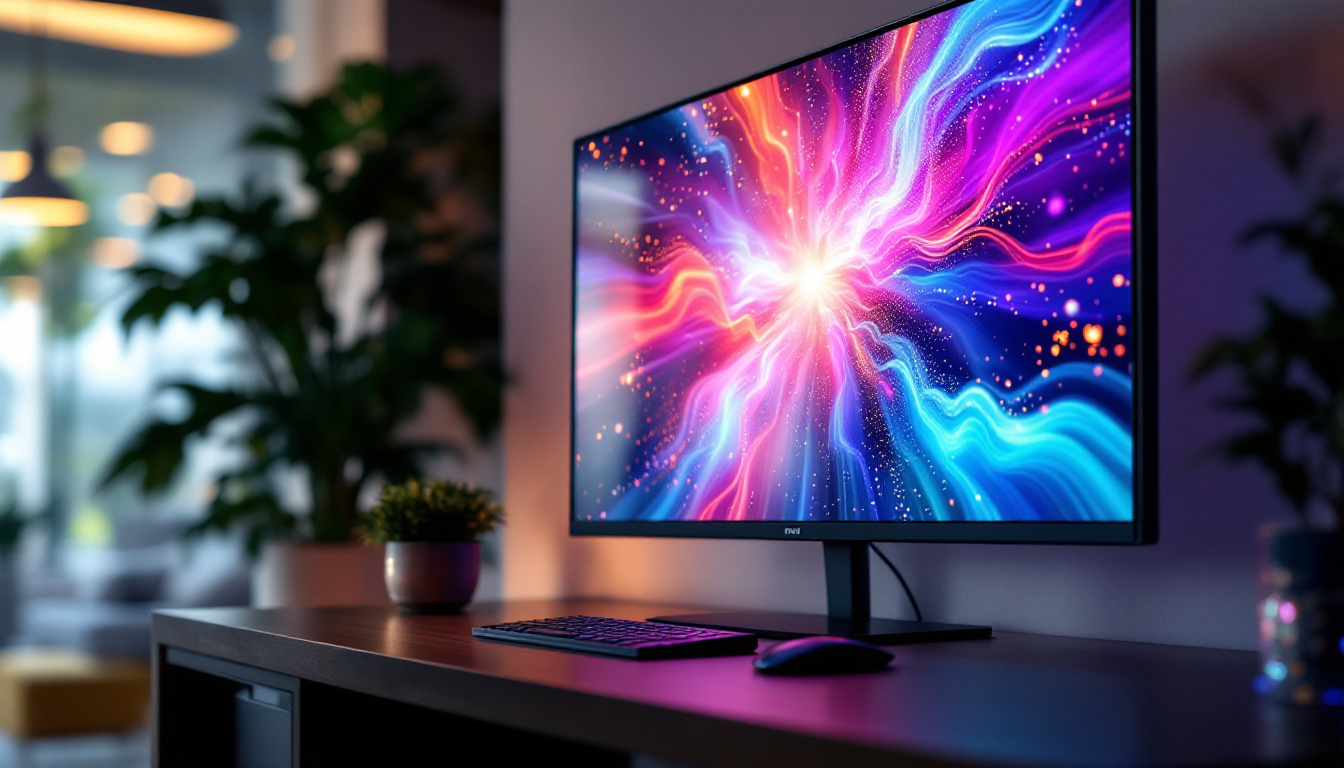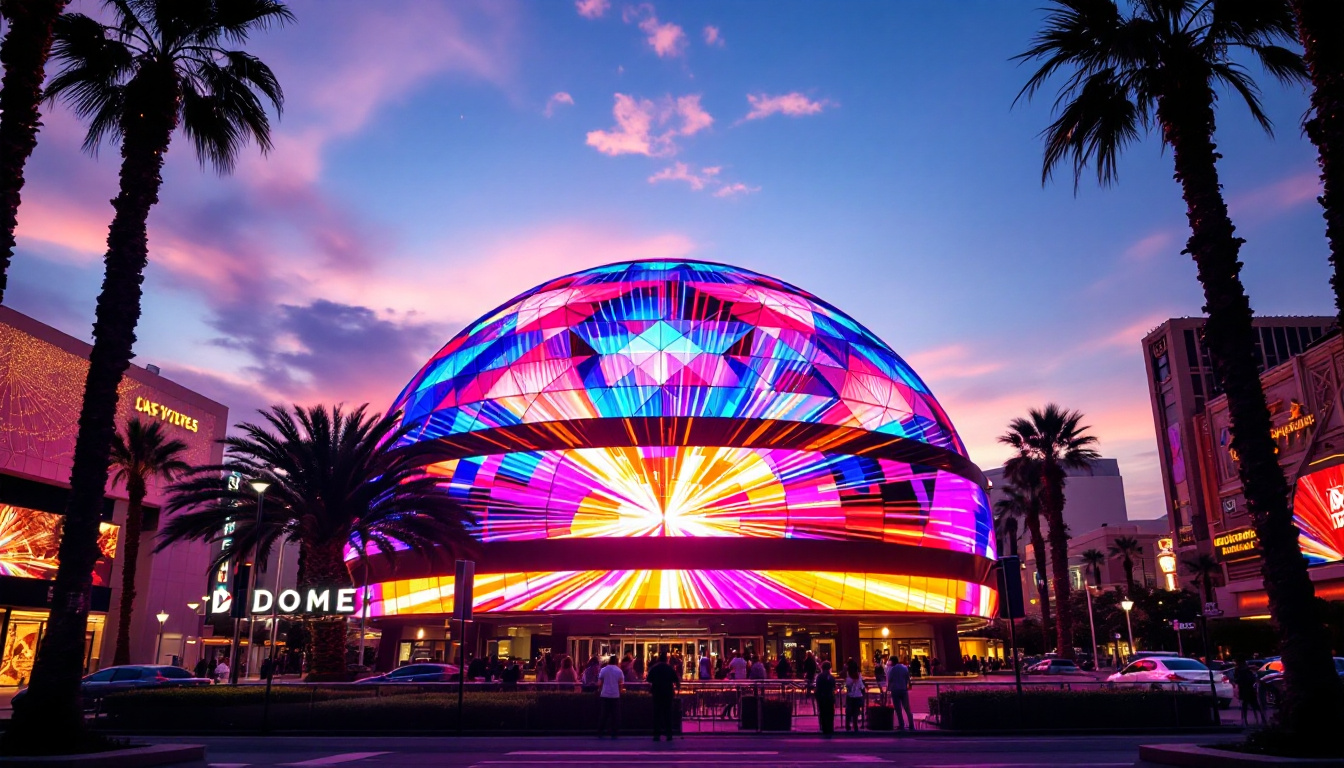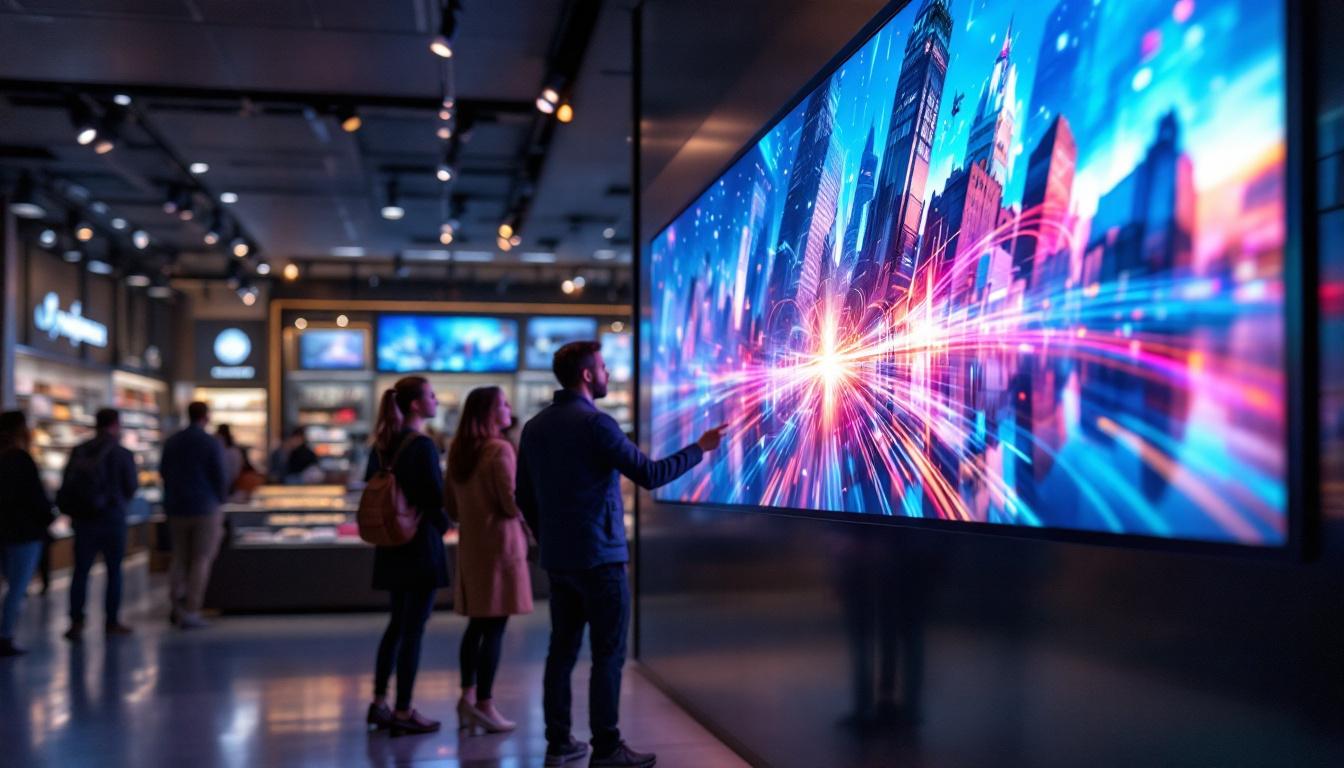
In the rapidly evolving retail landscape, digital screens have become a cornerstone of modern customer engagement. Among the various display technologies available, LED displays stand out for their brightness, versatility, and energy efficiency. This article explores the fundamentals of LED displays, their advantages in retail environments, and how retailers can leverage this technology to enhance customer experience and drive sales.
Understanding LED Display Technology
LED, or Light Emitting Diode, displays are composed of tiny semiconductor devices that emit light when an electric current passes through them. Unlike traditional LCD or plasma screens, LED displays use these diodes as individual pixels, which can be controlled to produce vibrant images and videos with exceptional clarity and brightness. The technology has evolved significantly over the years, leading to displays that not only enhance visual experiences but also offer energy efficiency and longevity compared to their predecessors.
There are two primary types of LED displays used in retail: direct view LED and LED-backlit LCD. Direct view LED displays consist entirely of LEDs that form the image, offering superior brightness and wider viewing angles. LED-backlit LCDs, on the other hand, use LEDs as a backlight source behind an LCD panel. While both have their applications, direct view LEDs are increasingly favored for large-format retail signage due to their scalability and visual impact. This shift is largely driven by the need for eye-catching displays that can attract customers in a competitive marketplace, where first impressions often dictate purchasing decisions.
How LED Displays Work
Each LED pixel can emit red, green, and blue light, which combine to create a full spectrum of colors. By adjusting the intensity of each color, the display can render detailed images and videos. The modular nature of LED panels allows for flexible screen sizes and shapes, making them ideal for customized retail installations. This adaptability enables retailers to create immersive environments, such as video walls that wrap around corners or dynamic displays that change shape according to the marketing campaign. Moreover, advancements in technology have led to improved color accuracy and contrast ratios, ensuring that the visuals are not only striking but also true to life.
Key Specifications to Know
When selecting an LED display for retail, several technical specifications are important:
- Pixel Pitch: The distance between the centers of two adjacent pixels. Smaller pixel pitches provide higher resolution and sharper images, suitable for close viewing distances.
- Brightness: Measured in nits, brightness determines visibility in various lighting conditions. Retail environments with strong ambient light require displays with at least 1,000 nits.
- Refresh Rate: The frequency at which the display updates its image, measured in hertz (Hz). Higher refresh rates reduce flicker and improve video smoothness.
- Viewing Angle: The maximum angle at which the display can be viewed without significant color or brightness distortion.
Additionally, it is essential to consider the durability and environmental rating of the display, especially for outdoor installations. Many LED displays are designed to withstand harsh weather conditions, featuring protective coatings and robust housing that can endure rain, wind, and extreme temperatures. This resilience not only extends the lifespan of the display but also ensures consistent performance, making it a reliable choice for retailers looking to invest in long-term advertising solutions. Furthermore, the integration of smart technology into LED displays allows for real-time content updates and remote management, enhancing operational efficiency and enabling businesses to respond quickly to market trends.
The Role of LED Displays in Retail Environments
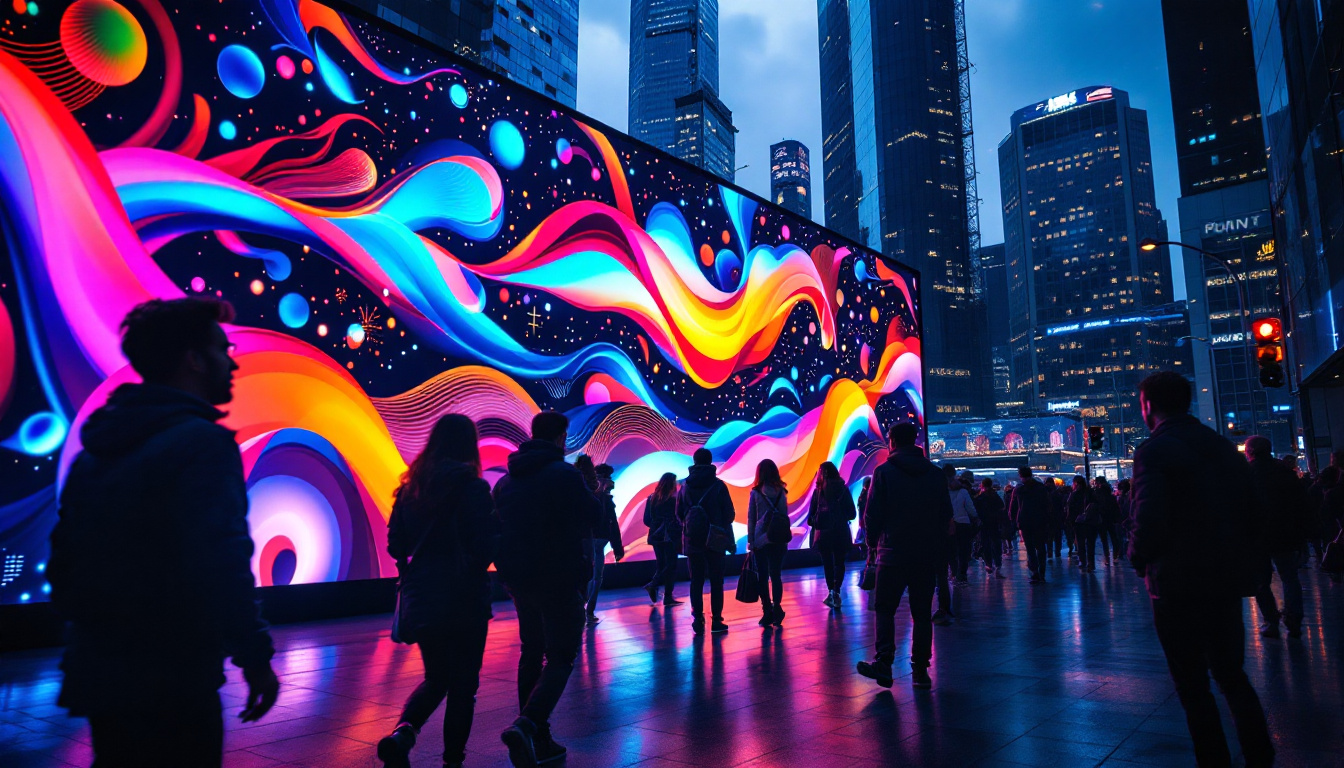
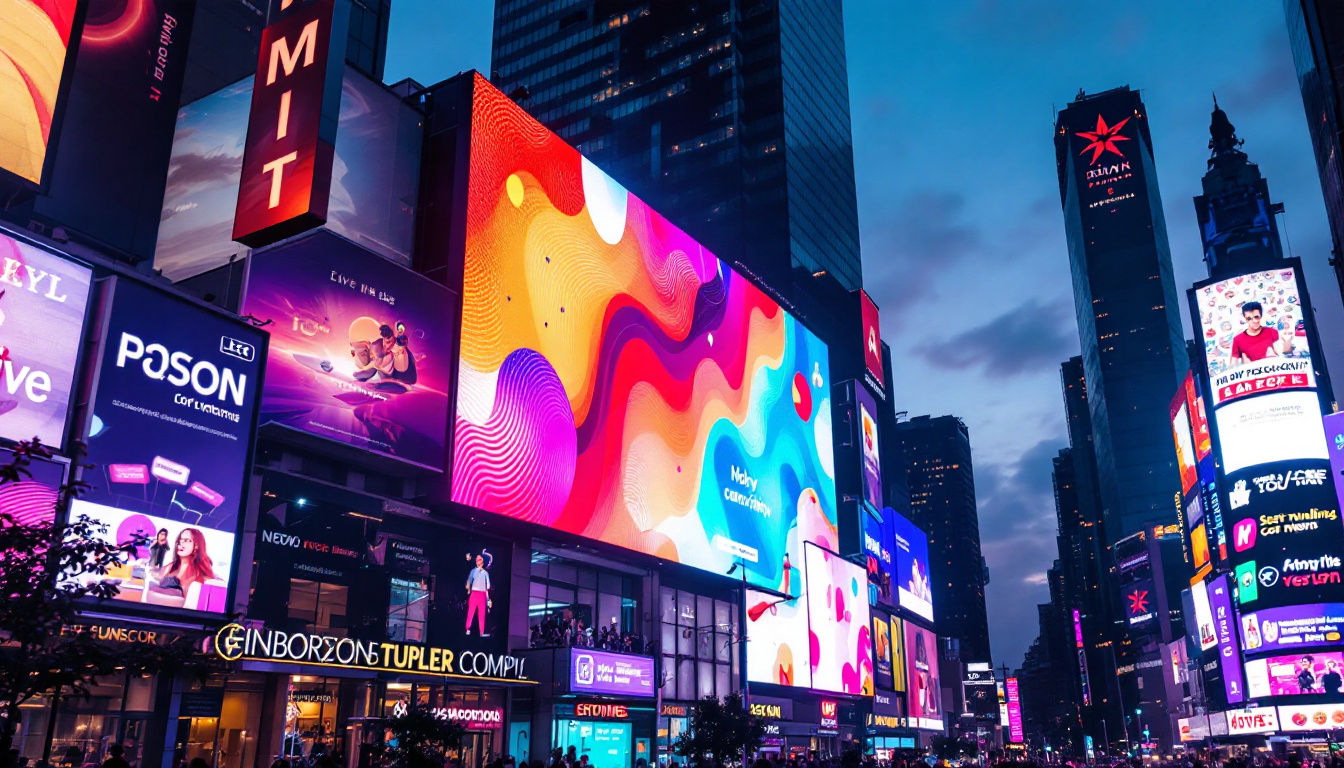
Retailers are increasingly adopting LED displays to create dynamic, engaging environments that capture customer attention and convey brand messaging effectively. The flexibility and visual impact of LED technology make it a powerful tool for both in-store and outdoor applications.
Enhancing Customer Engagement
LED displays enable retailers to showcase vibrant promotional content, product information, and interactive experiences. Studies indicate that digital signage can increase customer dwell time by up to 30%, which correlates with higher purchase rates. By delivering targeted, visually appealing content, retailers can influence shopper behavior and improve the overall shopping experience. The interactive capabilities of these displays can also encourage customers to engage with the content, such as participating in polls, contests, or even navigating through product catalogs. This level of interactivity not only entertains but also informs customers, making their shopping journey more enjoyable and personalized.
Driving Sales Through Dynamic Content
Dynamic digital signage allows for real-time updates, enabling retailers to promote flash sales, new arrivals, or seasonal campaigns instantly. For example, a clothing store can highlight trending items or suggest outfit combinations using video content, encouraging impulse purchases. According to the Digital Signage Federation, 80% of retailers report increased sales after implementing digital signage solutions. Furthermore, the ability to tailor content based on time of day or customer demographics ensures that the messaging remains relevant and engaging, maximizing the potential for conversions. Retailers can also integrate social media feeds into their displays, showcasing user-generated content and reviews that can further enhance credibility and attract new customers.
Branding and Store Atmosphere
Beyond promotions, LED displays contribute to brand storytelling and ambiance. High-resolution screens can display immersive visuals that align with brand identity, creating memorable in-store experiences. This emotional connection can foster customer loyalty and differentiate retailers in competitive markets. For instance, a luxury brand might use LED displays to showcase behind-the-scenes footage of their craftsmanship, while a tech retailer could feature interactive demos of their latest gadgets. Additionally, LED displays can be strategically placed to guide customers through the store, enhancing navigation and ensuring that shoppers discover key products. The integration of ambient lighting and sound with LED displays can further elevate the shopping experience, transforming a simple retail space into an engaging environment that resonates with customers long after they leave.
Types of LED Displays Used in Retail
Retailers can choose from a variety of LED display formats, each suited to different applications and budgets.
Indoor LED Displays
Indoor LED displays are designed for controlled lighting environments and typically feature smaller pixel pitches (1.2mm to 4mm) to deliver crisp images at close range. These are ideal for digital shelf labels, menu boards, video walls, and interactive kiosks. Their slim profiles and modular design allow seamless integration into store interiors.
Outdoor LED Displays
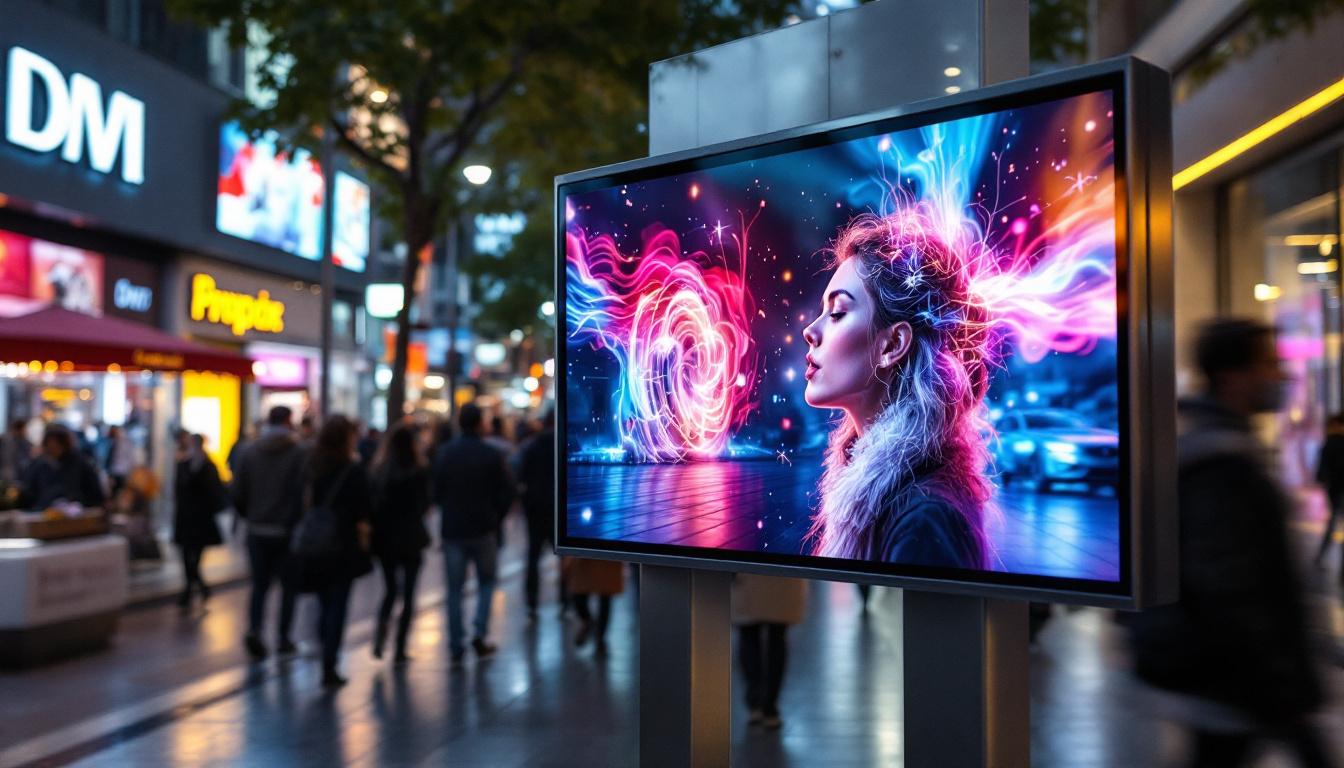
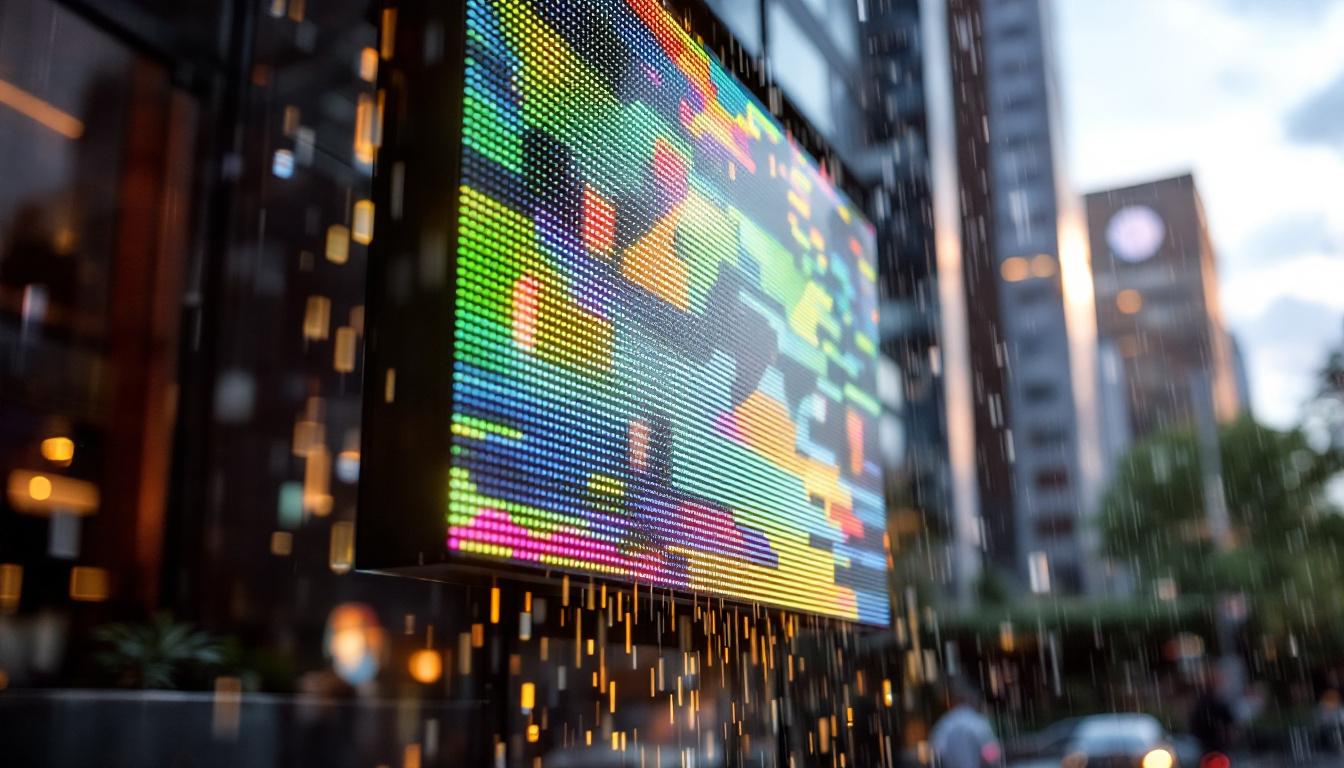
Outdoor LED screens are built to withstand weather conditions and provide high brightness levels (up to 7,000 nits or more) for visibility in direct sunlight. Common uses include storefront signage, billboards, and wayfinding displays. Their robust construction ensures durability while maintaining vibrant image quality.
Transparent LED Displays
Transparent LED displays are an innovative solution that allows retailers to maintain window visibility while displaying digital content. These screens consist of LED strips embedded in glass panels, offering up to 70% transparency. They are particularly effective for storefront windows, blending physical products with digital messaging to attract passersby.
Benefits of LED Displays in Retail
LED displays offer numerous advantages over traditional signage and other digital display technologies, making them a compelling choice for retailers.
Superior Visual Quality
LED displays deliver bright, vibrant images with excellent contrast ratios, ensuring content is visible from various distances and angles. This visual clarity enhances message retention and customer engagement.
Energy Efficiency and Longevity
Compared to older display technologies, LEDs consume less power and have longer lifespans, reducing operational costs. Typical LED displays can operate for over 100,000 hours, minimizing maintenance and replacement expenses.
Flexibility and Scalability
The modular design of LED panels allows retailers to customize screen sizes and shapes to fit unique spaces. Whether a small digital shelf label or a massive video wall, LED technology scales to meet diverse needs.
Real-Time Content Management
Integrated software platforms enable retailers to update content remotely and instantly, facilitating agile marketing strategies. This capability supports personalized promotions and timely communication.
Challenges and Considerations
While LED displays offer many benefits, retailers should be aware of certain challenges to optimize their investment.
Initial Investment Costs
High-quality LED displays can require significant upfront capital, especially for large or high-resolution installations. However, the long-term benefits often justify the expense through increased sales and lower maintenance.
Content Strategy and Management
Effective use of LED displays depends on compelling content and strategic planning. Retailers must invest in creative resources and content management systems to maximize impact.
Installation and Maintenance
Proper installation is critical to ensure optimal performance and longevity. Retailers should work with experienced providers to address technical requirements and ongoing maintenance.
Future Trends in LED Retail Displays
As technology advances, LED displays continue to evolve, offering new possibilities for retail environments.
Integration with Artificial Intelligence
AI-powered digital signage can analyze customer behavior and tailor content in real time, enhancing personalization and engagement. For instance, facial recognition and demographic analysis enable targeted promotions based on shopper profiles.
Interactive and Touch-Enabled Displays
Touchscreen LED displays facilitate interactive experiences, such as virtual try-ons, product customization, and self-service kiosks. These features improve customer satisfaction and streamline the shopping process.
Eco-Friendly Innovations
Manufacturers are developing more sustainable LED technologies with reduced environmental impact, aligning with growing consumer demand for eco-conscious retail practices.
Conclusion
LED displays have transformed the retail landscape by enabling dynamic, visually compelling customer interactions. Their superior brightness, flexibility, and energy efficiency make them an indispensable tool for modern retailers seeking to differentiate their brand and increase sales. By understanding the technology, selecting the right type of display, and implementing effective content strategies, retailers can harness the full potential of LED displays to create engaging, memorable shopping experiences.
As digital signage technology continues to advance, staying informed about emerging trends and innovations will be crucial for retailers aiming to maintain a competitive edge in an increasingly digital marketplace.
Explore Cutting-Edge LED Solutions with LumenMatrix
Ready to elevate your retail space with the latest in LED display technology? Discover LumenMatrix’s comprehensive range of innovative solutions, from Indoor and Outdoor LED Wall Displays to specialized options like Vehicle, Sports, and Floor LED Displays. Our mission is to revolutionize your visual communication, ensuring your message resonates with clarity and impact. Check out LumenMatrix LED Display Solutions today and transform your retail environment into a dynamic, customer-centric experience.