In the rapidly evolving world of digital signage and display technology, LED displays have become a cornerstone for delivering vibrant, high-quality visuals across various applications. Among the many specifications and terminologies associated with LED displays, the term “1.2 x 40” often appears, especially in product descriptions and technical datasheets. Understanding what “1.2 x 40” means is crucial for professionals in advertising, event management, retail, and other industries that rely on LED displays for impactful communication.
This article delves into the meaning behind “1.2 x 40” in the context of LED displays, exploring its technical implications, practical applications, and why it matters for anyone looking to invest in or operate LED screen technology.
Understanding LED Display Specifications
What Does “1.2 x 40” Mean?
The notation “1.2 x 40” in LED display terminology typically refers to the pixel pitch and the number of pixels or modules arranged horizontally or vertically. More specifically, the “1.2” usually denotes the pixel pitch measured in millimeters, while “40” refers to the number of pixels or modules along one dimension of the display.
Pixel pitch is the distance from the center of one LED cluster (or pixel) to the center of the next, measured in millimeters. A pixel pitch of 1.2 mm means that each pixel is spaced 1.2 millimeters apart. The smaller the pixel pitch, the higher the pixel density, which translates to better resolution and image clarity, especially at close viewing distances.
In this case, “40” could indicate the number of pixels in a row or column, depending on the context. For example, a display described as “1.2 x 40” might have 40 pixels horizontally, with each pixel spaced 1.2 mm apart, resulting in a display width of approximately 48 mm (1.2 mm × 40 pixels). This compact arrangement is particularly beneficial for applications requiring high detail, such as digital signage in high-end retail environments or information displays in corporate settings.
Why Pixel Pitch Matters
Pixel pitch is one of the most critical factors determining the quality and suitability of an LED display for specific applications. Smaller pixel pitches (such as 1.2 mm) are commonly found in indoor displays where viewers are close to the screen, such as in control rooms, retail stores, or conference venues. These displays offer crisp images and fine details, making them ideal for high-resolution video playback and detailed graphics.
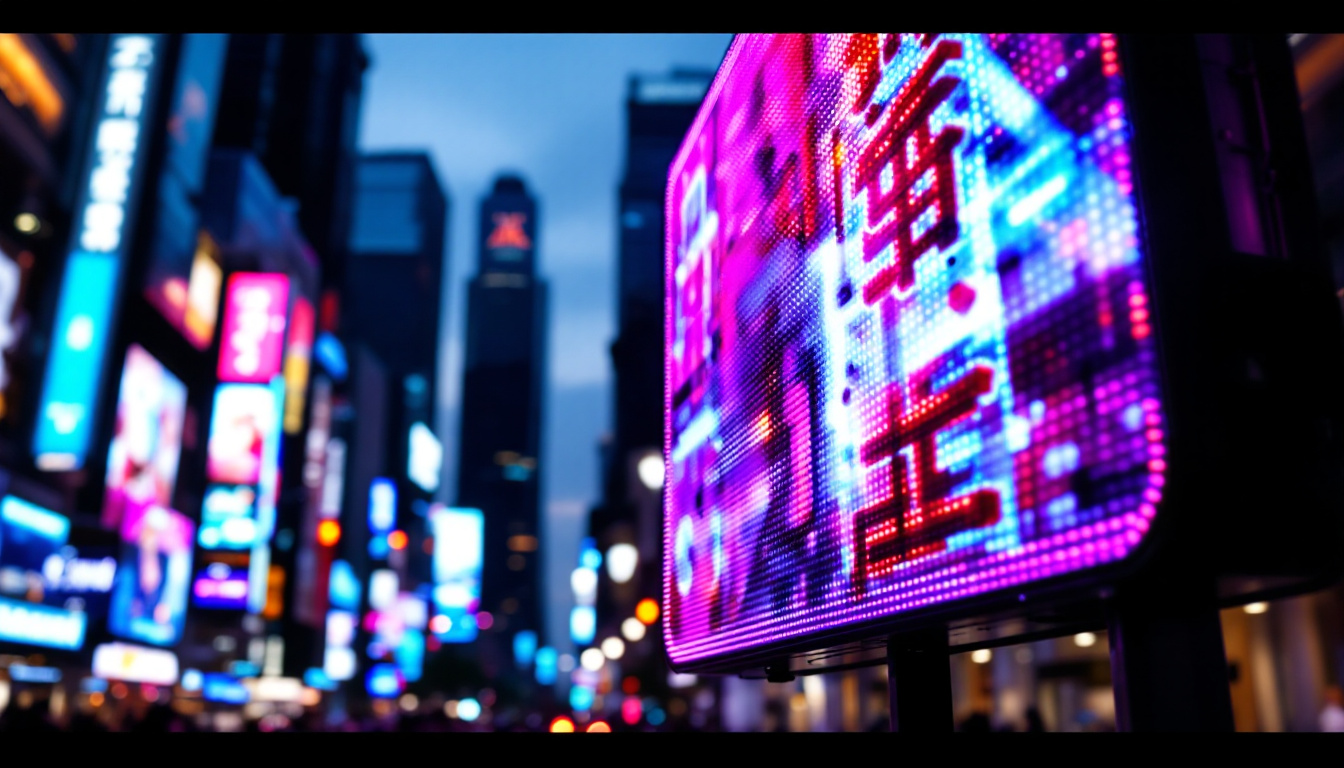
Conversely, larger pixel pitches (e.g., 10 mm or more) are typical for outdoor LED displays where viewers are farther away. These displays prioritize brightness and visibility over fine detail, as the human eye cannot distinguish individual pixels from a distance. In addition to viewing distance, pixel pitch also impacts the overall cost of the display; smaller pixel pitches generally require more LEDs and more complex manufacturing processes, which can increase the price. Therefore, understanding the pixel pitch is essential for making informed decisions about the type of display that best fits the intended use case, whether it be for advertising, entertainment, or informational purposes.
Furthermore, the pixel pitch can also affect the viewing angle of the display. Displays with smaller pixel pitches often have a wider viewing angle, allowing for better visibility from various positions in a room. This characteristic is particularly advantageous in environments where multiple viewers may be watching from different angles, such as during presentations or events. Additionally, advancements in LED technology have led to improvements in color accuracy and brightness, making it possible to achieve stunning visual effects even at smaller pixel pitches, further enhancing the overall viewing experience.
Technical Breakdown of a 1.2 x 40 LED Display
Pixel Density and Resolution
To understand the resolution of a “1.2 x 40” LED display, one must consider both the pixel pitch and the total number of pixels. For instance, if the display is 1.2 mm pitch with 40 pixels horizontally and 30 pixels vertically, the total resolution would be 40 x 30 pixels, or 1,200 pixels in total.
Calculating the physical dimensions, the width would be 1.2 mm × 40 = 48 mm, and the height would be 1.2 mm × 30 = 36 mm. This size is relatively small, indicating that such a module might be part of a larger display system where multiple modules are tiled together to create a bigger screen.
Module Configuration and Scalability
LED displays are often constructed from smaller modules or panels, each containing a fixed number of pixels. A “1.2 x 40” module might be one such building block. These modules can be combined horizontally and vertically to form larger displays of various sizes and resolutions.
This modular approach allows for scalability and flexibility. For example, a retailer might use multiple 1.2 mm pitch modules arranged in a 10 x 10 grid to create a large, high-resolution video wall measuring approximately 480 mm by 480 mm. The total resolution in this case would be 400 pixels by 400 pixels, or 160,000 pixels.
Brightness and Viewing Distance
While pixel pitch affects resolution, brightness and viewing distance are equally important when selecting an LED display. Indoor LED displays with a 1.2 mm pitch typically have brightness levels ranging from 800 to 1,200 nits, which is sufficient for indoor environments with controlled lighting.
The optimal viewing distance for a 1.2 mm pitch display is usually about 1.2 meters or more, where the human eye can appreciate the high resolution without seeing individual pixels. This makes such displays ideal for close-up viewing scenarios like retail signage, corporate presentations, or broadcast studios.
Applications of 1.2 x 40 LED Displays
Indoor Digital Signage
One of the most common uses of LED displays with a 1.2 mm pixel pitch is indoor digital signage. Retail stores, shopping malls, and airports often deploy these displays to showcase advertisements, promotions, or informational content. The fine pixel pitch ensures that images and text are sharp and legible even from a short distance.
For example, a luxury brand might use a 1.2 mm pitch LED display in its flagship store to present high-definition videos and product visuals that captivate customers and enhance the shopping experience.
Broadcast and Control Rooms
In broadcast studios and control rooms, clarity and color accuracy are paramount. LED displays with a 1.2 mm pitch provide the resolution necessary for detailed monitoring of video feeds, data visualization, and real-time information display.
Control rooms in sectors such as transportation, utilities, and security rely on these displays to present critical data clearly, enabling quick decision-making and efficient operations.
Corporate and Event Use
Corporate environments and event venues utilize 1.2 mm pitch LED displays for presentations, conferences, and live events. The high resolution allows for engaging multimedia content, including videos, slideshows, and interactive graphics, ensuring that audiences remain attentive and informed.
For instance, a technology conference might feature a large LED video wall composed of multiple 1.2 x 40 modules to deliver keynote presentations with stunning visual impact.
Choosing the Right LED Display: Factors to Consider
Assessing Viewing Distance and Environment
Before selecting an LED display, it is essential to evaluate the typical viewing distance and ambient lighting conditions. A 1.2 mm pitch display is ideal for close-range viewing indoors but may be unnecessarily costly or impractical for outdoor or long-distance applications.
For outdoor advertising billboards viewed from hundreds of meters away, a pixel pitch of 10 mm or greater is more suitable, as it balances resolution with brightness and cost-effectiveness.
Resolution Requirements and Content Type
The intended content type also influences the choice of pixel pitch and display size. High-resolution video content, detailed graphics, and text require smaller pixel pitches to maintain clarity. Conversely, simple messages or static images may not necessitate ultra-fine pixel spacing.
Understanding the content strategy helps in selecting a display that meets both visual quality and budget constraints.
Budget and Maintenance Considerations
LED displays with smaller pixel pitches, such as 1.2 mm, generally come at a higher cost due to the increased number of LEDs and more complex manufacturing processes. Additionally, maintenance and repair can be more intricate and expensive.
Organizations should weigh the benefits of higher resolution against the total cost of ownership, including installation, operation, and upkeep.
Future Trends in LED Display Technology
Increasing Resolution and Pixel Density
Advancements in LED technology continue to push pixel pitches smaller, with micro-LED displays achieving sub-millimeter spacing. This trend enables even crisper images and opens new possibilities for applications such as augmented reality and wearable displays.
Energy Efficiency and Sustainability
Modern LED displays are becoming more energy-efficient, reducing operational costs and environmental impact. Innovations in LED chip design and power management contribute to longer lifespans and lower heat generation.
Integration with Smart Technologies
Integration of LED displays with IoT and AI technologies is enhancing interactivity and content personalization. Smart LED displays can adapt brightness, content, and layout dynamically based on audience engagement and environmental factors.
Conclusion
The term “1.2 x 40” in the context of LED displays encapsulates critical information about pixel pitch and module configuration, which directly influence resolution, image quality, and application suitability. Understanding these specifications is essential for professionals seeking to deploy LED display technology effectively.
Whether for indoor digital signage, broadcast studios, or corporate events, a 1.2 mm pixel pitch combined with an appropriate module size like “40” pixels provides a balance of high resolution and scalability. By carefully considering viewing distance, content requirements, and budget, organizations can select LED displays that maximize visual impact and return on investment.
As LED technology continues to evolve, staying informed about specifications like “1.2 x 40” and their practical implications will empower businesses to harness the full potential of digital display solutions.
Discover LumenMatrix’s Advanced LED Display Solutions
Ready to elevate your visual display capabilities? LumenMatrix is at the forefront of LED display innovation, offering a comprehensive range of solutions tailored to your unique needs. From the clarity of Indoor LED Wall Displays to the robustness of Outdoor LED Wall Displays, and the versatility of Custom LED Displays to the innovation of All-in-One LED Display solutions, we have the technology to transform your space. Experience the future of visual communication with our LED Transparent Displays and captivate your audience like never before. Check out LumenMatrix LED Display Solutions today and see how we can help you make a lasting impression.