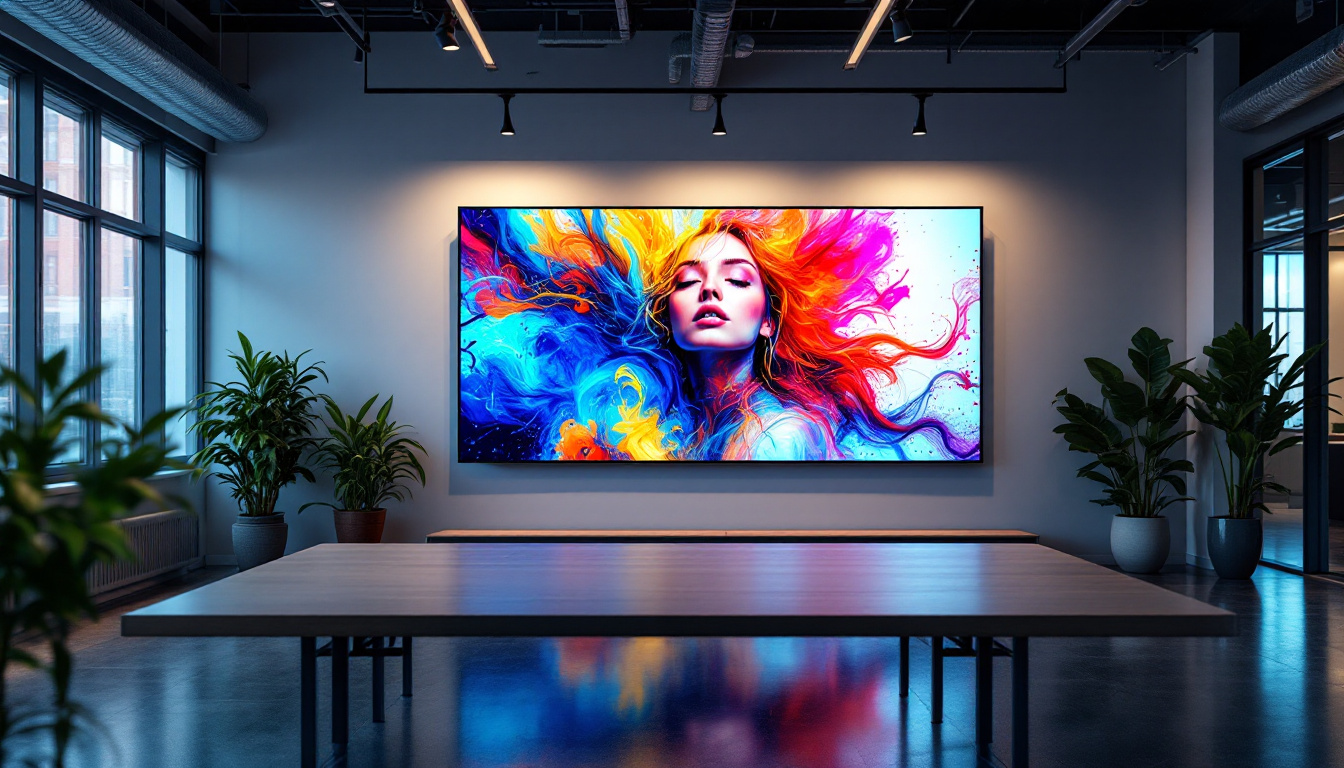
In the world of digital signage and display technology, terms like “1.9 mm pitch” and “LED display” are frequently mentioned, but they can be confusing to those unfamiliar with the technical jargon. This article aims to demystify what a 1.9 mm LED display means, why it matters, and how it fits into the broader landscape of LED technology. Whether you are a business owner considering digital signage, a tech enthusiast, or a professional in the display industry, understanding these concepts is essential for making informed decisions.
Understanding LED Display Technology
What is an LED Display?
LED stands for Light Emitting Diode, a semiconductor device that emits light when an electric current passes through it. An LED display is a flat panel display that uses an array of LEDs as pixels to produce images, videos, or text. These displays are widely used in various applications, from outdoor billboards and stadium screens to indoor digital signage and television screens.
Unlike traditional LCD or OLED displays, LED displays rely on tiny LEDs arranged in a grid. Each LED acts as a single pixel or sub-pixel, and by controlling the brightness and color of each LED, the display can render detailed and vibrant images. The versatility of LED technology allows for various configurations, including flexible and transparent displays, which can be tailored to fit unique architectural designs or specific marketing needs. This adaptability has made LED displays a popular choice for businesses looking to create eye-catching visual experiences.
What Does “1.9 mm” Mean in LED Displays?
The “1.9 mm” figure refers to the pixel pitch of the LED display. Pixel pitch is the distance from the center of one LED pixel to the center of the adjacent pixel, measured in millimeters. In this case, a 1.9 mm pixel pitch means that the LEDs are spaced 1.9 millimeters apart.
Pixel pitch is a critical specification because it directly affects the display’s resolution and viewing distance. The smaller the pixel pitch, the higher the resolution and the closer a viewer can stand without noticing individual pixels. For example, a 1.9 mm pitch display has a higher pixel density than a 3 mm or 5 mm pitch display, making it suitable for close-up viewing environments such as indoor retail stores, control rooms, or conference halls. Additionally, advancements in LED technology have led to the development of ultra-fine pitch displays, which can achieve pixel pitches as small as 0.9 mm, further enhancing image clarity and detail for specialized applications like high-end broadcasting and immersive environments.
Moreover, the choice of pixel pitch also influences the overall cost and energy efficiency of the display. Displays with smaller pixel pitches typically require more LEDs per square meter, which can increase manufacturing costs. However, the investment can be justified by the enhanced visual impact and engagement they provide. As businesses increasingly turn to LED displays for advertising and communication, understanding pixel pitch becomes essential for making informed decisions that align with their specific needs and audience engagement strategies.
The Importance of Pixel Pitch in LED Displays
How Pixel Pitch Influences Image Quality
Pixel pitch determines the sharpness and clarity of the displayed image. A smaller pixel pitch means more pixels per square meter, resulting in finer detail and smoother images. For instance, a 1.9 mm pitch display can achieve resolutions comparable to high-definition screens, making it ideal for applications where image quality is paramount. This is particularly beneficial in environments such as control rooms, broadcast studios, and high-end retail spaces, where visual fidelity can significantly impact viewer engagement and perception.
Conversely, displays with larger pixel pitches (e.g., 10 mm or more) are better suited for large outdoor billboards where viewers are typically far away. At such distances, individual pixels blend together, and a high pixel density is less critical. However, it’s essential to consider not just the distance but also the ambient lighting conditions. Outdoor displays often face challenges such as sunlight glare, which can affect visibility. Therefore, manufacturers often enhance the brightness and contrast of larger pixel pitch displays to ensure that the content remains vibrant and legible, even in direct sunlight.
Viewing Distance and Pixel Pitch
One of the key considerations when selecting an LED display is the optimal viewing distance. The general rule of thumb is that the minimum viewing distance should be roughly equal to the pixel pitch in millimeters multiplied by 1000, converted into meters. For a 1.9 mm pitch display, this translates to approximately 1.9 meters (about 6.2 feet). This guideline helps in determining the appropriate display for various settings, ensuring that the audience experiences the intended visual impact without the distraction of visible pixelation.
This means that if viewers will be closer than 1.9 meters, they might start to see individual pixels, which can degrade the visual experience. Therefore, 1.9 mm pitch displays are perfect for indoor environments where viewers are relatively close to the screen. In contrast, a display with a pixel pitch of 4 mm might be more suitable for larger venues like auditoriums or conference halls, where the audience is seated further away. Additionally, understanding the audience’s movement patterns can also influence the choice of pixel pitch; for instance, in a dynamic environment like a sports arena, a slightly larger pitch may still provide an excellent viewing experience as fans shift their positions throughout the event.
Applications of 1.9 mm LED Displays
Indoor Digital Signage
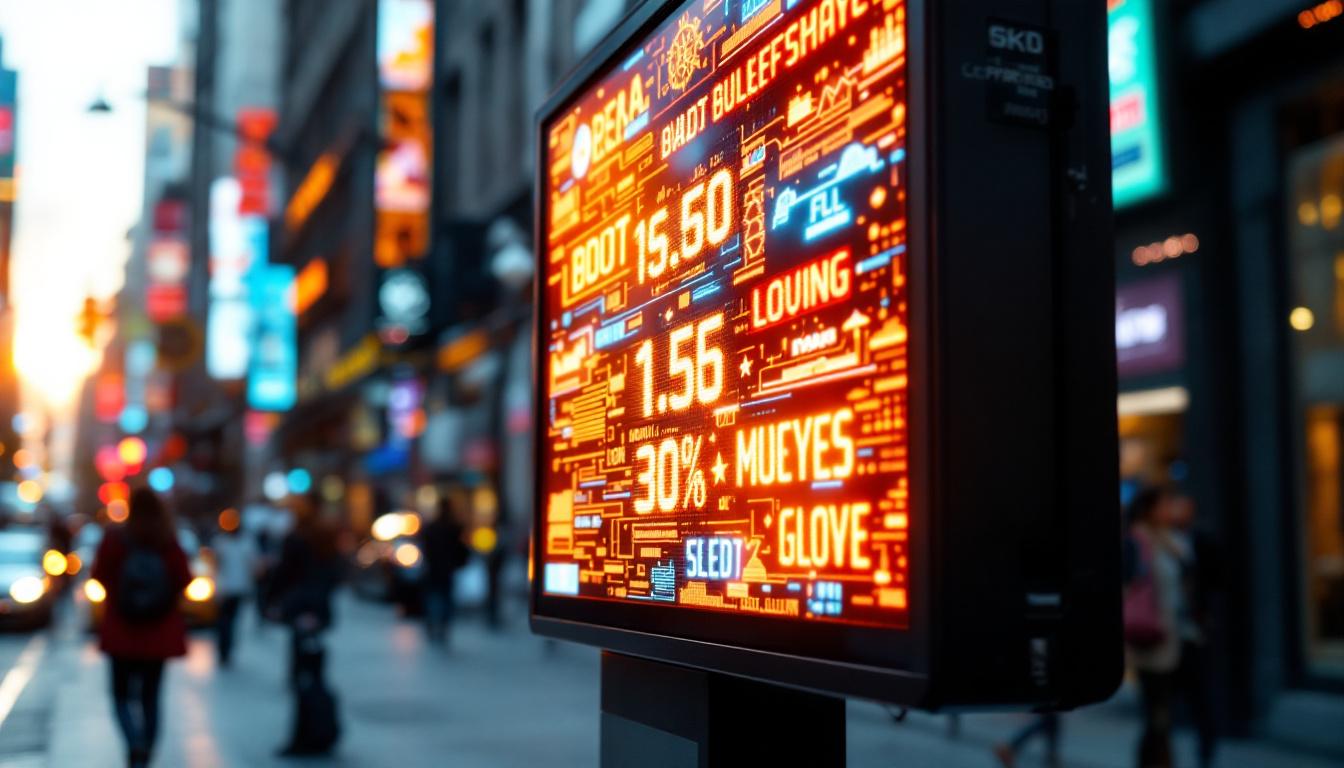
Retail stores, shopping malls, and corporate lobbies frequently use 1.9 mm pitch LED displays for digital signage. The high resolution allows for vivid, eye-catching advertisements and information displays that attract customer attention and enhance brand engagement.
For example, luxury brands often invest in fine-pitch LED walls to showcase high-definition product videos and promotional content. The crispness of the image helps convey quality and professionalism, which is crucial in competitive retail environments.
Broadcast and Control Rooms
In broadcast studios and control rooms, accurate and detailed visuals are essential. 1.9 mm pitch LED walls provide the clarity needed for monitoring multiple video feeds, data visualization, and live broadcasting. The ability to display sharp images with minimal pixelation ensures that operators can make quick, informed decisions.
Corporate and Event Displays
Conferences, trade shows, and corporate events benefit from 1.9 mm pitch LED displays due to their portability, brightness, and image quality. These displays can be used for presentations, live video streaming, and interactive content, engaging audiences effectively.
Technical Considerations When Choosing a 1.9 mm LED Display
Brightness and Contrast
Brightness is measured in nits (cd/m²), and for indoor LED displays, typical brightness ranges from 800 to 1500 nits. A 1.9 mm pitch LED display usually offers high brightness levels suitable for well-lit indoor environments without causing glare or eye strain.
Contrast ratio is equally important, as it defines the difference between the darkest black and the brightest white the display can produce. High contrast ratios enhance image depth and color vibrancy, making content more appealing and easier to read.
Color Accuracy and Calibration
Color accuracy is vital for applications like advertising and broadcasting. Modern 1.9 mm LED displays often support 16-bit or higher color depth, enabling them to display billions of colors. Professional calibration tools are used to ensure consistent color reproduction across the entire display surface.
Refresh Rate and Motion Handling
Refresh rate, measured in Hertz (Hz), indicates how many times per second the display updates its image. Higher refresh rates (e.g., 3840 Hz or more) reduce flicker and motion blur, which is particularly important for video playback and live events.
Installation and Maintenance
Fine-pitch LED displays like 1.9 mm models require precise installation to ensure seamless image quality. Modules must be aligned perfectly to avoid visible seams or misalignment. Additionally, maintenance access is crucial, especially for large video walls, to facilitate quick repairs or replacements.
Comparing 1.9 mm LED Displays to Other Pixel Pitches
1.9 mm vs. 2.5 mm and 3 mm
While 1.9 mm pitch displays offer superior resolution, they are generally more expensive than 2.5 mm or 3 mm pitch options. The cost difference is due to the increased number of LEDs and the complexity of manufacturing and installation.
For many indoor applications, 2.5 mm pitch displays provide a good balance between cost and image quality, suitable for environments where viewers are slightly farther away. However, for premium applications demanding the highest clarity, 1.9 mm remains the preferred choice.
1.9 mm vs. Larger Pixel Pitches (5 mm and Above)
Larger pixel pitch displays are optimized for outdoor use or large venues where viewers stand at considerable distances. These displays are more cost-effective for covering vast areas but lack the fine detail of smaller pitch models. For instance, a 5 mm pitch LED display is commonly used for outdoor advertising billboards and sports arenas.
Future Trends in Fine-Pitch LED Displays
Increasing Resolution and Pixel Density
As LED technology advances, pixel pitches are shrinking further, with 1.5 mm and even sub-millimeter pitch displays becoming commercially available. These ultra-fine pitch displays offer near-retina quality images, opening new possibilities for retail, museums, and immersive experiences.
Improved Energy Efficiency
Energy consumption is a growing concern, especially for large LED installations. Manufacturers are developing more efficient LEDs and power management systems to reduce operational costs and environmental impact without compromising brightness or color quality.
Integration with Smart Technologies
Modern LED displays are increasingly integrated with smart control systems, allowing for remote management, dynamic content updates, and interactive features. This integration enhances the flexibility and functionality of 1.9 mm pitch LED displays in various professional settings.
Conclusion
The 1.9 mm LED display represents a significant advancement in digital display technology, offering high resolution, excellent image quality, and versatility for indoor applications. Understanding the importance of pixel pitch, viewing distance, and technical specifications helps businesses and professionals select the right display for their needs.
Whether used for retail advertising, broadcast control rooms, or corporate events, 1.9 mm pitch LED displays deliver crisp, vibrant visuals that engage audiences and elevate the viewing experience. As technology continues to evolve, these displays will become even more integral to how information and media are presented in the digital age.
Discover LumenMatrix’s Advanced LED Solutions
Ready to elevate your visual displays with unparalleled clarity and vibrancy? Look no further than LumenMatrix, a pioneer in LED display technology. Our extensive range of products, from Indoor and Outdoor LED Walls to innovative LED Posters and Sports Displays, is designed to transform your space and captivate your audience. Embrace the future of digital signage with LumenMatrix and experience the power of cutting-edge LED solutions that truly make your message shine. Check out LumenMatrix LED Display Solutions today and join the visual revolution.