In recent years, the demand for ultra-large monitors has surged, driven by professionals seeking expansive workspaces and enthusiasts craving immersive viewing experiences. Among these, the 100 inch monitor stands out as a remarkable feat of display technology, combining sheer size with advanced LED display features. This article delves deep into what makes a 100 inch LED monitor unique, exploring its technology, applications, benefits, and considerations to help you understand whether such a colossal screen is right for your needs.
Understanding LED Display Technology
What is an LED Display?
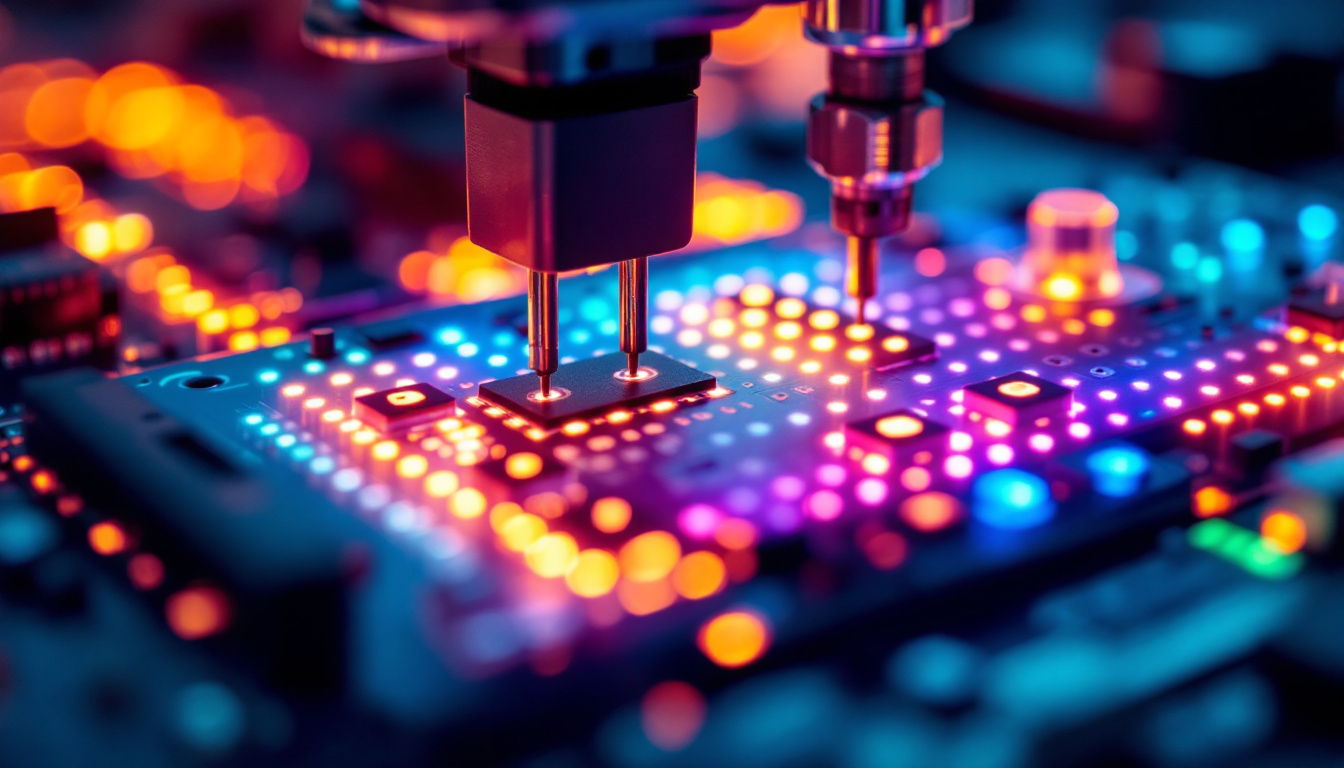
LED, or Light Emitting Diode, displays are a type of flat-panel display technology that uses an array of light-emitting diodes to produce images. Unlike traditional LCDs that rely on fluorescent backlighting, LED displays use LEDs either as a backlight or as individual pixels in the case of OLEDs. This technology has revolutionized screen quality by offering brighter images, better contrast ratios, and improved energy efficiency. The vibrant colors and deep blacks that LED displays can achieve are particularly appealing for applications ranging from home entertainment systems to professional-grade monitors used in graphic design and video editing.
In the context of large monitors, LED technology typically refers to LCD panels illuminated by LED backlights. This approach allows for thinner, lighter screens with enhanced color accuracy and longevity compared to older CCFL-backlit LCDs. Furthermore, the advancements in LED technology have led to the development of various types of displays, including edge-lit and full-array backlighting systems. Edge-lit displays are slimmer and can be more cost-effective, while full-array systems provide superior performance in terms of brightness and contrast, making them ideal for high-end applications where visual fidelity is paramount.
How LED Displays Work in Large Formats
Scaling LED displays to 100 inches and beyond involves significant engineering challenges. Manufacturers must ensure uniform backlighting across the vast surface area to avoid uneven brightness or color shifts. Advanced techniques such as local dimming zones, where different screen areas dim independently, help maintain contrast and image quality on these massive displays. This is particularly important in environments with varying lighting conditions, as it allows the display to adapt dynamically, enhancing the viewing experience regardless of the ambient light.
Moreover, the resolution plays a critical role. A 100 inch monitor with a 4K (3840 x 2160 pixels) resolution offers a pixel density that balances sharpness with the immersive scale, preventing images from appearing pixelated despite the large size. In addition to 4K, manufacturers are now exploring 8K resolutions, which provide even finer detail and clarity, making them suitable for applications in digital signage and high-end cinema. The integration of HDR (High Dynamic Range) technology further elevates the viewing experience by expanding the range of colors and contrast, allowing viewers to see more detail in both the darkest and brightest parts of the image. As a result, LED displays are becoming increasingly popular in various sectors, including retail, education, and entertainment, where high-quality visuals are essential for engaging audiences and conveying information effectively.
Applications of 100 Inch LED Monitors
Professional and Commercial Use Cases
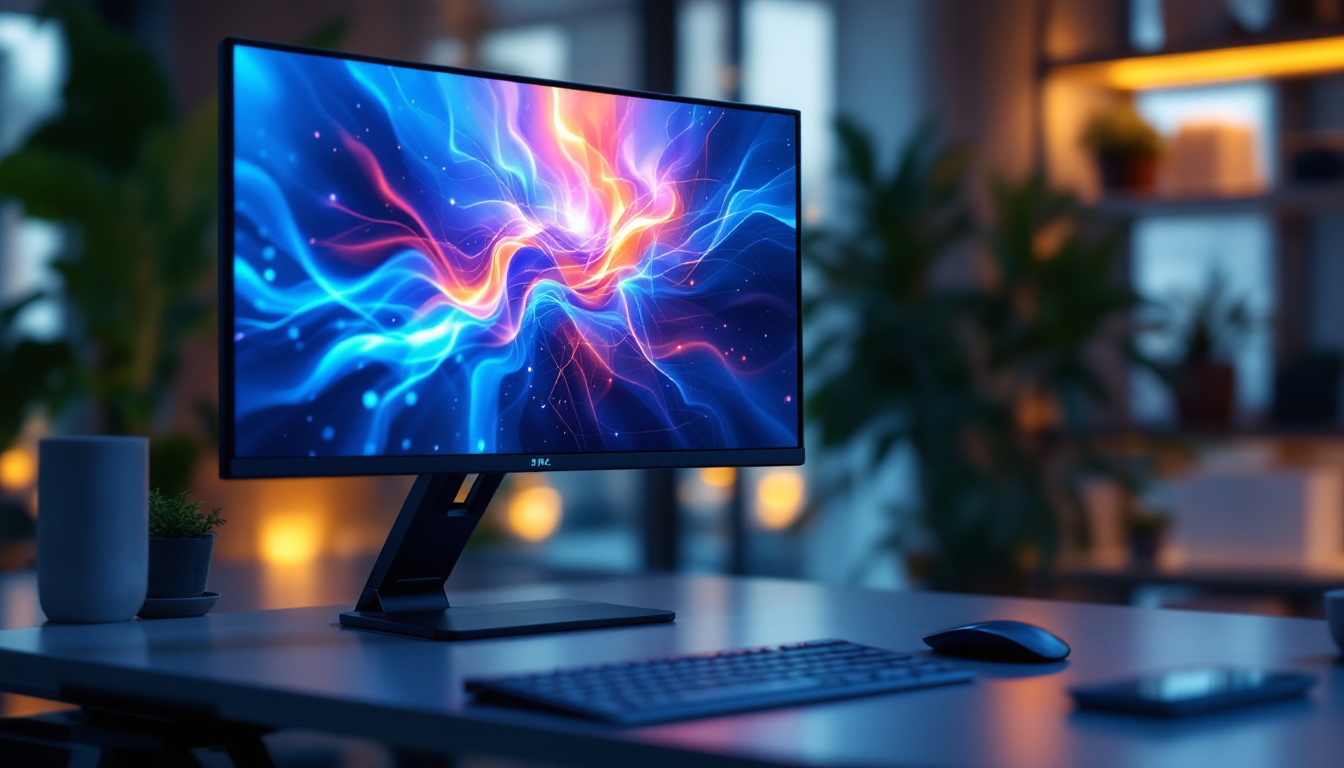
Large LED monitors measuring 100 inches are increasingly popular in professional settings. For instance, architects and designers benefit from the expansive workspace to view detailed blueprints and 3D models without constant zooming and panning. Similarly, video editors and content creators leverage the large screen real estate for timeline management and color grading workflows. The ability to display multiple applications side by side enhances productivity, allowing professionals to work more efficiently and creatively.
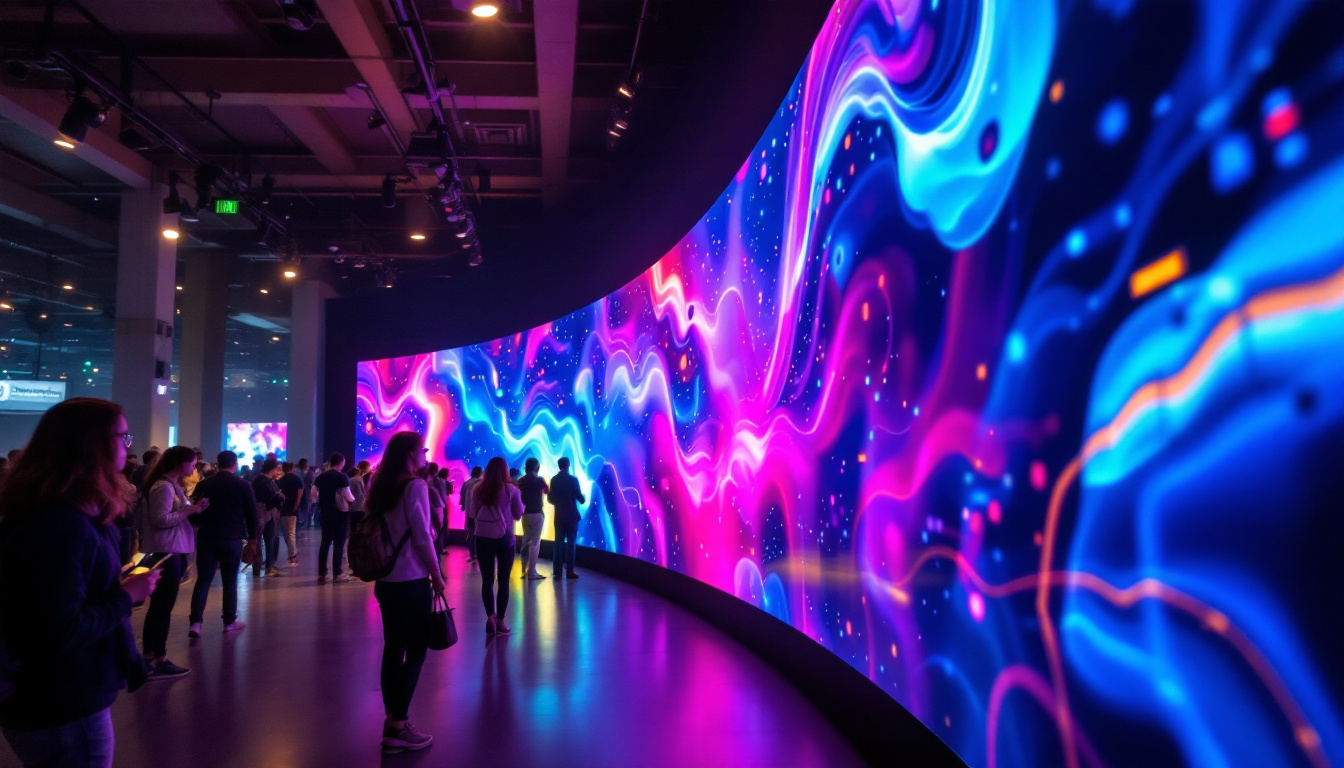
In commercial environments, such as conference rooms and control centers, 100 inch LED monitors serve as central hubs for presentations, data visualization, and monitoring multiple information streams simultaneously. Their size ensures visibility even in large rooms, facilitating collaboration and decision-making. Moreover, these monitors often come equipped with advanced connectivity options, enabling seamless integration with various devices, from laptops to smartphones, which enhances their utility in dynamic business environments. The interactive capabilities of some models allow for touch input, making brainstorming sessions and collaborative projects even more engaging and productive.
Entertainment and Home Theater
For home entertainment enthusiasts, a 100 inch LED monitor offers a cinematic experience without the need for a projector. The bright, vivid colors and high contrast ratios typical of LED technology enhance movie watching, gaming, and streaming. Additionally, these monitors often support high dynamic range (HDR), further improving visual quality. The immersive experience is further amplified by the ability to connect to surround sound systems, creating a home theater that rivals commercial cinemas.
While projectors have traditionally dominated large-screen home viewing, the convenience of an LED monitor—no setup, no bulb replacements, and consistent image quality—makes it an attractive alternative for those with the space and budget. Furthermore, many LED monitors are designed with smart technology, allowing users to access streaming services directly, eliminating the need for additional devices. This integration not only simplifies the viewing experience but also opens up a world of content at the touch of a button, making it easier than ever to enjoy movies, shows, and games in stunning detail and clarity.
Key Features to Consider in a 100 Inch LED Monitor
Resolution and Pixel Density
Resolution is paramount when dealing with a screen of this size. Common resolutions for 100 inch monitors include 4K UHD and even 8K, the latter offering four times the pixels of 4K. Higher resolution ensures crisp images and text, which is essential for productivity and immersive viewing.
Pixel density, measured in pixels per inch (PPI), decreases as screen size increases if resolution remains constant. Therefore, opting for higher resolution models helps maintain image sharpness, especially when sitting close to the screen.
Refresh Rate and Response Time
While refresh rate and response time are more critical in gaming monitors, they still matter for large displays used in dynamic environments. A higher refresh rate (e.g., 120Hz or 144Hz) provides smoother motion, reducing eye strain during long sessions or fast-moving visuals. Response time, the speed at which a pixel changes color, affects motion clarity and ghosting effects.
For professional and entertainment purposes, a balanced combination of refresh rate and response time enhances the overall experience, though the priority may vary depending on the primary use case.
Connectivity and Compatibility
A 100 inch LED monitor should offer a range of connectivity options to accommodate various devices. HDMI 2.1, DisplayPort 1.4, and USB-C are common interfaces that support high bandwidth for 4K and 8K content at high refresh rates. Additionally, features like daisy-chaining multiple monitors or integrating with video conferencing systems add versatility.
Compatibility with operating systems and professional software is also crucial, ensuring smooth integration into existing workflows.
Benefits of Using a 100 Inch LED Monitor
Immersive Visual Experience
The most obvious benefit of a 100 inch monitor is the immersive visual experience it provides. Whether for work or entertainment, the sheer size envelops the viewer, enabling detailed examination of content and a more engaging experience. This is particularly valuable in fields like simulation, design, and gaming.
Enhanced Productivity
Large monitors reduce the need for multiple smaller screens or constant window switching. Professionals can view multiple applications side-by-side, improving multitasking efficiency. Studies have shown that larger displays can boost productivity by up to 30% in certain tasks, as users spend less time navigating between windows.
Improved Collaboration
In meeting rooms or collaborative spaces, a 100 inch monitor allows multiple people to view content simultaneously without crowding around a small screen. This facilitates better communication, brainstorming, and decision-making.
Challenges and Considerations
Space and Installation Requirements
One of the main challenges with a 100 inch monitor is the physical space it requires. Such a large screen demands a spacious room with adequate viewing distance—typically 8 to 12 feet—to prevent eye strain and ensure comfortable viewing angles. Wall mounting or specialized stands are often necessary due to the weight and dimensions.
Cost and Energy Consumption
Large LED monitors come with a premium price tag, often ranging from tens of thousands to over a hundred thousand dollars depending on features and resolution. Additionally, energy consumption is higher compared to smaller monitors, which may impact operational costs in commercial settings.
Potential Technical Limitations
Despite advances, some technical limitations persist. Uniform brightness across the entire screen can be difficult to achieve, and some models may exhibit slight color inconsistencies. Input lag and refresh rates may also be lower compared to specialized gaming monitors, which could be a consideration for certain users.
Future Trends in Ultra-Large LED Displays
Advancements in MicroLED and OLED Technologies
Emerging technologies like MicroLED and OLED promise even better performance for ultra-large displays. MicroLED offers superior brightness, contrast, and energy efficiency without the burn-in risks associated with OLED. These technologies are gradually becoming viable for large-format monitors, potentially redefining the 100 inch display market.
Integration with Smart and Interactive Features
Future 100 inch monitors are expected to incorporate smart features such as touch interactivity, voice control, and AI-powered content optimization. These enhancements will make large displays more versatile and user-friendly across various applications.
Increased Accessibility and Affordability
As manufacturing processes improve and economies of scale kick in, prices for ultra-large LED monitors are expected to decrease, making them accessible to a broader audience. This democratization will likely spur new use cases and innovations.
Conclusion
The 100 inch LED monitor represents a significant leap in display technology, offering unparalleled screen real estate combined with the benefits of LED illumination. Whether for professional, commercial, or entertainment purposes, these colossal displays provide immersive visuals, enhanced productivity, and improved collaboration opportunities.
However, prospective buyers must carefully weigh the benefits against challenges such as cost, space requirements, and technical limitations. Staying informed about ongoing advancements in LED and related technologies will help users make the best choice as the market evolves.
Ultimately, a 100 inch LED monitor is not just a display; it is a powerful tool that can transform how content is viewed, created, and shared, setting a new standard for large-format visual experiences.
Discover LumenMatrix’s Innovative LED Solutions
Ready to elevate your visual experience with a 100 inch LED monitor? LumenMatrix is at the forefront of LED display technology, offering a wide range of solutions that bring your content to life. Whether you’re looking to enhance your professional workspace, captivate your audience in commercial settings, or create the ultimate home theater, LumenMatrix has the cutting-edge technology to meet your needs. From Indoor and Outdoor LED Wall Displays to specialized solutions like Vehicle and Sports Displays, our products are designed to maximize engagement and deliver your message with unparalleled clarity. Don’t just read about the possibilities—see them for yourself. Check out LumenMatrix LED Display Solutions today and transform your space with a display that defines excellence.