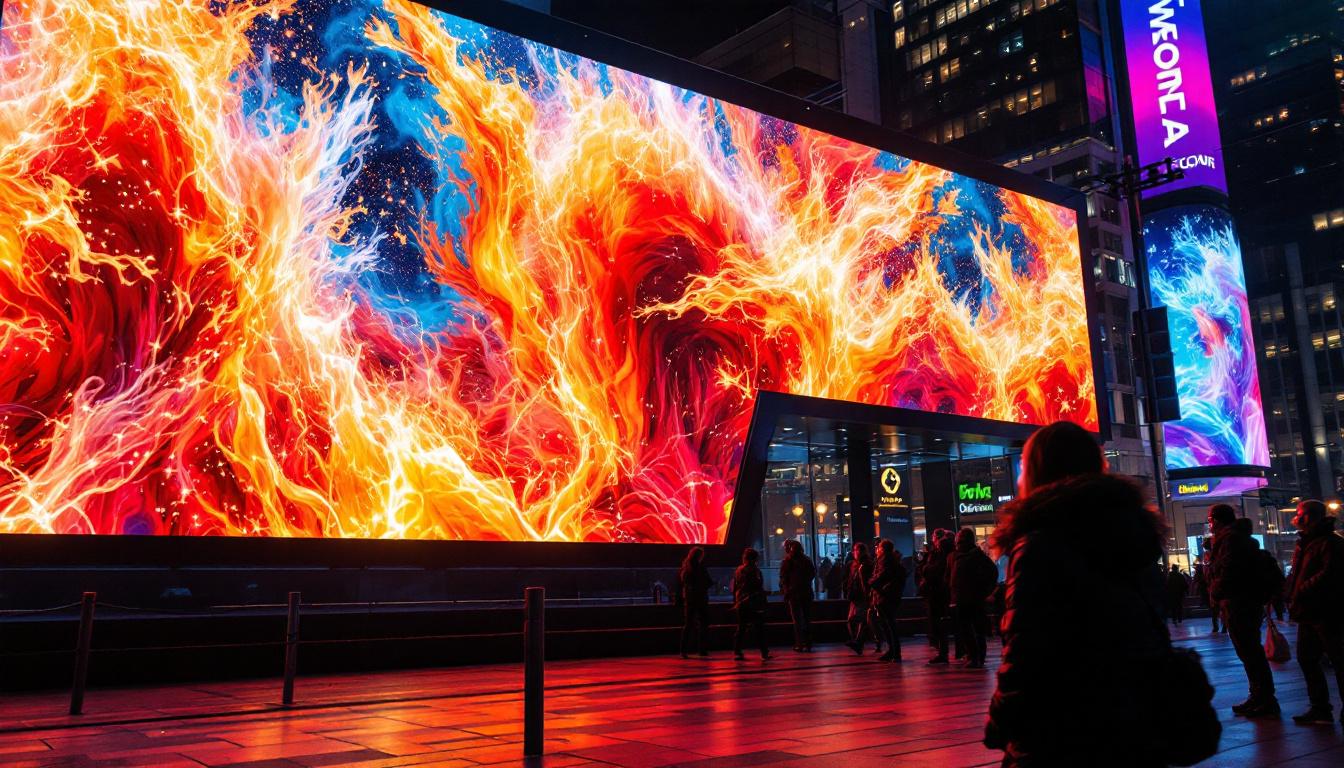
When it comes to choosing the right LED display for your space, understanding size measurements is crucial. A common question that arises is, “What does 150 inches mean in feet?” and how does this measurement translate when selecting an LED display? This article aims to clarify the conversion of 150 inches into feet and explore the implications of this size in the context of LED displays. Whether you’re considering a large screen for advertising, events, or home entertainment, knowing the dimensions and their practical impact is essential for making an informed decision.
Understanding the Conversion: Inches to Feet
Inches and feet are both units of length used primarily in the United States and a few other countries. Inches are smaller units, while feet are larger, making feet a more convenient measurement for larger objects like LED displays.
Basic Conversion Formula
The standard conversion between inches and feet is straightforward: 1 foot equals 12 inches. To convert inches to feet, divide the number of inches by 12.
For 150 inches, the calculation is:
150 inches ÷ 12 = 12.5 feet
This means that a 150-inch measurement is equivalent to 12.5 feet.
Why This Matters for LED Displays
LED displays are often advertised by their diagonal screen size, measured in inches. Understanding this size in feet helps visualize the actual scale of the screen, especially when planning installation spaces or comparing with other display options.
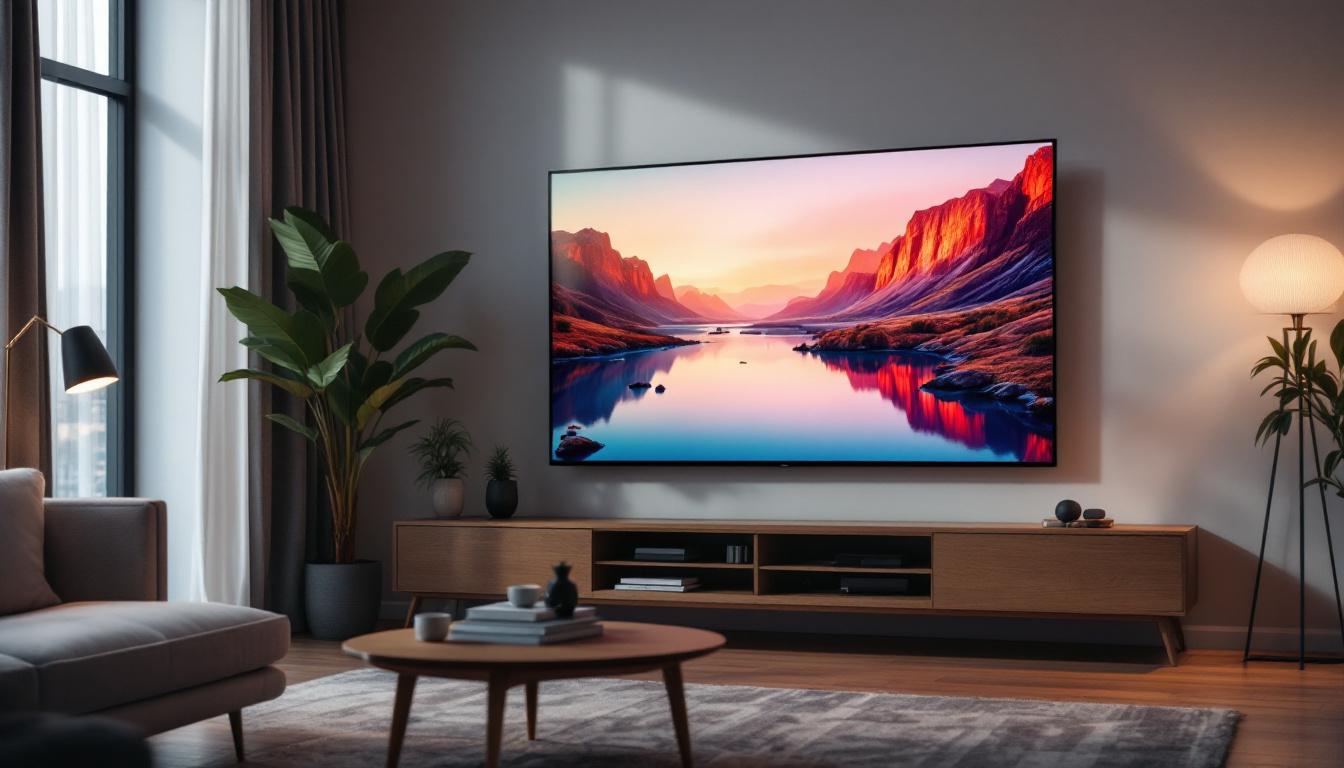
For example, a 150-inch LED display is significantly larger than a typical home television, which usually ranges between 40 to 75 inches diagonally. Knowing that 150 inches equals 12.5 feet gives a better sense of the display’s imposing physical presence.
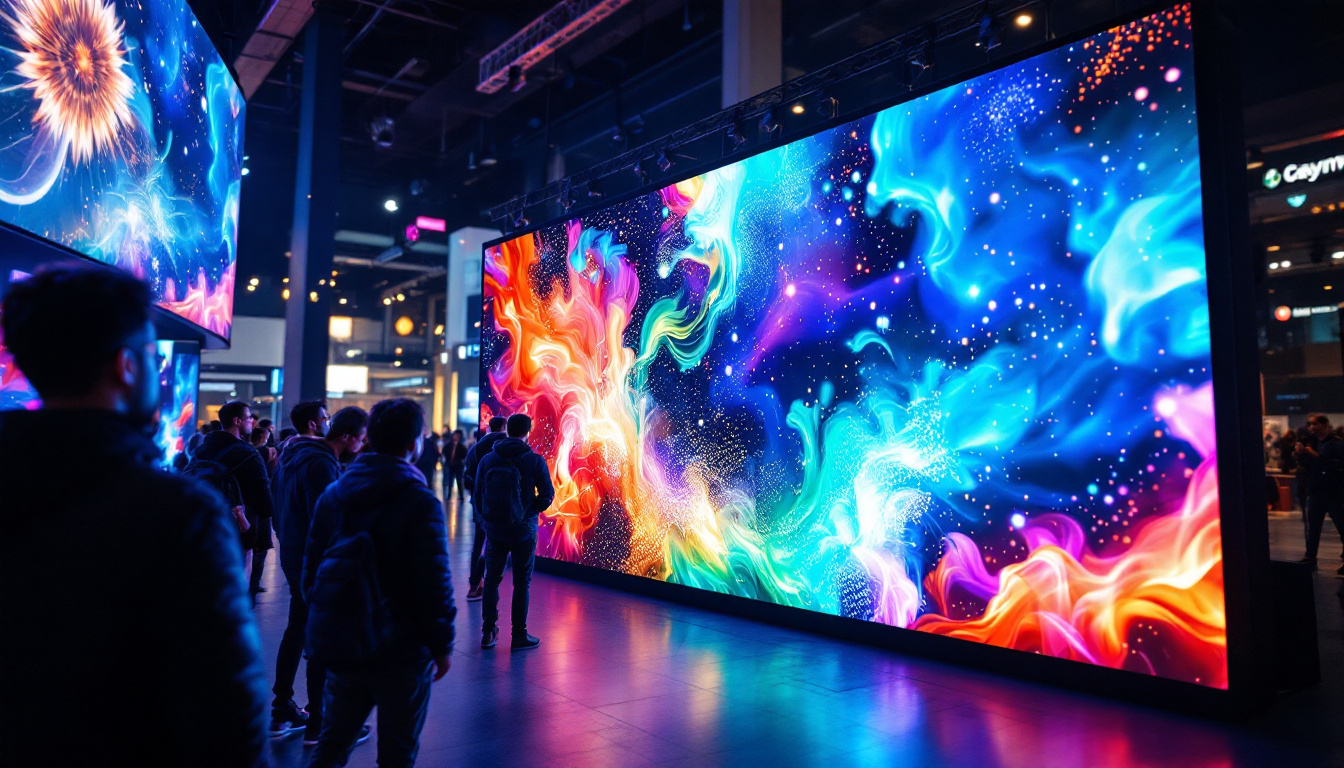
Moreover, the size of the display can impact viewing distance and audience engagement. A larger screen, such as a 150-inch model, is ideal for larger venues like conference halls or outdoor events, where viewers may be seated further away. The clarity and visibility of the content displayed can be significantly enhanced when the screen size is appropriately matched to the viewing environment. This consideration is crucial for businesses and event organizers who want to ensure that their messages are effectively communicated to all attendees, regardless of their seating position.
Additionally, understanding the size in feet allows for better planning in terms of mounting and space requirements. For instance, a 12.5-foot display will require a sturdy wall or stand capable of supporting its weight and dimensions. This knowledge can help avoid last-minute adjustments or complications during installation, ensuring a smooth setup process. Furthermore, it aids in visualizing how the display will fit within the overall design and layout of the space, contributing to a cohesive aesthetic that aligns with the intended use of the display.
Dimensions of a 150-Inch LED Display
While the diagonal measurement is helpful, understanding the width and height of the display is equally important for installation and spatial planning.
Aspect Ratio and Its Role
The aspect ratio defines the proportional relationship between the width and height of the display. Most modern LED displays use a 16:9 aspect ratio, which is the standard for HDTVs and many digital signage solutions.
To calculate the width and height of a 150-inch LED display with a 16:9 aspect ratio, the following formulas are used:
- Width = Diagonal × (16 / √(16² + 9²))
- Height = Diagonal × (9 / √(16² + 9²))
Calculating the denominator:
√(16² + 9²) = √(256 + 81) = √337 ≈ 18.36
Now, calculate width and height:
Width = 150 × (16 / 18.36) ≈ 150 × 0.8716 ≈ 130.74 inches
Height = 150 × (9 / 18.36) ≈ 150 × 0.4903 ≈ 73.54 inches
Converting these to feet:
Width: 130.74 ÷ 12 ≈ 10.9 feet
Height: 73.54 ÷ 12 ≈ 6.13 feet
Practical Implications
A 150-inch LED display with a 16:9 aspect ratio will be approximately 10.9 feet wide and 6.13 feet tall. This size is substantial and requires adequate space for installation, as well as consideration for viewing distance and audience size.
For commercial environments such as conference rooms, auditoriums, or outdoor advertising, these dimensions provide an immersive viewing experience. However, for residential settings, such a large display may be impractical unless the room is very spacious.
Choosing the Right Viewing Distance for a 150-Inch LED Display
Understanding the ideal viewing distance is vital to maximize the visual quality and comfort when using a large LED display.
Recommended Viewing Distance Guidelines
The Society of Motion Picture and Television Engineers (SMPTE) recommends a viewing distance where the screen fills about 30 degrees of the viewer’s field of vision. For a 150-inch display, this translates into specific distance ranges.
A common rule of thumb for HD content is to sit at a distance between 1.5 to 2.5 times the diagonal screen size. For a 150-inch screen, this is:
- Minimum distance: 150 × 1.5 = 225 inches (18.75 feet)
- Maximum distance: 150 × 2.5 = 375 inches (31.25 feet)
Therefore, the ideal viewing distance for a 150-inch LED display ranges from approximately 18.75 feet to 31.25 feet.
Why Viewing Distance Matters
Sitting too close to a large screen can cause discomfort and make it difficult to see the entire image without moving your eyes or head excessively. Conversely, sitting too far away diminishes the immersive experience and can reduce the perceived image quality.
For commercial applications such as digital signage or presentations, ensuring the audience is within this optimal viewing range enhances engagement and message clarity.
Applications of a 150-Inch LED Display
A 150-inch LED display is a versatile tool that can be used across various sectors. Its size and visual impact make it suitable for both indoor and outdoor environments.
Corporate and Educational Settings
In corporate boardrooms and educational institutions, large LED displays facilitate presentations, video conferencing, and interactive learning. The 150-inch size allows for clear visibility even in large rooms, ensuring that participants at the back can see content without strain.
Additionally, LED displays offer superior brightness and color accuracy compared to traditional projectors, making them ideal for well-lit environments.
Entertainment and Home Theater
For home theater enthusiasts with ample space, a 150-inch LED display can deliver a cinematic experience. The large screen size combined with high resolution and contrast ratios creates an immersive environment for watching movies, sports, or gaming.
However, it is important to consider room dimensions and seating arrangements to avoid overwhelming the space or causing eye strain.
Advertising and Public Displays
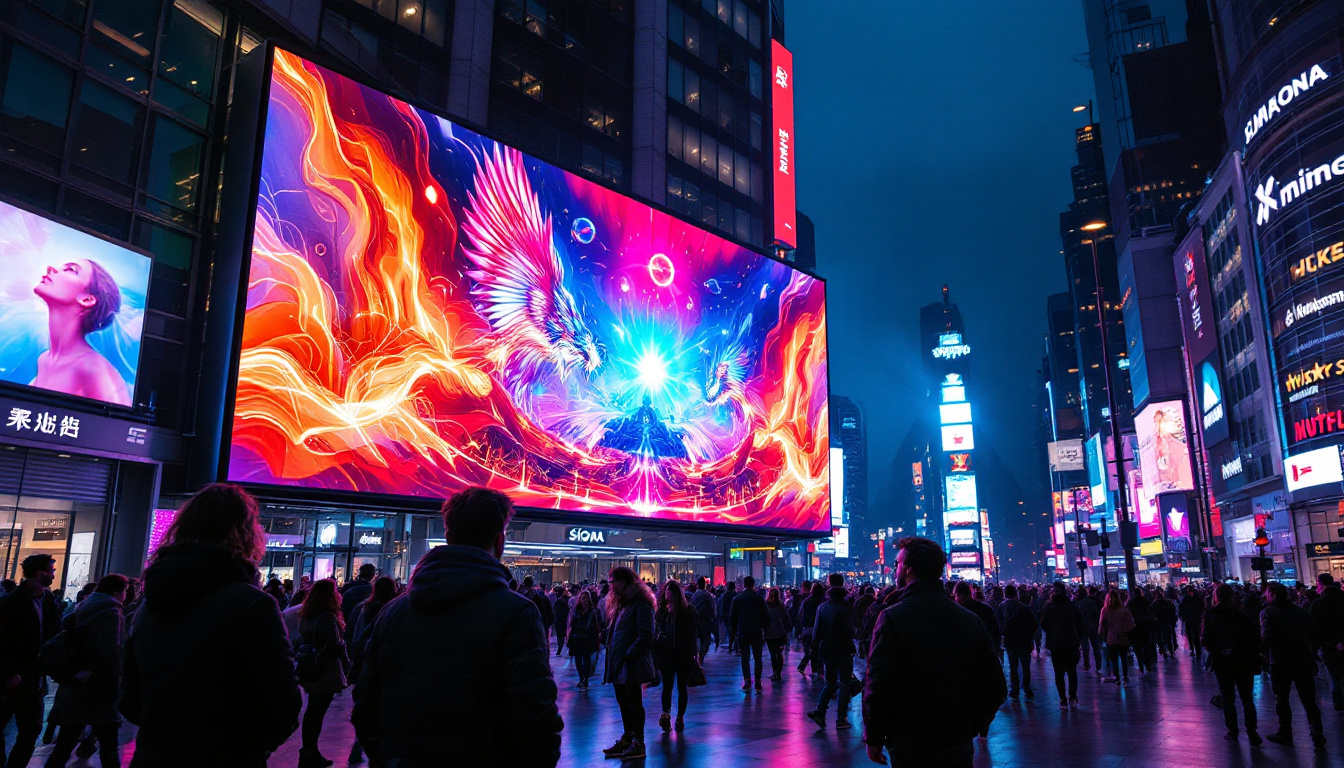
Outdoor advertising and public information displays benefit greatly from large LED screens. A 150-inch display is visible from a distance, making it effective for billboards, event signage, and retail promotions.
LED technology’s durability and brightness ensure that the display remains clear and vibrant even under direct sunlight or adverse weather conditions.
Technical Considerations When Selecting a 150-Inch LED Display
Beyond size, several technical factors influence the performance and suitability of a 150-inch LED display.
Resolution and Pixel Pitch
Resolution determines the clarity and detail of the displayed image. Common resolutions for large LED displays include Full HD (1920×1080), 4K UHD (3840×2160), and higher.
Pixel pitch, the distance between individual LED pixels, affects image sharpness and viewing distance. Smaller pixel pitches provide higher resolution and are better suited for close viewing, while larger pitches are acceptable for distant viewing environments.
For a 150-inch display, a pixel pitch ranging from 1.5mm to 3mm is typical for indoor use, balancing cost and image quality. Outdoor displays may have larger pixel pitches due to longer viewing distances.
Brightness and Contrast Ratio
Brightness is measured in nits and is critical for visibility, especially in environments with ambient light. Indoor LED displays usually have brightness levels between 800 and 1500 nits, while outdoor displays can exceed 5000 nits.
Contrast ratio affects the depth of blacks and the vibrancy of colors. High contrast ratios improve overall image quality and viewing comfort.
Installation and Maintenance
Due to their size, 150-inch LED displays require professional installation to ensure safety and optimal performance. Considerations include wall mounting, structural support, and cable management.
Maintenance involves regular cleaning and inspection to prevent pixel failure and ensure longevity. Modular LED panels facilitate easier repairs and replacements.
Cost Considerations for a 150-Inch LED Display
Investing in a 150-inch LED display is a significant financial decision. Costs vary based on resolution, pixel pitch, brightness, and additional features.
Price Range Overview
As of 2024, prices for a 150-inch LED display can range from $20,000 to over $100,000 depending on specifications and manufacturer. Higher resolution and finer pixel pitch displays command premium prices.
Additional costs include installation, mounting hardware, and ongoing maintenance.
Return on Investment
For businesses, the ROI of a large LED display is measured in enhanced customer engagement, improved communication, and increased brand visibility. In educational and corporate settings, the value lies in better collaboration and learning outcomes.
Careful evaluation of needs and budget ensures that the investment aligns with organizational goals.
Conclusion
Understanding that 150 inches equals 12.5 feet provides a clearer perspective when considering LED display sizes. A 150-inch LED display, typically measuring about 10.9 feet wide and 6.13 feet tall with a 16:9 aspect ratio, offers a commanding presence suitable for a variety of applications.
Choosing the right LED display involves considering viewing distance, resolution, brightness, and budget to ensure the display meets the specific needs of the environment and audience. Whether for corporate presentations, home theaters, or outdoor advertising, a 150-inch LED display can deliver an impressive visual experience when selected and installed thoughtfully.
Discover the Perfect LED Display with LumenMatrix
Ready to elevate your visual experience with a 150-inch LED display that promises to captivate and engage? Look no further than LumenMatrix, a pioneer in LED display technology. Our extensive range of solutions, from Indoor and Outdoor LED Wall Displays to innovative LED Sports and Transparent Displays, is designed to meet the diverse needs of any space or event. Embrace the future of visual communication with our advanced LED modules that guarantee to make your brand stand out. Check out LumenMatrix LED Display Solutions today and transform your space into a dynamic visual spectacle.