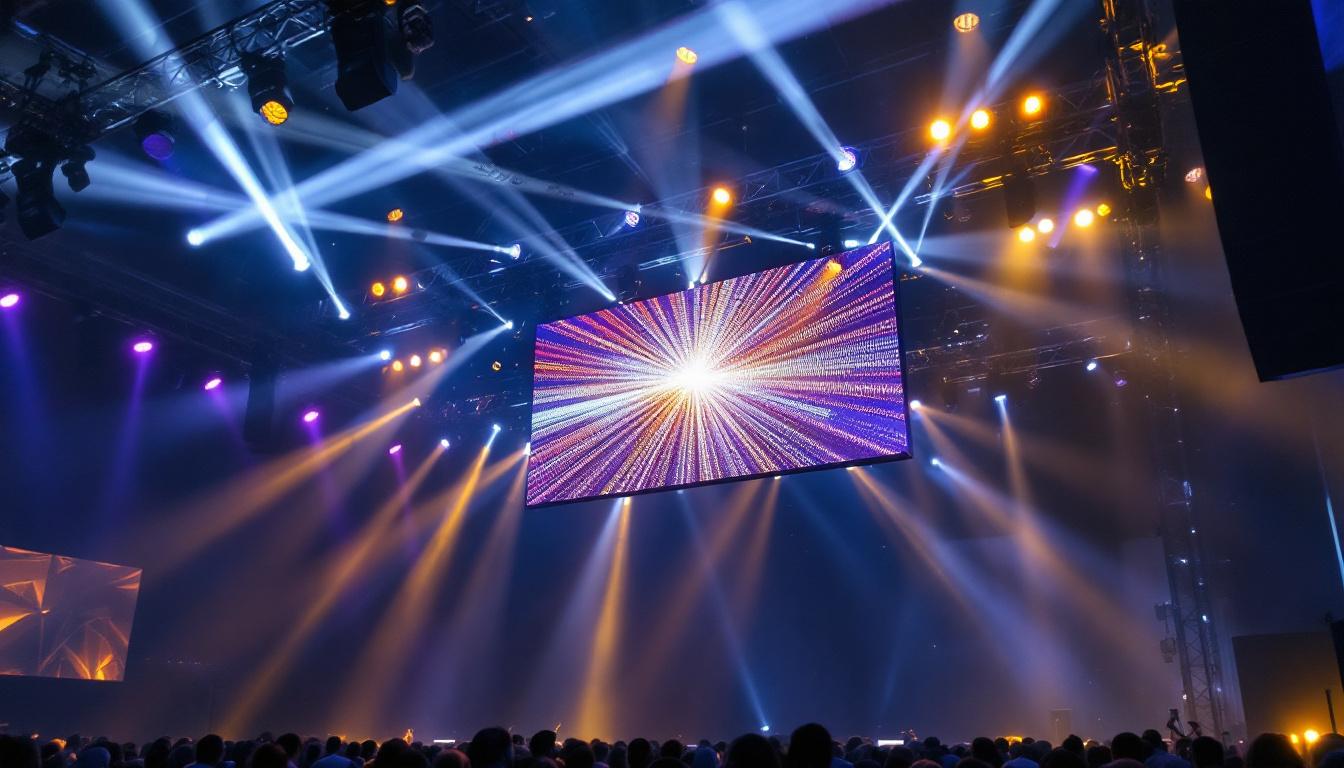
In the world of event production, staging, and live entertainment, the combination of truss structures and LED displays has revolutionized how audiences experience visual content. Among the various truss sizes available, the 20-foot truss is a popular choice for supporting LED displays in medium to large-scale events. This article delves into the technical and practical aspects of the 20′ truss used for LED display setups, exploring its design, advantages, installation considerations, and best practices to ensure a successful visual presentation.
Understanding the 20′ Truss: Structure and Specifications
Trusses are engineered frameworks designed to support heavy loads while maintaining minimal weight. The 20-foot truss is a standard length used widely in the event and exhibition industries. Typically made from aluminum alloy, these trusses offer a balance of strength, durability, and portability.
Materials and Build Quality
Most 20′ trusses are constructed from high-grade aluminum, often 6061-T6 or 6082-T6 alloys, which provide excellent strength-to-weight ratios. Aluminum is favored because it is lightweight, corrosion-resistant, and easy to transport, making it ideal for temporary setups like concerts, trade shows, and corporate events.
The design of the truss usually follows a triangular or square lattice pattern, which distributes weight evenly and maximizes structural integrity. The cross-sectional dimensions of a 20′ truss can vary, but a common size is 12 inches by 12 inches or 20 inches by 20 inches, depending on the load requirements.
Load Capacity and Weight Considerations
One of the most critical factors when selecting a truss for LED displays is its load capacity. A 20′ truss can typically support anywhere from 500 to 2,000 pounds, depending on its design, material thickness, and support points. This capacity is sufficient for most LED panels, lighting fixtures, speakers, and other rigging equipment used in medium-sized events.
Weight distribution is crucial. LED displays can be heavy, especially when using high-resolution panels with dense pixel pitches. Ensuring that the truss can handle the combined weight of the LED modules, cabling, and any additional accessories is vital for safety and stability.
Why Use a 20′ Truss for LED Displays?
The 20-foot truss length strikes a practical balance between size and versatility. It is long enough to accommodate wide LED screens, yet manageable enough for transportation and assembly by production crews.
Optimal Screen Size Compatibility
LED displays come in various sizes, but a 20′ truss is particularly well-suited for medium to large screens, typically ranging from 10 to 20 feet wide. This size is common for concerts, corporate presentations, and outdoor festivals where visibility and impact are essential.
For example, a 20-foot-wide LED wall with a pixel pitch of 3.9mm or 4.8mm provides excellent image clarity for audiences up to 50 feet away, making it ideal for indoor arenas and outdoor venues alike.
Flexibility in Design and Configuration
The modular nature of 20′ trusses allows event designers to create various configurations such as straight walls, curved screens, or even multi-sided displays. This flexibility enables creative staging and immersive experiences that captivate audiences.
Additionally, the truss can be combined with smaller sections (e.g., 10′ or 5′ trusses) to customize the width and height of the LED display setup, making it adaptable to different venue sizes and event requirements.
Installation and Safety Considerations
Proper installation of a 20′ truss supporting LED displays is critical to ensure both the safety of personnel and the integrity of the equipment. Several factors must be considered during setup.
Rigging and Support Points
Trusses must be securely anchored to stable structures or supported by truss towers, stands, or ground support systems. The number and placement of support points affect the truss’s load-bearing capacity and its resistance to bending or swaying.
For a 20′ truss, it is common to use at least two support points—typically at each end. In some cases, a center support may be added for heavier loads or longer spans to reduce deflection.
Weight Distribution and Load Calculations
Before installation, a thorough load calculation should be performed. This includes the weight of the LED panels, mounting hardware, cabling, and any additional equipment such as lighting or speakers attached to the truss.
Load calculations help prevent overloading, which can lead to structural failure or accidents. Many manufacturers provide load charts and guidelines specific to their truss models, which should be consulted during planning.
Compliance with Safety Standards
Event production must comply with local and international safety standards, such as OSHA regulations in the United States or the European EN standards. These standards govern the design, installation, and inspection of temporary structures like trusses.
Regular inspections during and after installation help identify potential issues such as loose connections, material fatigue, or damage. Employing certified riggers and structural engineers is recommended to ensure compliance and safety.
LED Display Technology and Integration with 20′ Truss
Understanding LED display technology is essential to maximize the benefits of using a 20′ truss. The integration process involves selecting appropriate LED panels, mounting systems, and control equipment.
Types of LED Panels Suitable for 20′ Truss Setups
LED panels vary by pixel pitch, brightness, and weight, all of which influence the choice of truss and mounting method. For a 20′ truss, commonly used panels include:
- Indoor LED Panels: Typically with pixel pitches from 1.2mm to 4.8mm, these panels offer high resolution for close viewing distances. They are lighter but require controlled lighting environments.
- Outdoor LED Panels: With pixel pitches from 4.8mm to 10mm or more, these panels are brighter and weather-resistant, suitable for outdoor events. They tend to be heavier and require robust truss support.
Choosing the right panel depends on the event environment, viewing distance, and desired image quality.
Mounting and Attachment Methods
LED panels are typically mounted onto trusses using specialized brackets or clamps designed to secure the panels safely without damaging the structure. The mounting hardware must accommodate the panel’s weight and allow for easy assembly and disassembly.
For a 20′ truss, mounting methods often include:
- Quick-lock clamps: Allow fast attachment and removal of panels.
- Safety cables: Provide secondary security in case of hardware failure.
- Adjustable brackets: Facilitate precise alignment and leveling of the LED modules.
Power and Data Management
LED displays require reliable power and data connections. When mounted on a 20′ truss, cable management becomes critical to avoid tangling, interference, or load imbalance.
Using cable trays, ties, and protective conduits helps organize wiring and protects it from damage. Additionally, power distribution units (PDUs) and data switches should be positioned for easy access and maintenance.
Case Studies: Successful 20′ Truss LED Display Deployments
Real-world examples illustrate the versatility and effectiveness of 20′ truss-supported LED displays across different event types.
Music Festival Visuals
At a major outdoor music festival in California, production teams used multiple 20′ trusses to create a large LED backdrop behind the main stage. The trusses supported 15-foot-wide LED panels with a 6mm pixel pitch, providing vibrant visuals visible from hundreds of feet away.
The modular truss setup allowed quick assembly and disassembly, critical for the festival’s tight schedule. The lightweight aluminum truss minimized transportation costs while ensuring structural safety under variable weather conditions.
Corporate Conference Presentations
For a multinational technology company’s annual conference, a 20′ truss was used to mount a high-resolution indoor LED wall. The 4K-capable display, measuring 20 feet wide by 10 feet tall, showcased product demos and live video feeds.
The truss system’s precision and rigidity ensured a seamless, flat display surface, enhancing the audience’s viewing experience. The setup also incorporated integrated lighting and sound equipment mounted on the same truss, demonstrating the structure’s multi-functional capabilities.
Trade Show Exhibits
At a leading electronics trade show, exhibitors used 20′ trusses to build eye-catching booths featuring curved LED walls. The trusses supported lightweight indoor panels with a 2.5mm pixel pitch, delivering sharp images that attracted visitors.
The customizable truss configurations allowed exhibitors to create unique shapes and immersive environments, differentiating their brand presence in a crowded marketplace.
Maintaining and Troubleshooting 20′ Truss LED Displays
Proper maintenance ensures the longevity and performance of both the truss and LED display components.
Routine Inspection and Cleaning
Regular inspection of the truss for signs of wear, corrosion, or damage is essential. Bolts and connectors should be checked for tightness before each use. Cleaning the aluminum surfaces with non-corrosive agents prevents buildup of dirt and grime, which can affect structural integrity over time.
LED panels require careful cleaning to avoid damaging the diodes. Using soft, lint-free cloths and manufacturer-recommended cleaning solutions helps maintain brightness and image quality.
Common Issues and Solutions
Some common challenges encountered with 20′ truss LED setups include:
- Panel alignment problems: Can cause image distortion. Solution: Use adjustable mounting brackets and laser leveling tools during installation.
- Power failures or flickering: Often due to loose connections or insufficient power supply. Solution: Verify all connections and use reliable PDUs with surge protection.
- Structural instability: May result from improper rigging or overloading. Solution: Adhere strictly to load charts and employ certified riggers.
Conclusion: Maximizing Impact with 20′ Truss LED Displays
The 20-foot truss is a cornerstone in the design and deployment of LED displays for a wide range of events. Its combination of strength, versatility, and manageable size makes it an ideal choice for supporting medium to large LED screens, providing audiences with vibrant and immersive visual experiences.
Understanding the technical specifications, safety considerations, and integration techniques is essential for event professionals seeking to maximize the impact of their LED displays. By leveraging the strengths of the 20′ truss and adhering to best practices in installation and maintenance, production teams can deliver safe, reliable, and visually stunning presentations that captivate audiences and elevate event experiences.
Explore Cutting-Edge LED Display Solutions with LumenMatrix
Ready to elevate your event’s visual experience with robust and versatile LED displays? Discover LumenMatrix’s innovative range of LED display solutions, from the vibrant Indoor LED Wall Display to the dynamic Outdoor LED Wall Display, and beyond. Each product is crafted to deliver unparalleled brand visibility and audience engagement. Whether you’re looking to create an immersive environment with a Floor LED Display or make a bold statement with a Custom LED Display, LumenMatrix has the technology to bring your vision to life. Check out LumenMatrix LED Display Solutions today and transform your visual communication into an unforgettable experience.