Converting kilograms to pounds is a common requirement in many fields, from fitness and healthcare to shipping and manufacturing. While the conversion itself is straightforward, understanding how to accurately display and interpret these values on LED displays can be less intuitive. This article explores the conversion of 24.1 kilograms to pounds and delves into how LED displays present such data, ensuring clarity and precision for users across various applications.
Understanding Kilograms and Pounds: The Basics of Weight Measurement
Weight measurement is fundamental in daily life and industry, but units can vary significantly by region and context. The kilogram (kg) is the base unit of mass in the International System of Units (SI), widely used around the world. In contrast, pounds (lbs) are primarily used in the United States, United Kingdom, and a few other countries, rooted in the imperial system.
One kilogram is defined as exactly 1,000 grams, and it is internationally recognized for scientific and commercial purposes. Pounds, on the other hand, are based on the avoirdupois system, where one pound equals 16 ounces. The relationship between kilograms and pounds is fixed, making conversions straightforward but essential for accurate communication and measurement.
Why Convert Kilograms to Pounds?
Converting kilograms to pounds is necessary in many scenarios. For instance, international shipping companies often need to convert weights between metric and imperial units to comply with regulations and customer preferences. Similarly, athletes and fitness enthusiasts may track their weight in pounds or kilograms depending on their location or training program. Medical professionals also convert between these units to ensure accurate dosing and patient monitoring.
Understanding this conversion is crucial for avoiding errors that could lead to financial loss, health risks, or logistical issues. Therefore, knowing how to convert and display these values clearly is a valuable skill.
Converting 24.1 Kilograms to Pounds: The Calculation
The standard conversion factor from kilograms to pounds is:
1 kilogram = 2.20462 pounds
Using this factor, the conversion for 24.1 kilograms is calculated as follows:
24.1 kg × 2.20462 lbs/kg = 53.131142 lbs
Rounded to two decimal places, this becomes:
24.1 kg ≈ 53.13 lbs
Precision and Rounding Considerations
When converting weight measurements, the level of precision required depends on the application. For example, in medical dosing, even small differences can be critical, necessitating more decimal places. In contrast, for general fitness tracking, rounding to the nearest tenth or whole number is usually sufficient.
In the case of 24.1 kg, displaying the equivalent as 53.13 lbs strikes a balance between accuracy and readability, making it suitable for most practical uses.
How LED Displays Show Weight Conversions
LED (Light Emitting Diode) displays are widely used in digital scales, industrial equipment, and consumer devices to show weight measurements. Their popularity stems from their brightness, energy efficiency, and durability. However, displaying precise numerical data like weight conversions on LED screens involves design considerations to ensure clarity and user-friendliness.
Types of LED Displays for Weight Measurement
LED displays used for weight readouts come in various formats:
- 7-Segment Displays: These are the classic numeric displays made up of seven segments that can be lit in different combinations to form digits. They are common in basic scales and devices where only numbers are needed.
- Dot Matrix Displays: These allow for more complex characters, including letters and symbols, enabling the display of units like “kg” or “lbs” alongside numbers.
- Alphanumeric Displays: Combining letters and numbers, these displays provide clear unit labels and additional information, enhancing user understanding.
Each type has its advantages depending on the device’s complexity and intended use.
Displaying Conversion Results on LED Screens
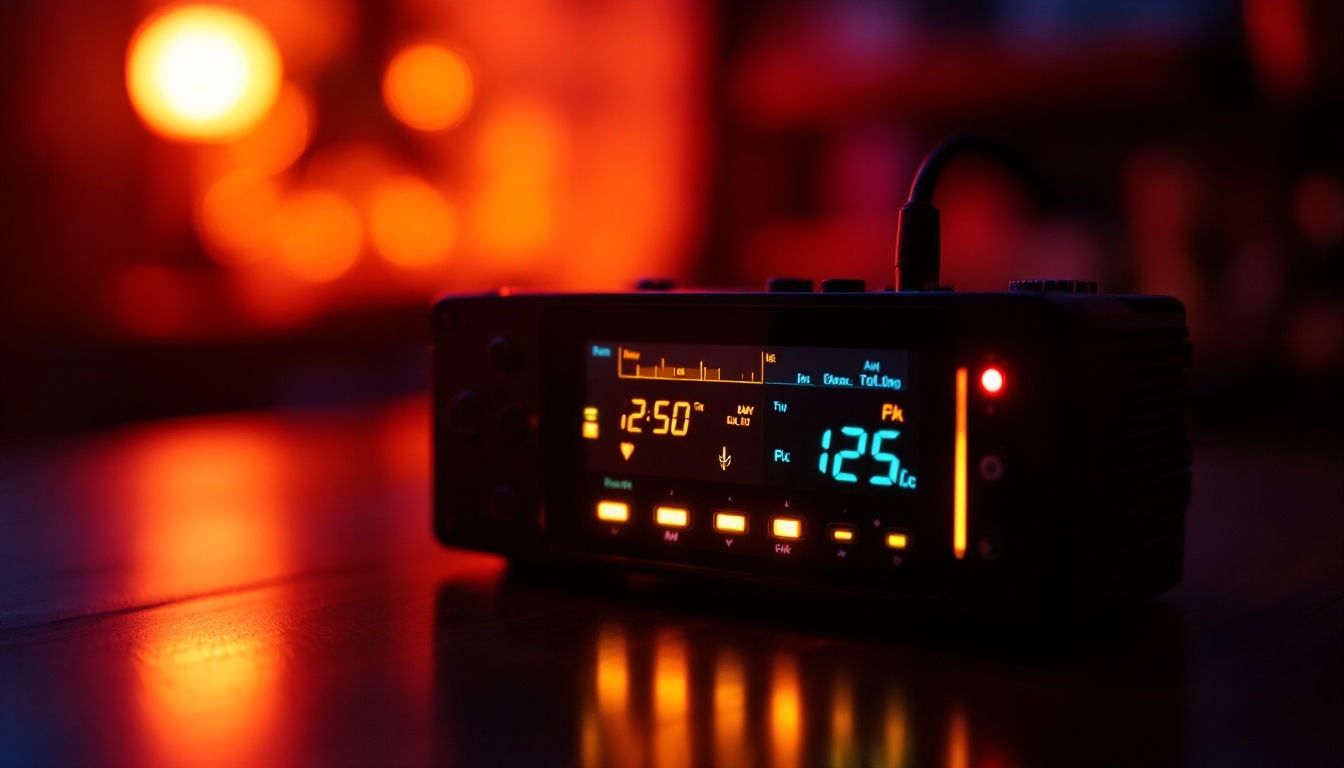
When converting 24.1 kg to pounds, the LED display must show both the numeric value and the unit to avoid confusion. For example, a typical display might read:
53.13 lbs
In devices with limited space, the display might cycle between the value and the unit or use abbreviations like “lb” or “lbs.” Some advanced scales even allow users to switch between units with a button press, instantly updating the display.
Ensuring the display is bright and clear under various lighting conditions is essential, especially in industrial or outdoor environments. LED technology excels here due to its high visibility and low power consumption.
Applications of Weight Conversion and LED Displays
The combination of accurate weight conversion and effective LED display technology is critical across many industries. Understanding these applications helps appreciate the importance of precise and clear weight information.
Healthcare and Fitness
In healthcare settings, patient weight is a vital metric. Devices such as digital scales and body composition analyzers use LED displays to show weight in kilograms or pounds, depending on regional preferences. Accurate conversion is essential for medication dosing, nutritional planning, and tracking health progress.
Fitness centers and personal trainers also rely on these displays to monitor client progress. Many modern scales offer dual-unit displays, allowing users to switch between kilograms and pounds seamlessly.
Logistics and Shipping
Shipping companies handle packages worldwide, necessitating conversions between metric and imperial units. Weighing scales equipped with LED displays provide quick, reliable readouts for package weight, ensuring compliance with carrier requirements and accurate billing.
For example, a package weighing 24.1 kg would be displayed as approximately 53.13 lbs on an LED screen when the imperial system is selected. This helps shipping personnel avoid errors and streamline operations.
Manufacturing and Industrial Use
In manufacturing, precise weight measurements are crucial for quality control and inventory management. LED displays on weighing equipment provide instant feedback to operators, facilitating efficient production processes.
Weight conversions are often necessary when dealing with international suppliers or customers who use different measurement systems. Clear LED displays help prevent miscommunication and ensure product specifications are met.
Technical Considerations for LED Weight Displays
Designing LED displays for weight measurements involves several technical factors to optimize performance and user experience.
Resolution and Digit Size
The resolution of the LED display determines how many digits and decimal places can be shown simultaneously. For example, displaying “53.13 lbs” requires at least five characters plus space for the unit. The digit size must be large enough to be easily readable from a typical viewing distance.
In environments like warehouses or gyms, larger digits improve visibility, while compact devices may prioritize space-saving designs.
Power Consumption and Durability
LED displays are favored for their low power consumption, which is critical for battery-operated scales and portable devices. Additionally, LEDs are robust and can withstand harsh conditions, including temperature fluctuations and vibrations common in industrial settings.
User Interface and Controls
Many modern weighing devices feature user-friendly interfaces that allow switching between kilograms and pounds with a simple button press. The LED display updates instantly, showing the converted value. Some devices also store previous measurements or provide tare functions to subtract container weight.
Clear labeling and intuitive controls reduce user errors and enhance the overall experience.
Common Challenges and Solutions in Weight Display Conversion
Despite the straightforward nature of weight conversion, several challenges can arise when displaying these values on LED screens.
Unit Confusion and Misinterpretation
One common issue is users misreading the units, especially if the display only shows numbers without clear unit labels. This can lead to significant errors, such as miscalculating shipping costs or dosing medication incorrectly.
To mitigate this, manufacturers often include unit indicators like “kg” or “lbs” directly on the display or use color coding and symbols to differentiate units clearly.
Rounding Errors and Precision Loss
Rounding during conversion can cause discrepancies, particularly in sensitive applications. For example, rounding 53.131142 lbs to 53 lbs might be acceptable in some contexts but problematic in others.
Providing options for users to select the desired precision level on the device can help address this challenge, ensuring the display meets specific accuracy requirements.
Visibility in Different Environments
LED displays must remain readable in various lighting conditions, from bright sunlight to dim indoor settings. Glare, reflection, and viewing angle can affect visibility.
Manufacturers use high-contrast displays, anti-glare coatings, and adjustable brightness settings to enhance readability. Some devices also incorporate backlighting for low-light environments.
Future Trends in Weight Measurement and Display Technology
As technology advances, the way weight data is displayed and interpreted continues to evolve, promising greater accuracy, convenience, and integration.
Smart Scales and IoT Integration
Smart scales equipped with LED or OLED displays increasingly connect to smartphones and cloud services via Bluetooth or Wi-Fi. This integration allows automatic unit conversion, data logging, and personalized feedback.
For example, a user weighing 24.1 kg can instantly see the equivalent in pounds on their phone app, alongside historical data and health insights. The LED display on the scale itself may show a simplified reading, while the app provides detailed analysis.
Advanced Display Technologies
Beyond traditional LEDs, newer display technologies such as OLED and microLED offer higher resolution, better color contrast, and flexibility in design. These advances enable more informative and visually appealing weight readouts, including graphical representations and multi-unit displays.
Voice and Gesture Interfaces
Emerging interfaces may allow users to interact with weighing devices through voice commands or gestures, reducing the need to press buttons for unit conversion or data retrieval. This can enhance accessibility and convenience, particularly in healthcare and industrial environments.
Conclusion
Converting 24.1 kilograms to pounds results in approximately 53.13 lbs, a simple yet essential calculation in many fields. The way this information is presented on LED displays plays a critical role in ensuring accuracy, clarity, and usability.
From healthcare to logistics and manufacturing, LED displays provide a reliable means of communicating weight data, accommodating unit conversions, and supporting user needs. Understanding the technical considerations and challenges involved helps in selecting and using devices that deliver precise and clear weight information.
As display technology and smart integration continue to advance, users can expect even more intuitive and versatile tools for managing weight measurements across different units, enhancing efficiency and reducing errors in everyday and professional contexts.
Explore Cutting-Edge LED Display Solutions with LumenMatrix
Ready to elevate your weight measurement displays with unparalleled clarity and innovation? Discover the advanced capabilities of LumenMatrix’s LED display technology. Whether you need an Indoor LED Wall Display for healthcare, an Outdoor LED Wall Display for logistics, or any of our specialized solutions like Vehicle LED Displays, LED Sports Displays, or Custom LED Displays, LumenMatrix has the expertise to enhance your visual communication. Embrace the future of LED technology and check out LumenMatrix LED Display Solutions today to create captivating visual experiences that resonate with your audience.