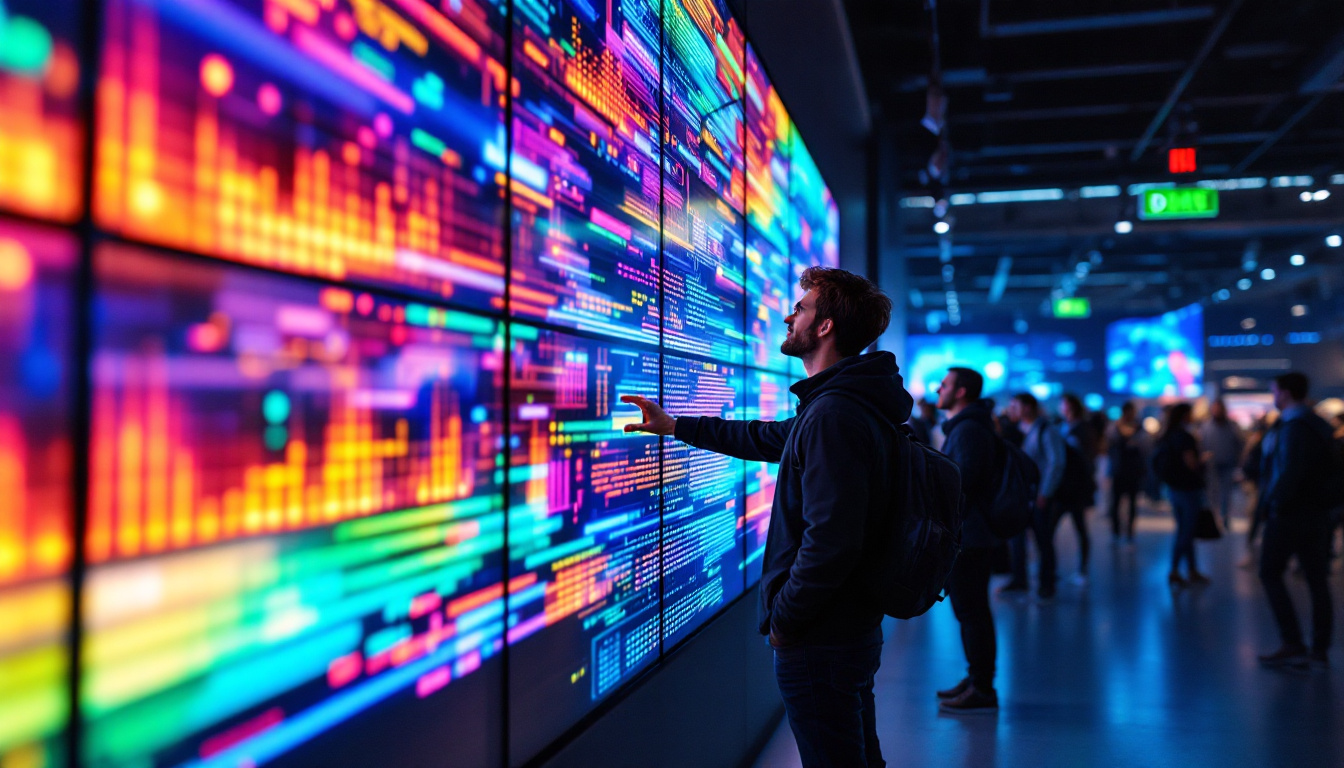
In the rapidly evolving world of digital signage and display technology, understanding the specifications and capabilities of LED displays is essential for businesses, event organizers, and technology enthusiasts alike. Among the many technical terms and numbers associated with LED screens, “3.9 x 30” is a specification that often appears but can be confusing without proper context. This article delves into what “3.9 x 30” means in the realm of LED displays, exploring its significance, applications, and how it impacts the viewing experience.
Understanding the Basics of LED Display Specifications
What Does “3.9” Represent?
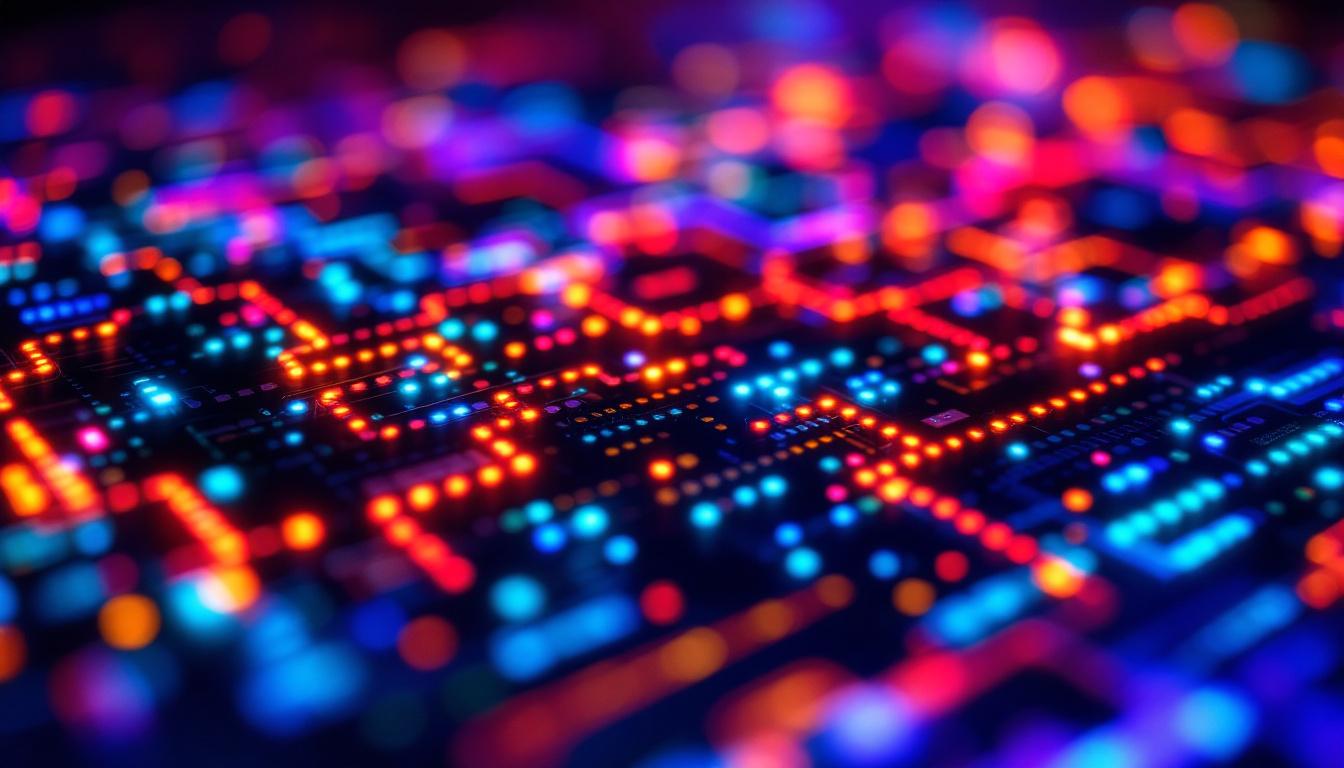
The number “3.9” in LED display terminology typically refers to the pixel pitch, measured in millimeters. Pixel pitch is the distance from the center of one LED cluster (or pixel) to the center of the next. In this case, a 3.9 mm pixel pitch means that each pixel is spaced 3.9 millimeters apart.
Pixel pitch is a critical factor because it directly influences the resolution and clarity of the display. A smaller pixel pitch means more pixels per unit area, resulting in a sharper and more detailed image. Conversely, a larger pixel pitch can reduce the resolution but often allows for larger, more cost-effective displays suitable for long-distance viewing. For instance, a display with a pixel pitch of 2.5 mm is ideal for close-range applications, such as in retail environments or control rooms, where detail is paramount. In contrast, a 10 mm pixel pitch display may be more appropriate for outdoor advertising, where viewers are typically at a greater distance.
What Does “30” Indicate?
The “30” in the “3.9 x 30” specification usually refers to the physical size of the LED display module or panel, often its width or height in centimeters or the number of modules arranged in a row or column. In many cases, it denotes the height of the display in centimeters, meaning the LED panel is 30 cm tall.
When combined, “3.9 x 30” can describe the pixel pitch alongside one dimension of the display, giving an idea of both the resolution density and the physical size. This helps in estimating the overall resolution and suitability for specific viewing distances. Additionally, understanding the dimensions can aid in planning the installation space and ensuring that the display fits seamlessly into its intended environment. For example, a display that is 30 cm tall might be well-suited for indoor settings like conference rooms or retail spaces, where it can be mounted on walls or stands without overwhelming the surrounding decor. Moreover, the aspect ratio of the display, which can be inferred from the dimensions, plays a significant role in determining how content is presented, whether it be video, images, or text, thus impacting viewer engagement and experience.
How Pixel Pitch and Display Size Affect Viewing Experience
Pixel Pitch and Viewing Distance
One of the most important considerations when choosing an LED display is the relationship between pixel pitch and optimal viewing distance. The general rule is that the smaller the pixel pitch, the closer the viewer can be to the screen without noticing individual pixels.
For a 3.9 mm pixel pitch, the ideal viewing distance is typically around 3.9 meters or more. At this distance, the human eye perceives the image as smooth and continuous. This makes 3.9 mm LED displays well-suited for indoor venues like conference halls, retail stores, and control rooms where viewers are relatively close to the screen.
Display Size and Resolution
The physical size of the display, such as the “30” cm height, combined with the pixel pitch, determines the total resolution of the screen. For example, a 3.9 mm pixel pitch panel that is 30 cm tall will have approximately 77 pixels vertically (since 300 mm / 3.9 mm ≈ 77 pixels).
When multiple panels are tiled together, the resolution increases proportionally. This modularity allows for flexible screen sizes, from small indoor displays to massive outdoor billboards. Understanding these dimensions helps in designing a display that fits the space and meets the resolution requirements for the intended application.
Applications of 3.9 mm Pixel Pitch LED Displays
Indoor Advertising and Retail
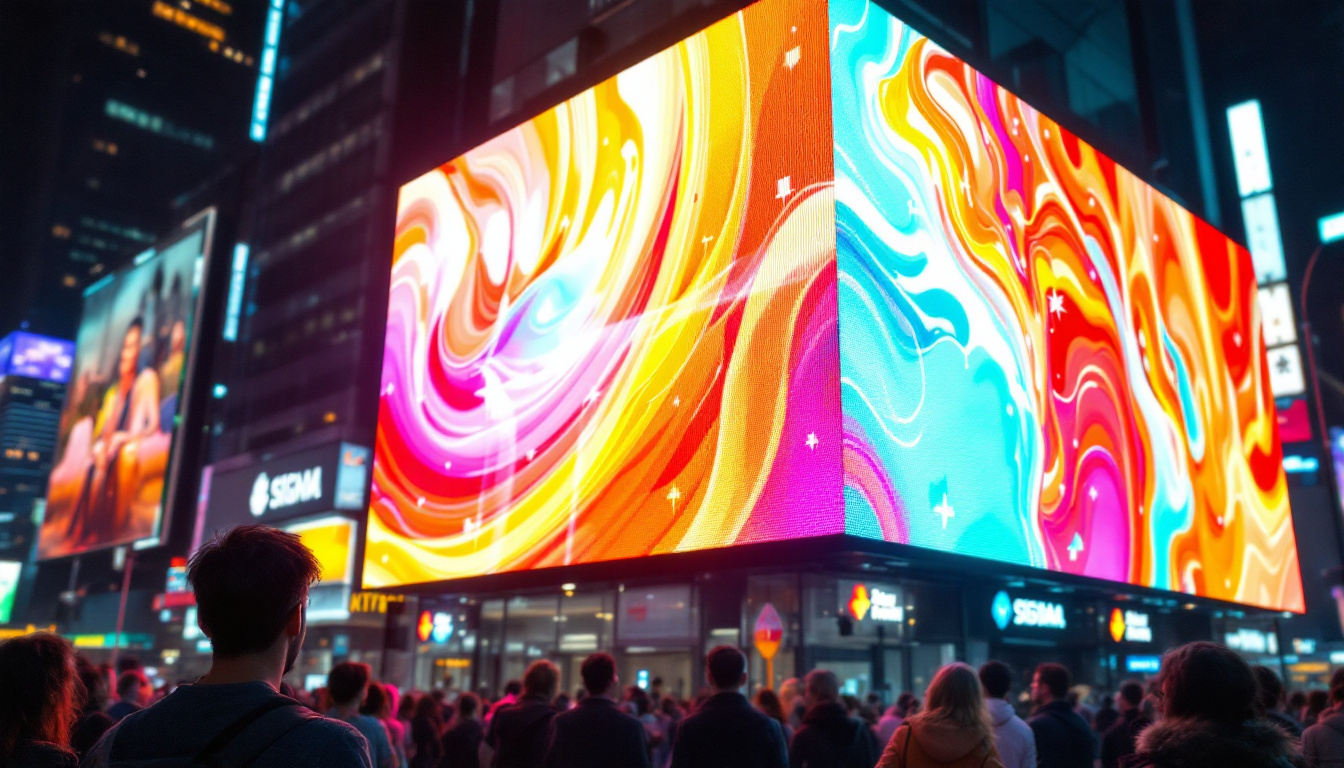
3.9 mm pixel pitch LED displays strike a balance between cost and image quality, making them popular in indoor advertising and retail environments. Their resolution is sufficient to display vibrant, high-quality images and videos that attract customers without the premium price tag of ultra-fine pitch displays.
Retailers use these displays for digital signage, promotional content, and interactive advertising, enhancing customer engagement and driving sales. The relatively compact pixel pitch ensures that graphics and text are clear from typical viewing distances within stores.
Corporate and Event Use
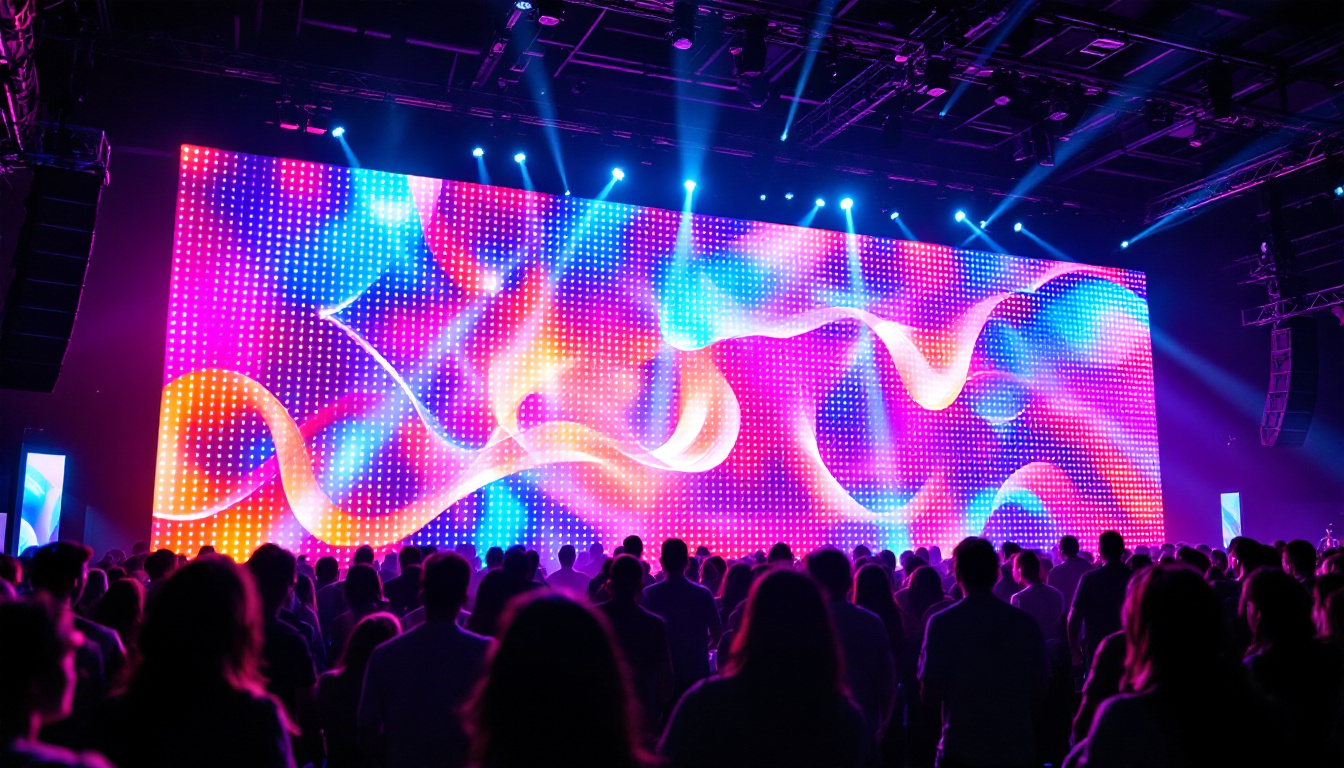
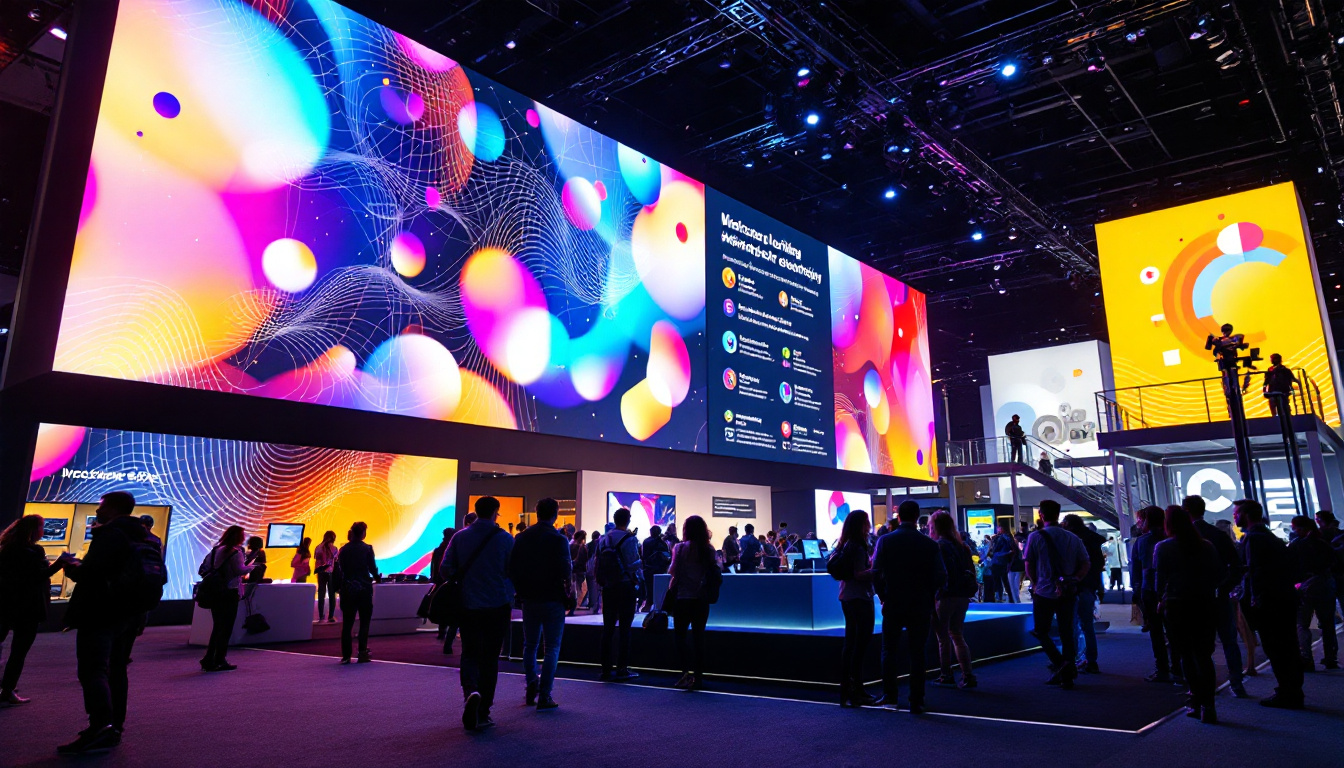
In corporate settings, 3.9 mm LED displays are often employed for presentations, video conferencing backdrops, and event stages. Their clarity and brightness provide an impactful visual experience, ensuring that content is visible to large audiences even in well-lit environments.
Event organizers appreciate the modular nature of these displays, which can be assembled into various sizes and shapes to fit different venues. The 3.9 mm pitch offers a good compromise between image quality and cost, especially for medium-sized venues.
Broadcast and Control Rooms
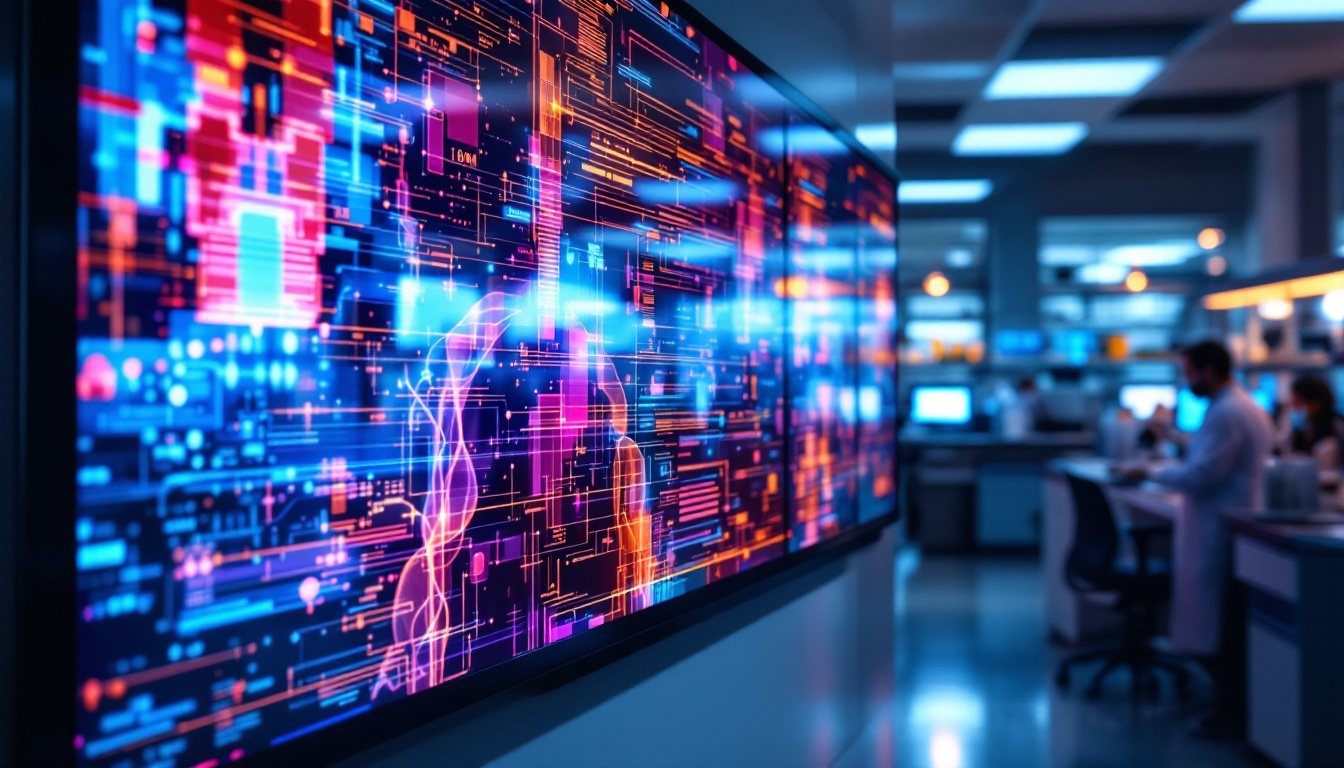
Control rooms and broadcast studios require displays that deliver clear, detailed images for monitoring and decision-making. The 3.9 mm pixel pitch is ideal for these applications, providing sufficient resolution to display complex data, video feeds, and graphics without pixelation.
Additionally, the brightness and color accuracy of these LED displays ensure that information is easily readable under various lighting conditions, which is critical for operational efficiency and safety.
Technical Considerations When Choosing a 3.9 mm LED Display
Brightness and Contrast Ratio
Brightness is a key factor in LED displays, especially for environments with ambient light. A 3.9 mm LED display typically offers brightness levels ranging from 1,000 to 5,000 nits, depending on the model and intended use. Higher brightness ensures visibility even in brightly lit indoor spaces or shaded outdoor locations.
Contrast ratio, the difference between the darkest black and the brightest white, affects image depth and color vibrancy. Modern 3.9 mm LED displays often feature high contrast ratios, enhancing the viewing experience by producing vivid and lifelike images.
Refresh Rate and Color Depth
The refresh rate, measured in Hertz (Hz), indicates how many times per second the display updates its image. For smooth video playback and reduced flicker, especially in broadcast or live event settings, a refresh rate of at least 1,920 Hz is recommended for 3.9 mm LED displays.
Color depth, or bit depth, determines the range of colors the display can produce. A higher color depth results in more accurate and nuanced color reproduction, which is essential for branding, advertising, and high-quality video content.
Durability and Maintenance
LED displays designed with a 3.9 mm pixel pitch are often used in environments where durability is important. Indoor models are typically protected against dust and humidity, while outdoor variants include weatherproofing and higher brightness to combat sunlight glare.
Maintenance considerations include ease of access for repairs and the availability of spare parts. Modular designs allow for quick replacement of faulty panels, minimizing downtime and operational disruptions.
Future Trends and Innovations in LED Display Technology
Increasing Resolution and Pixel Density
While 3.9 mm pixel pitch displays currently offer a strong balance of quality and cost, the trend in LED technology is toward even finer pixel pitches. Displays with pixel pitches below 2 mm are becoming more common, especially for indoor applications requiring ultra-high resolution.
However, these ultra-fine pitch displays come at a higher cost and require more advanced manufacturing techniques. For many applications, 3.9 mm remains an optimal choice, providing excellent image quality without excessive expense.
Integration with Smart Technologies
Modern LED displays are increasingly integrated with smart technologies, including IoT connectivity, AI-powered content management, and interactive features. These advancements allow for dynamic content updates, audience analytics, and personalized advertising.
3.9 mm LED displays are well-positioned to benefit from these innovations, as their resolution and size make them versatile platforms for interactive and data-driven applications in retail, corporate, and public spaces.
Energy Efficiency and Sustainability
Energy consumption is a growing concern in digital signage. Advances in LED technology are leading to more energy-efficient displays that reduce operational costs and environmental impact. Features such as automatic brightness adjustment and low-power standby modes contribute to sustainability.
Choosing a 3.9 mm LED display with energy-efficient components can provide long-term savings and align with corporate social responsibility goals.
Conclusion: Is a 3.9 x 30 LED Display Right for Your Needs?
Understanding the “3.9 x 30” specification is crucial when selecting an LED display for any application. The 3.9 mm pixel pitch offers a versatile balance between image clarity and cost, making it suitable for a wide range of indoor uses, including advertising, corporate events, and control rooms. The “30” dimension, often referring to the panel height, helps in calculating the overall resolution and physical size of the display.
When combined with considerations such as brightness, refresh rate, and durability, a 3.9 mm LED display can deliver impressive performance and value. As LED technology continues to advance, these displays remain a reliable choice for businesses seeking high-quality digital signage without the premium price of ultra-fine pitch screens.
By carefully evaluating your specific needs, viewing distances, and environmental conditions, you can determine if a 3.9 x 30 LED display aligns with your goals and budget, ensuring a successful and impactful visual communication solution.
Discover LumenMatrix’s Advanced LED Display Solutions
Ready to elevate your visual communication with a high-quality LED display? LumenMatrix offers a comprehensive range of LED display modules tailored to your unique needs. From captivating Indoor LED Wall Displays to dynamic Outdoor LED Wall Displays, and from versatile Vehicle LED Displays to innovative Custom LED Solutions, our mission is to revolutionize your audience’s viewing experience. Explore our cutting-edge solutions, including the All-in-One LED Display and LED Transparent Display, and see how we can enhance your brand visibility and engagement. Check out LumenMatrix LED Display Solutions today and transform your visual messaging with clarity and impact.