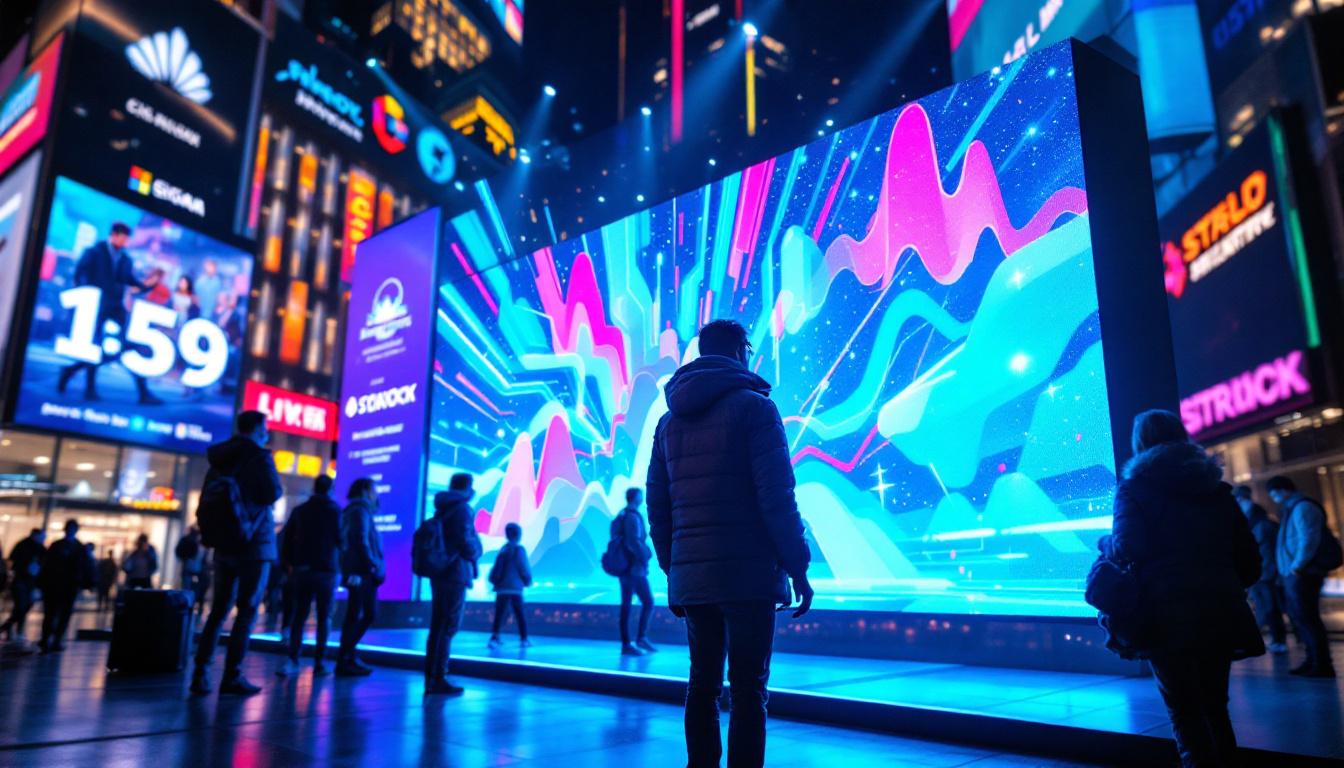
In the world of digital signage and display technology, LED screens have become a dominant force due to their brightness, versatility, and energy efficiency. Among the many types of LED displays, the “3 P8” configuration stands out for its unique balance of resolution, cost, and application suitability. This article delves deep into what a 3 P8 LED display is, how it works, and why it’s an important choice for various commercial and public display needs.
Understanding LED Display Terminology: What Does 3 P8 Mean?
Before diving into the specifics of the 3 P8 LED display, it’s essential to understand the terminology used in LED screen specifications. LED displays are typically described using a combination of numbers and letters that indicate pixel pitch and configuration.
What is Pixel Pitch?
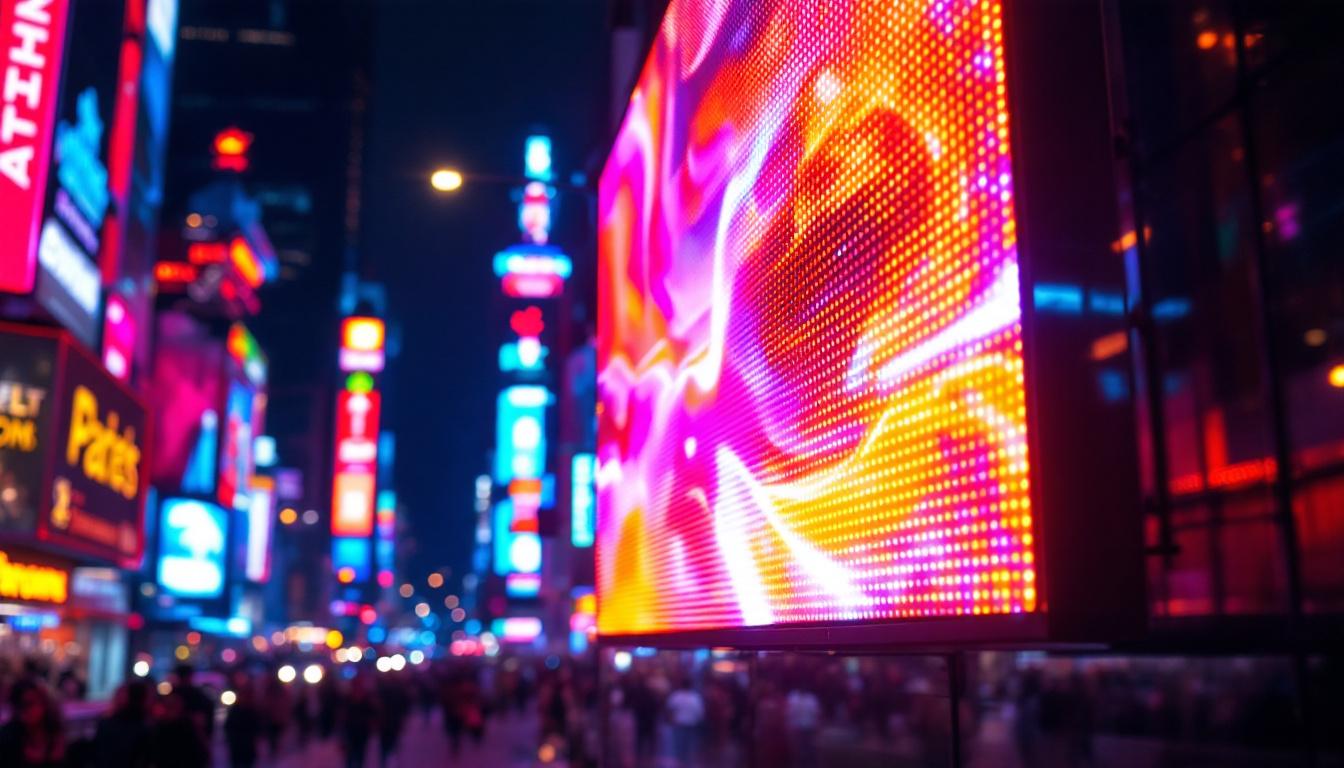
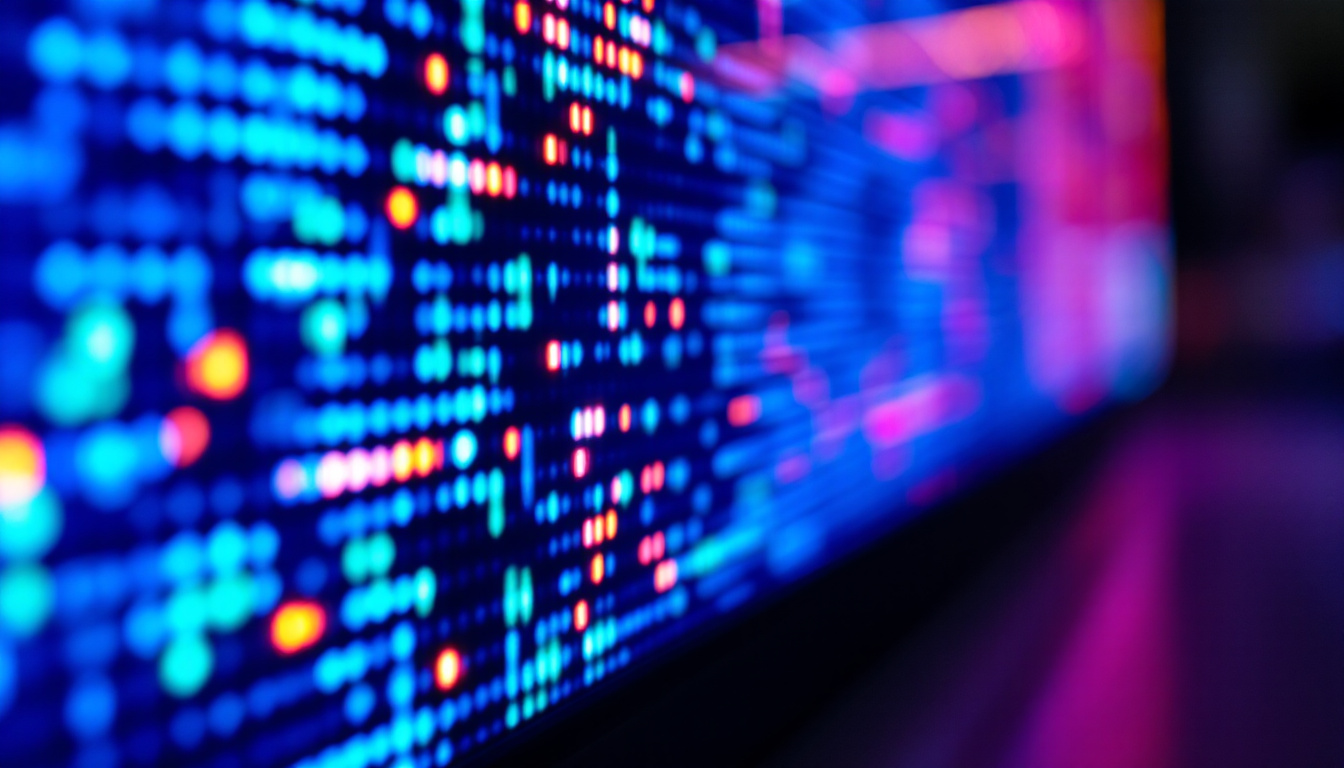
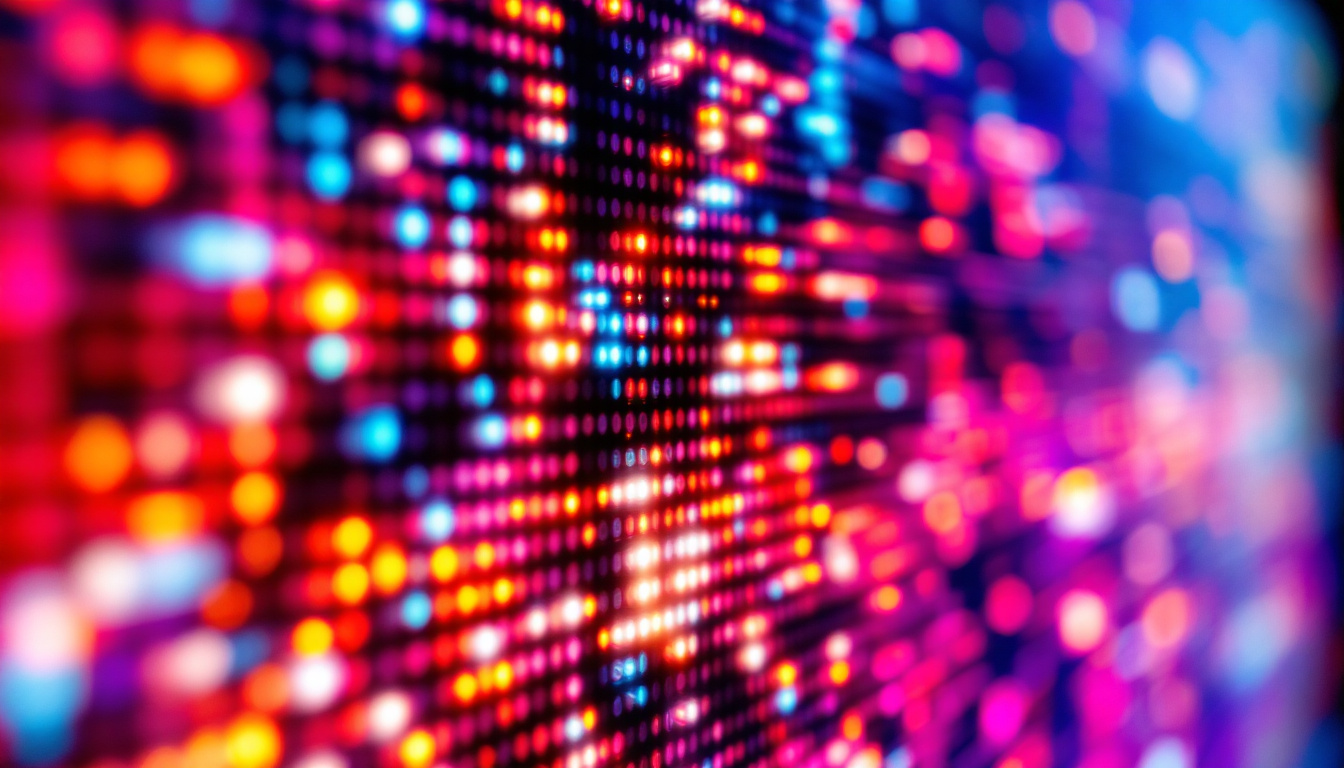
Pixel pitch, often abbreviated as “P,” refers to the distance between the centers of two adjacent pixels on an LED display. It is measured in millimeters (mm) and directly influences the resolution and viewing distance of the screen. A smaller pixel pitch means pixels are closer together, resulting in higher resolution and sharper images, especially at close viewing distances.
For example, a P8 LED display has a pixel pitch of 8 mm, meaning each pixel is spaced 8 millimeters apart. This spacing affects how clearly images and text appear when viewed from different distances. In practical terms, a P8 display is ideal for environments where viewers are at a moderate distance, such as shopping malls, airports, and outdoor events, allowing for a balance between clarity and cost-effectiveness.
What Does the “3” in 3 P8 Indicate?
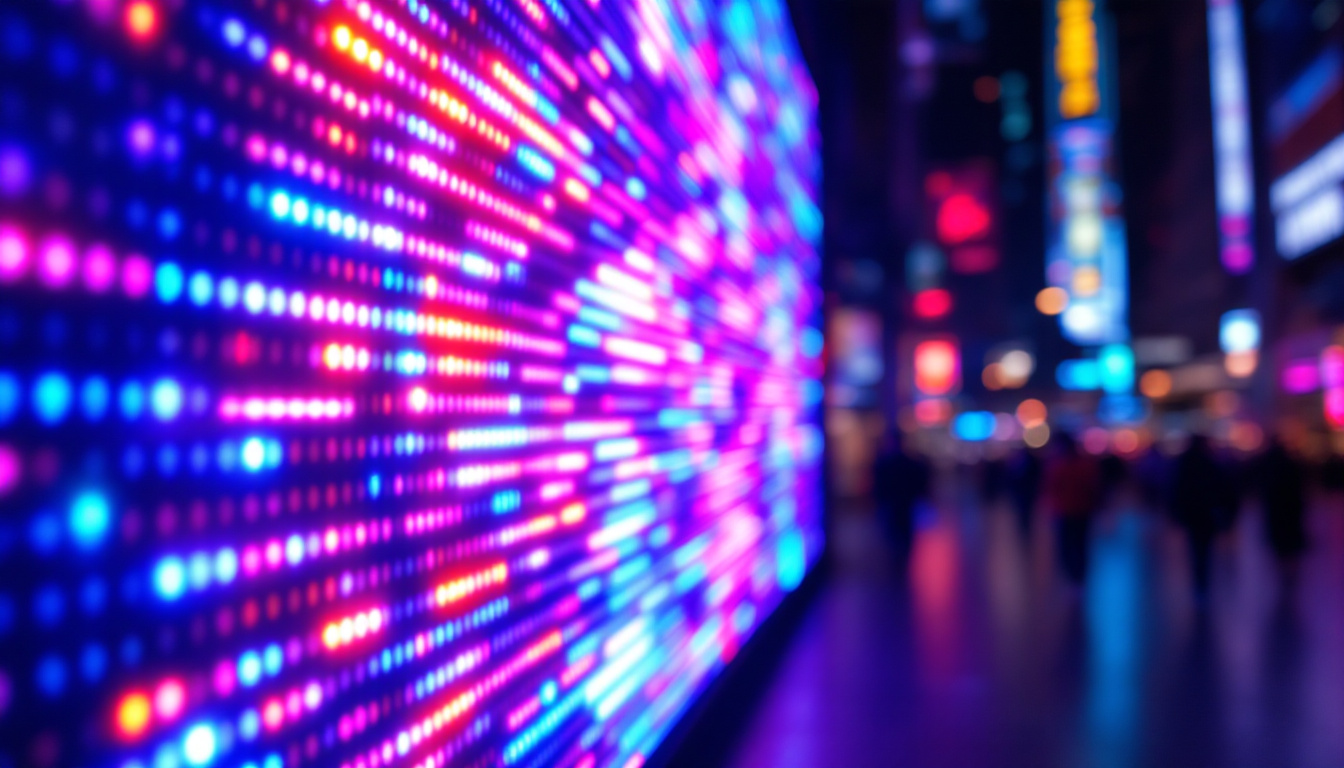
The “3” in 3 P8 typically refers to the number of LED diodes per pixel. In this context, each pixel consists of three LEDs: one red, one green, and one blue. These three diodes work together to produce the full spectrum of colors through varying intensities of each LED.
This RGB (Red-Green-Blue) configuration is the standard for most color LED displays, as it allows for accurate color reproduction and vibrant visuals. The ability to mix these primary colors in different intensities enables the display to create millions of color combinations, making it suitable for dynamic content such as videos, animations, and advertisements. Additionally, the quality of the diodes plays a crucial role in the overall brightness and longevity of the display, with high-quality LEDs providing better performance and energy efficiency.
Moreover, the 3 P8 configuration is particularly advantageous for applications requiring high visibility in various lighting conditions. For instance, outdoor displays benefit significantly from this setup, as the brightness and clarity of the colors can cut through ambient sunlight, ensuring that messages remain legible and eye-catching. This versatility makes the 3 P8 LED display a popular choice for businesses looking to enhance their advertising strategies and engage customers effectively.
Technical Specifications and Features of 3 P8 LED Displays
The 3 P8 LED display combines a moderate pixel pitch with a standard RGB diode configuration, making it a versatile choice for many applications. Let’s explore the key technical aspects that define this display type.
Resolution and Image Quality
With an 8 mm pixel pitch, the 3 P8 LED display offers a resolution that is suitable for medium to large viewing distances. Typically, these displays are used where viewers are at least 8 to 10 meters away, such as outdoor billboards, stadium screens, or large indoor venues.
While the image sharpness is not as fine as smaller pixel pitch displays (like P4 or P2.5), the 3 P8 strikes a balance between cost and visual clarity. It allows for bright, vivid images without the high price tag associated with ultra-high-resolution screens.
Brightness and Visibility
One of the standout features of LED displays, including 3 P8 models, is their brightness. These screens can achieve brightness levels exceeding 5,000 nits, making them visible even in direct sunlight. This makes 3 P8 LED displays ideal for outdoor advertising and public information boards where ambient light conditions vary significantly.
Additionally, their high contrast ratio ensures that colors remain vibrant and text remains legible, even from a distance or at challenging viewing angles.
Durability and Weather Resistance
3 P8 LED displays are often designed with robust enclosures and weatherproofing to withstand outdoor conditions. Many models come with an IP65 rating or higher, meaning they are protected against dust ingress and water jets from any direction.
This durability makes them suitable for long-term outdoor installations, including transportation hubs, sports arenas, and urban advertising spaces.
Applications of 3 P8 LED Displays
The combination of moderate resolution, high brightness, and durability makes the 3 P8 LED display a popular choice across various industries. Understanding where and why these displays are used can help businesses and organizations make informed decisions.
Outdoor Advertising and Billboards
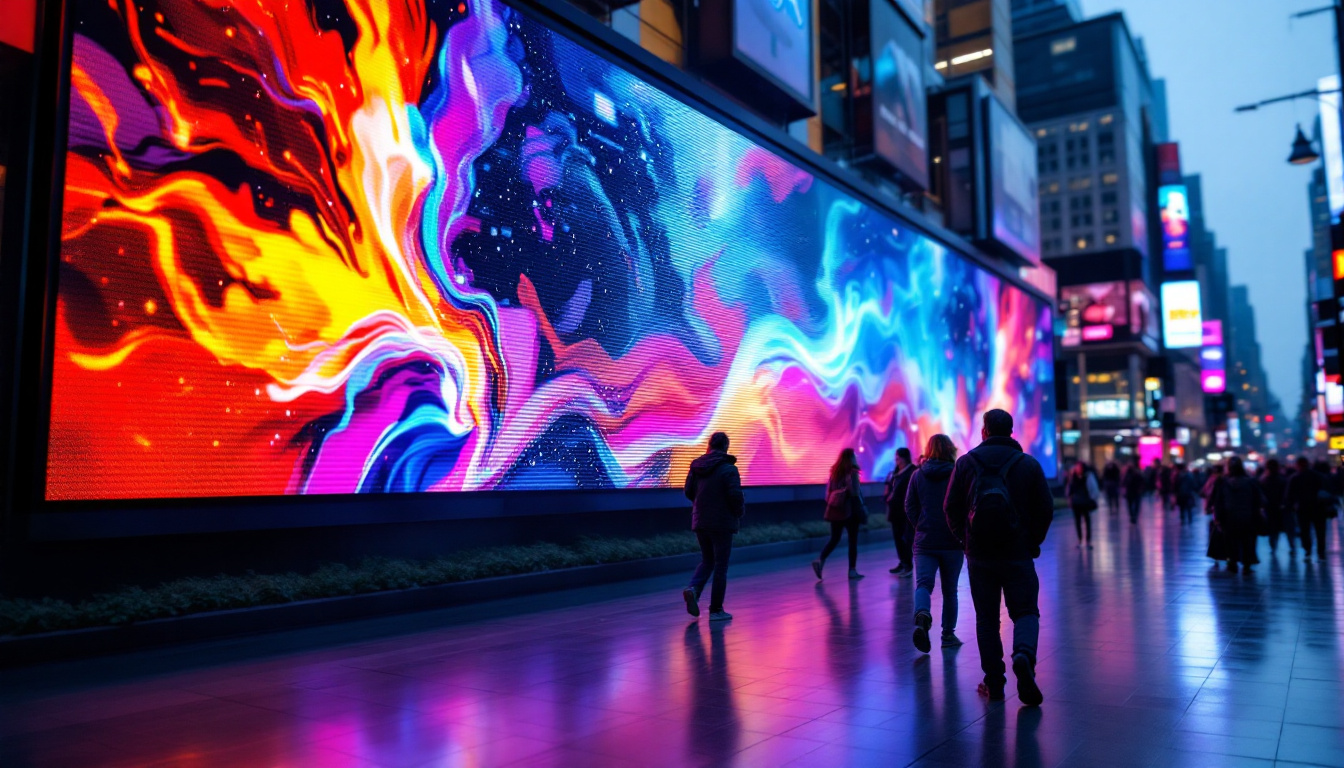
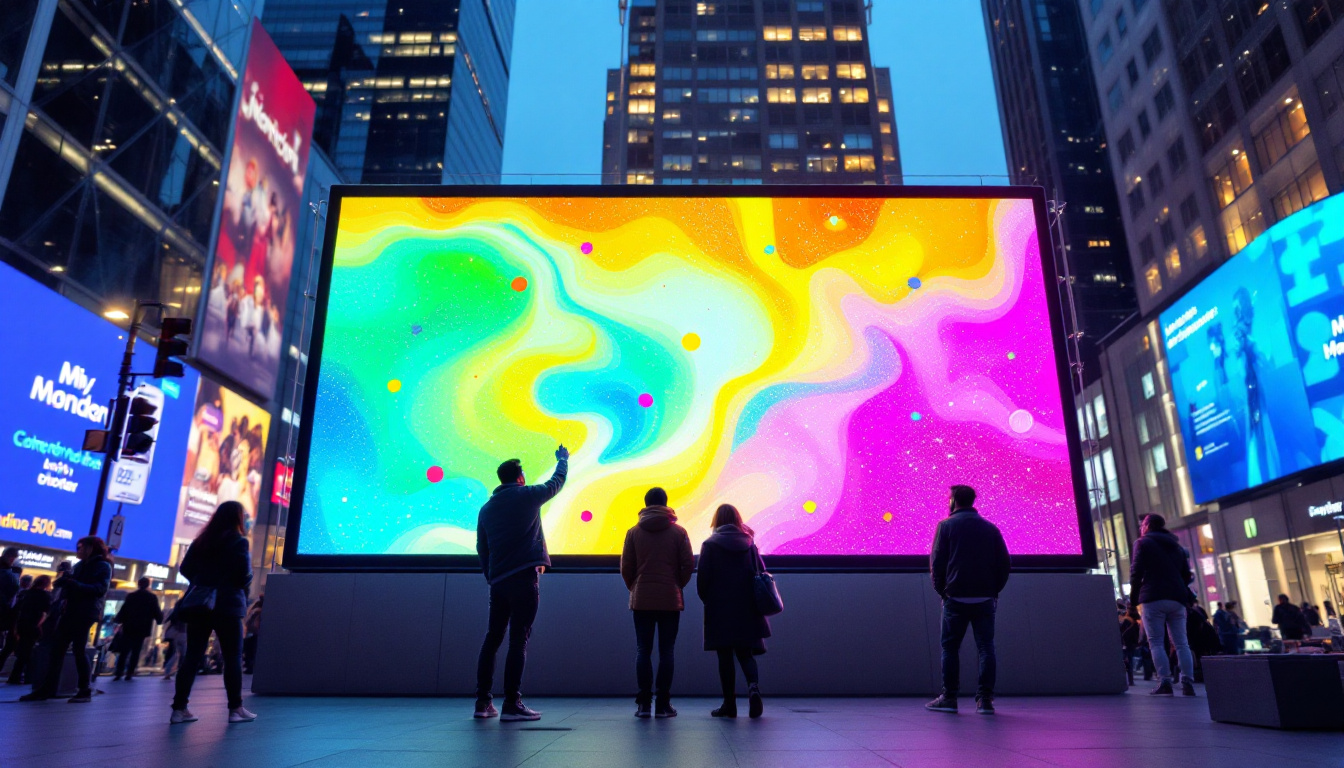
Outdoor advertising is one of the primary applications for 3 P8 LED displays. Their visibility in daylight and from long distances makes them perfect for roadside billboards and digital signage in urban environments.
According to recent market research, digital out-of-home advertising is expected to grow by over 10% annually, with LED billboards playing a significant role. The 3 P8 configuration offers advertisers a cost-effective solution that balances image quality with installation and maintenance costs.
Sports and Event Venues
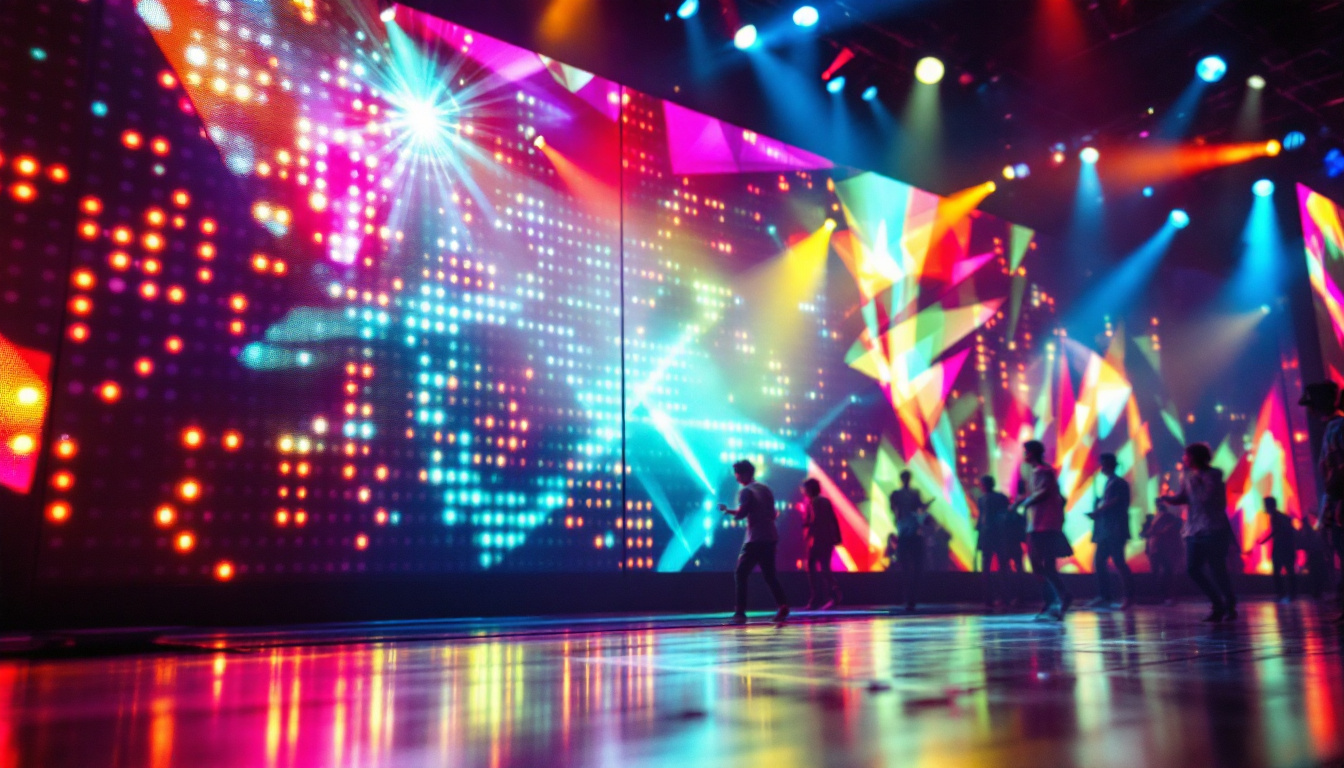
Sports arenas and event venues require large, bright displays that can be seen clearly by thousands of spectators. The 3 P8 LED display fits this need well, providing clear scoreboards, instant replays, and advertising content without the need for ultra-high resolution.
Its ability to handle dynamic content and withstand outdoor weather conditions makes it a favorite for stadiums and open-air concert venues.
Transportation and Public Information Systems
Many transportation hubs, including airports, train stations, and bus terminals, utilize 3 P8 LED displays to provide real-time information to travelers. The combination of brightness and durability ensures that schedules, alerts, and advertisements are visible in all lighting conditions.
These displays also support dynamic content updates, which are critical for timely communication in fast-paced environments.
Advantages and Limitations of 3 P8 LED Displays
Like any technology, 3 P8 LED displays come with a set of advantages and limitations that should be considered before deployment.
Advantages
- Cost-Effective: Compared to smaller pixel pitch displays, 3 P8 screens are more affordable, making them accessible for businesses with budget constraints.
- High Brightness: Their ability to maintain visibility in bright daylight conditions is a significant benefit for outdoor use.
- Durability: Weatherproof designs ensure longevity and reduce maintenance costs.
- Scalability: These displays can be built in large sizes without a prohibitive increase in cost, suitable for big venues and billboards.
Limitations
- Resolution Constraints: The 8 mm pixel pitch means that fine details and small text may not be as clear when viewed up close.
- Viewing Distance Requirements: Optimal viewing distance is generally 8 meters or more, limiting their use in close-proximity applications like retail storefronts.
- Power Consumption: While energy efficient compared to older technologies, large 3 P8 LED installations can still consume significant power.
Installation and Maintenance Considerations
Ensuring optimal performance from a 3 P8 LED display requires careful attention to installation and ongoing maintenance.
Site Assessment and Preparation
Proper site assessment is critical to determine the best location, mounting structure, and power supply requirements. The installation team must consider factors such as sunlight exposure, wind load, and accessibility for maintenance.
Structural integrity is vital, especially for large outdoor screens, to prevent damage from weather or accidental impact.
Calibration and Content Management
Once installed, the display needs to be calibrated for color accuracy and brightness uniformity. Advanced control systems allow operators to manage content dynamically, schedule advertisements, and monitor screen health remotely.
Many modern 3 P8 LED displays support integration with content management software that enables real-time updates and analytics, enhancing the value of the display for advertisers and operators.
Routine Maintenance
Regular maintenance ensures longevity and consistent performance. This includes cleaning the LED modules, checking for dead pixels, inspecting power supplies, and updating software.
Preventative maintenance can reduce downtime and extend the lifespan of the display, protecting the investment over time.
Future Trends and Innovations in LED Display Technology
The LED display industry continues to evolve rapidly, with innovations that may influence the future of 3 P8 and similar configurations.
Higher Resolution and Smaller Pixel Pitch
As manufacturing processes improve and costs decline, smaller pixel pitches are becoming more affordable. While 3 P8 remains popular for certain applications, many businesses are shifting towards P4 or P2.5 displays for enhanced image quality, especially in indoor and close-viewing environments.
Improved Energy Efficiency
New LED technologies and power management systems are reducing energy consumption, making large-scale LED displays more sustainable. This is particularly important as environmental regulations tighten and operational costs rise.
Smart and Interactive Displays
Integration with sensors, cameras, and AI is enabling LED displays to become more interactive and responsive to audiences. Future 3 P8 displays may incorporate these features to deliver personalized content and enhanced user engagement.
Conclusion
The 3 P8 LED display represents a well-balanced solution in the LED signage market, offering a practical mix of resolution, brightness, and durability at a reasonable cost. Its applications span outdoor advertising, sports venues, and public information systems, where medium to long viewing distances are the norm.
Understanding the technical specifications, advantages, and limitations of 3 P8 LED displays helps businesses and organizations select the right technology for their needs. As LED technology continues to advance, the 3 P8 configuration will likely remain a relevant and valuable option for many display scenarios.
Discover LumenMatrix’s Advanced LED Display Solutions
Ready to elevate your visual communication strategy with high-quality LED displays? LumenMatrix offers a comprehensive range of innovative solutions tailored to meet your specific needs. From captivating Indoor and Outdoor LED Wall Displays to dynamic Vehicle and Sports LED Displays, each product is designed to enhance brand visibility and create unforgettable visual experiences. Embrace the future of digital signage with our Custom, All-in-One, and Transparent LED Display options. Check out LumenMatrix LED Display Solutions today and transform the way you connect with your audience.