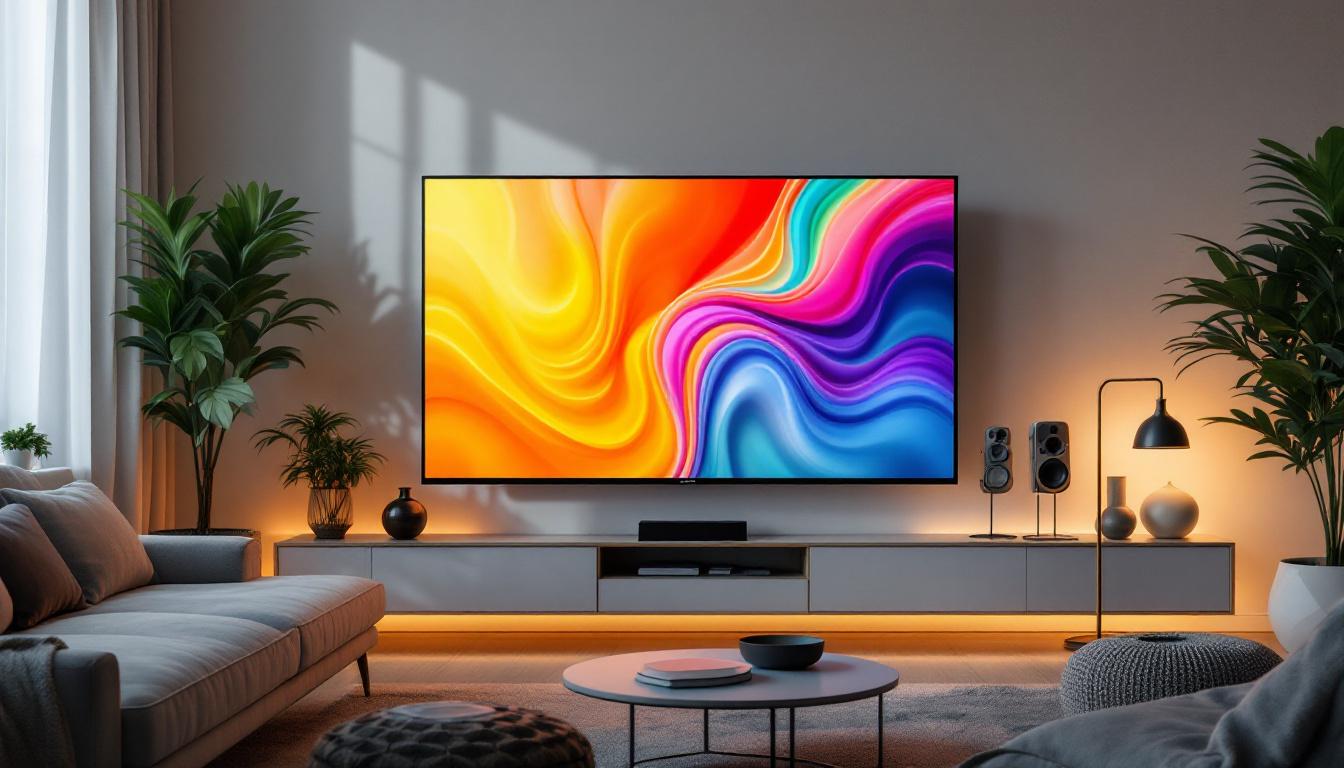
In the rapidly evolving world of television technology, understanding the nuances of display types is essential for making an informed purchase. Among the myriad options available, the 42-inch flat panel TV with an LED display remains a popular choice for many consumers seeking a balance between size, picture quality, and price. This article delves into the technology behind LED displays, explores their advantages and limitations, and offers guidance on what to consider when selecting a 42-inch LED TV.
Understanding LED Display Technology
What Is an LED Display?
LED stands for Light Emitting Diode, a semiconductor device that emits light when an electric current passes through it. In the context of televisions, LED displays refer to LCD (Liquid Crystal Display) panels that use LEDs as the backlighting source instead of traditional cold cathode fluorescent lamps (CCFLs). This shift to LED backlighting has revolutionized TV displays by improving brightness, contrast, and energy efficiency.
Unlike OLED (Organic Light Emitting Diode) technology, where each pixel emits its own light, LED TVs rely on an LCD panel to create images, with LEDs providing the necessary illumination from behind or around the screen. This distinction is crucial for understanding the performance characteristics of LED TVs. LED technology has also enabled manufacturers to create ultra-thin screens that are lightweight and easy to mount, making them ideal for modern living spaces where aesthetics are as important as functionality.
Types of LED Backlighting
There are primarily two types of LED backlighting used in flat panel TVs:
- Edge-Lit LED: LEDs are placed along the edges of the screen, and light is distributed across the panel using light guides. This design allows for thinner TVs and lower manufacturing costs but can sometimes result in uneven brightness and less precise local dimming.
- Direct-Lit or Full-Array LED: LEDs are positioned directly behind the entire screen area, often with local dimming zones that can be turned on or off independently. This setup enhances contrast and black levels, delivering a superior viewing experience compared to edge-lit models.
In addition to these two primary types, there is also a growing trend towards Mini-LED technology, which utilizes thousands of tiny LEDs to provide even more precise control over backlighting. This advancement allows for improved brightness and contrast ratios, making images appear more vibrant and lifelike. Furthermore, Mini-LED displays can achieve deeper blacks and more brilliant highlights, bridging the gap between traditional LED and OLED technologies. As consumers become increasingly discerning about picture quality, the demand for such innovations continues to rise, pushing manufacturers to explore new frontiers in display technology.
Moreover, the integration of HDR (High Dynamic Range) capabilities with LED displays has further enhanced the viewing experience. HDR allows for a wider range of colors and brightness levels, enabling viewers to enjoy more detail in both the brightest and darkest parts of an image. As streaming services and content creators increasingly adopt HDR formats, the importance of having an LED display that can fully support these features becomes paramount for an immersive viewing experience.
Why Choose a 42-Inch LED Flat Panel TV?
Ideal Screen Size for Various Spaces
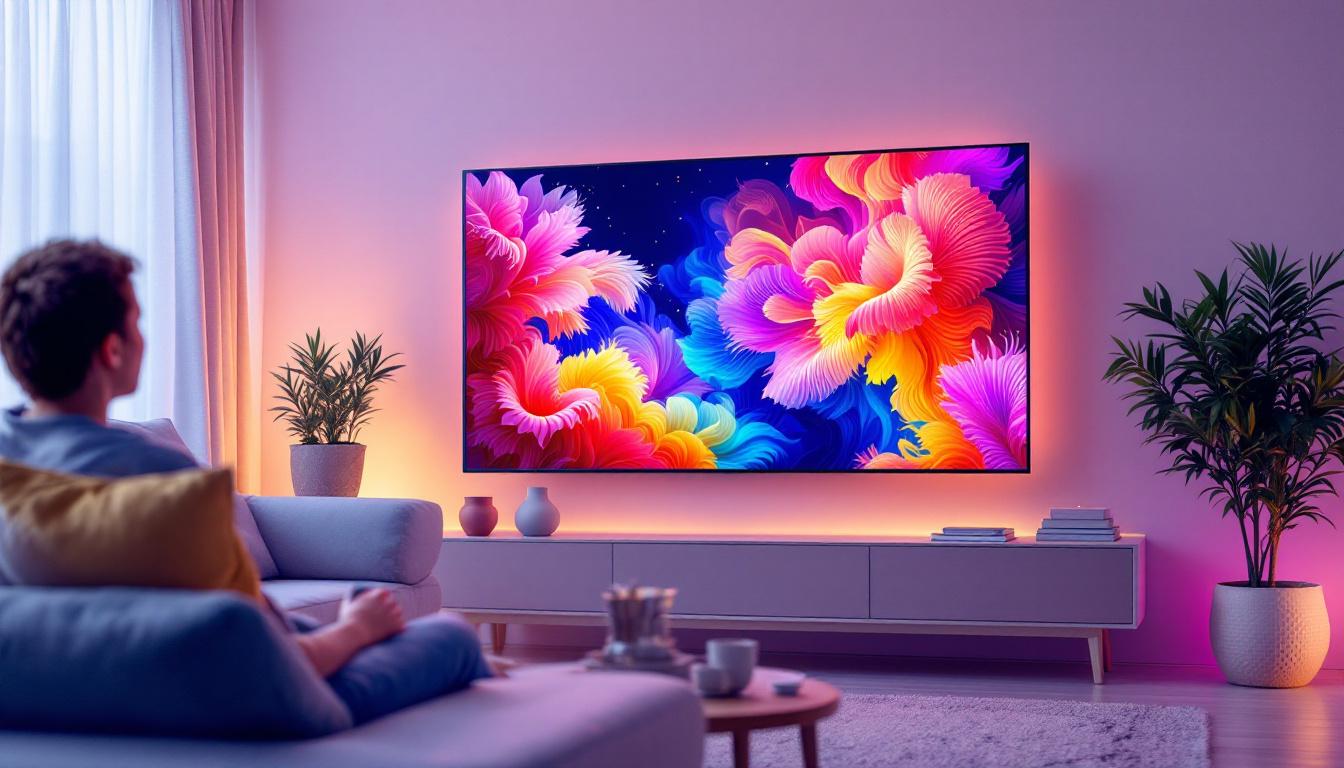
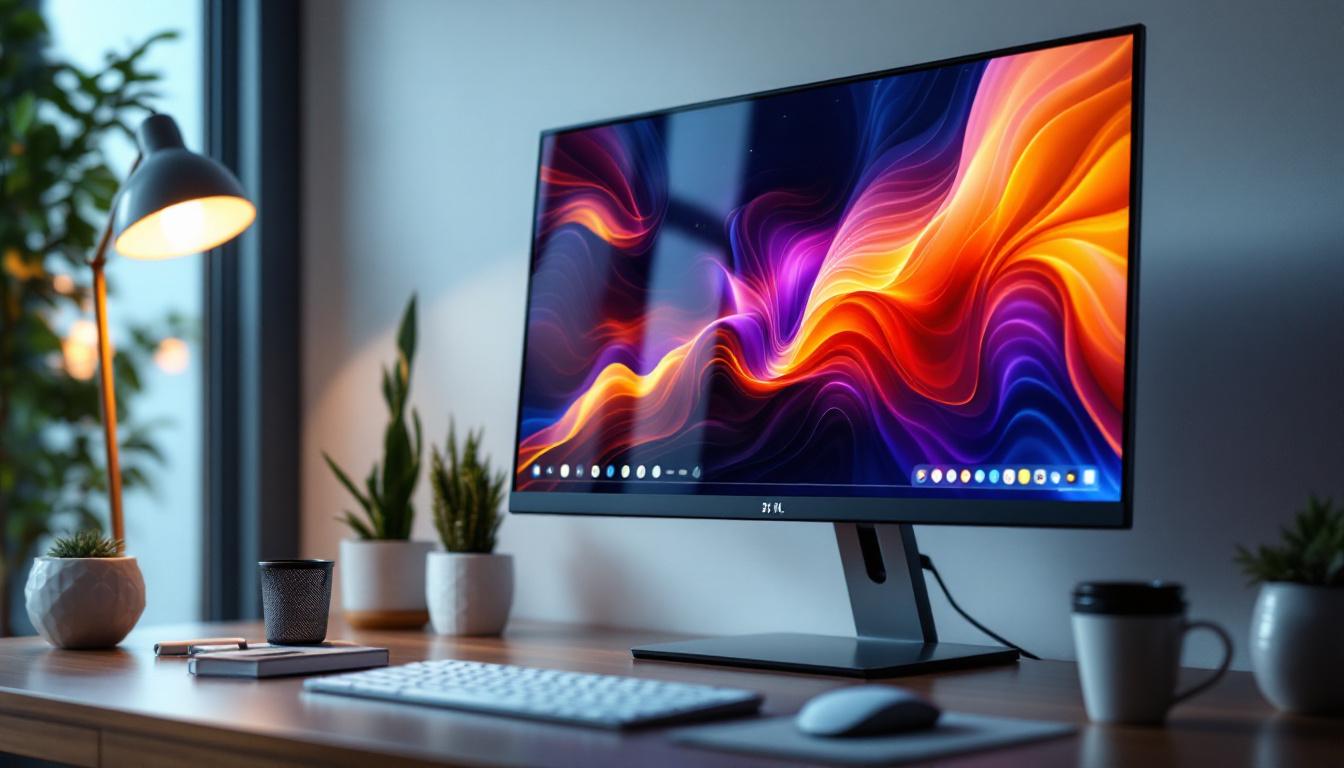
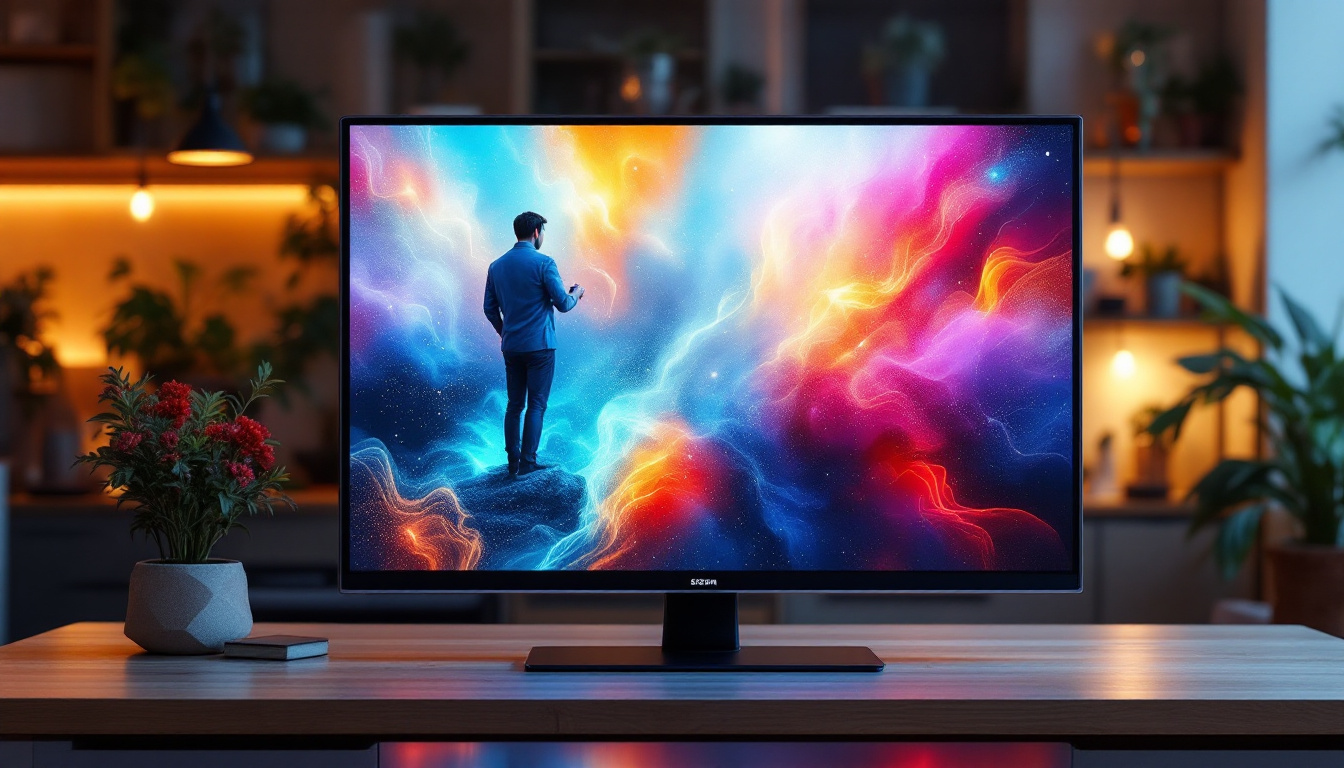
The 42-inch screen size strikes a practical balance for many living rooms, bedrooms, and office environments. It offers a sufficiently large viewing area to enjoy high-definition content without overwhelming smaller spaces. According to viewing distance guidelines recommended by the Society of Motion Picture and Television Engineers (SMPTE), a 42-inch TV is best viewed from around 5 to 8 feet away, making it versatile for different room layouts. This size is particularly advantageous for those who may not have the luxury of expansive wall space or large seating arrangements, allowing for an immersive viewing experience without the need for extensive adjustments in room design.
Moreover, the 42-inch model is often a favorite for gaming enthusiasts. The size provides an optimal field of view that enhances the gaming experience, allowing players to fully immerse themselves in the action without straining their eyes. Whether it’s a fast-paced first-person shooter or a sprawling open-world adventure, the visuals come to life on a screen that feels just right for both casual and competitive gaming sessions.
Energy Efficiency and Environmental Considerations
LED TVs are generally more energy-efficient than their older LCD counterparts with CCFL backlighting. On average, a 42-inch LED TV consumes between 30 to 60 watts of power, depending on the model and settings, which is significantly lower than plasma or older LCD TVs. This efficiency not only reduces electricity bills but also contributes to a smaller environmental footprint. Additionally, many manufacturers are now focusing on sustainable practices, utilizing recyclable materials in their production processes and offering eco-friendly modes that further minimize energy consumption during use.
Furthermore, the longevity of LED technology means that these televisions are less likely to require frequent replacements, which also benefits the environment by reducing electronic waste. With many models boasting lifespans of over 50,000 hours, consumers can enjoy their investment for years to come, all while feeling good about their choice to support a greener planet.
Affordability and Availability
With LED technology becoming the industry standard, 42-inch LED TVs are widely available across various brands and price points. Consumers can find models ranging from budget-friendly options under $300 to premium units exceeding $800, offering features like 4K resolution, HDR support, and smart TV capabilities. This wide range of options ensures that there is something for everyone, regardless of budget or specific needs, making it easier for consumers to find the perfect fit for their entertainment setup.
In addition to price diversity, the competitive market has led to frequent sales and promotions, especially during holiday seasons and major shopping events. This means savvy shoppers can often snag high-quality models at discounted prices, making advanced technology more accessible than ever. With the rise of online shopping platforms, consumers can also read reviews and compare specifications easily, empowering them to make informed decisions about their purchase.
Key Features to Consider in a 42-Inch LED TV
Resolution and Picture Quality
Resolution is a critical factor in determining picture clarity. While Full HD (1920×1080 pixels) remains common in 42-inch TVs, 4K Ultra HD (3840×2160 pixels) models are increasingly prevalent. The higher pixel count in 4K TVs offers sharper images and better detail, especially noticeable on larger screens and when viewing high-quality content.
Additionally, High Dynamic Range (HDR) support enhances the contrast and color accuracy, making scenes appear more lifelike. Popular HDR formats include HDR10, Dolby Vision, and HLG, with many modern 42-inch LED TVs supporting at least one of these standards.
Refresh Rate and Motion Handling
A TV’s refresh rate, measured in Hertz (Hz), indicates how many times the image updates per second. A higher refresh rate, such as 120Hz, helps reduce motion blur during fast-moving scenes, which is particularly beneficial for sports and action movies. Many 42-inch LED TVs offer native 60Hz panels with motion interpolation technologies to simulate higher refresh rates.
Smart TV Functionality
Smart TVs integrate internet connectivity and streaming apps directly into the television, eliminating the need for external devices like streaming sticks or set-top boxes. Most 42-inch LED TVs come equipped with popular platforms such as Roku, Android TV, or proprietary operating systems from manufacturers like Samsung’s Tizen or LG’s webOS.
These smart features allow users to access services like Netflix, Hulu, Amazon Prime Video, and YouTube, as well as browse the web and use voice assistants like Alexa or Google Assistant.
Comparing LED TVs with Other Display Technologies
LED vs. OLED
While LED TVs use backlighting to illuminate an LCD panel, OLED TVs feature self-emissive pixels that can turn on and off independently. This allows OLEDs to achieve perfect blacks and superior contrast ratios. However, OLEDs tend to be more expensive and are currently available in fewer sizes, with 42-inch models being less common.
For consumers prioritizing deep blacks and wide viewing angles, OLED might be preferable. Yet, LED TVs often provide brighter images and are less susceptible to burn-in, making them a practical choice for many households.
LED vs. QLED
QLED (Quantum Dot LED) is a marketing term used primarily by Samsung to describe LED TVs enhanced with quantum dot technology. Quantum dots improve color accuracy and brightness by emitting precise wavelengths of light when illuminated by LEDs.
QLED TVs, including 42-inch models, generally offer better color performance and higher peak brightness compared to standard LED TVs. However, they still rely on LED backlighting and share similar limitations regarding black levels and contrast.
Tips for Optimizing Your 42-Inch LED TV Experience
Proper Placement and Viewing Angle
To maximize picture quality, position the TV at eye level and ensure the viewing angle is as direct as possible. Most LED TVs perform best when viewed head-on; off-angle viewing can result in color shifts and reduced contrast, especially in models without advanced panel technologies.
Calibrating Picture Settings
Many TVs come with preset picture modes like Standard, Cinema, or Vivid. While these can be convenient, custom calibration often yields the best results. Adjusting brightness, contrast, color temperature, and sharpness based on your viewing environment can significantly enhance image quality.
Utilizing External Devices
For users seeking higher-quality audio or additional streaming options, connecting external soundbars or media players can complement the built-in features of a 42-inch LED TV. Additionally, gaming consoles or Blu-ray players can leverage the TV’s capabilities for an immersive entertainment experience.
Conclusion: Is a 42-Inch LED Flat Panel TV Right for You?
The 42-inch LED flat panel TV remains a versatile and popular choice for consumers looking for a compact yet immersive viewing experience. Its combination of energy efficiency, affordability, and solid picture quality makes it suitable for a wide range of settings, from bedrooms to small living rooms.
Understanding the underlying LED technology, along with key features like resolution, refresh rate, and smart capabilities, empowers buyers to select a model that aligns with their preferences and budget. While alternatives like OLED and QLED offer distinct advantages, LED TVs continue to deliver reliable performance and value for everyday entertainment needs.
Ultimately, the best 42-inch LED TV is one that fits your space, meets your viewing habits, and enhances your enjoyment of movies, sports, and streaming content.
Discover the Future of LED Displays with LumenMatrix
Ready to elevate your viewing experience with the latest in LED display technology? LumenMatrix is at the forefront of innovation, offering a wide array of LED display solutions that cater to your every need. From immersive Indoor LED Wall Displays to dynamic Outdoor LED Wall Displays, and from versatile Vehicle LED Displays to sleek LED Poster Displays, LumenMatrix has the perfect option to bring your visual communication to life. Embrace the revolution in digital signage and let LumenMatrix’s cutting-edge LED displays captivate your audience. Check out LumenMatrix LED Display Solutions today and transform the way you share your message with the world.