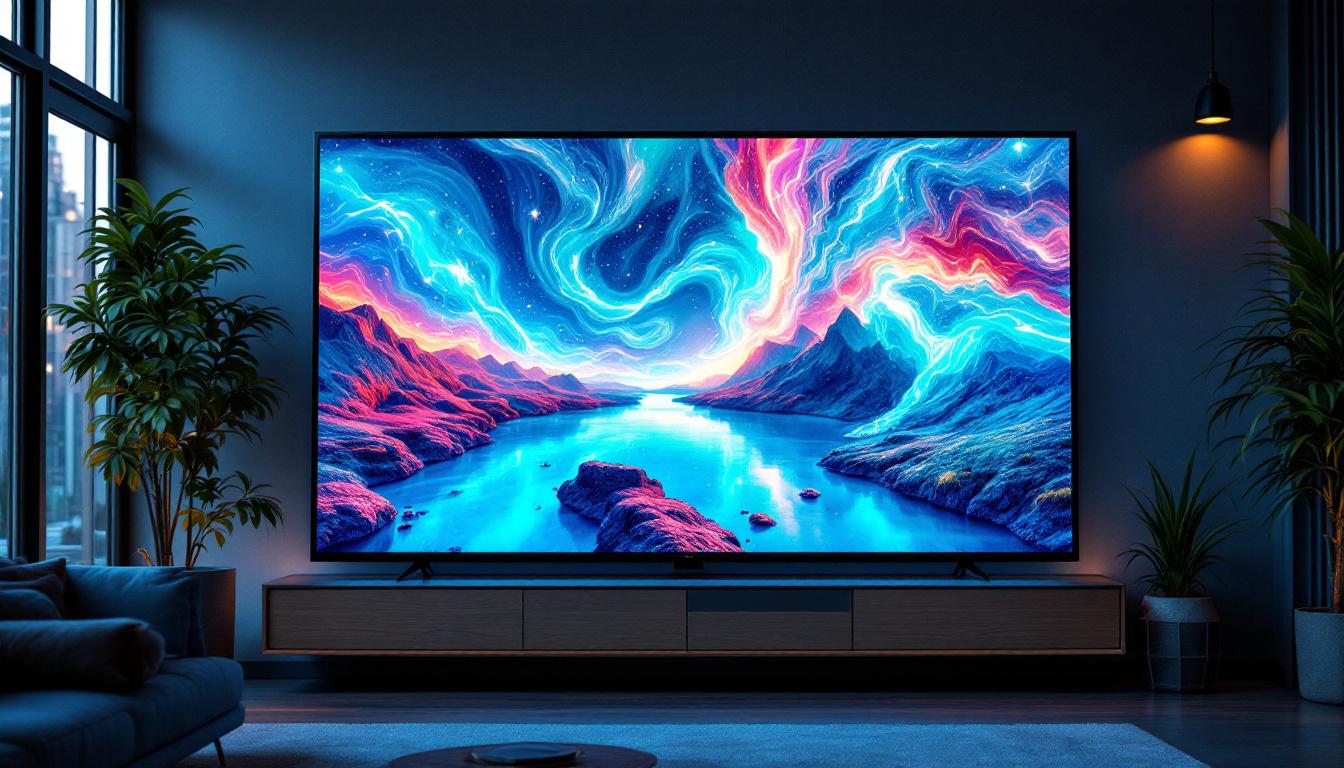
When shopping for large-screen displays, particularly LED TVs or commercial screens, size often becomes a critical factor in decision-making. One common question that arises is how to convert the screen size from inches to feet, especially when dealing with large sizes like an 85-inch display. Understanding these measurements is essential not only for fitting the screen into a space but also for appreciating the viewing experience it offers.
This article delves into the conversion of an 85-inch screen into feet, explores the specifics of LED display technology, and discusses why size matters when selecting a display. Whether you’re a consumer looking for a home theater upgrade or a business owner considering digital signage, this comprehensive guide will help you make an informed choice.
Understanding Screen Size: Inches vs. Feet
What Does 85 Inches Mean?
When a screen is described as 85 inches, it refers to the diagonal measurement of the display. This diagonal measurement is the distance from one corner of the screen to the opposite corner. The inch is a standard unit of length in the United States and many other countries, equivalent to 2.54 centimeters.
To visualize, an 85-inch screen is quite large, often used in premium home theaters, conference rooms, or public display settings. But since feet are a more familiar unit of measurement in everyday life, converting inches into feet helps in understanding the actual size better. Such large screens provide an immersive viewing experience, making them ideal for watching movies, playing video games, or giving presentations. The clarity and detail that come with a larger display can significantly enhance the overall experience, drawing viewers into the content more effectively than smaller screens.
Converting Inches to Feet
One foot equals 12 inches. To convert inches to feet, divide the number of inches by 12. For an 85-inch screen:
85 inches ÷ 12 = 7.08 feet
This means the diagonal of an 85-inch display is approximately 7.08 feet long. This conversion is useful for spatial planning, such as determining if the screen fits on a wall or within a room. Knowing the size in feet can help homeowners and businesses alike visualize the scale of the screen in relation to their space, ensuring that it complements the room’s design and functionality. Additionally, understanding the dimensions in feet can aid in arranging seating or furniture to optimize viewing angles and comfort.
Width and Height Dimensions of an 85-Inch Screen
While the diagonal measurement is standard for describing screen size, understanding the width and height is crucial for installation and space management. The width and height depend on the aspect ratio of the screen, which is typically 16:9 for modern LED displays.
Using the Pythagorean theorem, the width (W) and height (H) can be calculated as:
- W = diagonal × (16 / √(16² + 9²))
- H = diagonal × (9 / √(16² + 9²))
Calculating for an 85-inch diagonal:
- W = 85 × (16 / √(256 + 81)) = 85 × (16 / √337) ≈ 85 × 0.8716 ≈ 74.09 inches
- H = 85 × (9 / √(256 + 81)) = 85 × (9 / √337) ≈ 85 × 0.4903 ≈ 41.68 inches
Converting these to feet:
- Width: 74.09 ÷ 12 ≈ 6.17 feet
- Height: 41.68 ÷ 12 ≈ 3.47 feet
So, an 85-inch LED display is roughly 6.17 feet wide and 3.47 feet tall, which is important to note for mounting and room layout. These dimensions not only play a role in installation but also impact the viewing experience. A screen of this size can fill a significant portion of a wall, making it a focal point in any room. Furthermore, the height and width measurements help users determine the optimal distance from which to view the screen for the best visual clarity and comfort, ensuring that viewers can enjoy the full benefits of high-definition content without straining their eyes.
What is an LED Display?
LED Technology Basics
LED stands for Light Emitting Diode, a semiconductor device that emits light when an electric current passes through it. LED displays use an array of these diodes to create images and videos. The technology is widely used in televisions, computer monitors, digital billboards, and more.
Unlike traditional LCDs that rely on fluorescent backlighting, LED displays use LEDs for backlighting, which offers several advantages such as better brightness, energy efficiency, and color accuracy. This shift to LED technology has revolutionized the way we experience visual content, making it more vibrant and engaging. The ability of LEDs to produce a wide color gamut means that viewers can enjoy richer, more lifelike images that are closer to what the human eye perceives in real life.
Types of LED Displays
There are primarily two types of LED displays:
- Edge-lit LED: LEDs are placed along the edges of the screen, and light is spread across the panel using light guides. This allows for thinner panels but can sometimes result in uneven brightness.
- Direct-lit or Full-array LED: LEDs are placed directly behind the screen, allowing for better local dimming and contrast control, resulting in superior picture quality.
For large displays like 85-inch screens, full-array LED technology is common in premium models to ensure uniform brightness and high dynamic range. Additionally, advancements in technology have led to the development of mini-LED and micro-LED displays, which utilize smaller diodes for even greater precision in light control and improved performance in terms of contrast and color depth. These innovations are paving the way for the next generation of display technology, making it possible to create even thinner and more efficient screens.
Advantages of LED Displays
LED displays have become the preferred choice for large screens due to several benefits:
- Brightness and Contrast: LED displays can achieve higher brightness levels and better contrast ratios than traditional LCDs.
- Energy Efficiency: LEDs consume less power, making them more environmentally friendly and cost-effective over time.
- Longevity: LEDs generally have a longer lifespan, often exceeding 50,000 hours of use.
- Thin and Lightweight: LED technology allows for thinner and lighter panels, which is crucial for large displays.
Moreover, LED displays are highly versatile and can be used in a variety of settings, from home theaters to outdoor advertising. Their resilience to temperature fluctuations and humidity makes them suitable for both indoor and outdoor applications. In addition, the rapid response time of LEDs enables smooth motion rendering, making them ideal for fast-paced video content, such as sports or action films. As technology continues to evolve, we can expect even more enhancements in LED display capabilities, further solidifying their role in modern visual media.
Why Size Matters: The Impact of an 85-Inch Display
Immersive Viewing Experience
One of the primary reasons consumers opt for an 85-inch LED display is the immersive viewing experience it offers. The large screen size fills more of the viewer’s field of vision, enhancing the sense of depth and realism in movies, sports, and gaming.
According to the Society of Motion Picture and Television Engineers (SMPTE), the ideal viewing distance for a 4K UHD TV is approximately 1 to 1.5 times the screen’s diagonal size. For an 85-inch screen, this translates to a distance of about 7 to 10.5 feet, which is manageable in most living rooms or media spaces.
Applications in Home and Business
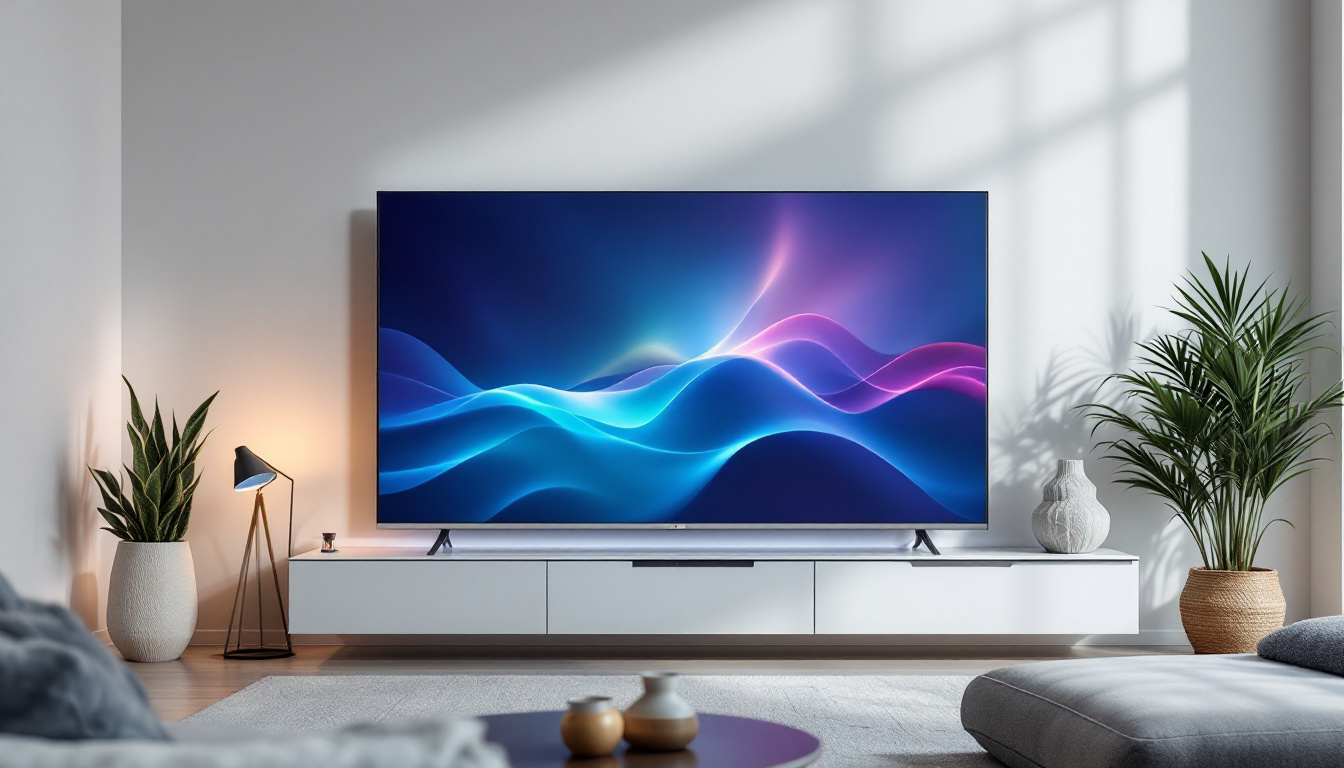
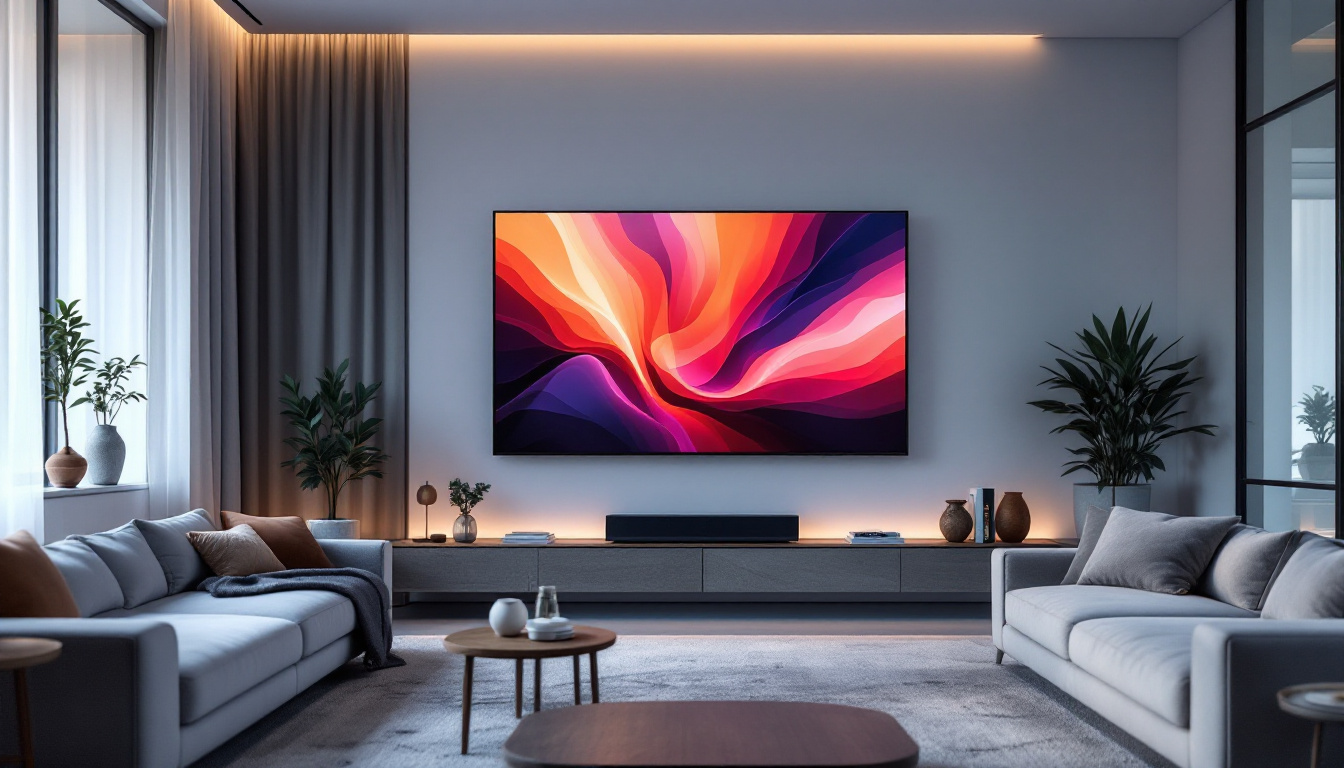
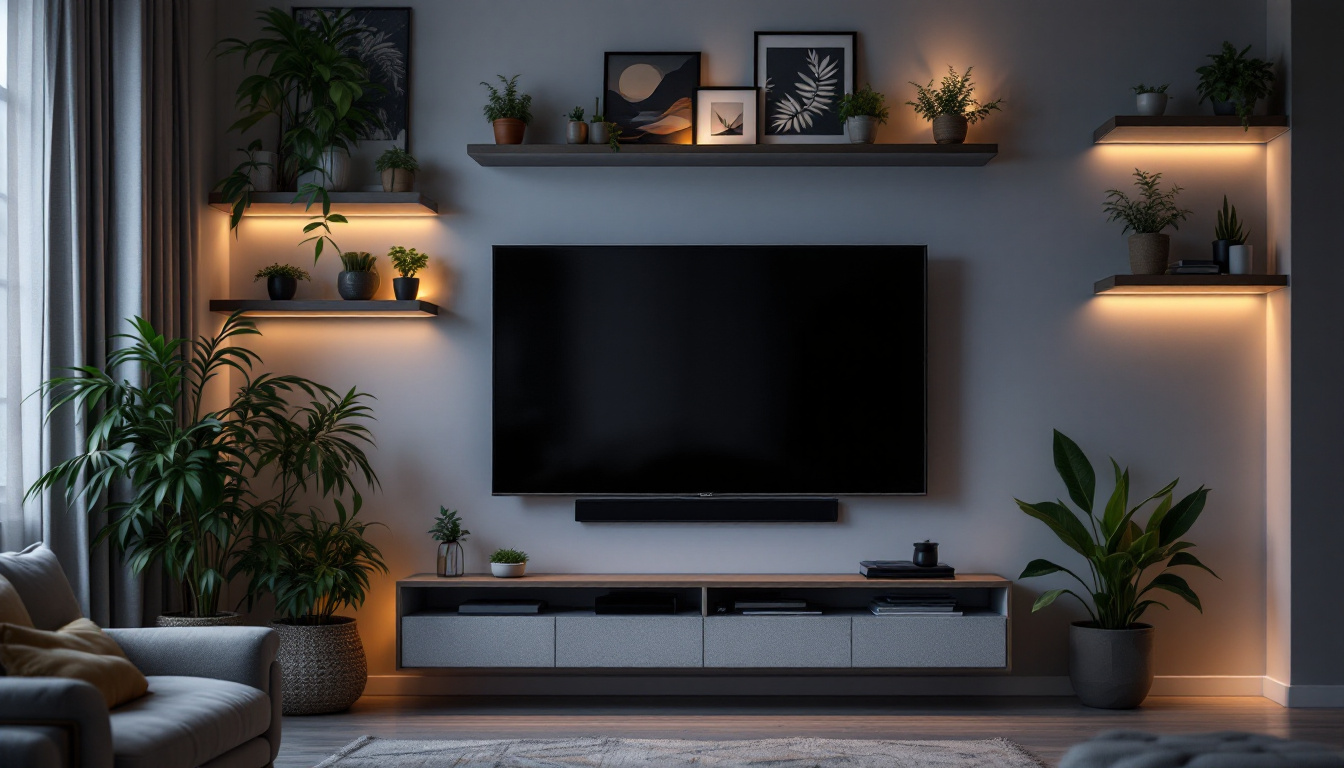
In residential settings, 85-inch LED TVs are becoming increasingly popular for home theaters, offering a cinematic experience without leaving the house. The large size also makes them suitable for open-plan living spaces or rooms with multiple seating areas.
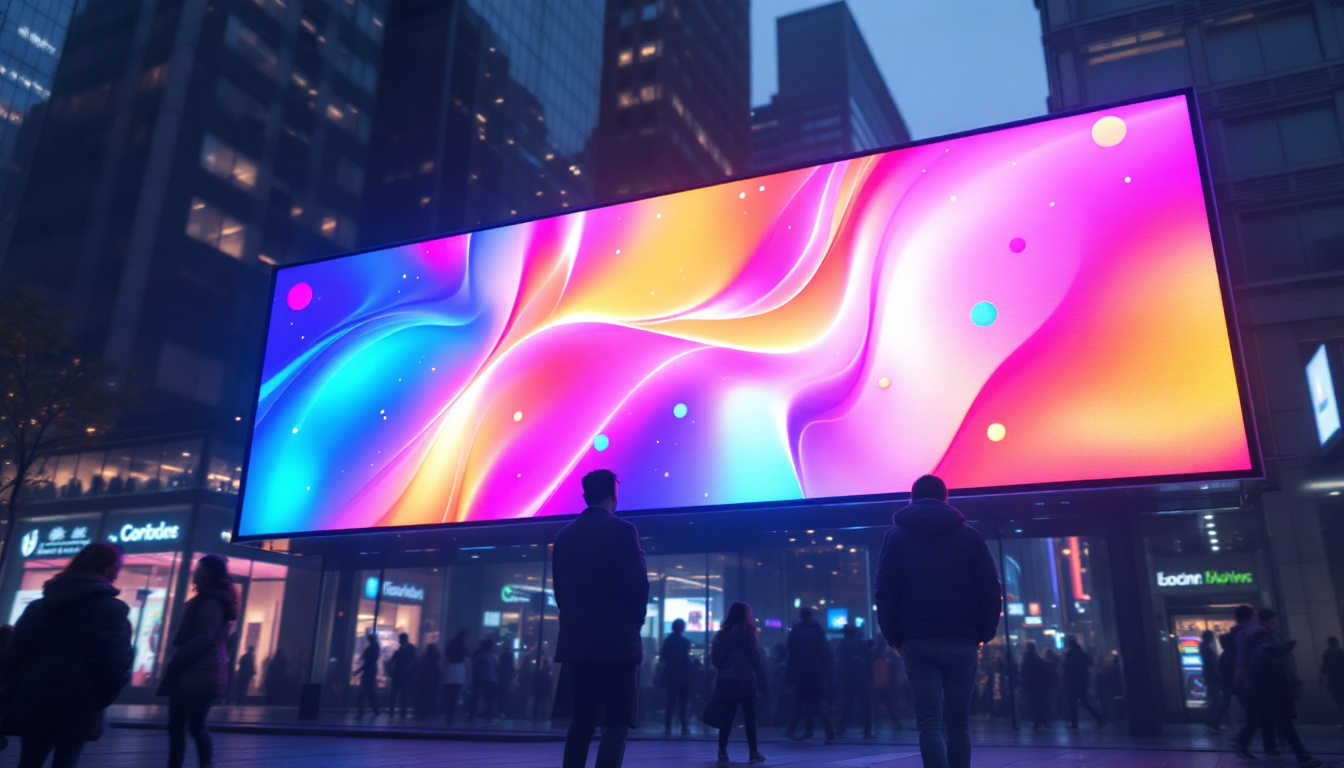
In commercial environments, 85-inch LED displays serve as effective digital signage, conference room monitors, or interactive kiosks. Their size ensures visibility from a distance, making them ideal for presentations, advertising, and information dissemination.
Considerations for Room Size and Layout
While a large screen offers many benefits, it’s essential to consider the room size and layout before purchasing an 85-inch display. A screen that is too large for the space can cause discomfort due to excessive eye movement or difficulty in viewing the entire screen comfortably.
Additionally, mounting options and wall strength should be evaluated, as an 85-inch LED display can weigh between 70 to 90 pounds depending on the model. Proper installation ensures safety and optimal viewing angles.
Choosing the Right 85-Inch LED Display
Resolution and Picture Quality
For an 85-inch screen, resolution plays a crucial role in picture clarity. Most modern large LED TVs offer 4K Ultra High Definition (3840 x 2160 pixels), which provides sharp and detailed images even at close viewing distances.
Some premium models also support 8K resolution, which quadruples the pixel count of 4K, but content availability and price remain limiting factors for widespread adoption.
HDR and Color Accuracy
High Dynamic Range (HDR) technology enhances the contrast and color range of LED displays, making images appear more lifelike. When selecting an 85-inch LED TV, look for HDR support such as HDR10, Dolby Vision, or HLG to ensure vibrant and realistic visuals.
Color accuracy is also important, particularly for users who watch movies or edit photos and videos. Displays with wide color gamut and advanced calibration options provide better color reproduction.
Smart Features and Connectivity
Modern 85-inch LED TVs come equipped with smart features, including built-in streaming apps, voice control, and compatibility with smart home ecosystems. Connectivity options such as multiple HDMI ports, USB inputs, and Wi-Fi support are essential for integrating the display with other devices.
These features enhance usability and future-proof the investment, especially as content consumption increasingly shifts to online platforms.
Conclusion
Converting an 85-inch display to feet reveals that the screen spans just over 7 feet diagonally, with a width of approximately 6.17 feet and a height of 3.47 feet. This sizeable footprint makes it a compelling choice for immersive home theaters and impactful commercial displays.
LED technology underpins these large displays, offering superior brightness, energy efficiency, and picture quality. When considering an 85-inch LED display, factors such as resolution, HDR support, room size, and connectivity should guide the selection process to ensure the best viewing experience.
Ultimately, understanding the dimensions and technology behind an 85-inch LED display empowers consumers and businesses to make informed decisions that enhance their visual environments.
Discover LumenMatrix LED Displays
Ready to elevate your visual experience with an 85-inch LED display? LumenMatrix offers a wide range of innovative LED display solutions that are perfect for creating immersive environments in both home and commercial settings. From vibrant Indoor LED Wall Displays to dynamic Outdoor LED Wall Displays, and from engaging LED Sports Displays to customizable Floor LED Displays, LumenMatrix is at the forefront of transforming spaces with captivating visuals. Explore our cutting-edge selection and find the perfect LED display to convey your message with unparalleled impact. Check out LumenMatrix LED Display Solutions today and step into the future of visual communication.