In today’s fast-paced digital world, capturing consumer attention is more challenging than ever. Businesses are constantly seeking innovative ways to stand out and communicate their message effectively. One technology that has revolutionized advertising and public communication is the LED display. From vibrant billboards to dynamic retail signage, LED displays have become a cornerstone of modern advertising strategies. This article delves into what LED displays are, how they work, their benefits, and why they are an essential investment for businesses looking to elevate their advertising game.
What is an LED Display?
LED stands for Light Emitting Diode, a semiconductor device that emits light when an electric current passes through it. An LED display is a flat panel or flexible surface that uses an array of these tiny LEDs to create images, videos, and text. Unlike traditional screens that rely on backlighting, LED displays produce their own light, resulting in brighter and more vivid visuals.
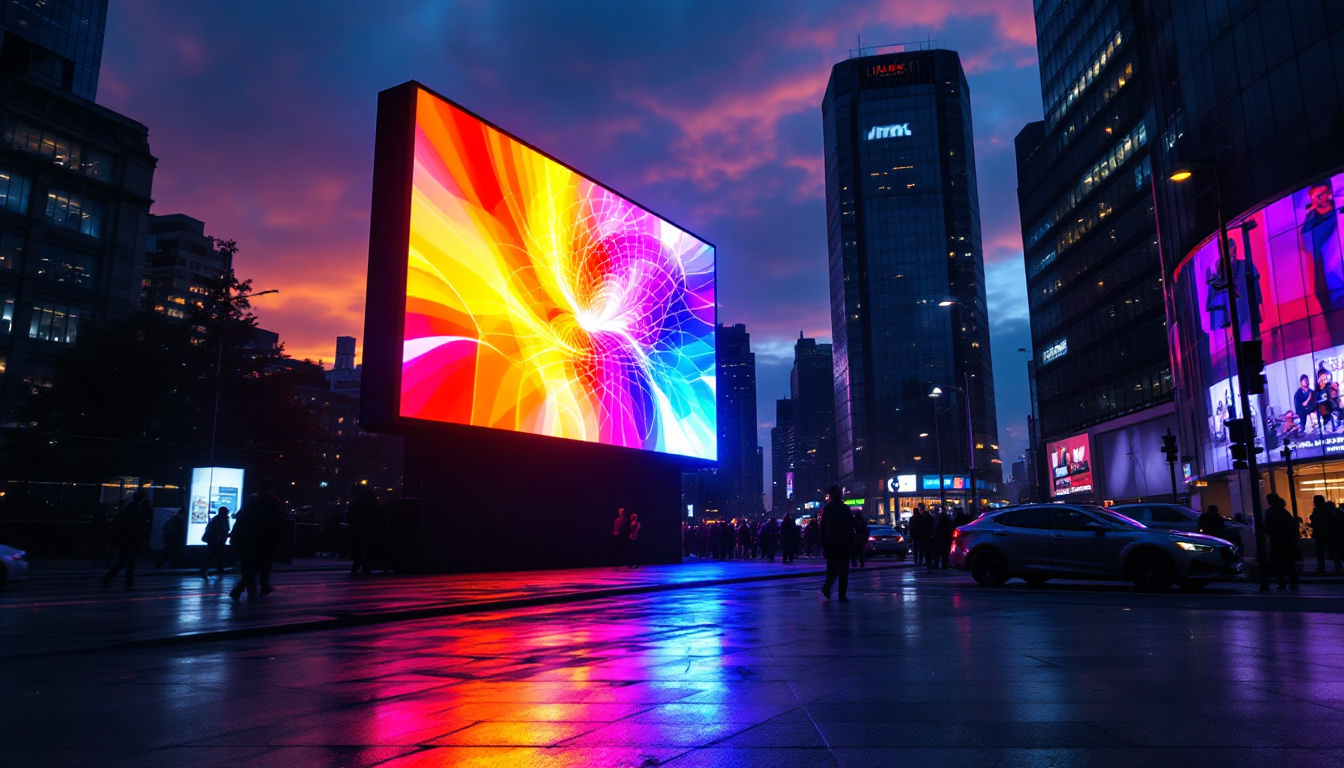
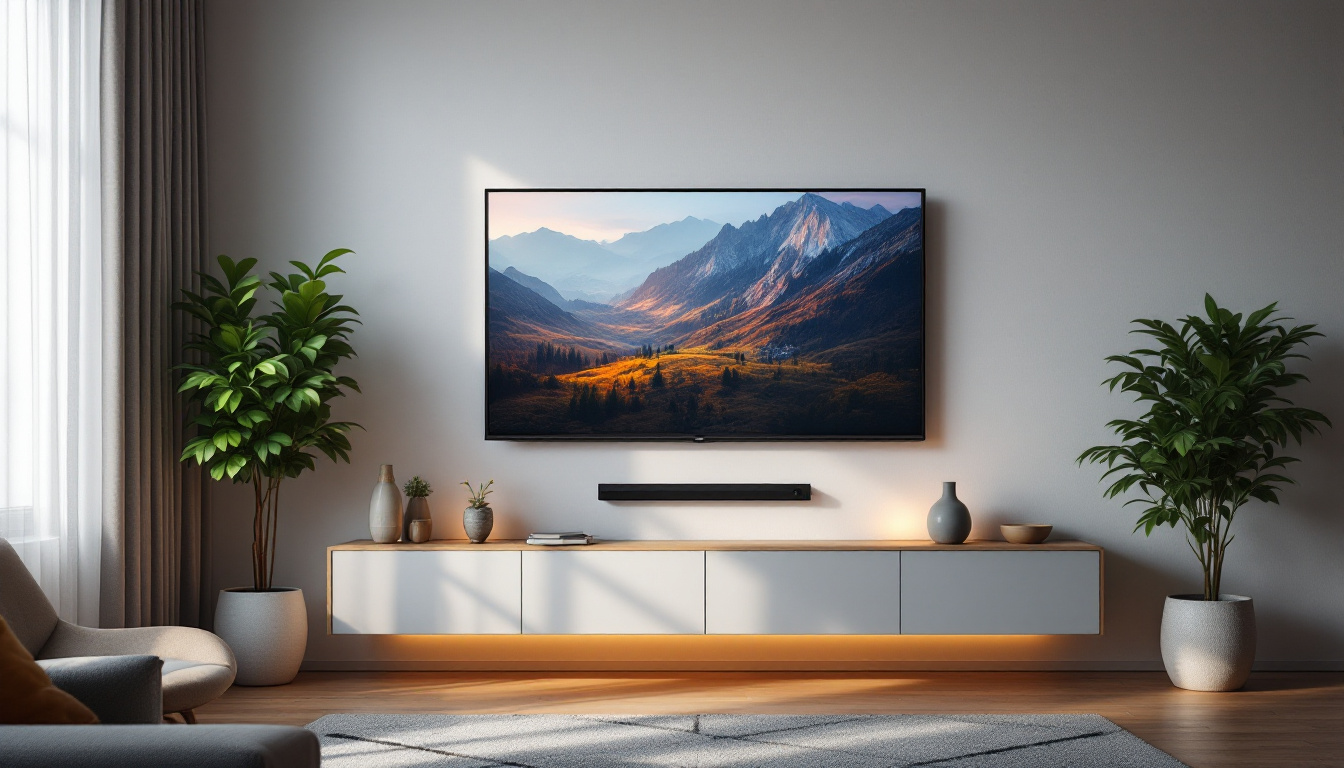
There are two primary types of LED displays used in advertising: direct view LED displays and LED-backlit LCD displays. Direct view LED displays consist of thousands of individual LEDs arranged in a matrix, which can be controlled independently to produce dynamic content. These are commonly seen in outdoor billboards, stadium screens, and large-scale digital signage. On the other hand, LED-backlit LCD displays use LEDs to illuminate an LCD panel, offering improved brightness and energy efficiency for indoor use.
The Evolution of LED Technology in Advertising
The journey of LED displays in advertising began in the late 20th century, initially used for simple numeric displays and basic text scrolling. Over the past two decades, advancements in LED technology have dramatically enhanced resolution, color accuracy, and energy efficiency. Modern LED displays can now render high-definition video content with millions of colors, making them a versatile tool for creative advertising campaigns.
According to a 2023 report by Grand View Research, the global LED display market is expected to reach $31.5 billion by 2028, growing at a compound annual growth rate (CAGR) of 13.2%. This growth is driven by increasing demand for digital signage in retail, transportation, sports arenas, and public spaces. The versatility of LED technology allows advertisers to engage audiences in innovative ways, such as interactive displays that respond to viewer movements or touch, further enhancing the consumer experience.
Moreover, the integration of smart technology with LED displays has opened new avenues for targeted advertising. With the ability to analyze viewer demographics and preferences in real-time, advertisers can tailor their messages to specific audiences, maximizing engagement and effectiveness. This shift towards personalized advertising is not only beneficial for brands looking to connect with consumers but also enhances the overall impact of the advertising medium, making LED displays an essential component of modern marketing strategies.
How Do LED Displays Work?
Understanding the mechanics behind LED displays helps appreciate their impact and versatility. Each LED in the display emits light in red, green, or blue (RGB) wavelengths. By varying the intensity of these three colors, the display can produce a broad spectrum of colors. This process is known as additive color mixing.
Pixel Structure and Resolution
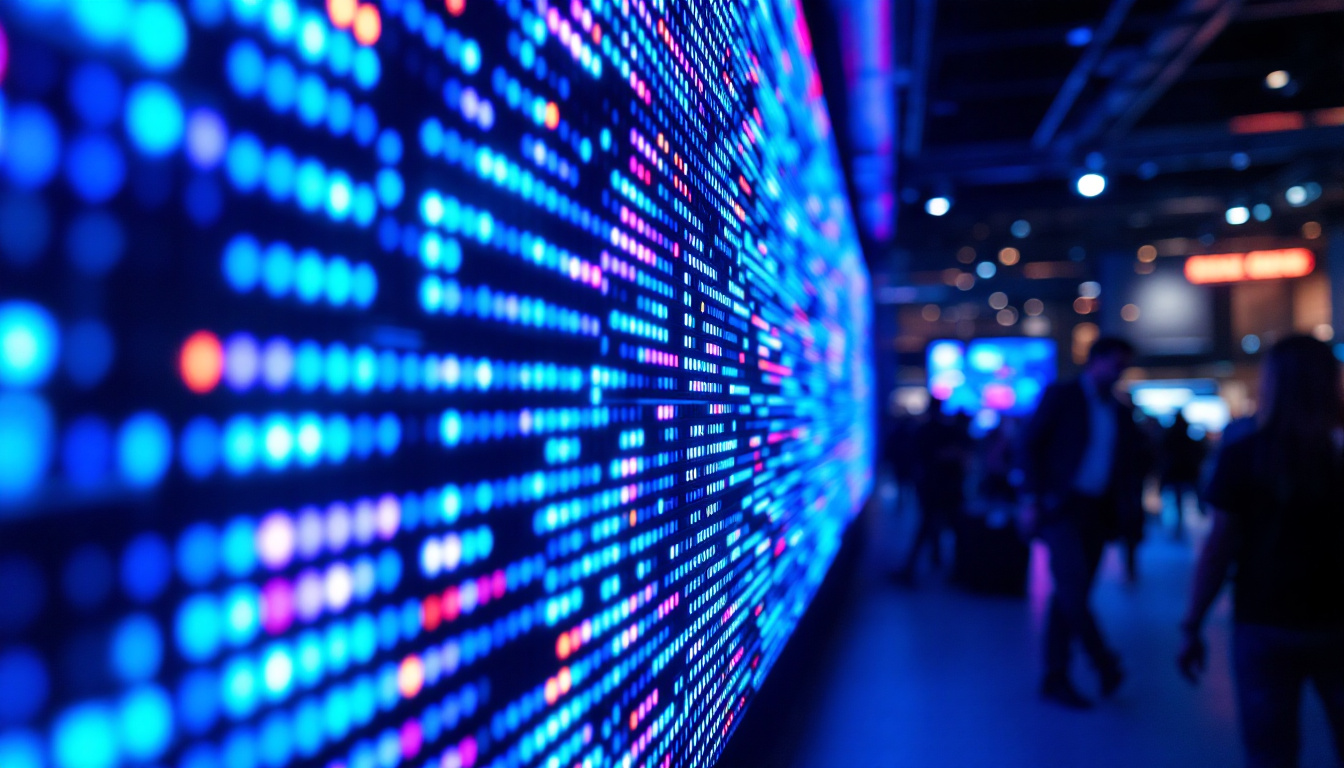
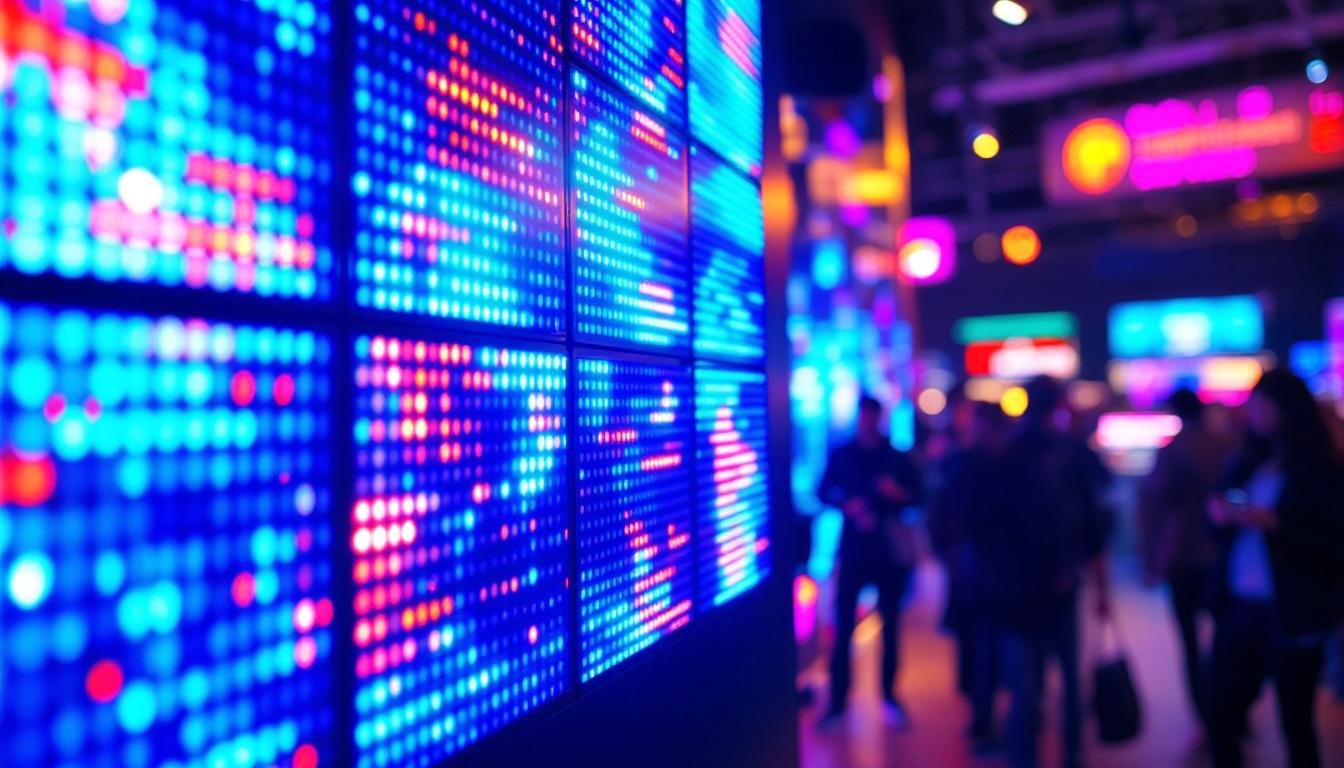
The smallest unit of an LED display is the pixel, which typically consists of three LEDs: one red, one green, and one blue. The combination of these LEDs at different brightness levels creates the colors perceived by the human eye. The density of pixels, measured as pixels per inch (PPI) or pixel pitch (distance between pixels), determines the resolution and clarity of the display.
For outdoor advertising, pixel pitch tends to be larger (e.g., 10mm to 20mm) because viewers are farther away, so high resolution is less critical. Indoor displays, such as those used in retail stores or conference rooms, have smaller pixel pitches (as low as 1mm) to ensure crisp images at close viewing distances.
Control Systems and Content Management
LED displays are controlled by sophisticated software systems that manage the timing, brightness, color, and content playback. Content can be static images, videos, animations, or real-time data feeds. Modern LED display controllers support remote management, allowing advertisers to update content instantly from anywhere in the world, which is crucial for time-sensitive promotions or dynamic messaging.
Benefits of Using LED Displays in Advertising
LED displays offer numerous advantages over traditional advertising mediums such as printed posters or static billboards. Their dynamic nature, combined with technological benefits, makes them a preferred choice for businesses aiming to maximize engagement and ROI.
High Visibility and Brightness
One of the most significant benefits of LED displays is their exceptional brightness. Unlike LCD or projection systems, LEDs emit light directly, making them visible even in direct sunlight. This feature is particularly important for outdoor advertising, where visibility can be compromised by environmental factors.
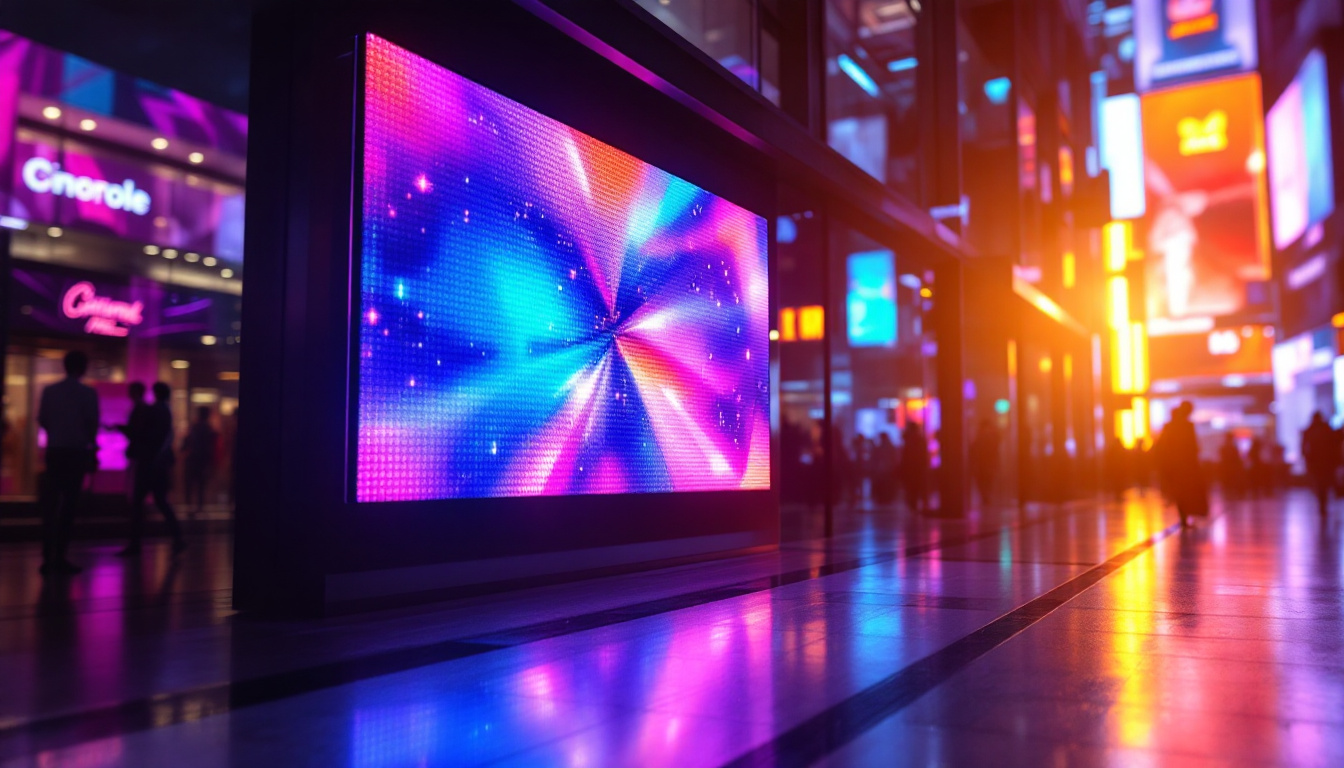
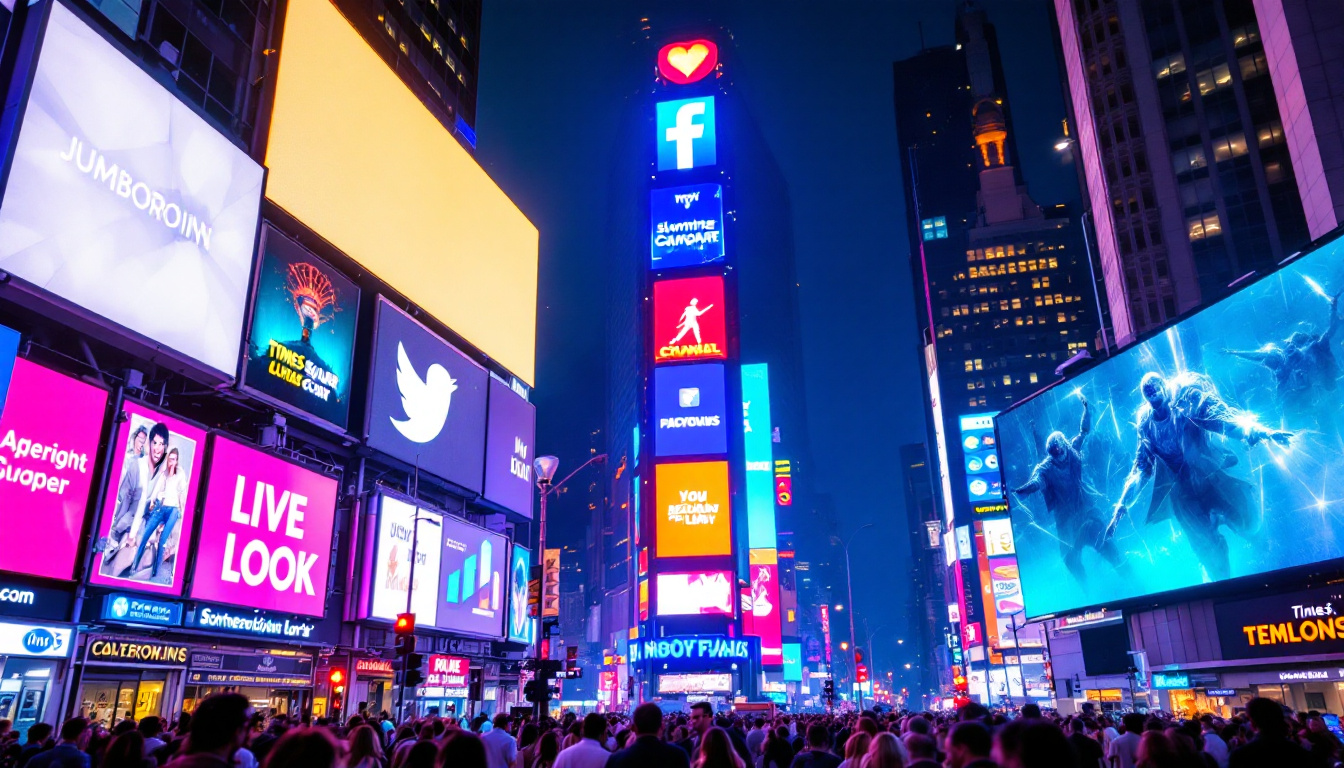
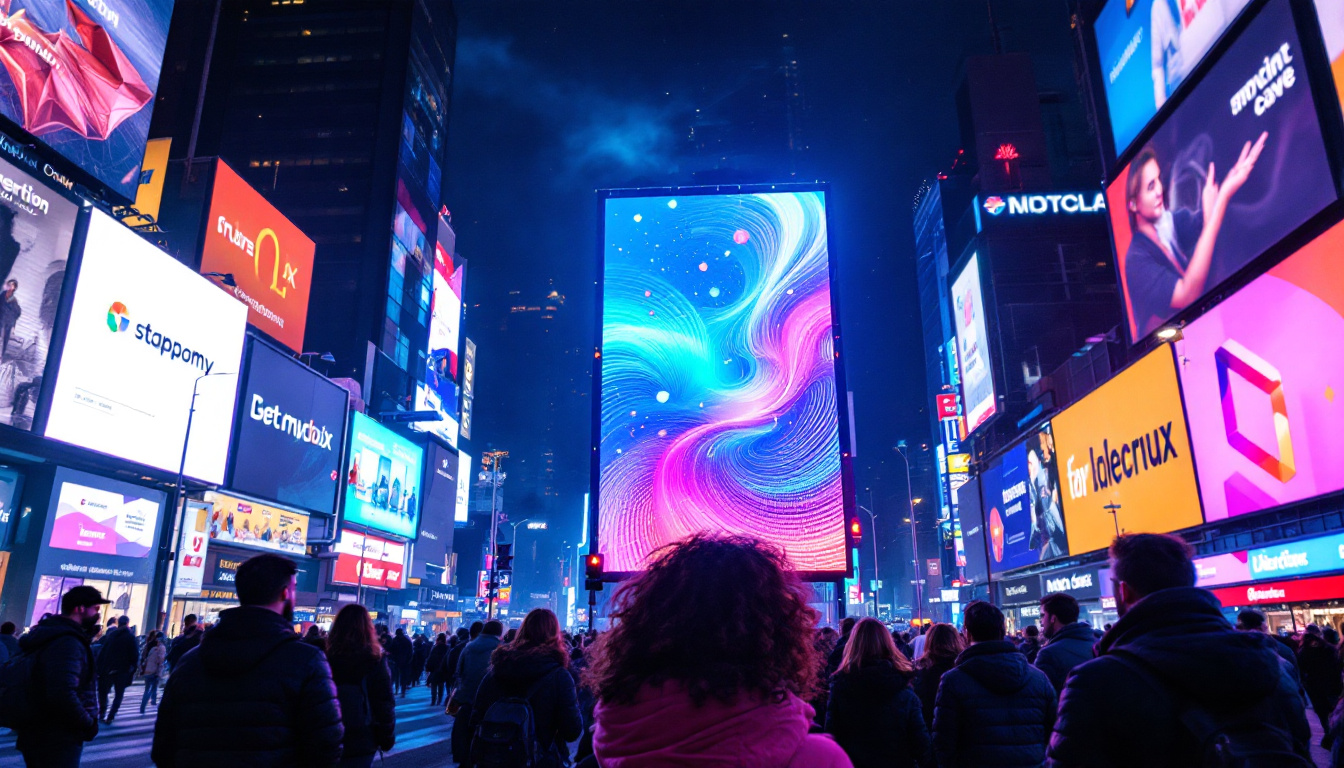
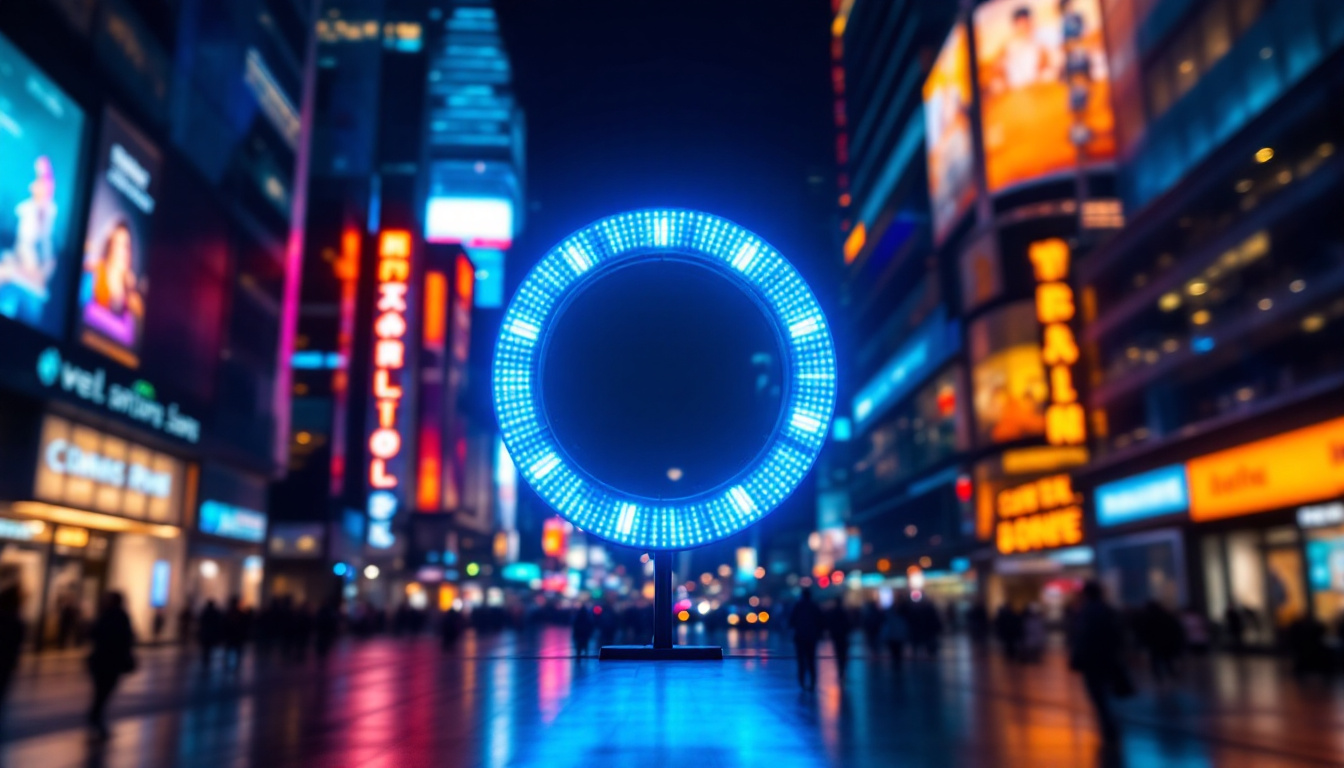
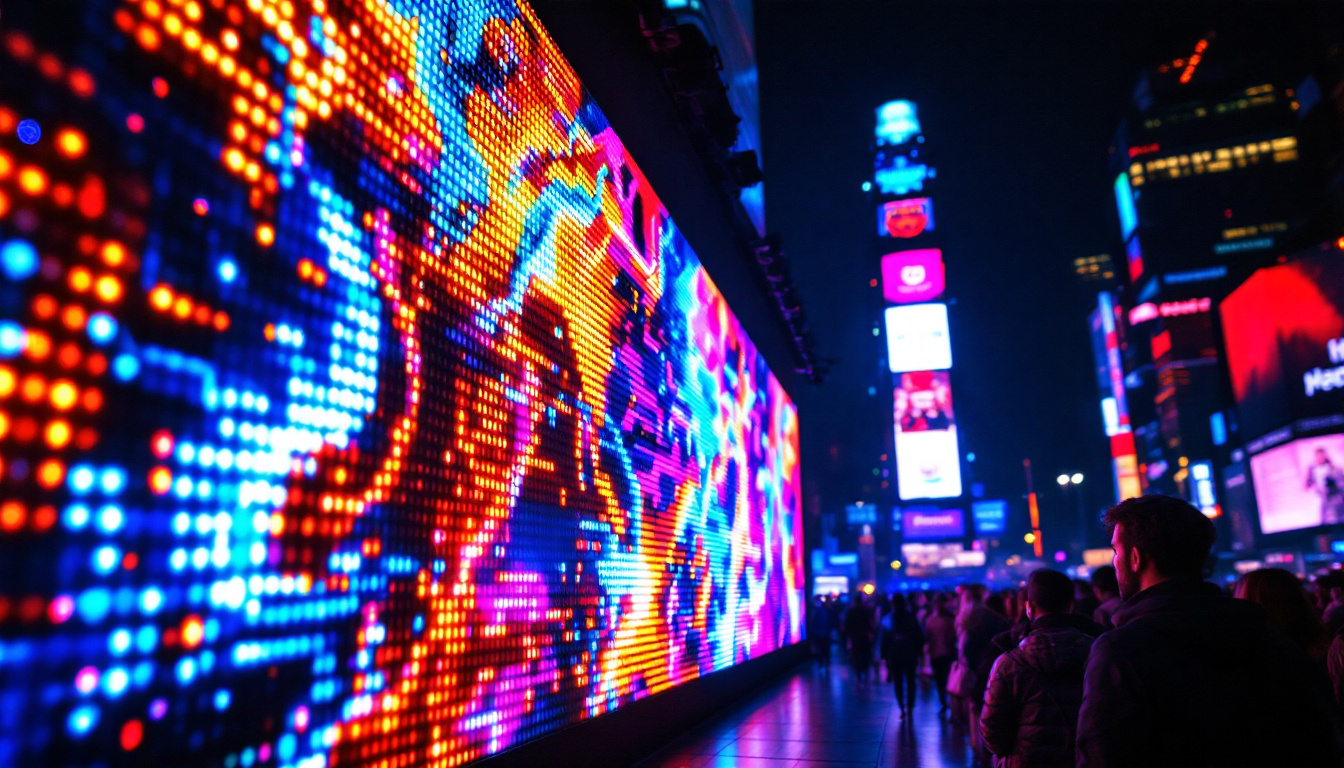
For example, Times Square in New York City is renowned for its massive LED billboards that shine brightly day and night, attracting millions of viewers and creating a vibrant advertising ecosystem.
Energy Efficiency and Longevity
LED technology is highly energy-efficient compared to traditional lighting and display methods. LEDs consume less power, reducing operational costs for businesses. Additionally, LED displays have a long lifespan, often exceeding 100,000 hours of use before significant brightness degradation occurs. This durability translates to lower maintenance and replacement costs over time.
Flexibility and Customization
LED displays can be manufactured in various shapes and sizes, from small digital price tags to massive curved screens wrapping around buildings. This flexibility allows advertisers to tailor their displays to specific environments and branding needs. Moreover, content can be easily customized and updated, enabling real-time interaction with audiences and the ability to run multiple campaigns on the same display.
Enhanced Engagement and Interactivity
Dynamic content on LED displays captures attention more effectively than static signage. Movement, color changes, and video storytelling can evoke emotional responses and increase message retention. Some advanced LED displays incorporate touch or motion sensors, enabling interactive experiences that deepen customer engagement.
Applications of LED Displays in Advertising
LED displays have found diverse applications across various industries, each leveraging their unique strengths to enhance communication and marketing efforts.
Retail and Shopping Centers
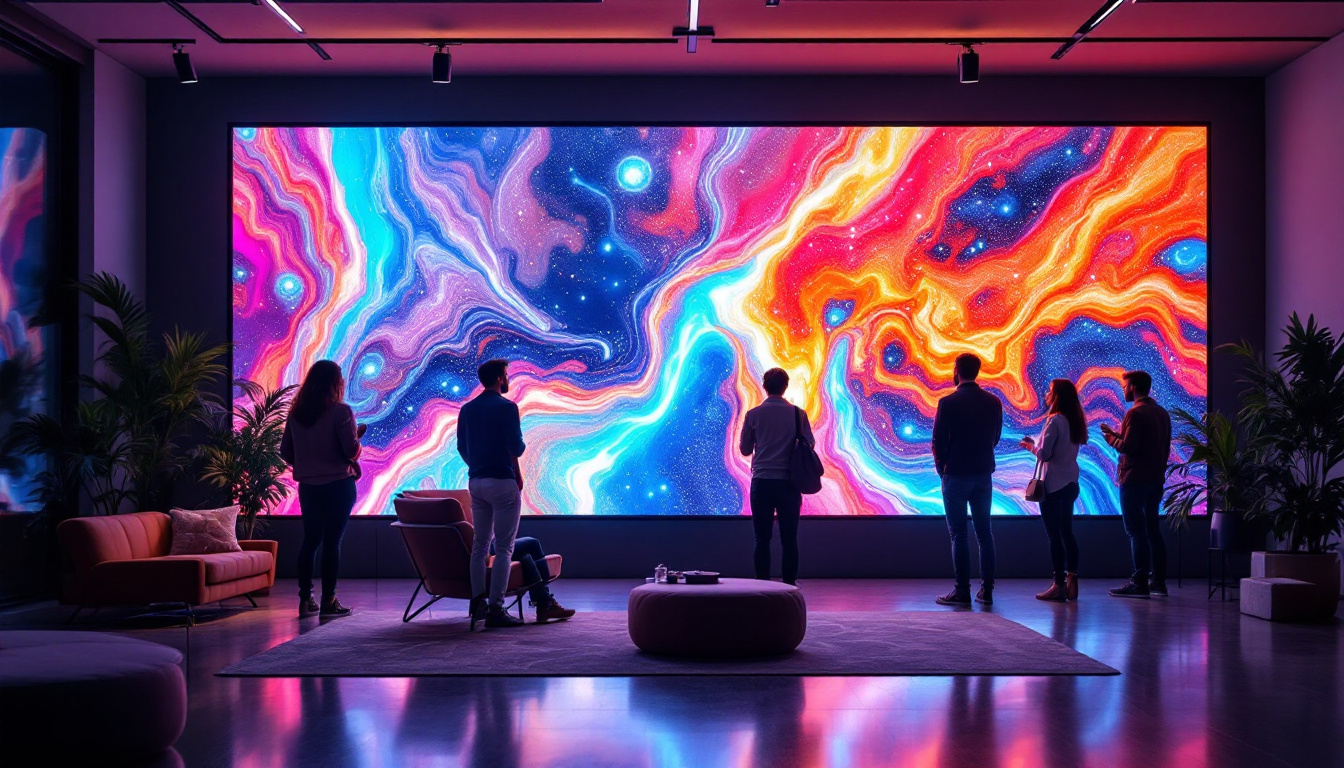
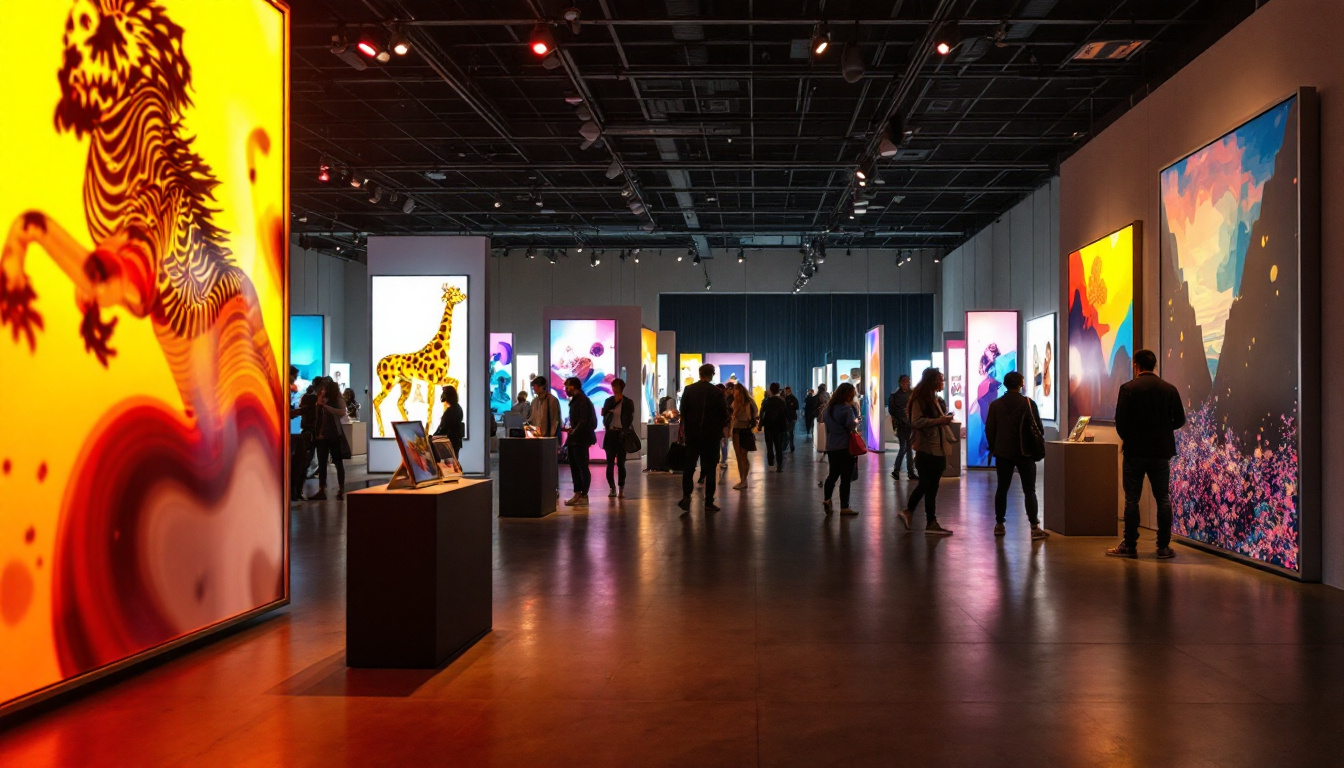
Retailers use LED displays to showcase promotions, new products, and brand stories. In-store LED screens can guide customers, create immersive brand experiences, and influence purchasing decisions. For example, fashion brands often use LED walls to project runway shows or lifestyle imagery, creating a dynamic shopping atmosphere.
Outdoor Billboards and Public Spaces
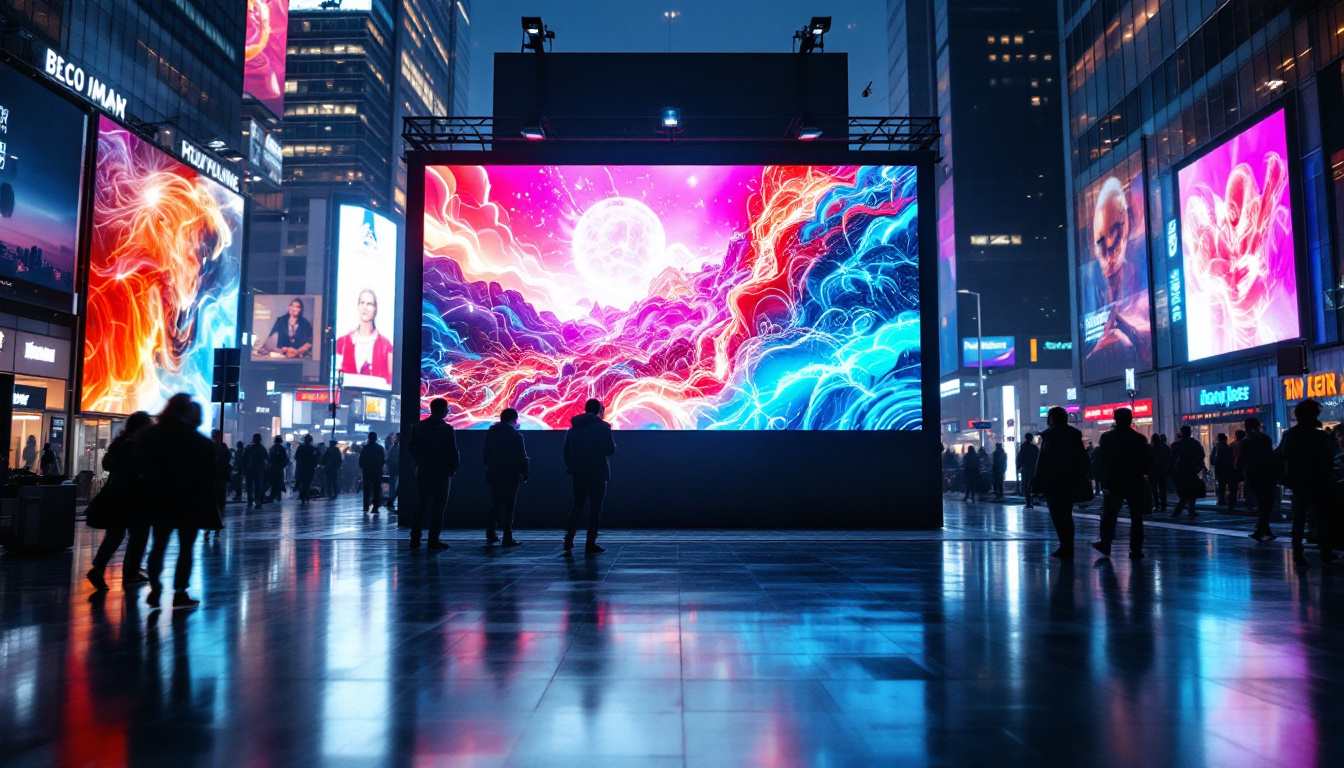
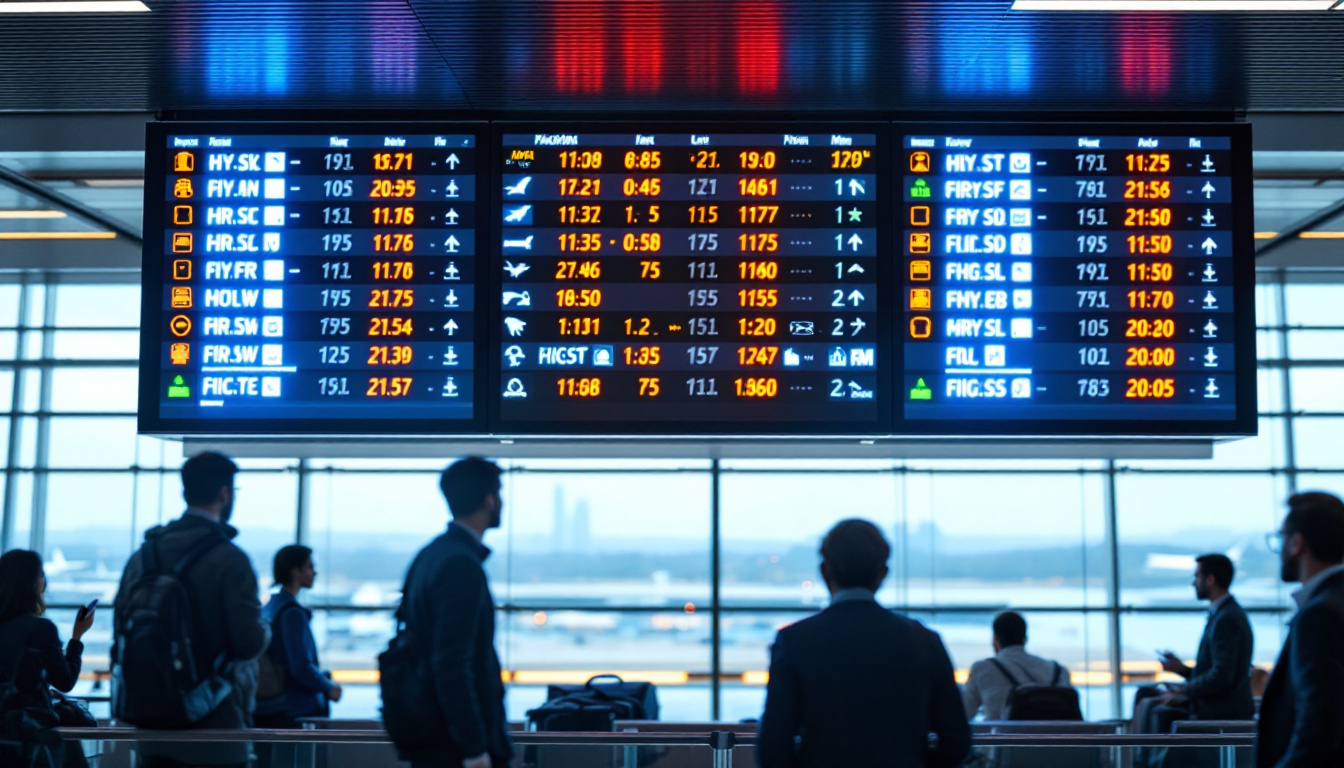
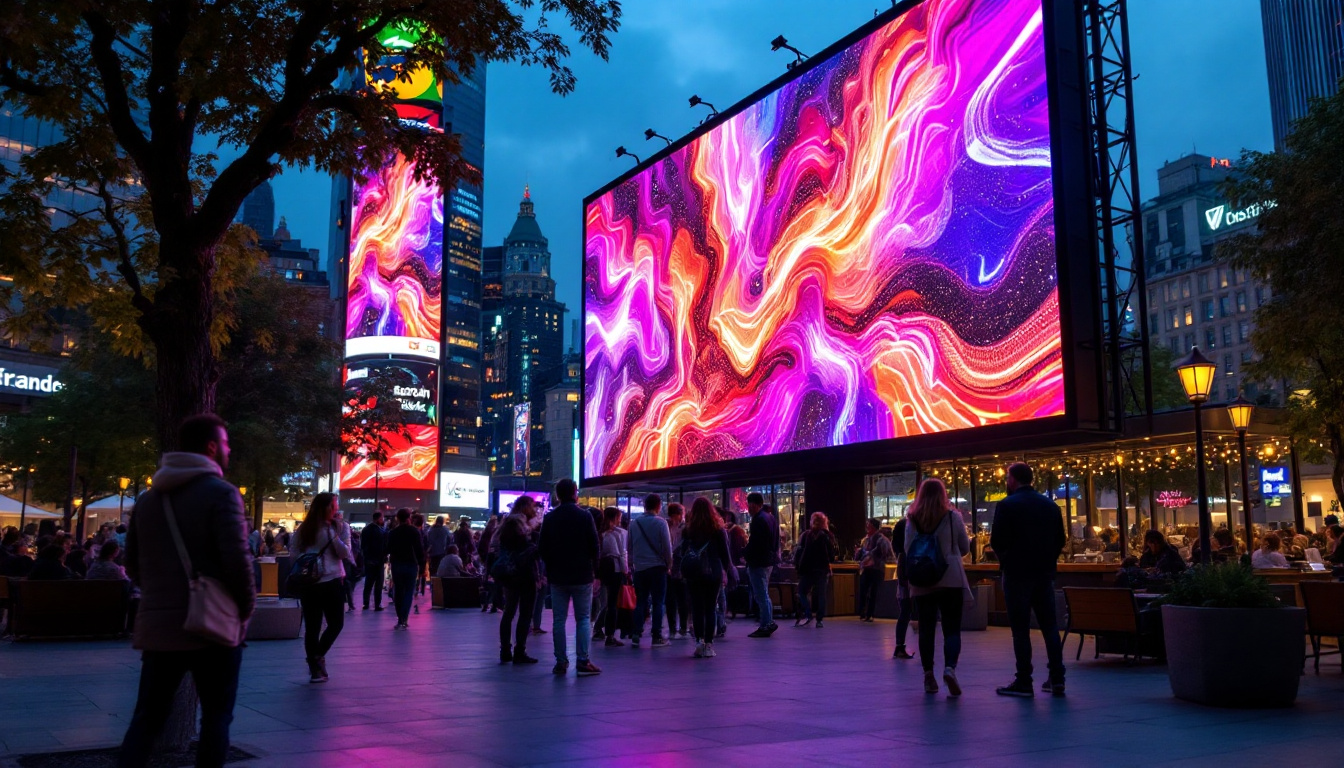
Outdoor LED billboards dominate urban landscapes, delivering high-impact advertising to pedestrians and motorists. Their ability to display changing content allows advertisers to schedule different ads throughout the day, targeting specific demographics or time-sensitive campaigns. LED displays are also used in public transportation hubs, airports, and stadiums to provide information and advertising simultaneously.
Events and Exhibitions
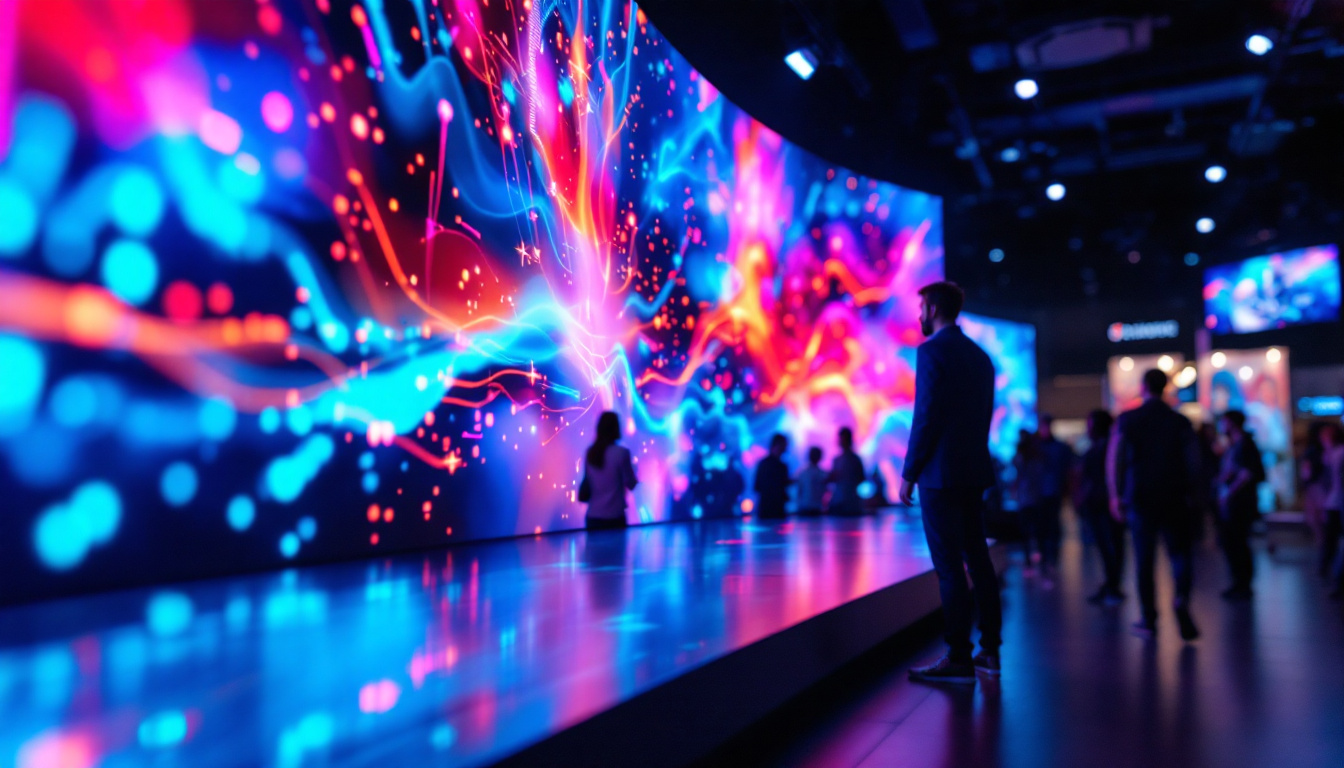
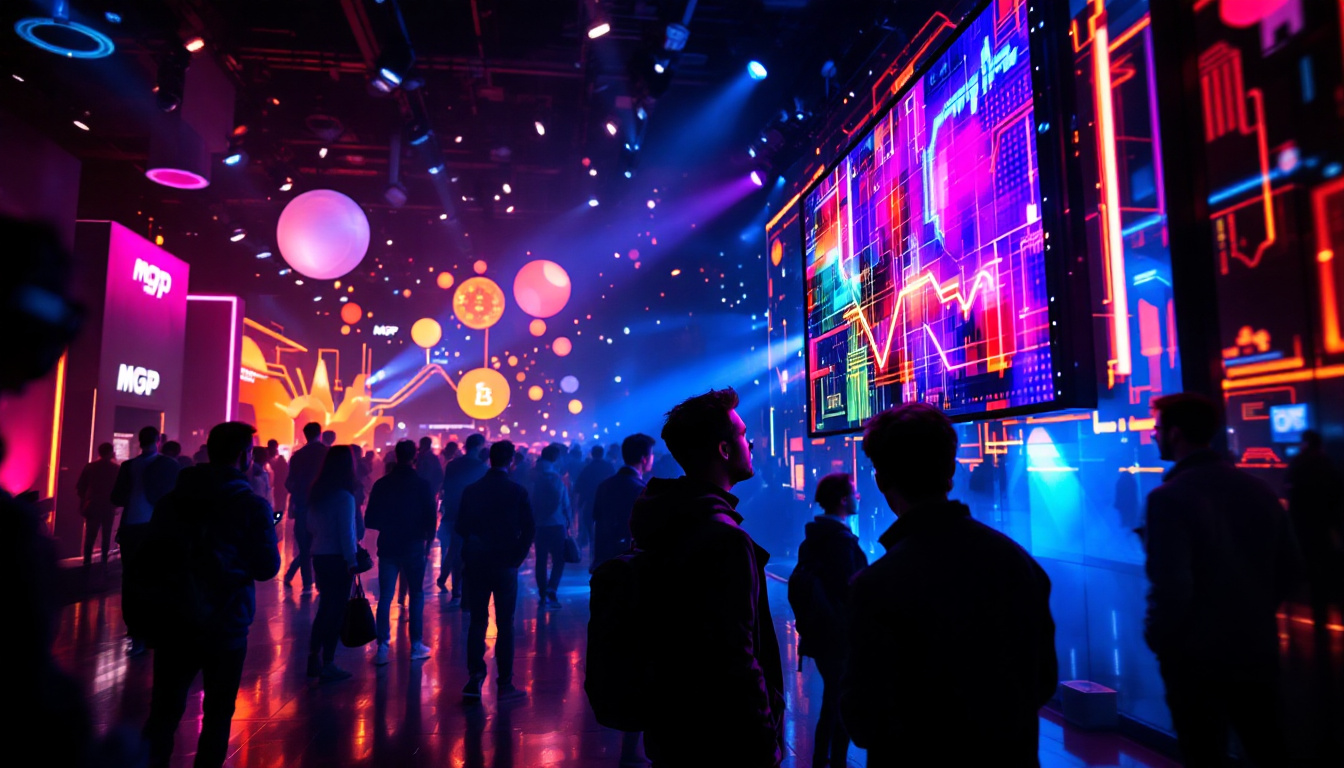
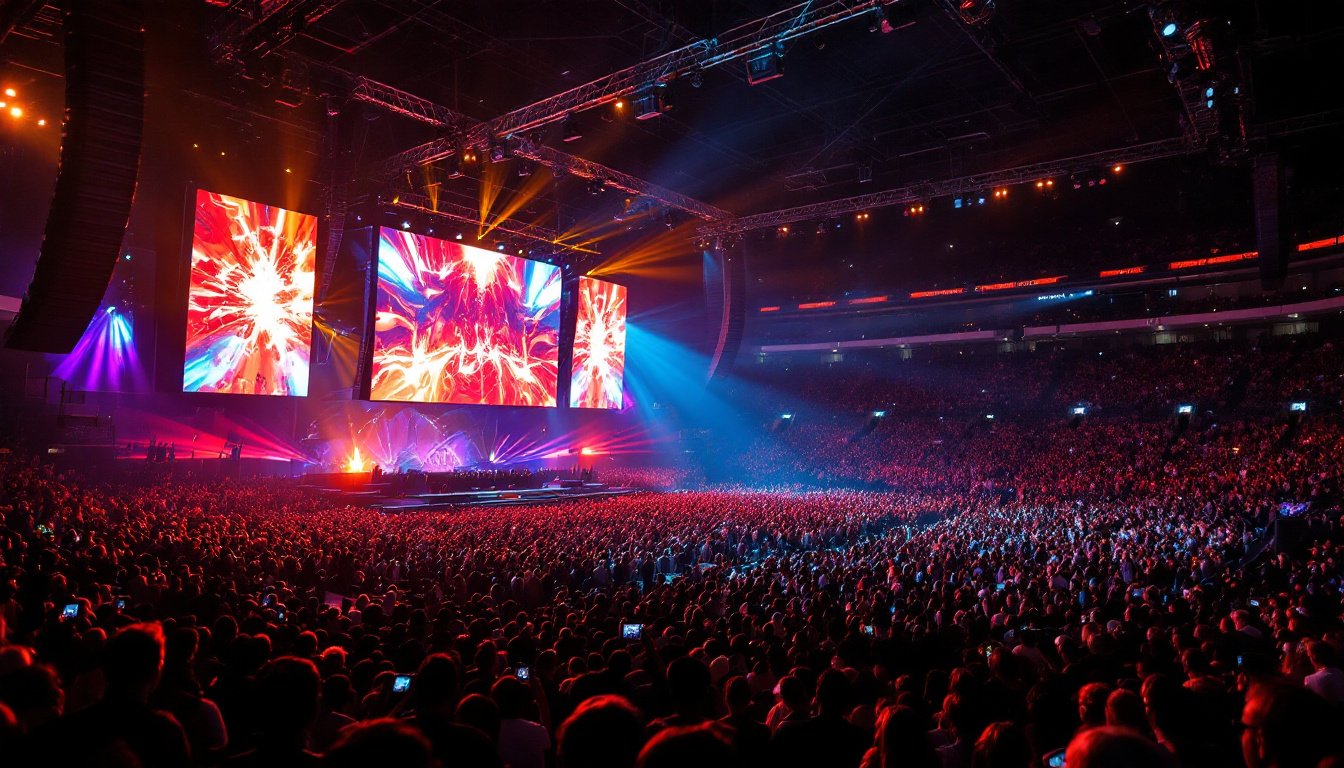
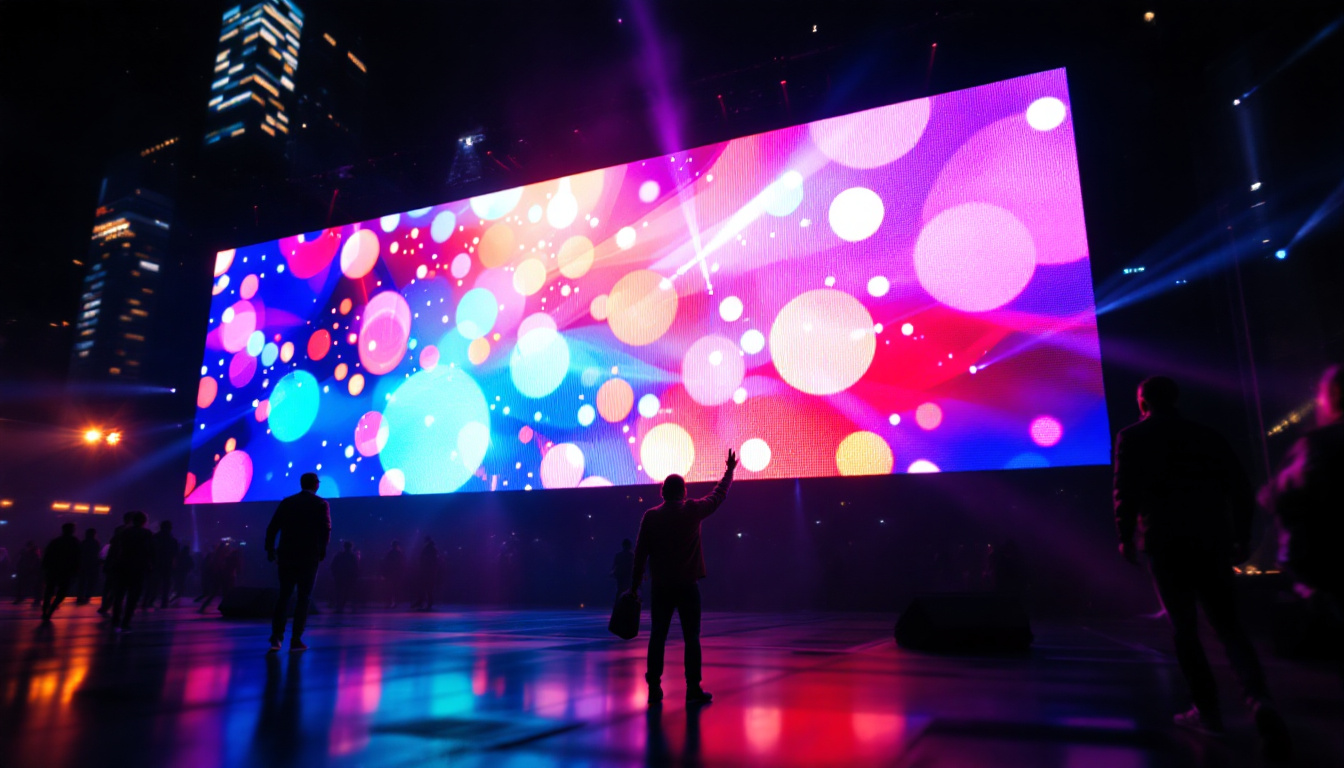
Concerts, trade shows, and sports events frequently utilize LED displays for live video feeds, sponsorship messages, and interactive content. Their portability and scalability make them ideal for temporary installations, enhancing audience experience and brand visibility.
Choosing the Right LED Display for Your Advertising Needs
Selecting the appropriate LED display involves considering several factors to ensure the investment aligns with your marketing objectives and environment.
Assessing Viewing Distance and Environment
The pixel pitch should correspond to the typical viewing distance. For example, a billboard viewed from 100 feet away can have a larger pixel pitch, whereas indoor signage viewed from a few feet requires higher resolution. Environmental conditions such as exposure to weather, ambient light, and temperature also influence the choice of display type and protective features.
Content Strategy and Software Compatibility
Evaluate the type of content you plan to display and ensure the LED system supports it. Some displays are optimized for static images, while others excel at video playback or interactive applications. Additionally, consider the ease of content management and integration with existing marketing platforms.
Budget and Total Cost of Ownership
While LED displays can be a significant upfront investment, their energy efficiency and durability often yield cost savings over time. It is important to factor in installation, maintenance, and potential upgrades when budgeting. Consulting with experienced suppliers and reviewing case studies can provide valuable insights into expected costs and benefits.
Future Trends in LED Display Advertising
The LED display industry continues to evolve rapidly, driven by technological innovation and changing consumer behaviors.
MicroLED and MiniLED Technologies
Emerging technologies like MicroLED and MiniLED promise even higher resolution, better color accuracy, and improved energy efficiency. MicroLED displays use microscopic LEDs to create pixels, enabling ultra-thin, flexible, and transparent screens that could revolutionize advertising by integrating displays seamlessly into architecture and products.
Integration with Artificial Intelligence and Data Analytics
AI-powered LED displays can analyze audience demographics and behavior in real-time, adjusting content dynamically for maximum impact. This level of personalization enhances engagement and allows advertisers to measure campaign effectiveness more accurately.
Augmented Reality (AR) and Interactive Displays
Combining LED displays with AR technology creates immersive advertising experiences. Interactive LED walls can respond to gestures or mobile device inputs, transforming passive viewers into active participants. This trend is gaining traction in retail, entertainment, and experiential marketing sectors.
Conclusion
LED displays have transformed the advertising landscape by offering bright, dynamic, and versatile platforms for brand communication. Their ability to deliver compelling visual content in various environments makes them indispensable for businesses aiming to capture attention and engage audiences effectively. As technology advances, LED displays will continue to evolve, offering even greater opportunities for innovation in advertising.
For businesses considering investing in LED display advertising, understanding the technology, benefits, and applications is crucial to making informed decisions that maximize return on investment. With the right strategy and technology partner, LED displays can become a powerful asset in any advertising store’s toolkit.
Illuminate Your Brand with LumenMatrix
Ready to elevate your advertising strategy with the brilliance of LED technology? LumenMatrix is at the forefront of LED innovation, offering a diverse range of solutions tailored to your needs. Whether you’re looking for Indoor LED Wall Displays, Outdoor LED Billboards, or specialized formats like Vehicle and Sports LED Displays, our products are designed to captivate and engage. Discover how our LED Transparent Displays and Custom LED solutions can transform your visual communication. Don’t just share your message—make it resonate with clarity and impact. Check out LumenMatrix LED Display Solutions today and light up the path to your brand’s success.