In today’s fast-paced world, visual communication plays a pivotal role in marketing, information dissemination, and entertainment. Among the various display technologies available, LED displays have emerged as a leading choice due to their versatility, brightness, and energy efficiency. This article explores the fundamentals of LED displays, their affordability, and why they have become the preferred option for businesses and individuals alike seeking effective visual solutions.
Understanding LED Display Technology
LED stands for Light Emitting Diode, a semiconductor device that emits light when an electric current passes through it. Unlike traditional display technologies such as LCD or plasma, LED displays use these tiny diodes as individual pixels to create images and video content. This fundamental difference offers several advantages in terms of brightness, color accuracy, and durability.
How LED Displays Work
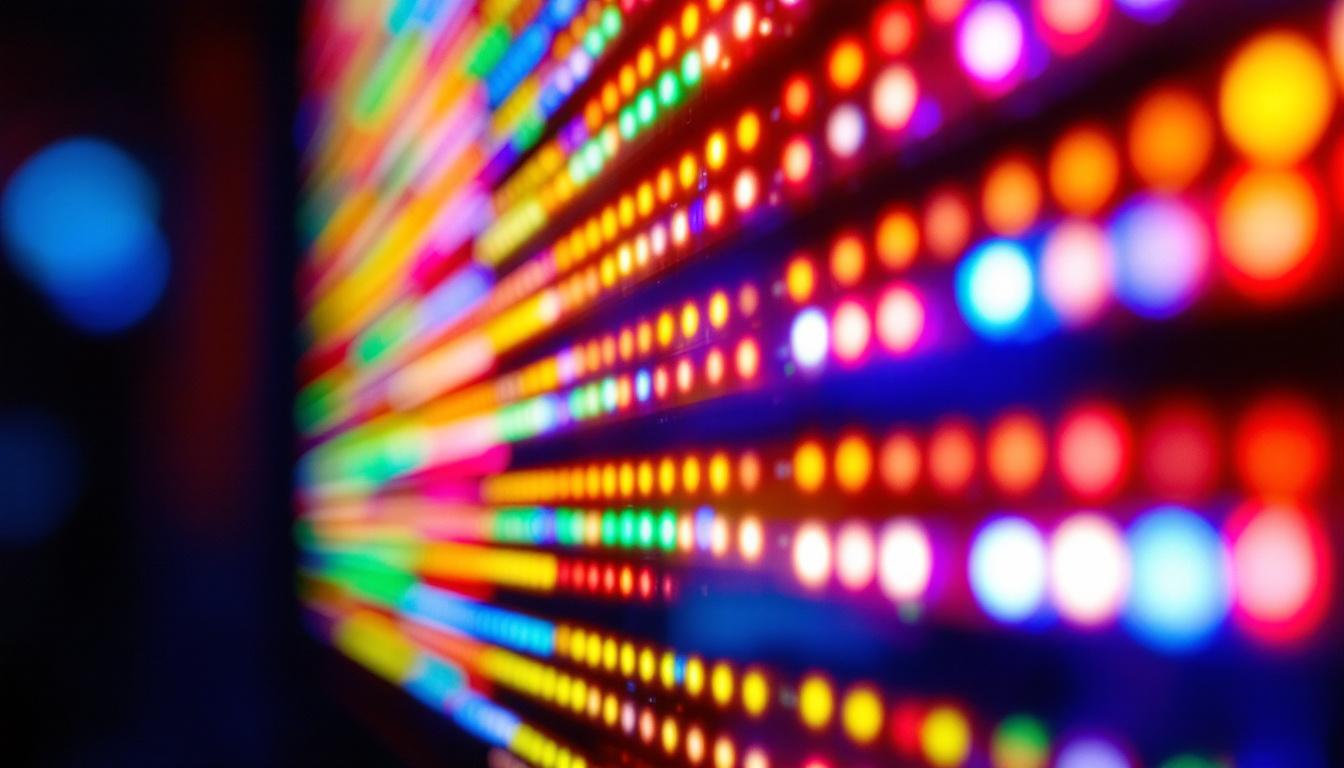
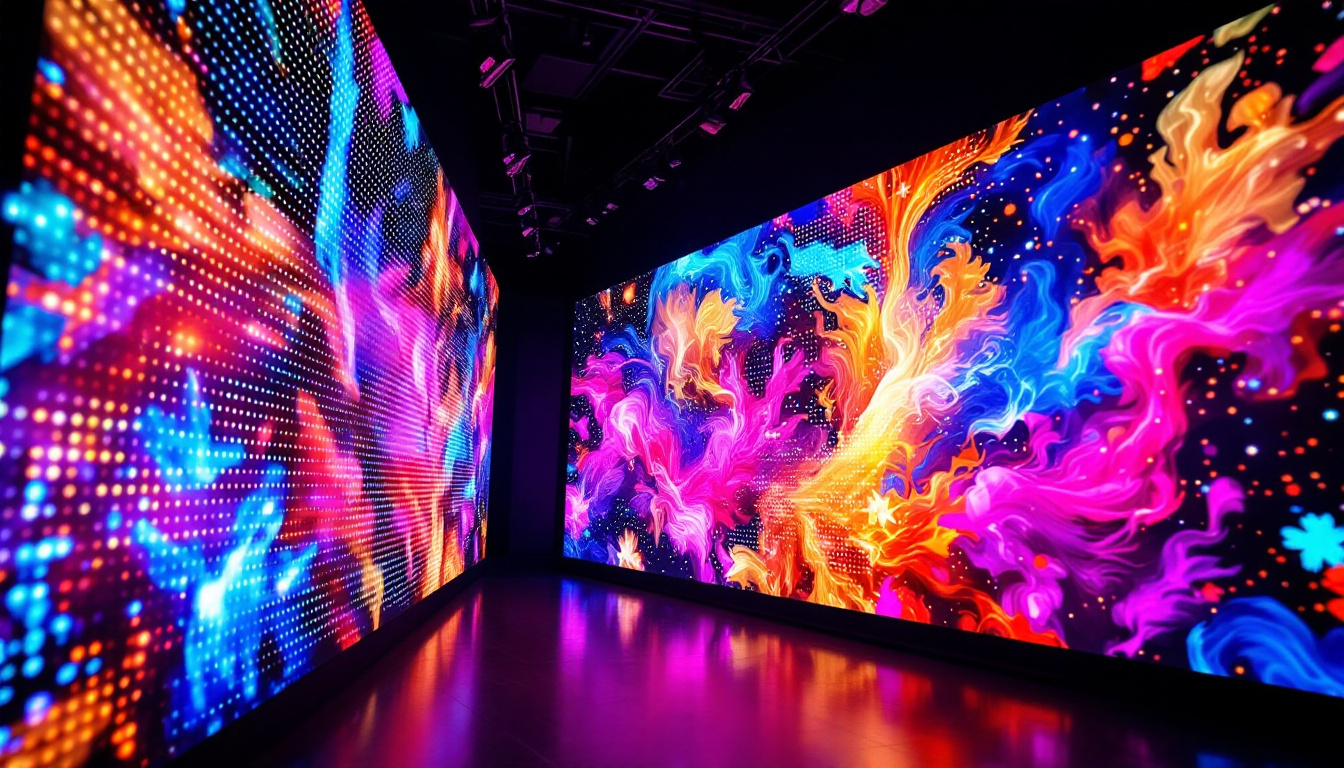
Each LED pixel emits light independently, allowing for precise control over brightness and color. In full-color LED displays, red, green, and blue LEDs combine to produce a wide spectrum of colors. The intensity of each diode can be adjusted to create vivid images that remain visible even in direct sunlight, making LED displays highly suitable for both indoor and outdoor environments.
The modular design of LED panels allows manufacturers to assemble screens of virtually any size and shape. This scalability is a significant reason for their popularity in applications ranging from small retail signage to massive stadium screens. Additionally, the energy efficiency of LED technology contributes to lower operational costs, making it an appealing choice for businesses looking to reduce their environmental footprint while maintaining high-quality visual displays.
Types of LED Displays
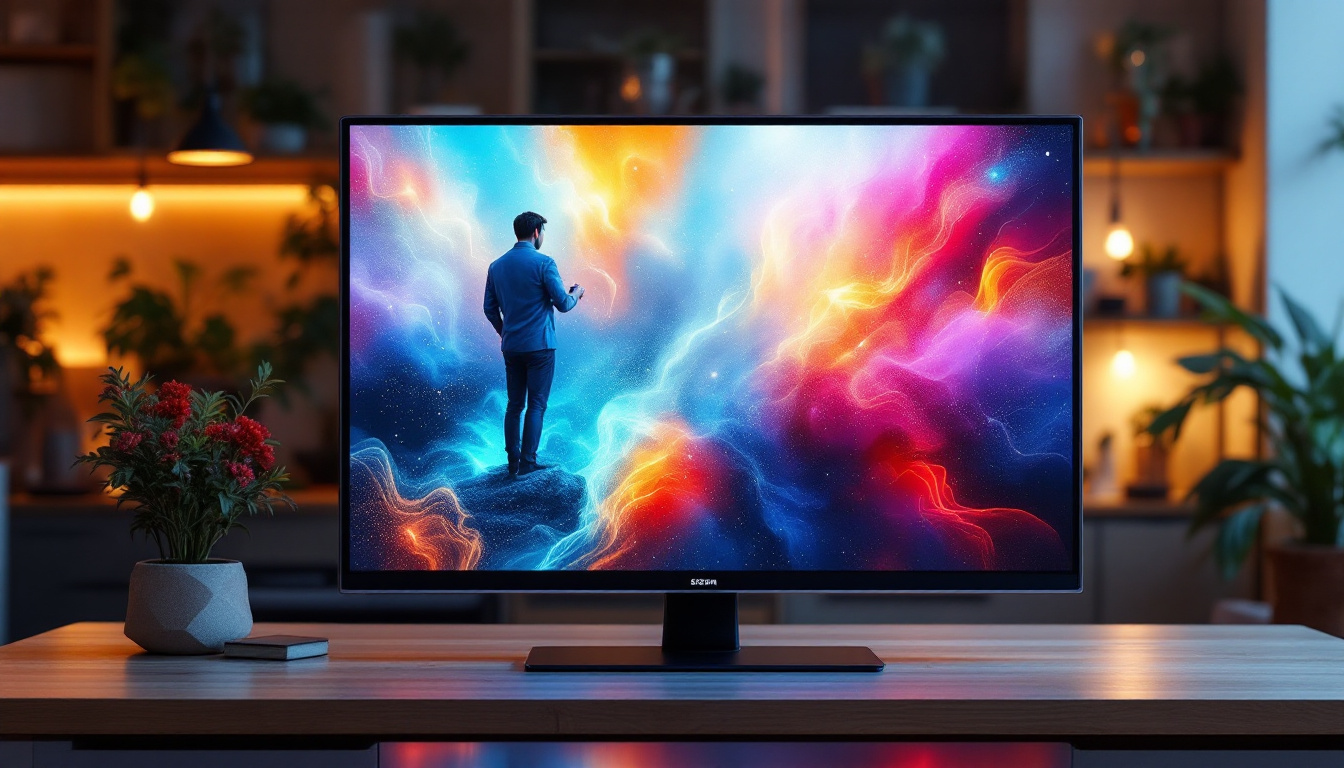
There are primarily two categories of LED displays: direct view LED and LED-backlit LCD. Direct view LED displays consist entirely of LEDs as pixels, offering superior brightness and contrast. In contrast, LED-backlit LCDs use LEDs as a backlight source behind an LCD panel, which is common in consumer televisions and monitors.
Within direct view LED displays, further distinctions exist based on pixel pitch—the distance between individual LEDs. Smaller pixel pitches (e.g., 1-2 mm) provide higher resolution suitable for close viewing, while larger pitches (e.g., 10 mm or more) are ideal for large outdoor displays viewed from a distance. Moreover, advancements in technology have led to the development of flexible LED displays, which can be curved or shaped to fit unique architectural designs, opening up new possibilities for creative advertising and artistic installations.
Another emerging trend in LED technology is the integration of smart features, allowing displays to connect to the internet and incorporate real-time data feeds, social media updates, or interactive content. This capability not only enhances viewer engagement but also enables advertisers to tailor their messages based on audience demographics or current events, making LED displays a dynamic tool for communication in various settings, from corporate environments to public spaces.
The Affordability Factor: Why LED Displays Are Cost-Effective
Historically, LED displays were considered premium products with high price tags, limiting their use to large corporations or specialized applications. However, advances in manufacturing and technology have significantly reduced costs, making LED displays more accessible than ever.
Economies of Scale and Manufacturing Advances
The global LED market has experienced rapid growth, driven by demand in consumer electronics, automotive lighting, and general illumination. This expansion has led to improved production techniques and economies of scale, which directly impact the affordability of LED display products.
Modern manufacturing processes such as automated pick-and-place machines and surface-mount technology have increased production efficiency and reduced defects. As a result, LED modules and panels can be produced in larger volumes at lower costs without compromising quality. Additionally, the rise of competitive manufacturers has fostered innovation, leading to the development of more cost-effective materials and components, further driving down prices for consumers.
Energy Efficiency and Long-Term Savings
One of the most compelling reasons for choosing LED displays is their energy efficiency. LEDs consume significantly less power than traditional display technologies, which translates into lower operating costs over the display’s lifespan. For businesses, this can mean substantial savings on electricity bills, especially when displays operate for extended hours daily.
Moreover, LEDs have a longer operational life—often exceeding 50,000 hours—reducing maintenance and replacement expenses. This durability enhances the overall return on investment, making LED displays a financially sound choice for budget-conscious buyers. In addition to these savings, many governments and organizations offer incentives for adopting energy-efficient technologies, which can further offset initial costs and encourage the transition to LED displays.
Furthermore, the environmental benefits of using LED technology cannot be overlooked. With their lower energy consumption, LEDs contribute to reduced carbon footprints, aligning with the growing emphasis on sustainability in business practices. Companies that invest in LED displays not only enjoy financial savings but also position themselves as environmentally responsible, which can enhance their brand image and appeal to eco-conscious consumers.
Applications of Affordable LED Displays
LED displays have permeated various sectors due to their adaptability and cost-effectiveness. Understanding these applications helps businesses and consumers identify the right LED display solutions tailored to their needs.
Retail and Advertising
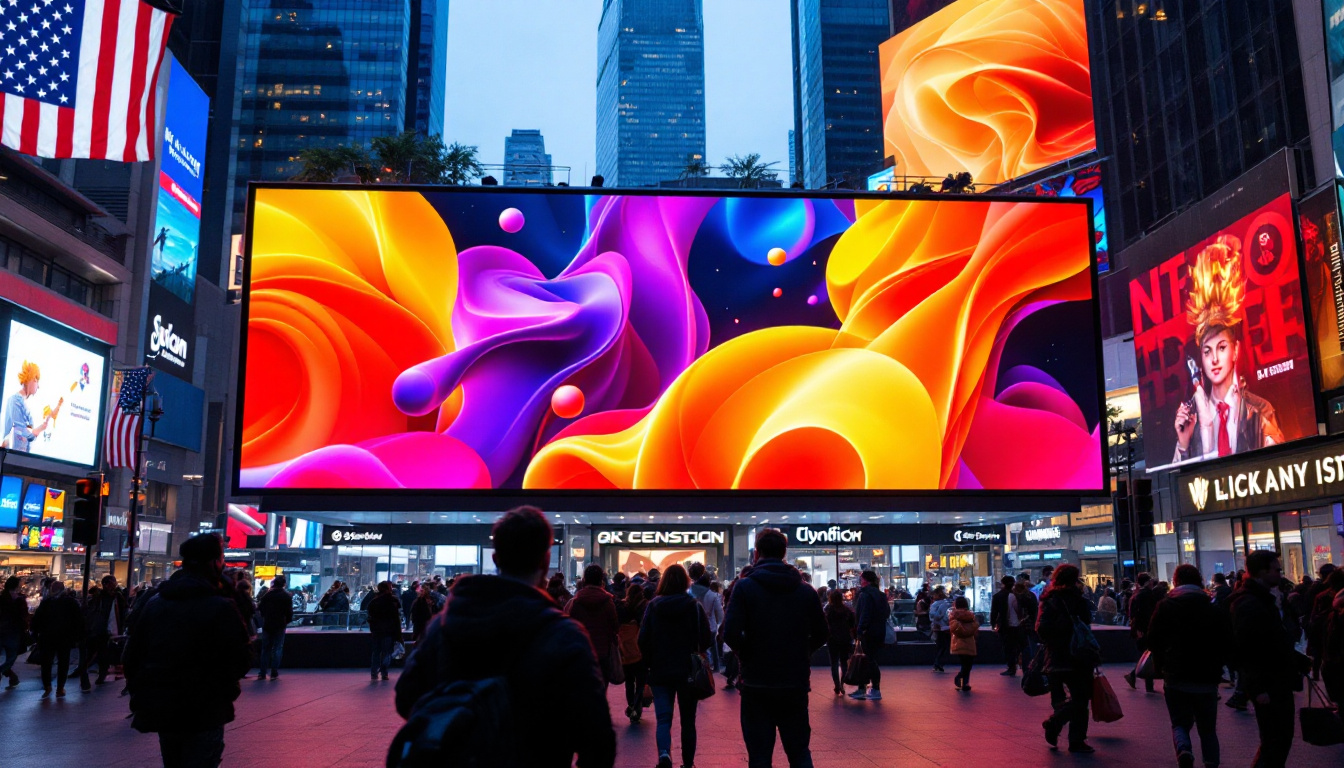
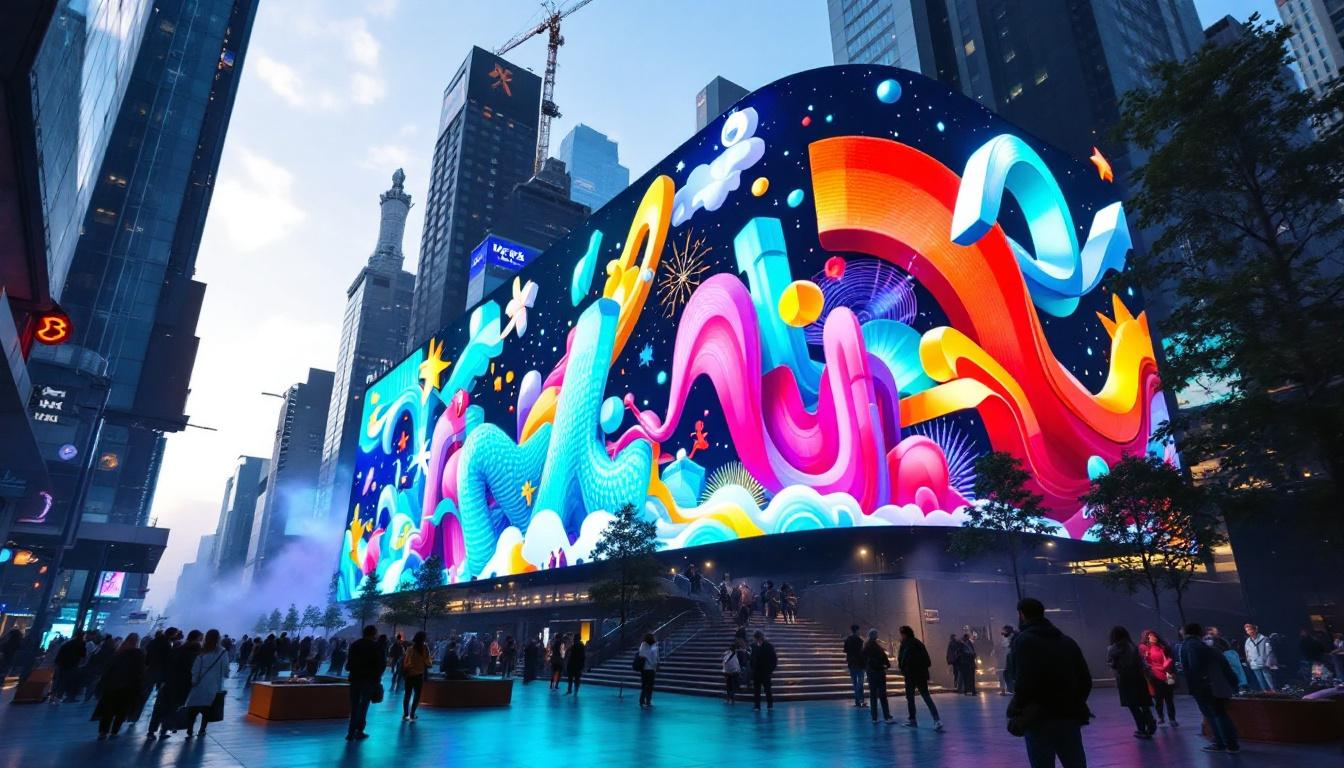
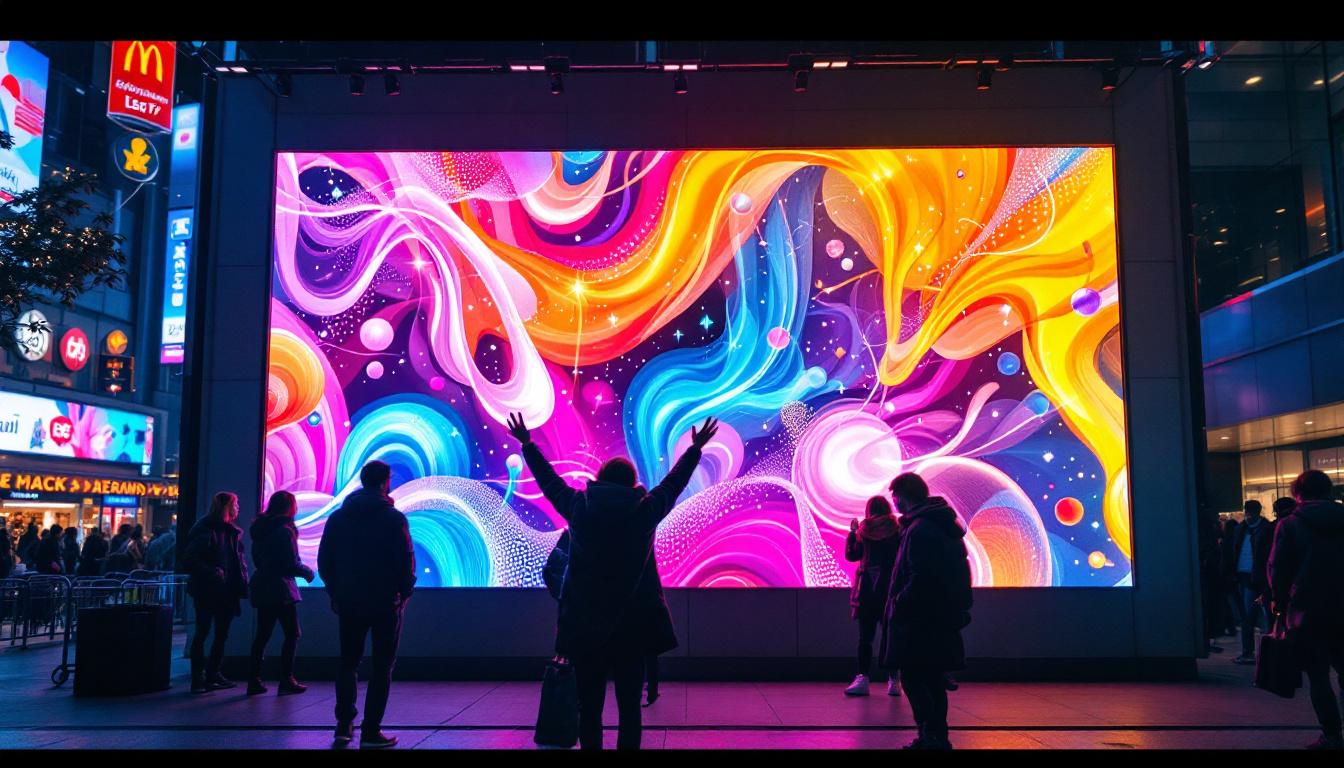
In retail environments, LED displays are used to attract customers, promote products, and enhance brand visibility. Affordable LED signage enables small and medium-sized businesses to compete with larger brands by utilizing eye-catching digital content that can be updated instantly.
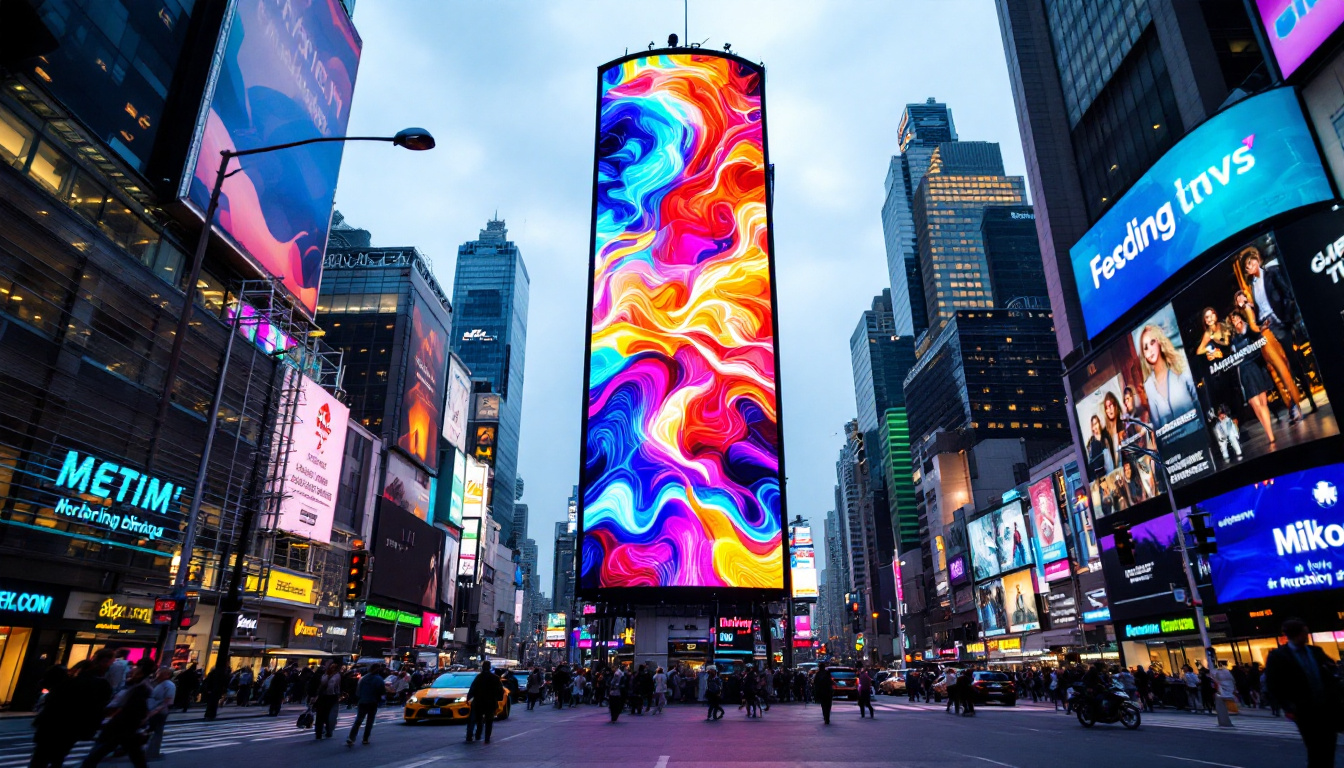
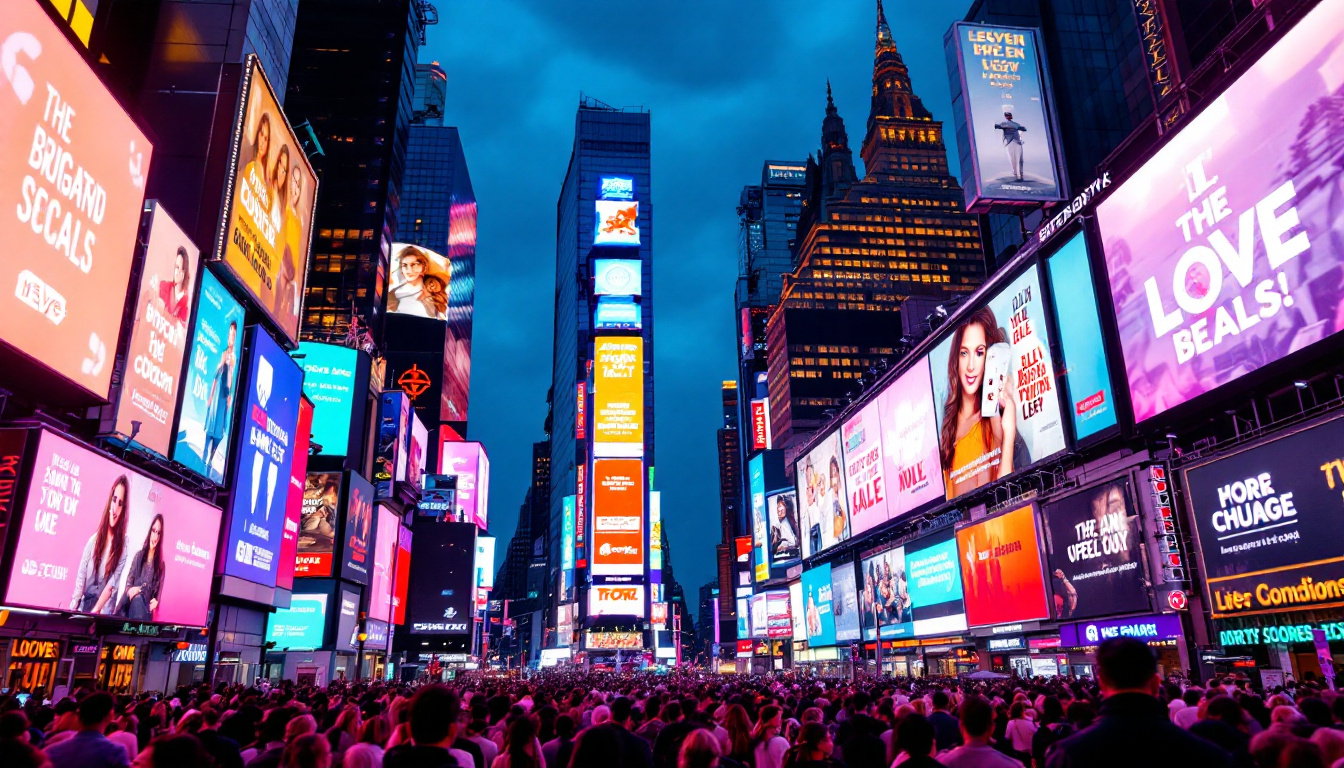
Digital billboards and outdoor advertising panels also benefit from LED technology’s brightness and weather resistance. According to a 2023 report by the Digital Signage Federation, LED-based digital signage has grown by over 15% annually, reflecting its increasing adoption in advertising sectors worldwide. This growth is fueled by the ability of LED displays to deliver dynamic content that can be tailored to specific audiences, allowing businesses to run targeted campaigns that resonate more effectively with potential customers.
Moreover, the integration of LED displays with mobile technology and social media platforms has opened new avenues for interactive advertising. Retailers can now engage customers in real-time, encouraging them to participate in promotions or share their experiences online, thus amplifying their reach and impact.
Events and Entertainment
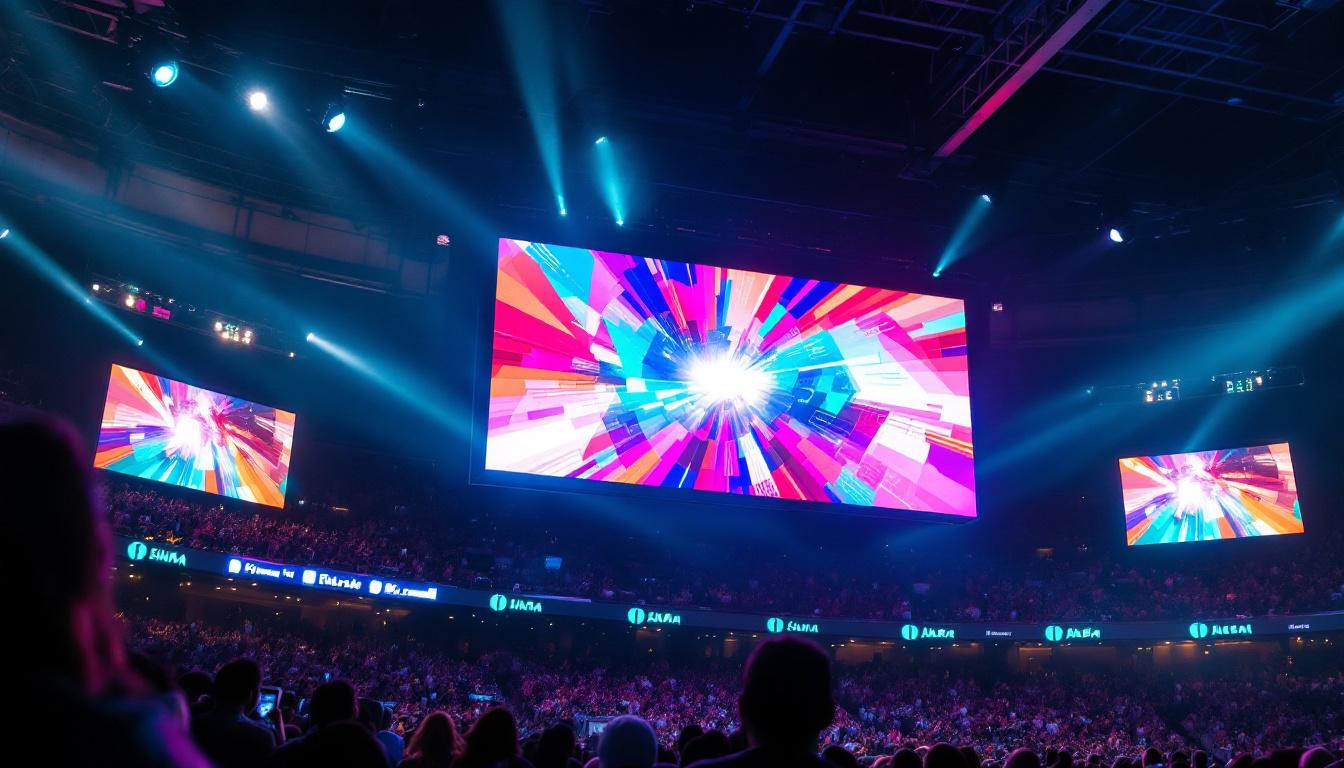
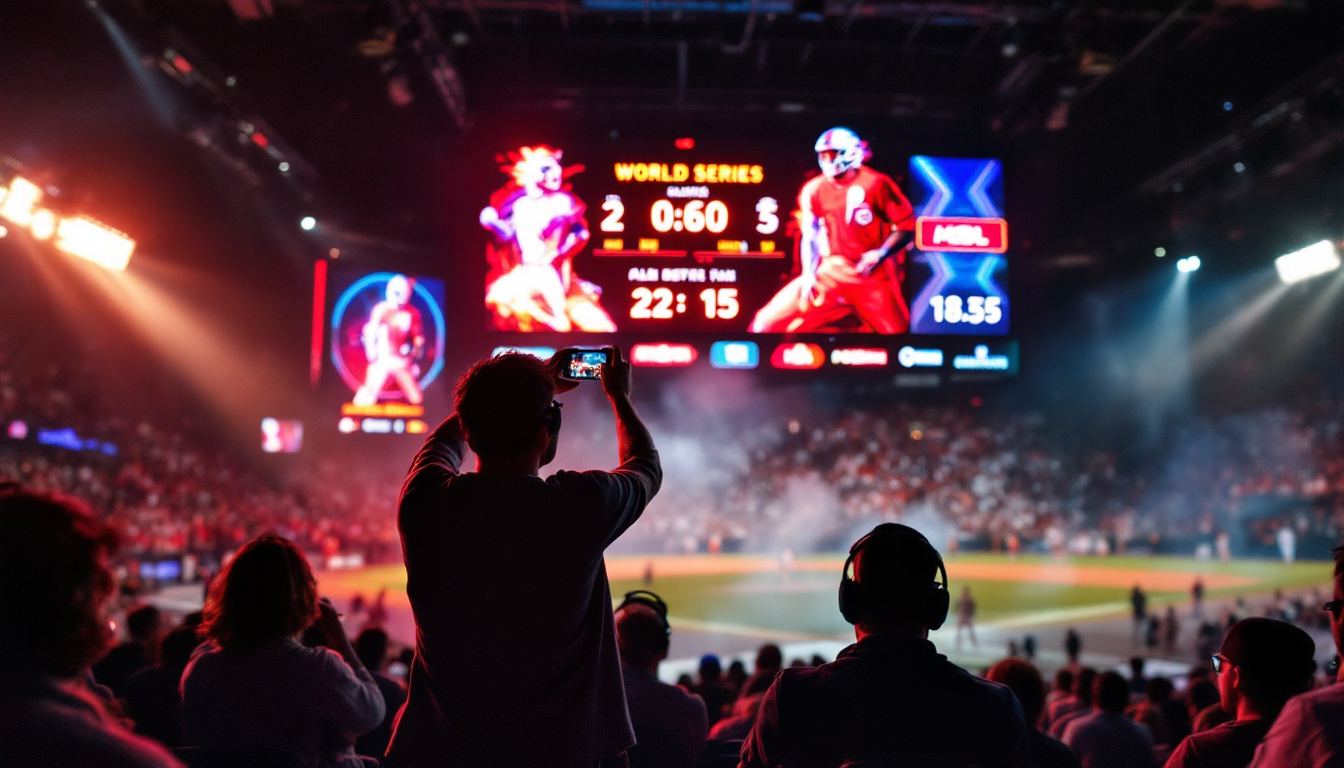
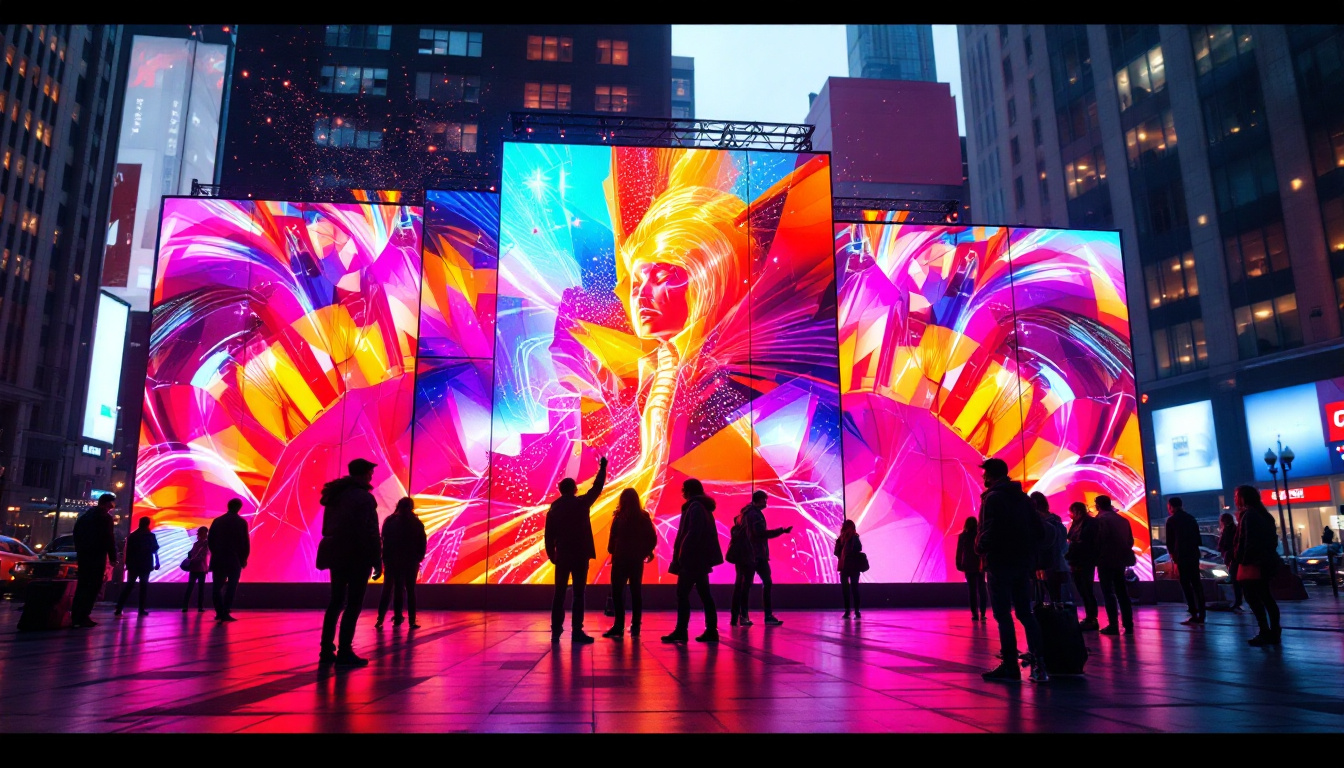
Concerts, sports events, and exhibitions frequently use LED walls and video screens to engage audiences. The ability to create large, seamless displays with high resolution and vivid colors makes LED technology ideal for dynamic visual presentations.
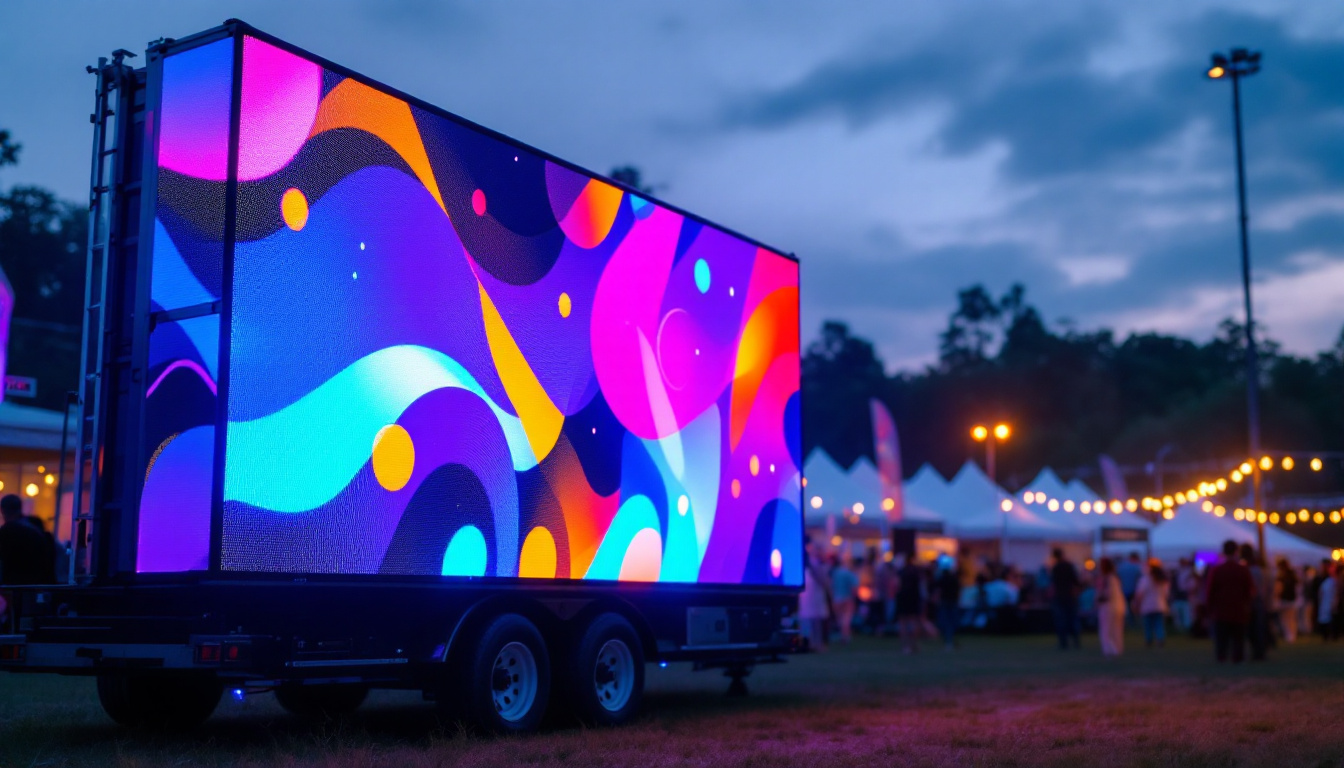
Event organizers appreciate the portability and modularity of LED panels, which can be configured and reconfigured quickly to suit different venues and event sizes. This flexibility, combined with affordability, has democratized access to professional-grade display technology. As a result, even smaller events can now feature stunning visual experiences that were once reserved for high-budget productions.
Additionally, the use of LED displays in live events enhances audience interaction through features like live polling and social media feeds displayed in real-time. This interactivity not only keeps attendees engaged but also creates a sense of community, as participants can see their contributions reflected on the big screen.
Corporate and Educational Use
Corporate offices and educational institutions increasingly incorporate LED displays for presentations, digital notice boards, and interactive learning tools. Affordable LED solutions enable these organizations to modernize communication methods and enhance engagement without excessive expenditure.
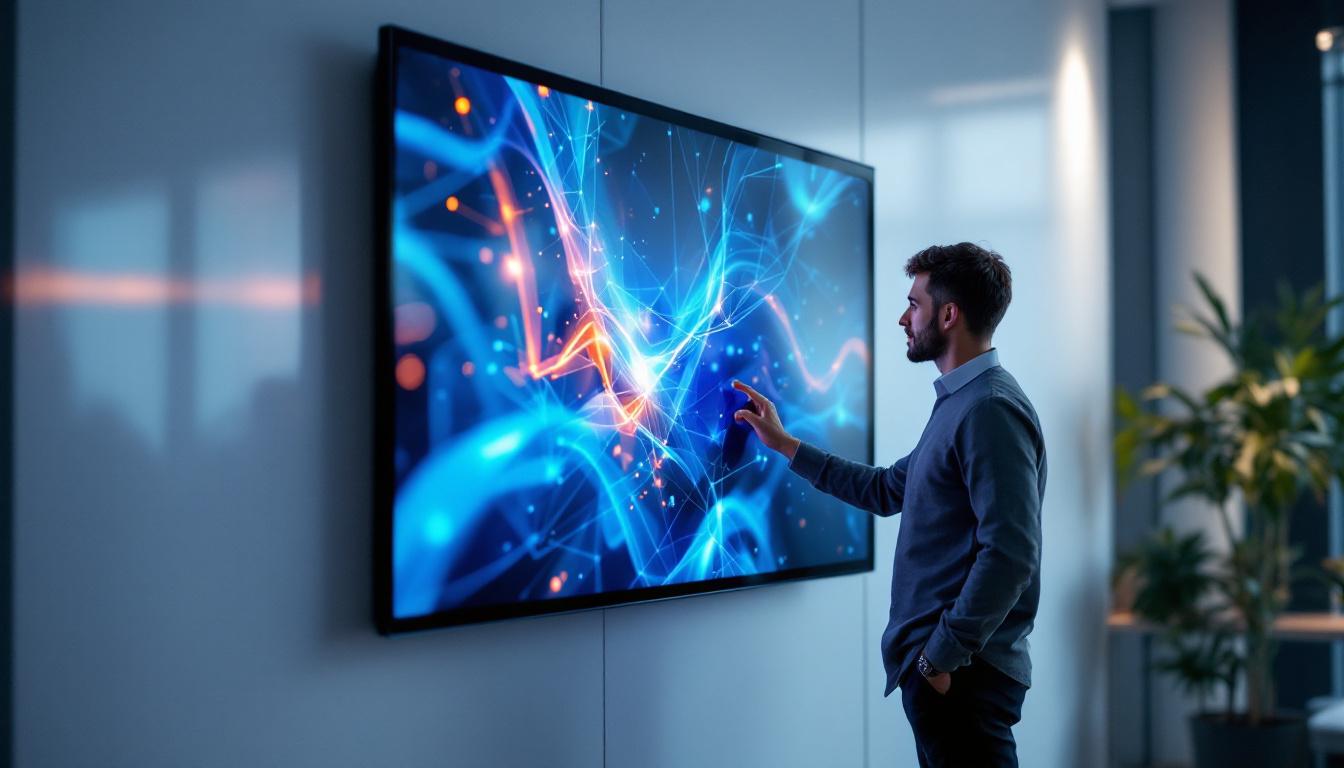
For example, LED video walls in conference rooms provide clear, bright visuals that improve information sharing during meetings. Similarly, schools use LED displays to broadcast announcements and educational content, fostering a more connected and informed community. The versatility of these displays allows for the integration of multimedia elements, making lessons more engaging and interactive for students.
Furthermore, the rise of hybrid work environments has led to an increased demand for LED displays that facilitate remote collaboration. Companies are investing in high-quality LED screens for video conferencing, ensuring that remote team members can participate fully in discussions with clear visuals and sound. This technology not only enhances productivity but also bridges the gap between in-person and remote participants, creating a more cohesive working environment.
Choosing the Right Affordable LED Display
Selecting the most suitable LED display involves considering several factors beyond just price. Understanding these elements ensures that the chosen product meets performance expectations and provides lasting value.
Resolution and Pixel Pitch
The intended viewing distance is crucial when deciding on pixel pitch. For close-up viewing, such as indoor retail displays or control rooms, a smaller pixel pitch delivers sharper images. Conversely, larger pixel pitches are adequate for outdoor billboards or stadium screens where viewers are farther away.
Balancing resolution with budget is essential. While higher resolution displays offer better image quality, they also come at increased cost. Affordable LED displays often strike a practical balance by optimizing pixel pitch according to application needs.
Brightness and Environmental Considerations
Brightness levels, measured in nits, determine visibility under various lighting conditions. Outdoor displays require higher brightness (often above 5,000 nits) to remain legible in direct sunlight, whereas indoor displays typically operate efficiently at 800 to 1,500 nits.
Environmental factors such as weather resistance, temperature tolerance, and ingress protection ratings should also be evaluated for outdoor installations. Affordable LED displays designed for outdoor use incorporate protective coatings and robust enclosures to withstand harsh conditions.
Installation and Maintenance
Ease of installation and maintenance can influence total cost of ownership. Modular LED panels that allow for quick assembly and replacement reduce downtime and labor costs. Additionally, displays with accessible components simplify routine maintenance and repairs.
Many affordable LED display manufacturers offer support services and warranties, providing buyers with peace of mind and assistance throughout the product lifecycle.
The Future of Affordable LED Displays
As LED technology continues to evolve, the trend toward more affordable and higher-performing displays is expected to accelerate. Innovations in mini-LED and micro-LED technologies promise even better image quality and energy efficiency, potentially at lower costs as production scales up.
Furthermore, integration with smart technologies and IoT (Internet of Things) will enable LED displays to become more interactive and data-driven, opening new possibilities for personalized advertising, real-time information, and immersive experiences.
With sustainability becoming a priority, LED displays’ low energy consumption and recyclable components align well with environmental goals, making them an increasingly attractive option for eco-conscious businesses and consumers.
Conclusion
Affordable LED displays represent a powerful tool for effective visual communication across diverse industries. Their combination of brightness, durability, energy efficiency, and modularity offers unmatched versatility and value. Whether for advertising, events, corporate communication, or education, understanding the technology and selecting the right product ensures a successful investment.
As manufacturing advances and market demand grow, LED displays will continue to become more accessible, empowering more organizations and individuals to harness the benefits of this dynamic display technology.
Discover LumenMatrix LED Display Solutions
Ready to elevate your visual communication with the latest in LED display technology? Look no further than LumenMatrix, a pioneer in crafting LED display modules that bring your brand to life. From vibrant Indoor and Outdoor LED Wall Displays to innovative solutions like Vehicle LED Displays, LED Posters, and even Custom LED Displays, LumenMatrix offers a range of products designed to captivate and engage. Experience the future of digital signage with our All-in-One LED Displays, LED Sports Displays, Floor LED Displays, and Transparent LED options. Embrace the power of LumenMatrix to create unforgettable visual experiences and share your message with precision and flair. Check out LumenMatrix LED Display Solutions and start transforming your space today.