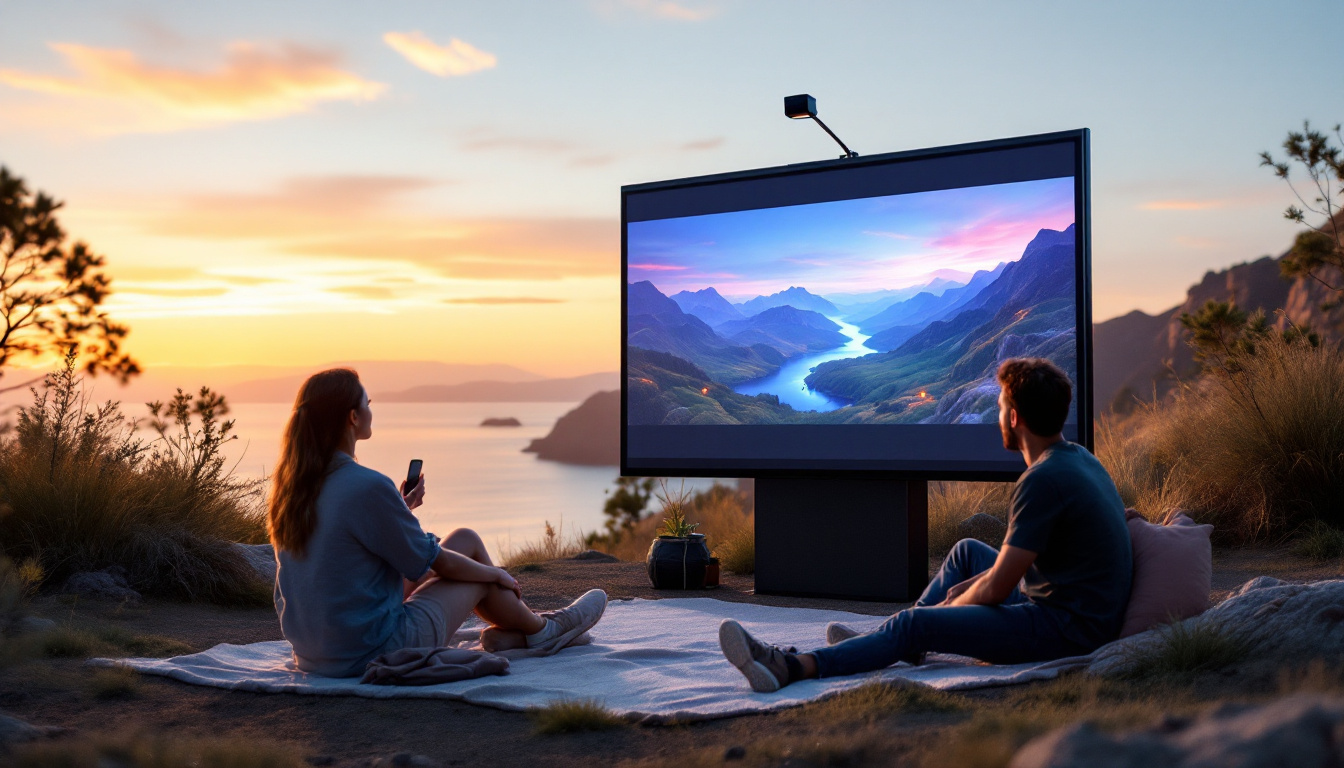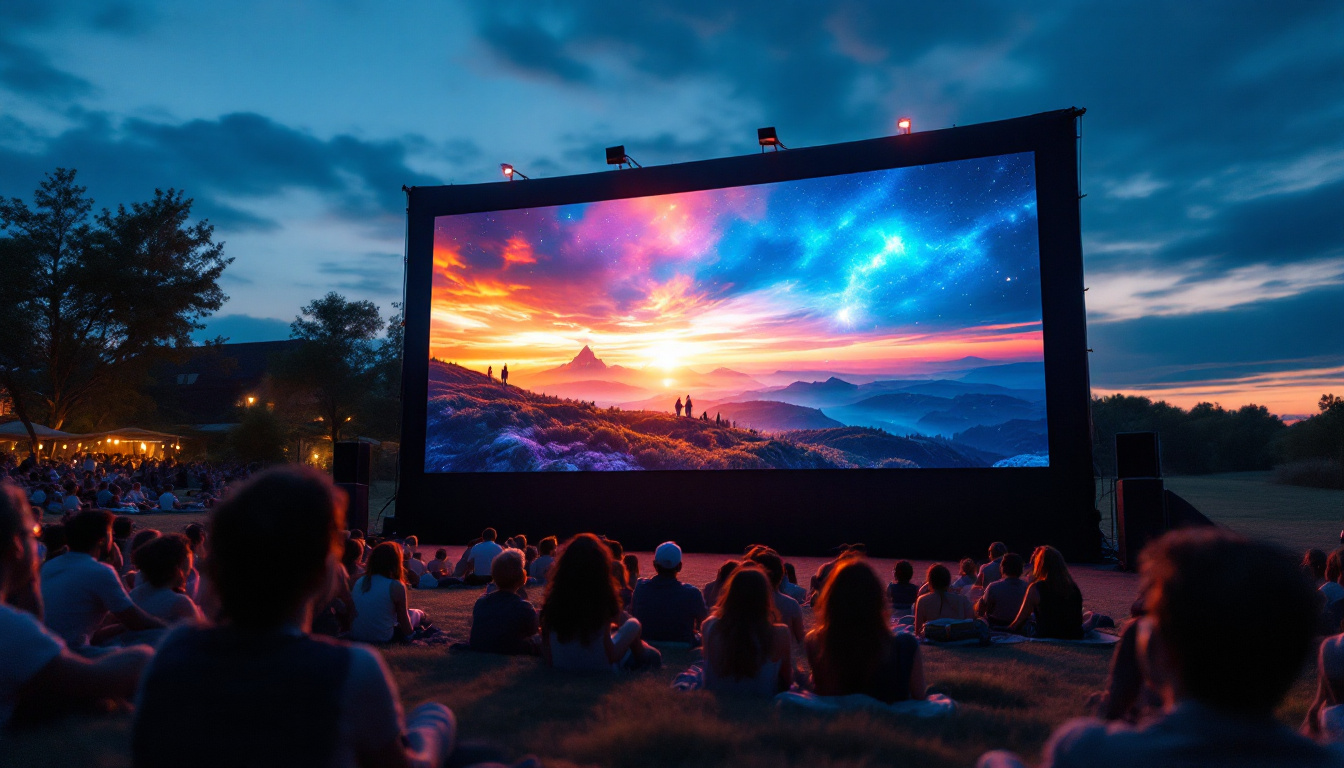
In recent years, LED projectors have surged in popularity, transforming the way consumers and professionals experience visual media. Combining energy efficiency, vibrant colors, and compact design, LED projectors are redefining projection technology. This article delves into the world of LED projectors, explaining how LED displays work, their advantages, and what to consider when choosing the best LED projector for your needs.
Understanding LED Projector Technology
What Is an LED Projector?
LED projectors use light-emitting diodes (LEDs) as their primary light source instead of traditional lamps or lasers. Unlike conventional projectors that rely on high-pressure lamps, LED projectors leverage arrays of tiny LEDs to generate light. This fundamental difference influences everything from image quality and lifespan to power consumption and portability.
LED projectors can be found in various formats, including DLP (Digital Light Processing) and LCD (Liquid Crystal Display) models. The key distinction lies in the light source: LEDs replace the conventional bulbs, offering a more durable and efficient alternative. Moreover, the compact size of LED technology allows manufacturers to create smaller, lightweight projectors that are perfect for on-the-go presentations or home cinema setups. This portability makes LED projectors an attractive option for users who need flexibility without sacrificing performance.
How Does LED Display Technology Work in Projectors?
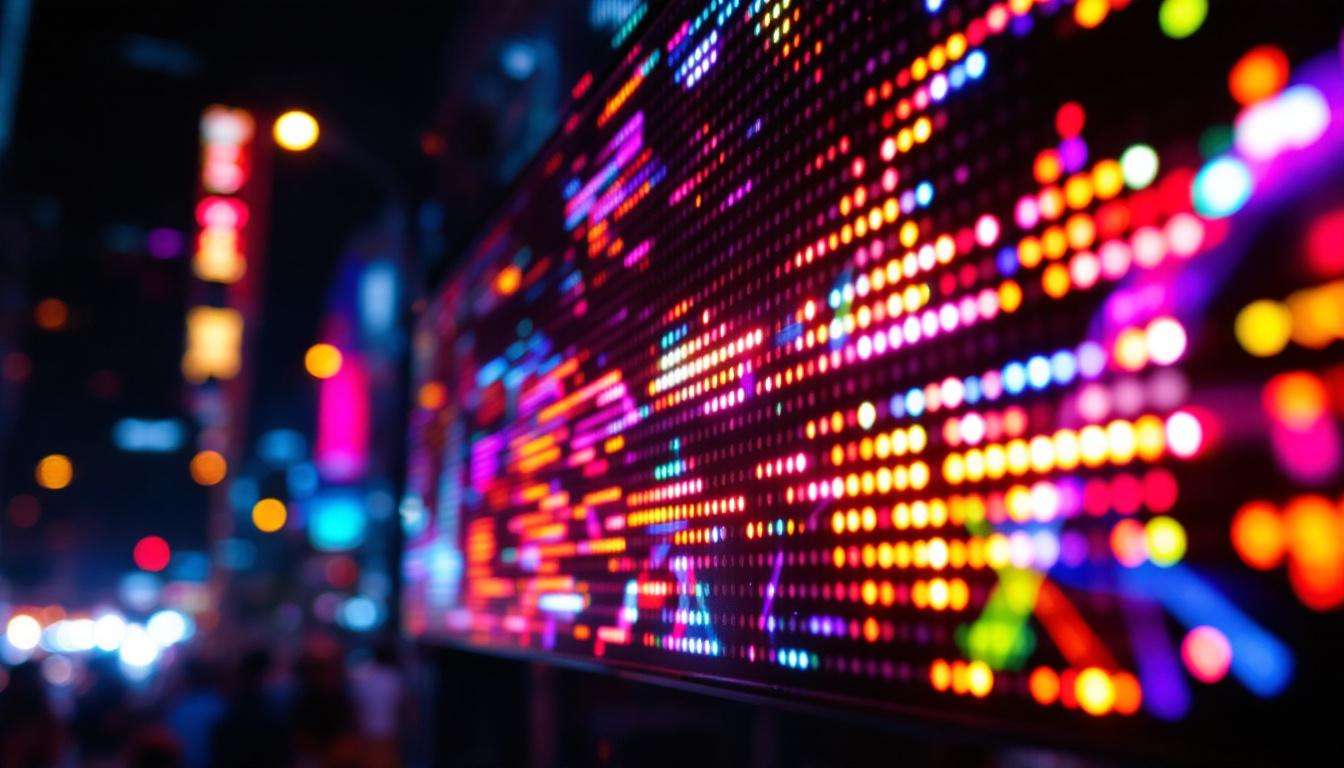
At the core of an LED projector is the LED light engine, which produces the light necessary to project images onto a screen or surface. The LEDs emit light in red, green, and blue wavelengths, which are combined to create a full spectrum of colors. This RGB LED system eliminates the need for color wheels or filters found in traditional projectors, resulting in more accurate and vibrant color reproduction. Additionally, the longevity of LED technology means that users can expect thousands of hours of operation without the need for frequent bulb replacements, significantly reducing maintenance costs over time.
The light passes through or reflects off micro-mirrors or LCD panels, depending on the projector type, to form the image. Because LEDs can be turned on and off rapidly and precisely, LED projectors offer excellent contrast ratios and sharpness, enhancing the viewing experience. Furthermore, the absence of a color wheel leads to faster color transitions, minimizing the risk of motion blur during fast-paced scenes. This characteristic makes LED projectors particularly appealing for watching action-packed movies or playing video games, where clarity and responsiveness are crucial for an immersive experience. As technology continues to evolve, we can expect even more advancements in LED projector capabilities, including higher resolutions and improved connectivity options, making them a staple in both professional and personal settings.
Advantages of LED Projectors Over Traditional Models
Longer Lifespan and Reliability
One of the most significant benefits of LED projectors is their extended lifespan. Traditional projector lamps typically last between 2,000 to 5,000 hours, requiring costly replacements. In contrast, LED light sources can last anywhere from 20,000 to 30,000 hours or more, dramatically reducing maintenance needs and overall ownership costs.
This longevity is particularly advantageous for businesses, educators, and home theater enthusiasts who rely on consistent, high-quality projection without the hassle of frequent bulb changes.
Energy Efficiency and Environmental Impact
LED projectors consume considerably less power compared to lamp-based models. For example, a typical LED projector might use 30 to 50 watts, whereas a traditional projector lamp can consume upwards of 200 watts. This efficiency translates to lower electricity bills and a smaller carbon footprint, aligning with growing environmental awareness and sustainability goals.
Moreover, LEDs do not contain hazardous materials like mercury, which is commonly found in projector lamps. This makes LED projectors safer to handle and easier to dispose of responsibly.
Superior Color Accuracy and Image Quality
Thanks to their RGB LED light sources, LED projectors deliver vivid, saturated colors with high color accuracy. The absence of a color wheel eliminates the “rainbow effect” — a visual artifact some viewers notice in certain DLP projectors — enhancing image clarity and comfort.
Additionally, LED projectors often boast excellent contrast ratios, producing deep blacks and bright whites that enhance the overall picture quality. This makes them ideal for applications ranging from cinematic home theaters to professional presentations.
Compact and Portable Designs
Because LEDs are smaller and generate less heat than traditional lamps, LED projectors can be designed to be more compact and lightweight. This portability appeals to users who need to move their projector between rooms, take it on the road, or use it in tight spaces.
Many LED projectors come with built-in batteries, wireless connectivity, and smart features, making them versatile tools for both entertainment and business uses.
Key Features to Look for in the Best LED Projectors
Brightness and Lumens
Brightness is a critical factor in projector performance, measured in lumens. While LED projectors typically have lower brightness levels than lamp-based projectors, recent advancements have pushed LED brightness well beyond 2,000 lumens in some models, sufficient for most indoor environments.
For home theater use in dark rooms, 1,000 to 1,500 lumens may suffice, but for classrooms, conference rooms, or outdoor settings with ambient light, higher brightness is essential. Always consider the projector’s intended environment when evaluating lumens.
Resolution and Image Quality
Resolution determines the sharpness and detail of the projected image. Full HD (1920×1080 pixels) is the standard for most modern LED projectors, providing crisp and clear visuals suitable for movies, presentations, and gaming.
Higher-end models offer 4K resolution, delivering four times the pixel count of Full HD. While 4K LED projectors tend to be pricier, they are worth considering for users prioritizing ultra-high-definition content and future-proofing.
Connectivity Options
Versatile connectivity is vital for maximizing a projector’s usability. Look for models that offer multiple input options such as HDMI, USB, VGA, and wireless capabilities like Wi-Fi or Bluetooth. Wireless streaming support, including compatibility with popular platforms like Chromecast, AirPlay, or Miracast, adds convenience for mobile devices and laptops.
Throw Distance and Screen Size
The throw distance—the distance between the projector and the screen—affects how large an image can be projected. Short-throw LED projectors are ideal for small rooms or limited spaces, projecting a large image from a short distance.
Understanding the projector’s throw ratio helps determine if it fits your space. Additionally, check the maximum supported screen size to ensure it meets your viewing requirements.
Additional Features
Many LED projectors come with built-in speakers, but their quality varies. For immersive audio, consider external speakers or models with enhanced sound systems.
Other useful features include keystone correction for image alignment, autofocus, and smart OS integration, which allows access to streaming apps directly from the projector.
Top LED Projectors in the Market Today
1. Epson EF-100B
The Epson EF-100B is a compact laser projector that incorporates LED technology for its light source, offering 2,000 lumens of brightness and Full HD resolution. Its sleek design and smart connectivity options make it a popular choice for home entertainment and small office use. The projector supports Android TV, providing access to a wide range of streaming services.
2. Anker Nebula Capsule II
Known for its portability, the Anker Nebula Capsule II is a pocket-sized LED projector with a built-in battery lasting up to 2.5 hours. It delivers 200 ANSI lumens and 720p resolution, making it suitable for casual viewing in dim environments. Its Android TV interface and Bluetooth speaker functionality enhance its versatility.
3. LG PF50KA
The LG PF50KA is a versatile LED projector offering Full HD resolution and 600 lumens brightness. It features built-in Wi-Fi and Bluetooth, allowing wireless streaming and audio connections. Its compact size and integrated battery make it a strong contender for on-the-go presentations and home use.
4. ViewSonic M2
The ViewSonic M2 is a premium LED projector delivering Full HD resolution with 1,200 lumens brightness. It supports 3,000:1 contrast ratio and offers Harman Kardon speakers for superior audio quality. With USB-C connectivity and smart features, it caters to both entertainment and professional needs.
How to Choose the Right LED Projector for Your Needs
Assess Your Usage Environment
Consider where and how you plan to use the projector. For home theaters, prioritize resolution and color accuracy, while for classrooms or offices, brightness and connectivity may be more important. Outdoor use demands higher lumens and weather-resistant features.
Set a Realistic Budget
LED projectors range from affordable portable models to high-end 4K devices. Establishing a budget helps narrow down options without compromising essential features. Remember to factor in accessories like screens, mounts, or external speakers.
Read Reviews and Test Before Buying
Customer reviews and expert opinions provide valuable insights into real-world performance and reliability. Whenever possible, test the projector in person to evaluate image quality, ease of setup, and noise levels.
Future Trends in LED Projection Technology
LED projector technology continues to evolve rapidly. Emerging trends include the integration of laser-LED hybrid light sources, which combine the brightness of lasers with the efficiency of LEDs. Advances in micro-LED technology promise even higher brightness and color fidelity in smaller packages.
Additionally, smart projectors with AI-driven image optimization and enhanced wireless capabilities are becoming mainstream, offering seamless user experiences. As these technologies mature, LED projectors are poised to become the dominant choice for both consumer and professional projection needs.
Conclusion
LED projectors represent a significant leap forward in projection technology, offering long-lasting, energy-efficient, and vibrant image solutions. Understanding how LED displays work and the advantages they bring can help consumers make informed decisions when selecting the best LED projector for their specific applications.
Whether for immersive home theaters, dynamic business presentations, or portable entertainment, LED projectors provide versatile options that cater to a wide range of needs. By considering factors such as brightness, resolution, connectivity, and portability, users can find the perfect LED projector to elevate their viewing experience.
Discover the Future of Visual Experience with LumenMatrix
Ready to take your visual experiences to the next level? LumenMatrix is at the forefront of LED display innovation, offering a wide array of solutions that bring your content to life. From Indoor and Outdoor LED Wall Displays to specialized options like Vehicle, Sports, and Floor LED Displays, our products are designed to make a lasting impression. Embrace the revolution in visual communication with LumenMatrix’s All-in-One and Custom LED Displays, including our stunning Transparent LED options. Elevate your brand visibility and audience engagement today. Check out LumenMatrix LED Display Solutions and transform the way you share your message.