In today’s fast-evolving digital landscape, choosing the right type of display technology is crucial for businesses, advertisers, event organizers, and even consumers who want the best visual experience. Among the various display technologies, LED displays have emerged as a leading choice due to their versatility, brightness, and energy efficiency. This article delves into the world of LED displays, explaining what they are, how they work, their advantages, and why they are often considered the best type of display for a wide range of applications.
Understanding LED Display Technology
What is an LED Display?
LED stands for Light Emitting Diode, a semiconductor device that emits light when an electric current passes through it. An LED display is a flat panel display that uses an array of light-emitting diodes as pixels to create images and videos. Unlike traditional LCD or plasma displays, LED displays generate their own light, eliminating the need for a backlight.
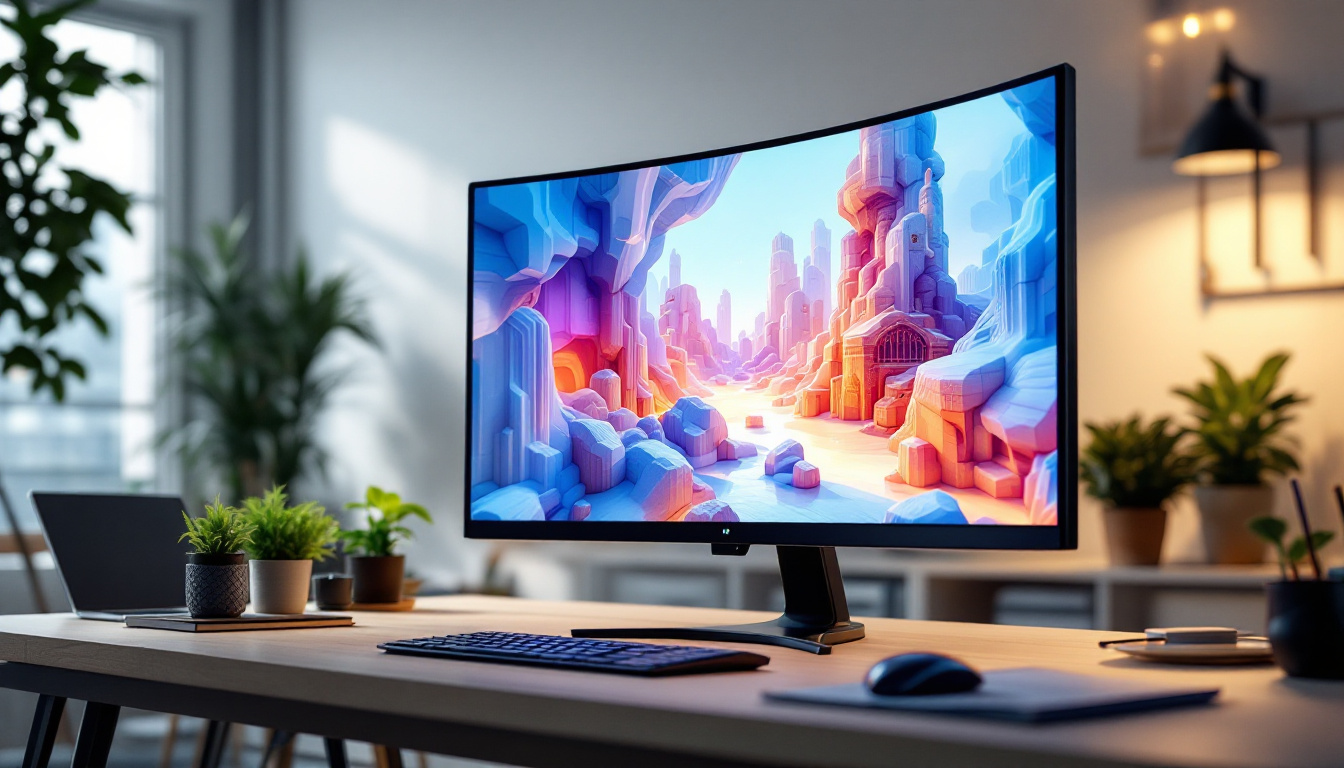
LED displays can be categorized into two main types: direct view LED displays and LED-backlit LCD displays. Direct view LED displays use LEDs as the actual pixels, making them ideal for large-scale applications like billboards and stadium screens. LED-backlit LCD displays, on the other hand, use LEDs to illuminate an LCD panel, commonly found in televisions and computer monitors. The versatility of LED technology allows it to be utilized in a variety of settings, from vibrant advertising in urban centers to sophisticated home theater systems, showcasing its adaptability to different environments and purposes.
How Do LED Displays Work?
Each pixel in an LED display is made up of tiny LEDs that emit red, green, and blue light. By controlling the intensity of these three colors, the display can produce a full spectrum of colors. The LEDs switch on and off rapidly to create images that appear seamless to the human eye. This rapid switching is crucial for displaying dynamic content, such as videos and animations, ensuring that motion appears fluid and engaging.
In direct view LED displays, the LEDs themselves are the light source, which allows for extremely high brightness levels and excellent color accuracy. This technology also enables displays to be made in various sizes and shapes, from small indoor screens to massive outdoor billboards. Furthermore, advancements in LED technology have led to the development of fine-pitch displays, which feature smaller pixel sizes and higher resolutions, making them suitable for close-up viewing in venues like concert halls and exhibition spaces. The energy efficiency of LED displays also contributes to their growing popularity, as they consume significantly less power compared to traditional display technologies, making them a more sustainable choice for both consumers and businesses alike.
Advantages of LED Displays Over Other Technologies
Superior Brightness and Visibility
One of the most significant advantages of LED displays is their exceptional brightness. LEDs can achieve brightness levels of up to 5,000 nits or more, making them easily visible even in direct sunlight. This is a critical factor for outdoor advertising and public information displays where visibility is paramount. The ability to maintain clarity in bright conditions allows businesses to effectively communicate their messages without the risk of being washed out by ambient light.
In comparison, traditional LCD displays typically max out around 300 to 500 nits, which can be insufficient for outdoor use without additional shading or protective measures. The high brightness of LED displays ensures that content remains clear and vibrant regardless of ambient lighting conditions. Furthermore, the contrast ratios of LED displays enhance the visual experience, allowing for deeper blacks and brighter whites, which contributes to a more engaging viewing experience for audiences.
Energy Efficiency and Longevity
LED displays are known for their energy efficiency. Because LEDs convert a higher percentage of electricity into light compared to other technologies, they consume less power for the same level of brightness. This translates into reduced operational costs, especially for large-scale installations that run continuously. The lower energy consumption not only benefits the bottom line but also contributes to a smaller carbon footprint, making LED technology a more environmentally friendly option.
Moreover, LEDs have a longer lifespan, often exceeding 100,000 hours of operation. This durability reduces maintenance costs and downtime, making LED displays a cost-effective choice over the long term. With fewer replacements needed, businesses can allocate resources to other areas, enhancing overall operational efficiency. Additionally, the resilience of LED technology against temperature fluctuations and harsh weather conditions further solidifies its position as a reliable choice for both indoor and outdoor applications.
Flexibility and Customization
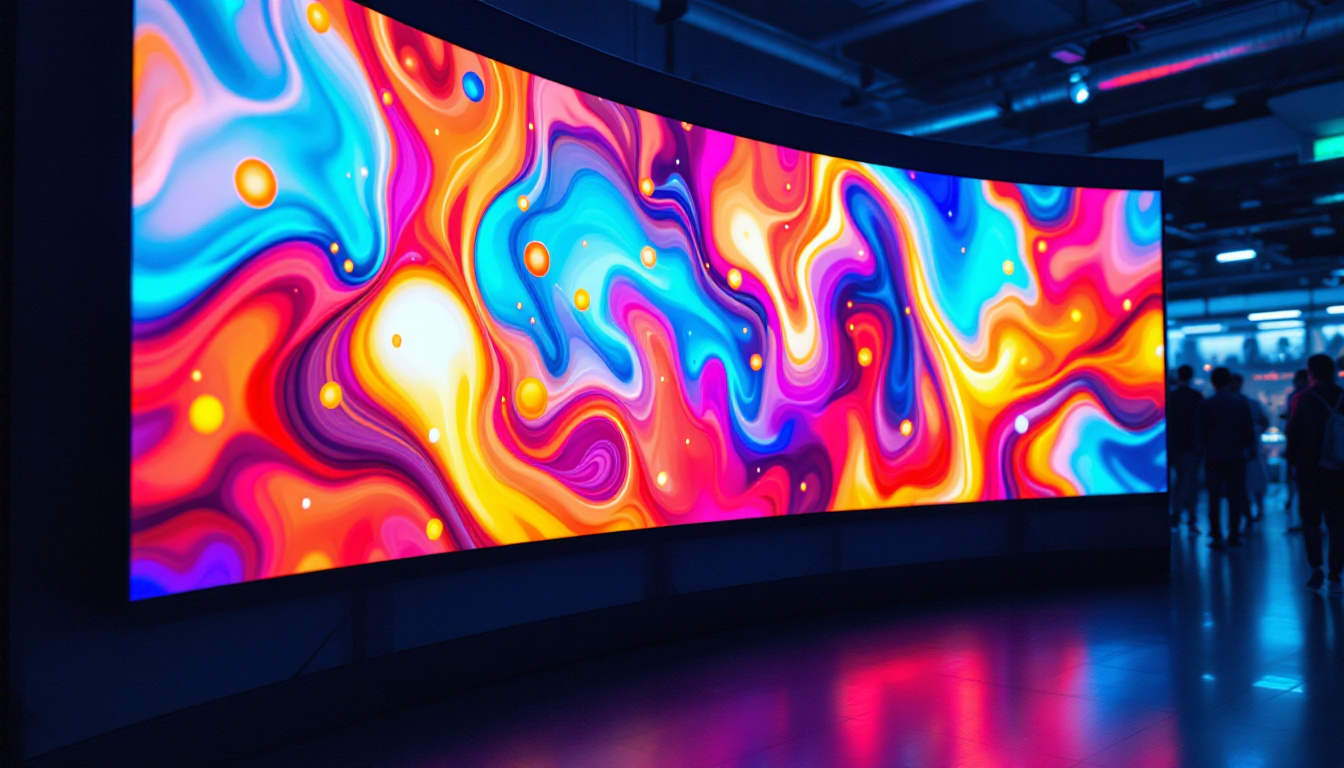
LED displays offer unparalleled flexibility in terms of size, shape, and resolution. They can be assembled into custom configurations, including curved, cylindrical, and irregular shapes, which is not feasible with most other display types. This adaptability is particularly valuable for creative advertising campaigns, architectural installations, and immersive event experiences. The ability to tailor displays to fit unique spaces allows brands to create visually stunning environments that capture attention and leave a lasting impression.
Additionally, LED displays support a wide range of resolutions, from low pixel density for large viewing distances to high pixel density for close-up viewing. This makes them suitable for both outdoor billboards and indoor digital signage. The modular nature of LED technology also means that screens can be easily expanded or reconfigured as needs change, providing businesses with a future-proof solution that can evolve alongside their marketing strategies. This level of customization not only enhances aesthetic appeal but also maximizes the effectiveness of communication efforts, ensuring that messages resonate with diverse audiences.
Applications of LED Displays
Outdoor Advertising and Digital Billboards
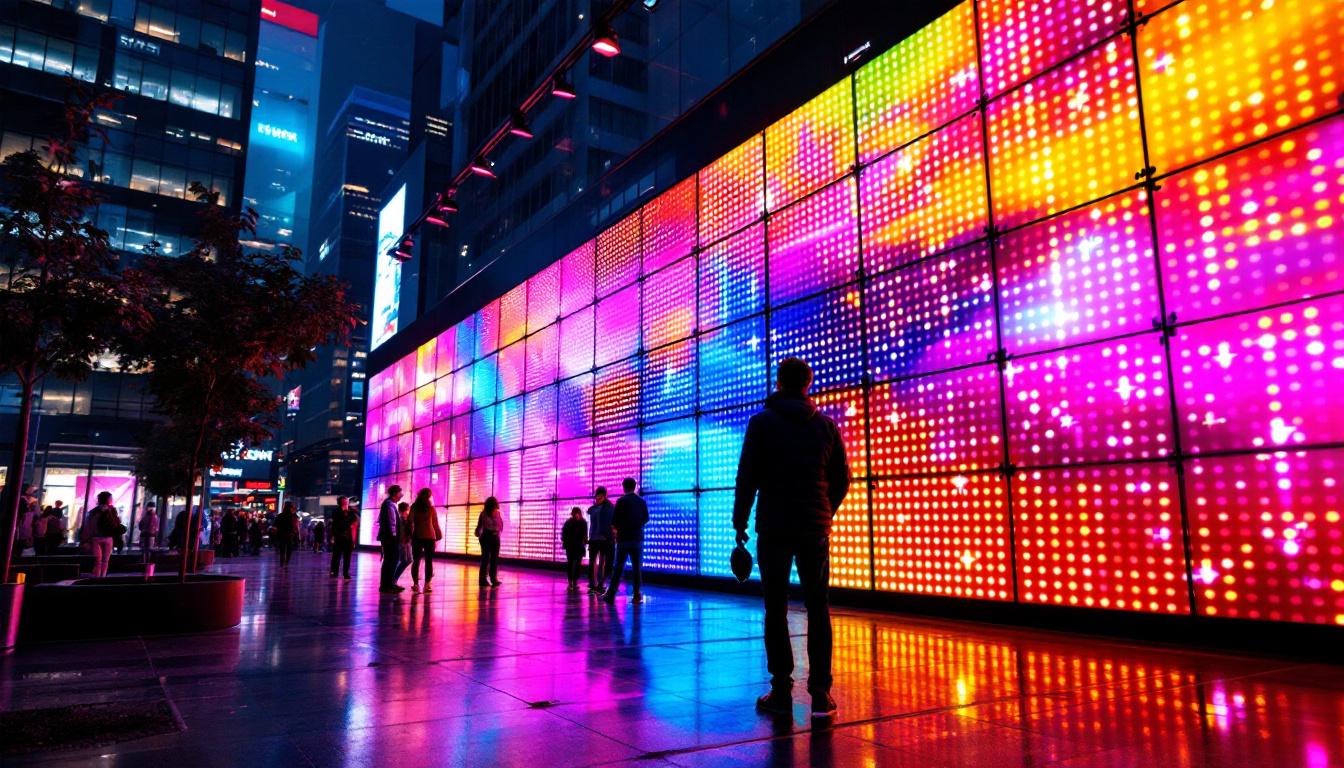
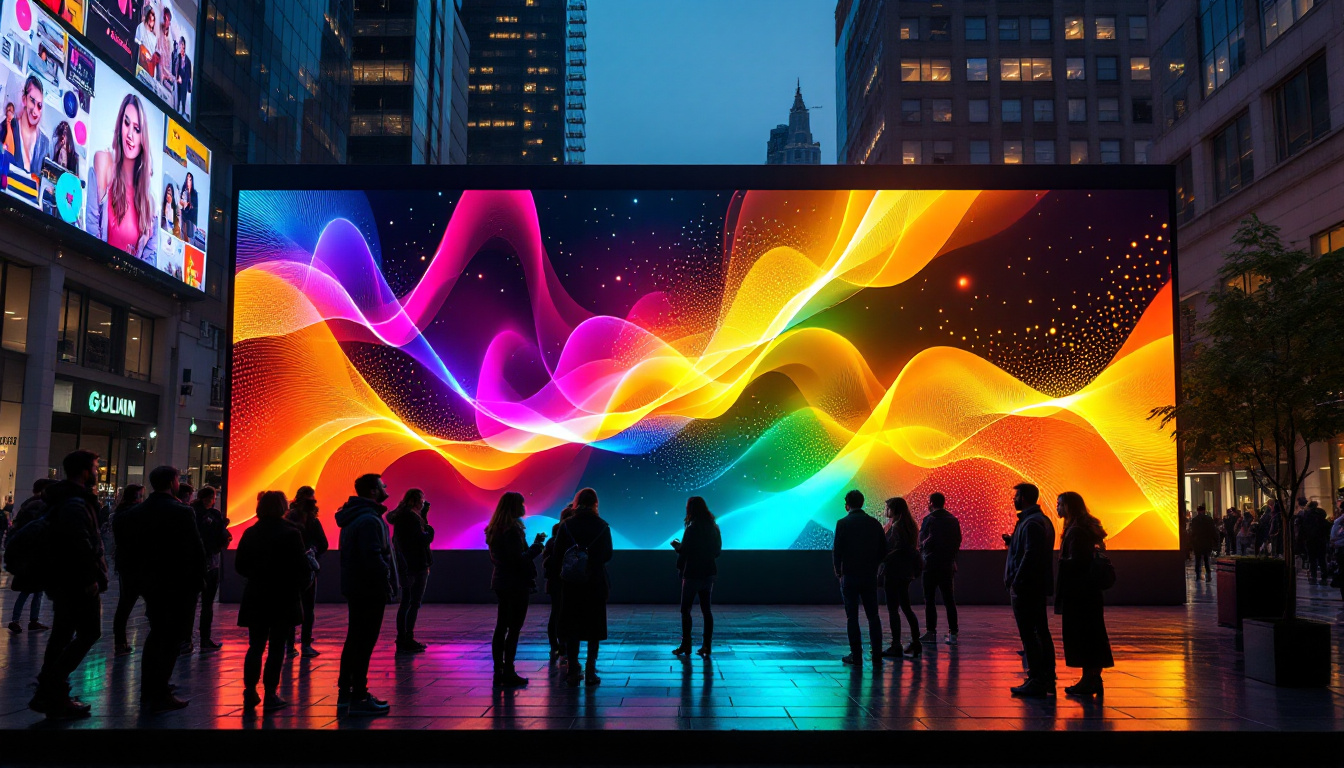
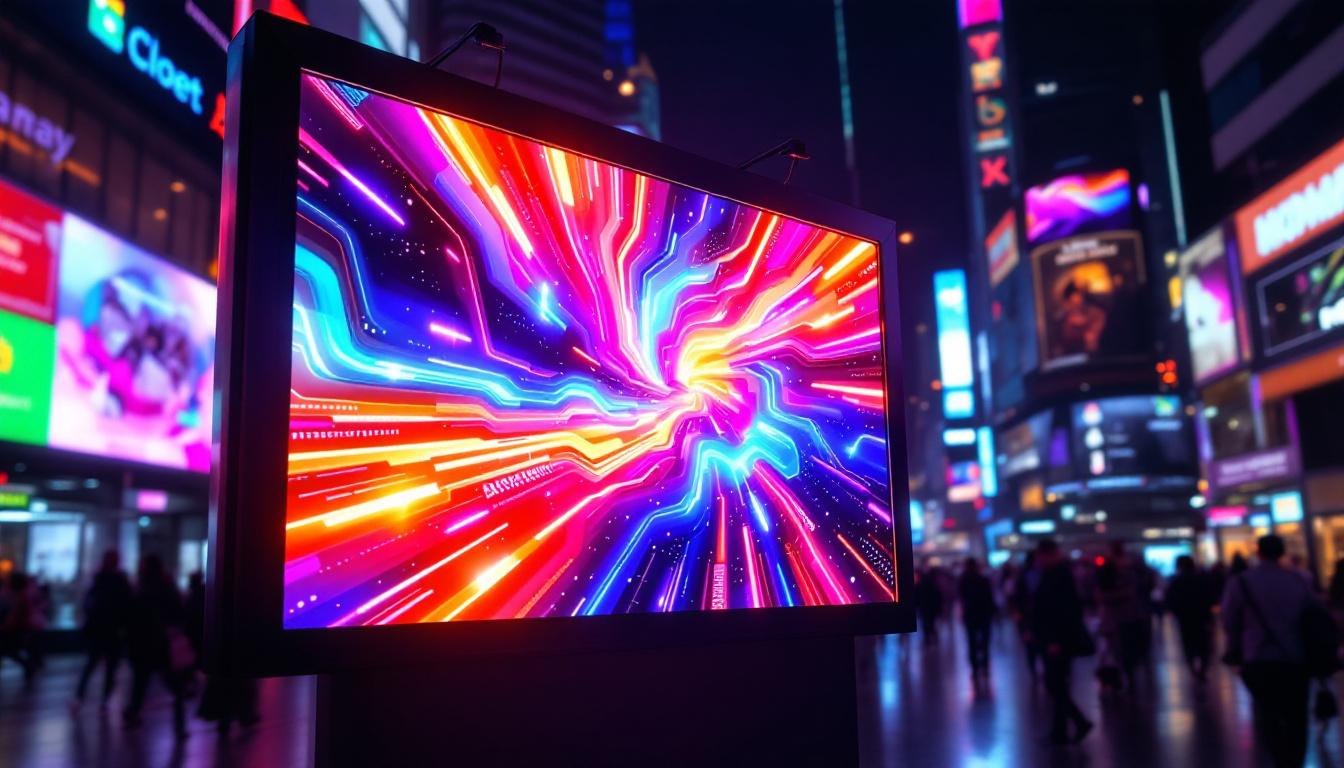
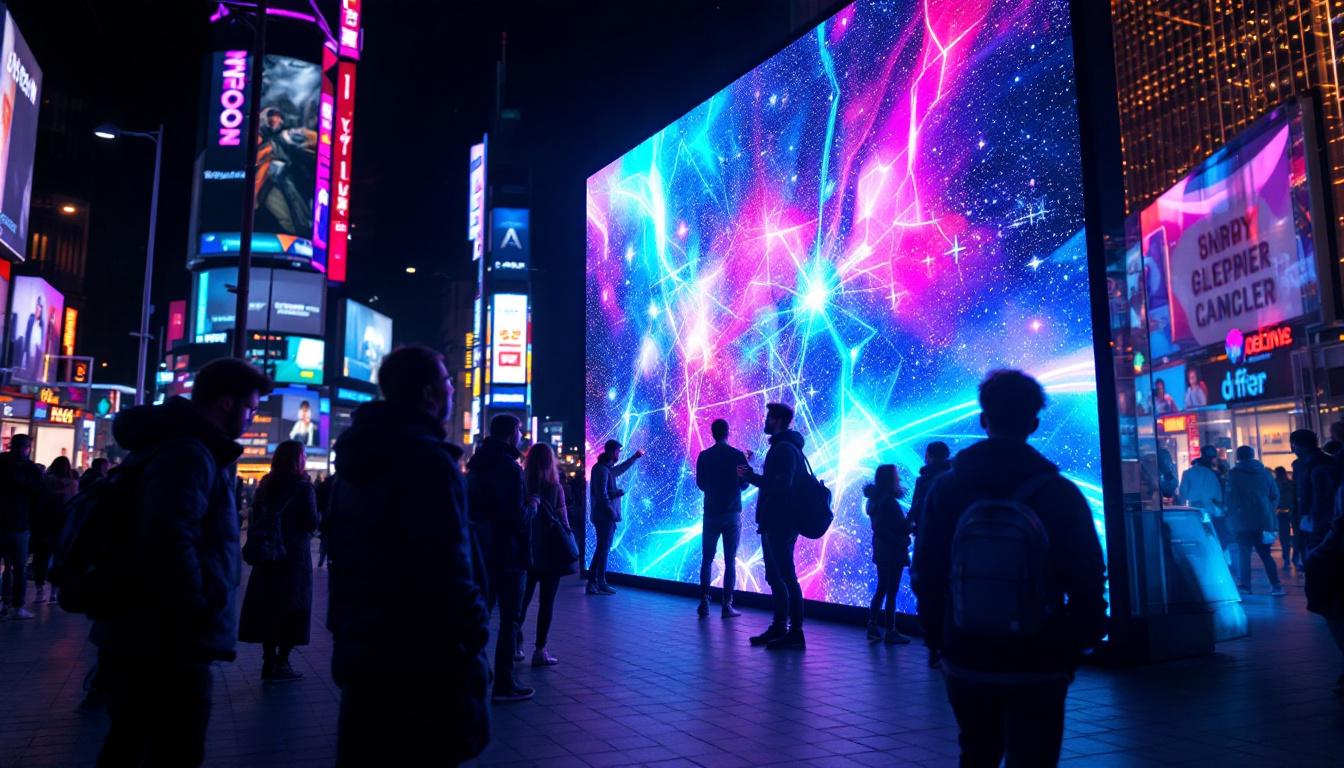
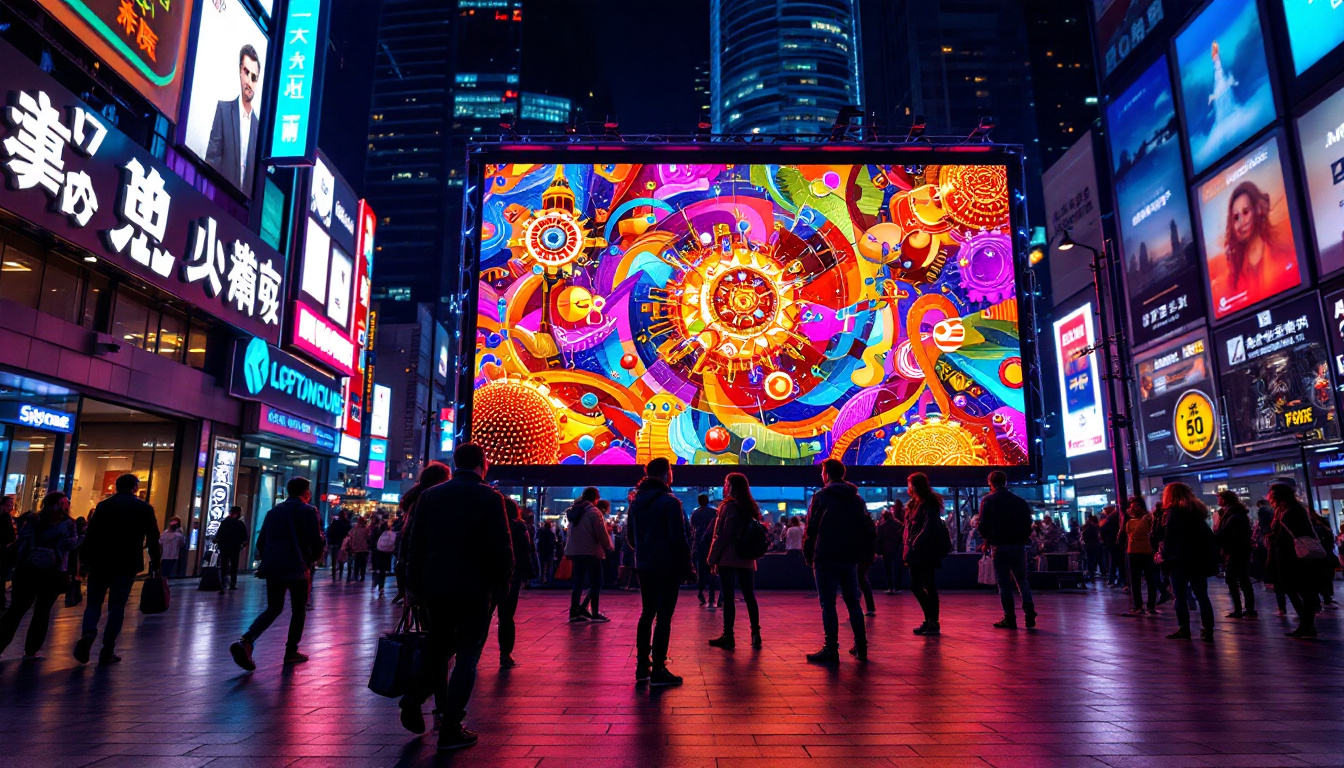
Outdoor advertising has been revolutionized by LED display technology. Digital billboards equipped with LED panels can display dynamic content, including videos, animations, and real-time updates. This capability significantly increases audience engagement compared to static billboards.
According to a report by Grand View Research, the global digital signage market, which heavily relies on LED displays, is expected to reach USD 31.71 billion by 2028, growing at a compound annual growth rate (CAGR) of 7.5%. This growth is driven by the increasing adoption of LED displays in outdoor advertising due to their visibility and cost-effectiveness.
Sports Arenas and Event Venues
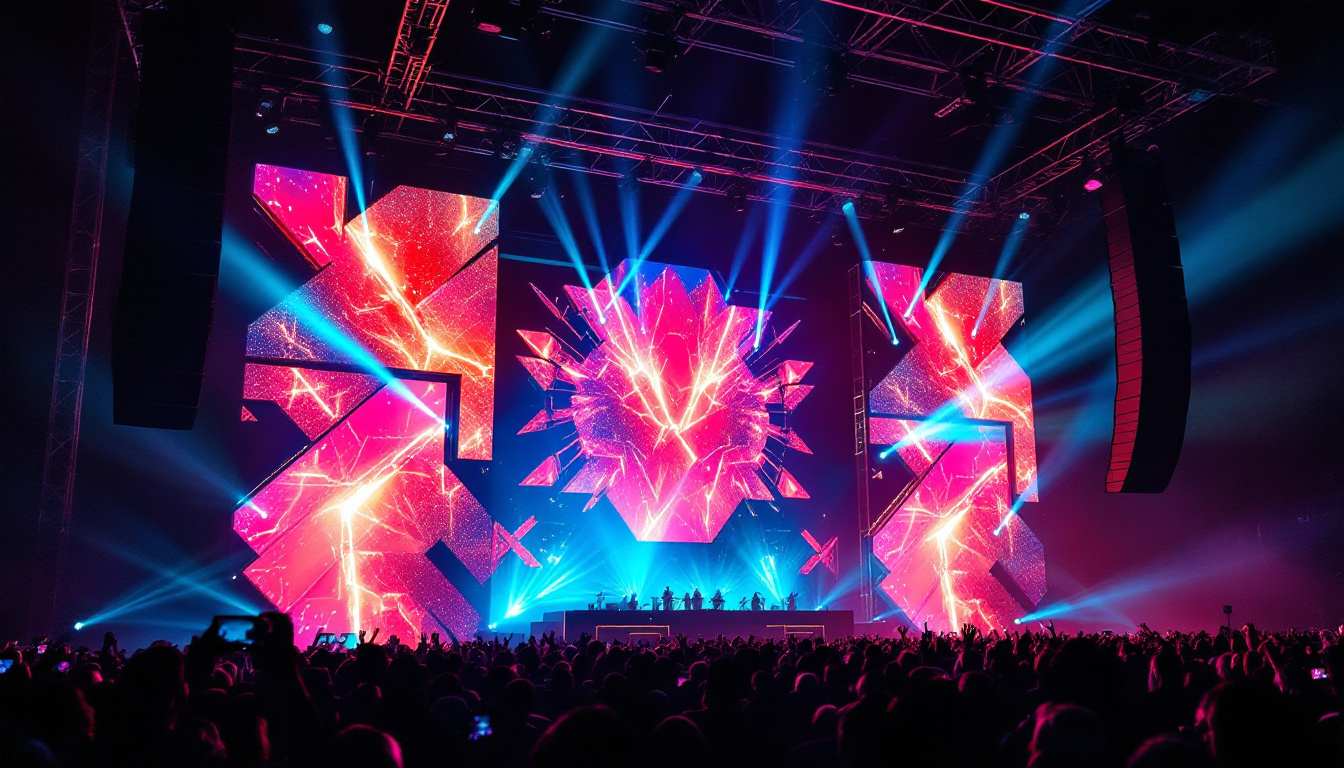
Sports arenas and concert venues utilize large-scale LED displays to enhance the spectator experience. These displays provide live video feeds, replays, scores, and interactive content, making events more engaging and immersive.
For example, the AT&T Stadium in Texas features one of the world’s largest high-definition LED video boards, measuring 160 feet wide and 72 feet tall. Such installations demonstrate the capability of LED technology to deliver stunning visuals on a massive scale.
Retail and Indoor Digital Signage
In retail environments, LED displays are used for digital signage, promotional content, and interactive kiosks. Their bright, vibrant images attract customers and can be updated instantly to reflect new promotions or product information.
Indoor LED displays with fine pixel pitches provide high-resolution images suitable for close viewing distances, making them ideal for retail stores, shopping malls, and corporate lobbies.
Key Considerations When Choosing an LED Display
Pixel Pitch and Resolution
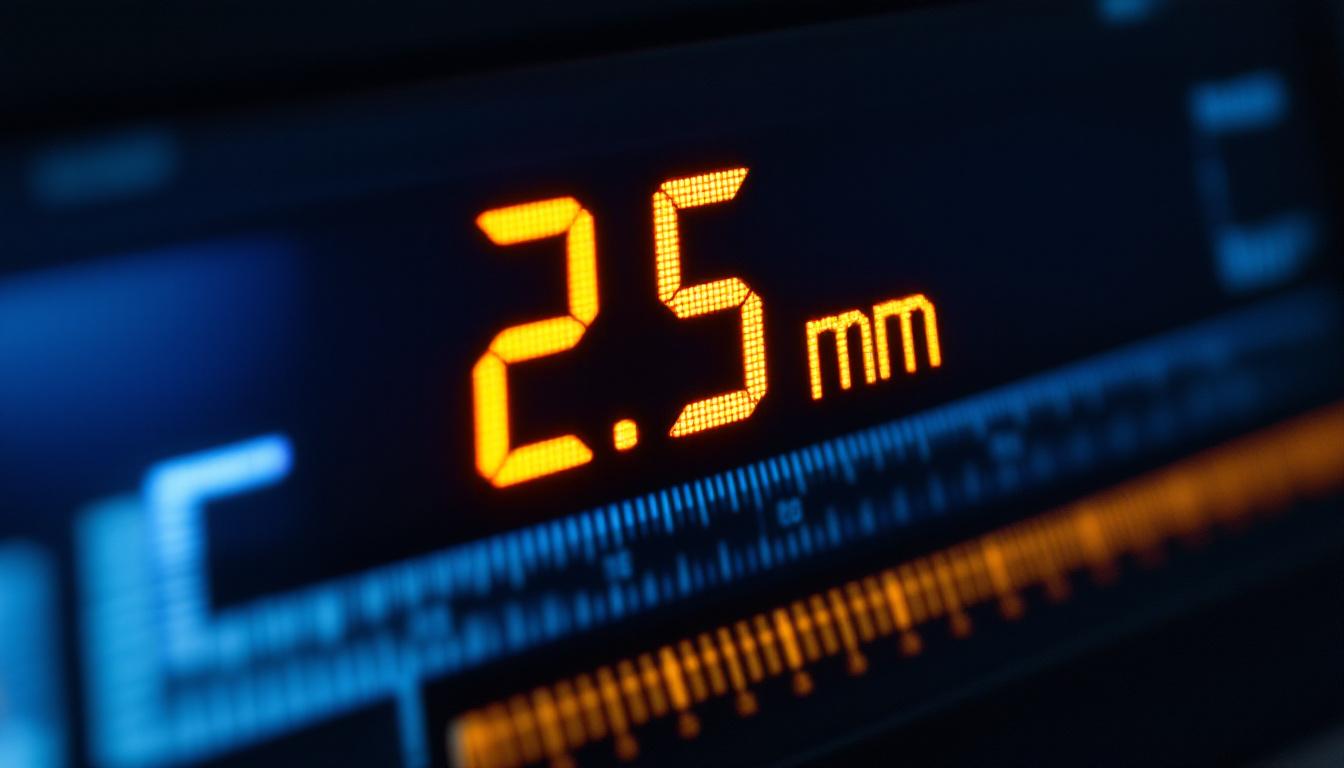
Pixel pitch refers to the distance between the centers of adjacent pixels and is a critical factor in determining the resolution and viewing distance of an LED display. A smaller pixel pitch means higher resolution and better image quality, especially for close-up viewing.
For outdoor billboards viewed from a distance, pixel pitches of 10mm or more are common, while indoor displays often use pixel pitches as small as 0.9mm to 2.5mm for crisp images.
Brightness and Contrast Ratio
Brightness is essential for visibility in various lighting conditions. When selecting an LED display, consider the environment where it will be installed. Outdoor displays require higher brightness levels (3,000 to 5,000 nits or more), while indoor displays typically need 800 to 1,200 nits.
Contrast ratio, the difference between the darkest black and the brightest white, also affects image quality. LED displays generally offer excellent contrast ratios, contributing to vivid and lifelike images.
Durability and Weather Resistance
For outdoor applications, durability and weather resistance are paramount. LED displays designed for outdoor use are built to withstand rain, dust, extreme temperatures, and UV exposure. Look for displays with appropriate IP (Ingress Protection) ratings, typically IP65 or higher, to ensure longevity and reliable performance.
Installation and Maintenance
The complexity of installation and ongoing maintenance should also be considered. Modular LED panels allow for easier installation and replacement of individual sections, reducing downtime and maintenance costs.
Additionally, consider the availability of technical support and warranty services from the manufacturer or supplier to ensure smooth operation over the display’s lifespan.
Future Trends in LED Display Technology
MicroLED and MiniLED Innovations
Emerging technologies such as MicroLED and MiniLED are pushing the boundaries of LED display performance. MicroLED displays use microscopic LEDs to create pixels, offering higher brightness, better contrast, and improved energy efficiency compared to traditional LED displays.
MiniLED technology involves using smaller LEDs for backlighting LCD panels, enhancing contrast and color accuracy. Both technologies are expected to become more prevalent in premium consumer electronics and professional displays in the coming years.
Integration with Smart Technologies
LED displays are increasingly integrated with smart technologies such as IoT (Internet of Things), AI (Artificial Intelligence), and real-time data analytics. This integration enables dynamic content updates based on audience demographics, weather conditions, or other external factors, maximizing the impact of digital signage.
Eco-Friendly and Sustainable Solutions
As sustainability becomes a priority, manufacturers are developing LED displays with eco-friendly materials and lower power consumption. Advances in recycling processes and longer-lasting components contribute to reducing the environmental footprint of LED display installations.
Conclusion: Why LED Displays Are the Best Choice
LED displays stand out as the best type of display technology for many applications due to their superior brightness, energy efficiency, flexibility, and durability. Whether for outdoor advertising, sports venues, retail environments, or innovative architectural installations, LED displays deliver vibrant visuals that capture attention and engage audiences effectively.
With ongoing technological advancements and growing market adoption, LED displays are poised to remain at the forefront of display technology for years to come. Understanding the key features and considerations outlined in this article can help businesses and consumers make informed decisions when selecting the ideal display solution for their needs.
Discover the Future of Visual Engagement with LumenMatrix
Ready to elevate your visual communication and captivate your audience like never before? Explore LumenMatrix’s extensive range of innovative LED display solutions tailored to your unique needs. From the immersive Indoor LED Wall Display to the dynamic Outdoor LED Wall Display, and from the mobile versatility of Vehicle LED Displays to the interactive Floor LED Display, LumenMatrix is at the forefront of transforming spaces and experiences. Don’t just share your message—make it resonate with unparalleled clarity and impact. Check out LumenMatrix LED Display Solutions today and join the revolution in digital signage excellence.