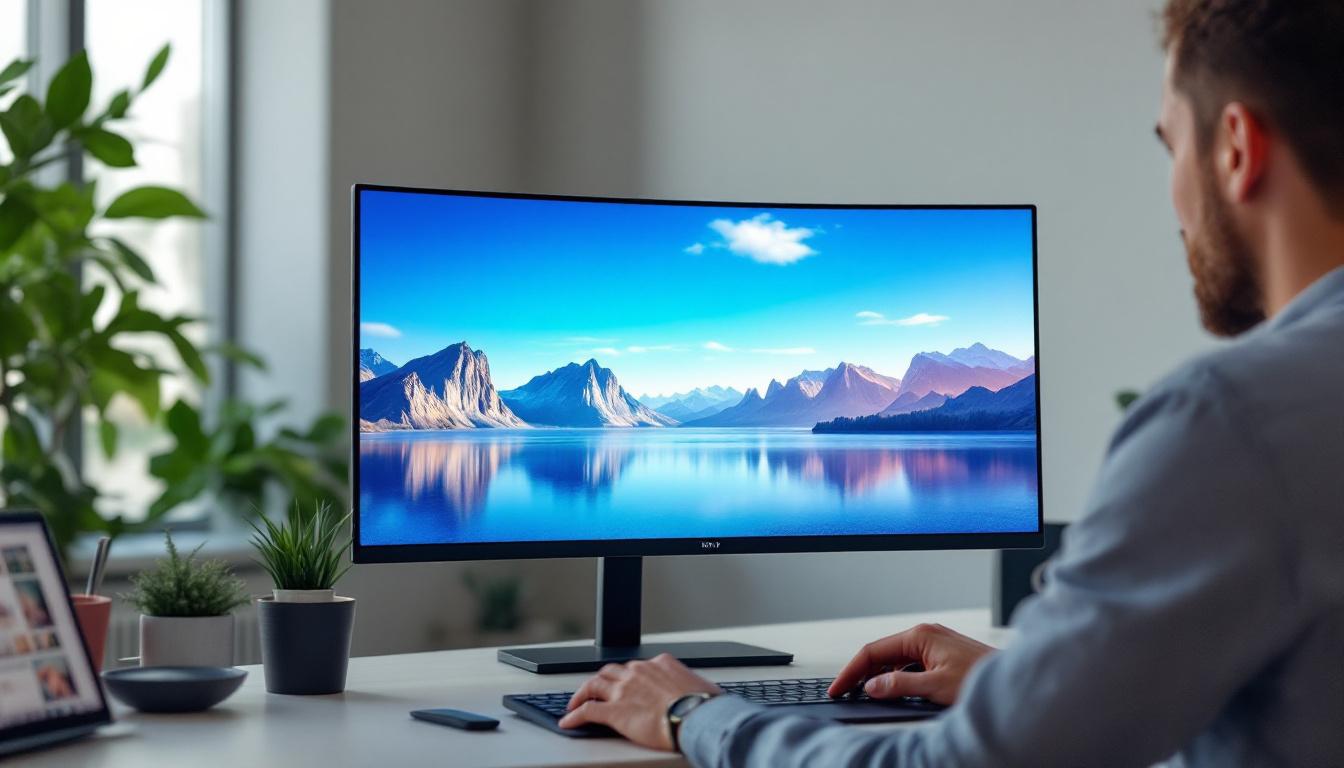
In today’s digital age, the demand for high-quality, wide screen monitors has surged dramatically. Whether for professional use, gaming, or immersive entertainment, the right monitor can make a significant difference in user experience. Among the various display technologies available, LED monitors have become a popular choice due to their vibrant colors, energy efficiency, and sleek designs. This article delves into the world of wide screen LED monitors, explaining their technology, benefits, and what to look for when choosing the best one for your needs.
Understanding Wide Screen Monitors and Their Popularity
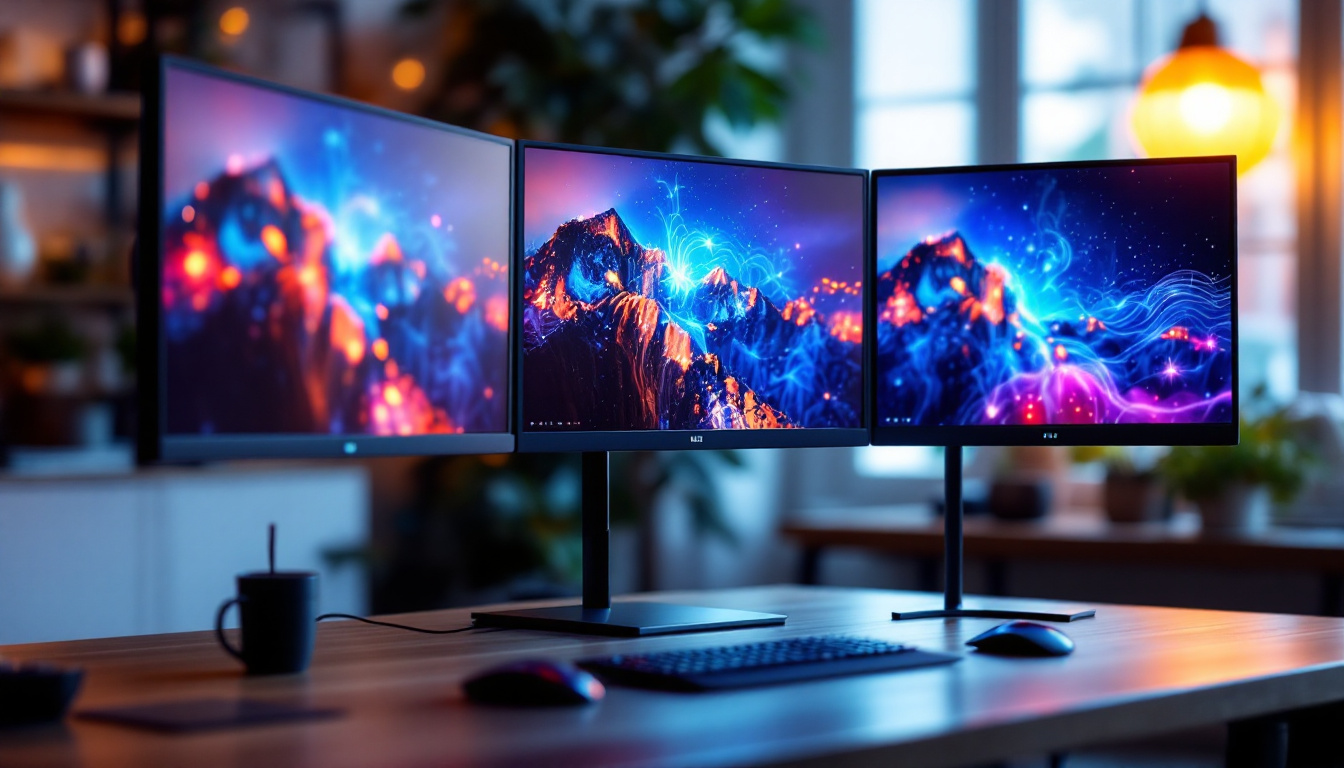
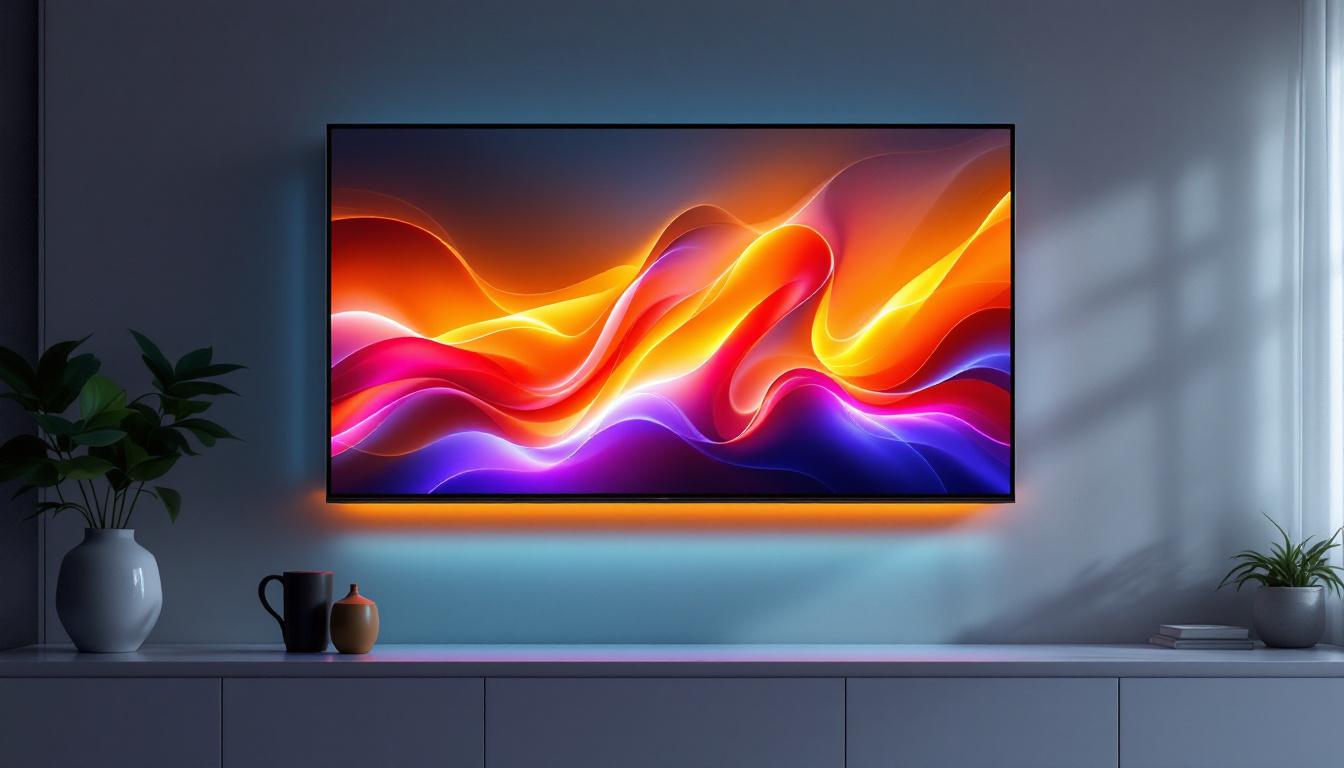
Wide screen monitors typically refer to displays with an aspect ratio wider than the traditional 4:3 or 16:10. The most common wide screen aspect ratio today is 16:9, but ultra-wide monitors with 21:9 or even 32:9 ratios have gained traction. These wider displays offer more horizontal screen real estate, which can enhance productivity and provide a more immersive viewing experience.
For professionals such as video editors, graphic designers, and software developers, wide screen monitors allow multiple windows or toolbars to be open simultaneously without the need for multiple monitors. Gamers and movie enthusiasts appreciate the expansive field of view, which adds depth and realism to games and films. The immersive experience is further enhanced by features such as high refresh rates and adaptive sync technologies, which reduce screen tearing and provide smoother visuals, making wide screen monitors a preferred choice for high-performance gaming and media consumption.
Why Wide Screen Over Standard Monitors?
Wide screen monitors reduce the need for dual-monitor setups, minimizing desk clutter and cable management issues. They also provide a seamless, uninterrupted viewing surface, which is especially beneficial for tasks requiring panoramic views or detailed timelines. According to a 2023 survey by DisplaySearch, 68% of professionals reported increased productivity after switching to ultra-wide monitors. This boost in efficiency can be attributed to the ability to view more content at once, allowing users to streamline their workflow and reduce the time spent switching between applications.
Moreover, the ergonomic advantages of wide screen monitors cannot be overlooked. Many models come equipped with adjustable stands that allow users to customize the height, tilt, and rotation of the screen, promoting better posture and reducing eye strain during long working hours. Some monitors even feature blue light reduction technology and flicker-free displays, which contribute to a more comfortable viewing experience. As remote work continues to rise, investing in a quality wide screen monitor has become essential for creating an optimal home office setup, where comfort and productivity go hand in hand.
What is LED Display Technology?
LED stands for Light Emitting Diode, a technology used to illuminate the pixels on a monitor screen. Unlike older LCD monitors that used cold cathode fluorescent lamps (CCFLs) for backlighting, LED monitors utilize tiny LEDs, which offer several advantages.
How LED Displays Work
In an LED monitor, the screen is made up of liquid crystal display (LCD) panels, but the backlighting comes from LEDs. These LEDs can be arranged in different ways, such as edge-lit or full-array backlighting, which impacts brightness and contrast levels.
Edge-lit LED monitors place LEDs along the edges of the screen, allowing for thinner designs but sometimes causing uneven brightness. Full-array LED monitors have LEDs distributed evenly across the back of the panel, enabling local dimming features that improve contrast by dimming specific screen areas.
Types of LED Displays
There are primarily three types of LED backlighting technologies used in monitors:
- Edge-Lit LED: LEDs are positioned around the edges of the screen. This design allows for slim monitors but may sacrifice uniform brightness.
- Direct-Lit LED: LEDs are placed directly behind the screen but without local dimming, offering better brightness uniformity than edge-lit.
- Full-Array LED with Local Dimming: LEDs are spread across the entire back panel with the ability to dim specific zones, enhancing contrast and black levels.
Benefits of Wide Screen LED Monitors
Wide screen LED monitors combine the advantages of wide aspect ratios with the superior display technology of LEDs. This combination results in several key benefits:
Improved Visual Quality
LED backlighting provides brighter images, better color accuracy, and higher contrast ratios compared to CCFL backlit monitors. This is crucial for professionals who rely on precise color representation, such as photographers and video editors. Additionally, many modern LED monitors support wide color gamuts like Adobe RGB or DCI-P3, further enhancing color fidelity.
Energy Efficiency and Longevity
LED monitors consume less power than their CCFL counterparts, making them more environmentally friendly and cost-effective over time. Furthermore, LEDs have a longer lifespan, reducing the need for frequent replacements. According to the U.S. Department of Energy, LED backlit monitors can use up to 40% less power than older LCD models.
Design Flexibility
The compact size of LEDs allows manufacturers to create thinner, lighter monitors with sleek profiles. This not only improves aesthetics but also saves desk space, which is valuable in both home and office environments.
Enhanced Viewing Angles and Reduced Eye Strain
Many wide screen LED monitors incorporate IPS (In-Plane Switching) panels, which offer wider viewing angles and consistent color across the screen. This reduces eye strain during long hours of use, an important consideration for both gamers and professionals.
Key Features to Consider When Choosing a Wide Screen LED Monitor
Selecting the best wide screen LED monitor depends on individual needs and preferences. Here are the most important features to evaluate:
Resolution and Screen Size
Resolution determines the clarity and detail of the display. Common resolutions for wide screen monitors include Full HD (1920×1080), Quad HD (2560×1440), and 4K UHD (3840×2160). Larger screens paired with higher resolutions provide sharper images and more workspace but require more powerful hardware to drive them effectively.
For ultra-wide monitors, resolutions like 3440×1440 or 5120×1440 are popular, offering a broad canvas without sacrificing sharpness.
Refresh Rate and Response Time
These specifications are especially critical for gamers. A higher refresh rate (measured in Hz) means smoother motion, with 120Hz, 144Hz, and even 240Hz monitors becoming standard in gaming setups. Response time, measured in milliseconds (ms), indicates how quickly a pixel can change color; lower values reduce motion blur.
Connectivity Options
Modern wide screen LED monitors often include multiple ports such as HDMI, DisplayPort, USB-C, and USB hubs. USB-C is particularly useful for connecting laptops and supporting power delivery, reducing cable clutter.
Ergonomics and Adjustability
Adjustable stands that allow tilt, swivel, height adjustment, and pivoting contribute to comfortable use, especially during extended sessions. Some monitors also support VESA mounts for flexible positioning.
Additional Features
Other features to consider include built-in speakers, HDR support for enhanced dynamic range, blue light filters to reduce eye strain, and anti-glare coatings.
Top Wide Screen LED Monitors in 2024
The market offers a diverse range of wide screen LED monitors catering to different budgets and use cases. Below are some of the best options available in 2024, based on expert reviews and user feedback.
Dell UltraSharp U3423WE
This 34-inch ultra-wide monitor features a 3440×1440 resolution with an IPS panel and full-array local dimming LED backlight. It delivers excellent color accuracy (99% sRGB, 98% DCI-P3) and supports HDR400. Its USB-C connectivity with 90W power delivery makes it ideal for professionals seeking a single-cable solution.
LG 38WN95C-W
Offering a massive 38-inch curved display with a 3840×1600 resolution, this monitor combines Nano IPS technology with VESA DisplayHDR 600 certification. It boasts a 144Hz refresh rate and 1ms response time, appealing to both gamers and creative professionals. The Thunderbolt 3 port enhances connectivity options.
Samsung Odyssey Neo G9
For gamers craving the ultimate immersive experience, the Samsung Odyssey Neo G9 delivers a 49-inch super ultra-wide 5120×1440 resolution with Quantum Mini-LED technology. It supports a 240Hz refresh rate and HDR2000, providing stunning visuals and smooth gameplay. Its aggressive curvature (1000R) wraps the screen around the viewer for unparalleled immersion.
ASUS ProArt PA34VC
Designed for content creators, this 34-inch curved monitor offers a 3440×1440 resolution with 100% sRGB and 98% DCI-P3 coverage. The LED backlight ensures consistent brightness, and the factory calibration guarantees color accuracy out of the box. It also includes Thunderbolt 3 and USB-C ports for versatile connectivity.
How to Maintain and Optimize Your Wide Screen LED Monitor
Proper care and settings adjustments can extend the lifespan and improve the performance of your wide screen LED monitor.
Calibration and Color Accuracy
Regularly calibrating your monitor using hardware calibration tools or software ensures colors remain accurate, which is vital for professional work. Many monitors come with built-in calibration profiles or support third-party calibration devices.
Brightness and Contrast Settings
Adjust brightness and contrast to comfortable levels to reduce eye strain. Avoid setting brightness too high in dark environments, and use ambient light sensors if available.
Cleaning and Physical Care
Use a microfiber cloth and appropriate screen cleaner to gently remove dust and smudges. Avoid harsh chemicals that can damage the LED screen surface.
Conclusion
Wide screen LED monitors represent the convergence of advanced display technology and user-centric design. Their ability to deliver expansive, vibrant, and energy-efficient displays makes them a compelling choice for a wide range of users—from professionals demanding color precision to gamers seeking immersive experiences.
When selecting the best wide screen LED monitor, consider factors such as resolution, refresh rate, connectivity, and ergonomic features to ensure the monitor aligns with your specific needs. With the right choice, a wide screen LED monitor can transform your workspace or gaming setup, delivering both productivity and enjoyment for years to come.
Discover LumenMatrix’s Advanced LED Displays
Ready to elevate your visual experience with a wide screen LED monitor that meets your professional or gaming needs? Look no further than LumenMatrix, a pioneer in LED display technology. Our extensive range of solutions, from Indoor and Outdoor LED Wall Displays to innovative LED Sports and Floor Displays, is designed to bring your content to life with unparalleled brightness and clarity. Embrace the future of visual communication with our Custom, All-in-One, and Transparent LED Displays. Check out LumenMatrix LED Display Solutions today and transform your space with a display that defines excellence.