In the evolving world of outdoor advertising, LED billboards have emerged as a dynamic and highly effective medium. Their vibrant displays, flexibility, and ability to capture attention make them a preferred choice for many businesses. However, understanding the costs associated with renting LED billboards can be complex. This article breaks down the factors influencing billboard rental prices, explains the technology behind LED displays, and offers insights into making the most of this advertising investment.
Understanding LED Billboard Technology
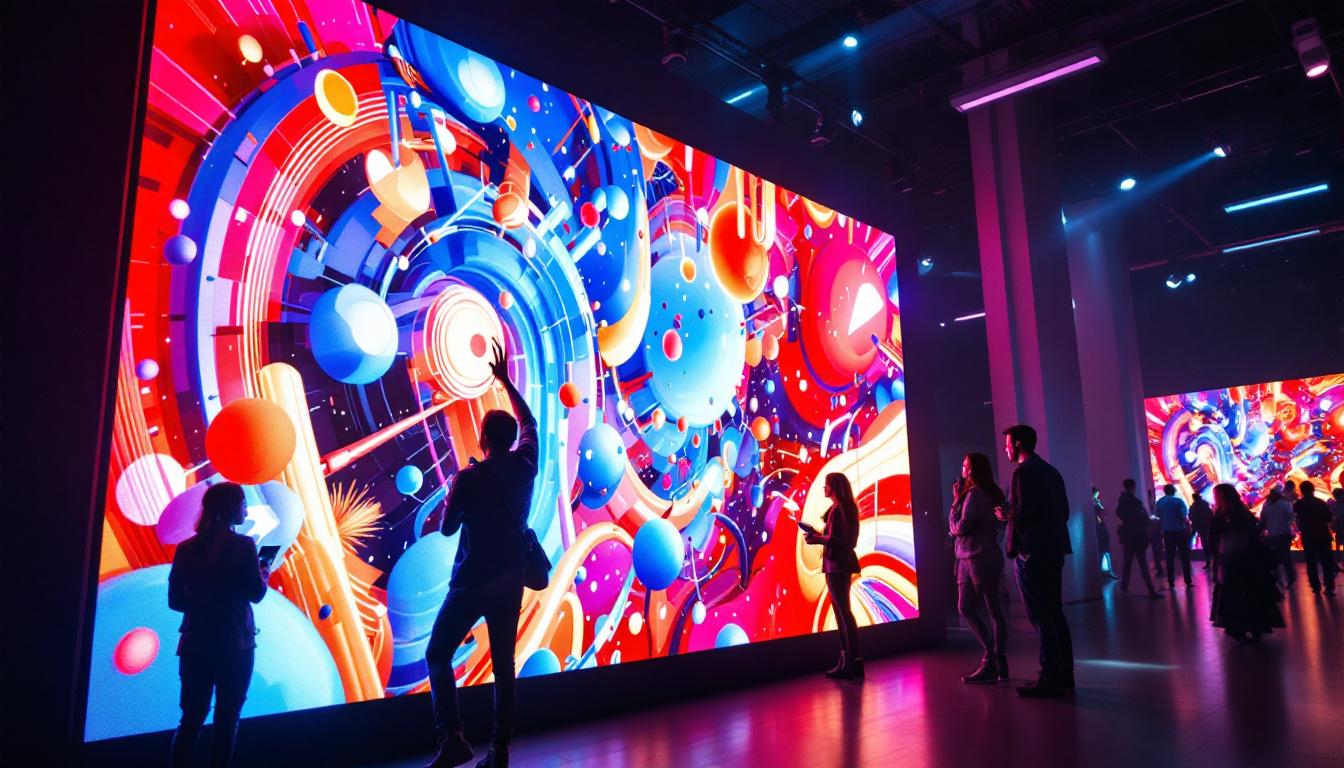
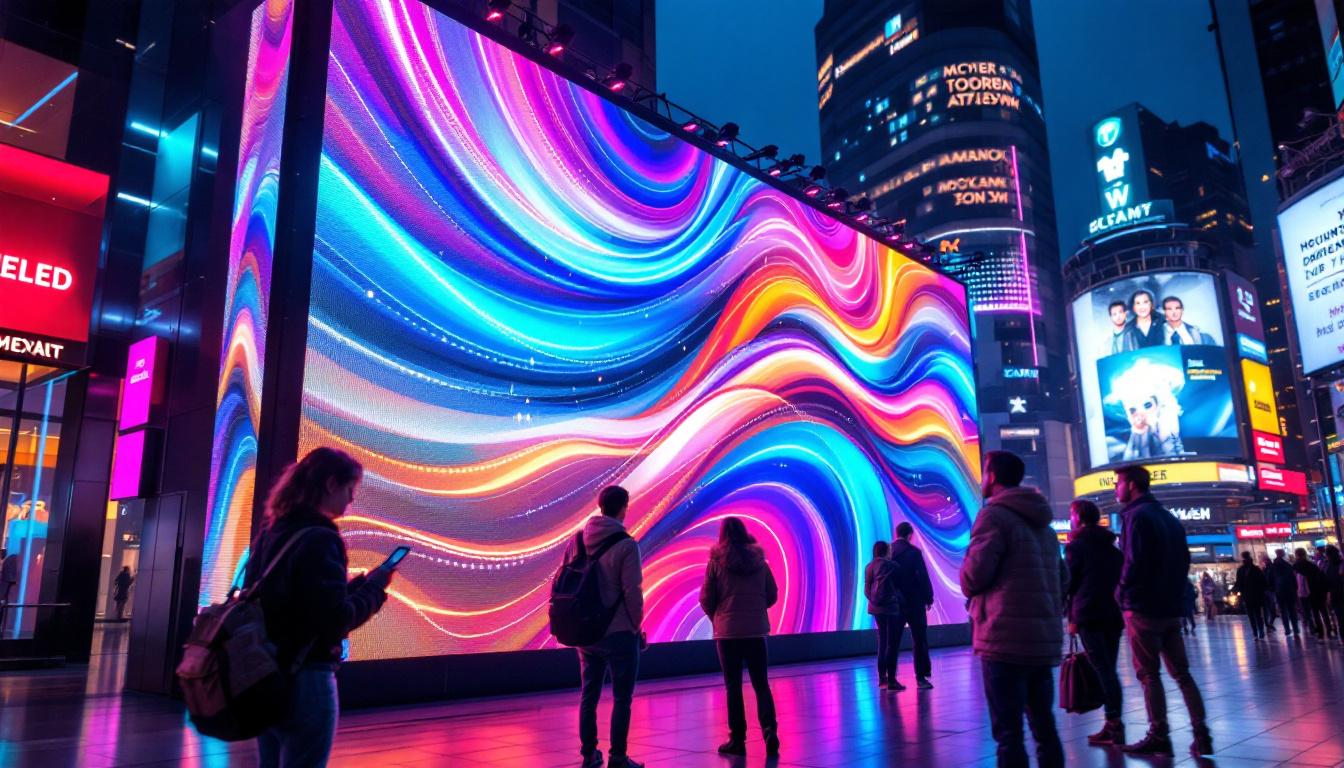
LED (Light Emitting Diode) technology has revolutionized outdoor advertising by enabling bright, colorful, and changeable displays. Unlike traditional static billboards, LED billboards can showcase multiple advertisements in rotation, display animations, and adjust brightness based on ambient light conditions.
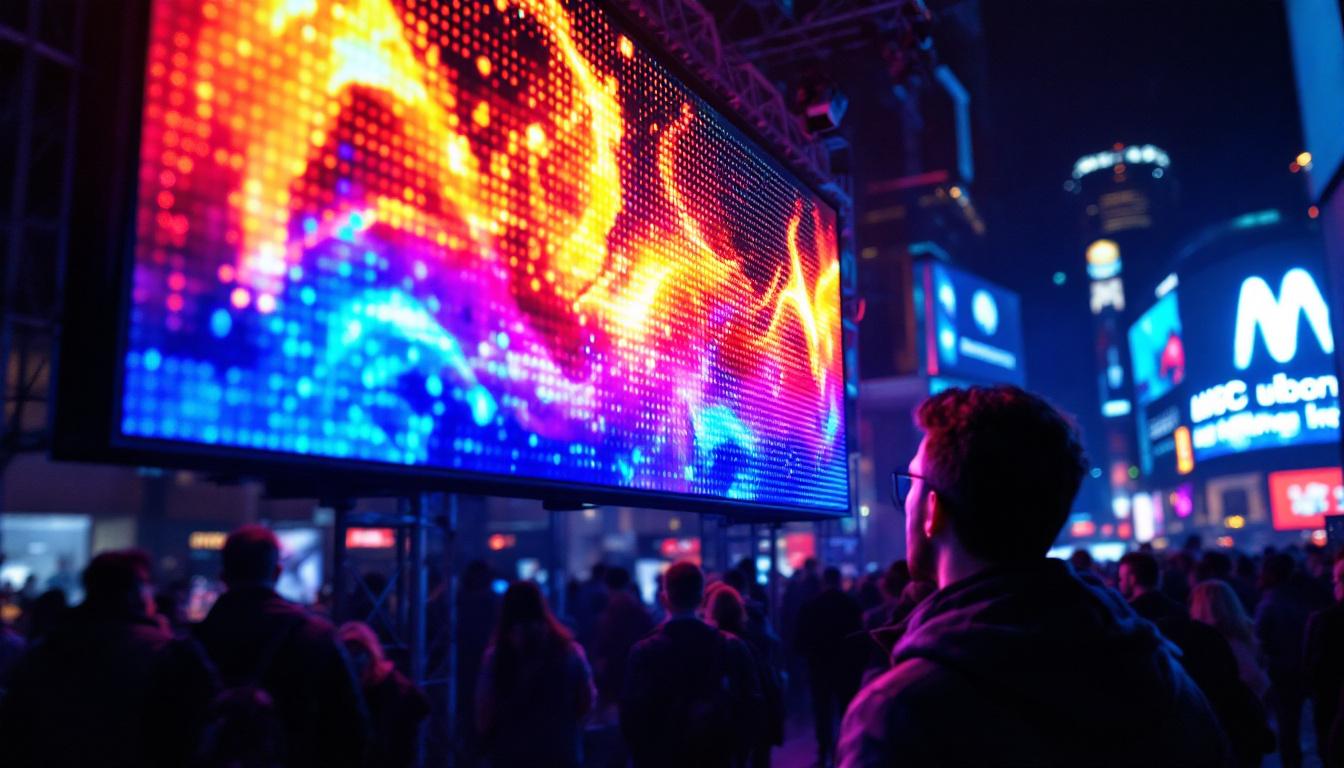
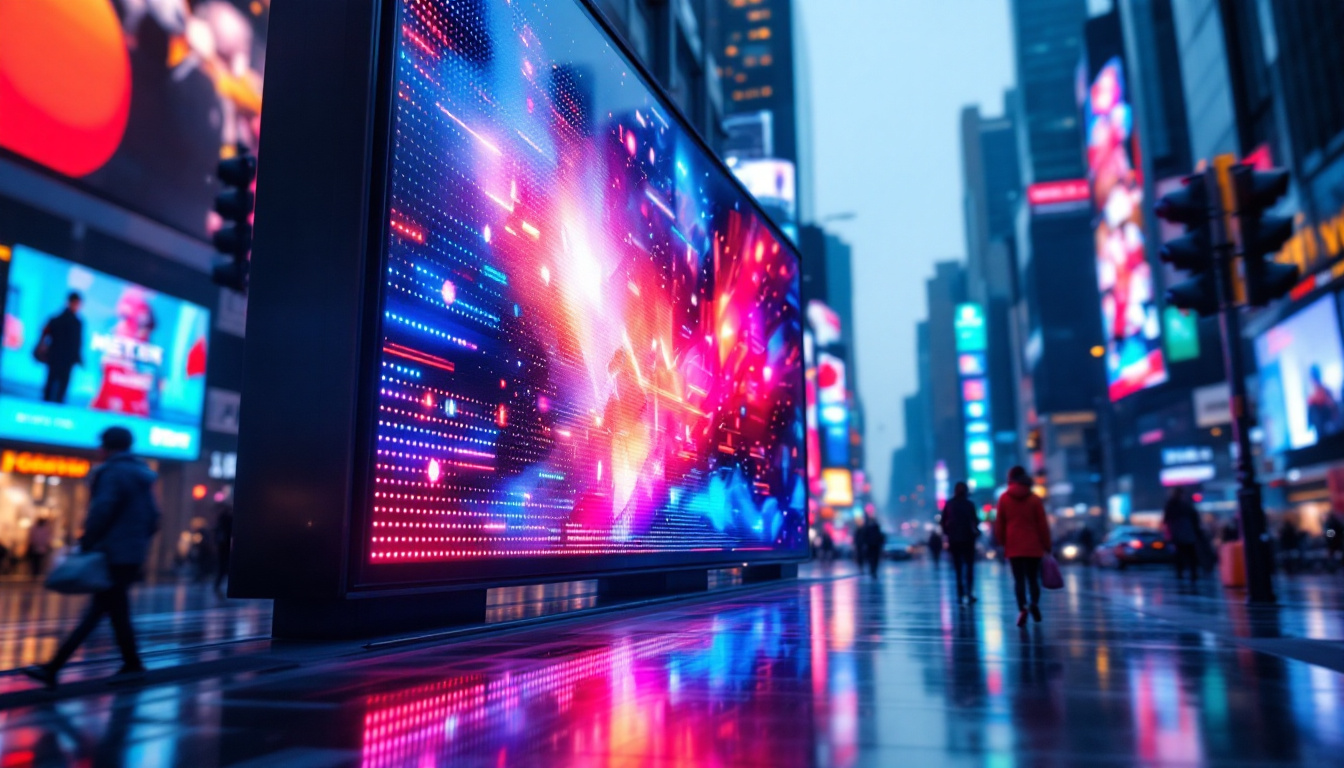
At the core, an LED billboard consists of thousands of tiny diodes arranged in a grid. These diodes emit light when an electric current passes through them, creating images and videos visible even in direct sunlight. The resolution and quality of the display depend on the pixel pitch—the distance between individual diodes. A smaller pixel pitch means higher resolution and sharper images, but it also increases the cost of the billboard.
Benefits of LED Billboards Over Traditional Billboards
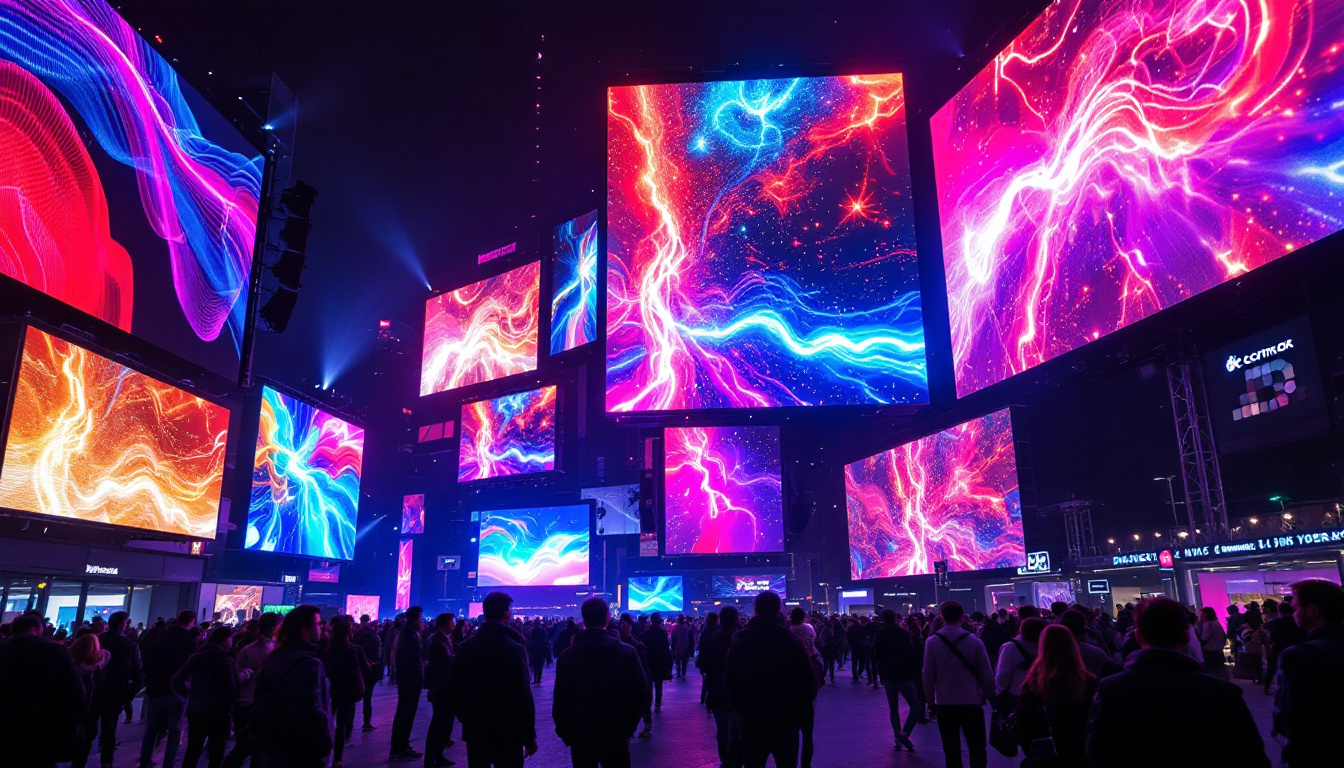
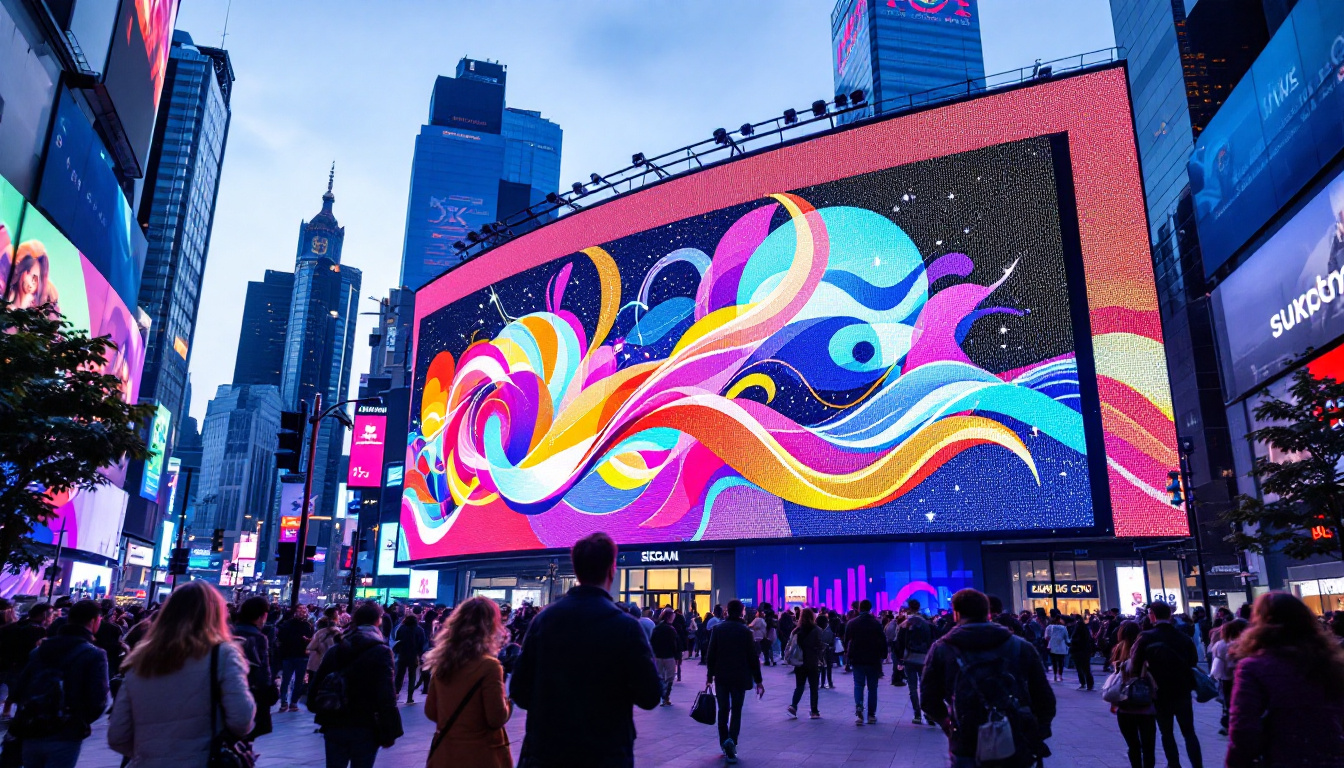
LED billboards offer several advantages that justify their rental price for many advertisers. They allow for real-time content updates, enabling businesses to run time-sensitive promotions or multiple campaigns on the same board. Additionally, their brightness and motion capabilities significantly enhance visibility and engagement, especially in high-traffic urban areas.
Furthermore, LED billboards are more environmentally friendly than printed billboards, as they reduce paper waste and the need for physical installation crews for each new ad. This flexibility translates into more efficient advertising strategies and potentially higher returns on investment.
Moreover, the technology behind LED billboards is continually evolving, with advancements in energy efficiency and longevity. Modern LED displays consume significantly less power than their predecessors, allowing for cost savings on electricity bills while also reducing their carbon footprint. Additionally, many LED billboards are equipped with smart technology that can analyze viewer engagement and optimize ad placements accordingly, ensuring that advertisers get the most out of their campaigns. This shift towards data-driven advertising is transforming how brands interact with consumers, making it possible to tailor messages in real-time based on audience demographics and behaviors.
In addition to these benefits, LED billboards also enhance the aesthetic appeal of urban landscapes. Their vibrant colors and dynamic content can transform dull environments into lively spaces, attracting not only potential customers but also enhancing the overall experience for pedestrians and drivers alike. Cities are increasingly embracing LED technology as a way to modernize their infrastructure, with some municipalities even allowing for artistic displays that contribute to the cultural fabric of the area. This intersection of technology and art not only serves commercial purposes but also fosters community engagement and pride.
Factors Influencing Billboard Rental Prices
Billboard rental prices vary widely depending on several key factors. Understanding these can help advertisers budget effectively and choose the right locations and formats for their campaigns.
Location and Market Demand
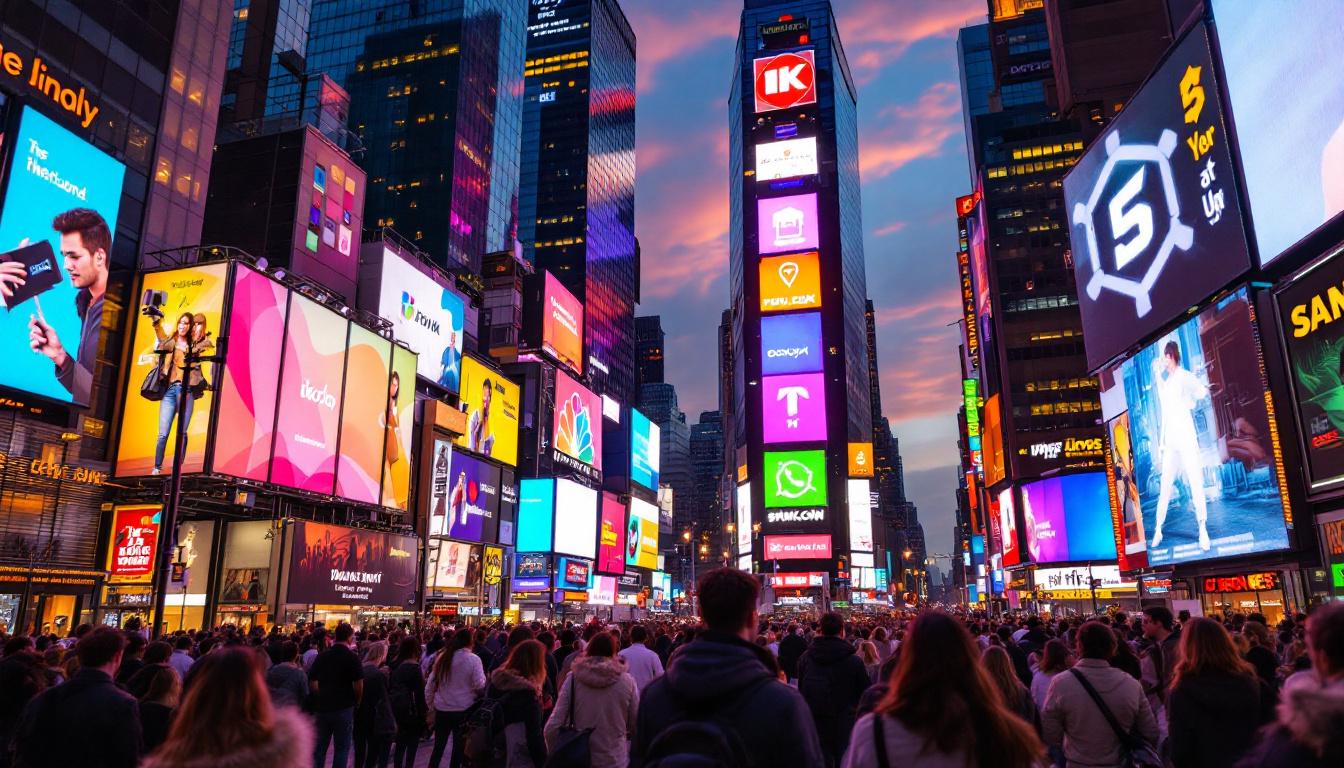
Location is the most significant determinant of billboard rental costs. High-traffic areas such as major highways, city centers, and commercial districts command premium prices due to the larger audience reach. For example, renting a digital billboard in Times Square, New York City, can cost upwards of $30,000 per month, whereas a similar-sized billboard in a smaller city might be available for a few thousand dollars.
Market demand also plays a crucial role. In competitive advertising markets, prices tend to be higher as more businesses vie for limited billboard space. Conversely, less saturated markets may offer more affordable options. Additionally, seasonal events or local happenings can spike demand, leading to temporary price increases. Advertisers must stay attuned to local trends and events to capitalize on the best opportunities for visibility and engagement.
Size and Resolution of the LED Display
The physical size of the billboard directly impacts rental prices. Larger billboards require more LEDs and infrastructure, increasing both installation and maintenance costs. Additionally, higher resolution displays with smaller pixel pitches offer superior image quality but come at a premium.
For instance, a 14’ x 48’ LED billboard with a 10mm pixel pitch will generally cost less to rent than a 20’ x 60’ billboard with a 6mm pixel pitch. Advertisers must balance the desire for size and clarity against budget constraints. Furthermore, the choice between static and digital billboards can also affect pricing; digital billboards, while often more expensive, allow for multiple advertisements to be displayed in rotation, potentially increasing the reach of a single campaign.
Duration and Time Slots of Rental
Rental duration influences pricing, with longer contracts often securing discounted rates. Short-term rentals, such as for a few days or weeks, usually carry higher per-day costs due to the administrative overhead and opportunity costs for the billboard owner.
Time slots also matter. Prime times—such as rush hours or weekends—may be priced higher due to increased viewer numbers. Some digital billboard operators offer dynamic pricing models that adjust costs based on demand and time of day. Advertisers can strategically plan their campaigns around these peak times to maximize visibility and engagement, ensuring that their messages reach the largest audience possible.
Content Management and Production Costs
While renting the physical billboard space is a major expense, advertisers should also budget for content creation and management. High-quality digital content, including animations or video, requires professional design services and sometimes specialized software.
Many billboard rental companies offer packages that include content management, which can simplify the process but add to the overall cost. Alternatively, advertisers with in-house creative teams may reduce these expenses. It is also essential to consider the frequency of content updates; dynamic campaigns that change frequently may incur additional costs for production and management, but they can also enhance engagement by keeping the message fresh and relevant to the audience.
Additional Fees and Regulations
Some locations impose additional fees, such as permits or local taxes, which can affect the total cost of billboard rental. Furthermore, regulations on content—such as restrictions on flashing lights or specific advertising categories—may require modifications that influence pricing.
It is essential to clarify these details with the billboard operator before finalizing a rental agreement to avoid unexpected expenses. Additionally, understanding local zoning laws and community guidelines can help advertisers navigate potential hurdles, ensuring their campaigns comply with regulations while maximizing their impact. Being proactive in this area can save time and resources in the long run, allowing for a smoother execution of advertising strategies.
Average LED Billboard Rental Prices in the United States
To provide a clearer picture, here is an overview of typical LED billboard rental prices across various U.S. markets as of 2024:
- Major metropolitan areas (e.g., New York, Los Angeles, Chicago): $10,000 to $30,000+ per month
- Mid-sized cities (e.g., Austin, Denver, Charlotte): $4,000 to $10,000 per month
- Smaller cities and rural areas: $1,000 to $4,000 per month
These prices reflect prime locations and standard billboard sizes (approximately 14’ x 48’). Smaller or less prominent locations will typically be less expensive.
Case Study: Cost Breakdown for a 30-Day Campaign
Consider a mid-sized city where an advertiser rents a 14’ x 48’ LED billboard for 30 days at $7,500. Additional costs might include:
- Content creation: $1,500
- Installation and scheduling fees: $500
- Permits and taxes: $300
Total estimated cost: $9,800
This example illustrates how content and administrative fees can add roughly 20-30% to the base rental price.
Maximizing ROI on LED Billboard Rentals
Given the significant investment involved, advertisers should aim to maximize the return on their billboard rental. Here are some strategies to consider:
Targeting the Right Audience
Choosing billboard locations that align with the target demographic is critical. For example, a luxury brand may benefit more from billboards in affluent neighborhoods or business districts, while a local restaurant might prioritize areas with high pedestrian traffic.
Data analytics tools and traffic studies can help identify optimal billboard placements based on audience behavior and demographics.
Leveraging Dynamic Content
One of the key advantages of LED billboards is the ability to display multiple ads or update content in real time. Advertisers can rotate messages to keep the campaign fresh, promote time-sensitive offers, or tailor ads based on time of day or weather conditions.
Dynamic content increases engagement and can improve campaign effectiveness, making the rental cost more worthwhile.
Integrating with Multi-Channel Campaigns
Billboard advertising is most effective when integrated into a broader marketing strategy. Combining LED billboard campaigns with digital marketing, social media, and in-store promotions creates a cohesive brand message and amplifies reach.
For example, including QR codes or social media handles on the billboard can drive online engagement and provide measurable results.
Monitoring and Measuring Performance
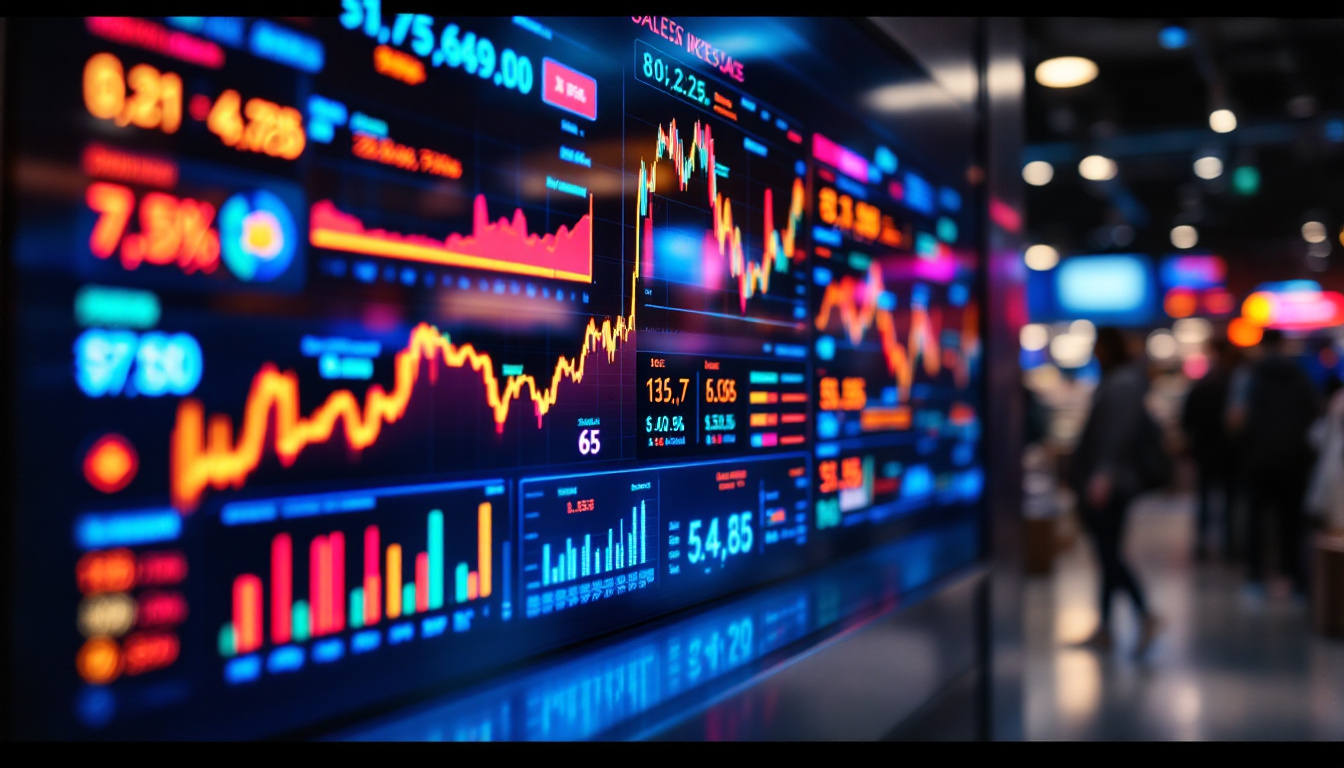
While traditional billboards offer limited tracking, digital billboards provide opportunities to measure impact through impressions, engagement, and even conversion tracking when combined with digital campaigns.
Using these insights allows advertisers to optimize future campaigns and justify billboard rental expenditures.
Future Trends in LED Billboard Advertising
The LED billboard industry continues to innovate, with emerging technologies and trends shaping the future of outdoor advertising.
Advancements in Display Technology
Higher resolution displays with smaller pixel pitches are becoming more affordable, enabling even sharper and more vivid images. Flexible and curved LED panels are also entering the market, allowing for creative billboard shapes and installations.
Programmatic Billboard Advertising
Programmatic advertising, which uses automated systems to buy and place ads in real time, is expanding into the billboard space. This technology allows advertisers to target audiences more precisely and adjust campaigns on the fly, improving efficiency and cost-effectiveness.
Integration with IoT and Smart City Infrastructure
Some LED billboards are beginning to integrate with smart city technologies, using sensors and data feeds to display contextually relevant content. For example, billboards might show weather alerts, traffic updates, or personalized ads based on nearby mobile device data.
Conclusion
LED billboards represent a powerful advertising medium with unique advantages over traditional static displays. While rental prices can be substantial, understanding the factors that influence costs and leveraging the technology effectively can deliver strong returns on investment.
Advertisers should carefully assess location, size, rental duration, and content requirements to select the best options for their campaigns. Staying informed about industry trends and integrating LED billboard advertising into broader marketing strategies will ensure that this dynamic medium continues to deliver impactful results.
Illuminate Your Brand with LumenMatrix
Ready to elevate your advertising strategy with the vibrant and engaging power of LED displays? LumenMatrix is at the forefront of LED display technology, offering a diverse range of solutions to make your brand shine. From captivating Indoor and Outdoor LED Wall Displays to innovative Vehicle and Sports LED Displays, our products are designed to capture attention and create memorable visual experiences. Embrace the future of visual communication with our All-in-One LED Displays, LED Transparent Displays, and more. Check out LumenMatrix LED Display Solutions today and transform how your business connects with audiences.