In the rapidly evolving world of electronics and display technology, the Black Project Board has emerged as a notable innovation, particularly in the realm of LED displays. Whether you are a hobbyist, an engineer, or a technology enthusiast, understanding the Black Project Board and its integration with LED displays can open doors to creating dynamic, efficient, and visually compelling projects. This article delves deep into the Black Project Board, its features, and how it revolutionizes LED display applications.
Understanding the Black Project Board
The Black Project Board is a compact, versatile microcontroller development board designed to simplify the creation and control of LED displays. It offers an accessible platform for developers to prototype and deploy LED-based projects without the complexity often associated with traditional microcontroller setups.
At its core, the Black Project Board integrates powerful processing capabilities with a user-friendly interface, enabling precise control over LED matrices, strips, and panels. Its design prioritizes flexibility, allowing it to support various LED types, including RGB LEDs, addressable LEDs like WS2812B, and even larger LED display modules. This versatility makes it an ideal choice for hobbyists and professionals alike, catering to a wide range of applications from simple decorative lighting to intricate visual displays in art installations.
In addition to its core functionalities, the Black Project Board is designed with scalability in mind. Developers can easily expand their projects by connecting multiple boards or integrating additional sensors and input devices. This feature is particularly beneficial for projects that require real-time interaction, such as responsive art installations that react to sound or movement. Furthermore, the board’s compatibility with various development environments encourages collaboration and innovation, as users can share their code and project ideas within the thriving maker community.
Key Features of the Black Project Board
The appeal of the Black Project Board lies in its combination of hardware and software features that streamline LED display development:
- High Processing Power: Equipped with a fast microcontroller, it can handle complex animations and real-time data processing.
- Multiple Output Channels: Supports driving multiple LED strips or matrices simultaneously, enabling large and intricate displays.
- Integrated Communication Protocols: Includes support for SPI, I2C, UART, and other protocols essential for LED control and sensor integration.
- Compact and Durable Design: Its robust build ensures reliability in various environments, from indoor installations to outdoor signage.
- Open-Source Software Compatibility: Compatible with popular programming environments, making customization and community support readily available.
Moreover, the Black Project Board is equipped with an intuitive graphical user interface (GUI) that allows users to visualize their projects in real-time. This feature is particularly useful for beginners, as it lowers the barrier to entry by providing a more approachable way to understand the intricacies of LED control. Users can drag and drop elements, adjust parameters, and see immediate feedback on their designs, fostering a more engaging learning experience. Additionally, the board’s extensive documentation and tutorial resources empower users to explore advanced techniques, such as creating synchronized light shows or integrating sound-reactive elements into their displays.
LED Display Technology and Its Applications
LED displays have transformed how information and visuals are presented in both commercial and personal settings. Their brightness, energy efficiency, and versatility make them ideal for a wide range of applications.
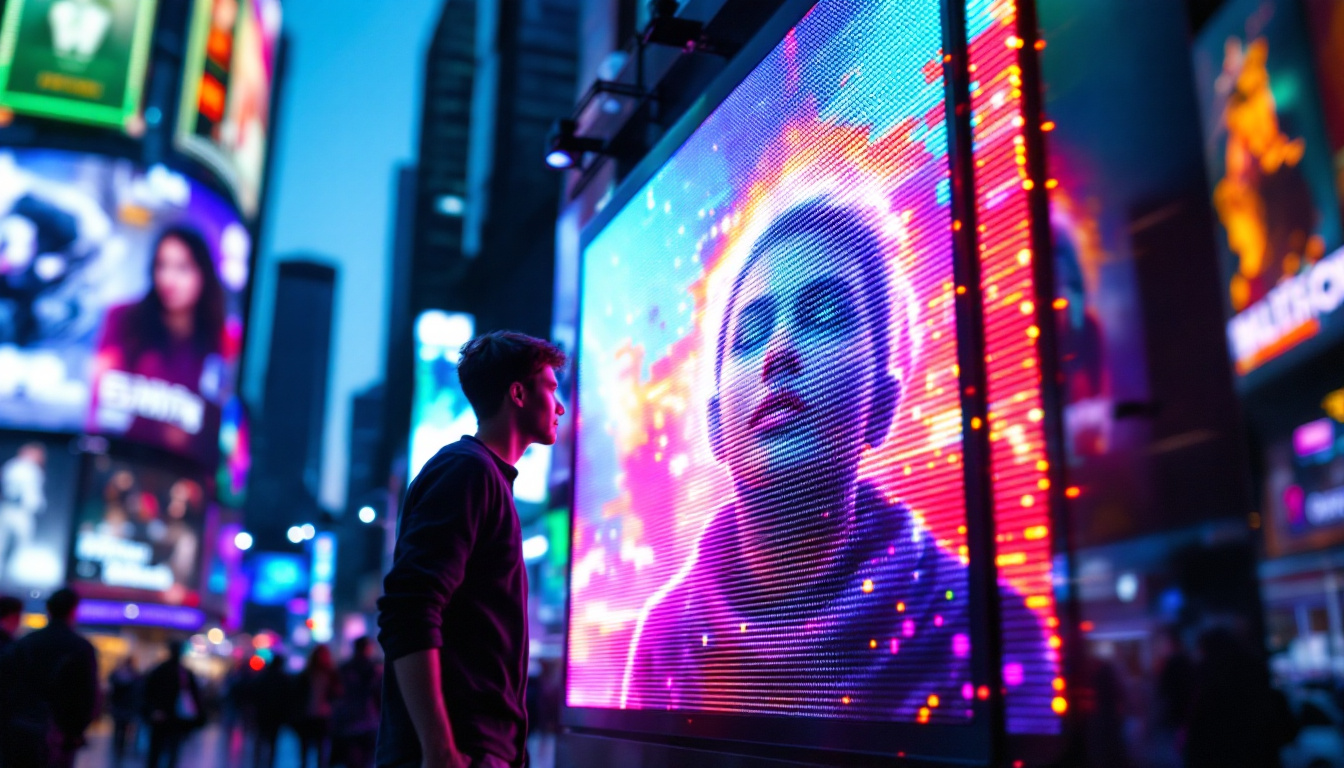
From digital billboards and traffic signs to wearable tech and interactive art installations, LED displays are everywhere. The Black Project Board’s ability to interface seamlessly with these displays enhances their functionality and creative potential.
Types of LED Displays Supported
The Black Project Board supports various LED display configurations, each suited for different use cases:
- Single-Color LED Matrices: Ideal for simple text and icon displays, often used in status indicators and basic signage.
- RGB LED Matrices: Capable of full-color displays, perfect for vibrant advertising boards and dynamic visual effects.
- Addressable LED Strips: These allow individual control of each LED, enabling complex animations and interactive lighting setups.
- Large-Scale LED Panels: Used in stadiums, concerts, and public spaces, these require precise synchronization and high refresh rates, which the Black Project Board can manage effectively.
How the Black Project Board Enhances LED Display Projects
Integrating the Black Project Board into LED display projects offers several advantages that improve both the development process and the end result.
Simplified Development and Prototyping
One of the biggest challenges in LED display projects is managing the complex wiring and programming required for large or multi-color displays. The Black Project Board reduces this complexity by providing a centralized control unit with straightforward connectivity options.
Developers can quickly prototype ideas, test animations, and adjust parameters in real-time without extensive hardware modifications. This accelerates project timelines and encourages experimentation.
Improved Performance and Reliability
The Black Project Board’s high-performance microcontroller ensures smooth animations and rapid response times, even when handling thousands of LEDs. Its robust power management features prevent flickering and voltage drops, common issues in LED projects.
Additionally, the board’s durable design and quality components contribute to long-term reliability, essential for commercial and outdoor applications where maintenance can be costly.
Customizable and Scalable Solutions
Whether building a small wearable LED badge or a massive outdoor display, the Black Project Board scales to fit the project’s needs. Its modular design allows multiple boards to be linked, expanding the number of controllable LEDs without sacrificing performance.
Moreover, the board supports custom firmware development, giving users the freedom to tailor functionality to specific project requirements, such as integrating sensors, remote control, or network connectivity.
Technical Insights: Programming and Integration
To fully leverage the Black Project Board’s capabilities, understanding its programming environment and integration options is crucial.
Programming Environment and Languages
The Black Project Board supports several programming languages, with C and C++ being the most common for embedded development. It is compatible with popular integrated development environments (IDEs) such as Arduino IDE and PlatformIO, which provide extensive libraries and community examples for LED control.
Advanced users can utilize real-time operating systems (RTOS) or develop custom firmware to optimize performance for specific applications. The availability of open-source libraries for LED protocols like NeoPixel and DotStar simplifies animation creation and color management.
Communication Interfaces
The board’s multiple communication interfaces allow it to interact with a variety of peripherals and external devices:
- SPI (Serial Peripheral Interface): Used for high-speed communication with LED drivers and other modules.
- I2C (Inter-Integrated Circuit): Enables connection with sensors and secondary controllers.
- UART (Universal Asynchronous Receiver/Transmitter): Facilitates serial communication for debugging and external control.
- USB and Wireless Modules: Some versions support USB programming and wireless connectivity, allowing remote updates and control.
Power Management Considerations
LED displays can consume significant power, especially when driving large numbers of high-brightness LEDs. The Black Project Board incorporates efficient power regulation circuits to ensure stable voltage supply and protect against overcurrent conditions.
Designers should still account for power requirements in their projects, using appropriate power supplies and considering heat dissipation to maintain optimal performance and longevity.
Practical Examples and Use Cases
To illustrate the versatility of the Black Project Board, here are some practical examples where it has been successfully implemented:
Interactive Art Installations
Artists have used the Black Project Board to create immersive LED installations that respond to environmental inputs such as sound, motion, or light. By integrating sensors with the board, these installations offer dynamic visual experiences that evolve in real-time.
Wearable Technology
In wearable tech, the board’s compact size and low power consumption make it ideal for LED clothing and accessories. Programmable patterns and colors allow wearers to customize their look or convey information, such as notifications or health data.
Commercial Signage and Advertising
Businesses leverage the Black Project Board to power eye-catching digital signs that display promotional content, announcements, or interactive menus. Its reliability and scalability ensure consistent performance in demanding commercial environments.
Educational Tools and Prototyping
Educational institutions use the board to teach students about microcontrollers, programming, and electronics through hands-on LED projects. Its ease of use encourages experimentation and creativity, making complex concepts more accessible.
Future Trends and Innovations
The landscape of LED display technology continues to advance, and the Black Project Board is well-positioned to adapt and lead in several emerging trends.
Integration with IoT and Smart Systems
As Internet of Things (IoT) devices become more prevalent, integrating LED displays with networked sensors and cloud services is increasingly important. Future iterations of the Black Project Board are expected to offer enhanced wireless capabilities and seamless cloud integration, enabling smart signage and interactive environments.
Higher Resolution and Flexible Displays
Advancements in LED manufacturing are producing higher resolution and flexible LED panels. The Black Project Board’s scalable architecture will support these developments, allowing creators to build more detailed and adaptable displays.
Energy Efficiency and Sustainability
With growing emphasis on sustainable technology, optimizing power consumption in LED projects is critical. The Black Project Board’s efficient power management and support for low-power modes align with this trend, helping reduce environmental impact.
Conclusion
The Black Project Board represents a significant step forward in LED display technology, offering a powerful, flexible, and user-friendly platform for a wide range of applications. Its combination of robust hardware, versatile programming options, and scalability makes it an excellent choice for anyone looking to explore or advance LED display projects.
Whether for artistic expression, commercial use, education, or innovation, understanding the capabilities and potential of the Black Project Board can empower creators to bring their LED display ideas to life with greater ease and sophistication.
Discover LumenMatrix’s Innovative LED Solutions
Ready to elevate your LED display projects with the latest technology? LumenMatrix is at the forefront of LED innovation, offering a diverse range of top-tier LED display modules designed to bring your visual communications to life. From captivating Indoor and Outdoor LED Wall Displays to dynamic Vehicle and Sports LED Displays, and even customizable solutions tailored to your unique needs, LumenMatrix has it all. Embrace the future of LED displays and create unforgettable experiences with LumenMatrix. Check out LumenMatrix LED Display Solutions today and see how they can transform your ideas into vibrant realities.