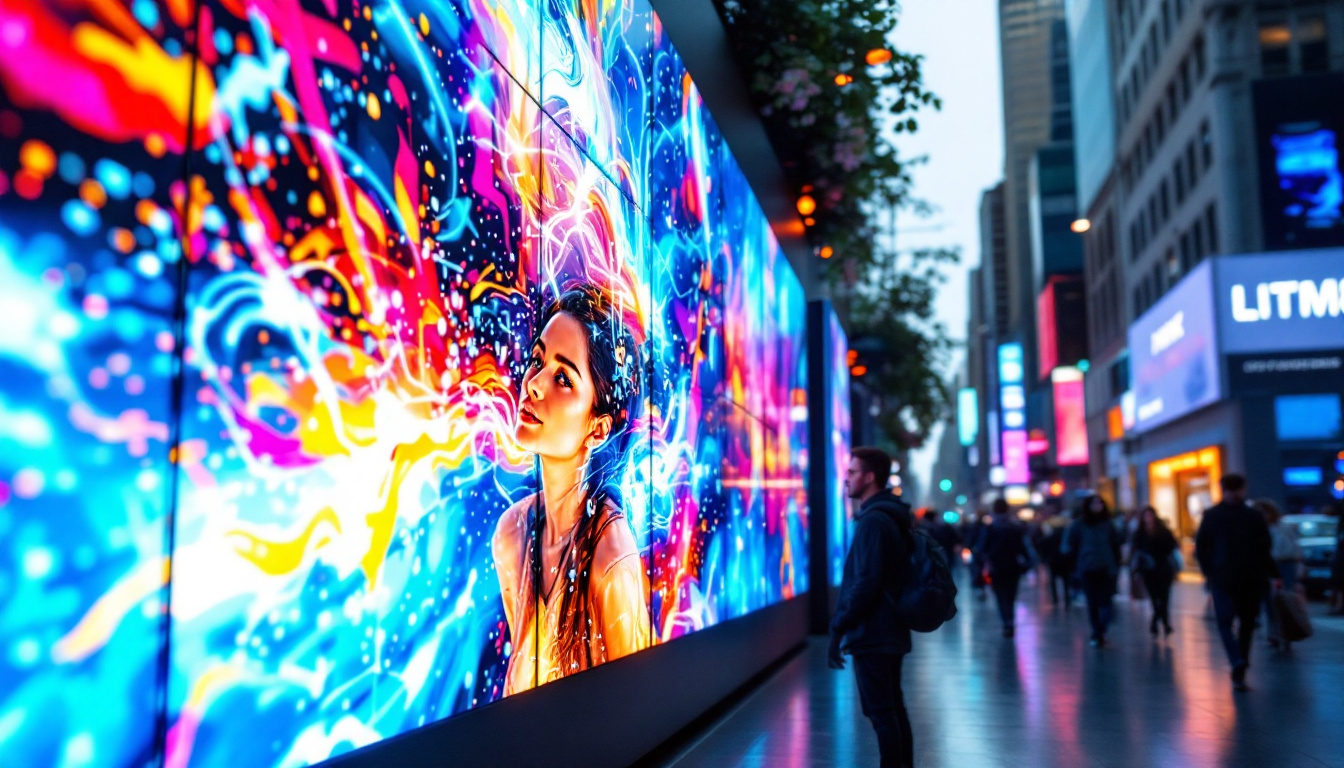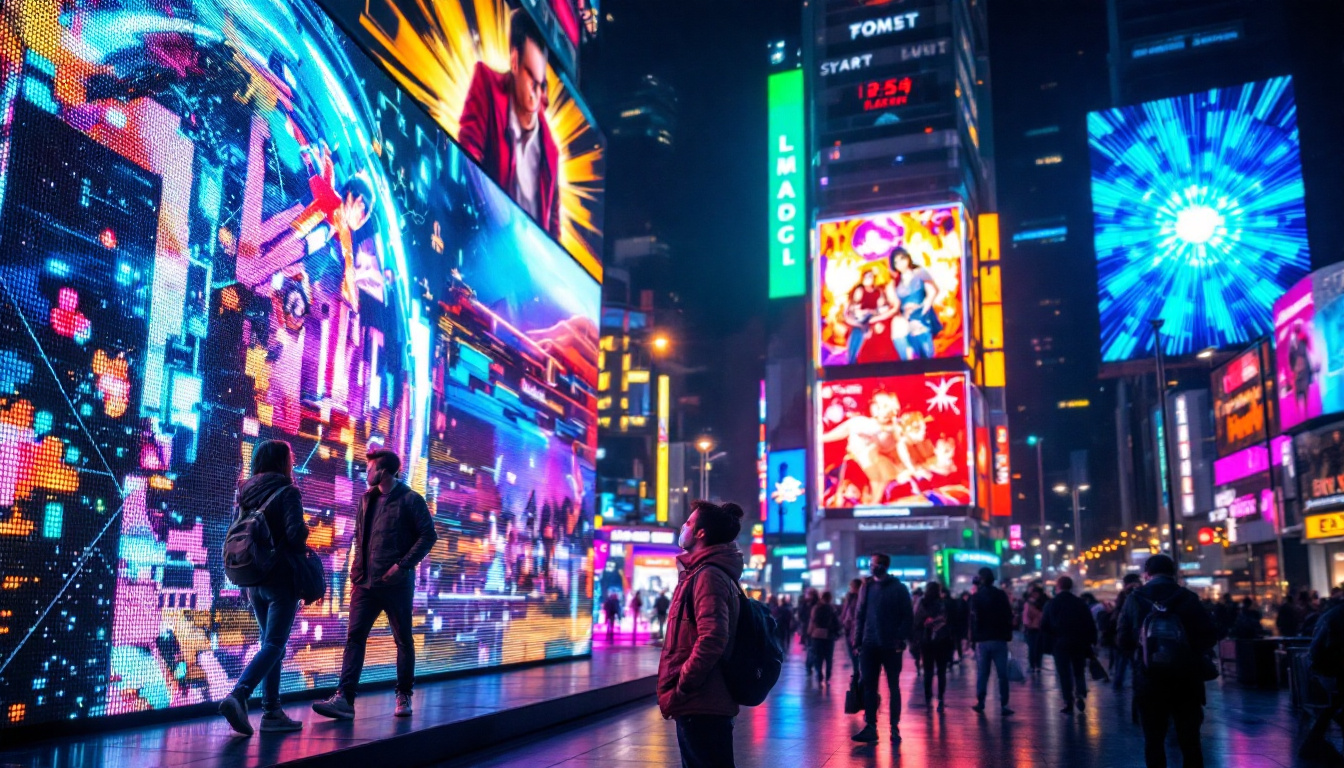
In the rapidly evolving world of digital signage and large-scale visual displays, LED technology has emerged as a dominant force. Among the various components that make up these displays, the “cabinet” plays a crucial role in both the performance and maintenance of LED screens. This article delves into the concept of the LED display cabinet, explaining its design, function, and significance within the broader LED display ecosystem.
Understanding the Basics: What is an LED Display Cabinet?
An LED display cabinet, often simply referred to as a “cabinet,” is the modular structural unit that houses the LED panels, electronic components, and power supplies necessary to create a seamless digital screen. These cabinets are designed to be assembled side-by-side, allowing for flexible screen sizes and resolutions tailored to specific applications.
Unlike traditional single-panel displays, LED screens are composed of multiple cabinets to form a larger display surface. This modular approach offers several advantages, including ease of transportation, installation, and maintenance. Each cabinet typically measures between 500mm x 500mm to 640mm x 640mm, though sizes can vary depending on manufacturer and application requirements. The modularity not only facilitates customization but also allows for quick repairs; if one cabinet fails, it can be replaced without disrupting the entire display.
Key Components Inside an LED Cabinet
Inside each cabinet, several critical components work in harmony to deliver vibrant, high-resolution images:
- LED Modules: These are the actual panels containing the LEDs arranged in a grid. The pixel pitch, or distance between individual LEDs, determines the display’s resolution and viewing distance.
- Power Supply Units (PSUs): These convert electrical power to the required voltage and current for the LEDs and control boards.
- Receiving Cards: These electronic boards receive video signals from the control system and distribute data to the LED modules.
- Cooling Systems: Depending on the cabinet design and usage environment, cooling fans or heat sinks are incorporated to prevent overheating.
- Structural Frame: The cabinet’s frame provides mechanical support, ensuring rigidity and alignment with adjacent cabinets.
Moreover, the design of LED display cabinets often incorporates features that enhance their durability and functionality. For instance, many cabinets are built with weather-resistant materials, making them suitable for outdoor use where exposure to elements like rain and sunlight can be a concern. Additionally, some cabinets come with advanced features such as automatic brightness adjustment, which optimizes visibility based on ambient light conditions, ensuring that the displayed content remains clear and engaging at all times.
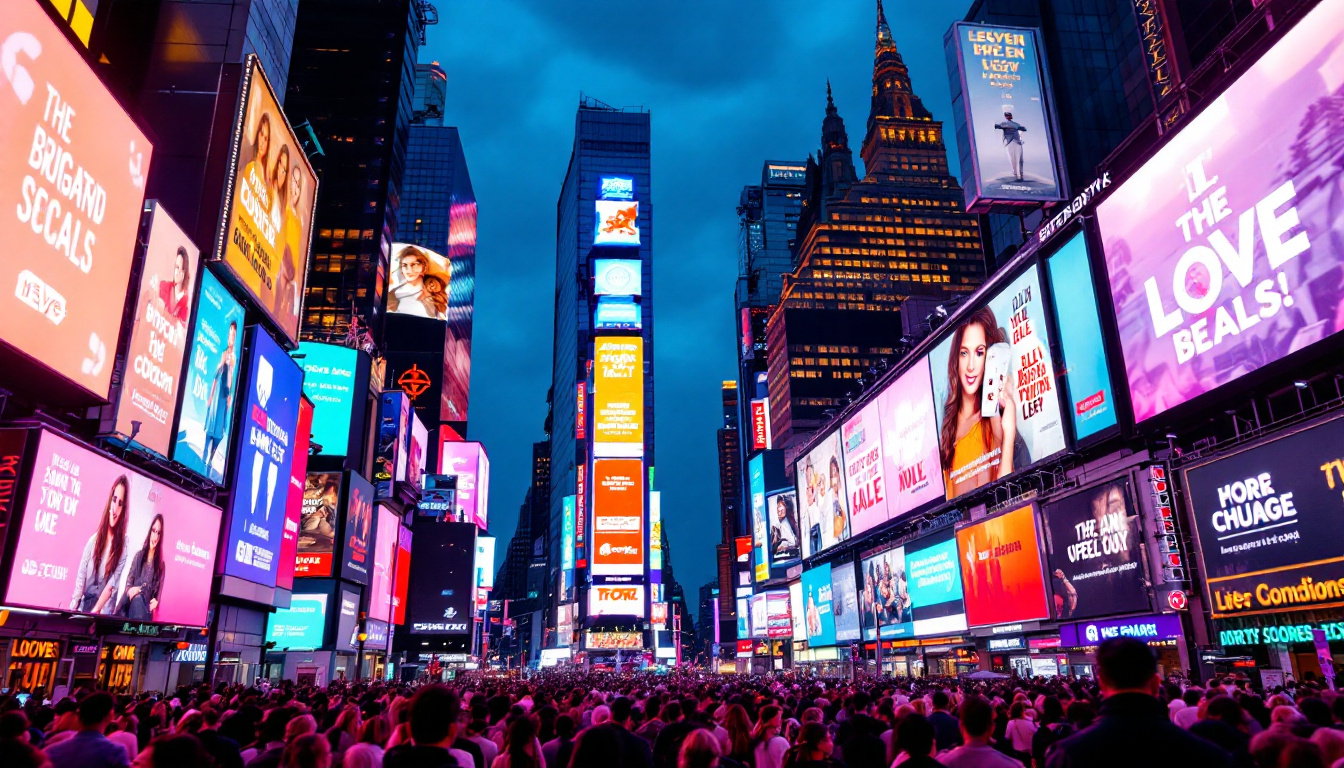
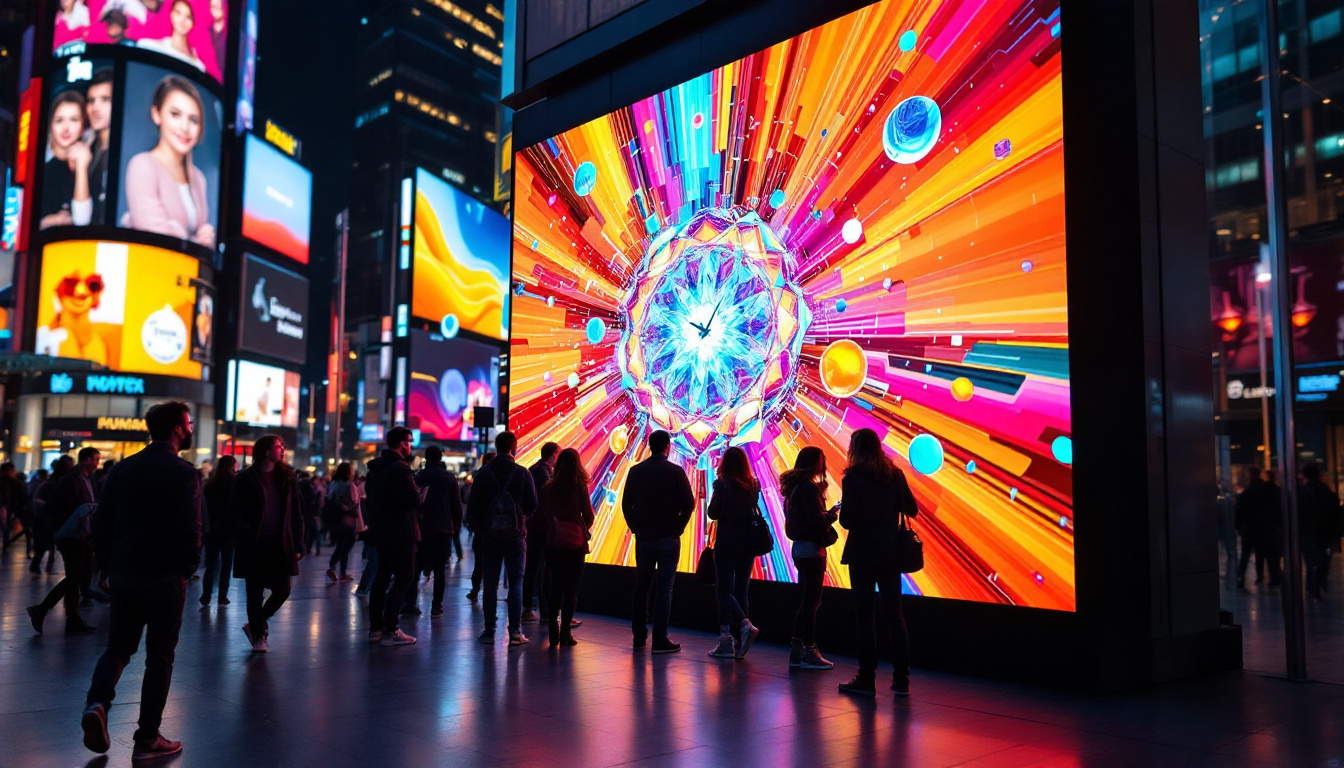
Another significant aspect of LED display cabinets is their versatility in various applications. From large-scale advertising billboards in bustling city centers to dynamic information displays in transportation hubs, these cabinets can be configured to meet diverse needs. Their ability to support high-definition video content and real-time data feeds makes them a preferred choice for events, concerts, and exhibitions, where captivating visuals are essential for audience engagement. As technology continues to evolve, we can expect even more innovative features and enhancements in LED display cabinets, further solidifying their role in modern visual communication.
The Importance of Cabinet Design in LED Displays
The design and construction of LED cabinets directly impact the display’s overall performance, durability, and maintenance costs. For businesses and event organizers investing in LED technology, understanding these factors is essential for making informed decisions.
Precision and Alignment
One of the primary challenges in assembling large LED displays is achieving perfect alignment between cabinets. Even minor misalignments can cause visible seams or distortions in the displayed image, detracting from the viewer’s experience.
High-quality cabinets are engineered with precise locking mechanisms and adjustable brackets, allowing installers to fine-tune alignment on-site. This precision ensures a seamless visual flow across the entire display, which is particularly important for applications such as outdoor advertising, stadium screens, and concert backdrops. Furthermore, the integration of advanced calibration technologies can enhance the alignment process, enabling real-time adjustments that accommodate variations in installation surfaces, thus ensuring that the final output is nothing short of spectacular.
Durability and Environmental Resistance
LED displays are often installed in environments exposed to weather, dust, and physical impact. Cabinets designed for outdoor use typically feature robust materials such as die-cast aluminum or steel, along with IP65 or higher ratings for water and dust resistance.
In contrast, indoor cabinets prioritize lightweight construction and thermal management. The choice of materials and design features influences not only the longevity of the display but also the ease of maintenance and repair. Additionally, some manufacturers are now incorporating anti-corrosive coatings and UV-resistant finishes to further enhance the durability of outdoor cabinets, ensuring that they maintain their aesthetic appeal and functionality even after prolonged exposure to harsh environmental conditions. This attention to detail not only protects the investment but also contributes to the sustainability of the display technology.
Thermal Management
LEDs generate heat during operation, and excessive temperatures can degrade performance and shorten component lifespan. Effective thermal management within the cabinet is therefore critical.
Designs may incorporate passive cooling through heat sinks or active cooling via fans. Some advanced cabinets use temperature sensors and smart cooling systems to optimize performance while minimizing noise and energy consumption. Moreover, innovative designs are now emerging that utilize materials with high thermal conductivity to dissipate heat more effectively, ensuring that the LEDs operate within optimal temperature ranges. This proactive approach not only enhances the reliability of the display but also contributes to energy efficiency, making LED displays a more sustainable choice for businesses looking to reduce their carbon footprint while still delivering high-quality visual content.
Types of LED Display Cabinets
LED cabinets come in various configurations tailored to specific use cases. Understanding these types helps stakeholders select the right solution for their needs.
Indoor LED Cabinets
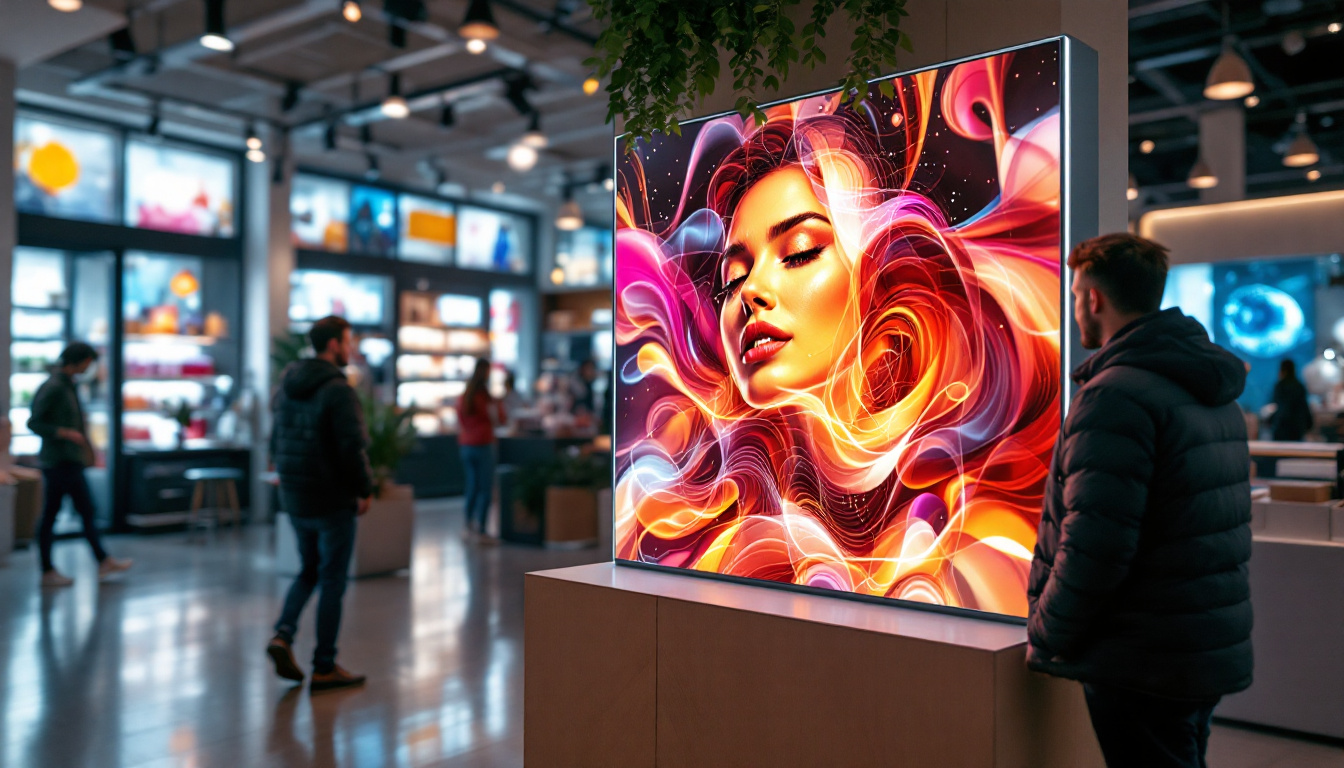
Indoor LED cabinets are designed for environments such as retail stores, conference rooms, and broadcast studios. They typically have smaller pixel pitches (ranging from 1.2mm to 4mm), allowing for high-resolution displays visible at close distances.
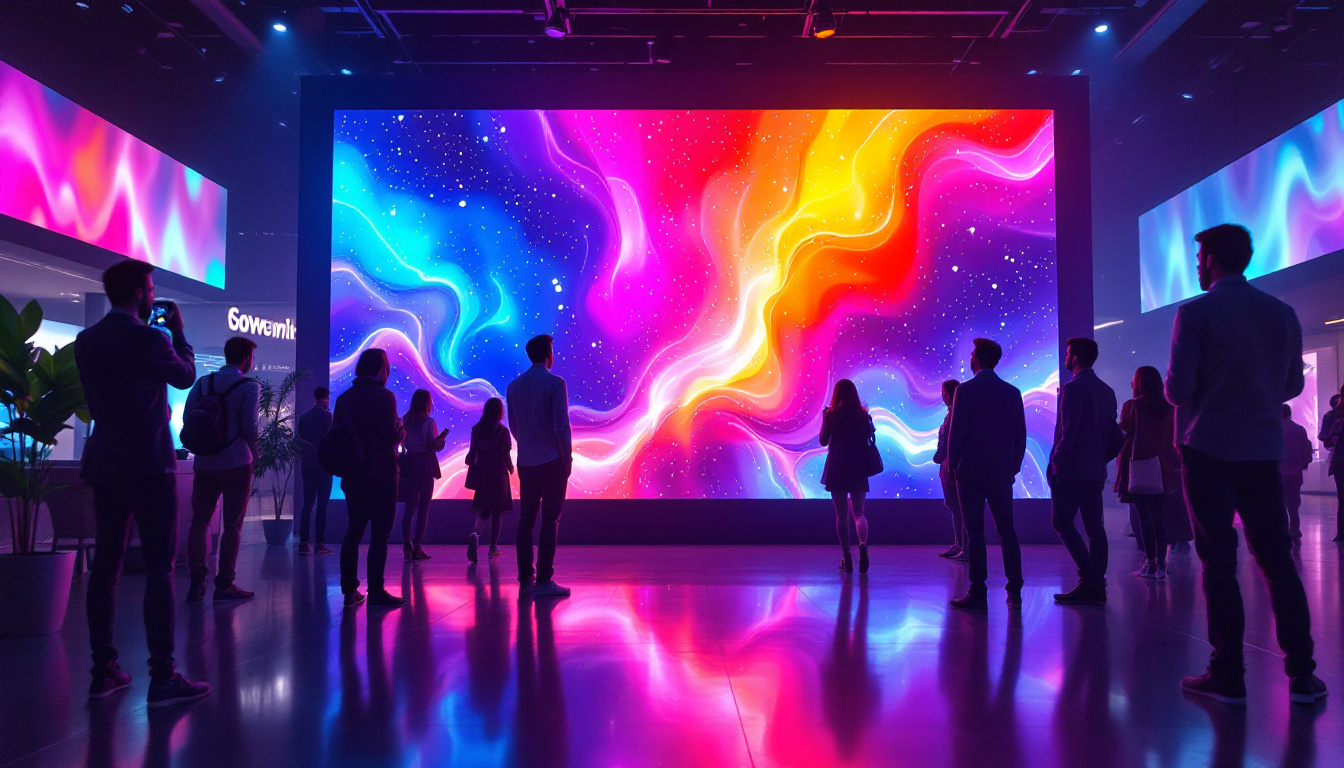
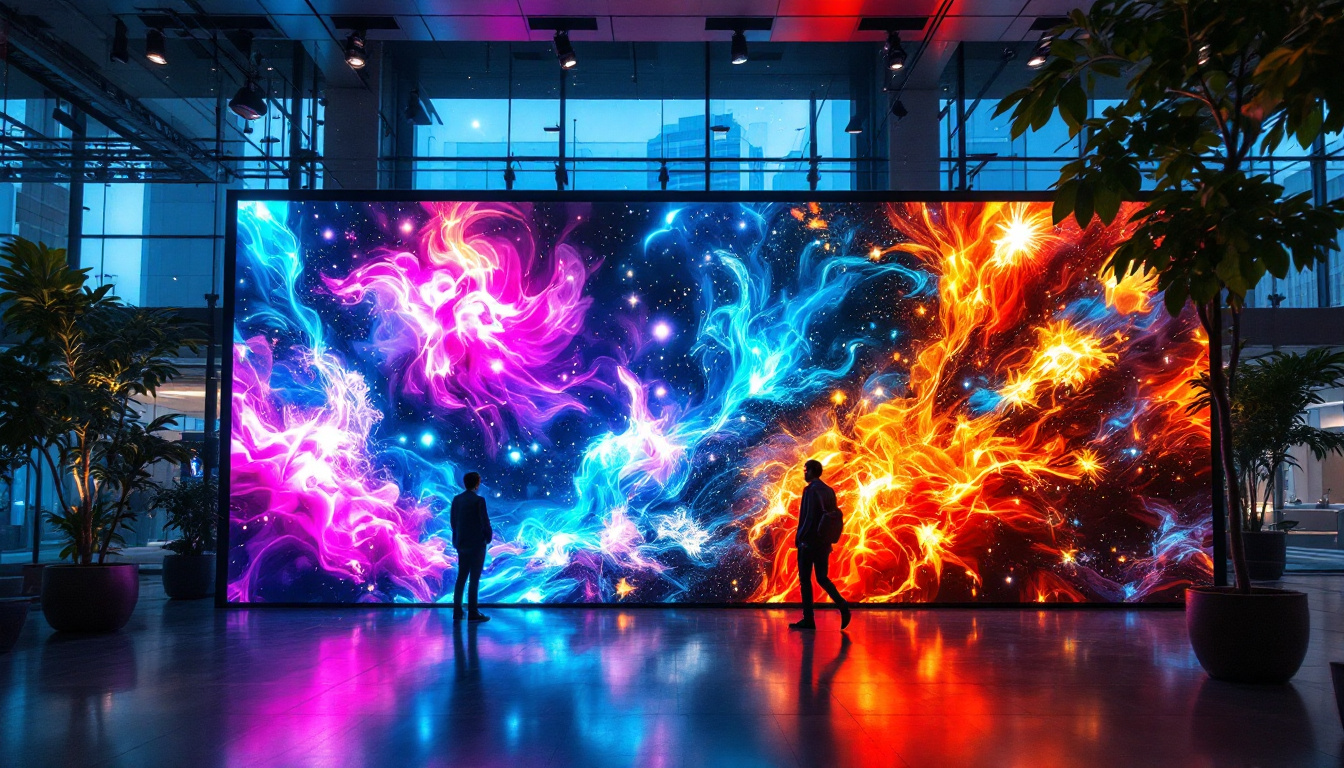
These cabinets prioritize lightweight materials and sleek designs to blend seamlessly into interior spaces. They often feature front-serviceability, enabling maintenance without dismantling the entire display. Additionally, many indoor LED cabinets support advanced features like interactive touch technology, allowing businesses to engage customers directly through dynamic content. This interactivity can enhance user experience significantly, making presentations more engaging and informative.
Outdoor LED Cabinets
Outdoor cabinets are built to withstand harsh weather conditions and provide high brightness levels (often exceeding 5,000 nits) to remain visible in direct sunlight. The pixel pitch is usually larger (from 4mm to 20mm), suitable for viewing from greater distances.
Robust sealing, corrosion-resistant materials, and enhanced cooling systems characterize outdoor cabinets. Their modular design allows for quick replacement of damaged sections, minimizing downtime. Furthermore, outdoor LED cabinets often incorporate advanced technologies such as automatic brightness adjustment, which optimizes visibility based on ambient light conditions. This feature not only improves the viewing experience but also contributes to energy efficiency, making outdoor displays more sustainable in the long run.
Rental LED Cabinets
Rental LED cabinets are optimized for portability and rapid deployment in events such as concerts, trade shows, and sports tournaments. They are typically lightweight with quick-lock mechanisms for fast assembly and disassembly.
These cabinets balance durability with ease of transport and often feature front and rear access for efficient servicing during events. In addition to their practical design, rental LED cabinets frequently come equipped with customizable skins and branding options, allowing companies to tailor the display to fit their event’s theme or corporate identity. This adaptability not only enhances the visual appeal of the setup but also reinforces brand recognition in crowded venues, making them a popular choice for high-stakes presentations and promotional activities.
How Cabinet Quality Affects LED Display Performance
The quality of the LED cabinet is a significant determinant of the display’s overall effectiveness. Several performance aspects are directly influenced by cabinet design and manufacturing standards.
Image Uniformity and Brightness
Cabinet flatness and module alignment affect image uniformity. Poorly manufactured cabinets can result in uneven surfaces, causing shadows or bright spots that degrade visual quality.
Additionally, the cabinet’s ability to dissipate heat impacts LED brightness consistency. Overheated LEDs may dim or flicker, reducing the display’s impact.
Reliability and Lifespan
High-quality cabinets use premium components and rigorous assembly processes to ensure reliability. This reduces the risk of failures such as dead pixels, power supply issues, or signal loss.
Investing in durable cabinets extends the display’s operational lifespan, offering better return on investment and fewer disruptions.
Maintenance and Serviceability
Cabinets designed with maintenance in mind simplify repairs and reduce downtime. Features like front-access panels, modular components, and standardized connectors enable technicians to quickly address issues.
For large-scale installations, efficient maintenance translates to significant cost savings and sustained display performance.
Emerging Trends in LED Cabinet Technology
As LED display technology advances, cabinet designs continue to evolve, incorporating innovations that enhance functionality and user experience.
Ultra-Thin and Lightweight Cabinets
Recent developments focus on reducing cabinet thickness and weight without compromising strength. This trend facilitates easier installation and enables more creative display designs, such as curved or flexible screens.
Improved Thermal Solutions
New materials with higher thermal conductivity and integrated cooling technologies are becoming standard. These improvements help maintain optimal operating temperatures, even in challenging environments.
Smart Cabinet Features
Integration of sensors and IoT connectivity allows cabinets to monitor temperature, humidity, and operational status in real-time. This data supports predictive maintenance and remote diagnostics, minimizing downtime.
Conclusion: The Cabinet’s Role in LED Display Success
The LED display cabinet is far more than just a housing unit; it is a critical enabler of the display’s visual quality, durability, and maintainability. Understanding the nuances of cabinet design and functionality empowers businesses, event organizers, and integrators to select the right LED solutions that meet their specific needs.
Whether for indoor retail signage, massive outdoor billboards, or dynamic event backdrops, the cabinet’s quality and design directly influence the success of LED display projects. Staying informed about the latest trends and standards in cabinet technology ensures that investments in LED displays deliver maximum impact and longevity.
Discover LumenMatrix’s Advanced LED Solutions
Ready to elevate your visual display capabilities? LumenMatrix offers a comprehensive range of LED display solutions tailored to your unique needs. From the vibrant clarity of Indoor LED Wall Displays to the robust resilience of Outdoor LED Wall Displays, and the innovative flexibility of Custom and All-in-One LED Displays, our technology is designed to captivate and engage. Embrace the future of visual communication with LumenMatrix and transform your space into a dynamic visual experience. Check out LumenMatrix LED Display Solutions today and see your vision come to life.